
APULICA / FISH AND SEAFOOD
Sun-dried octopus
PAT · Fish and seafood · Molise
In brief
- It is made in Termoli and all along the Molise coast, from octopuses weighing no more than half a kilo. (ARSARP Molise (già ERSA Molise) — Prodotti tradizionali: preparazione di pesci, molluschi, crostacei)
- Before drying, the octopus is beaten on a rock or stirred for a long time in a pot so that the flesh becomes more tender. (ARSARP Molise (già ERSA Molise) — Prodotti tradizionali: preparazione di pesci, molluschi, crostacei)
- It dries in the sun stretched on two thin canes tied in a cross, and in the hottest hours it is moved into partial shade. (ARSARP Molise (già ERSA Molise) — Prodotti tradizionali: preparazione di pesci, molluschi, crostacei)
- Once dry it is kept wrapped in paper, in woven poplar baskets hung up high. (ARSARP Molise (già ERSA Molise) — Prodotti tradizionali: preparazione di pesci, molluschi, crostacei)
History and origin
Sun-dried octopus belongs to a small family of dried fish that Molise's list of traditional products records in Termoli and along the region's coast: alongside it are the small-spotted catshark, the four-eyed ray, the marbled electric ray and small red mullet. For the mullet the regional profile explains that sailors dried fish too small to be sold, so they could eat them in winter.
As evidence of the tradition the profile cites a 1928 guide presenting Termoli as a seaside resort. The words of the craft are in dialect too: the mmalandre is the digestive gland to be removed, a rrecciature is the treatment that softens the flesh, and a misse 'n croce is the setting of the octopus on crossed canes.
Sun-dried octopus is on the twenty-sixth revision (2026) of the national list of traditional food products, among the fish products of Molise.
Sources: ARSARP Molise (già ERSA Molise) — Prodotti tradizionali: preparazione di pesci, molluschi, crostacei · Masaf — Elenco nazionale dei prodotti agroalimentari tradizionali, XXVI revisione (2026)
Area and method of production
Small octopuses are used, no heavier than 500 grams. The octopus is emptied of its innards, digestive gland and ink sac, its eyes and beak are removed and it is washed carefully in seawater. To make it tender and easier to digest it is beaten hard against a firm surface, a rock or the floor, or else stirred for a long time in a pot with an unperforated ladle until the flesh has softened.
After another rinse, again in seawater, it drains on a wooden board with its skin left on. It is then threaded onto two thin cane sticks tied in a cross: the head on one tip, the body on the others, the tentacles left hanging.
Tied to a stretched rope, it dries in the sun. The exposure has to be gradual: in the hottest hours it goes into partial shade, because drying too fast would burn it. From time to time it is turned on the cross so that it dries evenly.
Sources: ARSARP Molise (già ERSA Molise) — Prodotti tradizionali: preparazione di pesci, molluschi, crostacei
How to recognise it
The octopus is a cephalopod mollusc without a shell, with a fleshy, sac-shaped body and a broad head equipped with a beak and tentacles. The ones chosen for drying are small, under half a kilo, and keep their skin.
The product is ready when all the water has gone: it is then slipped gently off the cane cross. Slow dehydration, the regional profile notes, keeps the flesh from burning and losing its proteins.
Dried octopus can also be recognised by the way it is stored: wrapped in clean paper against dust and insects, inside rectangular baskets woven from very thin strips of poplar, the cestèlle, which are hung up in the air so that they stay ventilated.
Sources: ARSARP Molise (già ERSA Molise) — Prodotti tradizionali: preparazione di pesci, molluschi, crostacei
Where to taste it
The home of sun-dried octopus is Termoli, together with the rest of Molise's 35 kilometres of coast. The old town stands on a walled promontory guarded by the Swabian castle; at the heart of the medieval centre is the cathedral, which holds the relics of Saint Bassus and Saint Timothy, the city's patrons.
Termoli's bond with fishing shows in the trabucchi, the fishing machines on stilts that let fishermen work even when the sea was rough. The town council recalls that the first was built around 1850 by Felice Marinucci, who had seen them in Abruzzo; today the Trabucchi Walk runs from the foot of the castle along the walls to the harbour.
At the table, among the coast's seafood dishes, the national tourism portal points to Termoli's fish brodetto, alongside the Biferno wines of Campomarino.
Sources: ARSARP Molise (già ERSA Molise) — Prodotti tradizionali: preparazione di pesci, molluschi, crostacei · Italia.it — Termoli · Italia.it — La costa molisana · Comune di Termoli — I trabucchi
Protection
- Traditional agri-food product (PAT) — Molise, n. 153, 26th revision (Masaf — Elenco nazionale dei prodotti agroalimentari tradizionali, XXVI revisione (2026))
When
- The sources consulted give no months.
Where
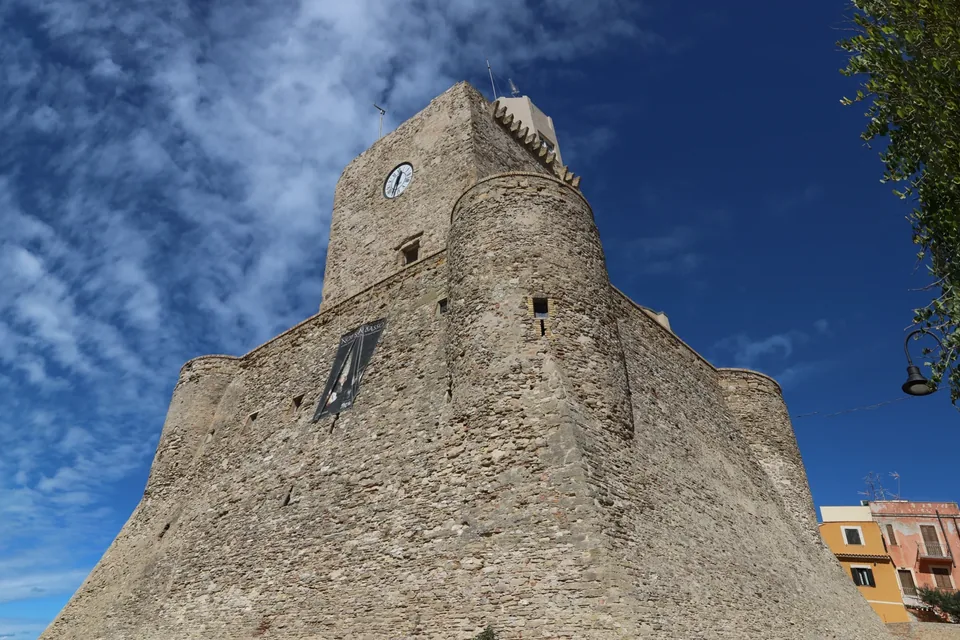
Termoli
An old town on a rocky spur over the sea, the Swabian castle, the cathedral of San Basso and the trabucchi of the Adriatic coast.
Read the guide →Photo: C.lapia / Wikimedia Commons — CC BY-SA 4.0 · Resized and converted to WebP.
