
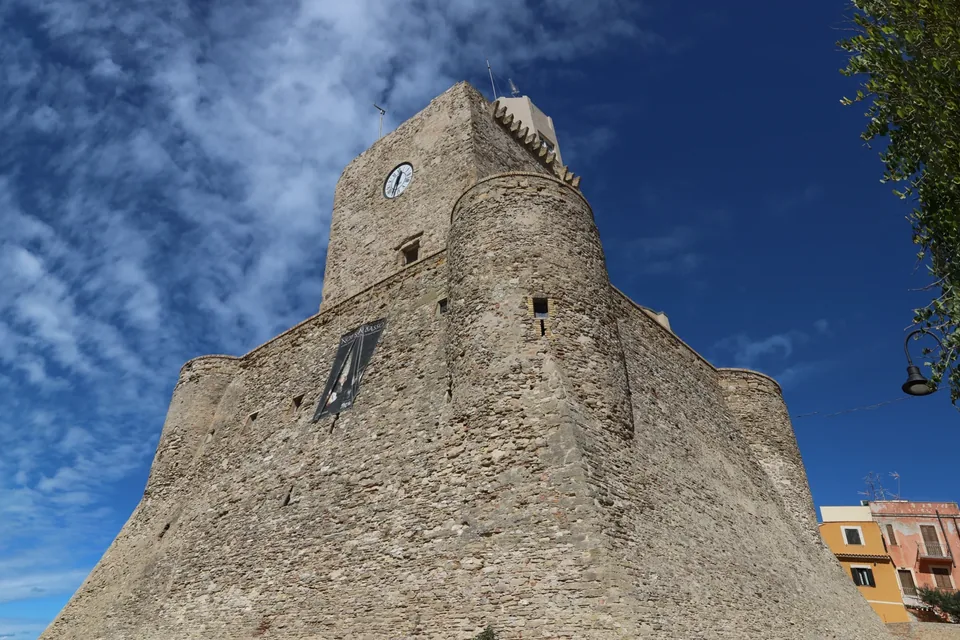
Termoli
An old town on a rocky spur over the sea, the Swabian castle, the cathedral of San Basso and the trabucchi of the Adriatic coast.
Read the guide →Photo: C.lapia / Wikimedia Commons — CC BY-SA 4.0 · Resized and converted to WebP.

APULICA / Molise
Molise sits in the middle of the transhumance journey: the droving tracks that ran from Abruzzo’s pastures down to the Tavoliere plain of Puglia cross it from end to end. Samnite sanctuaries, a Roman town born on a droving track, bells cast for centuries, mountain villages and a small walled town on the Adriatic.
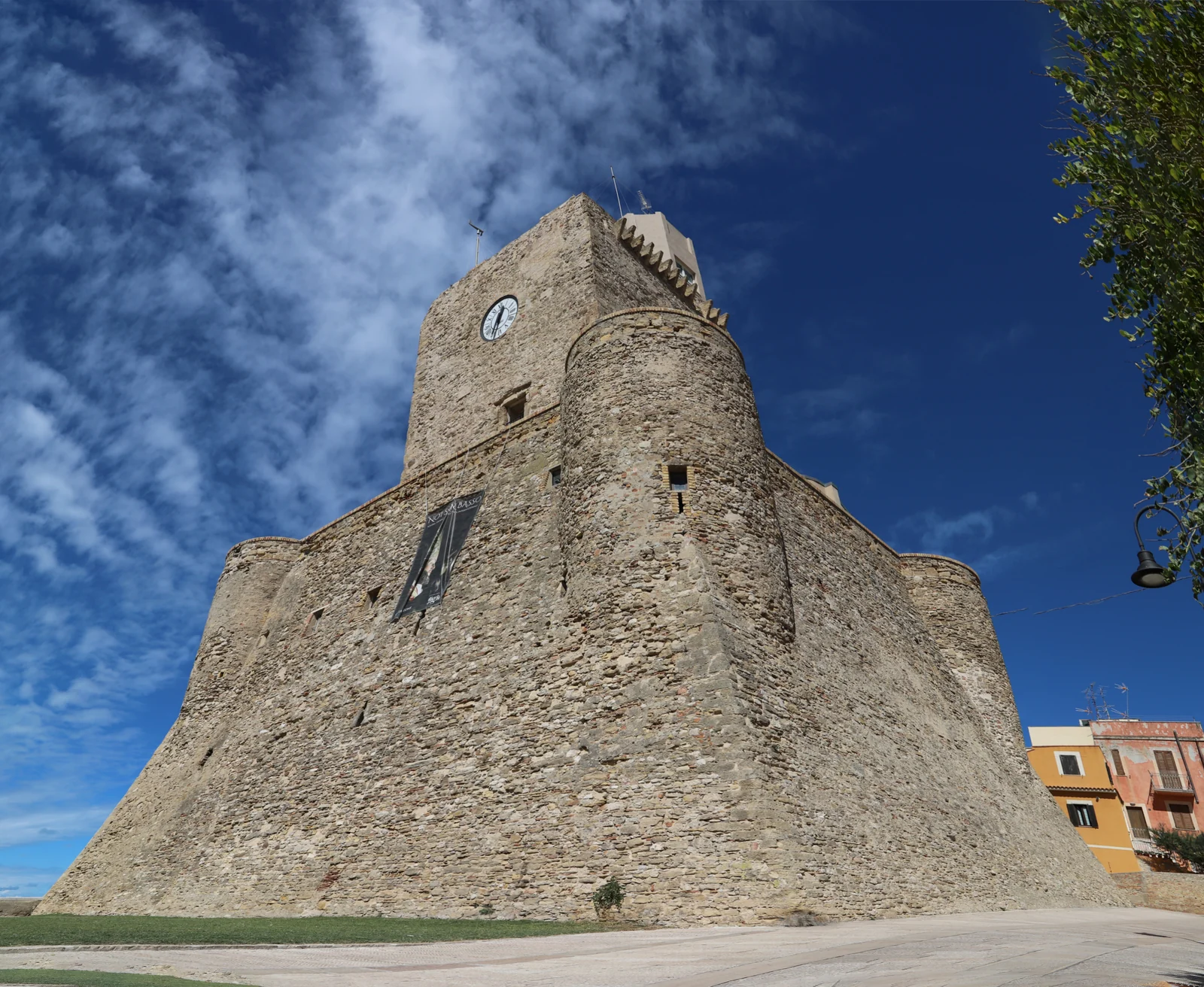
The Swabian castle in Termoli. A contextual photograph of a place connected with this story. · Photo: C.lapia / Wikimedia Commons — CC BY-SA 4.0 · Resized and converted to WebP.
The Tratturo Magno links L’Aquila with Foggia via Termoli; the Pescasseroli–Candela runs for about 200 km; the Celano–Foggia passes the archaeological areas of Pietrabbondante.
Sources: Italia.it — I tratturi del Molise: storia della transumanza
Until the fall of the Roman Empire, Molise shared its history with Abruzzo. Isernia is remembered as the capital of peoples of Samnite origin, and Pietrabbondante is among the centres of the Samnite age. The tratturi, ancient grassy tracks worn by shepherds, tell the story of the transhumance that shaped the rural South for centuries.
For Apulica, Molise is the stretch that stitches Abruzzo’s pastures to Puglia’s Tavoliere. It is best travelled one thread at a time: the Samnite and bell-making uplands, the Matese and Roman Sepino, the coast at Termoli. Visits are arranged with local operators, without availability promised in advance.
An old town on a rocky spur over the sea, the Swabian castle, the cathedral of San Basso and the trabucchi of the Adriatic coast.
Read the guide →Photo: C.lapia / Wikimedia Commons — CC BY-SA 4.0 · Resized and converted to WebP.
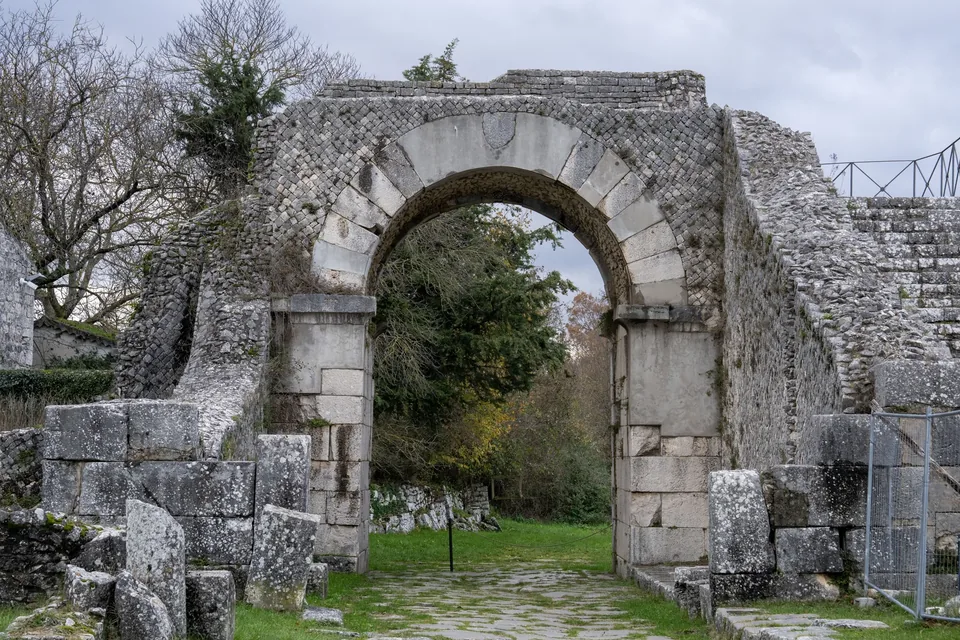
The Altilia-Saepinum archaeological area, the medieval village of Sepino and Samnite Terravecchia above the Tammaro valley.
Read the guide →Photo: Stapinium / Wikimedia Commons — CC BY 4.0 · Resized and converted to WebP.
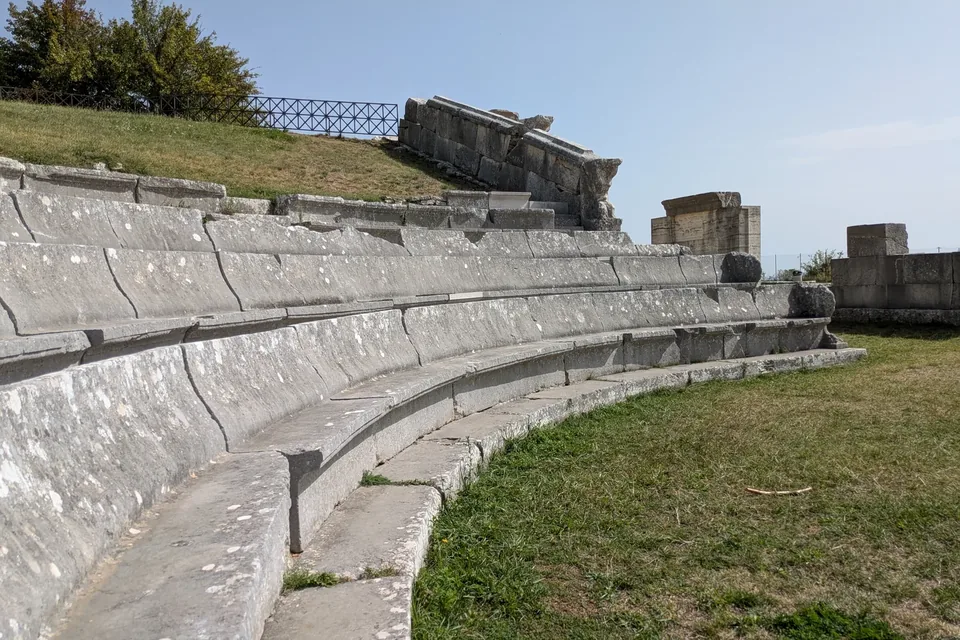
The Italic sanctuary on the slopes of Monte Saraceno: the assembly cavea, the temples and the Samnites’ Domus publica.
Read the guide →Photo: Accurimbono / Wikimedia Commons — CC BY-SA 4.0 · Resized and converted to WebP.
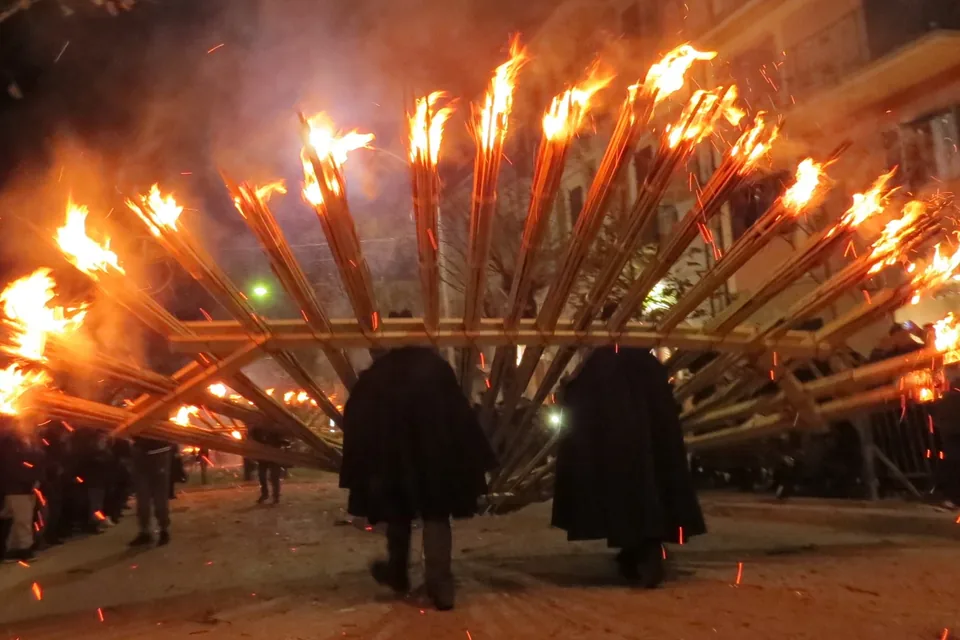
The Pontifical Marinelli Foundry and its museum, copper and wrought-iron workshops, and the December ’Ndocciata.
Read the guide →Photo: Gianfranco Vitolo / Wikimedia Commons — CC BY-SA 2.0 · Resized and converted to WebP.
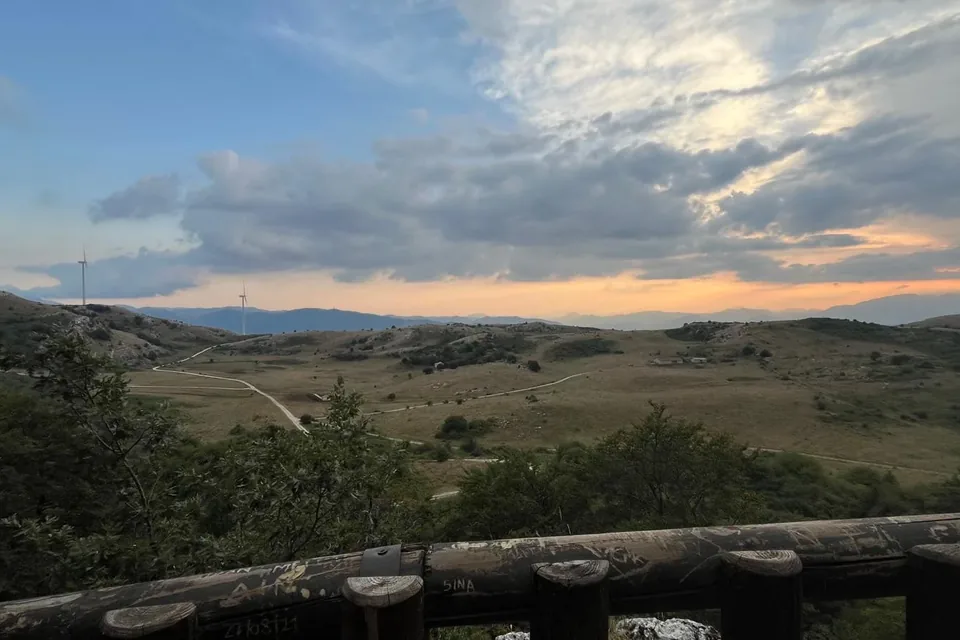
A village of the Molise Apennines among pastures and beech woods, with a tradition of scissors and knives and the arrival of transhumance from Puglia.
Read the guide →Photo: Spivi14 / Wikimedia Commons — CC BY-SA 4.0 · Resized and converted to WebP.
Several starting points, one per way: Bari, Alberobello, Brindisi, Albano di Lucania, Manduria → Matera, Cathedral of the Madonna della Bruna · No overall length: it is a network of ways. The official site gives Via Peuceta 168 km (170 in the text of the same page and on italia.it, 167 in the 2020 Pugliapromozione guide), Via Ellenica 170 km, Via Ellenica variant 137 km (but 118 km in the page text), Via Lucana 136 km, Via Jonica 215 km, Via Sveva 200 km (210 in the text) and Via Dauna 400 km; the Sveva and Dauna are not yet open. · It varies by way: Peuceta 7 stages, Ellenica 8, Ellenica variant 6, Lucana 7; the Via Jonica lists 5 stages from Manduria to Taranto plus a link stage to Statte. The Sveva (8 days) and Dauna (22 days) are not yet open.
Puglia, Basilicata, Molise
L'Aquila, Basilica of Santa Maria di Collemaggio → Monte Sant'Angelo, Church of St Michael the Archangel · The official site gives 543 km on foot in its summary figures, but its descriptive text speaks of more than 520 km, and the waymarking page of 520 marked km. The cycling version measures 440 km. · The official site gives 37 stages in its summary figures and 35 stages in its descriptive text. The stage list numbers 29 main stages (13 and 14 are merged) plus eight variants marked "bis"; the guidebook describes 29 stages plus 3 stages of a mountain variant. By bike there are 9 stages.
Abruzzo, Molise, Puglia
Reggio Calabria, where the trail returns to the mainland (stage SI U01) → Campotosto in Abruzzo (stage SI P13), from where the national trail continues towards Amatrice and beyond · About 8,000 km for the whole national trail according to the official project page (the FAQ gives 7,900–8,000 km). The CAI does not state the combined length of the sections in these six regions; for Calabria alone italia.it gives 654 km. · For the whole trail the FAQ speaks of more than 500 stages, while the project page mentions almost 400 stage points. The stage-card list shows 120 cards with codes P to U, variants included (R04 is missing). For Calabria italia.it gives 34 stages, while the CAI list has 32 Calabrian cards (U01–U32).
Calabria, Basilicata, Campania, Puglia, Molise, Abruzzo
Sanctuary · Castelpetroso (Isernia) · Maria Santissima Addolorata, Fabiana Cicchino, Serafina Valentino
outside.jpg)

.jpg)
