
APULICA / WALKS
Cammino Materano
Several starting points, one per way: Bari, Alberobello, Brindisi, Albano di Lucania, Manduria → Matera, Cathedral of the Madonna della Bruna · No overall length: it is a network of ways. The official site gives Via Peuceta 168 km (170 in the text of the same page and on italia.it, 167 in the 2020 Pugliapromozione guide), Via Ellenica 170 km, Via Ellenica variant 137 km (but 118 km in the page text), Via Lucana 136 km, Via Jonica 215 km, Via Sveva 200 km (210 in the text) and Via Dauna 400 km; the Sveva and Dauna are not yet open. · It varies by way: Peuceta 7 stages, Ellenica 8, Ellenica variant 6, Lucana 7; the Via Jonica lists 5 stages from Manduria to Taranto plus a link stage to Statte. The Sveva (8 days) and Dauna (22 days) are not yet open.
Key facts
| Start and finish | Several starting points, one per way: Bari, Alberobello, Brindisi, Albano di Lucania, Manduria → Matera, Cathedral of the Madonna della Bruna |
|---|---|
| Length | No overall length: it is a network of ways. The official site gives Via Peuceta 168 km (170 in the text of the same page and on italia.it, 167 in the 2020 Pugliapromozione guide), Via Ellenica 170 km, Via Ellenica variant 137 km (but 118 km in the page text), Via Lucana 136 km, Via Jonica 215 km, Via Sveva 200 km (210 in the text) and Via Dauna 400 km; the Sveva and Dauna are not yet open. (Cammino Materano - sito ufficiale (home, Le Vie) · Cammino Materano - Via Peuceta · Cammino Materano - Via Ellenica · Cammino Materano - Via Ellenica variante · Cammino Materano - Via Lucana · Cammino Materano - Via Sveva · Cammino Materano - Via Jonica · Cammino Materano - Via Dauna · Via Peuceta del Cammino Materano - italia.it (Ministero del Turismo) · In cammino - guida Pugliapromozione (2020)) |
| Stages | It varies by way: Peuceta 7 stages, Ellenica 8, Ellenica variant 6, Lucana 7; the Via Jonica lists 5 stages from Manduria to Taranto plus a link stage to Statte. The Sveva (8 days) and Dauna (22 days) are not yet open. (Cammino Materano - Via Peuceta · Cammino Materano - Via Ellenica · Cammino Materano - Via Ellenica variante · Cammino Materano - Via Lucana · Cammino Materano - Via Sveva · Cammino Materano - Via Jonica · Cammino Materano - Via Dauna) |
| Credential | The Credenziale is obtained with a free donation and an online form and collects the sigilla, the stage stamps. With at least 100 km on foot or 150 by bike it entitles walkers to the Testimonium in Matera, Bari or Brindisi and to the Xenium in Martina Franca. (Cammino Materano - La Credenziale · Cammino Materano - Testimonium · Cammino Materano - Xenium · Cammino Materano - I Sigilla) |
| Regions | Puglia, Basilicata, Molise (The open ways cross Puglia and Basilicata. The Via Dauna starts in Termoli, in Molise, but the official site says it is not yet open. The italia.it catalogue also lists the route under Campania, and some descriptive pages of the official site and the 2020 Pugliapromozione guide mention a start from Paestum, but none of the ways published on the official site lies in Campania.) |
| Official website | camminomaterano.it |
Map, stages and elevation
Via Peuceta (Bari – Matera): 7 mapped stages, 168 km, 2123 m of ascent and 1700 m of descent computed on the terrain model. Official distances may differ: the figures published by the route prevail.
| Stage | From – to | km | Ascent | Descent | Max altitude |
|---|---|---|---|---|---|
| 1 | Bari – Bitetto | 17.2 | 140 m | 13 m | 139 m |
| 2 | Bitetto – Cassano delle Murge | 25.1 | 262 m | 58 m | 370 m |
| 3 | Cassano Delle Murge – Santeramo In Colle | 22.5 | 333 m | 191 m | 486 m |
| 4 | Santeramo In Colle – Altamura | 23.0 | 208 m | 219 m | 497 m |
| 5 | Altamura – Gravina In Puglia | 20.1 | 153 m | 292 m | 480 m |
| 6 | Gravina In Puglia – Picciano | 30.0 | 544 m | 452 m | 459 m |
| 7 | Picciano – Matera | 29.7 | 483 m | 475 m | 434 m |
Route: © OpenStreetMap contributors (ODbL) · Elevation: EU-DEM v1.1, Copernicus · Outlines: ISTAT · updated 2026-10-11
In brief
- It is not a single trail but a network of ways, all heading for Matera: the official site presents six plus a variant, of which the Sveva and the Dauna are still closed. (Cammino Materano - sito ufficiale (home, Le Vie) · Cammino Materano - Via Sveva · Cammino Materano - Via Dauna)
- The Via Peuceta leaves from the Basilica of St Nicholas in Bari and reaches Matera in 7 stages, via Santeramo in Colle, Altamura, Gravina in Puglia and the Picciano sanctuary. (Cammino Materano - Via Peuceta)
- The Via Ellenica links two UNESCO sites, the trulli of Alberobello and the Sassi of Matera, through the Land of the Ravines; the site describes it as fully waymarked and served by accommodation. (Cammino Materano - Via Ellenica)
- Every way can be walked in both directions: yellow arrows always point towards Matera, green ones the opposite way. (Cammino Materano - Segnaletica)
- The route is run by a non-profit body, Cammino Materano ETS, and states that it receives no public funding: the credential and merchandise cover its costs. (Cammino Materano - sito ufficiale (home, Le Vie) · Cammino Materano - La Credenziale)
Why walk it
For its founders the real destination of the Cammino Materano is slowness: walking is the way to get to know a territory closely, in its nature and history, its people, its food and its hospitality, and also to reclaim your own time and senses. The journey is conceived as a spiritual experience, ending before the cathedral of the Madonna della Bruna in Matera, one of the longest-inhabited cities of the Mediterranean.
The landscapes change a great deal from one way to another: on the Peuceta you move from the olive groves of the Bari coast to the steppes of the Alta Murgia and the ravines; on the Ellenica you descend into rocky gorges with cave villages and frescoed rock churches; the Lucana crosses river valleys, woods and clay badlands; the Jonica runs through Mediterranean scrub, dunes and coastal towers.
Then there is the table: the site tells of the chickpeas of Cassano delle Murge, the olives of Bitetto, the Immacolata tarallo of Gravina and a cuisine rooted in farming tradition. And there are the encounters: local communities organised in committees and a hospitality the route links to ancient Greek xenia, the sacred duty to host the traveller.
Sources: Cammino Materano - sito ufficiale (home, Le Vie) · Cammino Materano - Il Cammino · Cammino Materano - Via Peuceta · Cammino Materano - Via Ellenica · Cammino Materano - Via Lucana · Cammino Materano - Via Jonica · Cammino Materano - Ricettività
A network of ways to Matera
The Cammino Materano is a network of walking routes that all head for Matera, each with its own starting point. The official site speaks of six ways, named after the ancient names of the lands they cross, except the Via Sveva, dedicated to Frederick II; the route cards also include a variant of the Via Ellenica, for seven routes in all.
They are not all at the same stage. The Peuceta (from Bari), the Ellenica (from Alberobello) and the Lucana (from Albano di Lucania) have described stages and accommodation; the Ellenica variant from Brindisi is still a work in progress, with waymarking lacking in several stretches; on the Via Jonica the first section from Manduria to Taranto is marked. The Via Sveva and the Via Dauna, by contrast, are listed as still closed: feasibility studies are complete, but waymarking and accommodation are being prepared.
The project is run by Cammino Materano ETS and appears in the Ministry of Culture's Atlas of Walks, with recognition from the Puglia Region too. The Ministry of Tourism includes it, on italia.it, in its catalogue of religious routes.
Sources: Cammino Materano - sito ufficiale (home, Le Vie) · Cammino Materano - Il Cammino · Cammino Materano - Via Peuceta · Cammino Materano - Via Ellenica · Cammino Materano - Via Ellenica variante · Cammino Materano - Via Lucana · Cammino Materano - Via Sveva · Cammino Materano - Via Jonica · Cammino Materano - Via Dauna · Cammini religiosi in Italia - italia.it (Ministero del Turismo)
The ways and their stages
Via Peuceta, Bari - Matera, 7 stages: overnight stops are Bitetto (after Modugno), Cassano delle Murge, Santeramo in Colle, Altamura, Gravina in Puglia and the Picciano sanctuary, then Matera. Stages run from 16.8 to 29.9 km; they add up to about 168 km, the figure on the card.
Via Ellenica, Alberobello - Matera, 8 stages: Martina Franca, Crispiano, Massafra, Mottola, Castellaneta (via Palagianello), Laterza, Ginosa and finally Matera, with stages of 16 to 27.8 km. The variant starts in Brindisi and reaches Alberobello in 6 stages, stopping at San Vito dei Normanni, Carovigno, Ostuni, Cisternino and Locorotondo: the card says 137 km, the text of the same page 118, and the stages add up to about 118 km.
Via Lucana, Albano di Lucania - Matera, 136 km in 7 stages: Tricarico, Grassano, Grottole, Miglionico, Pomarico, Montescaglioso, Matera. Via Jonica: from Manduria to Taranto via Torre Colimena, Maruggio, Lizzano and Pulsano, plus a stage linking to the Ellenica at Statte.
The ways not yet open: the Sveva, from Barletta via Andria, Castel del Monte, Minervino Murge, Spinazzola, Poggiorsini and Gravina to Altamura (its card is titled 'from Trani to Matera' instead), and the Dauna, from Termoli through the Monti Dauni, Melfi and Venosa until it joins the Sveva.
Sources: Cammino Materano - Via Peuceta · Cammino Materano - Via Ellenica · Cammino Materano - Via Ellenica variante · Cammino Materano - Via Lucana · Cammino Materano - Via Sveva · Cammino Materano - Via Jonica · Cammino Materano - Via Dauna
Difficulty, waymarking and seasons
The site rates the Peuceta, the Ellenica variant and the Jonica as easy, and the Ellenica and the Lucana as medium. Individual stages vary, though: on the Peuceta the last two, Gravina - Picciano and Picciano - Matera, are almost 30 km each and rated difficult, as are the last stage of the Ellenica (Ginosa - Matera) and the first of the Lucana (Albano - Tricarico). The recommended seasons are spring and autumn, with winter also suggested for the Peuceta.
Waymarking is light: in towns, round green stickers with a yellow arrow and rectangular stickers with green and yellow bands, plus welcome boards with the stage sigillum at the entrance and exit; in the countryside, painted arrows, yellow towards Matera and green the other way, and two-colour flag marks. An L shape marks a turn, an X a wrong direction. Outside towns there is normally a sign at least every 300 m.
The site warns that stickers may be removed or arrows hidden by vegetation: if you see no sign for half an hour, go back to the last one, and in towns ask for the cathedral or main church. The site's news also reports works and diversions, for instance on Grottole - Miglionico and on the first Peuceta stage.
Sources: Cammino Materano - sito ufficiale (home, Le Vie) · Cammino Materano - Via Peuceta · Cammino Materano - Via Ellenica · Cammino Materano - Via Ellenica variante · Cammino Materano - Via Lucana · Cammino Materano - Via Jonica · Cammino Materano - Segnaletica
Credential, hospitality and getting there
Before setting off you need the Credenziale, the slow traveller's 'passport', in which you collect the sigilla, end-of-stage stamps designed to tell the story of the area. It is obtained by filling in an online form and making a free donation, and arrives by post (request it at least 20 days ahead) or is collected at a distribution point. The route requires its own specific credential, which belongs to the Cammini del Sud circuit. With at least 100 km on foot or 150 by bike you can collect the Testimonium in Matera, Bari or Brindisi, giving the committee volunteers two days' notice; on the Ellenica, in Martina Franca, there is the Xenium, a halfway certificate.
The site describes six types of accommodation: B&Bs, present at every stage town; holiday lets in private homes; religious hospitality run by orders, for example at Picciano, Ostuni, Martina Franca and Massafra; hostels with dormitories; masserie and agriturismi, often outside towns and useful for shortening or lengthening stages; and home hospitality with families. Network members offer capped prices to credential holders.
For the Via Lucana the site explains how to reach the start: Albano di Lucania is served by bus from Potenza, which has a railway station; Tricarico is linked by bus to Matera and to Grassano Scalo station.
Sources: Cammino Materano - Via Lucana · Cammino Materano - La Credenziale · Cammino Materano - Testimonium · Cammino Materano - Xenium · Cammino Materano - I Sigilla · Cammino Materano - Ricettività
History and meaning
The route was born from a question that a Dutch pilgrim on the Camino de Santiago put to one of its future founders, surprised that Italy's southern regions offered no routes to follow on foot. Angelofabio Attolico, Claudio Focarazzo and Lorenzo Lozito, archaeologists, historians and environmental guides, then set about linking old Roman and medieval tracks, transhumance trails and country paths, aiming to open up the inland areas to off-season, sustainable tourism.
The site presents it as a cultural itinerary inspired by the criteria of the Council of Europe's Cultural Routes and centred on three themes: the Norman-Swabian heritage, the rural landscape and its farming culture, and slow travel. The Green Pilgrimage programme named it a European good practice.
The starting points are places of pilgrimage: the Basilica of St Nicholas in Bari, which after the arrival of the saint's relics in 1087 became one of the great destinations between Rome and Jerusalem, and the Via Appia column in Brindisi. The goal, Matera, has been inhabited since the Palaeolithic; its Sassi are recognised as a cultural landscape and the city was European Capital of Culture in 2019.
Sources: Cammino Materano - Il Cammino · Cammino Materano - L'Itinerario Culturale · Via Peuceta del Cammino Materano - italia.it (Ministero del Turismo)
Places along the route

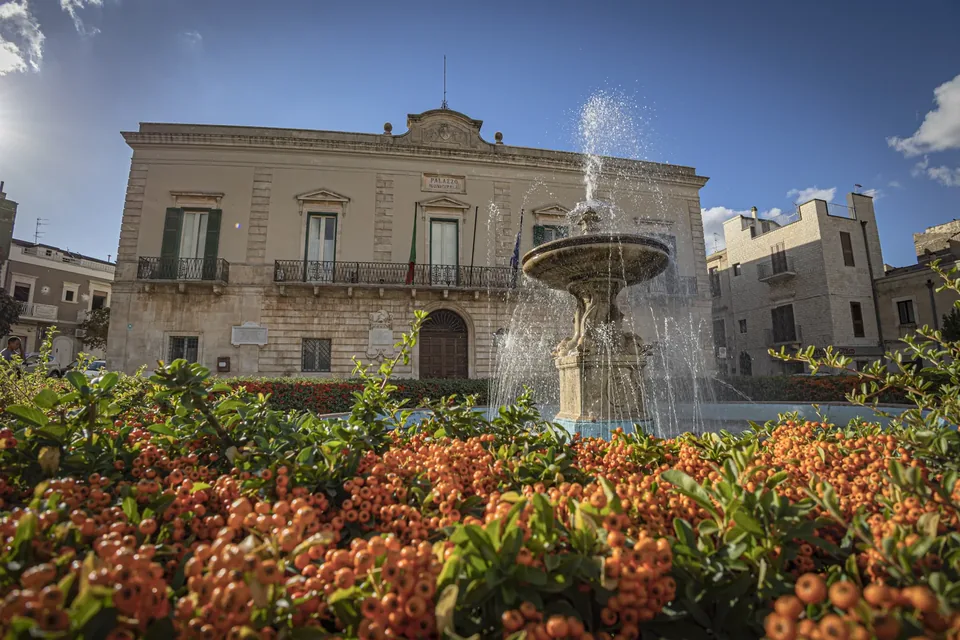
Bari
The old town as a first encounter with Puglia.
Read the guide →Photo: Berthold Werner / Wikimedia Commons — CC BY-SA 3.0 · Resized and converted to WebP.

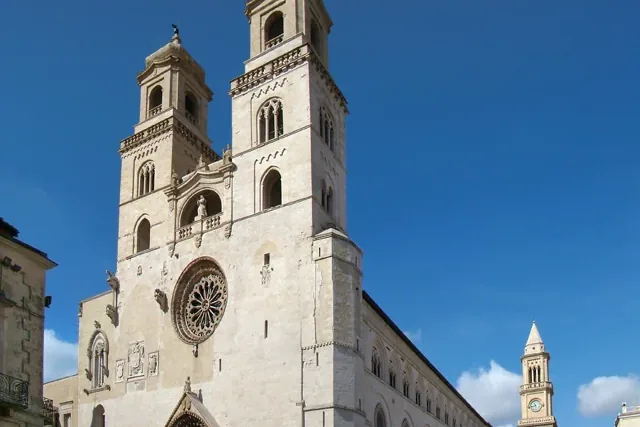
Santeramo in Colle
Santeramo in Colle: details of the inhabited Murgia.
Read the guide →Photo: G.ppe Davide Procacci / Wikimedia Commons — CC BY-SA 4.0 · Resized and converted to WebP.

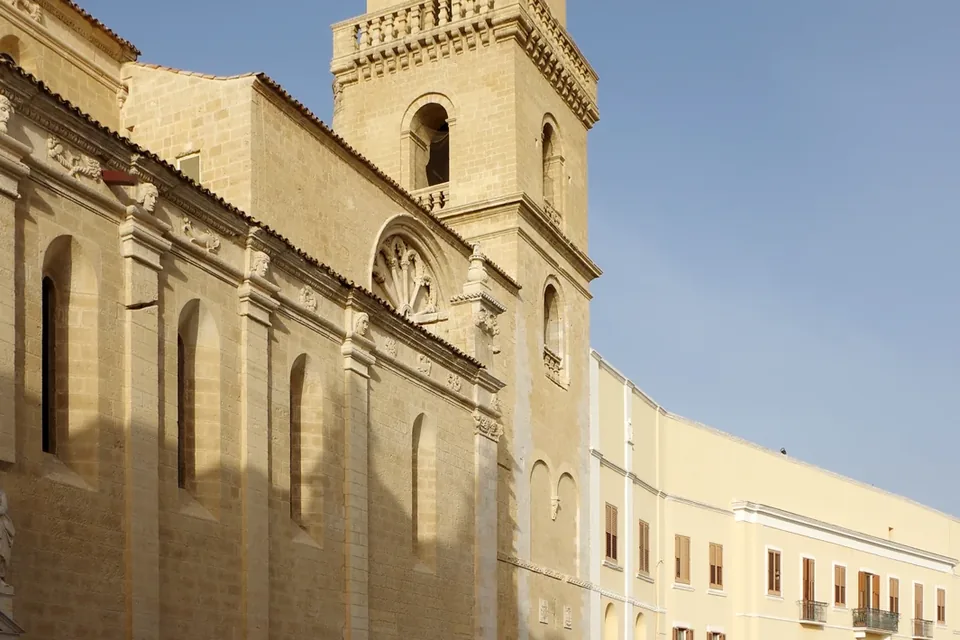
Altamura
Bread culture, the old town and the Murgia landscape as the starting point for a journey.
Read the guide →Photo: Tango7174 / Wikimedia Commons — CC BY-SA 4.0 · Resized and converted to WebP.

Gravina in Puglia
Rock-cut neighbourhoods, pastoral history and the relationship between town and landscape.
Read the guide →Photo: Berthold Werner / Wikimedia Commons — CC BY-SA 3.0 · Resized and converted to WebP.


Matera
The Sassi, Murgia and local bread: explore a city through architecture, nature and everyday life.
Read the guide →Photo: Velvet / Wikimedia Commons — CC BY-SA 4.0 · Resized and converted to WebP.

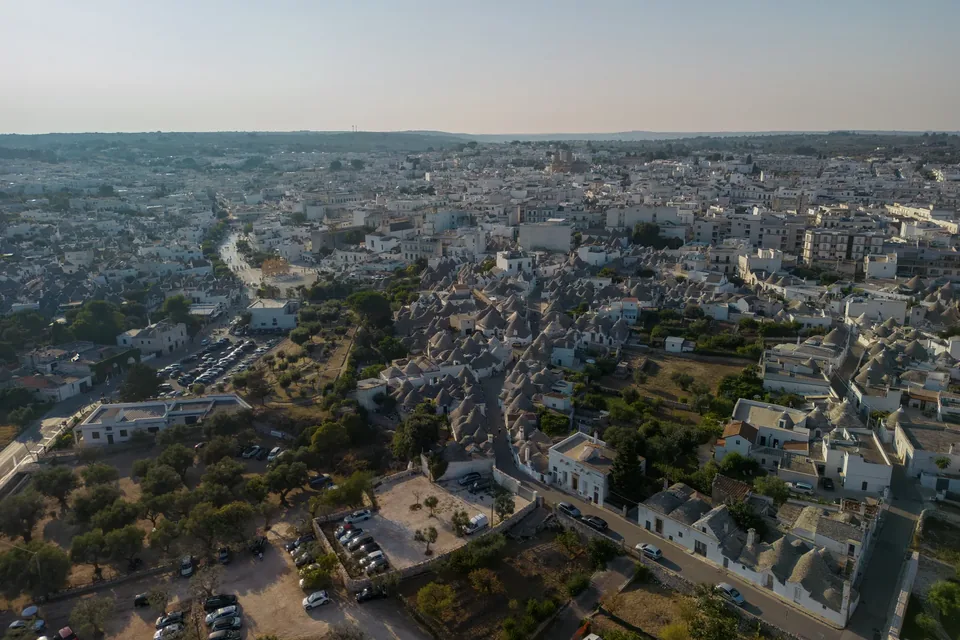
Alberobello
Trulli through their shape, space and everyday use.
Read the guide →Photo: ParisTaras / Wikimedia Commons — CC BY-SA 4.0 · Resized and converted to WebP.

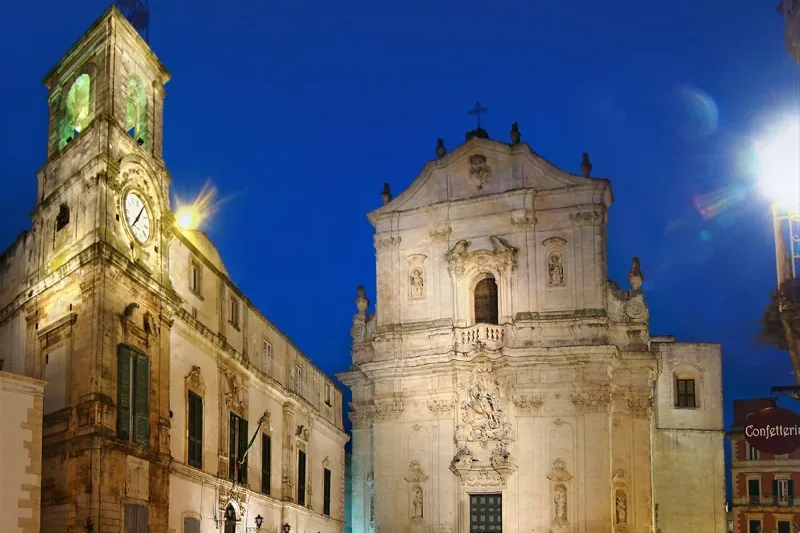
Martina Franca
The town and a food craft connected to its landscape.
Read the guide →Photo: Tango7174 / Wikimedia Commons — CC BY-SA 4.0 · Resized and converted to WebP.

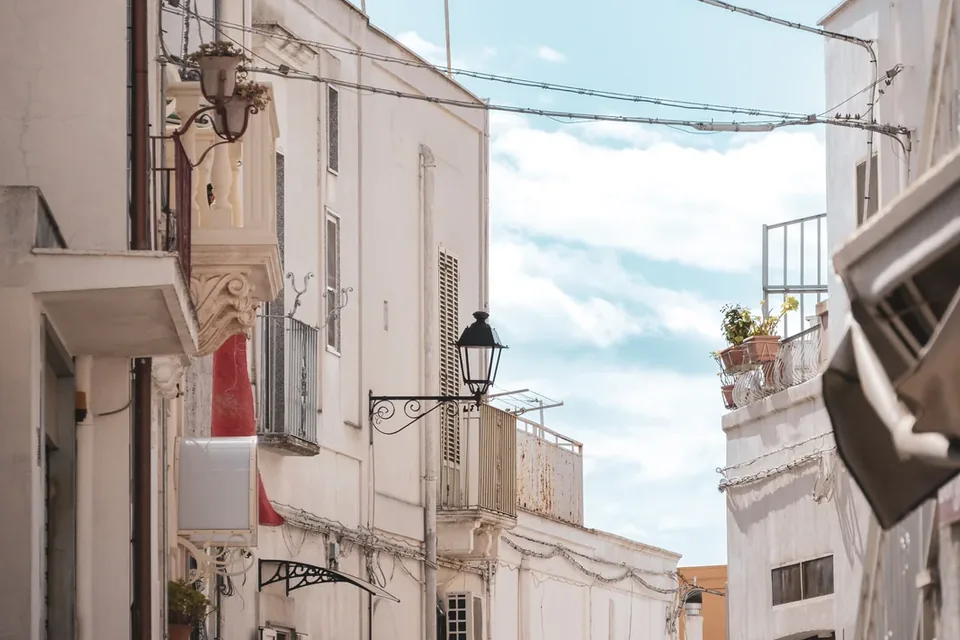
Crispiano
Crispiano: farm estates and the Ionian countryside.
Read the guide →Photo: Azelf Lele / Wikimedia Commons — CC BY-SA 4.0 · Resized and converted to WebP.

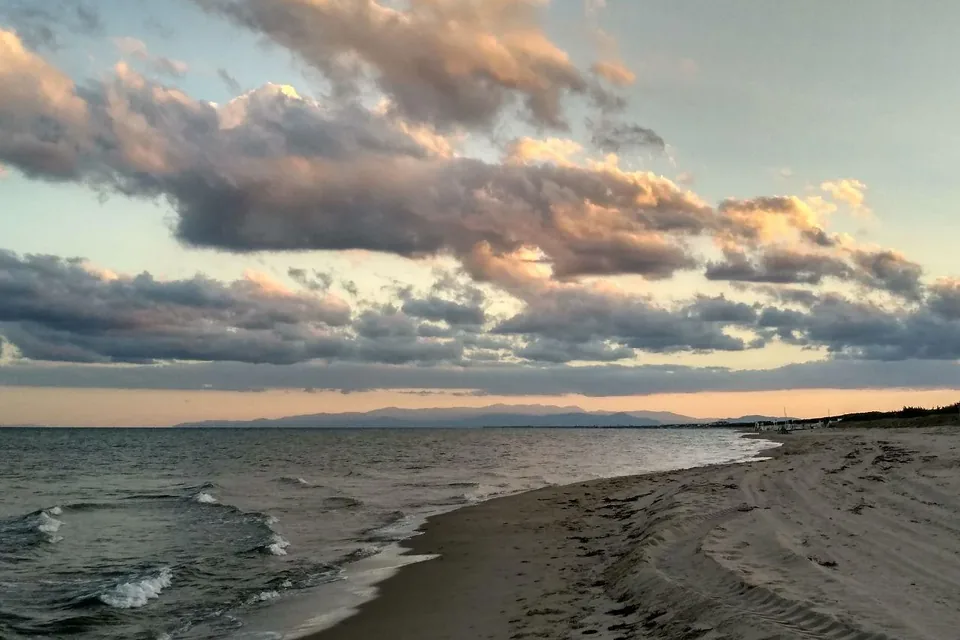
Castellaneta
The historic centre and Rudolph Valentino’s story in inland Puglia.
Read the guide →Photo: Archeolucia / Wikimedia Commons — CC BY-SA 4.0 · Resized and converted to WebP.

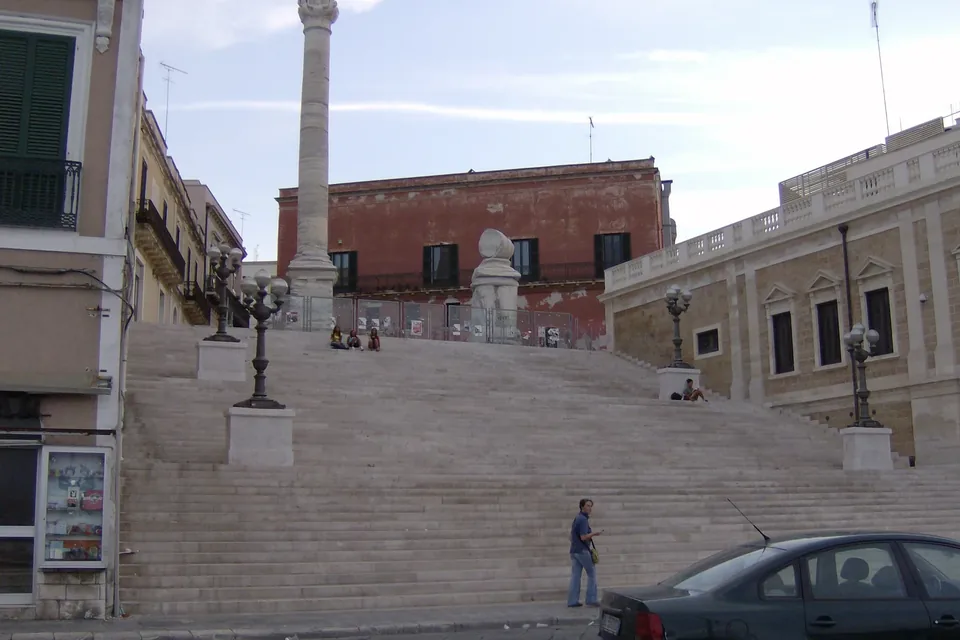
Brindisi
Brindisi: reading the city from its harbour.
Read the guide →Photo: Zappuddu / Wikimedia Commons — Public domain · Resized and converted to WebP.

Ostuni
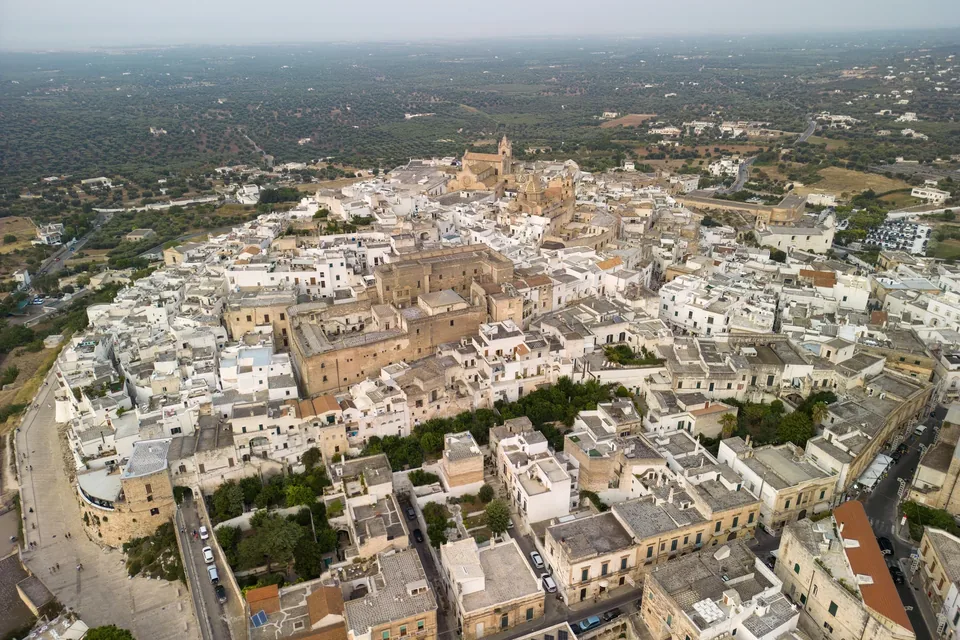
Houses, steps and agricultural landscape within one visit.
Read the guide →Photo: ParisTaras / Wikimedia Commons — CC BY 4.0 · Resized and converted to WebP.

Cisternino
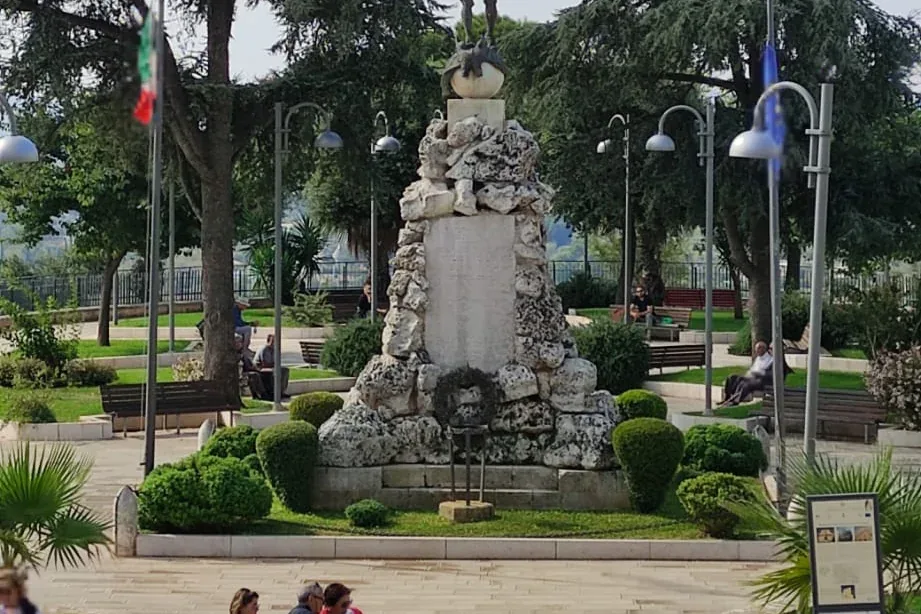
Fornello pronto, bombette and a walk through the town.
Read the guide →Photo: Kiuz / Wikimedia Commons — CC BY-SA 4.0 · Resized and converted to WebP.

Locorotondo
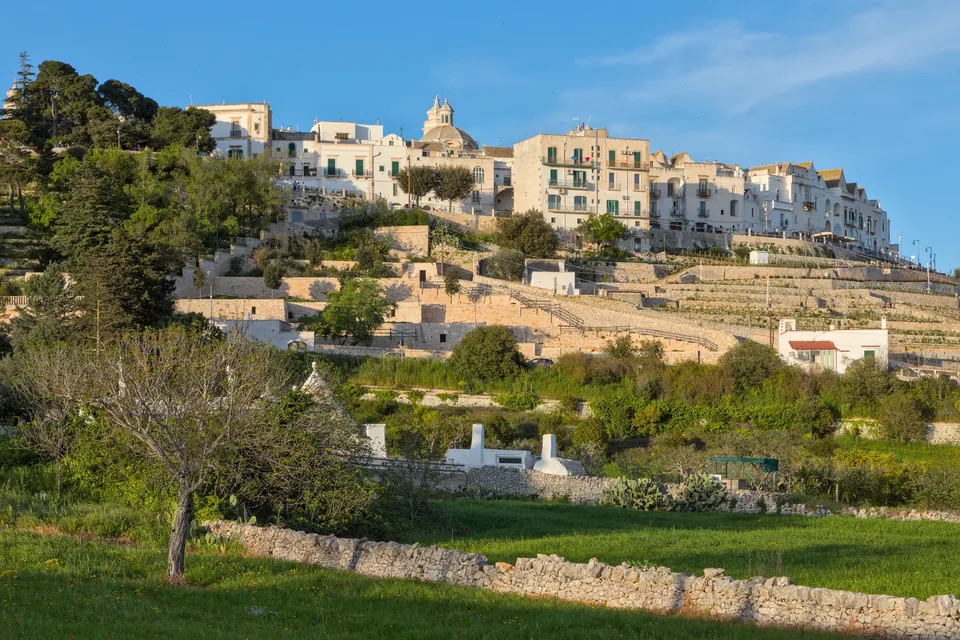
Cummerse roofs as a way to distinguish the Itria Valley’s towns.
Read the guide →Photo: Benjamin Smith / Wikimedia Commons — CC BY-SA 4.0 · Resized and converted to WebP.

Miglionico
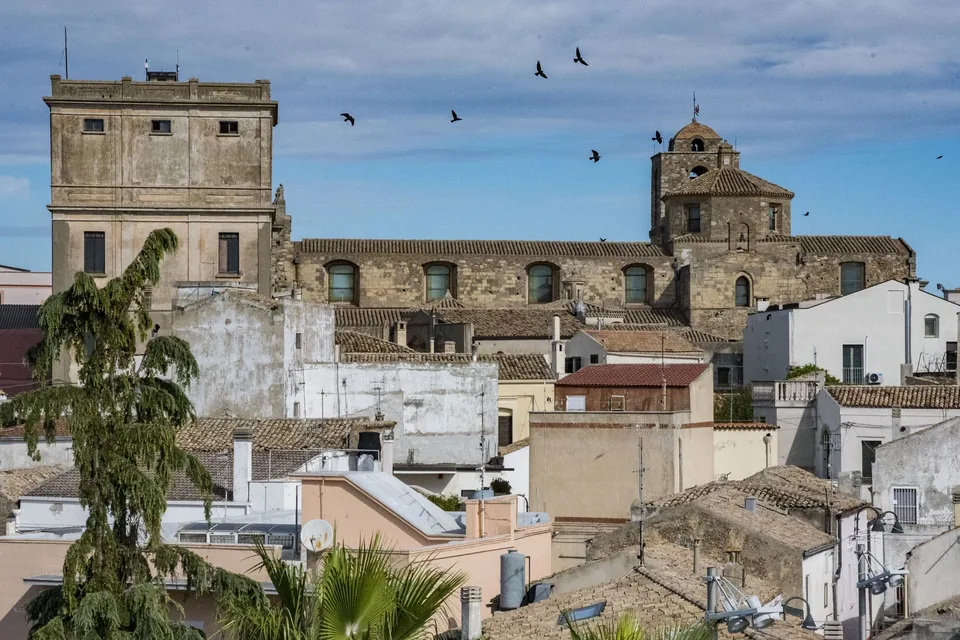
The Barons’ Conspiracy, Renaissance painting and the Bradano landscape.
Read the guide →Photo: Cinzia astorino / Wikimedia Commons — CC BY-SA 4.0 · Resized and converted to WebP.

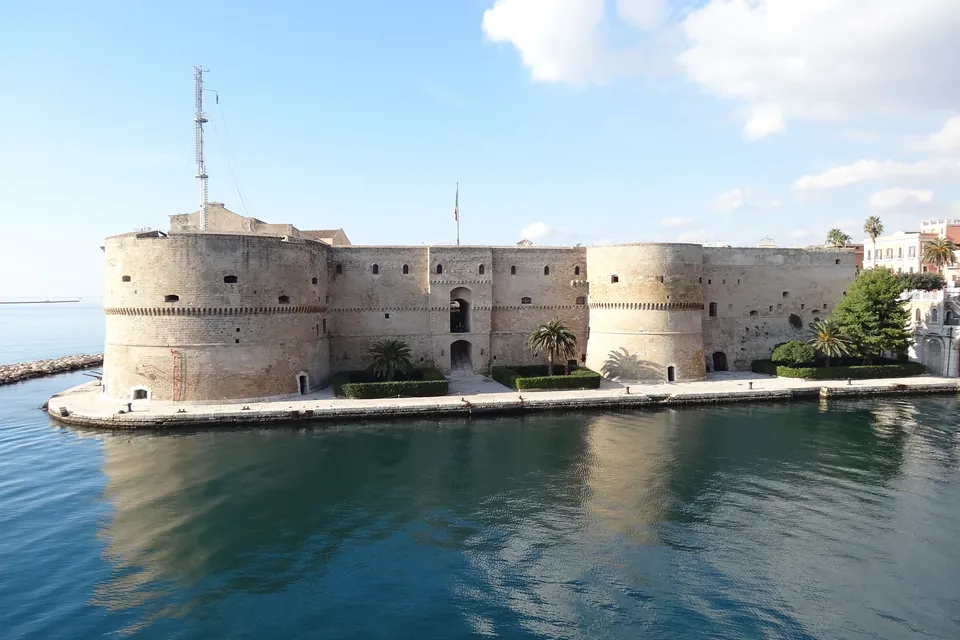
Taranto
Taranto: two seas and archaeology.
Read the guide →Photo: Livioandronico2013 / Wikimedia Commons — CC BY-SA 3.0 · Resized and converted to WebP.
.JPG)
Places of faith on the route
Basilica of St Nicholas
Basilica · Bari · San Nicola di Mira
To taste along the way
Bombetta (Martina Franca pork roll)
PAT · Meats and cured meats
Open the product page →Brindisi (wine)
DOC · Wines
Open the product page →Capocollo di Martina Franca
PAT · Slow Food Presidium · Meats and cured meats
Open the product page →Terra dei Messapi artichoke
Slow Food Presidium · Fruit, vegetables and pulses
Open the product page →Gulf of Taranto clementines
PGI · Fruit, vegetables and pulses
Open the product page →Collina di Brindisi extra virgin olive oil
PDO · Oils and fats
Open the product page →Taranto black mussel
PAT · Slow Food Presidium · Fish and seafood
Open the product page →Focaccia barese
PAT · Fresh pasta, bread and pastry
Open the product page →Gioia del Colle
DOC · Wines
Open the product page →Altamura lentil
PGI · Fruit, vegetables and pulses
Open the product page →Tondina almond of Alto Salento
Slow Food Presidium · Fruit, vegetables and pulses
Open the product page →Violetta di Ostuni aubergine
Slow Food Presidium · Fruit, vegetables and pulses
Open the product page →Ostuni (wine)
DOC · Wines
Open the product page →Pallone di Gravina
PAT · Slow Food Presidium · Cheeses
Open the product page →Altamura bread
PDO · Slow Food Presidium · Fresh pasta, bread and pastry
Open the product page →Matera bread
PGI · Fresh pasta, bread and pastry
Open the product page →Giallorosso tomato of Crispiano
Slow Food Presidium · Fruit, vegetables and pulses
Open the product page →Regina tomato of Torre Canne
PAT · Slow Food Presidium · Fruit, vegetables and pulses
Open the product page →Terra di Bari extra virgin olive oil
PDO · Oils and fats
Open the product page →Sources
- Cammino Materano - sito ufficiale (home, Le Vie)
- Cammino Materano - Il Cammino
- Cammino Materano - Via Peuceta
- Cammino Materano - Via Ellenica
- Cammino Materano - Via Ellenica variante
- Cammino Materano - Via Lucana
- Cammino Materano - Via Sveva
- Cammino Materano - Via Jonica
- Cammino Materano - Via Dauna
- Cammino Materano - La Credenziale
- Cammino Materano - Testimonium
- Cammino Materano - Xenium
- Cammino Materano - I Sigilla
- Cammino Materano - Segnaletica
- Cammino Materano - L'Itinerario Culturale
- Via Peuceta del Cammino Materano - italia.it (Ministero del Turismo)
- Cammini religiosi in Italia - italia.it (Ministero del Turismo)
- In cammino - guida Pugliapromozione (2020)
- Cammino Materano - Ricettività