
Our roots
Fabio shares memories of his grandparents’ bakery in Giovinazzo, focaccia, dishes brought in to bake and his father’s bicycle deliveries.
Read the guide →
Film, music, people, history and traditions: different threads for discovering places and shaping a journey.
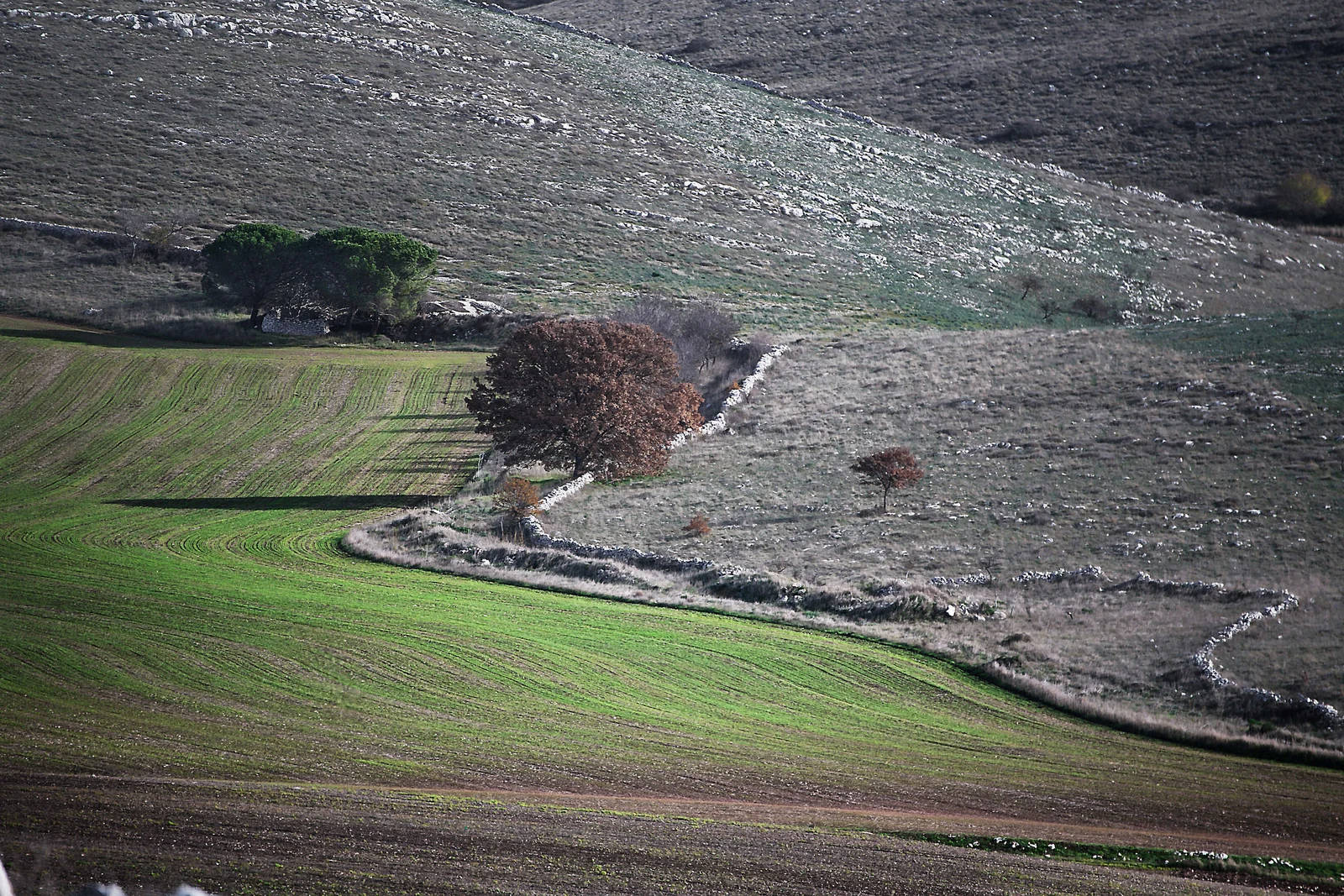
Dry-stone walls in Alta Murgia. A contextual photograph of a place connected with this story. · Photo: Acquario51 / Wikimedia Commons — CC BY-SA 4.0 · Resized and converted to WebP.
Fabio shares memories of his grandparents’ bakery in Giovinazzo, focaccia, dishes brought in to bake and his father’s bicycle deliveries.
Read the guide →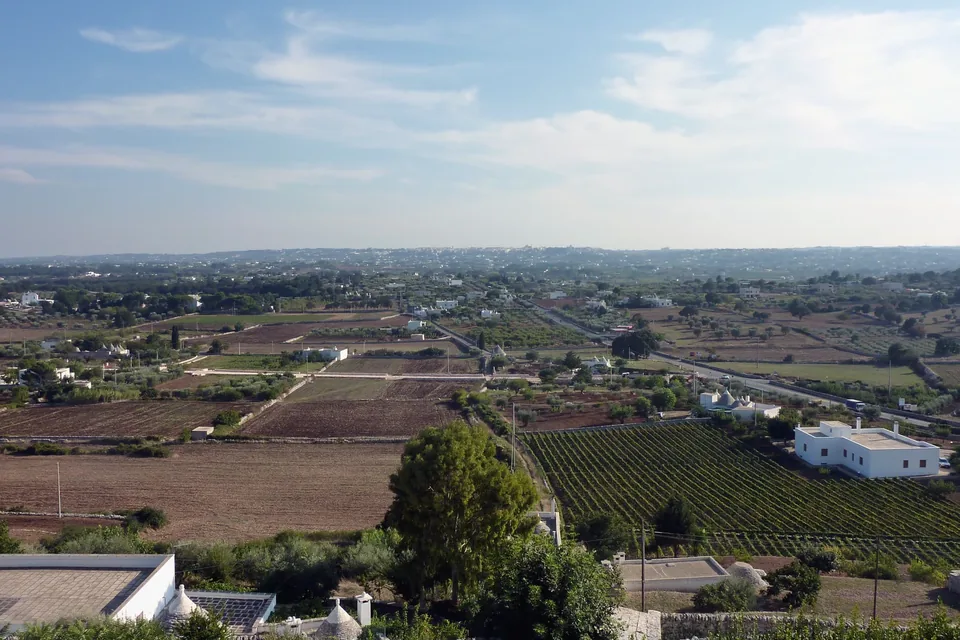
From Irpinia’s springs to Bari and the Itria Valley: history, the hidden canal, the Water Palace, public fountains and the cycle route.
Read the guide →Photo: Adbar / Wikimedia Commons — CC BY-SA 3.0 · Resized and converted to WebP.

Matera from Pasolini to James Bond, Aliano and Craco between Carlo Levi and Francesco Rosi: sets, literature and television to read Basilicata.
Read the guide →Photo: Velvet / Wikimedia Commons — CC BY-SA 4.0 · Resized and converted to WebP.
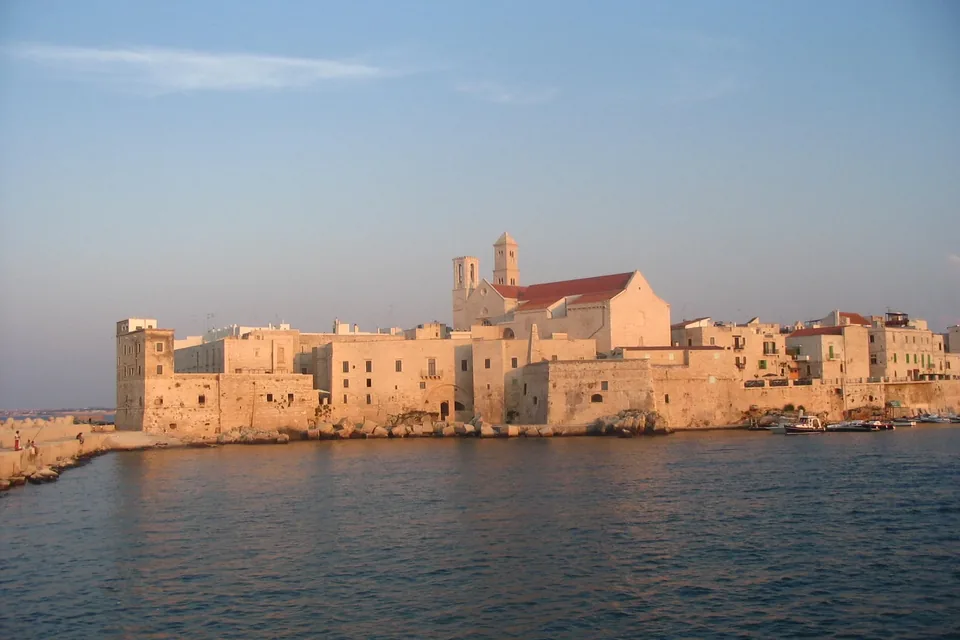
A Bronze Age gallery tomb hidden under a stone mound, the dolmens of Bisceglie and Mycenaean trade on the Bari coast.
Read the guide →Photo: Geppisimone at Italian Wikipedia / Wikimedia Commons — CC BY-SA 3.0 · Resized and converted to WebP.
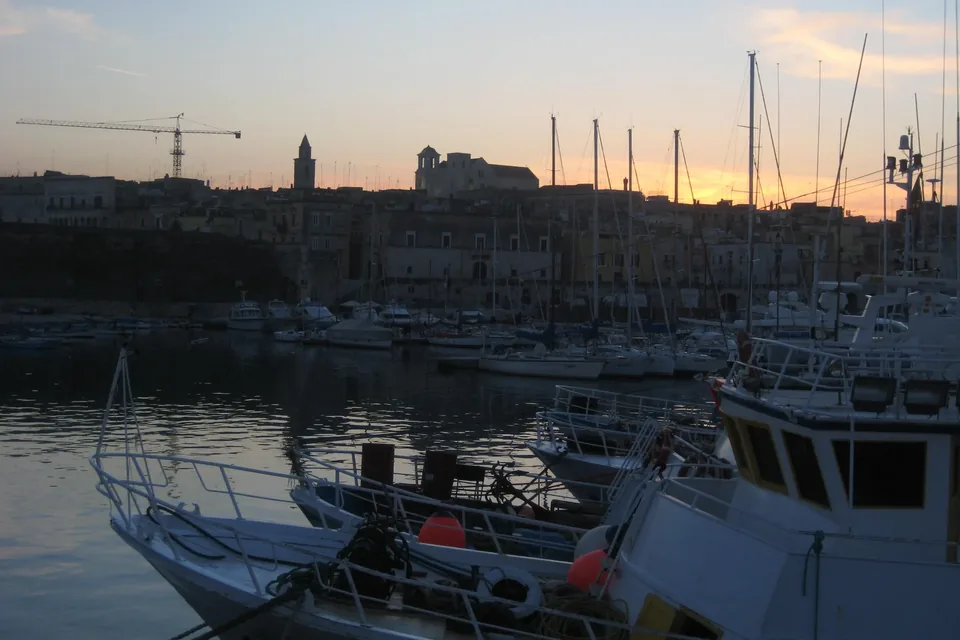
Our Lady of Corsignano and Our Lady of the Martyrs: two devotions north of Bari, among icons, harbours, cathedrals and community memory.
Read the guide →Photo: salviF / Wikimedia Commons — CC BY 2.0 · Resized and converted to WebP.
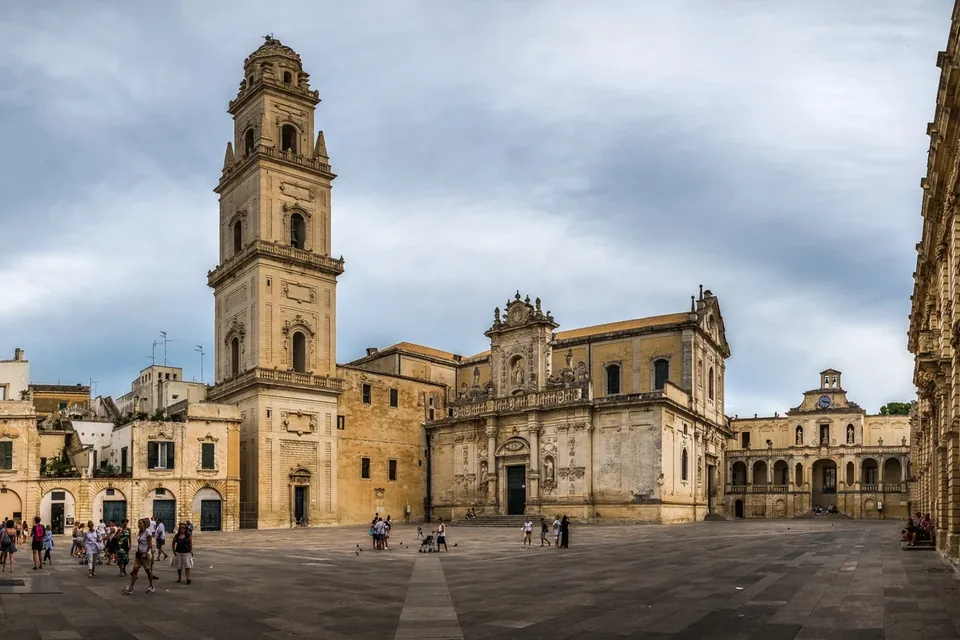
Saint Domenica, the paratori and a dedicated museum: in Scorrano illuminations read as architectures of light, from drawing to square.
Read the guide →Photo: Giuseppe Milo / Wikimedia Commons — CC BY 3.0 · Resized and converted to WebP.
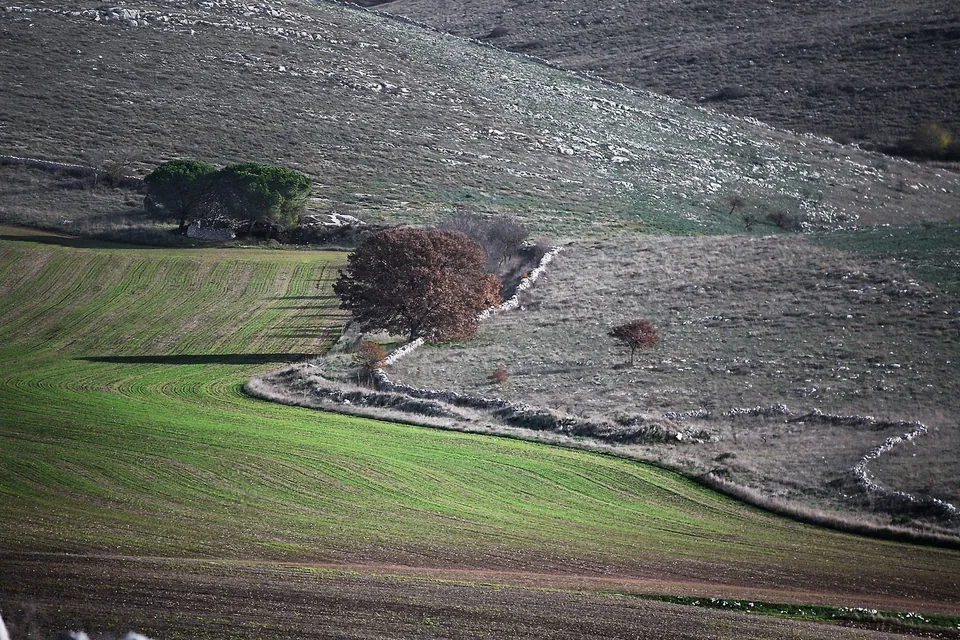
Courtyards, oil mills, sheepfolds and chapels: Apulian rural architecture read as a history of work, beyond the image of a country hotel.
Read the guide →Photo: Acquario51 / Wikimedia Commons — CC BY-SA 4.0 · Resized and converted to WebP.
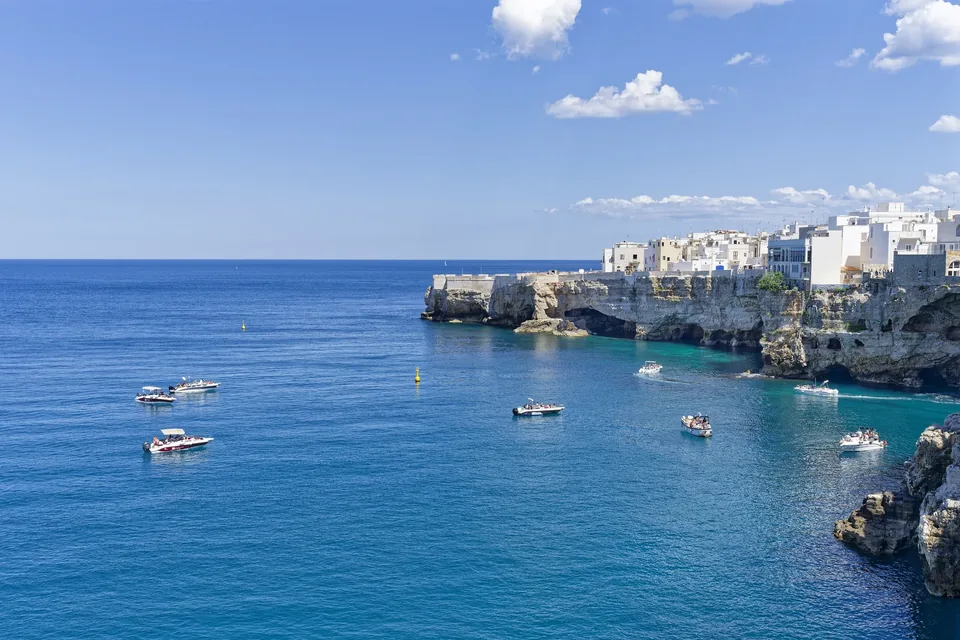
Domenico Modugno’s home town: the statue at Largo Gelso, the City of Music project and a clifftop town to listen to.
Read the guide →Photo: Maksimsokolov / Wikimedia Commons — CC BY-SA 4.0 · Resized and converted to WebP.

The pier closing Bari’s old harbour, its dialect name and the sea that brought Saint Nicholas’s relics.
Read the guide →Photo: Berthold Werner / Wikimedia Commons — CC BY-SA 3.0 · Resized and converted to WebP.
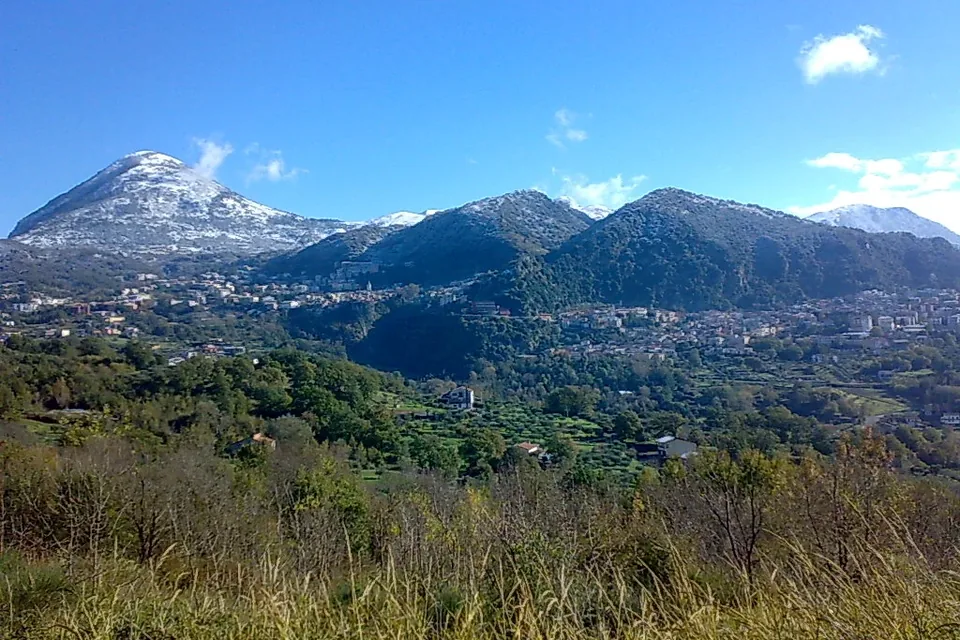
From Basilicata coast to coast to Scordato and Il bene comune: Maratea, Lauria, Trecchina and the Pollino through a Lucanian director’s films.
Read the guide →Photo: Gianni Lupindo / Wikimedia Commons — CC BY-SA 2.0 · Resized and converted to WebP.
Walls, trulli, sheepfolds and stone huts: the UNESCO-listed art of dry stone building, read in the landscapes of the Murgia, the Itria Valley and Salento.
Read the guide →Photo: Adbar / Wikimedia Commons — CC BY-SA 3.0 · Resized and converted to WebP.
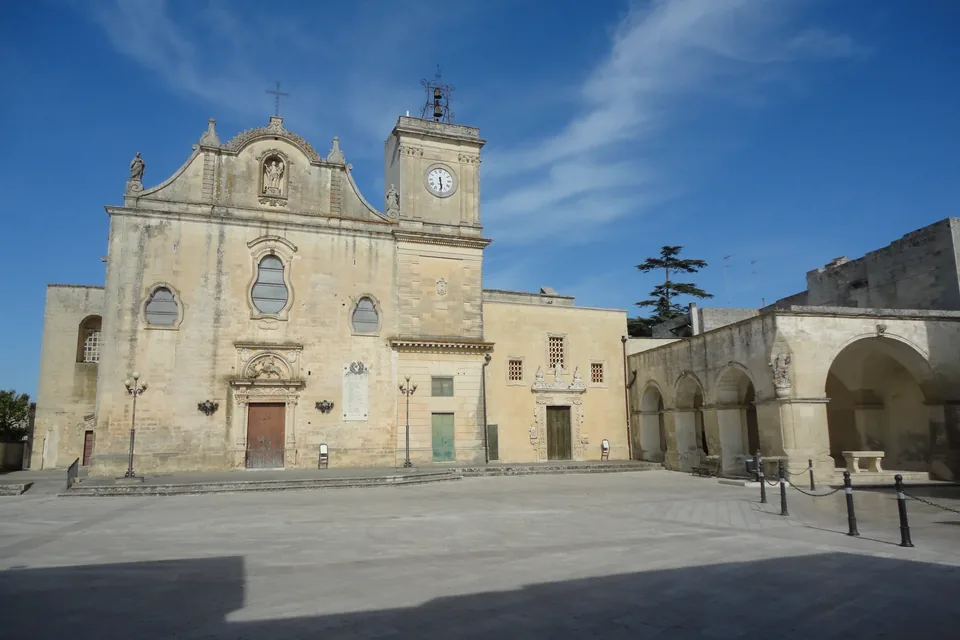
Tarantism, pizzica and its instruments, 1950s field research and the Notte della Taranta in the towns of Grecìa Salentina.
Read the guide →Photo: Lupiae / Wikimedia Commons — CC BY-SA 3.0 · Resized and converted to WebP.
From Lecce to Polignano, Monopoli and Bari: six films supported by Apulia Film Commission to see places with different questions.
Read the guide →Photo: Giuseppe Milo / Wikimedia Commons — CC BY 3.0 · Resized and converted to WebP.
The Romanesque basilica born from the relics’ arrival in 1087: architecture, crypt, treasury, May and December feasts and dialogue between East and West.
Read the guide →Photo: Berthold Werner / Wikimedia Commons — CC BY-SA 3.0 · Resized and converted to WebP.
From the theatre built by the Petruzzelli brothers in 1903 to the 1991 fire and the 2009 rebirth: Bari’s great opera house and its city.
Read the guide →Photo: Berthold Werner / Wikimedia Commons — CC BY-SA 3.0 · Resized and converted to WebP.
The long grassy roads of transhumance: the Foggia Customs, the resting pastures, the Pescasseroli-Candela, the Gargano and the Murgia’s sheepfolds.
Read the guide →Photo: Acquario51 / Wikimedia Commons — CC BY-SA 4.0 · Resized and converted to WebP.
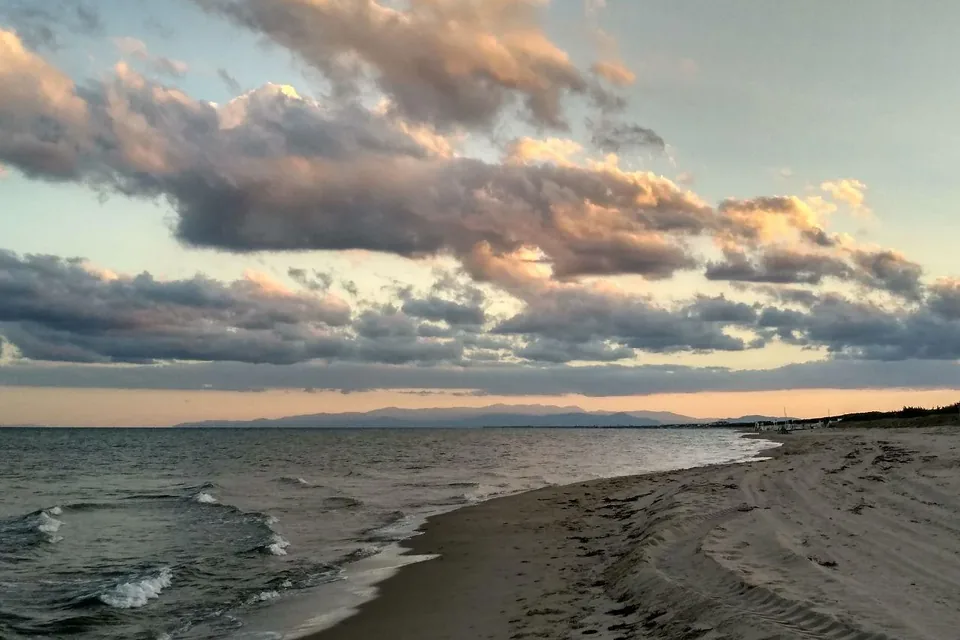
Rudolph Valentino’s home town: the documentary museum, the traces in town, the historic centre and the great ravine of inland Puglia.
Read the guide →Photo: Archeolucia / Wikimedia Commons — CC BY-SA 4.0 · Resized and converted to WebP.
Lino Banfi and Canosa’s Teatro Lembo, Checco Zalone and Capurso, film faces in Puglia: documented links, keeping biography and locations distinct.
Read the guide →Photo: Berthold Werner / Wikimedia Commons — CC BY-SA 3.0 · Resized and converted to WebP.


.jpeg)


