
Saint Domenica, where the light begins
The Municipality of Scorrano traces devotion to Saint Domenica back at least to the seventeenth century. Tradition holds that the saint appeared in a dream to a local woman and promised an end to a severe plague; the patron feast grew from that vow of thanks, and the community renews it every year by joining religious ritual and popular celebration.
The municipal page describes preparations that last all year. Celebrations open with the novena and culminate in the procession, when the statue moves through the streets with confraternities, worshippers and a band, among petals and fireworks. It was around this cult, the municipality explains, that the art of illuminations developed, born for the feast as devotion expressed through light.
This is worth keeping in mind before arriving: Scorrano’s illuminations are not decoration added to an event but the visible part of a rite. The same source therefore calls the town the capital of illuminations, and the feast remains the moment when craft and faith meet in the same public space.
The memory kept in the museum
The municipality presents the Museum of Apulian Illuminations as the home of a tradition that made Scorrano known internationally. The route gathers early sketches, period photographs and historical materials tracing the art from its origins to the present, together with original components: wooden arches, oil and wax lamps, coloured bulbs, control units and technical diagrams.
Alongside the objects, the museum offers installations that bring visitors close to the design and assembly of an illumination, and a choral account collected among the families of Apulian master paratori, described as keepers of knowledge handed down through generations. It stands on Piazza Vittorio Emanuele in the centre of town, reached from Via San Francesco or Via Umberto I.
The source also stresses an educational role: the museum is conceived as a workshop of transmission for younger generations and for anyone wishing to understand the mix of art, faith and identity behind a patron feast. It is the right place to begin, because it turns a luminous image into work made of recognisable parts.
Sources: Comune di Scorrano — Museo delle luminarie di Puglia
Porta Terra and the route of the procession
To grasp the bond between the town and its patron, stop at Porta Terra, which the municipality identifies as the only surviving trace of the medieval walls. Also called the Arch of Saint Domenica, it dates from the fifteenth century and was built over an older gate or tower; in 1838 the civic coat of arms was set into the architrave.
Traces of frescoes remain beneath the arch. One, dated 1743, depicts Saint Domenica and is a votive offering made by the inhabitants to thank her for protection during the earthquake that struck the Terra d’Otranto that year. A seventeenth-century legend places here the appearance of the saint announcing recovery from the plague.
The gate is more than a monument: the municipality explains that it is the high point of the yearly procession, because at the end of the cortege the statue stops before the arch for a moment of prayer. Visiting calmly by day helps you recognise the place that becomes the emotional centre of the route during the feast, and around which the light of the illuminations takes its meaning.
Sources: Comune di Scorrano — Porta Terra
From drawing to square
To read an illumination, start with the drawing: an arch, a repetition, the balance between solid and open space. Then look at a single component and imagine how it might belong to a much larger whole. This is the most interesting step of the visit: what seems a single image from afar becomes again a work made of parts, designed to be assembled, lit and then dismantled.
No knowledge of electrical systems is needed to follow the link between design, materials and result. A technical detail, such as a control-unit diagram or the outline of a wooden arch, gains meaning once connected with the form seen from the square. The move from paper to street is what makes this art an ephemeral architecture rather than an ornament.
A practical suggestion: after the museum, choose a precise spot in the centre and imagine where a gallery of arches would run. The town itself becomes a drawing board, and the feast, when you see it, reads as the outcome of many decisions taken before the lights come on.
The historic centre as a stage
Illuminations rest on an urban landscape worth knowing even without lights. The municipality describes the Clock Tower, built in 1819 in the small Municipio square, as one of the town’s symbols: three stacked orders, with the stone civic arms at the base, the still-working clock face in the middle and the bells at the top. From the summit, the same source notes, there is a view over the lanes, roofs and Baroque façades of the centre.
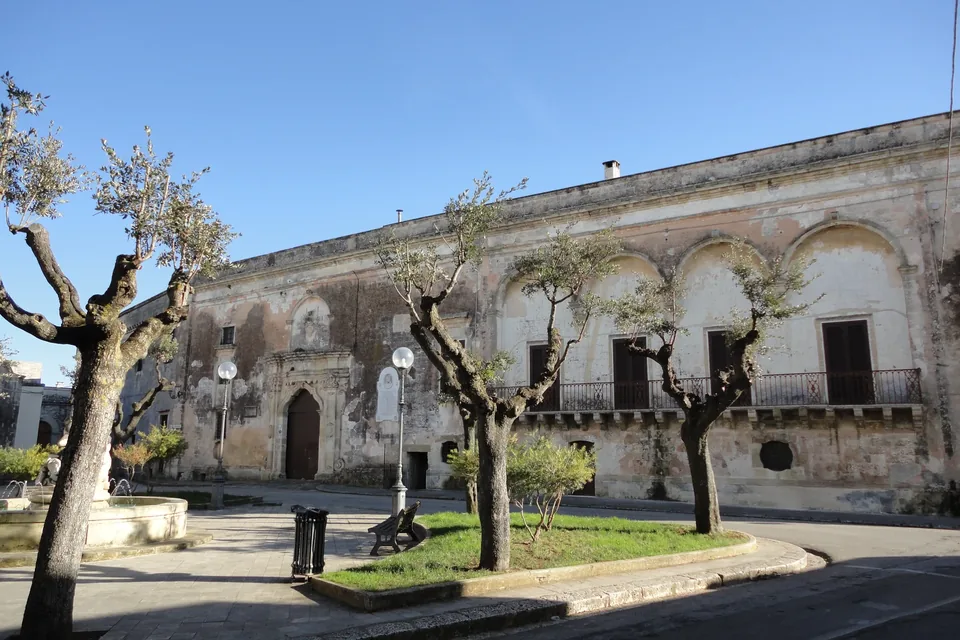
Nearby stands Palazzo Veris, a seventeenth-century building that now houses the town hall. The municipal page highlights its façade in local stone, its Baroque portals and its soberly framed windows, as well as its role as a venue for public meetings and initiatives.
These buildings provide the reference needed to understand an illumination’s effect: the proportions, heights and depth of the street are the support on which the paratori build. Walking Via Umberto I from the town hall towards Porta Terra links the civic and devotional places of the town in a few steps.
Sources: Comune di Scorrano — Torre dell’Orologio · Comune di Scorrano — Palazzo Veris
Light and architecture change the same space
Look at the square by day before seeking a luminous composition. Façades, entrances and depth offer a comparison; the museum adds the memory of past installations. The question is how a temporary work directs the eye and changes the perception of distance, lengthening a street or closing a square like a hall.
Two photographs, one wide and one of detail, help compare the layers: the first shows the overall geometry, the second the repetition of a single module. When the trip coincides with an actually scheduled lighting, daytime observation prepares the evening and makes it easier to recognise what you saw in the sketches.
If you come at another time of year, documents and materials keep their own interest. The museum lets you understand the building logic without the crowds of the feast, and the historic centre remains readable in its everyday form. Either way it is worth taking time, because the value of this visit lies in linking what you see with the work that made it possible.
When to go: July and the other feasts
According to the municipality, the patron feast of Saint Domenica traditionally takes place in the first half of July, with the novena, the procession and a religious and civic programme published each year. Anyone wishing to see the illuminations in their original setting should therefore look to the summer and check the calendar of that year’s edition before planning the trip.
The town’s calendar does not end there. The municipality lists in mid-August the feast of the Madonna della Luce, venerated as protector of women in childbirth: tradition recalls that relatives rang the bell of her church when a birth was difficult, and that a thanksgiving mass followed the delivery. It shows how light, even in a name, runs through local devotion.
Outside the feast period the museum remains, allowing a calmer visit focused on materials. For anyone planning a trip to Salento, the choice is between two experiences: the town on the day of the rite, intense and crowded, or the ordinary town, where tradition is read through objects, buildings and stories.
Sources: Comune di Scorrano — Festa di Santa Domenica · Comune di Scorrano — Madonna della Luce
An artisan chapter in Salento
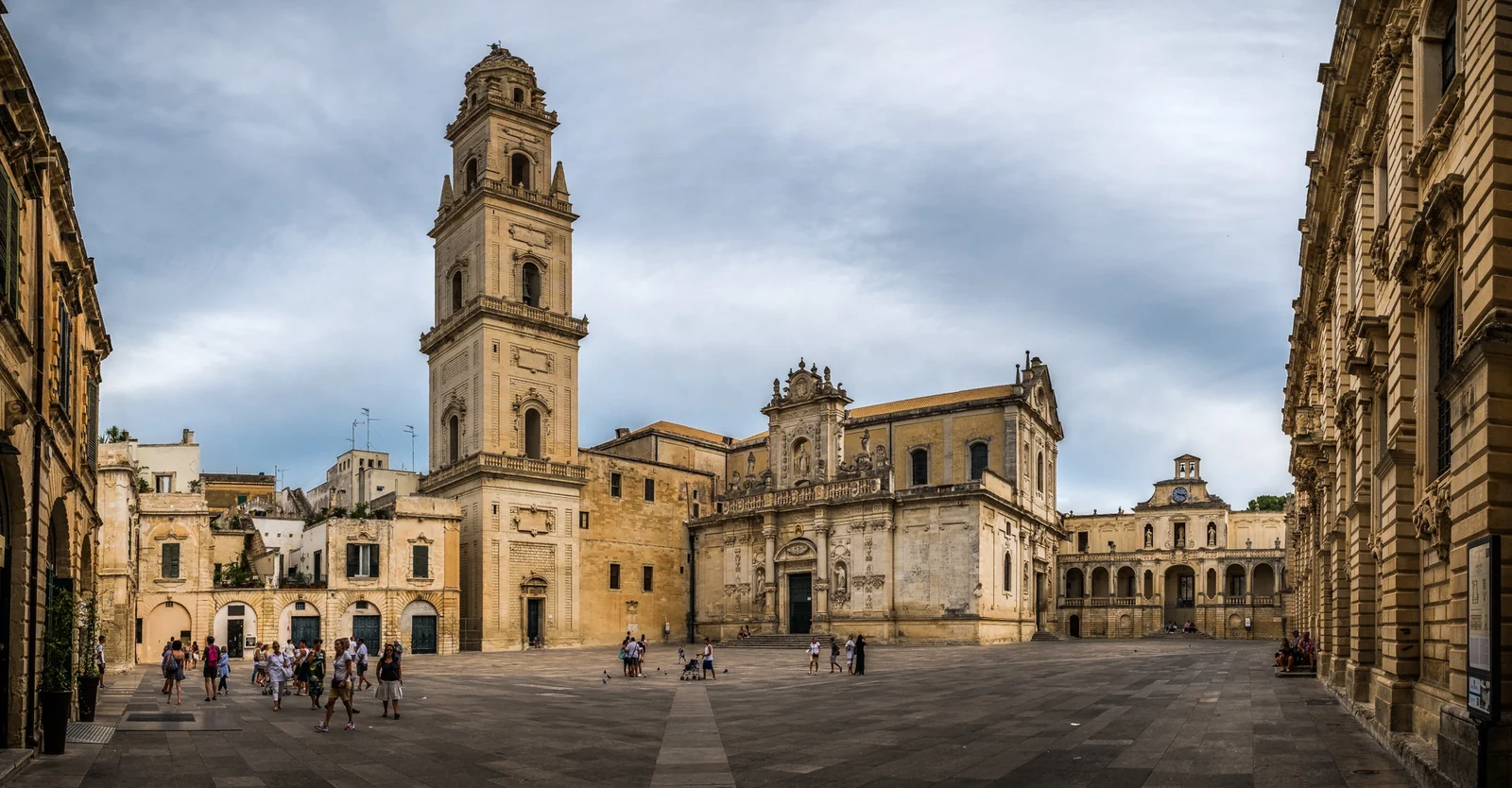
This theme can become a day in inland Salento, with Scorrano as the focus and another stop devoted to the life of a nearby town or to an art city such as Lecce. The thread is the work behind the feast: there is no need to fill the day with shows to recognise a craft; following the route between museum, gate and historic centre is enough.
At the table, a conversation about memory, materials and transmission adds a different pace to the visit. Families with children will find in the museum a concrete story, made of objects to observe and gestures to imagine, suitable even for those who have never seen a lit illumination.
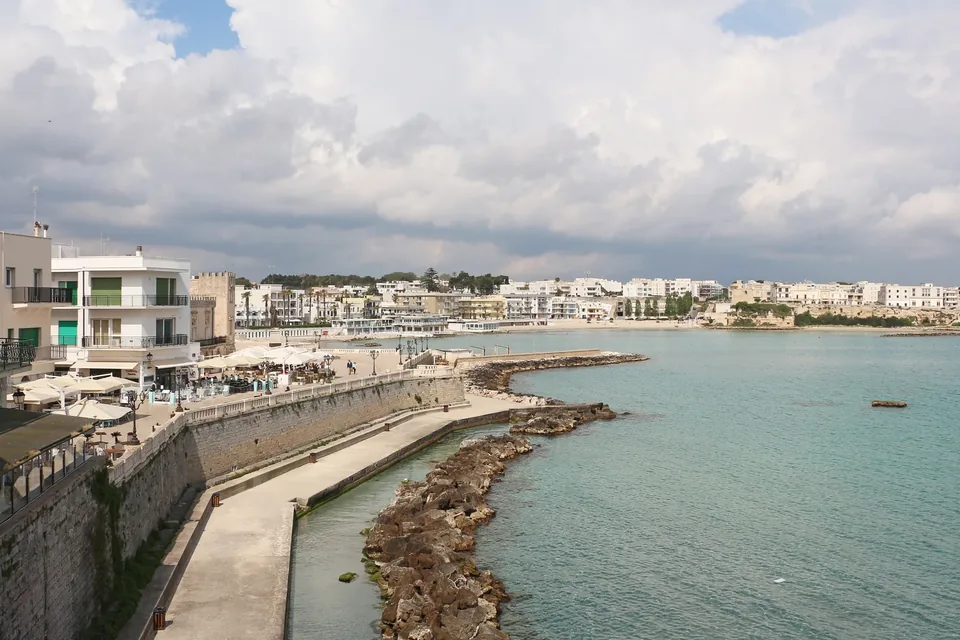
Choose the period between two interests: following a celebration with a confirmed date for its specific edition, or observing the collected heritage more calmly. The distinction helps build an experience suited to the traveller’s curiosity and fits Scorrano into an itinerary that also reaches the Adriatic coast towards Otranto or the towns of the hinterland.
A thread for your journey
A craft-focused theme for a Salento day alongside towns and food.
Talk to us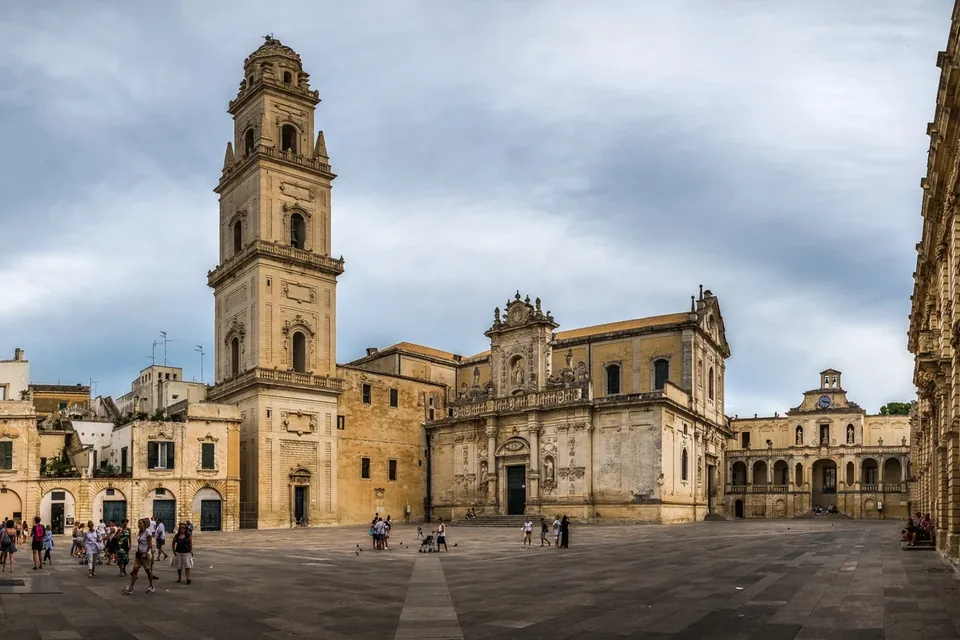
.jpeg)

