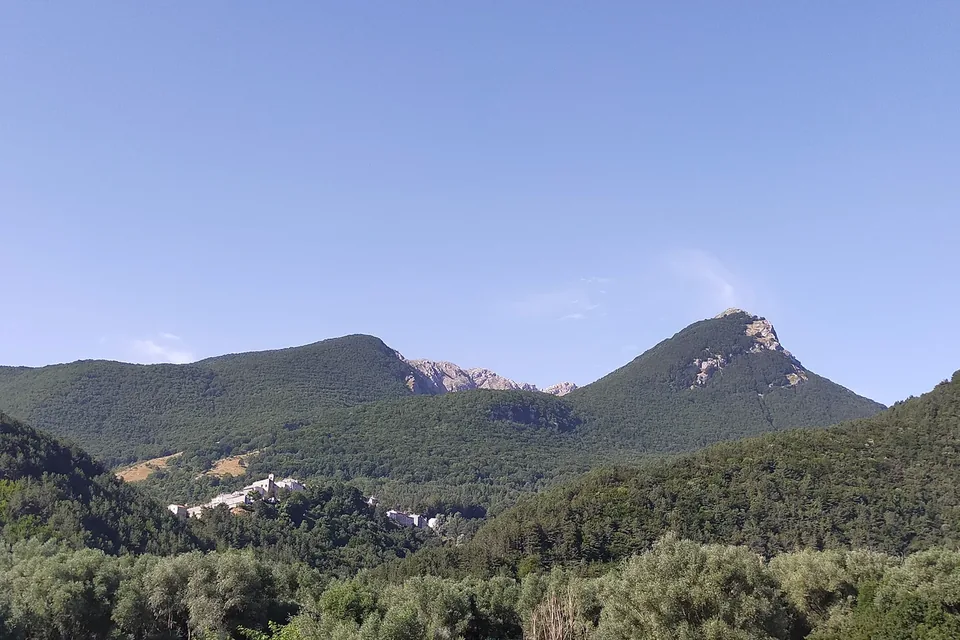
The historic park of the central Apennines: valley villages, wildlife museums and the forests of the Marsican bear.
Read the guide →Photo: Marica Massaro / Wikimedia Commons — CC BY-SA 4.0 · Resized and converted to WebP.
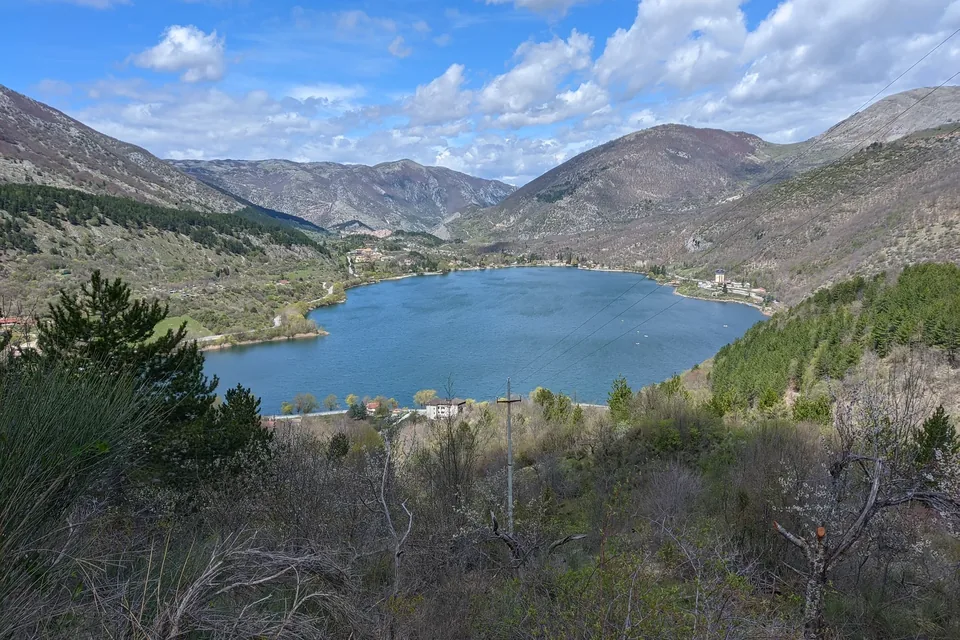
A stone village in the Abruzzo National Park, with the region’s largest natural lake and a celebrated women’s costume.
Read the guide →Photo: Evvemoscia / Wikimedia Commons — CC0 · Resized and converted to WebP.
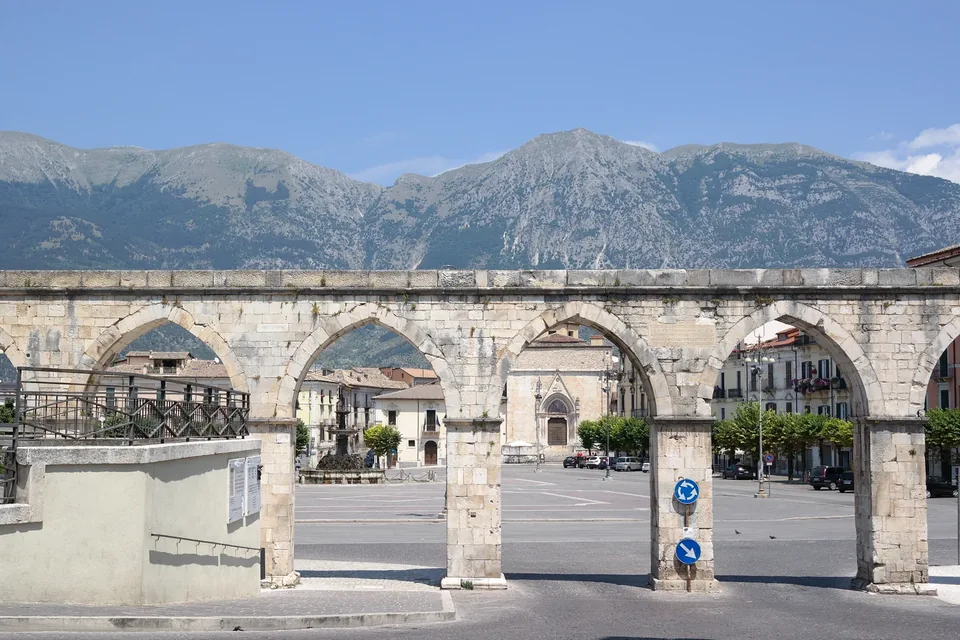
A historic centre in the Peligna basin, surrounded by the Majella park and the starting point of the Way of Celestine.
Read the guide →Photo: Luca Aless / Wikimedia Commons — CC BY-SA 4.0 · Resized and converted to WebP.
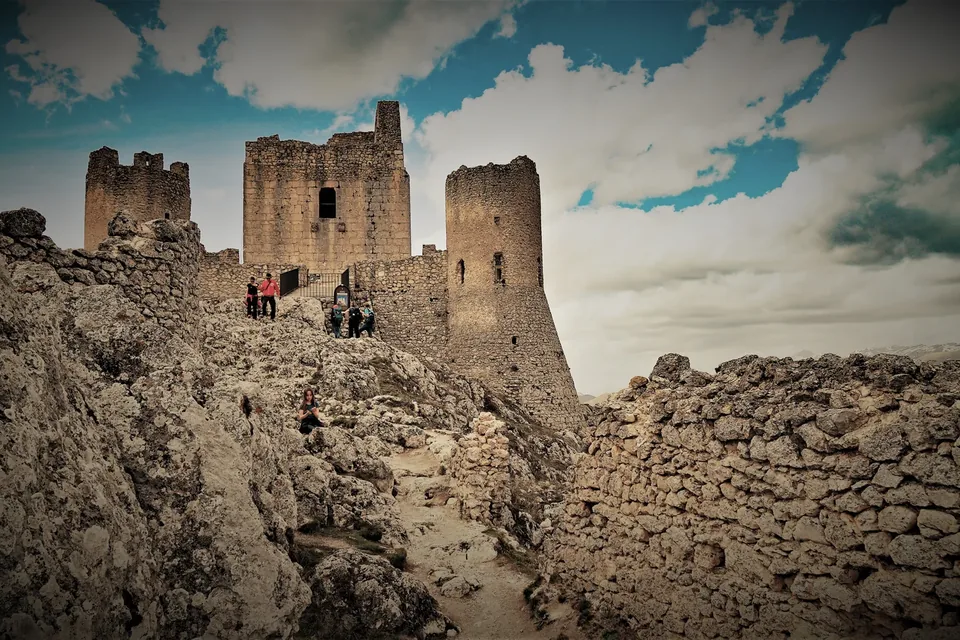
A stone village on the L’Aquila side of the Gran Sasso, with a Slow Food Presidium lentil and the transhumance fortress nearby.
Read the guide →Photo: Vincedelbenàco / Wikimedia Commons — CC BY-SA 4.0 · Resized and converted to WebP.
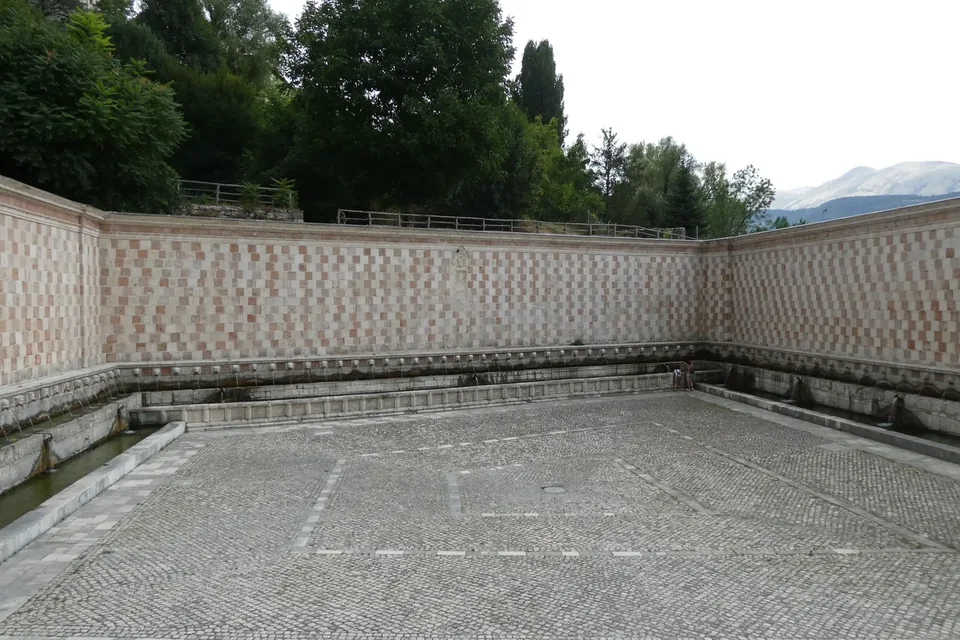
A capital between the Gran Sasso and the Monti della Laga, with the UNESCO-listed Celestinian Forgiveness and reconstruction still under way.
Read the guide →Photo: Syrio / Wikimedia Commons — CC BY-SA 4.0 · Resized and converted to WebP.
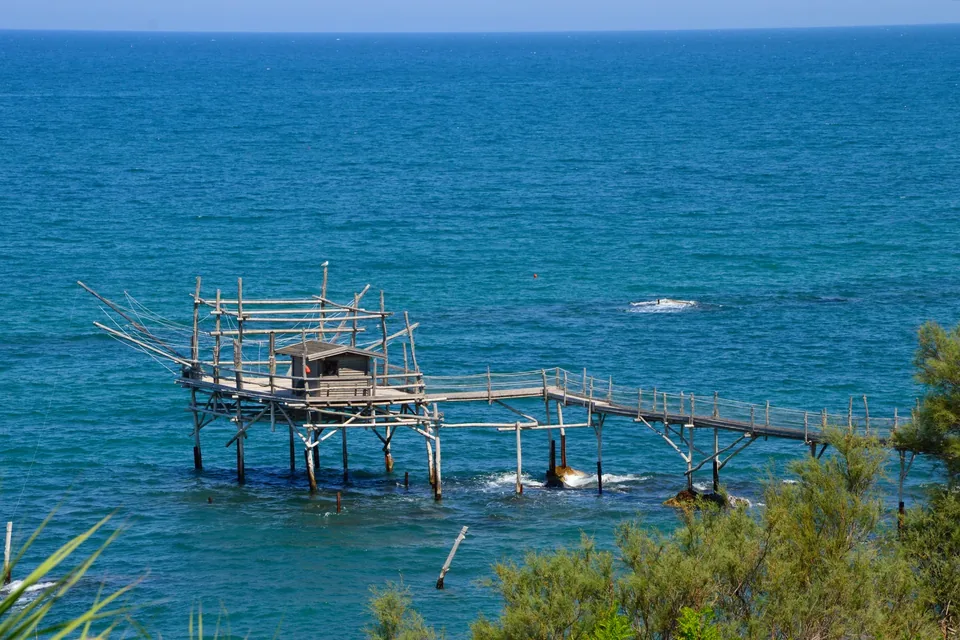
The Chieti coastline between Ortona and Vasto, with some thirty wooden trabocchi and the hermitage where D’Annunzio stayed.
Read the guide →Photo: Francesca Piersanti / Wikimedia Commons — CC BY-SA 4.0 · Resized and converted to WebP.

The Sassi, Murgia and local bread: explore a city through architecture, nature and everyday life.
Read the guide →Photo: Velvet / Wikimedia Commons — CC BY-SA 4.0 · Resized and converted to WebP.
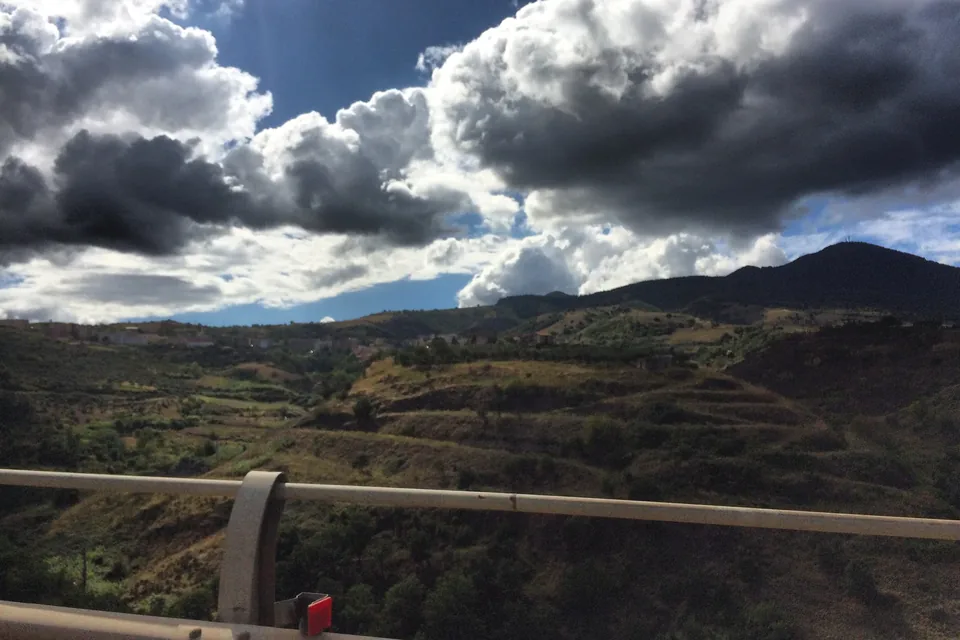
Monticchio lakes, Rionero and wine culture: explore Vulture beyond a single tasting.
Read the guide →Photo: Gianmarco Tirico / Wikimedia Commons — CC BY-SA 4.0 · Resized and converted to WebP.
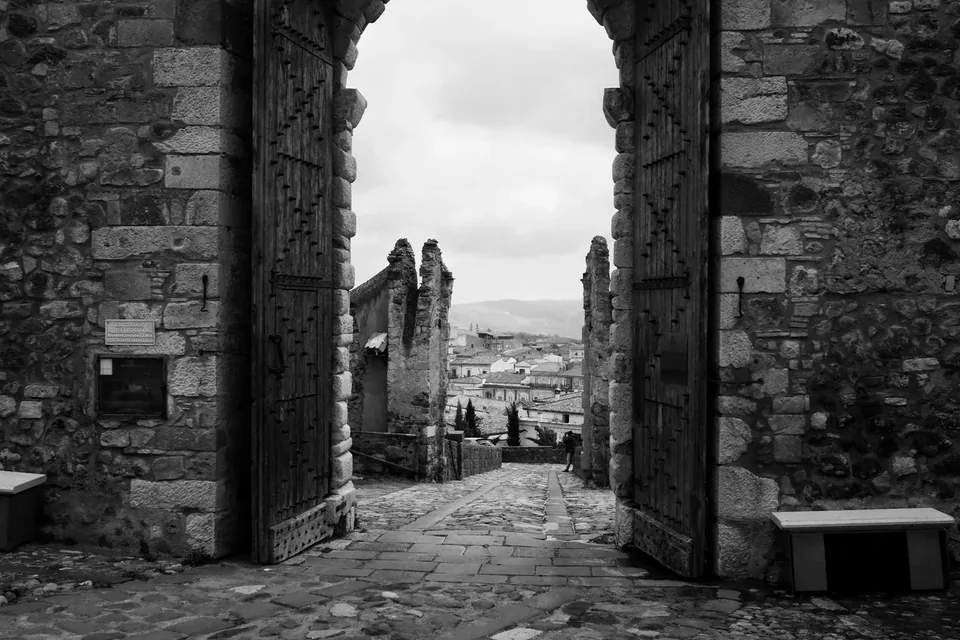
Medieval heritage, archaeology and marroncino chestnuts: Melfi as a cultural chapter of Vulture.
Read the guide →Photo: Parisma62 / Wikimedia Commons — CC BY-SA 4.0 · Resized and converted to WebP.
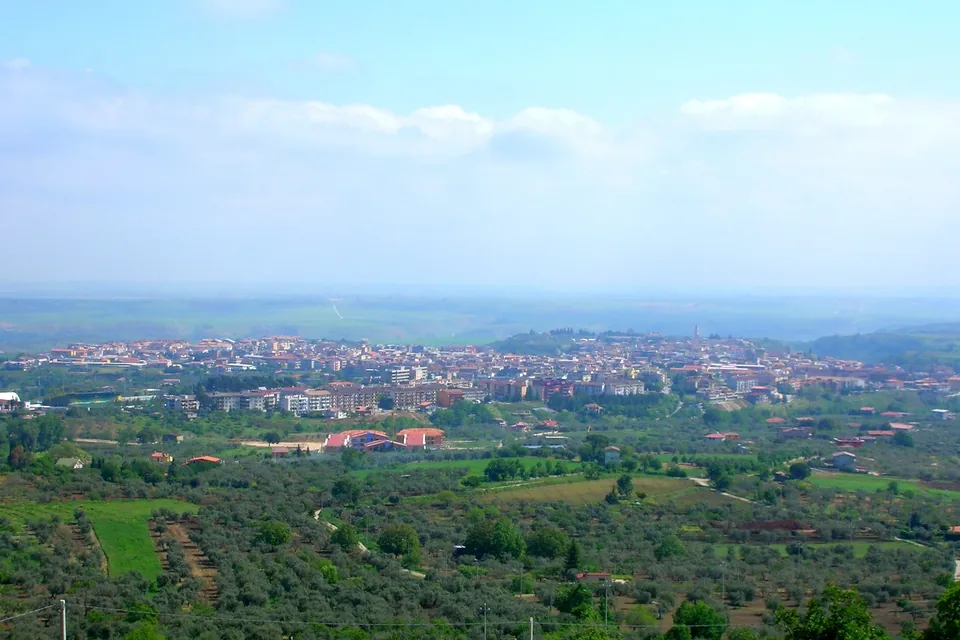
Venusia, the unfinished church and the castle: connect history and food in Vulture-Melfese.
Read the guide →Photo: D.N.R. / Wikimedia Commons — CC BY-SA 3.0 · Resized and converted to WebP.
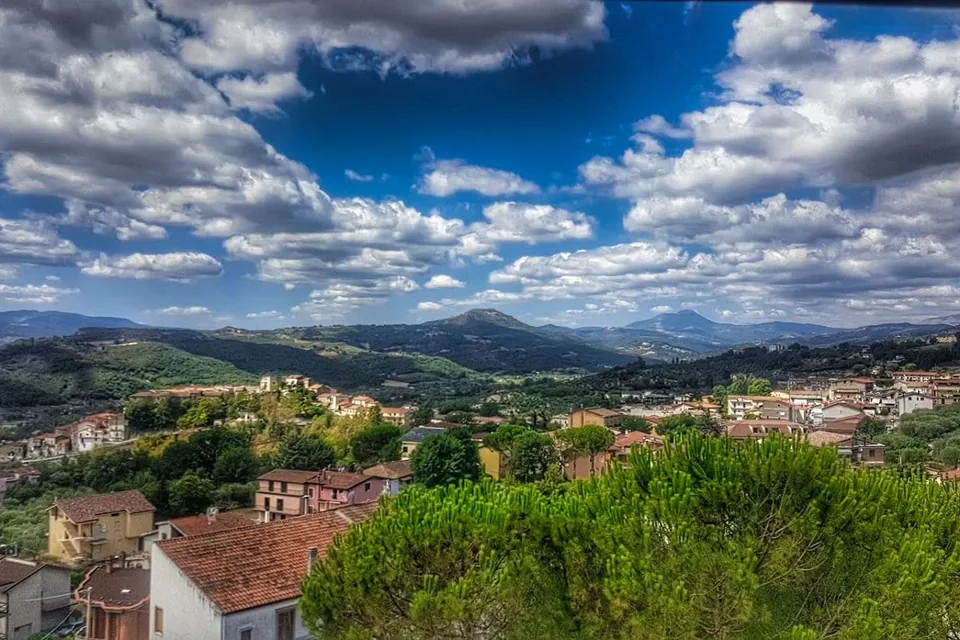
The town, Peperone di Senise IGP and the Sinni valley: understand a place through an ingredient.
Read the guide →Photo: Fabio742008 / Wikimedia Commons — CC BY-SA 4.0 · Resized and converted to WebP.
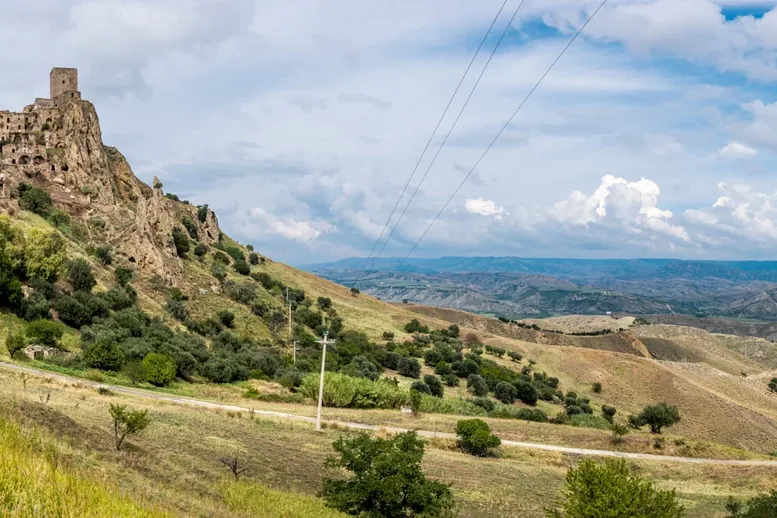
An abandoned town among clay hills: landscape and memory beyond the photograph.
Read the guide →Photo: Giuseppe Milo / Wikimedia Commons — CC BY 3.0 · Resized and converted to WebP.
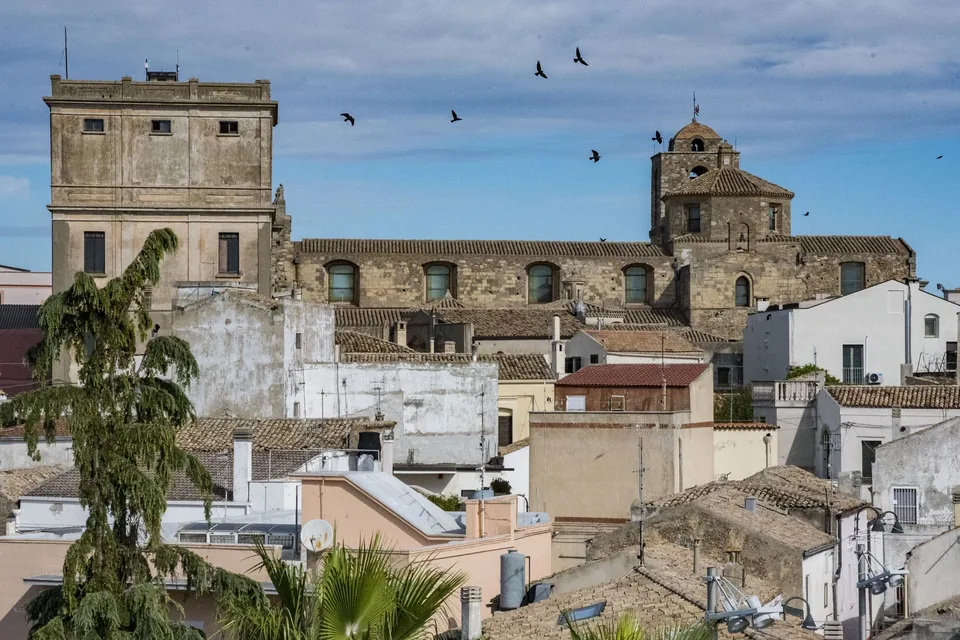
The Barons’ Conspiracy, Renaissance painting and the Bradano landscape.
Read the guide →Photo: Cinzia astorino / Wikimedia Commons — CC BY-SA 4.0 · Resized and converted to WebP.
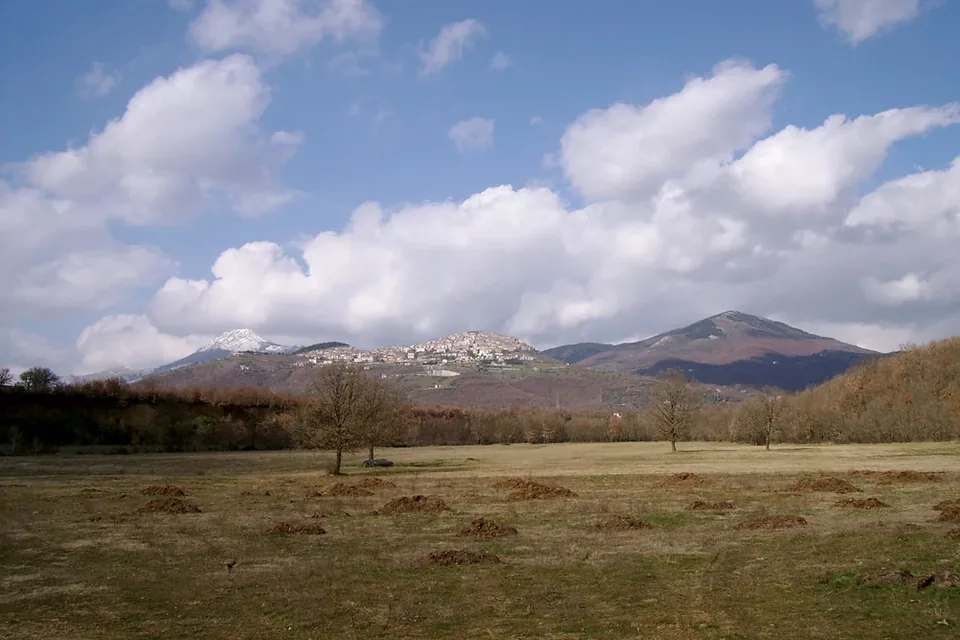
Viggiano: harp, devotion and Val d’Agri.
Read the guide →Photo: piervincenzocanale / Wikimedia Commons — CC BY-SA 2.0 · Resized and converted to WebP.
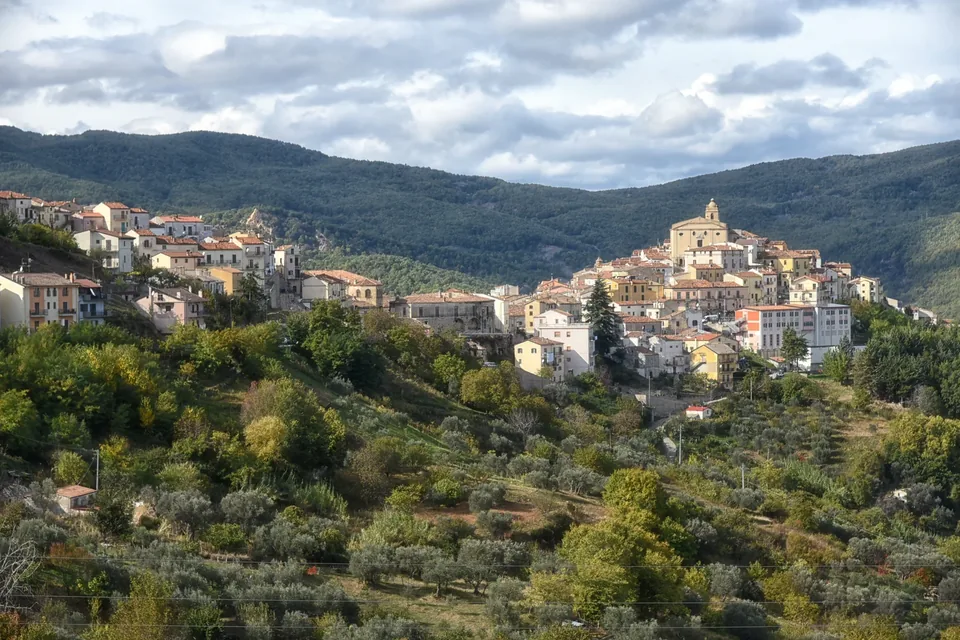
Accettura: town and tree rituals.
Read the guide →Photo: Anna Nicoletta Menzella / Wikimedia Commons — CC BY-SA 4.0 · Resized and converted to WebP.
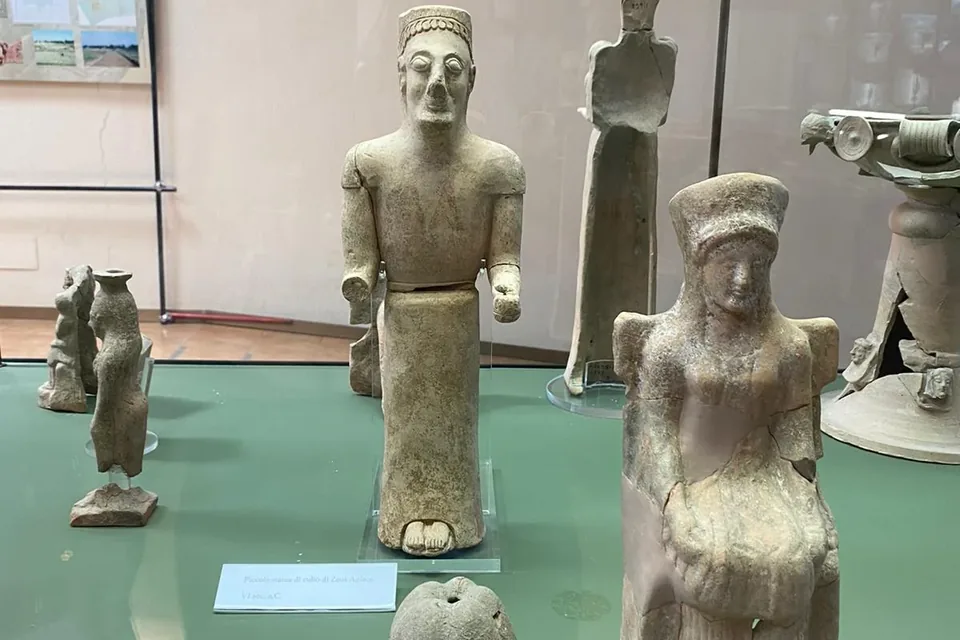
Metaponto: Magna Graecia on the plain.
Read the guide →Photo: Damiano157 / Wikimedia Commons — CC BY-SA 4.0 · Resized and converted to WebP.
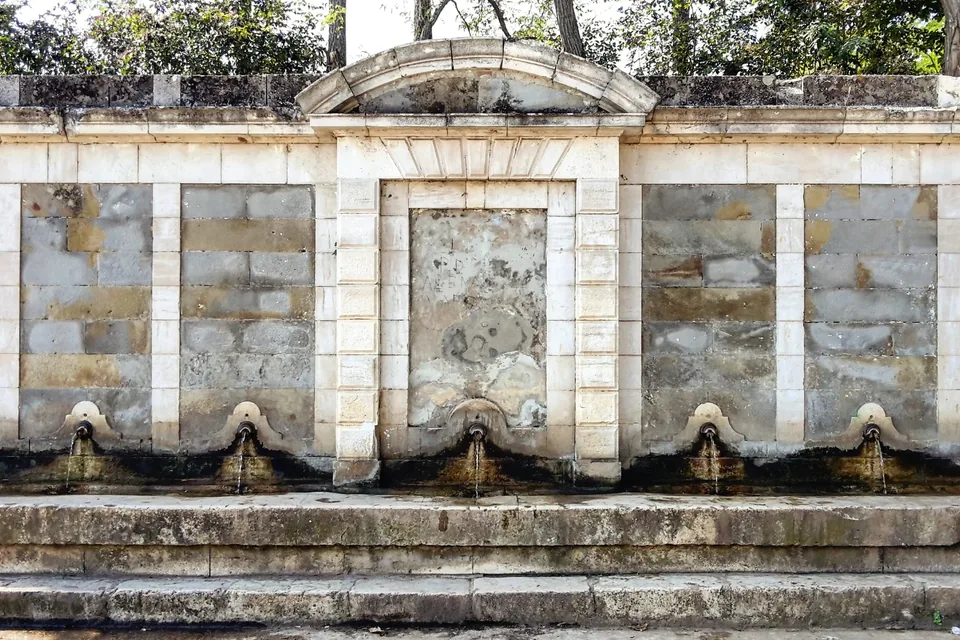
Palazzo San Gervasio: a collection in a small town.
Read the guide →Photo: Fuoco Fatuo / Wikimedia Commons — CC0 · Resized and converted to WebP.
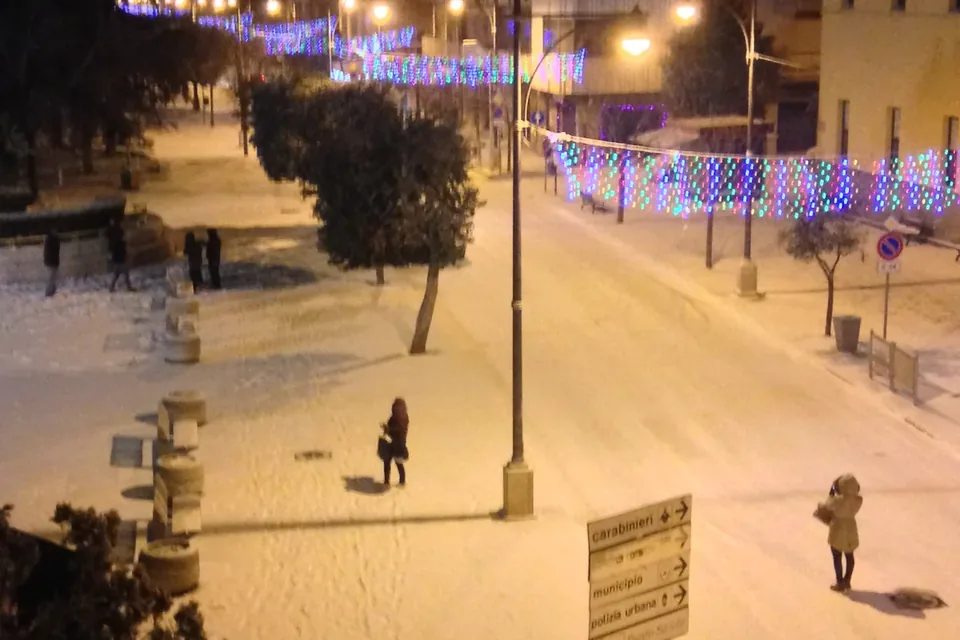
Lavello: Vulture and agricultural memory.
Read the guide →Photo: Biagiofg / Wikimedia Commons — CC BY-SA 4.0 · Resized and converted to WebP.
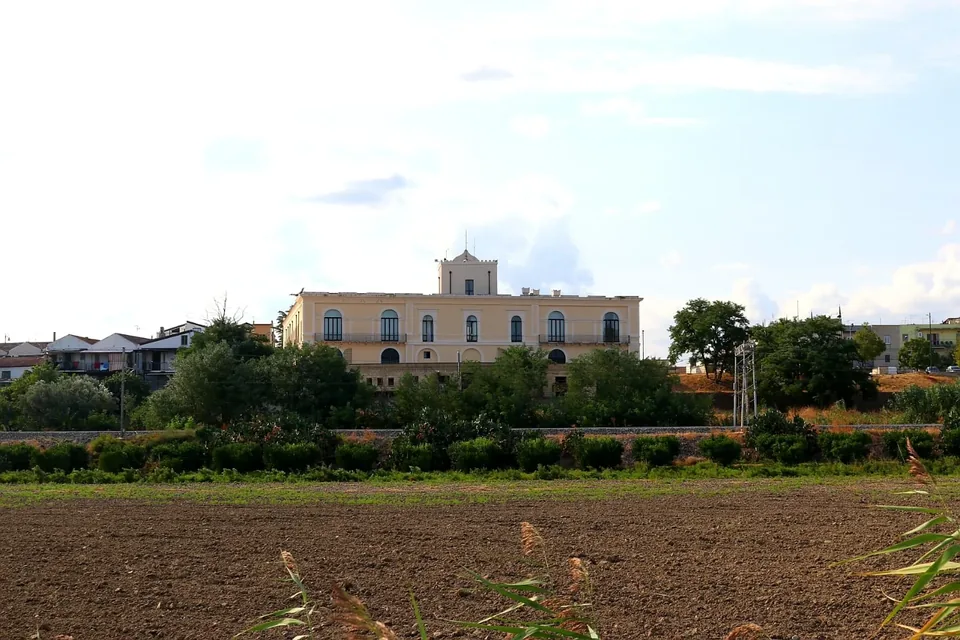
Scanzano Jonico: farmland and coast.
Read the guide →Photo: Mariagrazia Brunetti / Wikimedia Commons — CC BY-SA 4.0 · Resized and converted to WebP.
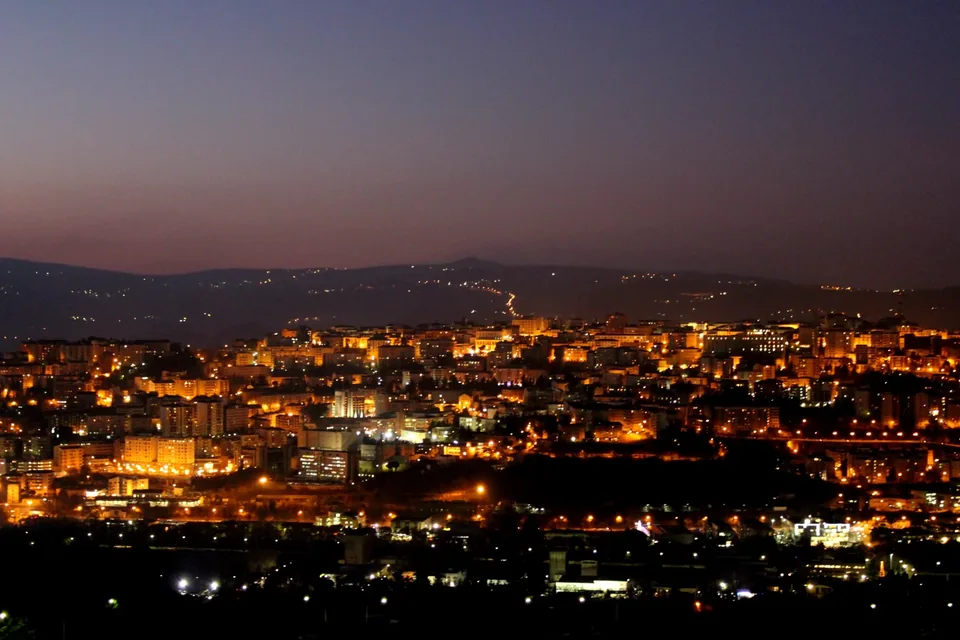
Potenza: archaeology in the regional capital.
Read the guide →Photo: Antonio Petrullo / Wikimedia Commons — CC BY-SA 3.0 · Resized and converted to WebP.
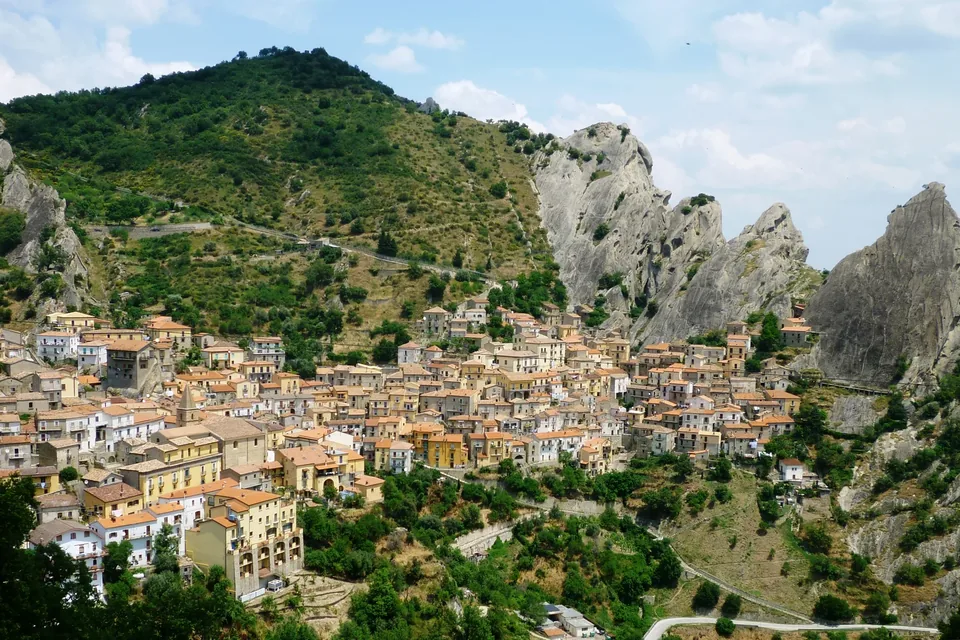
Castelmezzano: a town among the rocks.
Read the guide →Photo: Jon Shave / Wikimedia Commons — CC BY 2.0 · Resized and converted to WebP.
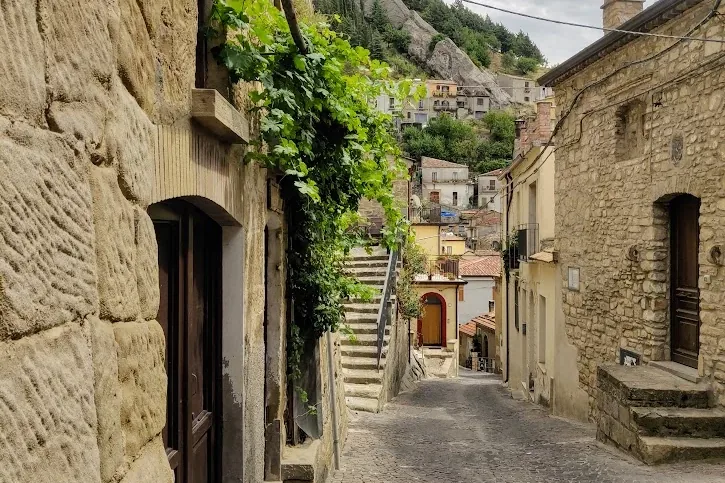
Pietrapertosa: the Arabata quarter.
Read the guide →Photo: Camelia.boban / Wikimedia Commons — CC BY-SA 4.0 · Resized and converted to WebP.
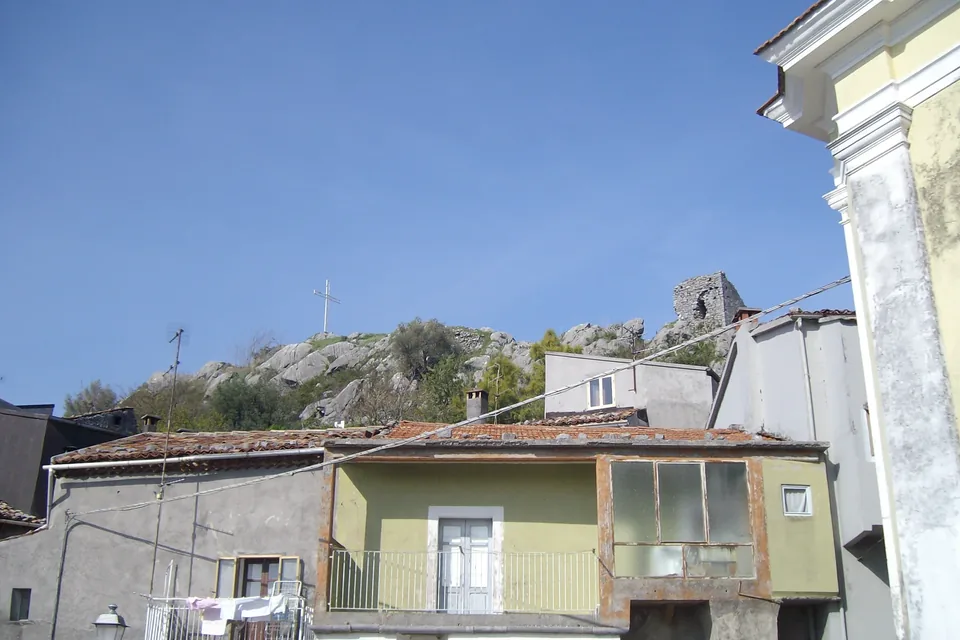
Rotonda: town and Pollino heritage.
Read the guide →Photo: Luca Raimondi / Wikimedia Commons — CC BY-SA 3.0 · Resized and converted to WebP.
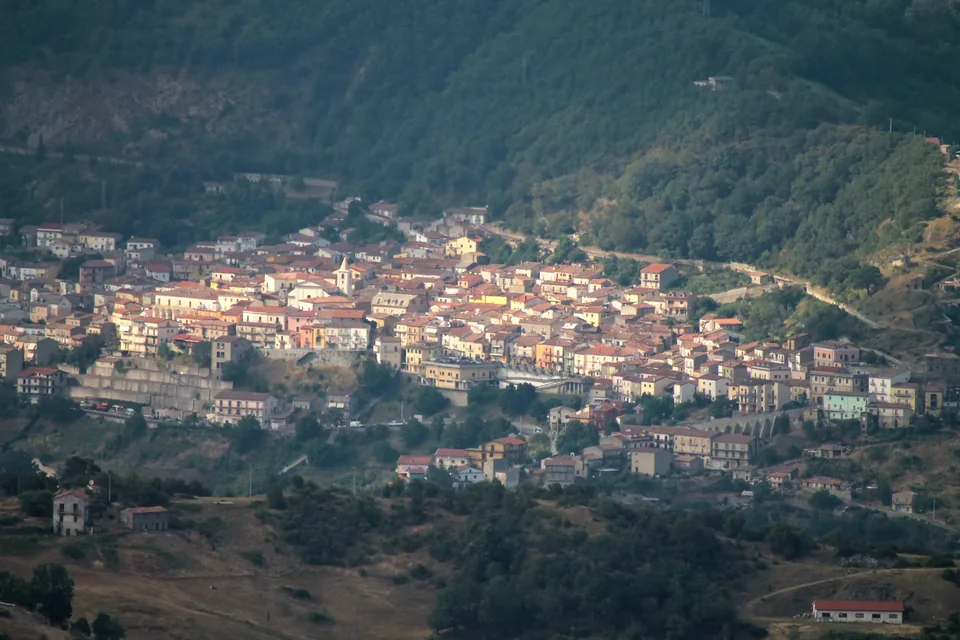
Terranova di Pollino: the Lucanian side.
Read the guide →Photo: Alfredo D'Ambrosio / Wikimedia Commons — CC BY 3.0 · Resized and converted to WebP.
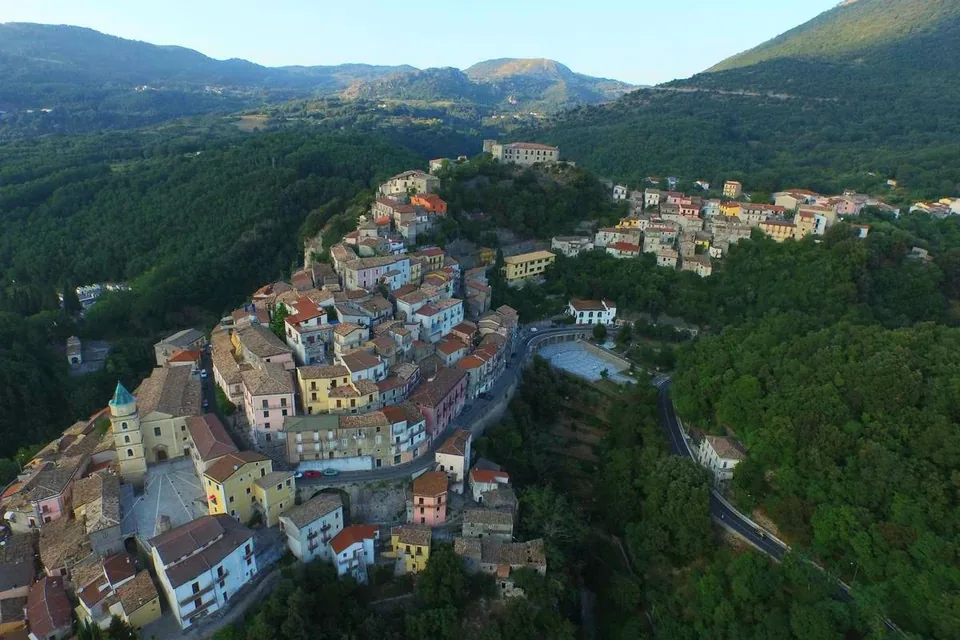
Viggianello: above the Mercure valley.
Read the guide →Photo: Millucci0 / Wikimedia Commons — CC BY-SA 4.0 · Resized and converted to WebP.
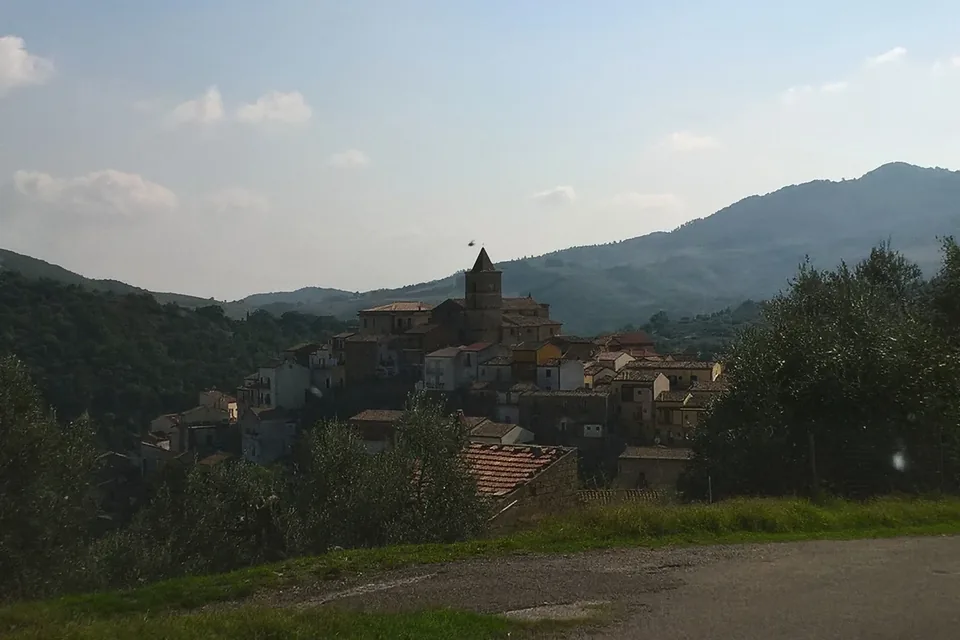
Oliveto Lucano: wood, stone and Monte Croccia.
Read the guide →Photo: Asia / Wikimedia Commons — CC BY-SA 4.0 · Resized and converted to WebP.
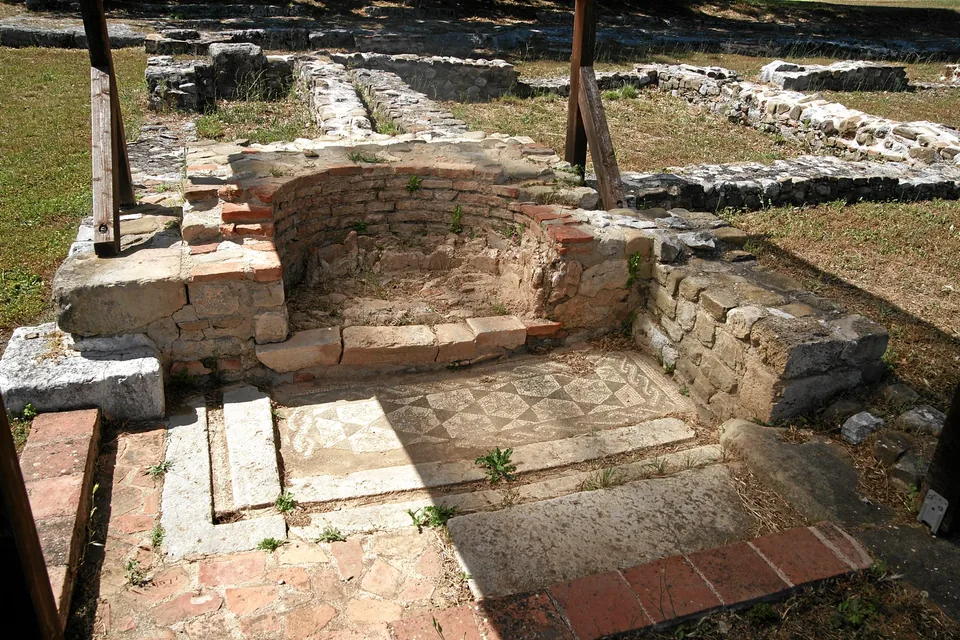
Grumentum: reading a Roman town.
Read the guide →Photo: Mboesch / Wikimedia Commons — CC BY-SA 4.0 · Resized and converted to WebP.
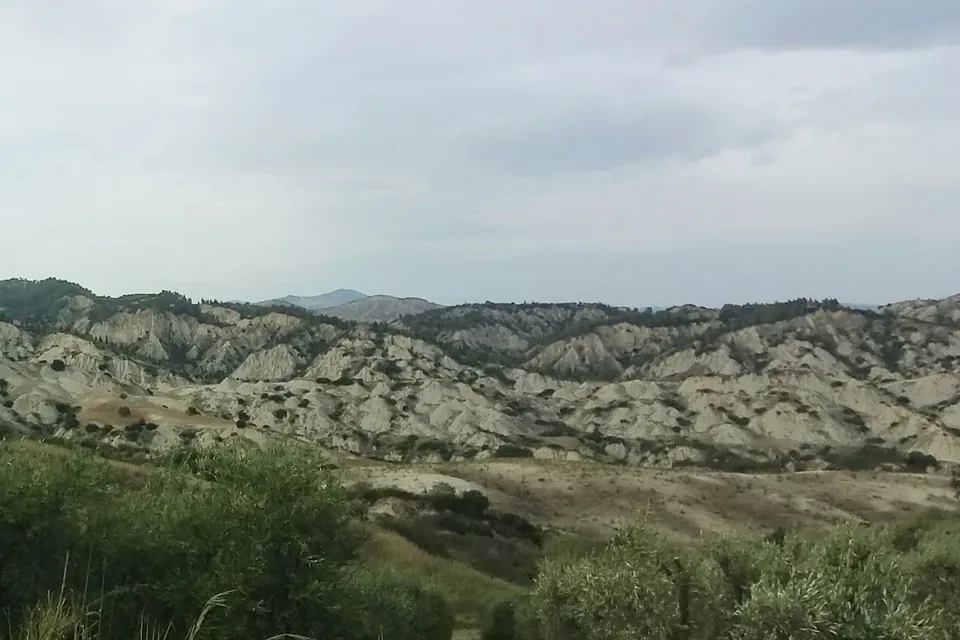
A town to read through literature and landscape.
Read the guide →Photo: DinaBenedettoFerrandina / Wikimedia Commons — CC BY-SA 4.0 · Resized and converted to WebP.
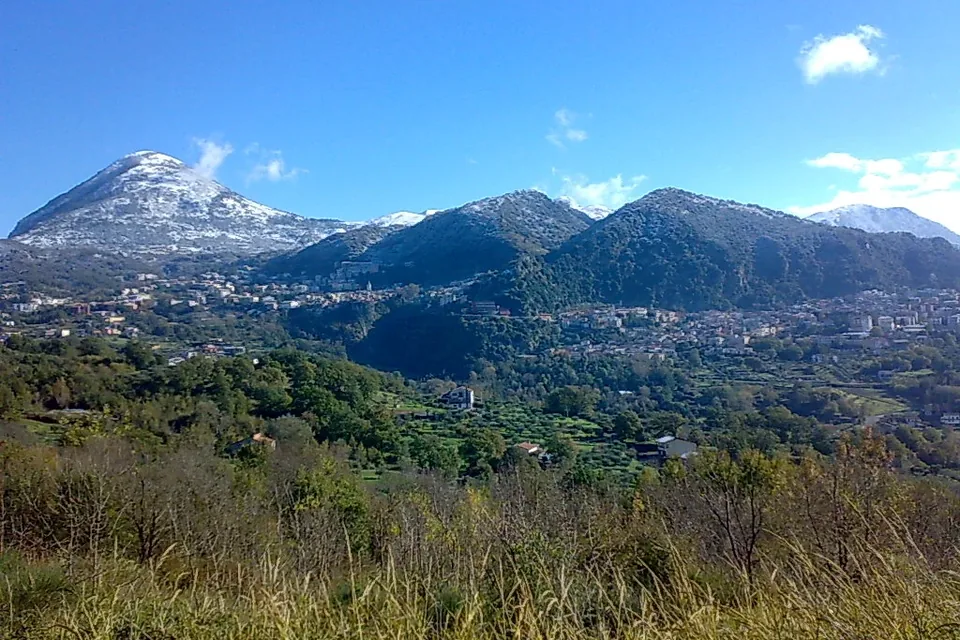
Neighbourhoods, religious memory and cinema in the Noce Valley.
Read the guide →Photo: Gianni Lupindo / Wikimedia Commons — CC BY-SA 2.0 · Resized and converted to WebP.
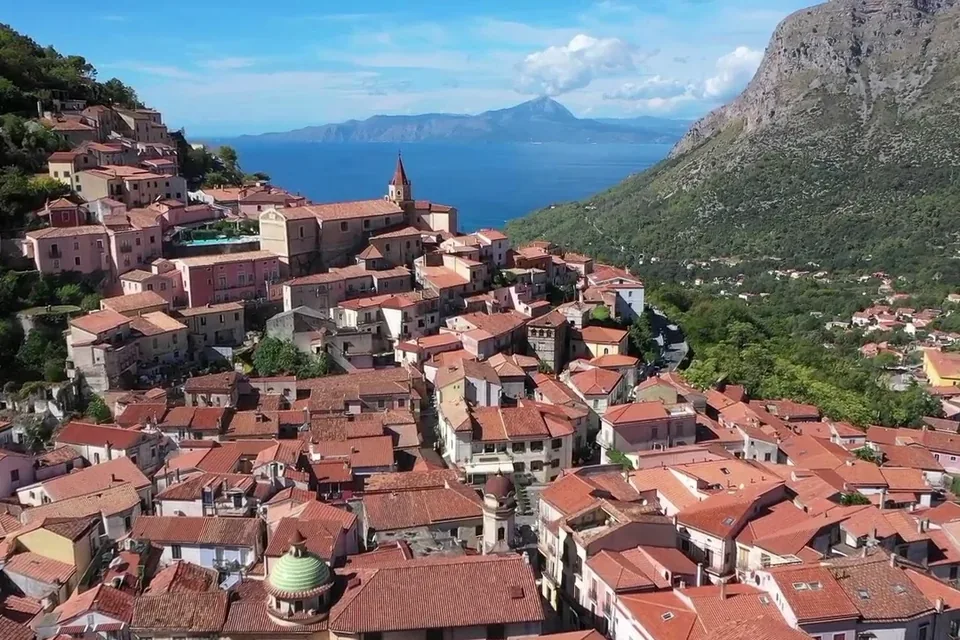
San Biagio, heritage and the landscape opening Coast to Coast.
Read the guide →Photo: Luke18389 / Wikimedia Commons — CC BY-SA 4.0 · Resized and converted to WebP.
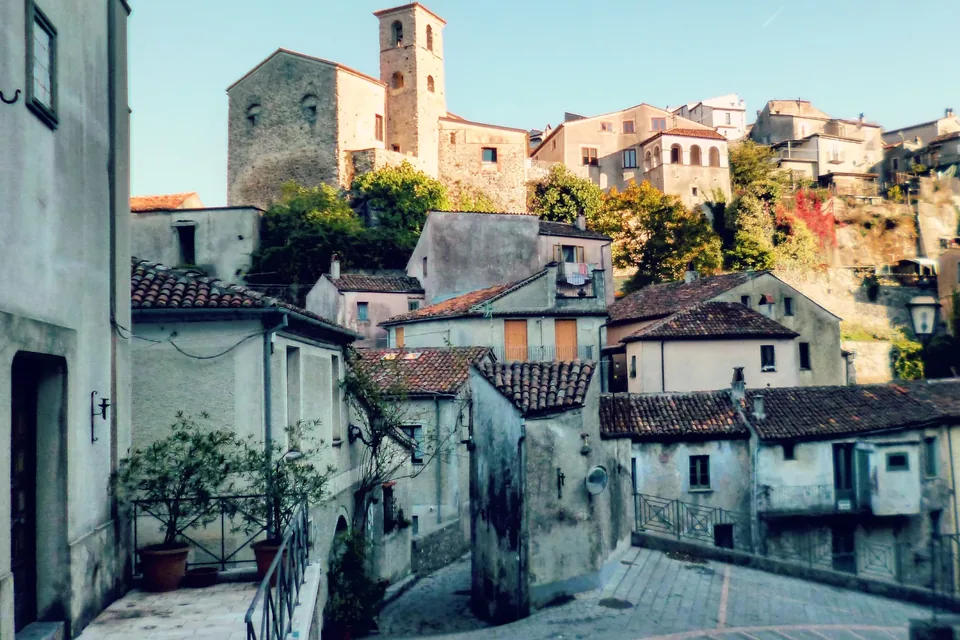
An inland stop near Maratea, combining architecture and rural memory.
Read the guide →Photo: Fuoco Fatuo / Wikimedia Commons — CC0 · Resized and converted to WebP.

A mountain landscape shared by Calabria and Basilicata, explored through walks, villages and a considered pace.
Read the guide →Photo: Gianni Lupindo / Wikimedia Commons — CC BY-SA 3.0 · Resized and converted to WebP.
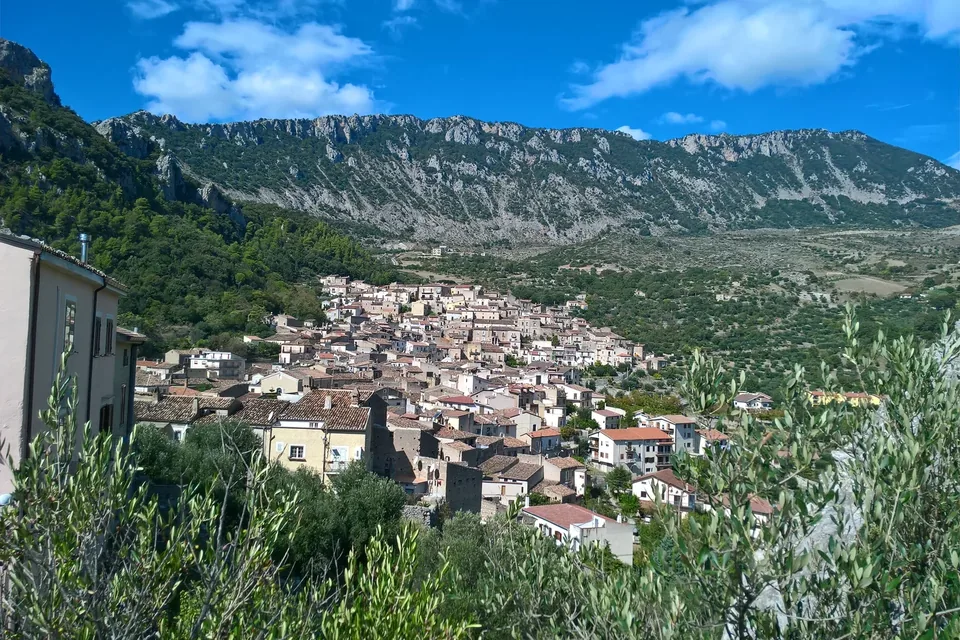
A Pollino village whose architecture and Italo-Albanian culture give the visit a distinct character.
Read the guide →Photo: Asia / Wikimedia Commons — CC BY-SA 4.0 · Resized and converted to WebP.
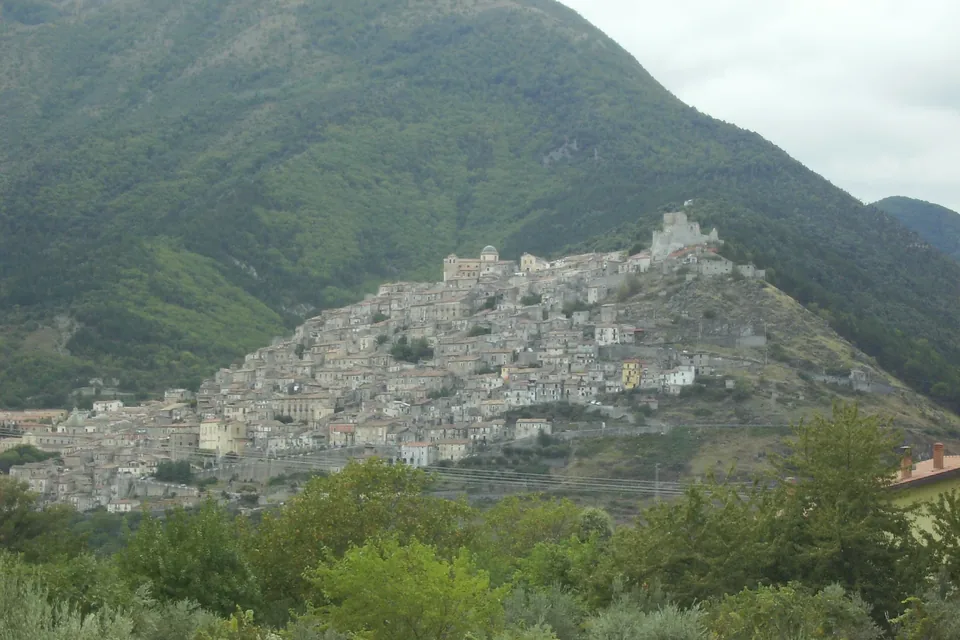
A historic hill town to explore on foot and connect with the Pollino landscape.
Read the guide →Photo: Pigr8 / Wikimedia Commons — Public domain · Resized and converted to WebP.
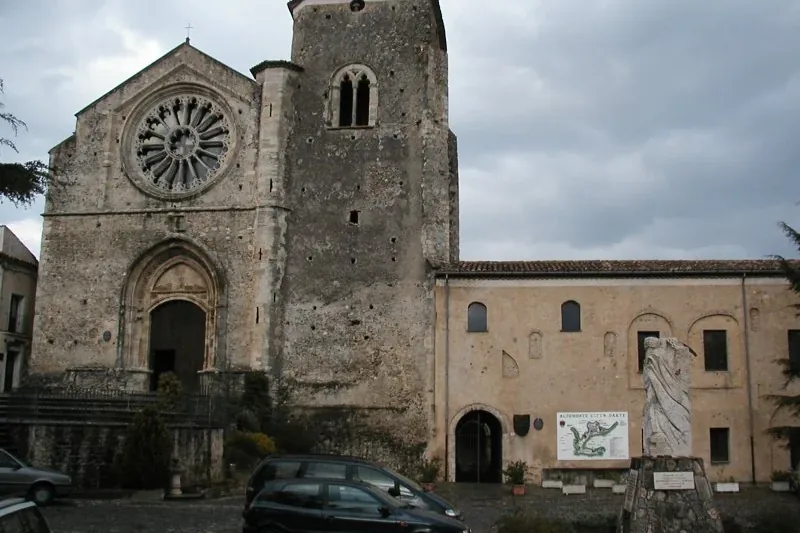
A Northern Calabria village where artistic heritage and bread culture can share a journey.
Read the guide →Photo: EdoM / Wikimedia Commons — CC BY-SA 3.0 · Resized and converted to WebP.
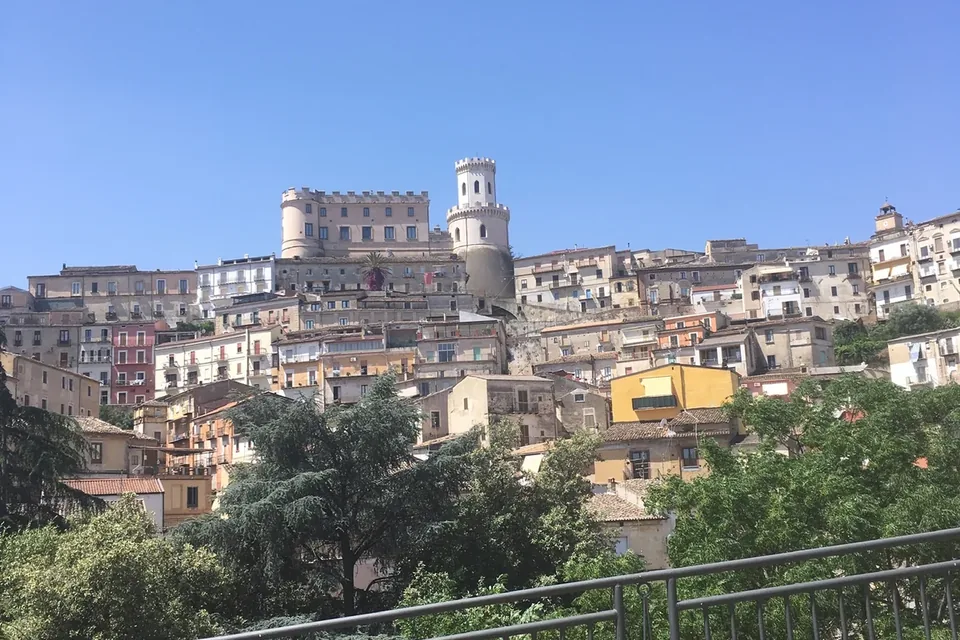
Historic heritage, liquorice and coast: a connection to develop between inland Calabria and the Ionian Sea.
Read the guide →Photo: Marcok/itwiki / Wikimedia Commons — CC BY-SA 4.0 · Resized and converted to WebP.
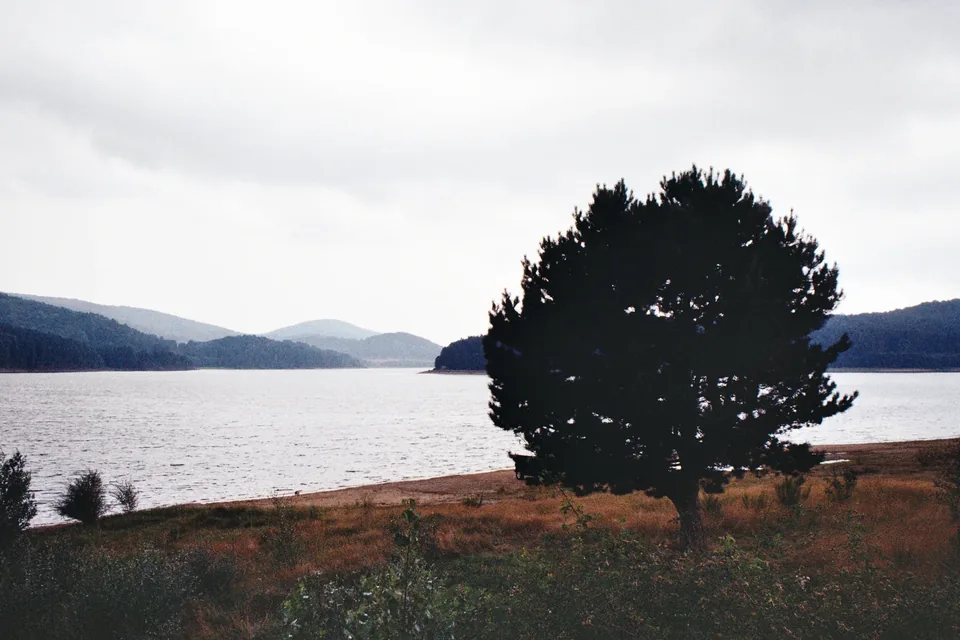
Sila National Park: a plateau of forests, lakes and pastures between Cosenza, Catanzaro and Crotone, and a UNESCO biosphere reserve.
Read the guide →Photo: Ugo Leonetti / Wikimedia Commons — CC BY-SA 4.0 · Resized and converted to WebP.
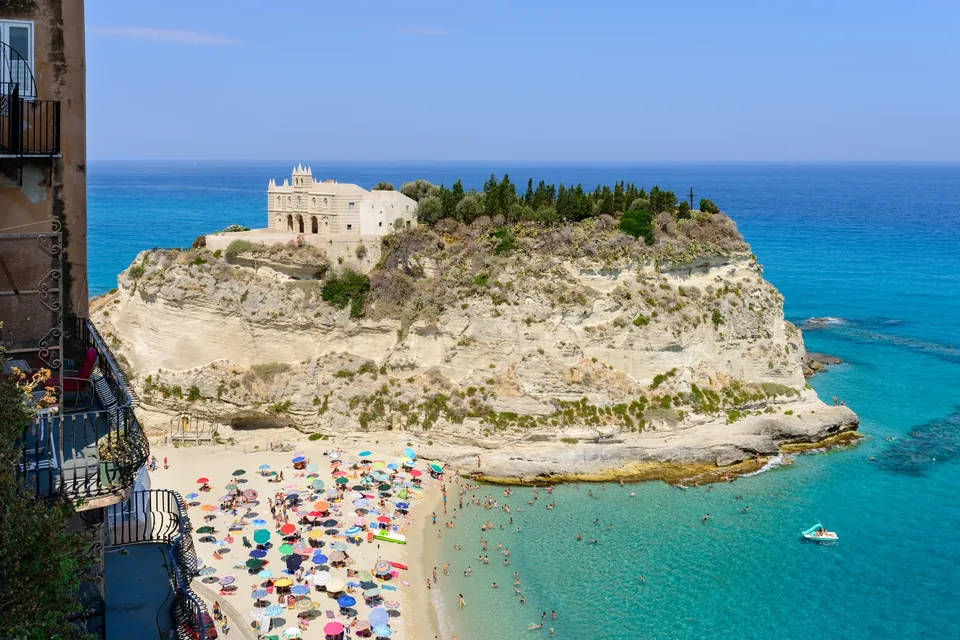
The clifftop town, the Tropea onion and the Capo Vaticano headland along the Costa degli Dei, on Calabria’s Tyrrhenian coast.
Read the guide →Photo: Norbert Nagel / Wikimedia Commons — CC BY-SA 3.0 · Resized and converted to WebP.
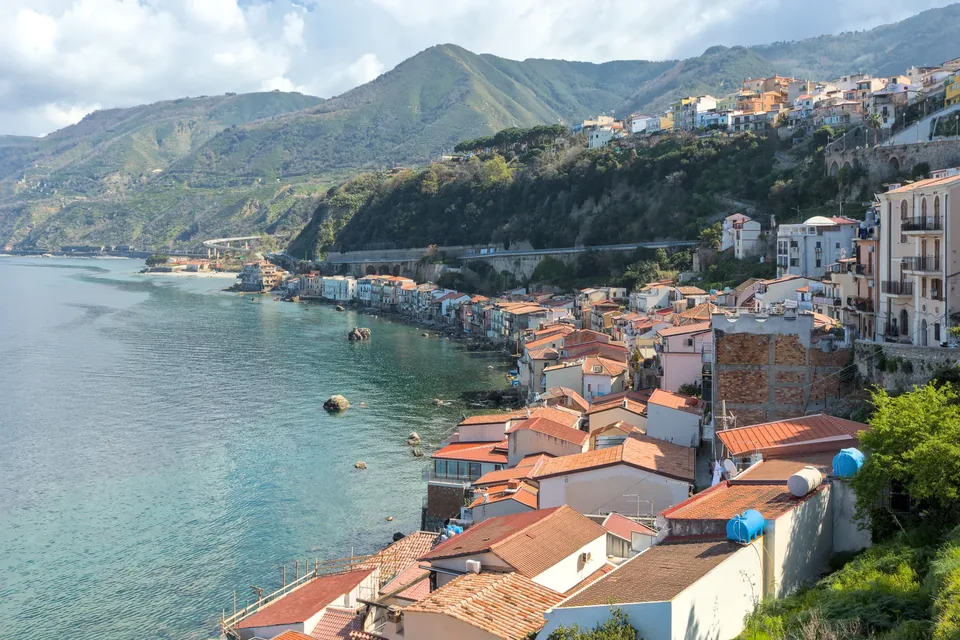
The town of the Homeric myth, the seafaring quarter of Chianalea and the stretch of Costa Viola facing the Strait of Messina.
Read the guide →Photo: Benjamin Smith / Wikimedia Commons — CC BY-SA 4.0 · Resized and converted to WebP.
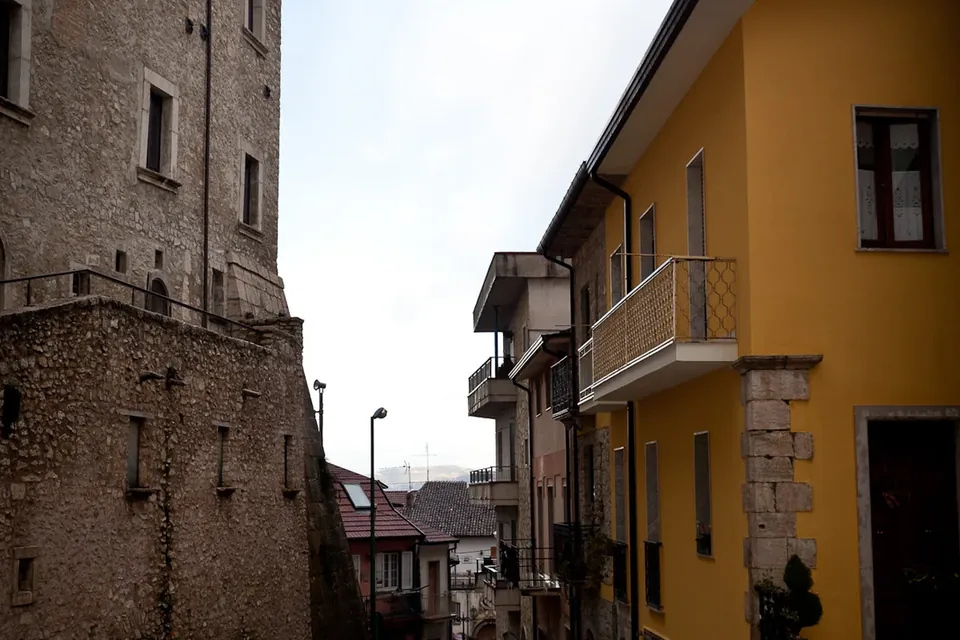
An Irpinia village from which to develop a journey around wine, heritage and food, with encounters still to be selected.
Read the guide →Photo: jimmyweee / Wikimedia Commons — CC BY 2.0 · Resized and converted to WebP.
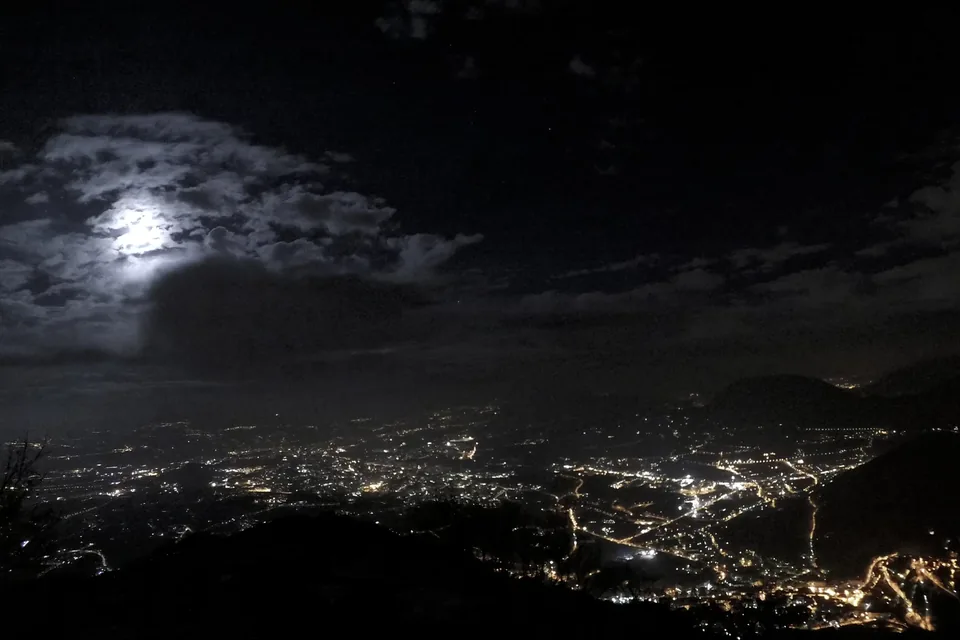
The city as an introduction to the territory: its old centre, Museo Irpino and a possible route towards wine country.
Read the guide →Photo: Francesco Matarazzo / Wikimedia Commons — CC BY-SA 4.0 · Resized and converted to WebP.
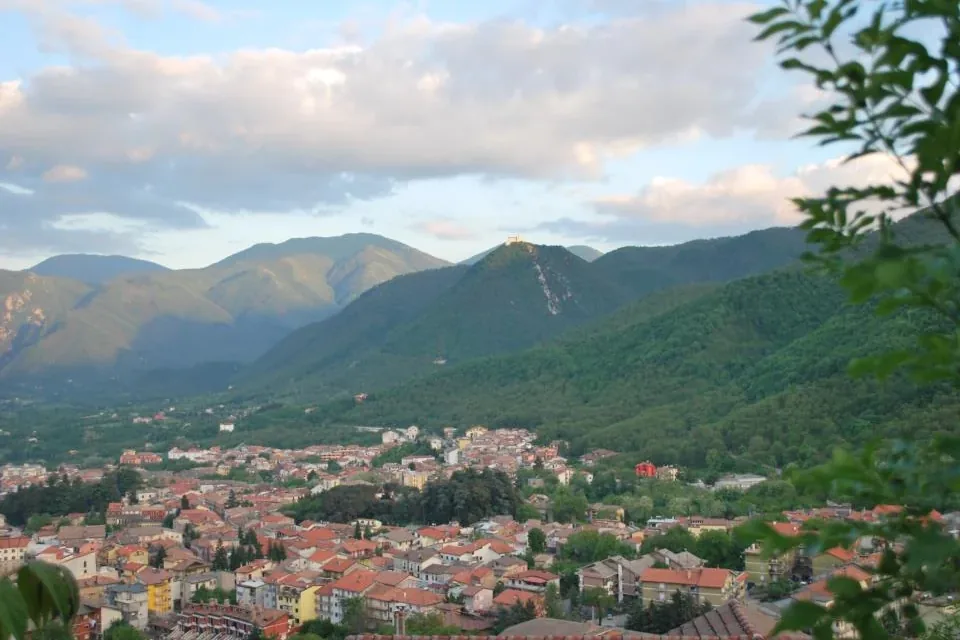
Chestnuts, heritage and nature as threads of a rural journey, with experiences chosen for the season.
Read the guide →Photo: Mies me at Italian Wikipedia / Wikimedia Commons — Public domain · Resized and converted to WebP.
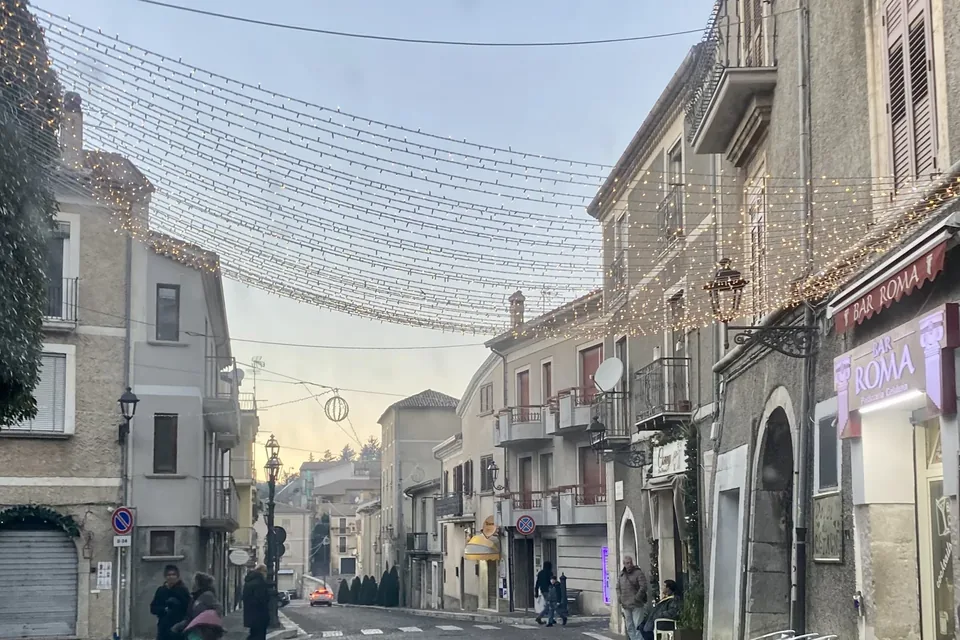
A thread connecting village, mountains and truffles: a journey designed around the season rather than a single festival.
Read the guide →Photo: Corvettec6r / Wikimedia Commons — CC BY 4.0 · Resized and converted to WebP.
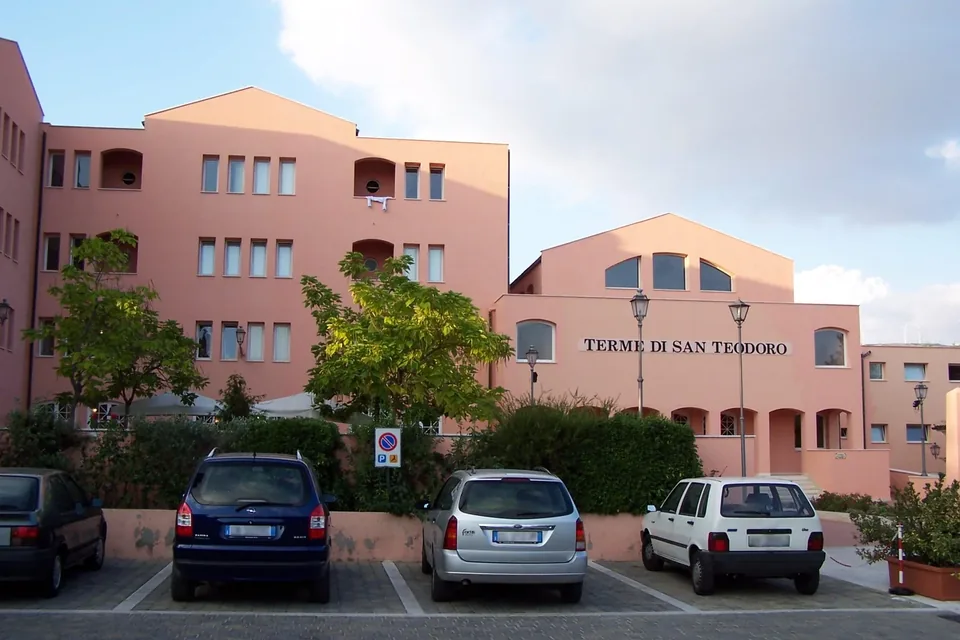
A small village approached through archaeology and the history of water, with a visit to develop without forcing the route.
Read the guide →Photo: Roberto1974 / Wikimedia Commons — Public domain · Resized and converted to WebP.

The Cilento, Vallo di Diano and Alburni National Park: coastline, karst mountains, Paestum, Velia and the Padula Charterhouse.
Read the guide →Photo: PaestumPaestum / Wikimedia Commons — CC BY-SA 4.0 · Resized and converted to WebP.
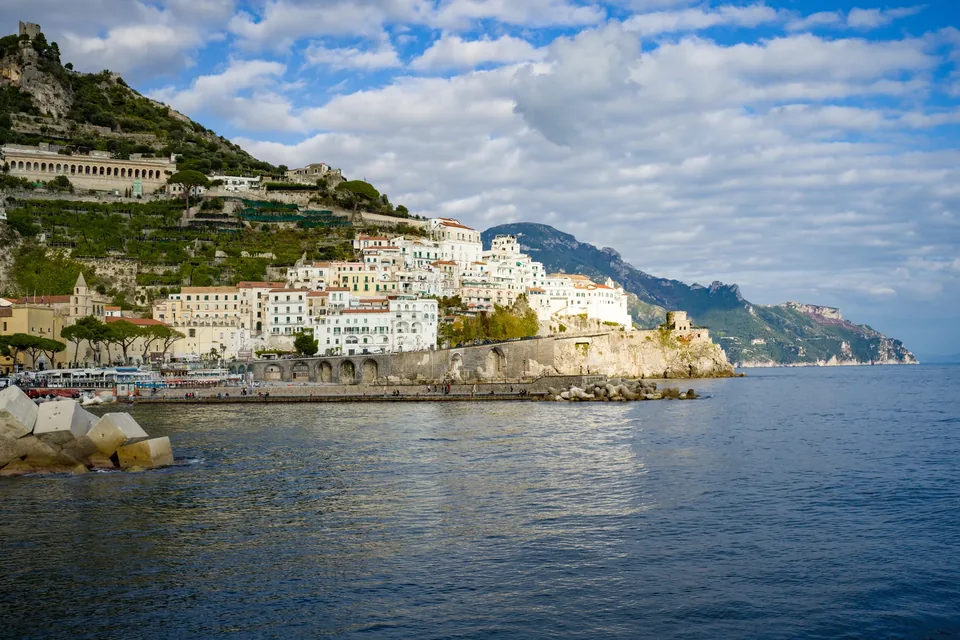
The UNESCO cultural landscape between Positano and Vietri sul Mare: citrus terraces, footpaths, inland valleys and the history of a maritime republic.
Read the guide →Photo: Wolfgang Moroder / Wikimedia Commons — CC BY-SA 3.0 · Resized and converted to WebP.
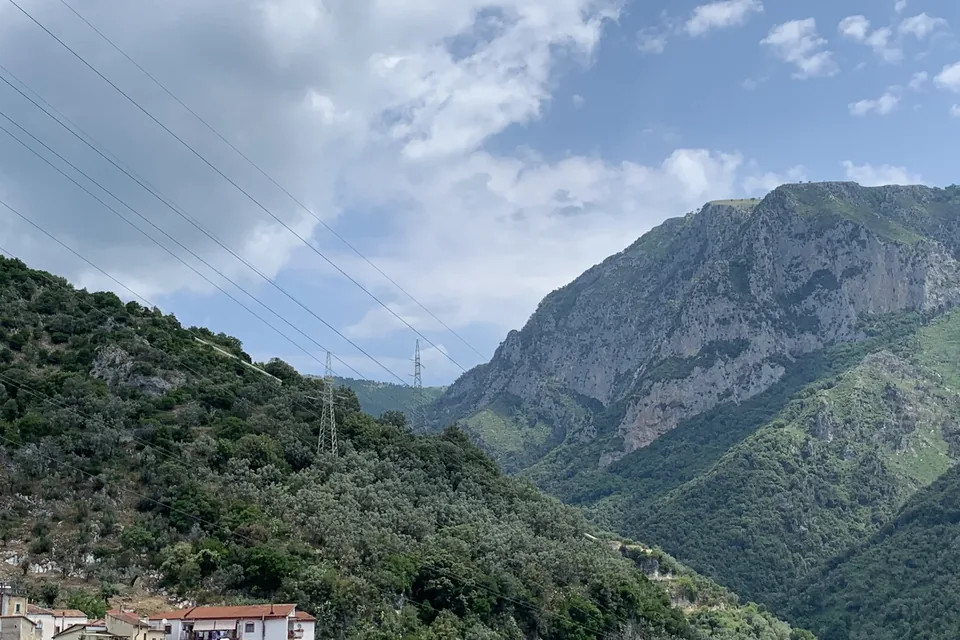
A regional park of beech woods, springs and hill villages, with Giffoni Valle Piana and its film festival for young people.
Read the guide →Photo: Csal1933 / Wikimedia Commons — CC BY-SA 4.0 · Resized and converted to WebP.
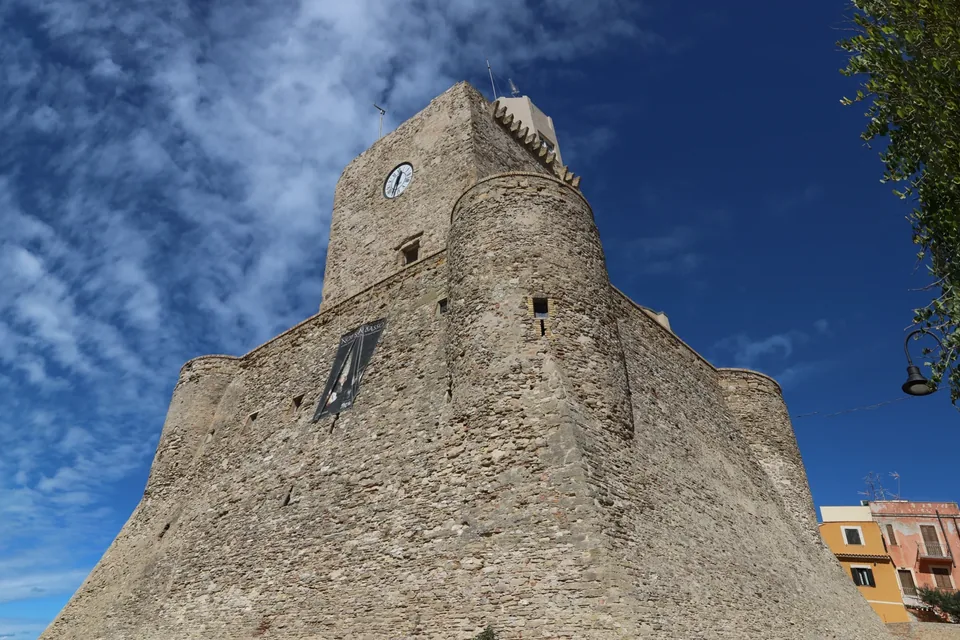
An old town on a rocky spur over the sea, the Swabian castle, the cathedral of San Basso and the trabucchi of the Adriatic coast.
Read the guide →Photo: C.lapia / Wikimedia Commons — CC BY-SA 4.0 · Resized and converted to WebP.
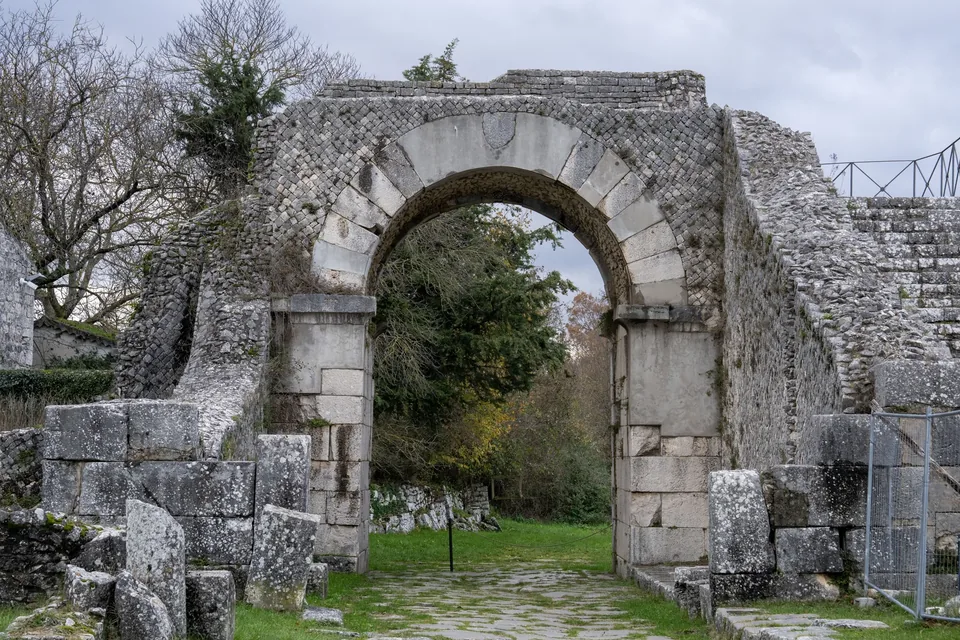
The Altilia-Saepinum archaeological area, the medieval village of Sepino and Samnite Terravecchia above the Tammaro valley.
Read the guide →Photo: Stapinium / Wikimedia Commons — CC BY 4.0 · Resized and converted to WebP.
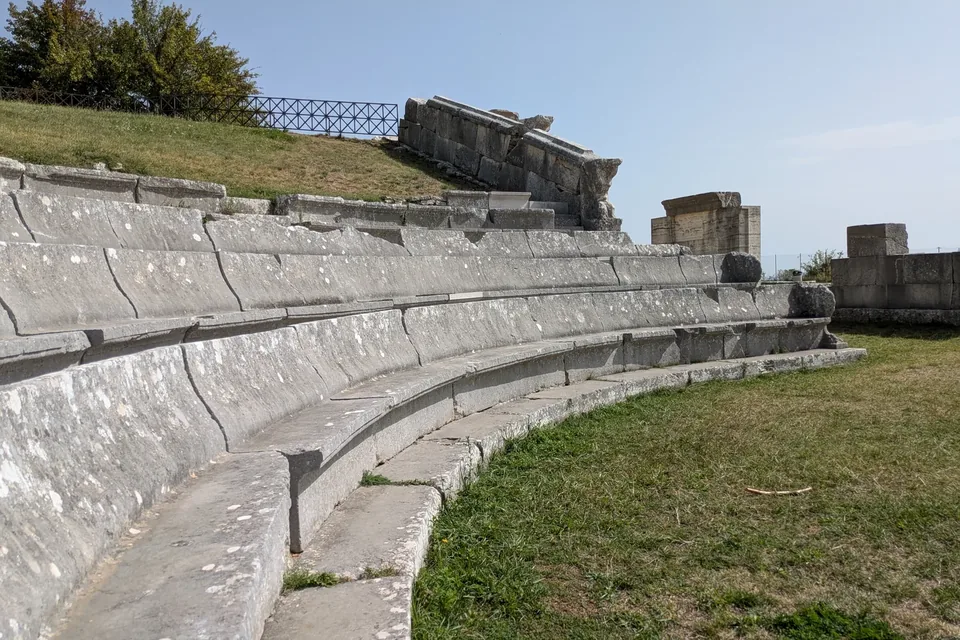
The Italic sanctuary on the slopes of Monte Saraceno: the assembly cavea, the temples and the Samnites’ Domus publica.
Read the guide →Photo: Accurimbono / Wikimedia Commons — CC BY-SA 4.0 · Resized and converted to WebP.
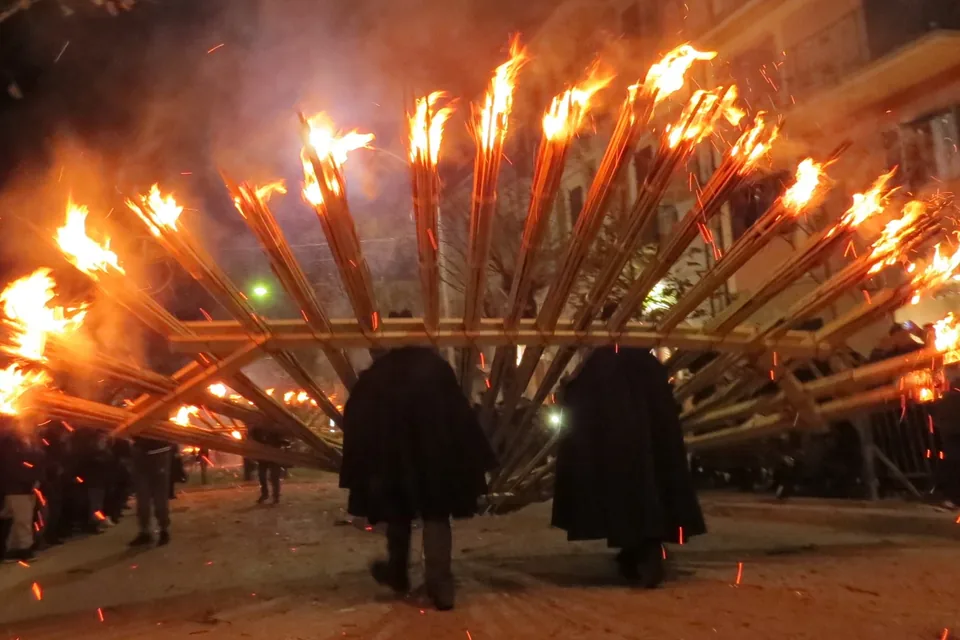
The Pontifical Marinelli Foundry and its museum, copper and wrought-iron workshops, and the December ’Ndocciata.
Read the guide →Photo: Gianfranco Vitolo / Wikimedia Commons — CC BY-SA 2.0 · Resized and converted to WebP.
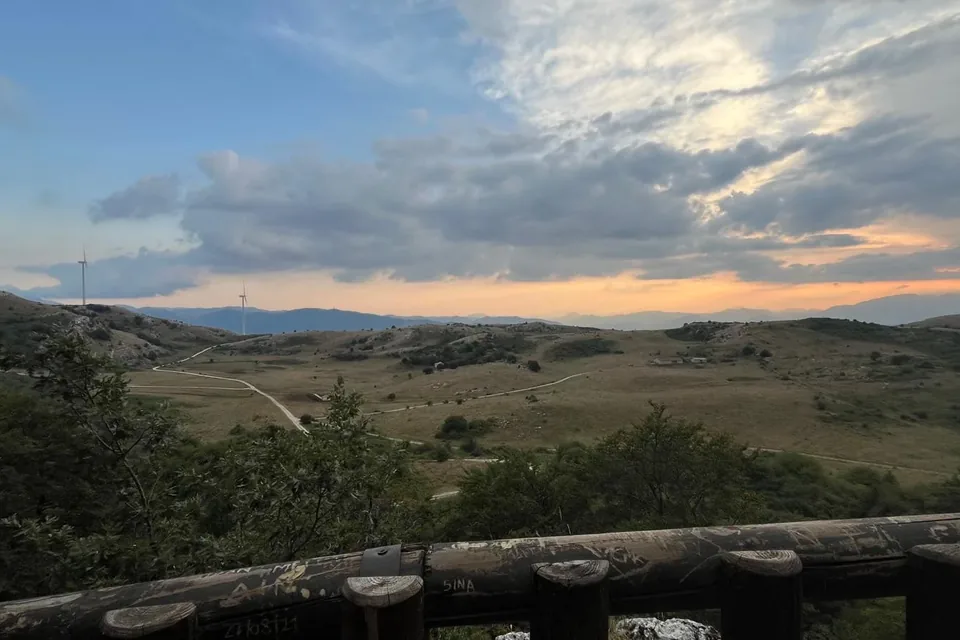
A village of the Molise Apennines among pastures and beech woods, with a tradition of scissors and knives and the arrival of transhumance from Puglia.
Read the guide →Photo: Spivi14 / Wikimedia Commons — CC BY-SA 4.0 · Resized and converted to WebP.
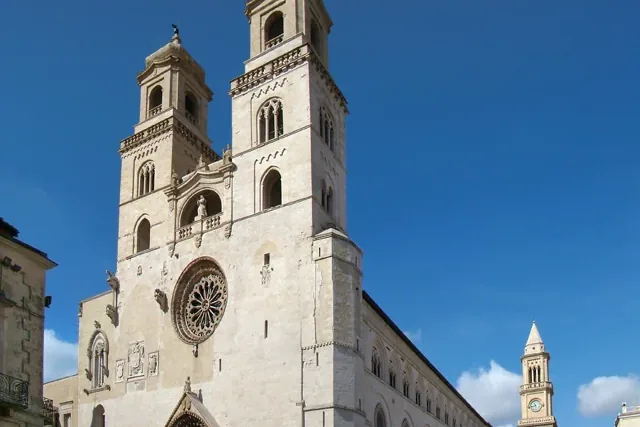
Bread culture, the old town and the Murgia landscape as the starting point for a journey.
Read the guide →Photo: Tango7174 / Wikimedia Commons — CC BY-SA 4.0 · Resized and converted to WebP.
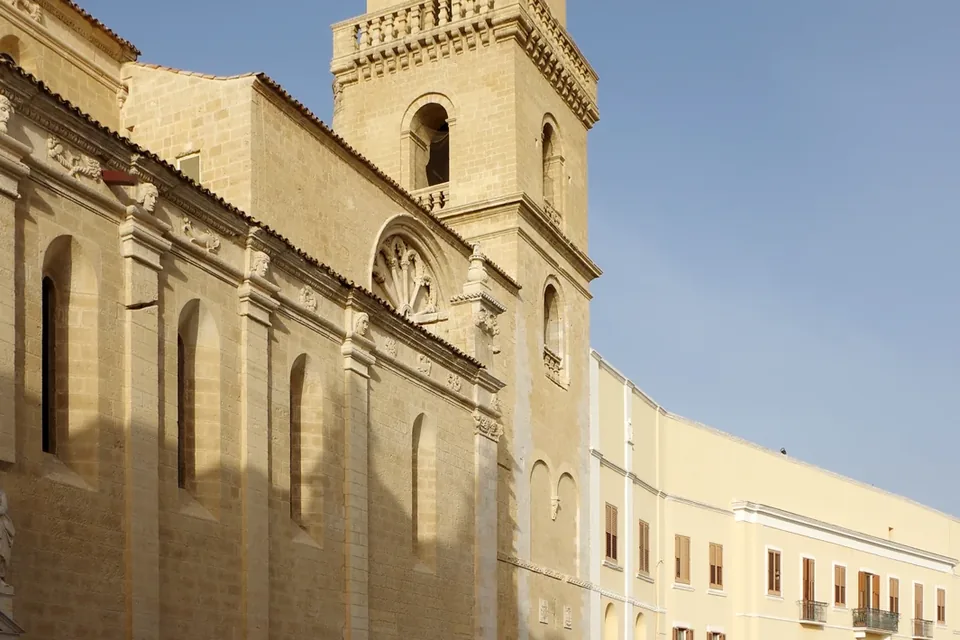
Rock-cut neighbourhoods, pastoral history and the relationship between town and landscape.
Read the guide →Photo: Berthold Werner / Wikimedia Commons — CC BY-SA 3.0 · Resized and converted to WebP.
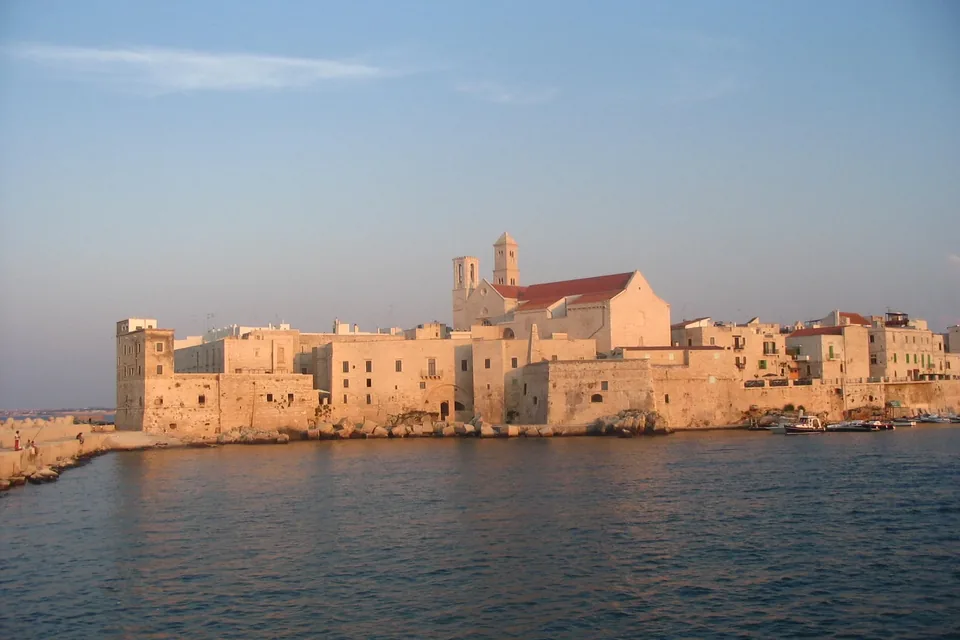
The old town, harbour and cooking shaped by farming and fishing traditions.
Read the guide →Photo: salviF / Wikimedia Commons — CC BY 2.0 · Resized and converted to WebP.
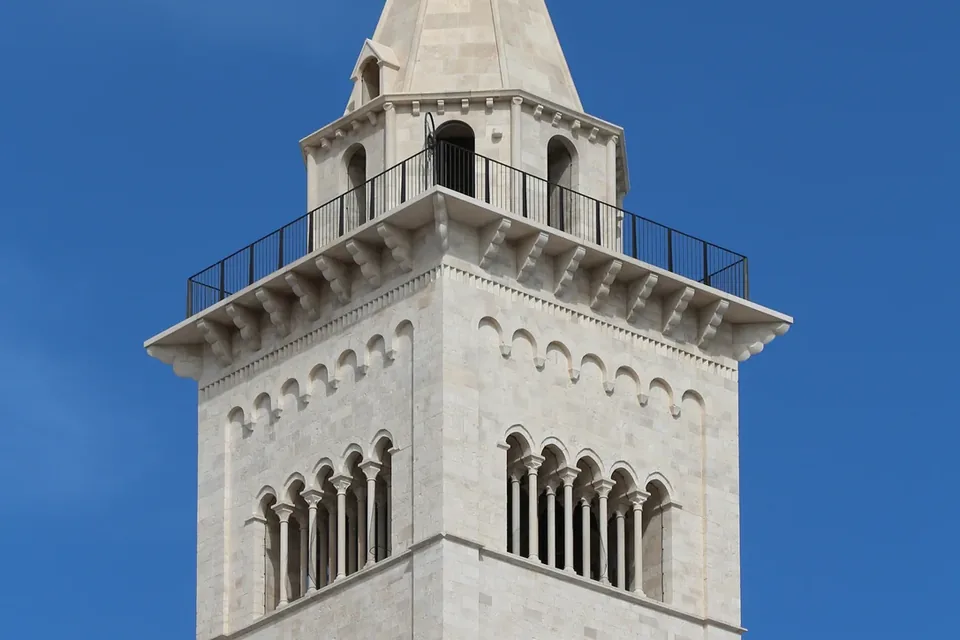
Cathedral, castle and Jewish heritage for a coastal ending with cultural depth.
Read the guide →Photo: Bernard Gagnon / Wikimedia Commons — CC0 · Resized and converted to WebP.
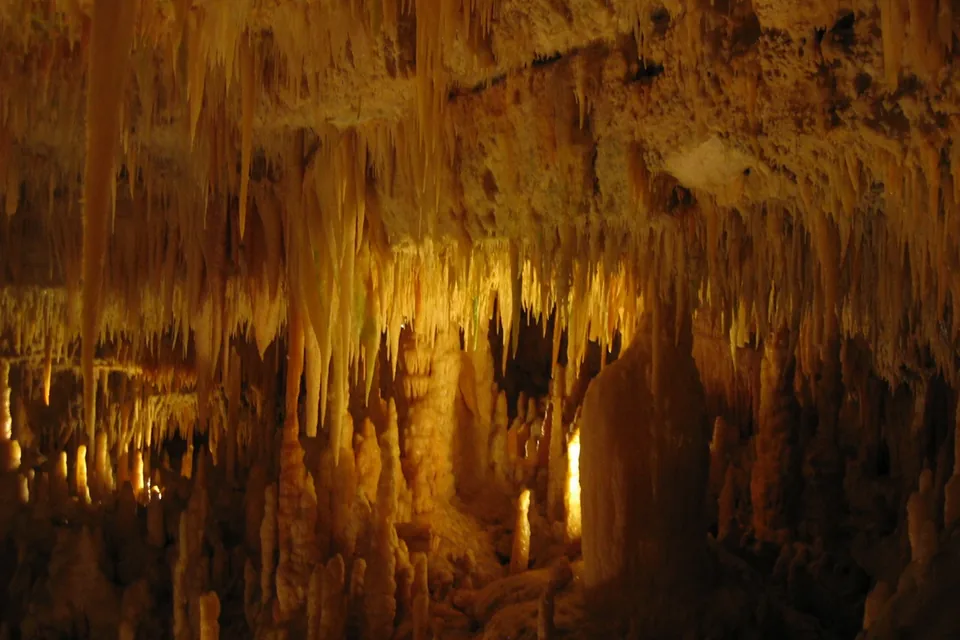
Karst, caves and the town within a journey connected to the Itria Valley.
Read the guide →Photo: ReMagio at Italian Wikipedia / Wikimedia Commons — Public domain · Resized and converted to WebP.
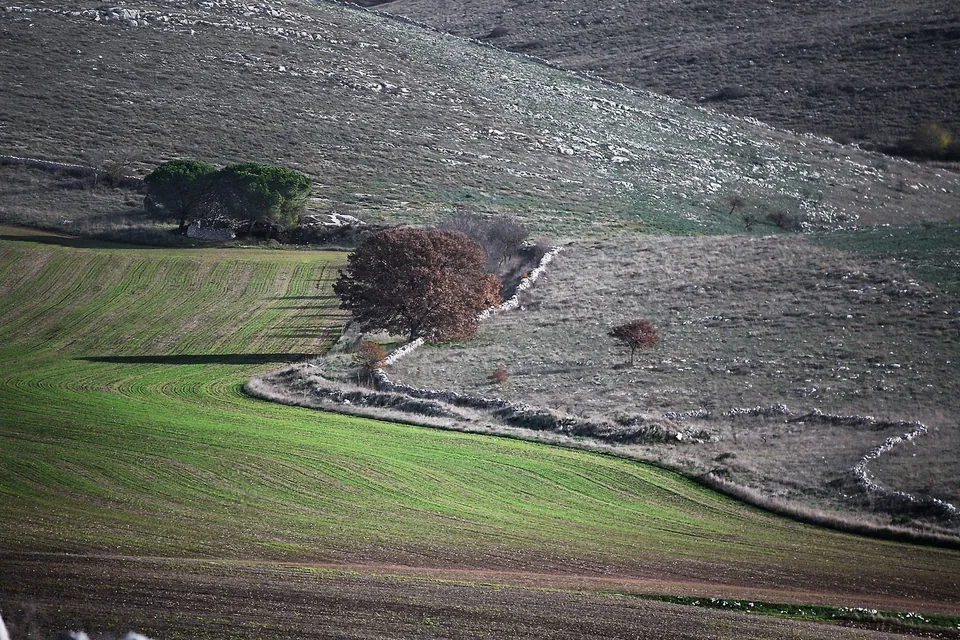
Stone, pasture and farming to explore the landscape beyond the towns.
Read the guide →Photo: Acquario51 / Wikimedia Commons — CC BY-SA 4.0 · Resized and converted to WebP.
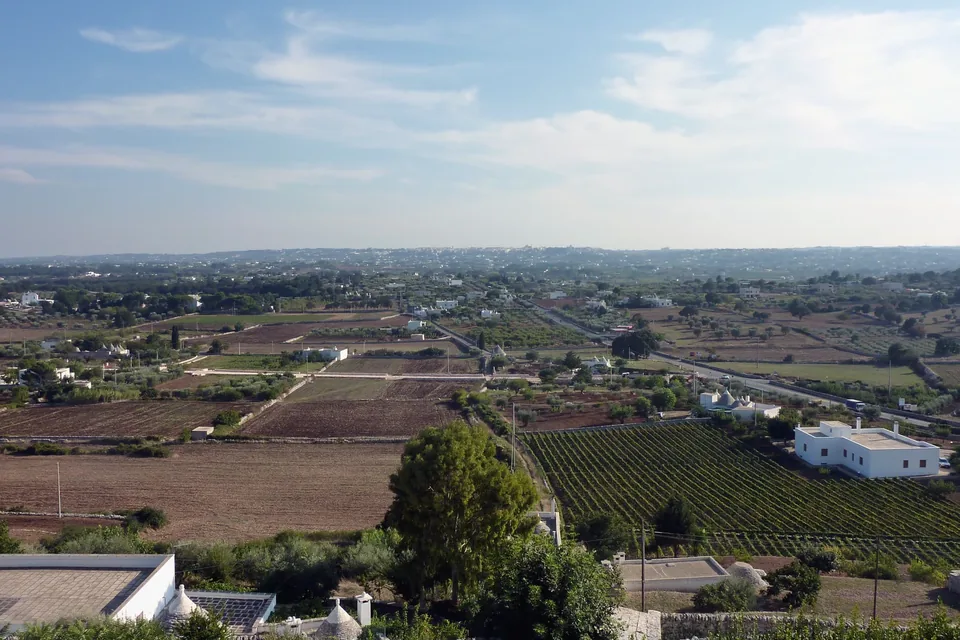
Rural architecture, towns and food as parts of the same journey.
Read the guide →Photo: Adbar / Wikimedia Commons — CC BY-SA 3.0 · Resized and converted to WebP.
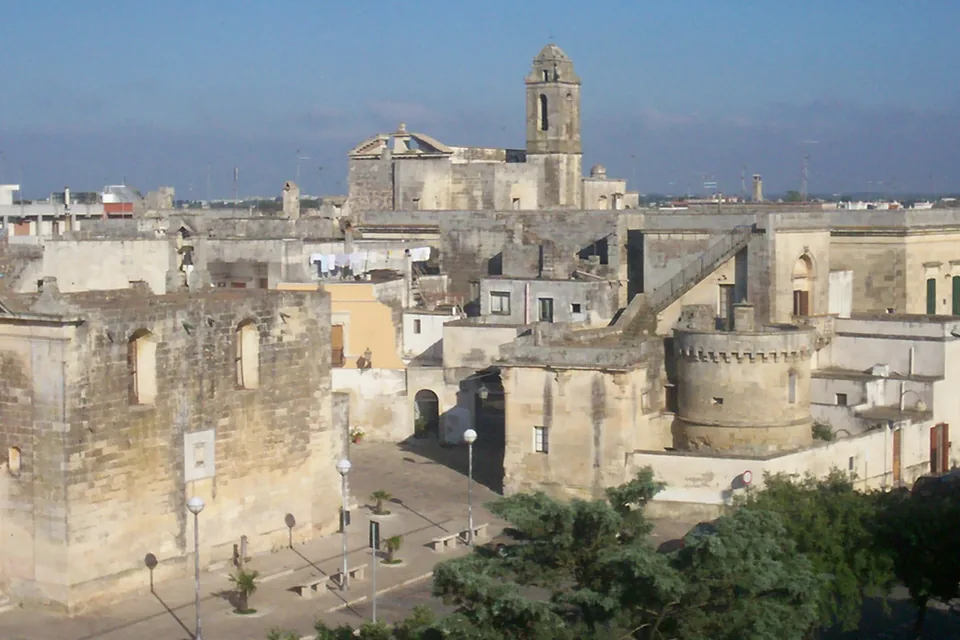
Courtyards, megalithic heritage and Cistercian culture in Grecìa Salentina.
Read the guide →Photo: Freddyballo / Wikimedia Commons — CC BY-SA 3.0 · Resized and converted to WebP.
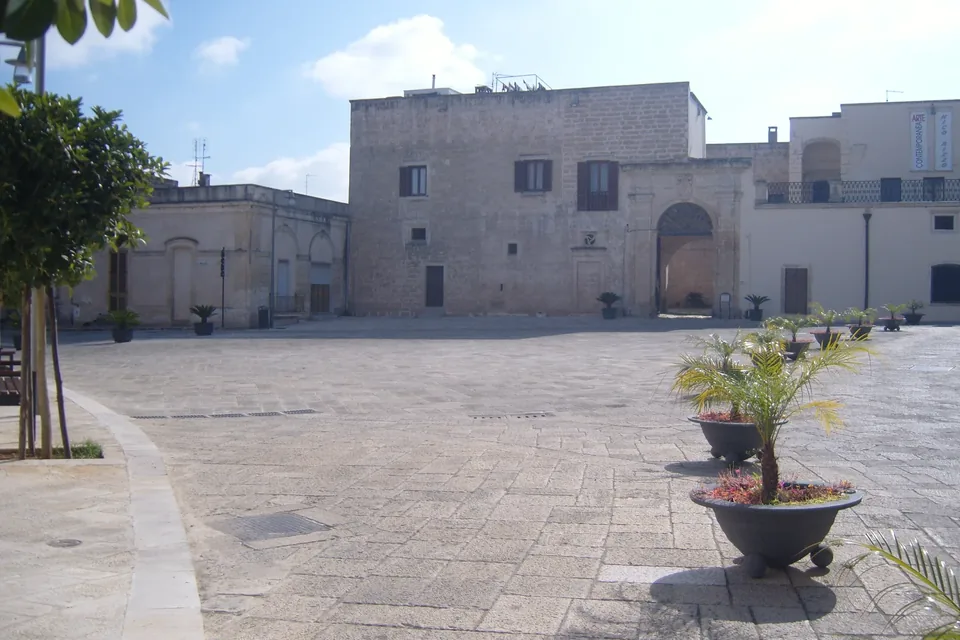
Rainwater wells, courtyard houses and a partly underground olive mill: water and work in a small Grecìa Salentina town.
Read the guide →Photo: Freddyballo / Wikimedia Commons — CC BY-SA 3.0 · Resized and converted to WebP.
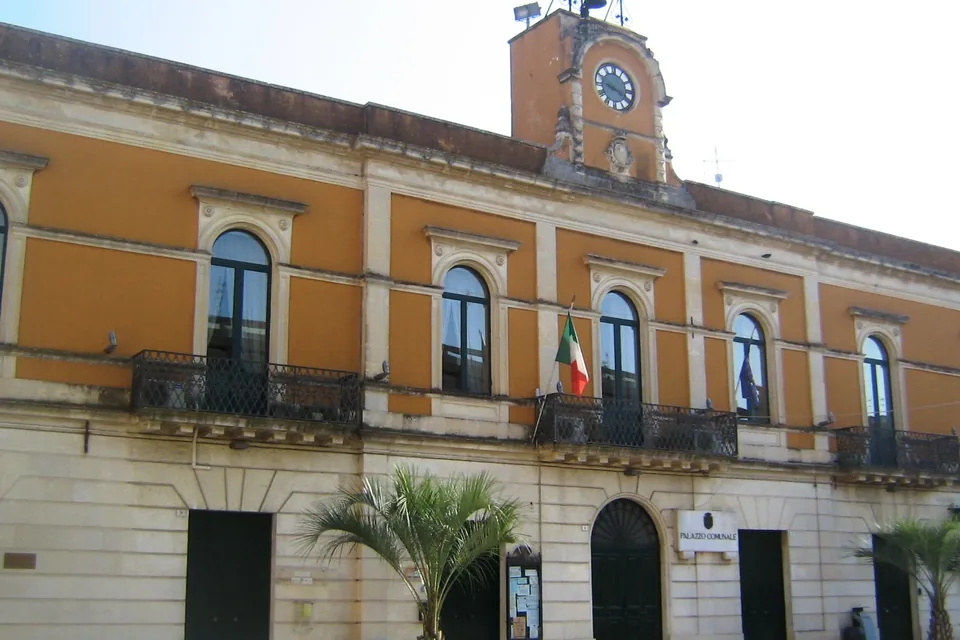
Griko culture, rural memory and a connection with Athens in inland Salento.
Read the guide →Photo: Lupiae / Wikimedia Commons — Public domain · Resized and converted to WebP.
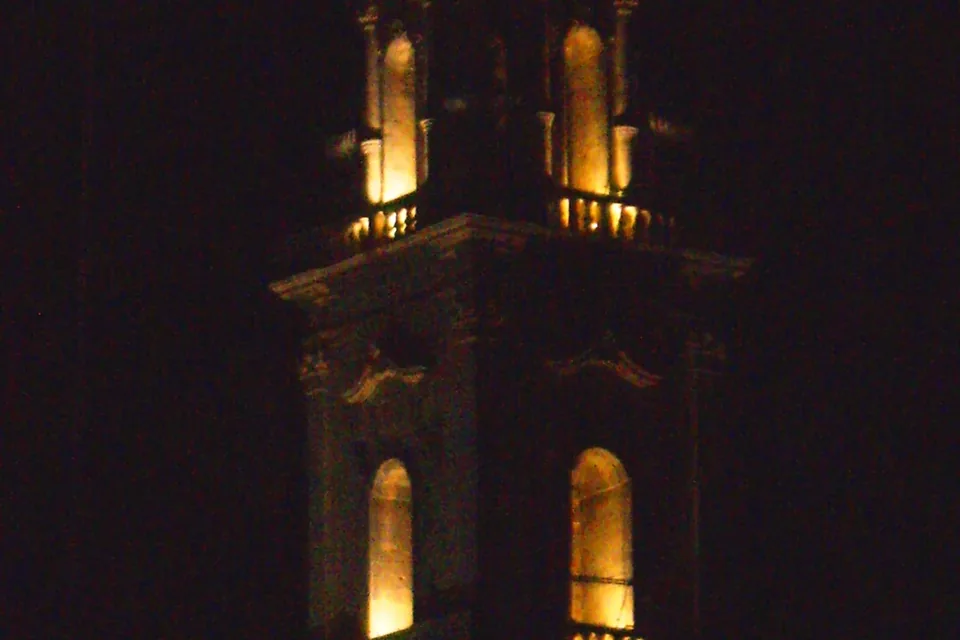
Grinding stones and presses beneath the town: the Granafei mill and historic centre tell the story of olive oil.
Read the guide →Photo: Freddyballo / Wikimedia Commons — CC BY-SA 3.0 · Resized and converted to WebP.
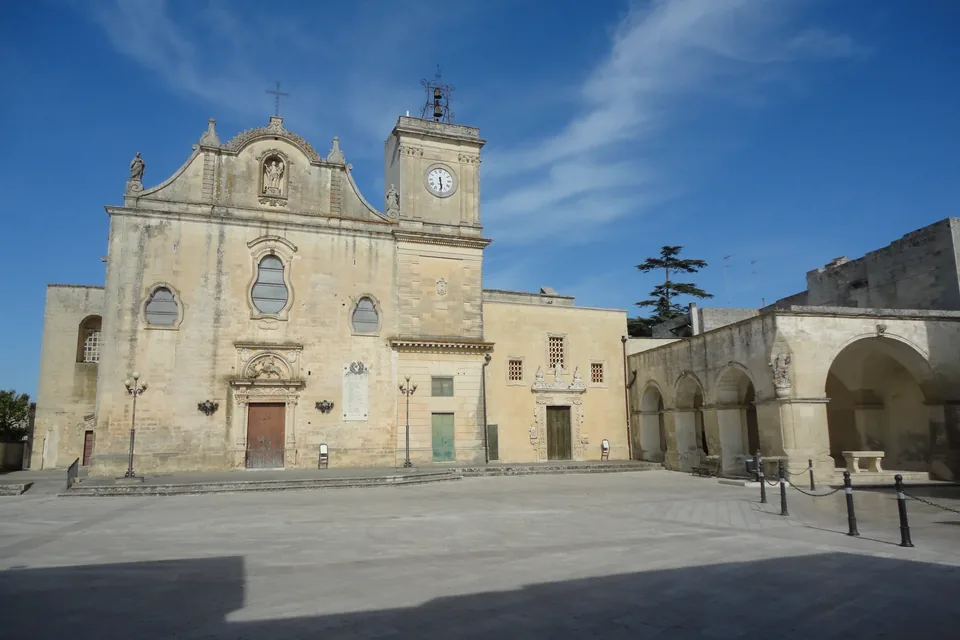
Augustinian heritage and musical culture: Melpignano beyond the night of its major concert.
Read the guide →Photo: Lupiae / Wikimedia Commons — CC BY-SA 3.0 · Resized and converted to WebP.
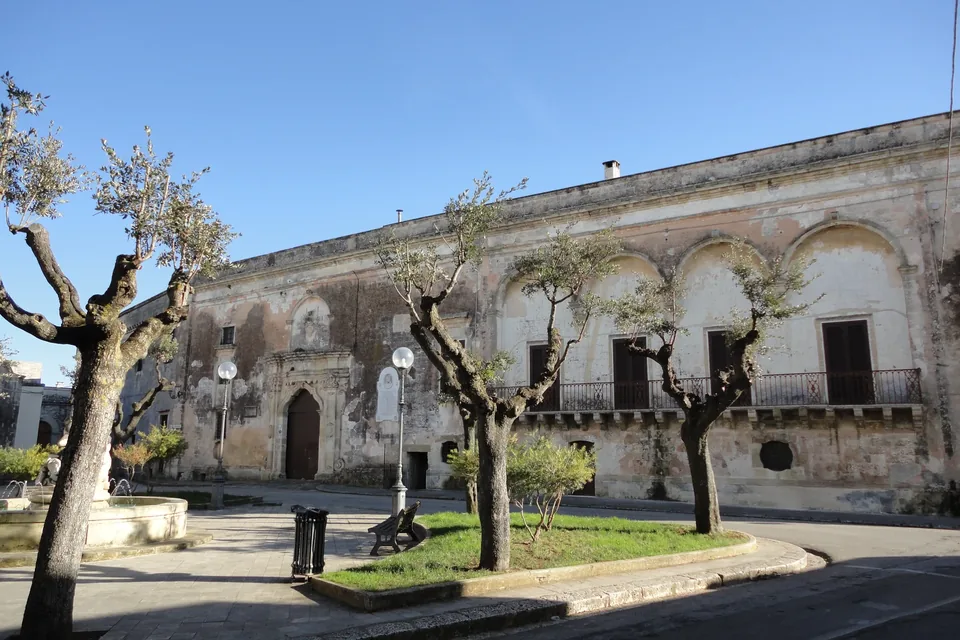
Palazzo Bacile, religious heritage and olive-oil production history in southern Salento.
Read the guide →Photo: Lupiae / Wikimedia Commons — CC BY-SA 3.0 · Resized and converted to WebP.
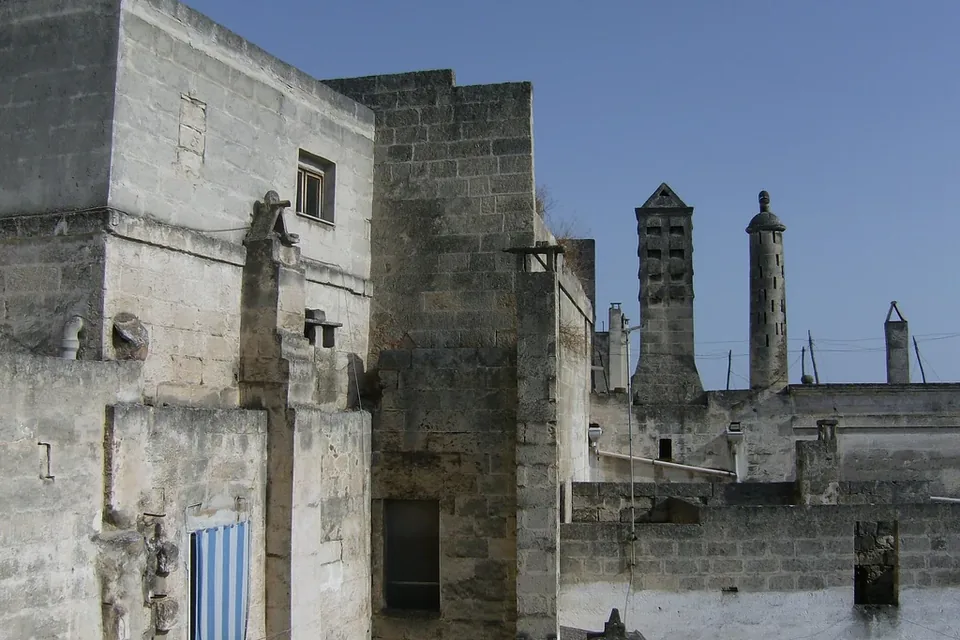
Grottaglie: ceramics and rock.
Read the guide →Photo: gunzapper / Wikimedia Commons — CC BY 2.0 · Resized and converted to WebP.
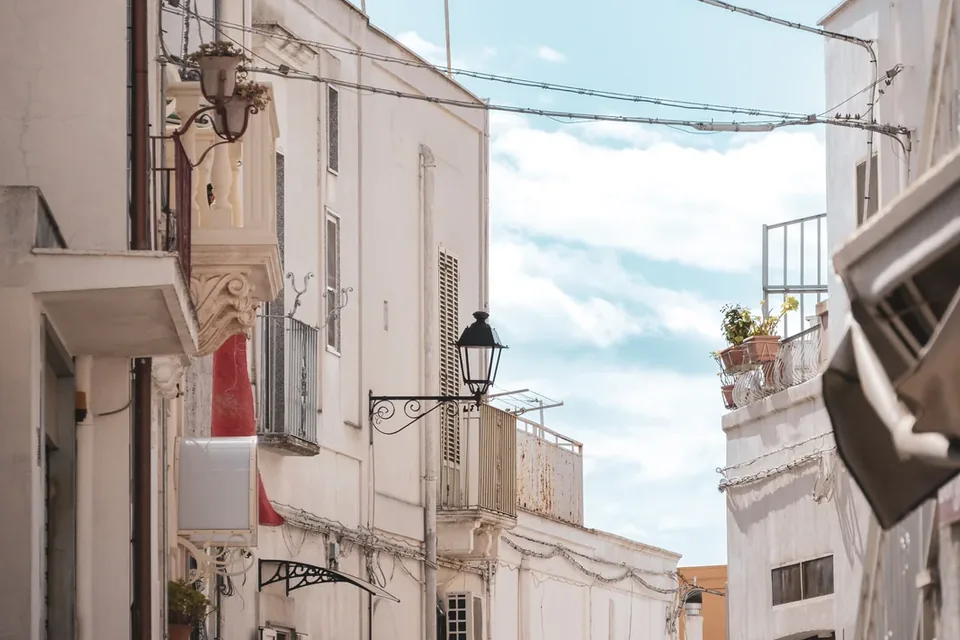
Crispiano: farm estates and the Ionian countryside.
Read the guide →Photo: Azelf Lele / Wikimedia Commons — CC BY-SA 4.0 · Resized and converted to WebP.
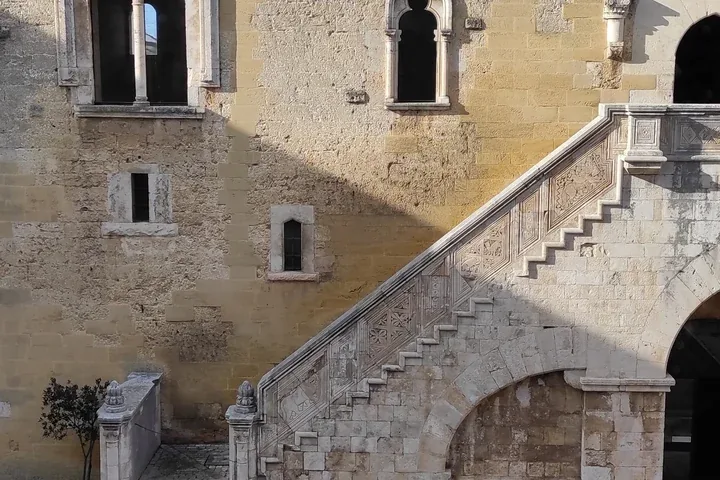
Gioia del Colle: castle and rural memory.
Read the guide →Photo: Frababz85 / Wikimedia Commons — CC BY-SA 4.0 · Resized and converted to WebP.
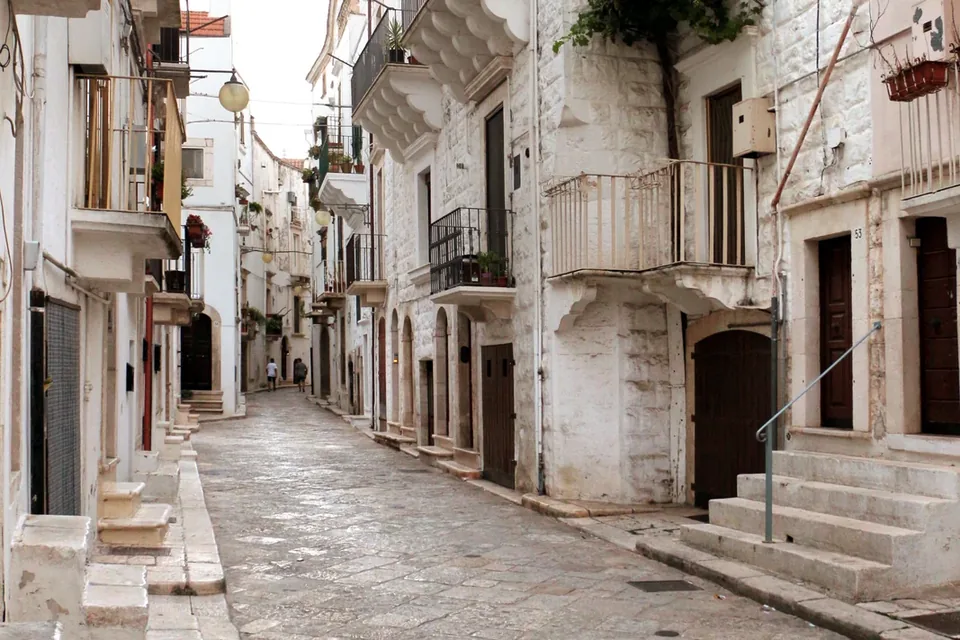
Putignano: papier-mâché and town memory.
Read the guide →Photo: Sailko / Wikimedia Commons — CC BY 3.0 · Resized and converted to WebP.
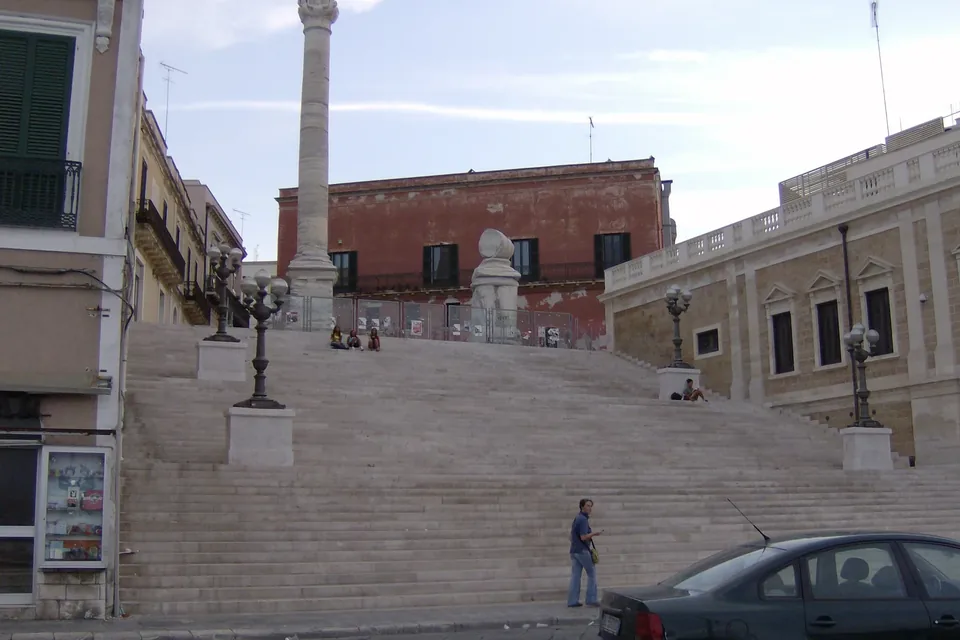
Brindisi: reading the city from its harbour.
Read the guide →Photo: Zappuddu / Wikimedia Commons — Public domain · Resized and converted to WebP.
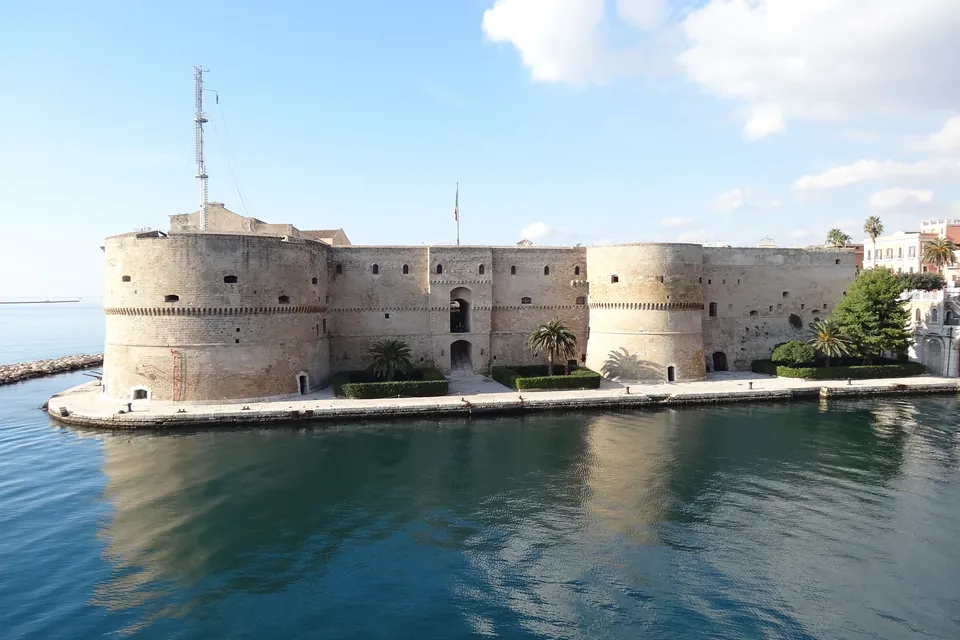
Taranto: two seas and archaeology.
Read the guide →Photo: Livioandronico2013 / Wikimedia Commons — CC BY-SA 3.0 · Resized and converted to WebP.

The old town as a first encounter with Puglia.
Read the guide →Photo: Berthold Werner / Wikimedia Commons — CC BY-SA 3.0 · Resized and converted to WebP.
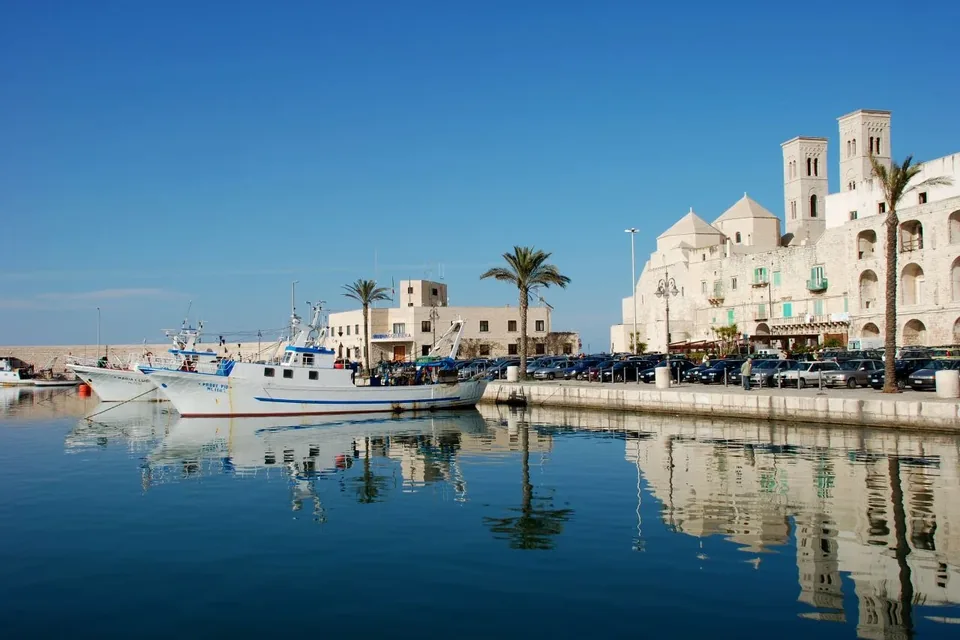
Romanesque architecture and karst landscape beyond the coast.
Read the guide →Photo: Michele Zaccaria / Wikimedia Commons — CC BY-SA 2.0 · Resized and converted to WebP.
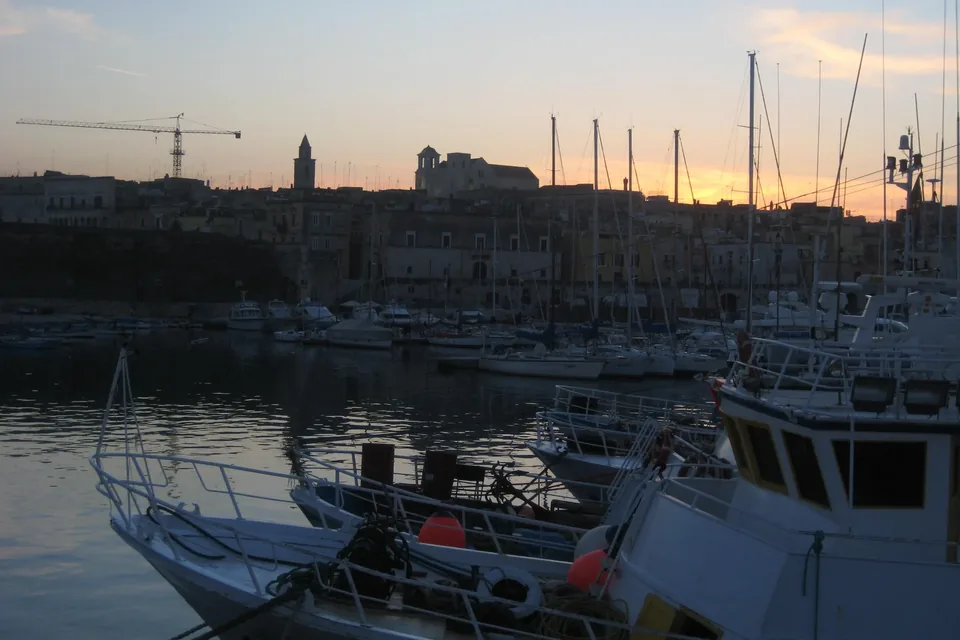
From the La Chianca dolmen to the Romanesque town and harbour.
Read the guide →Photo: Geppisimone at Italian Wikipedia / Wikimedia Commons — CC BY-SA 3.0 · Resized and converted to WebP.
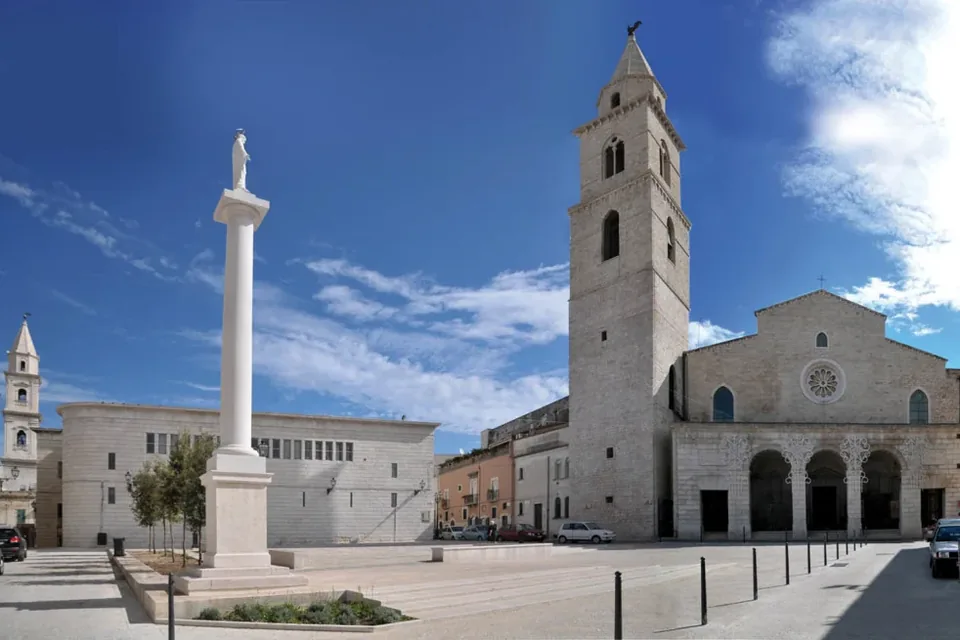
A town worth exploring beyond its famous castle.
Read the guide →Photo: Marcoleo11 / Wikimedia Commons — CC BY-SA 4.0 · Resized and converted to WebP.
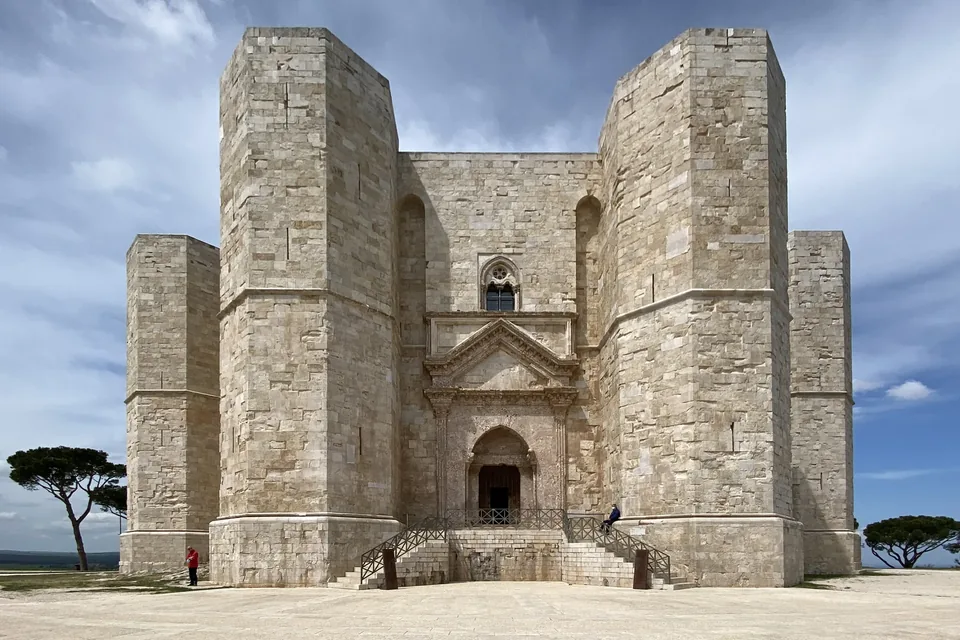
Frederick’s architecture within the Murgia landscape.
Read the guide →Photo: Bernard Gagnon / Wikimedia Commons — CC0 · Resized and converted to WebP.
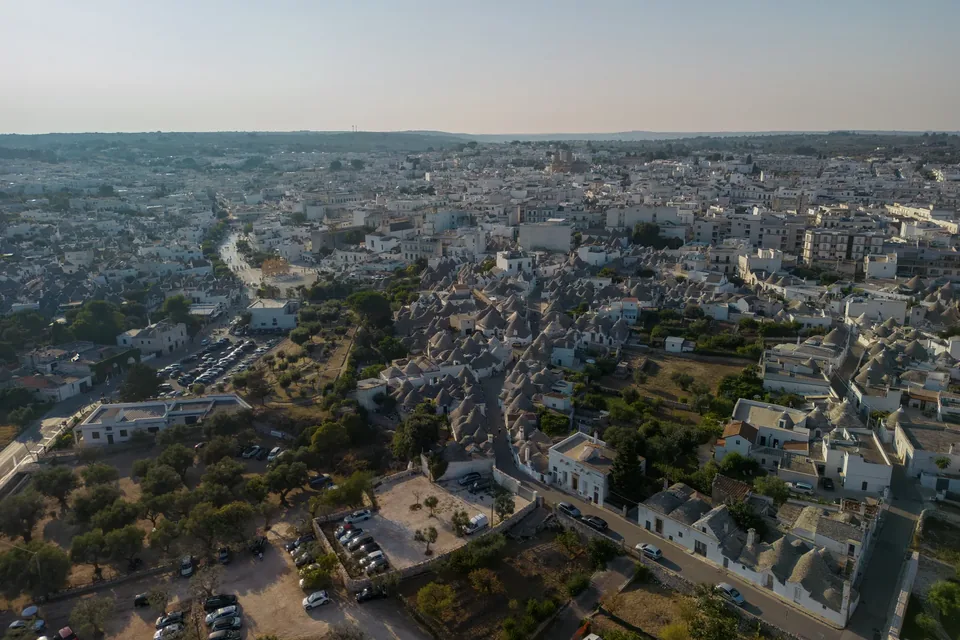
Trulli through their shape, space and everyday use.
Read the guide →Photo: ParisTaras / Wikimedia Commons — CC BY-SA 4.0 · Resized and converted to WebP.
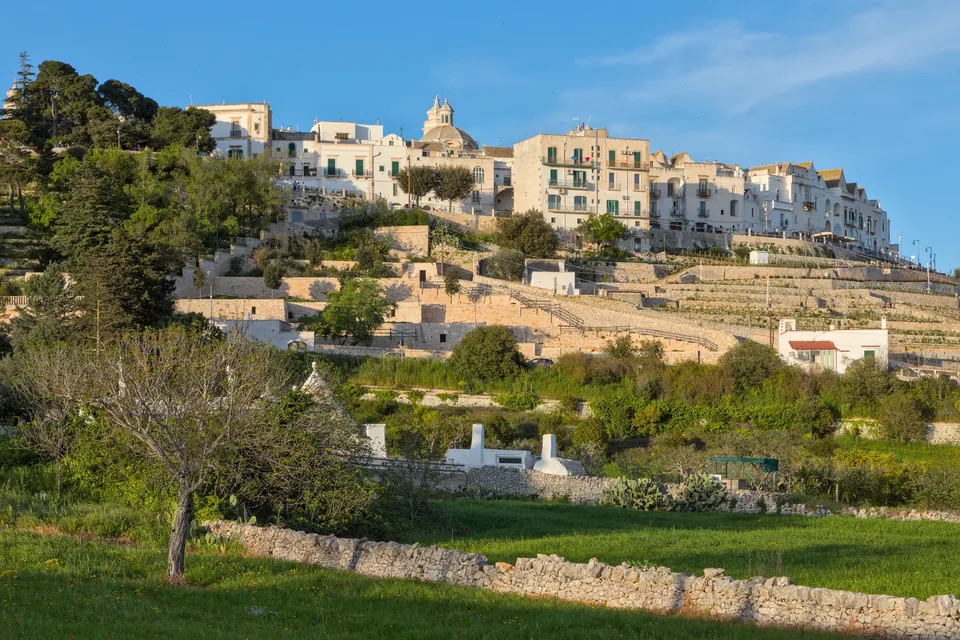
Cummerse roofs as a way to distinguish the Itria Valley’s towns.
Read the guide →Photo: Benjamin Smith / Wikimedia Commons — CC BY-SA 4.0 · Resized and converted to WebP.
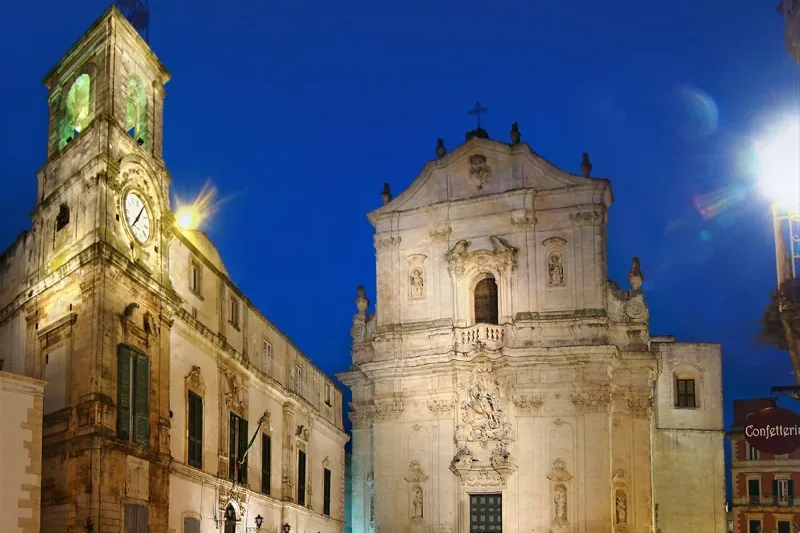
The town and a food craft connected to its landscape.
Read the guide →Photo: Tango7174 / Wikimedia Commons — CC BY-SA 4.0 · Resized and converted to WebP.
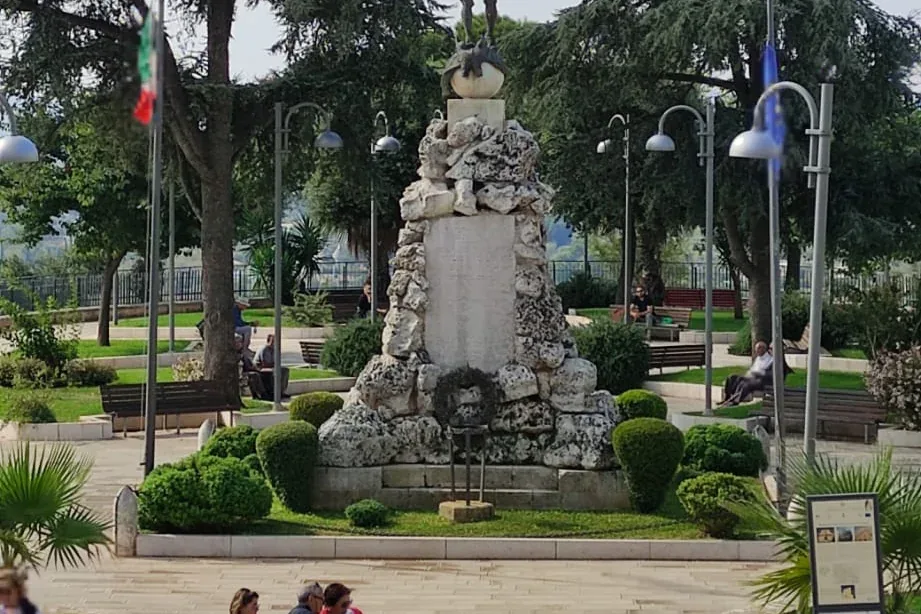
Fornello pronto, bombette and a walk through the town.
Read the guide →Photo: Kiuz / Wikimedia Commons — CC BY-SA 4.0 · Resized and converted to WebP.
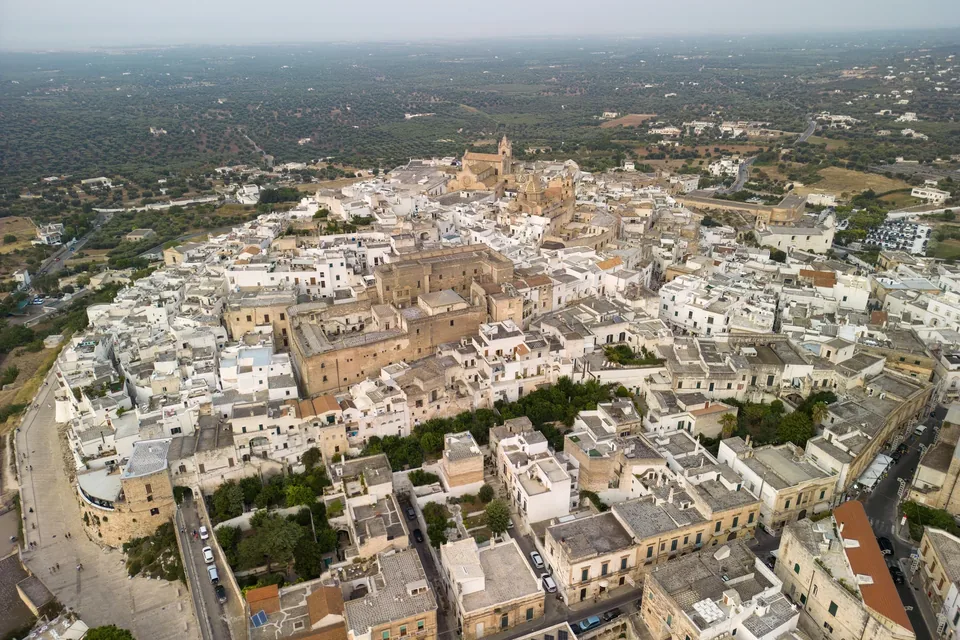
Houses, steps and agricultural landscape within one visit.
Read the guide →Photo: ParisTaras / Wikimedia Commons — CC BY 4.0 · Resized and converted to WebP.
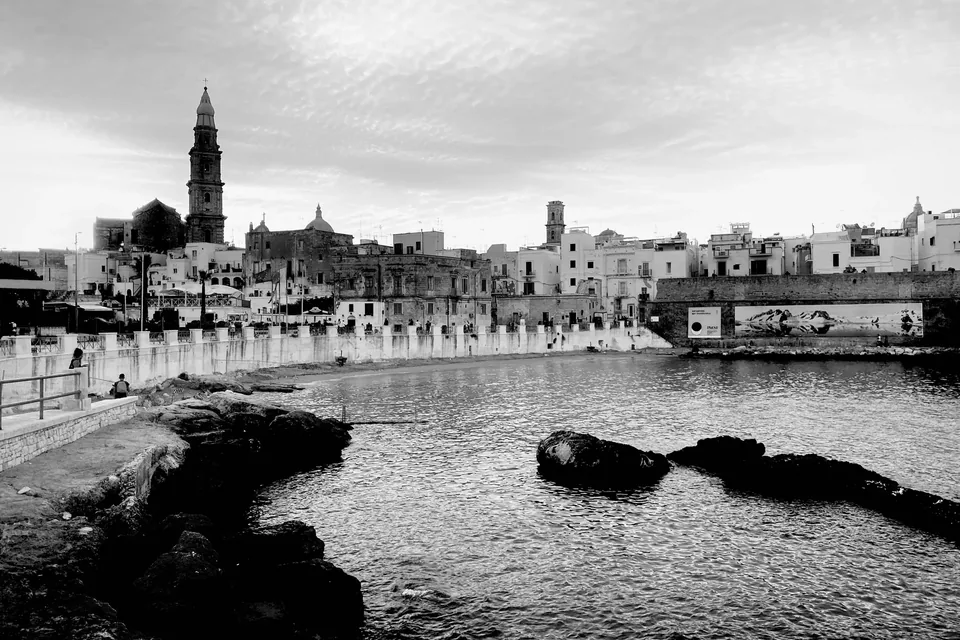
An Adriatic conclusion connected to the rural landscape.
Read the guide →Photo: RaTio65 / Wikimedia Commons — CC BY-SA 4.0 · Resized and converted to WebP.
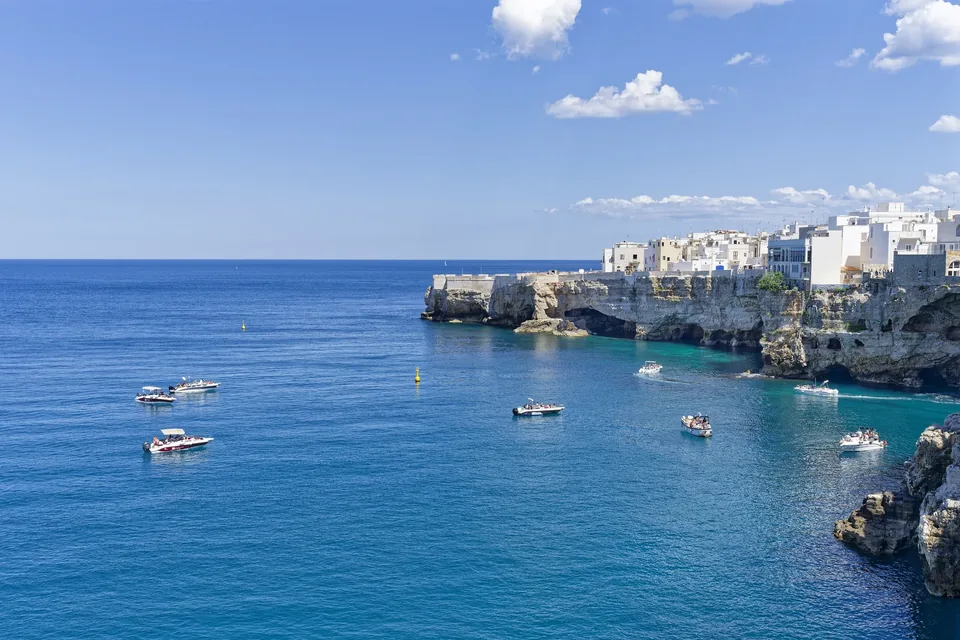
Old town, viewpoints and a coffee as a travel pause.
Read the guide →Photo: Maksimsokolov / Wikimedia Commons — CC BY-SA 4.0 · Resized and converted to WebP.
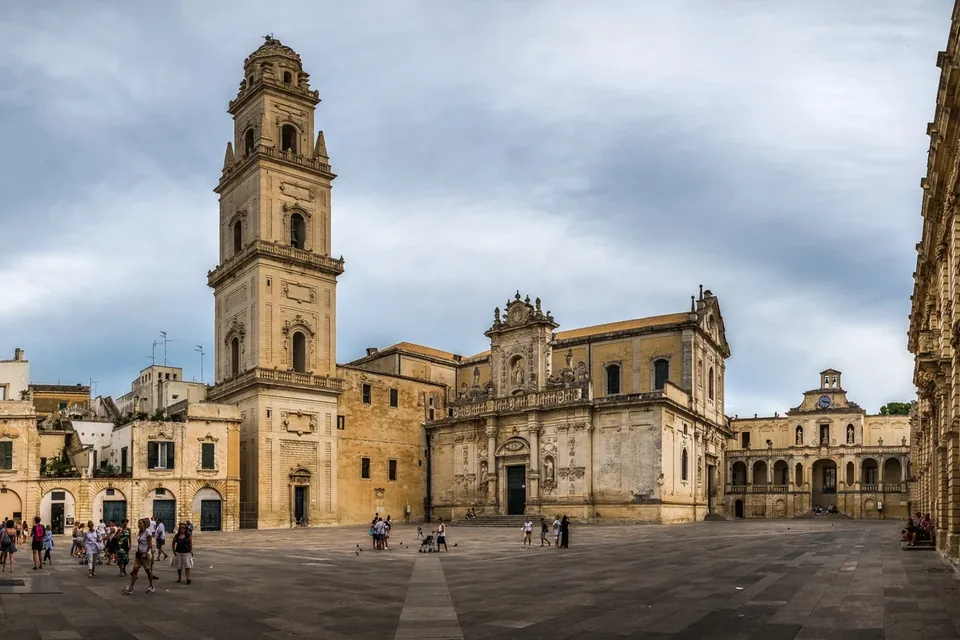
Baroque architecture, papier-mâché and Salento food: a city of telling details.
Read the guide →Photo: Giuseppe Milo / Wikimedia Commons — CC BY 3.0 · Resized and converted to WebP.
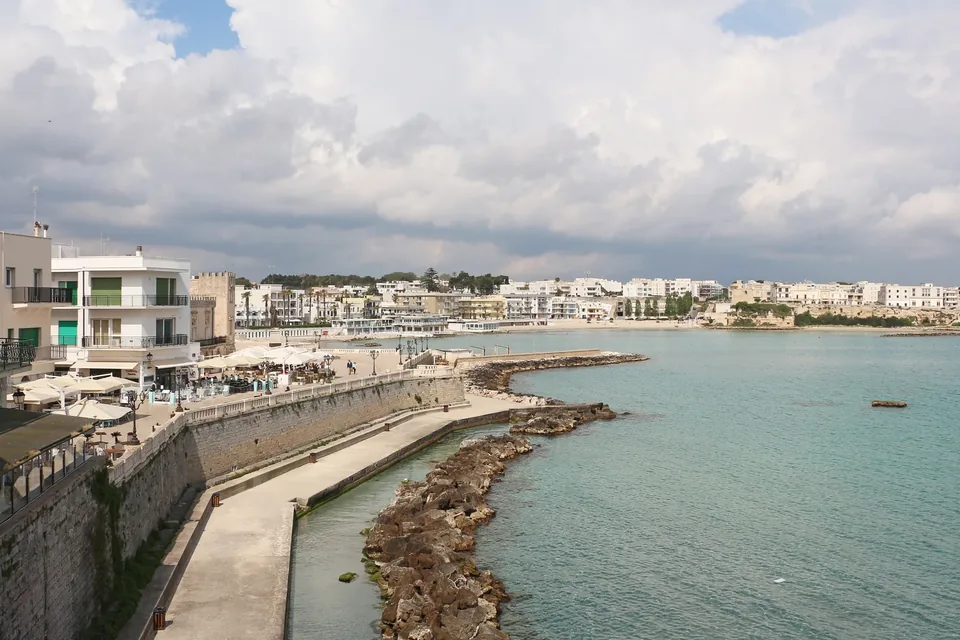
The cathedral, Adriatic landscape and time to explore the historic centre.
Read the guide →Photo: Bernard Gagnon / Wikimedia Commons — CC0 · Resized and converted to WebP.
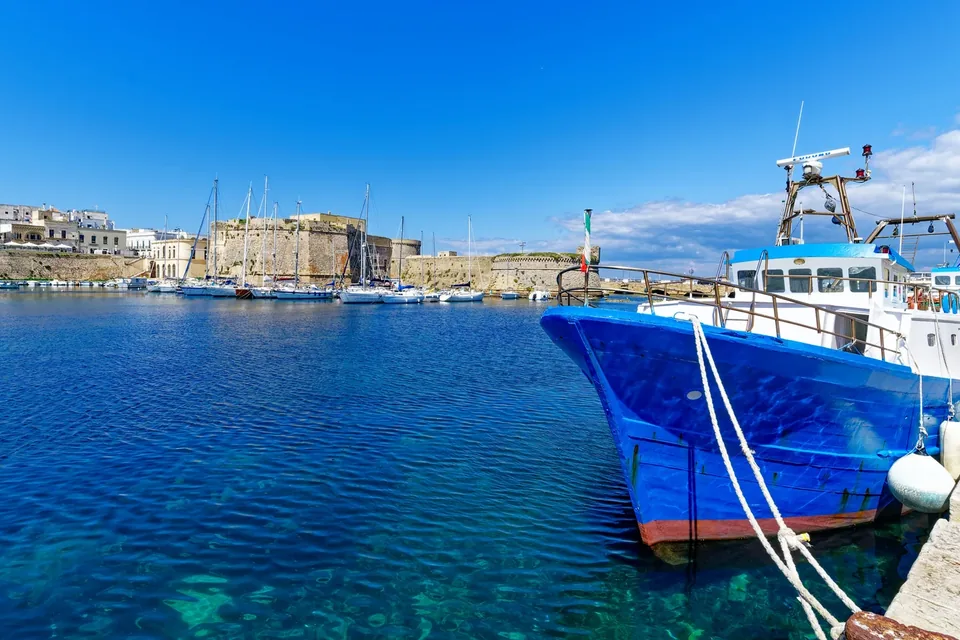
The bridge, churches and Ionian townscape beyond a beach holiday.
Read the guide →Photo: Holger Uwe Schmitt / Wikimedia Commons — CC BY-SA 4.0 · Resized and converted to WebP.
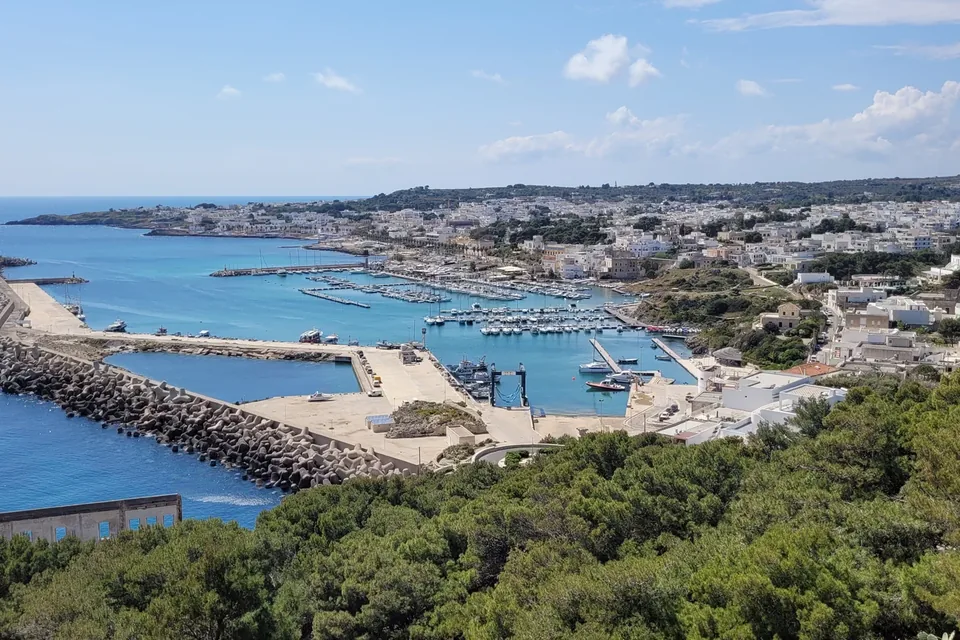
The sanctuary, seafront architecture and the outline of the coast.
Read the guide →Photo: Bernard Gagnon / Wikimedia Commons — CC0 · Resized and converted to WebP.
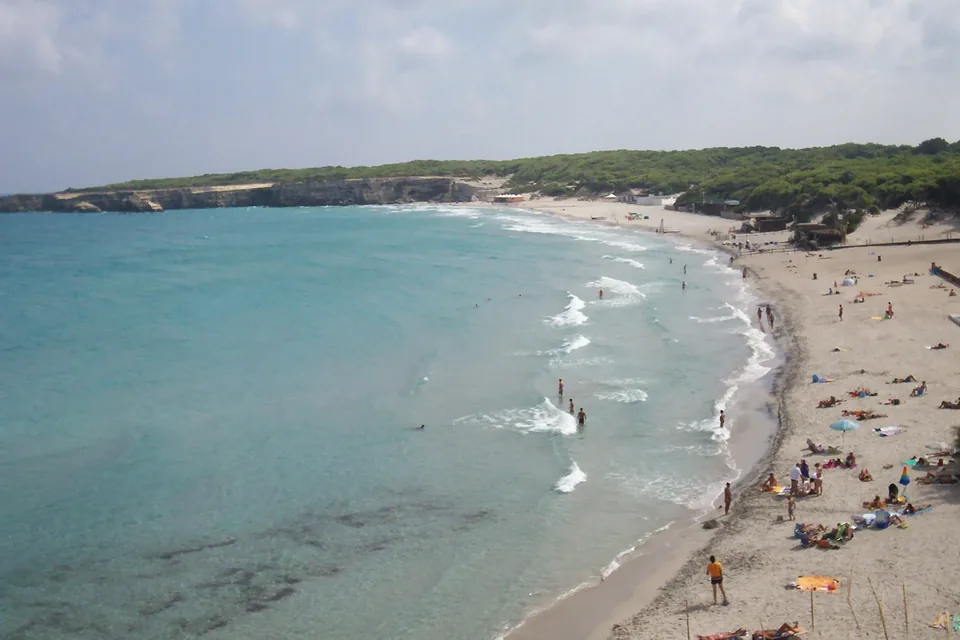
Sea stacks, pine woodland and a contrast with Melendugno’s inland villages.
Read the guide →Photo: Freddyballo / Wikimedia Commons — CC BY-SA 3.0 · Resized and converted to WebP.
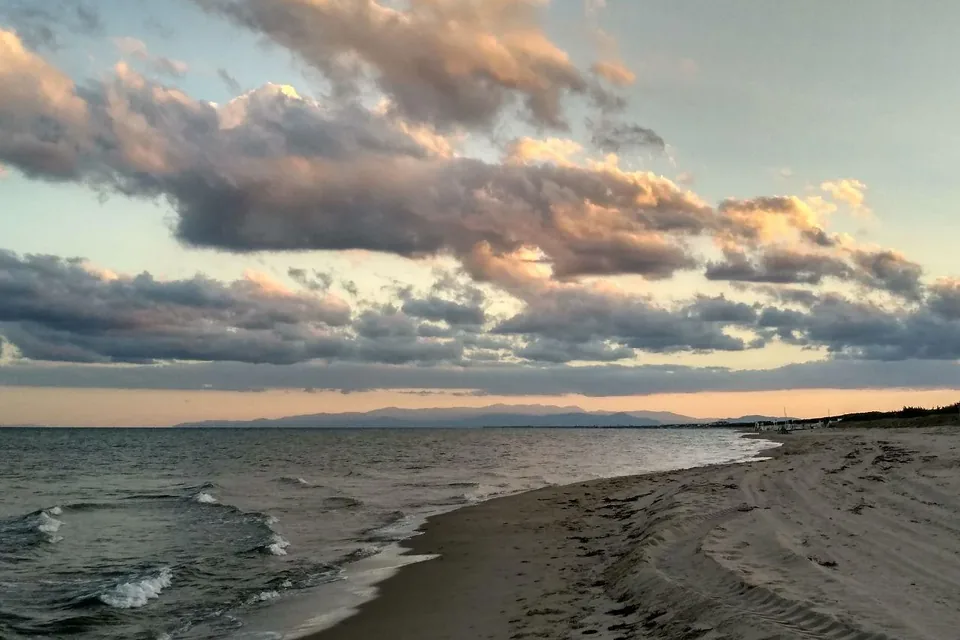
The historic centre and Rudolph Valentino’s story in inland Puglia.
Read the guide →Photo: Archeolucia / Wikimedia Commons — CC BY-SA 4.0 · Resized and converted to WebP.

Gargano: villages, woodland and coast.
Read the guide →Photo: Bernard Gagnon / Wikimedia Commons — CC0 · Resized and converted to WebP.
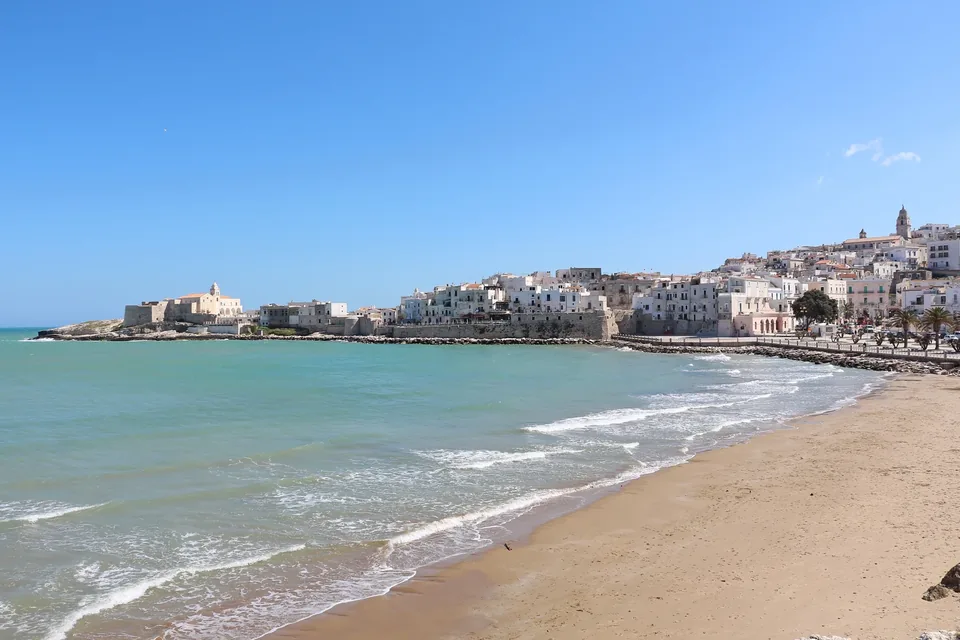
Vieste: old lanes and fishing structures.
Read the guide →Photo: Bernard Gagnon / Wikimedia Commons — CC0 · Resized and converted to WebP.
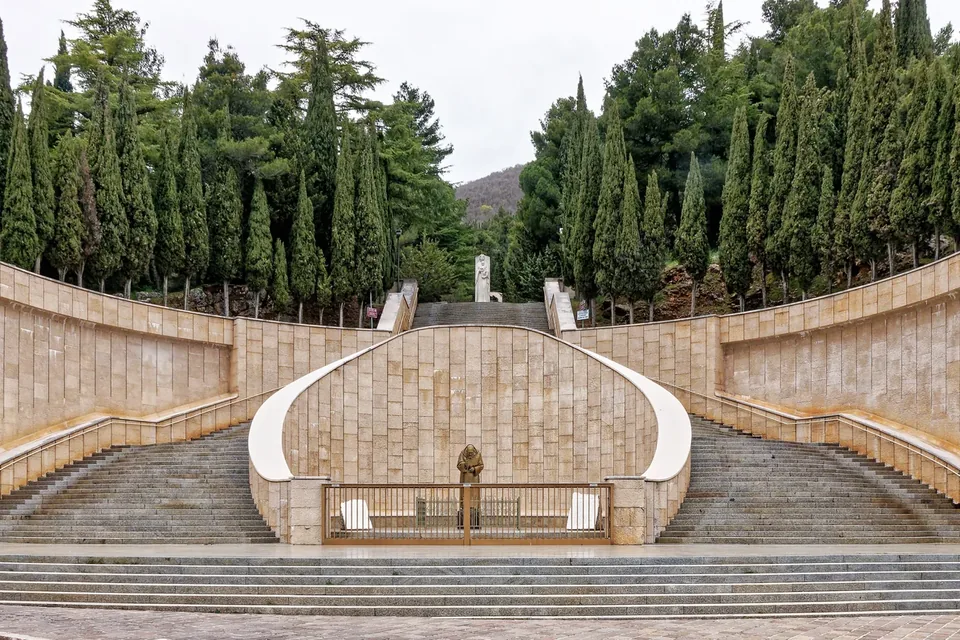
San Giovanni Rotondo: pilgrimage and town.
Read the guide →Photo: Holger Uwe Schmitt / Wikimedia Commons — CC BY-SA 4.0 · Resized and converted to WebP.
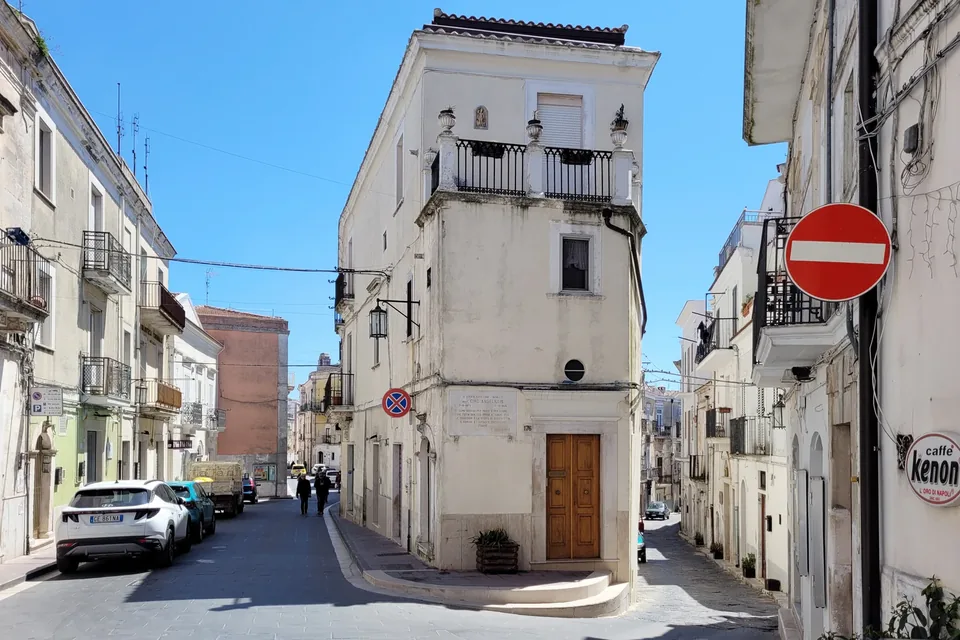
Monte Sant’Angelo: the cave and Junno quarter.
Read the guide →Photo: Bernard Gagnon / Wikimedia Commons — CC0 · Resized and converted to WebP.
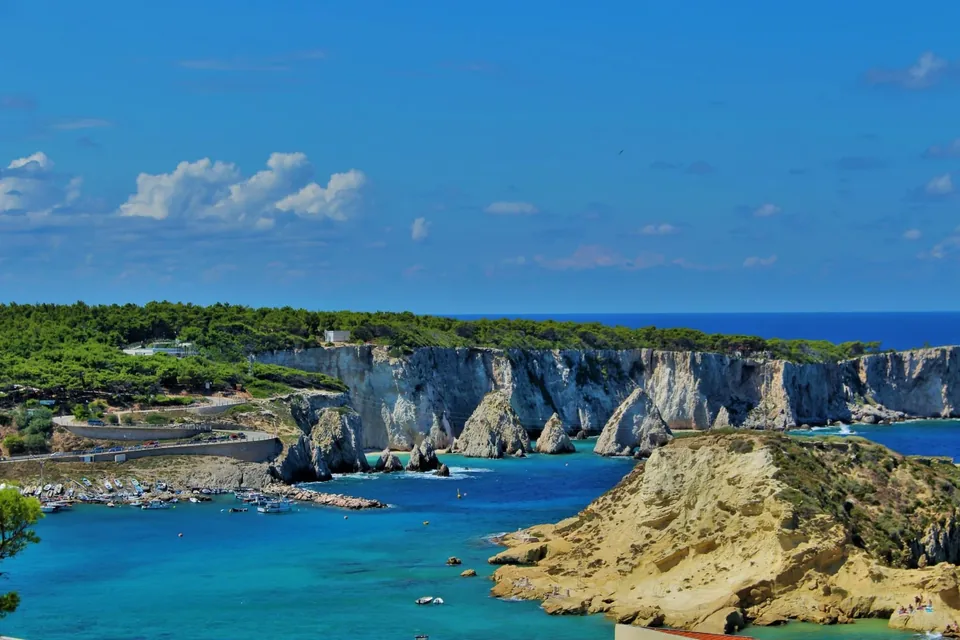
Tremiti: San Nicola and the island landscape.
Read the guide →Photo: Sara Caputo / Wikimedia Commons — CC BY-SA 4.0 · Resized and converted to WebP.
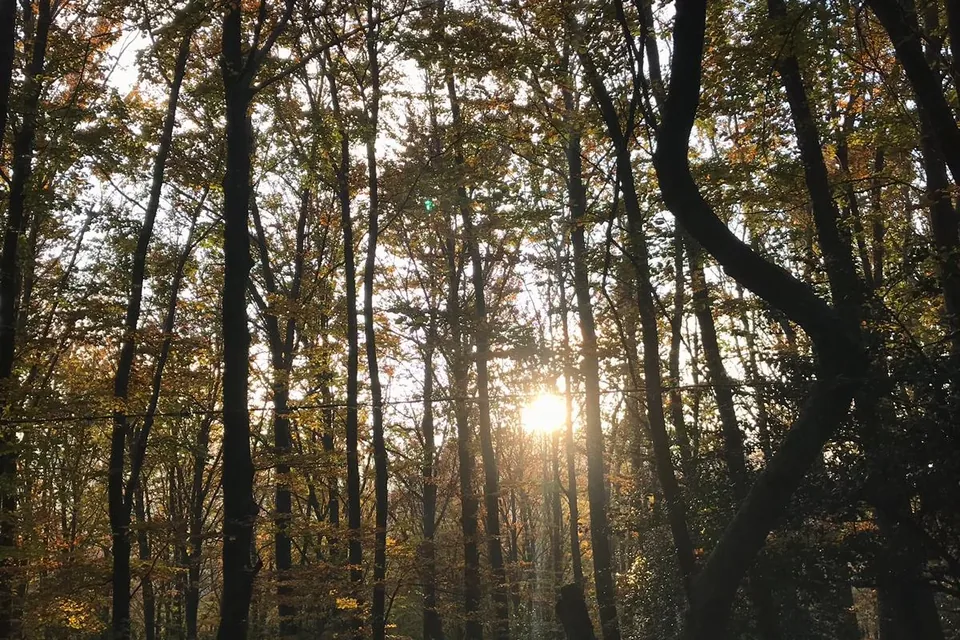
Foresta Umbra: Gargano beneath the beech trees.
Read the guide →Photo: Francesca Lenoci / Wikimedia Commons — CC BY-SA 4.0 · Resized and converted to WebP.
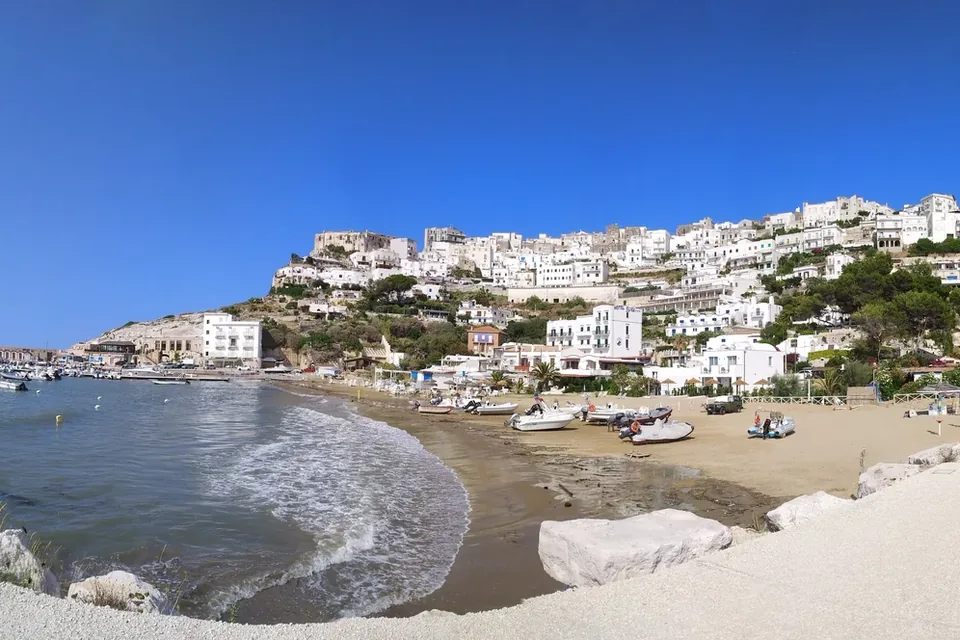
Peschici: the town above the cliff.
Read the guide →Photo: Giacomo Alessandroni / Wikimedia Commons — CC BY-SA 4.0 · Resized and converted to WebP.
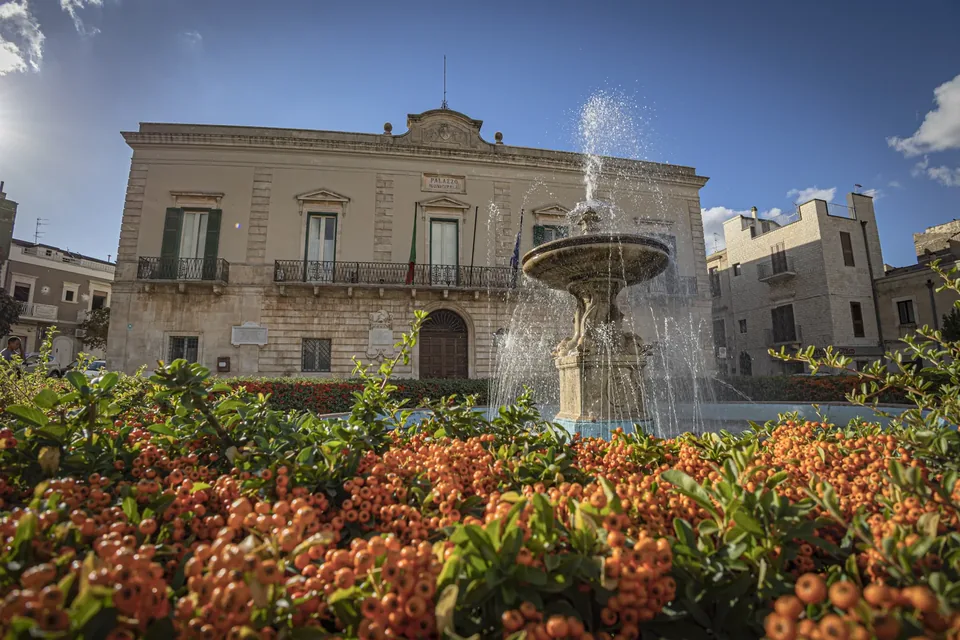
Santeramo in Colle: details of the inhabited Murgia.
Read the guide →Photo: G.ppe Davide Procacci / Wikimedia Commons — CC BY-SA 4.0 · Resized and converted to WebP.


.jpg)


.jpg)
.jpeg)


_(2).jpg)


_luglio_2021_f01.jpg)


.jpg)


.jpg)

,_East_view.jpg)

outside.jpg)

.jpg)


.jpg)


_-_piazza.JPG)


.JPG)


.jpeg)


