
Why go
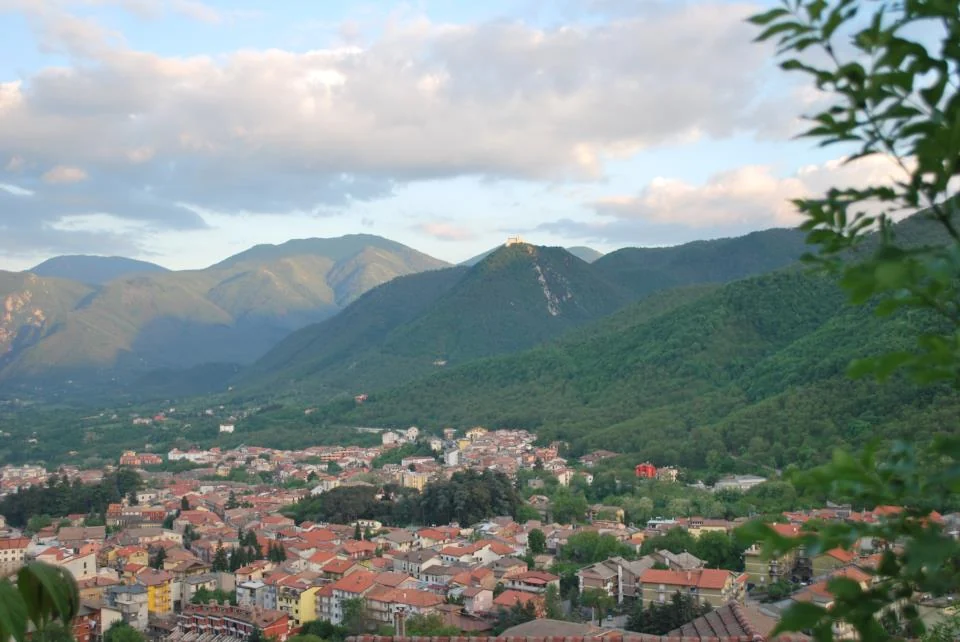
Montella is a town of about 7,600 people at 634 metres, in the Calore valley and inside the Monti Picentini Regional Park, 36 kilometres from Avellino. The river rises right here, on the slopes of Monte Accellica, and the territory is rich in mountain woods, streams, waterfalls and seasonal ponds. According to the provincial account, the name comes from monticulus or montillus, the fortified hill.
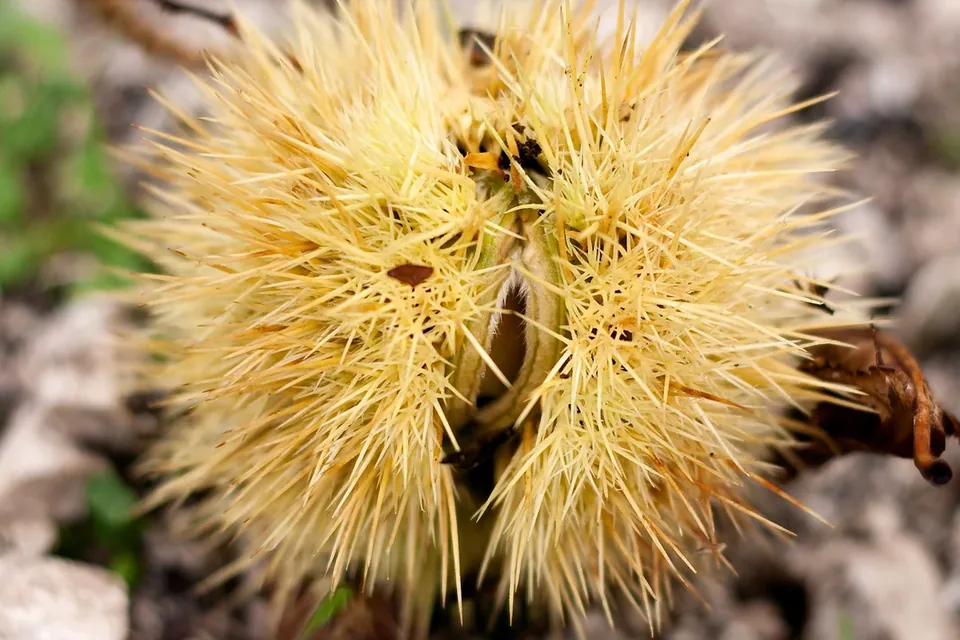
The reason many people come is the chestnut. The Castagna di Montella PGI is regarded by the Region as one of the finest chestnuts grown in Italy, and much has been built around it: a whole landscape of chestnut groves, an eco-museum, a festival of national standing and a cuisine that uses the fruit fresh, dried and oven-roasted.
Yet Montella also offers a Franciscan complex recognised as a national monument, San Francesco a Folloni, a Lombard castle on the hill overlooking the valley, a sanctuary at almost a thousand metres where visitors ring the great bell, and the Verteglia plateau on the slopes of Terminio. It is a stop where faith, history, nature and food fit together naturally.
Sources: Provincia di Avellino, Sistema Irpinia — Montella · Sistema Irpinia — Le cascate di Montella · Regione Campania — Castagna di Montella IGP · Provincia di Avellino, Sistema Irpinia — San Francesco a Folloni
History
Bronze Age finds suggest the area was inhabited as early as the third millennium BC; what is certain is that around 500 BC Samnite Irpini tribes settled between the Calore and Lacinolo rivers. In Roman times Montella was a municipium, and under the Lombards the seat of an important gastaldate. The Lombards themselves, at the end of the ninth century, built the Castello del Monte on the hill, over the remains of a Roman fortress.
The castle had a long life: Charles II of Anjou had a cistern and water-collection system built, and in the fourteenth century the d’Aquino family renewed and decorated the twelfth-century tower. With the Aragonese came the Cavaniglia counts, who arrived from Spain in the retinue of Alfonso V and held a famous hunt at the castle in the king’s presence. In 1527 the siege by the French troops of General Lautrec badly damaged the stronghold, and the hill was gradually deserted.
Over the following centuries the fief passed through several families; the last lords before 1806 were the Doria, princes of Angri. Meanwhile the town’s history stayed bound to the chestnut tree, protected by tradition as early as a Lombard law and over time the community’s main wealth.
Sources: Provincia di Avellino, Sistema Irpinia — Montella · Sistema Irpinia — Castello del Monte · Regione Campania — Castagna di Montella IGP
What to see
The complex of San Francesco a Folloni, a national monument, takes its name from the wood where the first Franciscan community settled in 1222. Tradition says that Francis, on his way to the shrine of Saint Michael on the Gargano, asked for hospitality at the castle and was turned away; he spent the night under a holm oak with his companions, and in the morning snow had covered everything except that shelter. The present Baroque-Rococo church was rebuilt after the 1732 earthquake with its façade turned ninety degrees, and keeps a majolica floor of 1750. In the sacristy is the tomb of Diego I Cavaniglia by Jacopo della Pila, known as the Lovers’ Monument: it was commissioned by his wife Margherita Orsini, who asked to be buried beside him. The convent houses a museum of sacred art around the old refectory and a library founded in the fifteenth century, with about twenty thousand volumes.
On the hill, the Castello del Monte preserves its walls, the cylindrical keep and the restored donjon, which can be visited; excavations in the 1980s uncovered a necropolis, whose grave goods are in the Museo Irpino. Beside it stands the fifteenth-century complex of Santa Maria della Neve.
In town, look out for Villa Elena-De Marco, an Art Nouveau building by local architect Antonio Moscariello, the historic palaces and the many churches.
Sources: Provincia di Avellino, Sistema Irpinia — San Francesco a Folloni · Provincia di Avellino, Sistema Irpinia — Montella · Sistema Irpinia — Castello del Monte
Food and wine
The Castagna di Montella PGI comes about 90 per cent from the Palummina variety, named because its shape recalls a dove, and the rest from Verdole. The Region describes it as medium or medium-small and rounded, with a thin dark-brown skin that peels easily and white, crisp, sweet flesh. It is eaten fresh, dried in or out of the shell, as roast chestnuts, and becomes marrons glacés, jam and purée; it goes with meat and soups, but is at its best in desserts. The production area includes Montella, Bagnoli Irpino, Cassano Irpino, Nusco, Volturara Irpina and one district of Montemarano.
A Christmas speciality is the oven-roasted chestnut known as the priest’s chestnut: the fruits in their shells are dried on wooden racks over fires for about fifteen days, then toasted and rehydrated, taking on a dark colour and a caramel-like flavour. Chestnuts also go into a nougat called pantorrone.
The Picentini pastures give traditional dairy products: ricotta manteca, scamorza di Montella with its baby-shaped head, the hand-plaited treccia, and podolico caciocavallo, which here is also eaten “hanged”, melted over embers and spread on bread.
Sources: Regione Campania — Castagna di Montella IGP · Provincia di Avellino, Sistema Irpinia — Montella
Things to do
MUCAM, the Montella chestnut eco-museum, is the place to start understanding the product. Created with European rural-development funds in the Monti Picentini Park, it has six rooms: welcome, an introduction to the territory and the fruit, an immersive projection that places the visitor inside a chestnut grove, an interactive table with woodland scent diffusers, an interactive floor designed for younger visitors and finally a space devoted to local producers and taste. Sistema Irpinia also offers it as a stop on educational routes about cultivation and processing techniques.
The Sanctuary of the Santissimo Salvatore, on Monte Sovero at about 954 metres, overlooks the town. Tradition says that in 1779 heavy rain ended a long drought, and devotion grew from then on; even today worshippers and visitors climb the bell tower to ring the great bell freely and drink from the Well of the Miracle. Inside are bronze doors by Antonio Manzi and a polychrome-marble high altar of 1789.
Nature offers the Verteglia plateau on the slopes of Terminio, among chestnut groves, beech woods and springs, and the waterfalls: the Lavandaia, at the foot of the Salvatore beneath a bridge of ancient origin and beside the ruins of a mill; the Maronnella, hidden in greenery; and the Fascio, an artificial drop of more than eight metres.
Sources: Sistema Irpinia — MUCAM Eco-Museo della Castagna di Montella · Sistema Irpinia — patrimonio e MUCAM · Sistema Irpinia — Santuario del Santissimo Salvatore · Provincia di Avellino, Sistema Irpinia — Montella · Sistema Irpinia — Le cascate di Montella
When to go
Montella is at its best in autumn, when the chestnut groves change colour and the fruit is harvested: it is the season of the Castagna di Montella PGI festival, of national standing, with a food trail through local products and performances. Around Christmas comes the priest’s chestnut, prepared after long days of drying over the fire.
Spring has its most heartfelt event in the feast of the Santissimo Salvatore, celebrated every year since May 1780 for Holy Trinity Sunday: this is when the sanctuary on Monte Sovero fills with pilgrims and the great bell rings for a long time.
Summer is the season of the Verteglia plateau, which hosts Verteglia Mater, a programme combining food, promotion of the territory and music; at the same time woods and waterfalls offer cool air. During the year there are also the Kaso Fest, devoted to dairy products and podolico caciocavallo, and Francesco d’Incanto, which brings together spirituality, art, music and food at the Folloni convent. Dates change with each edition and should be checked with the municipality or the district InfoPoint.
Sources: Provincia di Avellino, Sistema Irpinia — Montella · Regione Campania — Castagna di Montella IGP · Sistema Irpinia — Santuario del Santissimo Salvatore
Getting there and around
Montella lies 36 kilometres from Avellino, home to the station on the national rail network; it borders Bagnoli Irpino, Nusco, Cassano Irpino, Montemarano, Volturara Irpina, Serino, Acerno and Giffoni Valle Piana. For most travellers the car is the most practical option, also for reaching the sanctuary, the Verteglia plateau and the waterfalls, which lie away from the centre.
The town is a station on the Irpinia Railway, the historic Avellino–Rocchetta Sant’Antonio line. The FS Foundation describes the stretch where the track, after Castelvetere and Castelfranci, runs south with the Cassano Irpino and Montella stops and then climbs back towards Bagnoli Irpino and Nusco, with views of the Picentini. Regular service has been suspended since 2010 and the line now carries tourist trains on scheduled dates: an evocative way to arrive, but one to plan around the train calendar.
In town, the centre and the Folloni convent, in the locality of the same name, are easy to reach; for the Castello del Monte you climb along Via Santa Maria del Monte, while the Santissimo Salvatore on Monte Sovero involves a steeper ascent.
Sources: Provincia di Avellino, Sistema Irpinia — Montella · Fondazione FS — Binari senza tempo, la Ferrovia dell’Irpinia Avellino–Rocchetta · Sistema Irpinia — Castello del Monte · Provincia di Avellino, Sistema Irpinia — San Francesco a Folloni · Sistema Irpinia — Santuario del Santissimo Salvatore
Nearby
Bagnoli Irpino is the twin stop: a few kilometres away, it shares with Montella the PGI chestnut area and the history of the Cavaniglia, and adds black truffles, the Collegiate Church with its carved choir and the Laceno plateau with its karst lake and trails towards Cervialto. The two visits complement each other.
Nusco, above 900 metres, is the village where the springs of the Ofanto rise. It preserves the eleventh-century co-cathedral of Sant’Amato, the bishop’s palace with the diocesan museum and the treasury; Nusco also lies within the Montella chestnut area, and on the historic railway its station is the highest point of the line.
The Monti Picentini Regional Park widens the view to the whole range, with beech woods, springs and hiking routes proposed by the Park authority. Finally, in Avellino the Museo Irpino keeps the grave goods from the necropolis excavated at the Castello del Monte: a visit that closes the circle between what you saw on the hill and the history of the whole province.
Sources: Sistema Irpinia — Bagnoli Irpino · Sistema Irpinia — Altopiano del Laceno · Regione Campania — Castagna di Montella IGP · Sistema Irpinia — Nusco · Fondazione FS — Binari senza tempo, la Ferrovia dell’Irpinia Avellino–Rocchetta · Ente Parco Regionale dei Monti Picentini · Sistema Irpinia — Castello del Monte
Local tourist information
Local tourist offices help with opening times, events and transport on the day.
- InfoPoint Distretto 18 — Sistema Irpinia (Provincia di Avellino) · Via San Pietro 91, 83048 Montella (AV) · +39 0827 69332 · Official website
Source: Sistema Irpinia — InfoPoint Distretto 18 · Provincia di Avellino, Sistema Irpinia — Montella · checked on
Where to stay
In the municipality of Montella the national database of the Ministry of Tourism lists 22 accommodation businesses with a verified CIN code: 1 hotels, 10 other licensed accommodation and 11 other types such as B&Bs and private rentals.
Sources: Ministero del Turismo – Banca Dati Strutture Ricettive (dashboard pubblica), 2026-10-12
YOUR JOURNEY
How to shape a journey here
Chestnuts, heritage and nature, with experiences chosen for the season. Routes and services are defined for the travellers.
Talk to us about it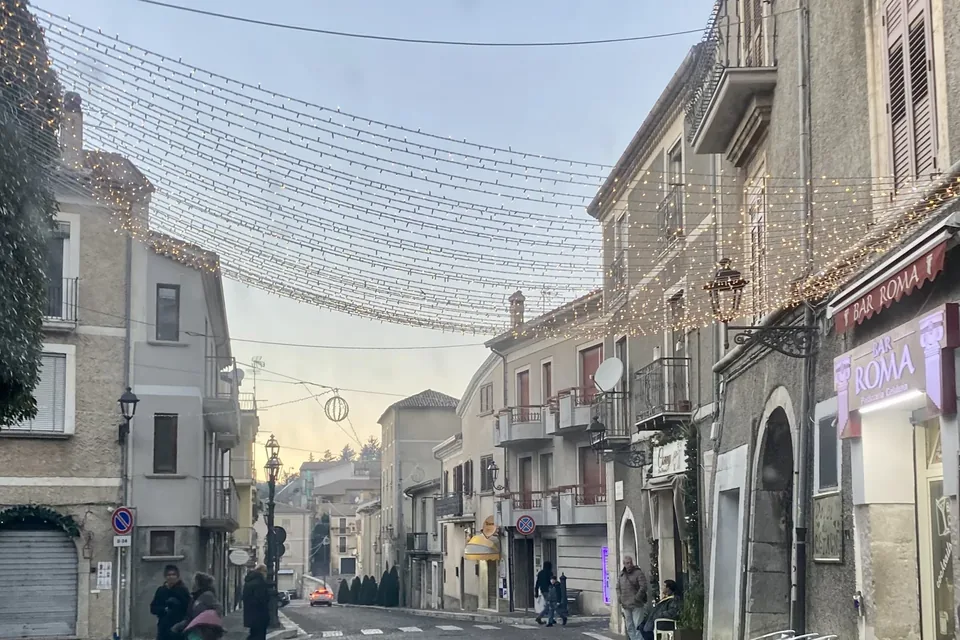

.jpg)

