
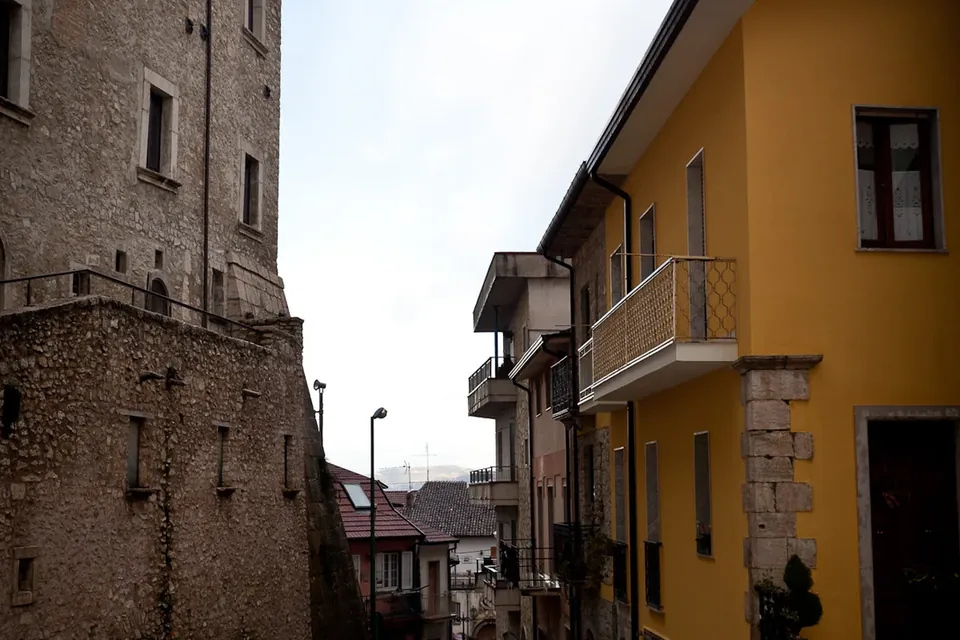
Taurasi
An Irpinia village from which to develop a journey around wine, heritage and food, with encounters still to be selected.
Read the guide →Photo: jimmyweee / Wikimedia Commons — CC BY 2.0 · Resized and converted to WebP.

APULICA / Campania
Apulica’s Campania is not about big cities or mass tourism: it is inland Irpinia with its wines and villages, the Picentini mountains, the Cilento between national park and sea, and an Amalfi Coast explored on foot. The journey follows one theme at a time, devoting each day to a few places.
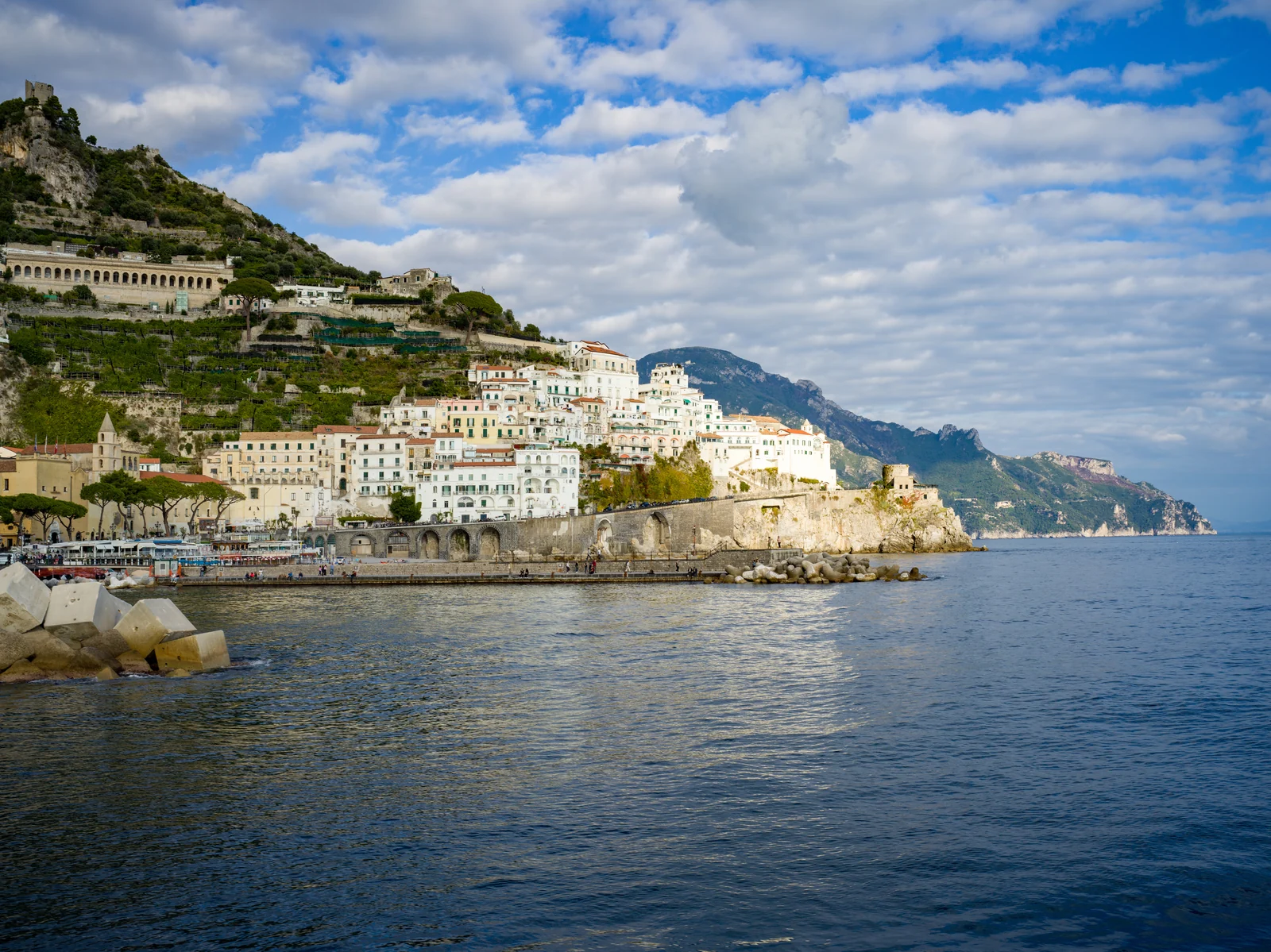
Amalfi seen from the sea. A contextual photograph of a place connected with this story. · Photo: Wolfgang Moroder / Wikimedia Commons — CC BY-SA 3.0 · Resized and converted to WebP.
Irpinia invites you to read wine and inland villages; the Picentini mountains are woods, springs and hill towns; the Cilento combines a national park, archaeological sites and a long coastline; the Amalfi Coast is best taken slowly, away from the busiest hours. It is better to choose one or two per journey rather than cross the region as a list of names.
According to the Campania Region, Irpinia is the cradle of fine wines such as Taurasi, made from Aglianico, Fiano di Avellino and Greco di Tufo, all DOCG. They are three different ways into inland Campania, starting from the link between a designation and its landscape rather than from a single bottle.
In 2013 the Mediterranean diet was inscribed on UNESCO’s Representative List of the Intangible Cultural Heritage, in a nomination shared by seven countries. For Italy the reference community is the Cilento. The listing describes a body of skills, rituals and traditions running from farming and fishing to the shared table.
Sources: UNESCO — Mediterranean diet
An Irpinia village from which to develop a journey around wine, heritage and food, with encounters still to be selected.
Read the guide →Photo: jimmyweee / Wikimedia Commons — CC BY 2.0 · Resized and converted to WebP.
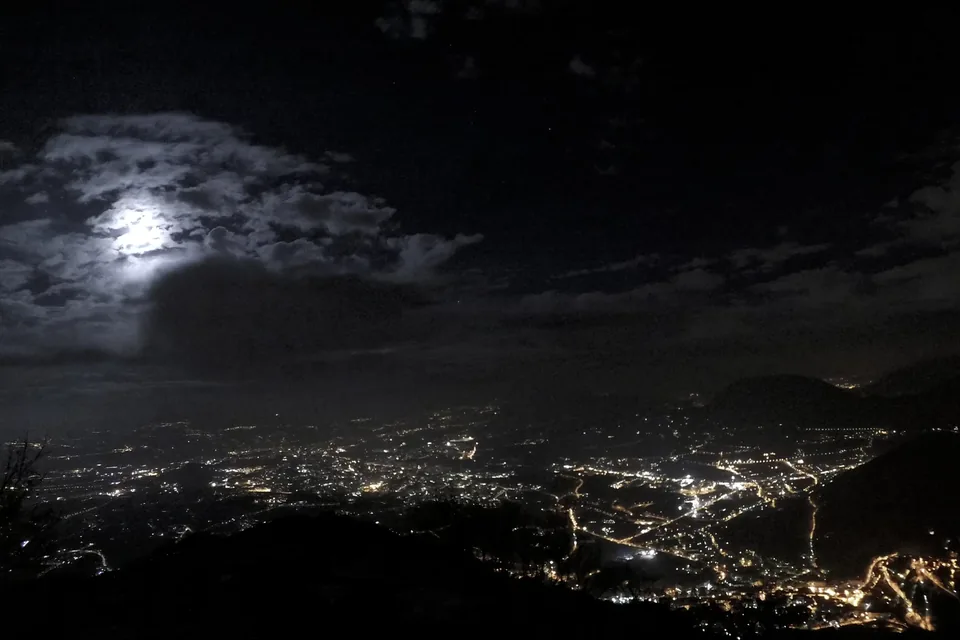
The city as an introduction to the territory: its old centre, Museo Irpino and a possible route towards wine country.
Read the guide →Photo: Francesco Matarazzo / Wikimedia Commons — CC BY-SA 4.0 · Resized and converted to WebP.
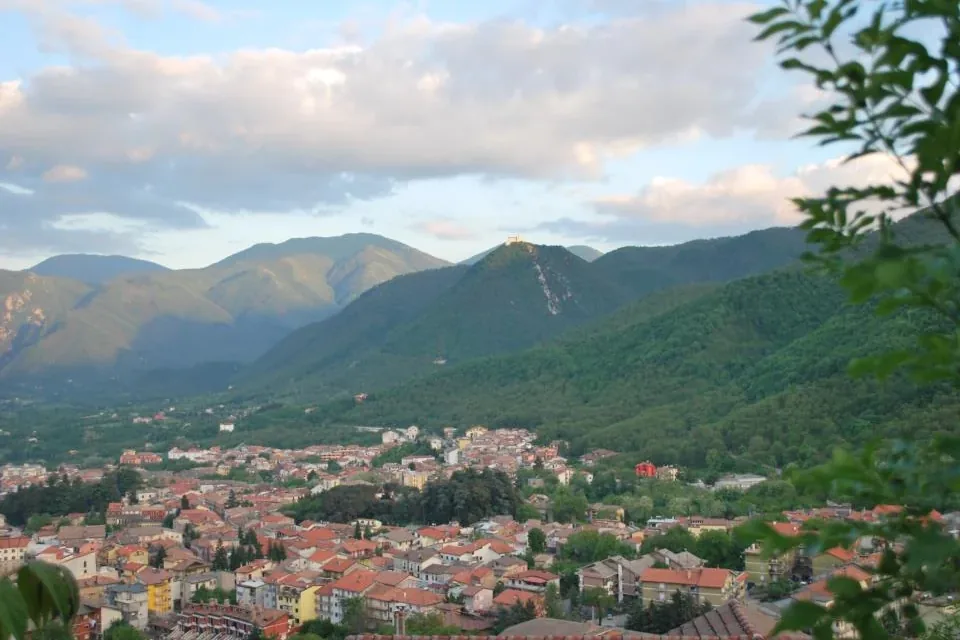
Chestnuts, heritage and nature as threads of a rural journey, with experiences chosen for the season.
Read the guide →Photo: Mies me at Italian Wikipedia / Wikimedia Commons — Public domain · Resized and converted to WebP.
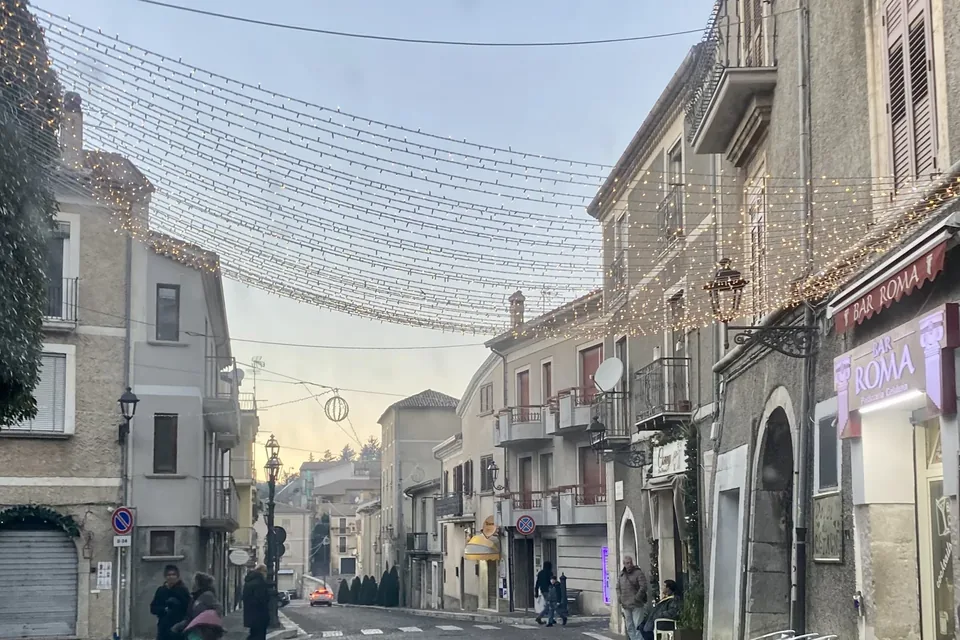
A thread connecting village, mountains and truffles: a journey designed around the season rather than a single festival.
Read the guide →Photo: Corvettec6r / Wikimedia Commons — CC BY 4.0 · Resized and converted to WebP.
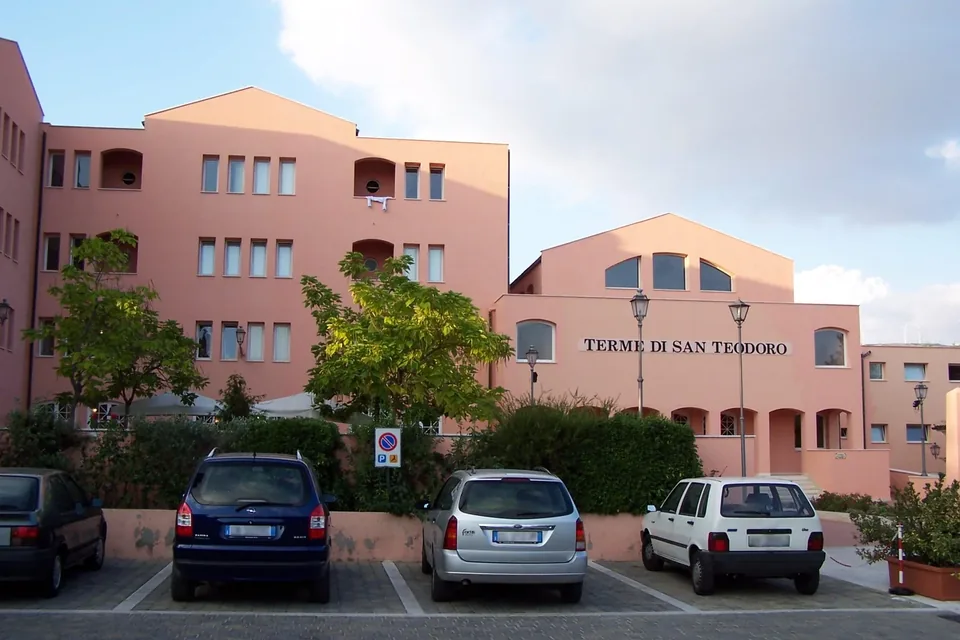
A small village approached through archaeology and the history of water, with a visit to develop without forcing the route.
Read the guide →Photo: Roberto1974 / Wikimedia Commons — Public domain · Resized and converted to WebP.

The Cilento, Vallo di Diano and Alburni National Park: coastline, karst mountains, Paestum, Velia and the Padula Charterhouse.
Read the guide →Photo: PaestumPaestum / Wikimedia Commons — CC BY-SA 4.0 · Resized and converted to WebP.
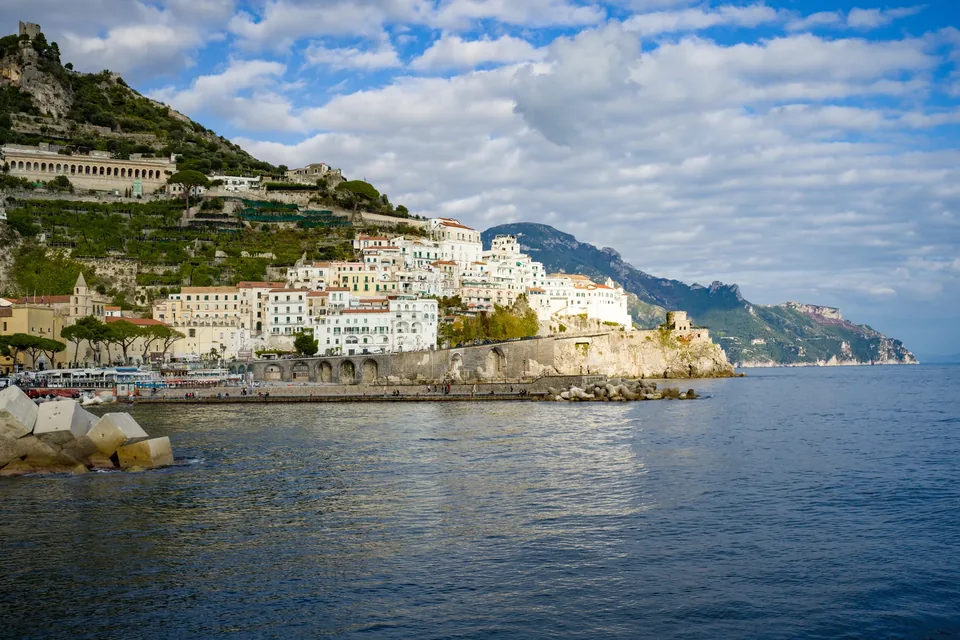
The UNESCO cultural landscape between Positano and Vietri sul Mare: citrus terraces, footpaths, inland valleys and the history of a maritime republic.
Read the guide →Photo: Wolfgang Moroder / Wikimedia Commons — CC BY-SA 3.0 · Resized and converted to WebP.
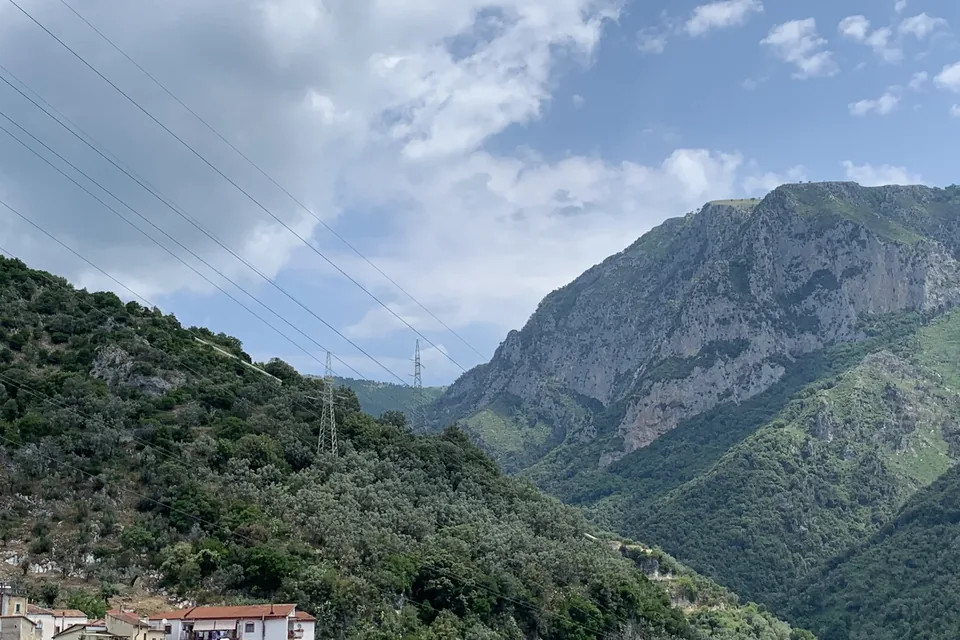
A regional park of beech woods, springs and hill villages, with Giffoni Valle Piana and its film festival for young people.
Read the guide →Photo: Csal1933 / Wikimedia Commons — CC BY-SA 4.0 · Resized and converted to WebP.
Reggio Calabria, where the trail returns to the mainland (stage SI U01) → Campotosto in Abruzzo (stage SI P13), from where the national trail continues towards Amatrice and beyond · About 8,000 km for the whole national trail according to the official project page (the FAQ gives 7,900–8,000 km). The CAI does not state the combined length of the sections in these six regions; for Calabria alone italia.it gives 654 km. · For the whole trail the FAQ speaks of more than 500 stages, while the project page mentions almost 400 stage points. The stage-card list shows 120 cards with codes P to U, variants included (R04 is missing). For Calabria italia.it gives 34 stages, while the CAI list has 32 Calabrian cards (U01–U32).
Calabria, Basilicata, Campania, Puglia, Molise, Abruzzo
Rome → Santa Maria di Leuca · more than 900 km from Rome to Santa Maria di Leuca · No reachable source gives the overall number of stages. In Puglia the regional guide splits its four described itineraries into 5, 5, 6 and 7 walking days.
Puglia, Campania
Charterhouse · Padula · San Lorenzo, San Brunone di Colonia
Cathedral · Naples · San Gennaro
Sanctuary · Pietrelcina · Padre Pio
Sanctuary · Pompeii · Madonna del Rosario di Pompei, San Bartolo Longo
Sanctuary · Mercogliano · Madonna di Montevergine (Mamma Schiavona), San Guglielmo da Vercelli
Sanctuary · Materdomini (Caposele) · San Gerardo Maiella, Madonna di Materdomini, Sant'Alfonso Maria de' Liguori
.jpg)


.jpg)

,_East_view.jpg)
