
Why go
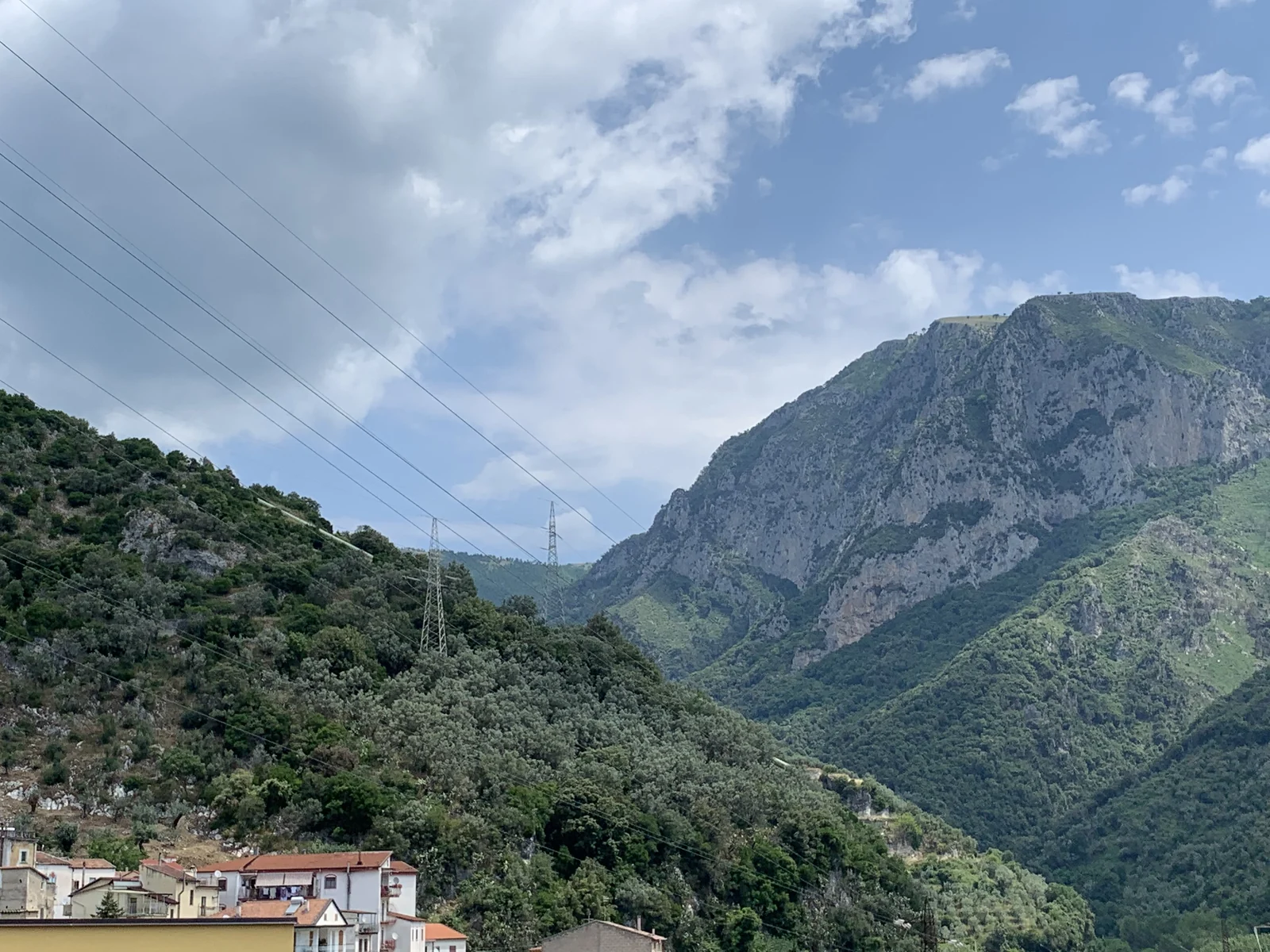
The Picentini Mountains are the range that separates Irpinia from the Salerno plain. The regional park that protects them describes them as the most important and wildest mountain group of the Campanian Apennines: broad beech woods and upland plains towards Polveracchio and Cervialto, bare limestone on Accellica and Terminio, and wildlife that has survived here better than elsewhere, with otter, dormouse, polecat, wolf, wildcat and golden eagle.
They are also the mountains of water. At the foot of Monte Paflagone, in Caposele, rise the karst springs of the Sele, which feed the Apulian Aqueduct all the way to Santa Maria di Leuca; on the Irpinian side the Urciuoli springs at Santo Stefano del Sole supply the Naples aqueduct. It is a tangible link between these mountains and the towns and countryside of Puglia and Campania.
The third reason is the villages. The park arranges its itineraries by groups of municipalities, from Giffoni Valle Piana and Acerno on the Salerno side to Serino, Montella and Bagnoli Irpino on the Avellino side: villages with Lombard castles, convents and mountain sanctuaries, tied to chestnuts, hazelnuts and a simple cuisine. For anyone seeking a Campania of woods and quiet, the Picentini are a natural choice.
Sources: Parco Regionale dei Monti Picentini — Dal Monte Accellica al Monte Polveracchio · Parco Regionale dei Monti Picentini — La Valle del Sele · Parco Regionale dei Monti Picentini — Dal Monte Terminio al Monte Cervialto · Ente Parco Regionale dei Monti Picentini
History
The park covers a limestone and dolomite area between the provinces of Avellino and Salerno. Its establishment is provided for by regional law no. 33 of 1993 and its final boundary was approved by the regional government on 24 April 2003; since then the park authority, based in Nusco, has been responsible for its protection.
Human history here is far older. The park records that at Serino, near the Tornola spring at about 850 metres, worked stone points around 31,000 years old have been found. The Sele, which rises at Caposele, is already mentioned by Virgil in the Georgics and later by Pliny the Elder and Strabo. In the Middle Ages the territory was organised around castles and fortifications: on Monte Nebulano, at Montecorvino Rovella, a Lombard castle was built around the 6th century, and at Montella stands the Castello del Monte, also Lombard in origin.
Faith left deep marks. The convent of San Francesco a Folloni, near Montella, housed one of the first Franciscan communities in 1222; at Materdomini, above Caposele, Saint Gerard Majella arrived in 1754, and his sanctuary was rebuilt after the 1980 earthquake and reopened for worship in 2000. That earthquake, the park notes, damaged or destroyed much of the area’s historic heritage.
Sources: Ente Parco Regionale dei Monti Picentini · ISPRA — Parco Regionale Monti Picentini · Parco Regionale dei Monti Picentini — Dal Monte Terminio al Monte Cervialto · Parco Regionale dei Monti Picentini — La Valle del Sele · Parco Regionale dei Monti Picentini — Dal Monte Accellica al Monte Polveracchio
What to see
On the Salerno side, Giffoni Valle Piana combines a centre rich in churches and convents, such as the convent of San Francesco and the church of Santa Maria a Vico, with the village and castle of Terravecchia. Acerno stands on a broad upland in the heart of the massif and keeps the cathedral of San Donato, built in 1444 and rebuilt several times. At Montecorvino Rovella, among olive, chestnut and hazel groves, the ruins of Castello Nebulano remain.
On the Irpinian side, Montella offers its historic centre, the civic museums in the San Francesco a Folloni complex and the sanctuary of the Santissimo Salvatore, on an isolated peak at 954 metres, with a panoramic terrace over the valley. From Lioni a road through tall trees climbs to the Laceno plateau and Monte Cervialto. Serino has the convent of the Friars Minor, founded at the townspeople’s wish in the early 17th century.
In the Sele valley, Caposele is the “kingdom of waters”: the river springs, the Bosco Difesa with picnic areas in the shade of beech trees and, on the hill of Materdomini, the sanctuary of Saint Gerard Majella, with the new church, the restored old basilica, the convent and cloister, and a museum devoted to the saint. Nearby, at Calabritto, the church and grotto of the Madonna del Fiume lie in the mountains close to Cervialto.
Sources: Parco Regionale dei Monti Picentini — Dal Monte Accellica al Monte Polveracchio · Parco Regionale dei Monti Picentini — Dal Monte Terminio al Monte Cervialto · Parco Regionale dei Monti Picentini — La Valle del Sele
Food and wine
The Picentini are a land of chestnut and hazel trees. On the Salerno side, municipalities such as Fisciano and Calvanico fall within the area of Nocciola di Giffoni PGI, from the Tonda di Giffoni variety: it is eaten plain, coated in chocolate, with honey or in nougat, and goes into the cakes, ice creams, creams and liqueurs of Salerno cooking. The sources note that hazel growing in Campania is very old, already recorded by Latin authors.
On the Irpinian side chestnuts dominate. Castagna di Montella PGI, 90 per cent from the Palummina variety, is produced in Montella, Bagnoli Irpino, Cassano Irpino, Nusco, Volturara Irpina and Montemarano; it is enjoyed roasted or boiled in milk. Marrone di Serino PGI, from the Santimango and Verdola varieties, covers the municipalities of the Sabato valley and some on the Salerno side, including Giffoni Valle Piana; it becomes marrons glacés, jams and the “marroni del prete”.
The rest of the table is mountain produce: at Volturara the park mentions mushrooms, wild strawberries, oregano and the “scorzone” truffle, at Chiusano San Domenico cheeses, cured meats, beans and potatoes from the Sant’Agata plain, at Montoro the copper onion. On the Salerno side olive oil falls under the Colline Salernitane PDO, and at Caposele the park notes that the whole Sele valley is olive-oil country.
Sources: Parco Regionale dei Monti Picentini — Pizzo San Michele · Qualigeo (Fondazione Qualivita) — Nocciola di Giffoni IGP · Qualigeo (Fondazione Qualivita) — Castagna di Montella IGP · Qualigeo (Fondazione Qualivita) — Marrone di Serino / Castagna di Serino IGP · Parco Regionale dei Monti Picentini — Dal Monte Terminio al Monte Cervialto · Parco Regionale dei Monti Picentini — Il Monte Tuoro · Qualigeo (Fondazione Qualivita) — Colline Salernitane DOP, olio extravergine di oliva · Parco Regionale dei Monti Picentini — La Valle del Sele
Things to do
The park offers itineraries by area, each with its own villages and peaks: from Monte Accellica to Polveracchio, from Terminio to Cervialto, the Mai mountains, Monte Tuoro, the Sele valley and Pizzo San Michele. They are the basis for walks through beech woods and over upland plains, to be organised with the hiking and environmental education associations that the park authority lists in its own official register.
Some stops have a special appeal. Before Volturara Irpina, the Piana del Dragone is a karst lake basin at about 670 metres, grazed by Podolica cattle; the municipality also includes the Campolaspierto upland, suited to horse riding, at whose edge grows a centuries-old beech listed among Italy’s oldest trees. On the Salerno side, at Giffoni Valle Piana a wildlife park and a WWF reserve allow trekking, mountain biking and guided visits; in the municipality of Campagna lies the Monte Polveracchio reserve.
At Giffoni the mountains meet cinema. The Giffoni Film Festival was born in 1971 from an idea of the then eighteen-year-old Claudio Gubitosi and since 2009 has been a cultural “factory” active all year, with the Cittadella del Cinema and the Multimedia Valley. For those travelling with young people it is a different way to discover the Picentini.
Sources: Ente Parco Regionale dei Monti Picentini · Parco Regionale dei Monti Picentini — Dal Monte Terminio al Monte Cervialto · Parco Regionale dei Monti Picentini — Dal Monte Accellica al Monte Polveracchio · Giffoni — Claudio Gubitosi, direttore e fondatore
When to go
Spring, summer and autumn are the best seasons. In spring and early summer the beech woods and upland plains are at their best for walking; the village calendar lists the Santa Lucia fair at Caposele and the feast of Saint Michael at Calvanico in May, and patron saints’ feasts such as Saint Vitus in June.
Summer brings the mountain villages to life: Caposele celebrates Saint Lawrence on 10 August, holds its mid-August festival and outdoor concerts in the Bosco Difesa; at Fisciano a festival devoted to hazelnuts takes place between late August and September. The sanctuary of Saint Gerard Majella marks its main feasts on the first Sunday of September and on 16 October.
Autumn is chestnut season. The park’s pages mention the Serino chestnut festival, usually on the first weekend of October, the Palommina rossa chestnut festival at Volturara Irpina in the last week of October and the Calvanico chestnut feast at the end of the month. Montella chestnuts ripen gradually over more than a month. Festival dates change from year to year and should be checked with the municipalities before setting out.
Sources: Parco Regionale dei Monti Picentini — La Valle del Sele · Parco Regionale dei Monti Picentini — Pizzo San Michele · Parco Regionale dei Monti Picentini — Dal Monte Terminio al Monte Cervialto · Qualigeo (Fondazione Qualivita) — Castagna di Montella IGP
Getting there and around
The Picentini are reached from Salerno and Avellino, both served by the RFI rail network. On the Salerno side, the park’s pages give Battipaglia as the nearest station for Montecorvino Rovella and San Mango Piemonte, about ten kilometres away, while Giffoni Valle Piana and other villages on that side are linked to Salerno by SITA scheduled buses. Drivers use the Salerno–Avellino link road or the motorway south, with exits at Pontecagnano and Battipaglia.
On the Irpinian side, Serino, Santo Stefano del Sole and Montella are served by AIR buses; the Ofantina expressway connects Montella and Bagnoli Irpino with Avellino, Naples and Salerno. The park also mentions the Avellino–Rocchetta Sant’Antonio railway, with stations at Montella and Lioni, while warning that this line needs careful checking before you rely on it.
For Caposele and the Sele valley, leave the motorway at Contursi and follow the Fondo Valle Sele road; from Avellino take the Ofantina. Once there, villages are close as the crow flies but roads are mountainous: it is best to choose one side of the range at a time and move by car or with organised transfers.
Sources: RFI — Stazione di Salerno · RFI — Stazione di Avellino · RFI — Stazione di Battipaglia · Parco Regionale dei Monti Picentini — I Monti Mai · Parco Regionale dei Monti Picentini — Dal Monte Accellica al Monte Polveracchio · Parco Regionale dei Monti Picentini — Dal Monte Terminio al Monte Cervialto · Parco Regionale dei Monti Picentini — La Valle del Sele
Nearby
East of the Picentini lies the Irpinia of villages and wine: Montella and Bagnoli Irpino are already within the park, and from Lioni a road climbs to the Laceno plateau; Avellino, served by the railway and AIR buses, is the gateway to the rest of the province. On the opposite side, the Sele plain and Salerno open the way to the sea.
From the Picentini peaks, UNESCO notes, the Lattari range branches off and closes the Sorrento peninsula: the Amalfi Coast is therefore the natural continuation westwards, with sea views and terraced paths.
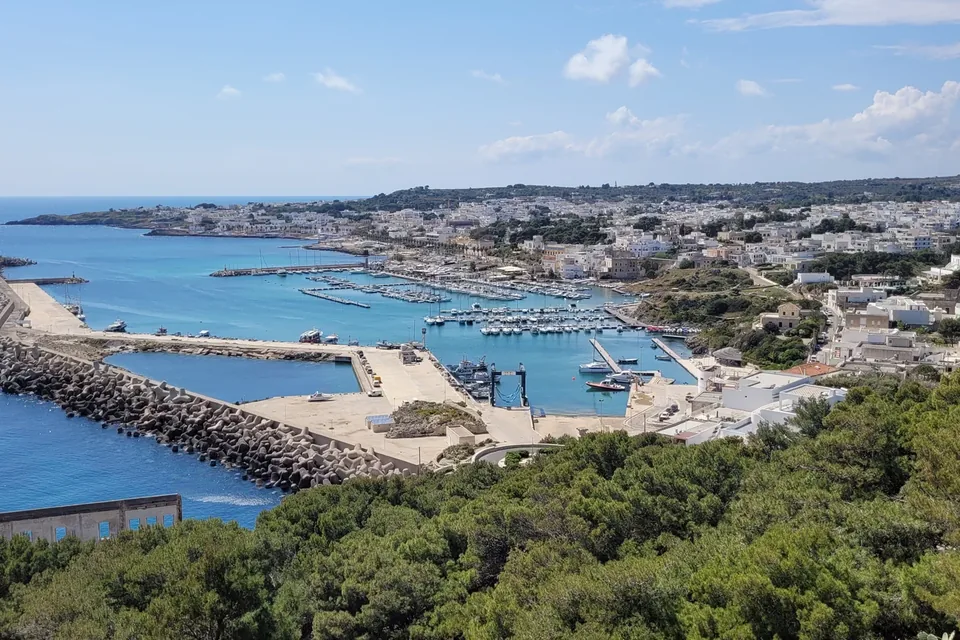
The most surprising link reaches far away. The Caposele springs feed the Apulian Aqueduct, which the park describes as the longest aqueduct in the world and which ends at Santa Maria di Leuca, at the tip of Salento, with a monumental waterfall. A journey that starts in the Picentini can truly follow the water to Cape Leuca, across Campania and Puglia.
Sources: Parco Regionale dei Monti Picentini — Dal Monte Terminio al Monte Cervialto · RFI — Stazione di Avellino · UNESCO World Heritage Centre — Costiera Amalfitana · Parco Regionale dei Monti Picentini — La Valle del Sele · Parco Regionale dei Monti Picentini — I Monti Mai
Local tourist information
Local tourist offices help with opening times, events and transport on the day.
- Ente Parco Regionale dei Monti Picentini — sede · Via delle Stigmatine 11, 83051 Nusco (AV) · 0827 64413 · info@parcoregionalemontipicentini.it · Official website
Source: Parco Regionale dei Monti Picentini — Dal Monte Accellica al Monte Polveracchio · checked on
Where to stay
In the municipality of Nusco the national database of the Ministry of Tourism lists 10 accommodation businesses with a verified CIN code: 1 hotels, 4 other licensed accommodation and 5 other types such as B&Bs and private rentals.
Sources: Ministero del Turismo – Banca Dati Strutture Ricettive (dashboard pubblica), 2026-10-12
YOUR JOURNEY
How to shape a journey here
Two or three days between a beech-wood trail, the springs of Caposele and Giffoni Valle Piana; for the festival, dates and access to be checked each year. Guides and accommodation to be arranged with local operators.
Talk to us about it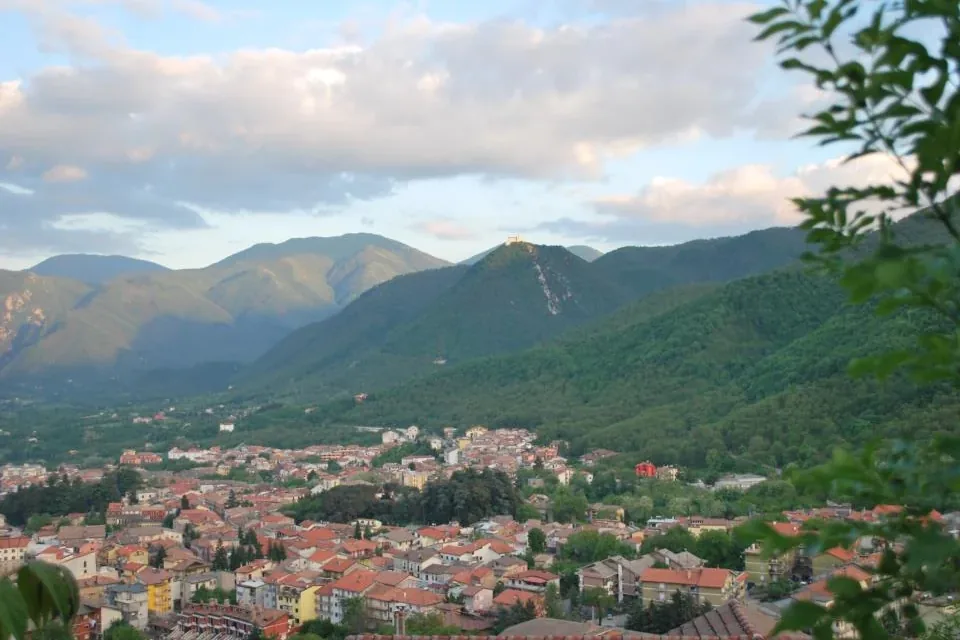


.jpg)

