Why go
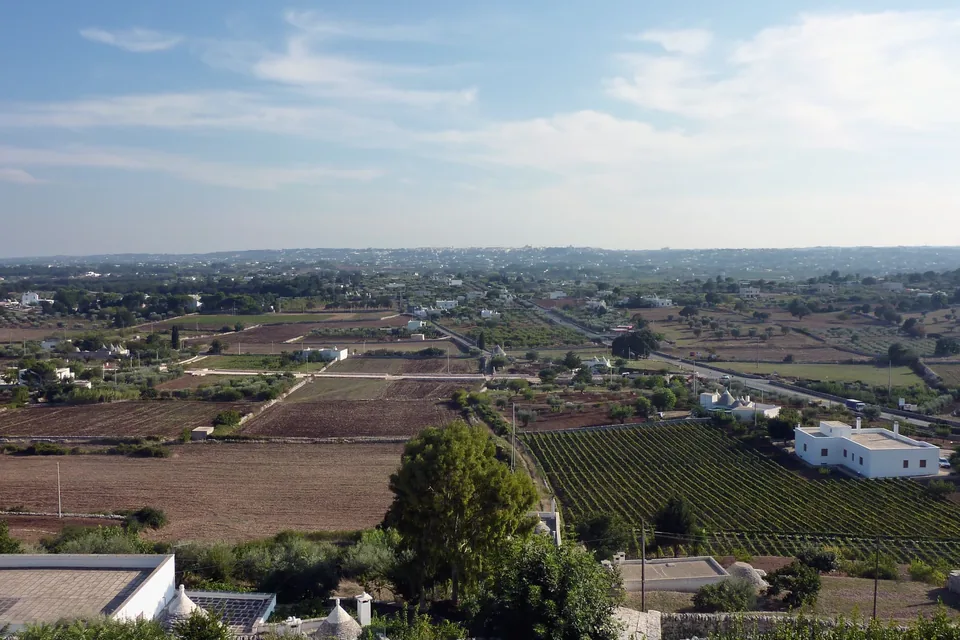
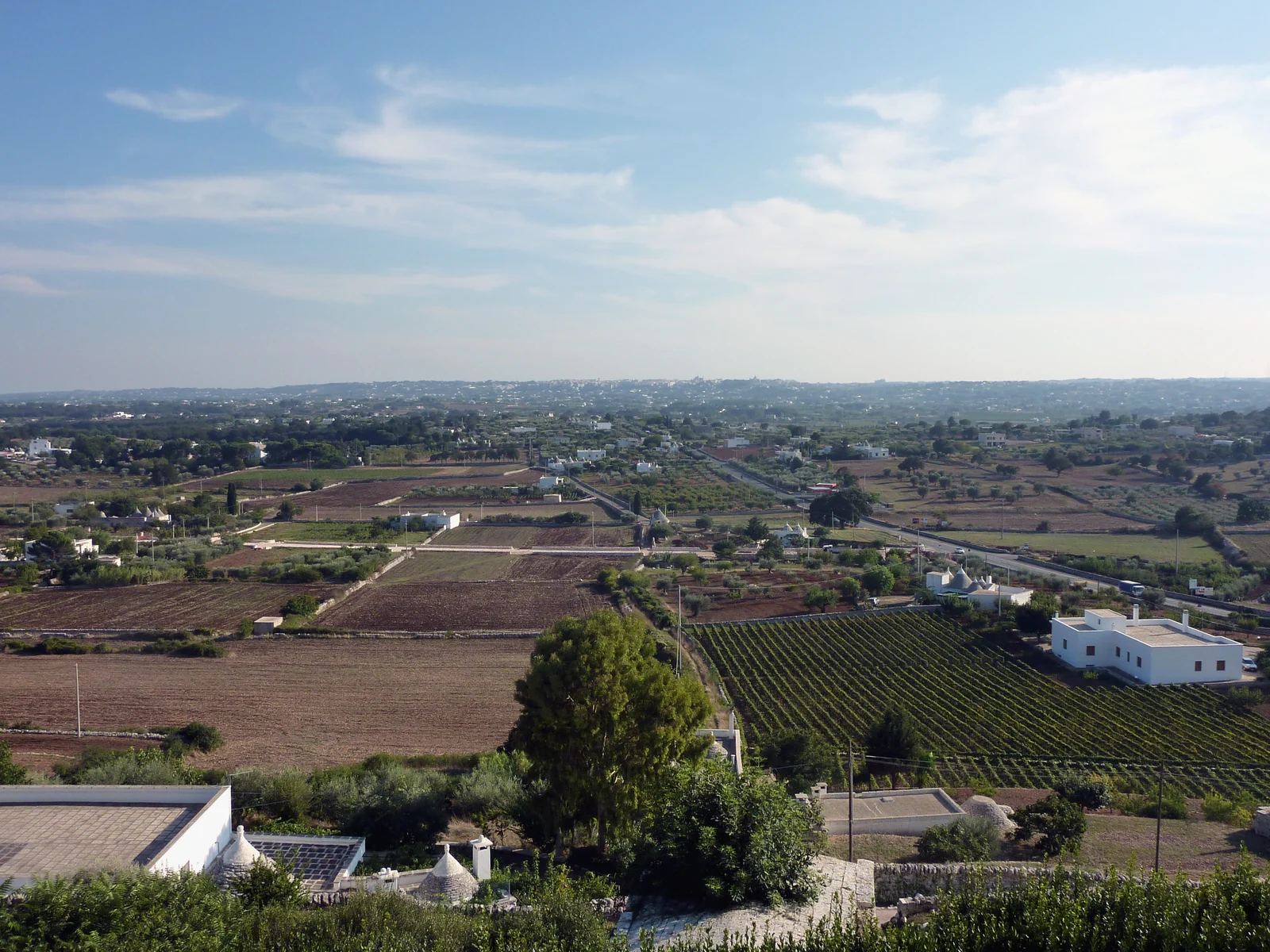
The Itria Valley, also known as the Valley of the Trulli, extends across the provinces of Bari, Brindisi and Taranto. The Ministry of Tourism describes it as a karst depression that begins where the Murge end and finishes where Salento starts, dotted with white towns such as Locorotondo, Cisternino and Martina Franca and, above all, with trulli, which appear everywhere in the countryside and not only in Alberobello.
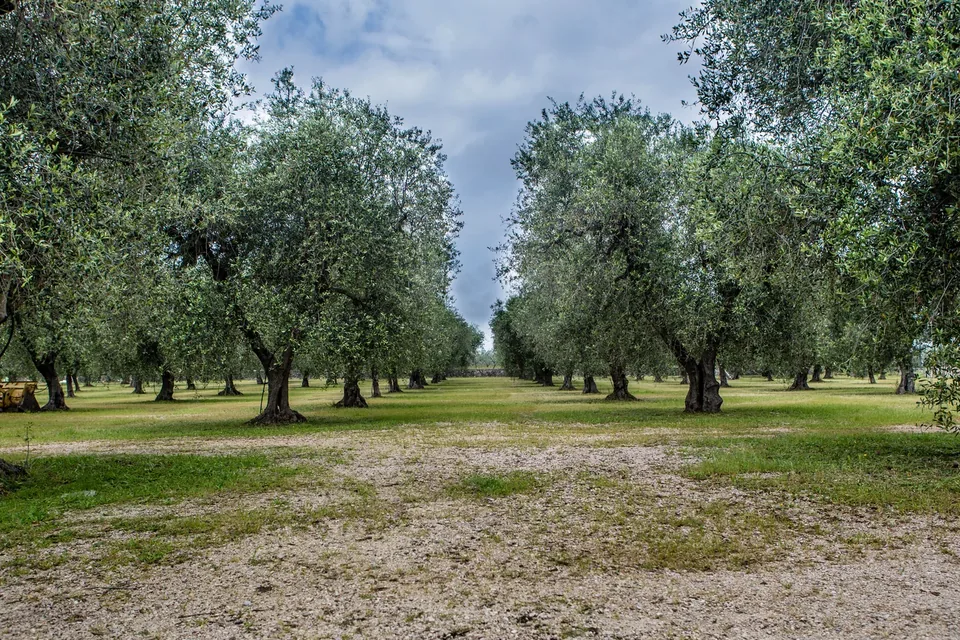
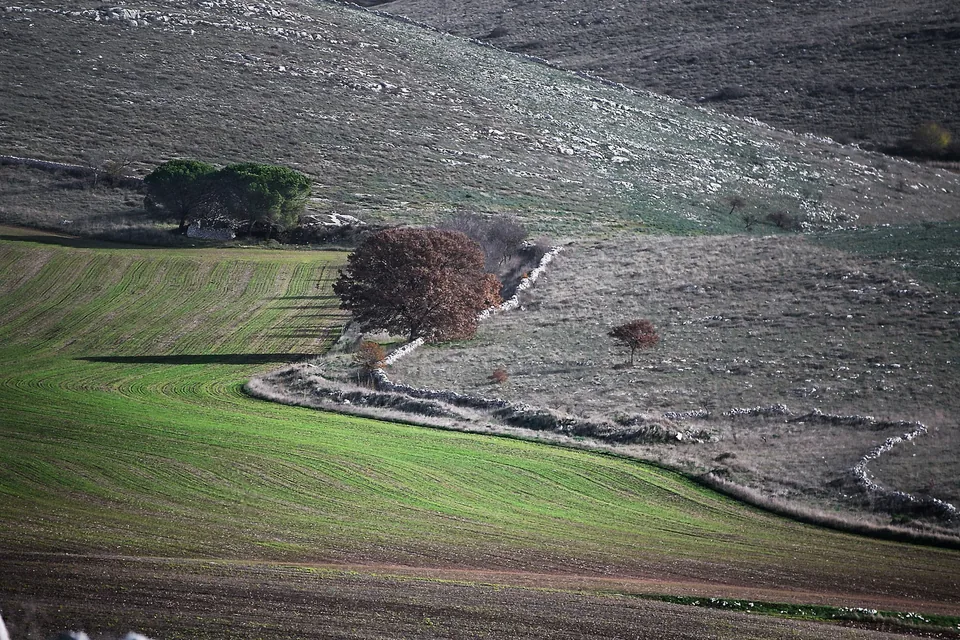
The reason to come is the landscape as a whole. Pugliapromozione's mini-guide speaks of a countryside lived in all year round, with dry-stone walls enclosing vineyards and olive groves as far as the eye can see; the regional portal adds historic masserie turned into places to stay, ancient olive groves, pastures and, towards the coast, fossil dunes and beaches. The territory of the Itria Valley local action group, which includes Cisternino, Fasano, Locorotondo and Martina Franca, covers more than five hundred square kilometres from the Ionian balcony to the Adriatic coast.
It is a destination to inhabit for a few days rather than to rush through: each town has its own character, and the countryside linking them is as much part of the journey as the squares and monuments.
Sources: Italia.it, Ministero del Turismo — La Valle d'Itria: i luoghi da non perdere · Italia.it, Ministero del Turismo — Valle d'Itria · Pugliapromozione — miniguida Valle d'Itria e Murgia dei Trulli · Viaggiare in Puglia, Regione Puglia — Valle d'Itria e Murgia dei trulli · Regione Puglia — GAL Valle d'Itria
History
The valley's history is written in its rural buildings. The Ministry of Tourism recalls the origin attributed to the trulli: a fifteenth-century edict of the Kingdom of Naples taxing every new building is said to have led the counts of Conversano to have farmers build dry-stone shelters that could be dismantled easily in case of inspection. Over time the technique was refined, and in Alberobello the switch to mortar came only at the end of the eighteenth century; since 1996 the Trulli of Alberobello have been a UNESCO World Heritage Site.
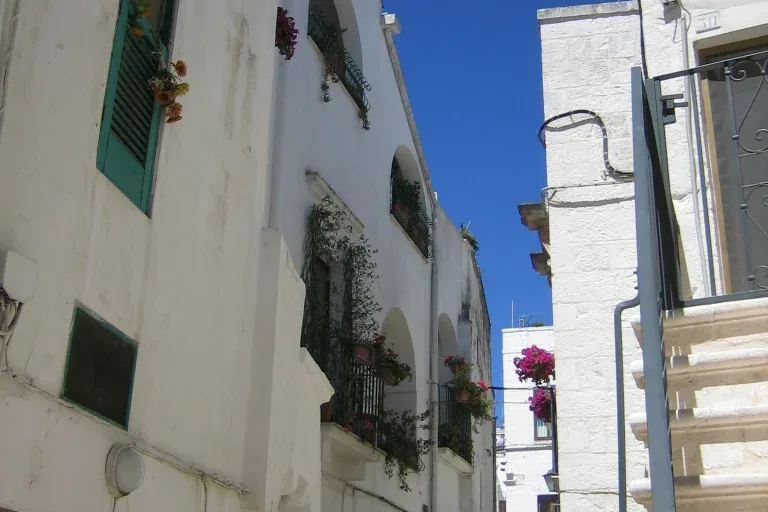
The towns tell other chapters. Locorotondo, called Luogorotondo until the mid-nineteenth century, grew up around the year 1000 with its pitched-roof houses, the cummerse; Cisternino was reborn in the Middle Ages around an abbey of Basilian monks. Martina Franca owes its baroque face to the Caracciolo family, which according to the Ministry of Tourism held the fief for more than three hundred years, until 1827, and built the Ducal Palace.
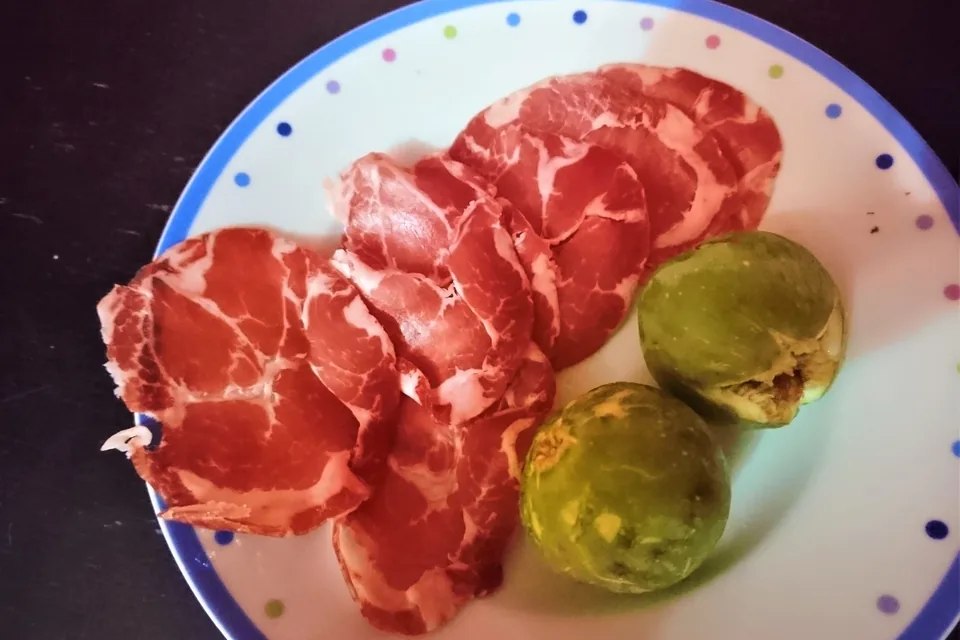
In the countryside, the masserie, many of them fortified, bear witness to centuries of farming, and the production of cured meats such as capocollo, appreciated in the Kingdom of Naples as early as the eighteenth century according to the regional mini-guide, still links the fragno oak woods to the table.
Sources: Italia.it, Ministero del Turismo — La Valle d'Itria: i luoghi da non perdere · UNESCO — The Trulli of Alberobello · Italia.it, Ministero del Turismo — Valle d'Itria · Italia.it, Ministero del Turismo — Cisternino · Pugliapromozione — miniguida Valle d'Itria e Murgia dei Trulli
What to see
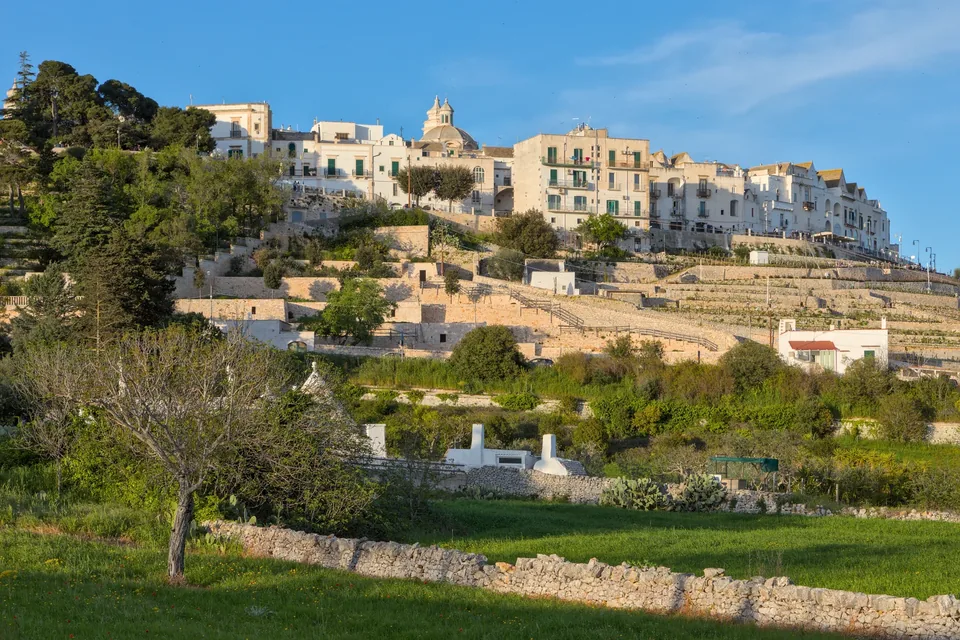
Each town offers a theme. In Alberobello the Monti and Aia Piccola districts hold more than a thousand trulli, with the two-storey Trullo Sovrano and Casa Pezzolla, fifteen interconnected trulli housing the Museo del Territorio. Locorotondo, an Orange Flag town, curls in a circle on its hill with the cummerse and the panoramic balcony locals call the 'lungomare'; from via Nardelli the Templars' Staircase descends through the vineyards.
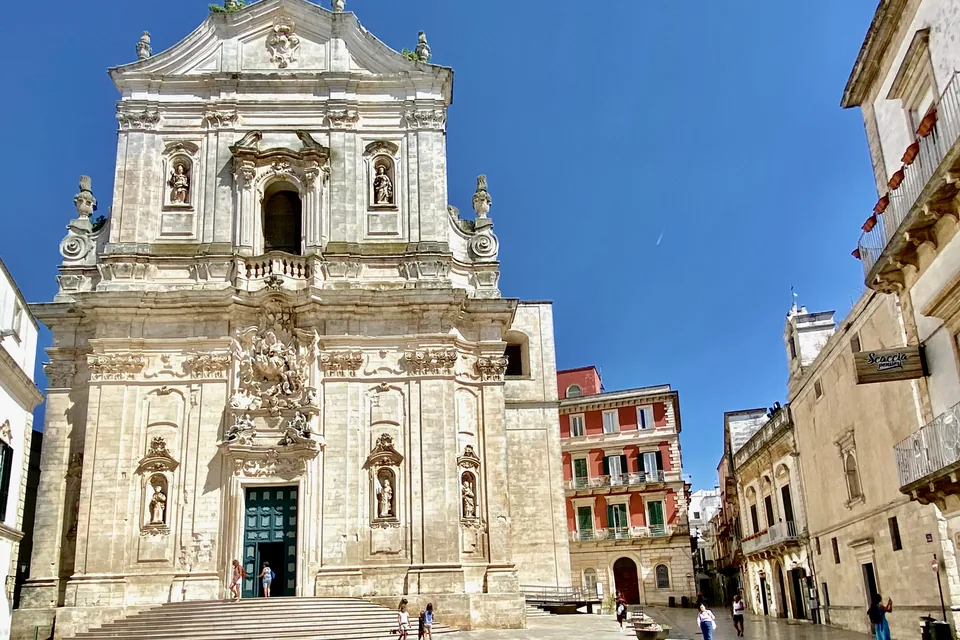
Martina Franca is the valley's baroque capital: the Ducal Palace with rooms frescoed by Domenico Carella, the basilica of San Martino and the semicircular piazza Maria Immacolata. Cisternino keeps an intimate medieval centre, with the Porta Grande tower, the mother church of San Nicola and the belvedere over the valley from piazza Garibaldi.
The national portal also includes Castellana Grotte in the valley, with the route through the karst caves from the Grave to the White Cave, and Ostuni, the White City, the only one with an outlet to the sea. Between towns, the countryside with its scattered trulli, dry-stone walls and monumental olive trees is itself something to look at, perhaps first from a viewpoint and then up close at a single building.
Sources: Viaggiare in Puglia, Regione Puglia — Alberobello · Italia.it, Ministero del Turismo — La Valle d'Itria: i luoghi da non perdere · Viaggiare in Puglia, Regione Puglia — Martina Franca · Viaggiare in Puglia, Regione Puglia — Cisternino · Italia.it, Ministero del Turismo — Valle d'Itria · Regione Puglia — GAL Valle d'Itria
Food and wine
The valley's table comes from the countryside and the butcher's shops. Capocollo di Martina Franca, a Slow Food Presidium, is made in Martina Franca, Locorotondo and Cisternino: the meat of the pork neck meets salt, cooked wine must and spices, and is then smoked over fragno oak and almond husks; the stated production season runs from September to May. The Bombetta di Martina Franca, a roll of capocollo filled with cheese and cooked on a spit, has its area of origin in the valley according to the regional atlas of traditional products.
In the towns, especially Cisternino, the 'fornelli pronti' let you choose meat at the butcher's counter and have it cooked on the spot, with bombette, gnummareddi and rolls.
The white wines bear the names of the towns. Locorotondo DOP covers Locorotondo, Cisternino and part of Fasano, with a white from Verdeca and Bianco d'Alessano and single-variety, sparkling and passito versions; Martina or Martina Franca DOP covers Martina Franca, Crispiano, Alberobello and part of Ceglie Messapica and Ostuni. Towards the Brindisi area, Collina di Brindisi DOP olive oil includes Cisternino, Fasano and Ostuni.
Sources: Fondazione Slow Food — Capocollo di Martina Franca · Atlante dei prodotti tradizionali di Puglia — Bombetta · Viaggiare in Puglia, Regione Puglia — Cisternino · Regione Puglia — Locorotondo DOP · Regione Puglia — Martina o Martina Franca DOP · Commissione europea, eAmbrosia — Collina di Brindisi DOP
Things to do
The valley lends itself to slow travel. The Ministry of Tourism suggests an itinerary that starts in Martina Franca, takes in Locorotondo, Alberobello and the Castellana Caves and ends in Cisternino with dinner at the grills; for cyclists, the Apulian Aqueduct cycle route crosses the valley via Martina Franca, Locorotondo, Cisternino, Ostuni and Ceglie Messapica.
The Itria Valley Ecomuseum, a widespread museum across Alberobello, Cisternino, Fasano, Locorotondo, Martina Franca and Monopoli, documents the crafts of stone, iron, wood and ceramics and organises nature walks to discover the lame and stone gardens. The national portal also mentions the area's educational farms, with workshops, fruit picking and tastings suited to families.
Nature offers further days out: the Pianelle woods near Martina Franca, with more than fifteen kilometres of trails; the I Giardini di Pomona botanical conservatory in Cisternino, with hundreds of fruit tree varieties; towards the sea, the Dune Costiere park and the Torre Guaceto reserve, which the regional mini-guide suggests exploring by bike and on foot or by seawatching.
Sources: Italia.it, Ministero del Turismo — La Valle d'Itria: i luoghi da non perdere · Viaggiare in Puglia, Regione Puglia — Cisternino · Viaggiare in Puglia, Regione Puglia — Ecomuseo di Valle d'Itria · Italia.it, Ministero del Turismo — Valle d'Itria · Viaggiare in Puglia, Regione Puglia — Riserva naturale regionale Bosco delle Pianelle · Viaggiare in Puglia, Regione Puglia — Conservatorio botanico I Giardini di Pomona · Pugliapromozione — miniguida Valle d'Itria e Murgia dei Trulli
When to go
The valley can be visited all year, and each season has its events. In summer Martina Franca hosts the Festival della Valle d'Itria, devoted to opera and vocal music: the 52nd edition took place from 14 July to 2 August 2026, and those planning an opera trip should start from the next edition's programme once it is published. In Cisternino, Clock Square becomes an open-air living room in summer.
In winter the Ministry of Tourism recalls the living nativity scene among the trulli of Alberobello in December; on Good Friday a living Passion is staged there, and on Easter Monday the people of Cisternino go on pilgrimage to the sanctuary of the Madonna d'Ibernia. On 23 April Locorotondo celebrates its patron Saint George.
Spring and autumn are the ideal seasons for walking and cycling among trulli and vineyards: autumn brings the grape harvest, and the capocollo production season stated by Slow Food runs from September to May. Event dates change every year and should be checked at the towns' info-points.
Sources: Festival della Valle d'Itria — programma 2026 · Viaggiare in Puglia, Regione Puglia — Piazza Vittorio Emanuele, Cisternino · Italia.it, Ministero del Turismo — Valle d'Itria · Viaggiare in Puglia, Regione Puglia — Cisternino · Comune di Locorotondo — Chiesa Madre di San Giorgio · Fondazione Slow Food — Capocollo di Martina Franca
Getting there and around
The valley has two air gateways, the airports of Bari and Brindisi managed by Aeroporti di Puglia; to reach the towns the regional tourism portal suggests private transfers and, from Cisternino towards Brindisi, COTRAP consortium intercity buses.
By train, according to the regional portal, the towns' stations mainly serve local links: for long journeys you go via Bari for Alberobello and Locorotondo, via Taranto for Martina Franca, and via Brindisi or Bari for Cisternino and Ostuni. COTRAP intercity buses connect the towns with each other, and STP Brindisi lines also serve Cisternino and Ostuni.
To really enjoy the countryside, a hired car, scooter or bike is advisable, services the regional portal lists in all the main towns. The Apulian Aqueduct cycle route, which starts in Martina Franca and forms a loop around the valley, is the calmest way to move between Locorotondo, Cisternino and Ostuni. The historic centres are all best explored on foot.
Sources: Aeroporti di Puglia — Aeroporto di Bari · Aeroporti di Puglia — Aeroporto di Brindisi · Viaggiare in Puglia, Regione Puglia — Cisternino · Viaggiare in Puglia, Regione Puglia — Alberobello · Viaggiare in Puglia, Regione Puglia — Locorotondo · Viaggiare in Puglia, Regione Puglia — Martina Franca · Viaggiare in Puglia, Regione Puglia — Ostuni
Where to stay
Your choice of base changes the trip. The regional portal notes that many historic masserie in the valley and on the Fasano plain have been turned into places to stay, some with gardens of aromatic herbs and panoramic terraces; the regional mini-guide recommends dispersed hotels in the historic centres, such as Locorotondo's cummerse, to those who want to stay close to local life. A masseria offers space and quiet, a town the chance to walk out in the evening.
As an identified reference for a countryside base we mention Masseria Cervarolo, which presents itself as a boutique hotel in contrada Cervarolo, on provincial road 14 between Ostuni and Martina Franca; its website also documents a restaurant and seasonal dining. This is an editorial mention, not a declared Apulica partner: we do not present past price lists as current rates, and a stay needs dates and an offer for those dates.
Staying several nights at the same base cuts the time spent packing and moving: the valley is compact, and the main towns are all within a day trip.
Sources: Viaggiare in Puglia, Regione Puglia — Valle d'Itria e Murgia dei trulli · Pugliapromozione — miniguida Valle d'Itria e Murgia dei Trulli · Viaggiare in Puglia, Regione Puglia — Locorotondo · Masseria Cervarolo — contatti ufficiali · Masseria Cervarolo — cucina e notizie della struttura
Nearby
Around the valley open different landscapes. Towards the Adriatic, Ostuni and the plain of ancient olive trees lead to the sea, with the Dune Costiere park and the archaeological area of Egnazia, where the regional portal invites you to swim near the excavations.
Inland, Putignano, which the Ministry of Tourism counts among the valley's towns, is the town of Carnival and the Grotta del Trullo; Castellana Grotte offers its great underground route; Ceglie Messapica and Carovigno are pointed out by the regional mini-guide as stops for food lovers.
Towards the Ionian Sea, beyond the Pianelle woods, Crispiano leads into the land of the hundred masserie and Taranto into the city of two seas with its National Archaeological Museum. The Torre Guaceto reserve, on the Brindisi coast, completes the picture with a marine protected area among dunes and wetlands.
Sources: Viaggiare in Puglia, Regione Puglia — Ostuni · Viaggiare in Puglia, Regione Puglia — Valle d'Itria e Murgia dei trulli · Italia.it, Ministero del Turismo — Valle d'Itria · Viaggiare in Puglia, Regione Puglia — Putignano · Italia.it, Ministero del Turismo — La Valle d'Itria: i luoghi da non perdere · Pugliapromozione — miniguida Valle d'Itria e Murgia dei Trulli · Viaggiare in Puglia, Regione Puglia — Riserva naturale regionale Bosco delle Pianelle · Viaggiare in Puglia, Regione Puglia — Crispiano · Viaggiare in Puglia, Regione Puglia — Taranto
Local tourist information
Local tourist offices help with opening times, events and transport on the day.
- Info-Point Alberobello (Pro Loco) · Via Monte Nero, 70011 Alberobello (BA) · +39 379 2987173 · [email protected]
Source: Viaggiare in Puglia, Regione Puglia — Info-Point Alberobello · checked on - Info-point Locorotondo · Via Morelli 24, 70010 Locorotondo (BA) · +39 080 4312788 · [email protected]
Source: Viaggiare in Puglia, Regione Puglia — Info-point Locorotondo · checked on - Info-point Martina Franca · Piazza XX Settembre, 74015 Martina Franca (TA) · +39 080 4116554 · [email protected]
Source: Viaggiare in Puglia, Regione Puglia — Info-point Martina Franca · checked on - Info-point Cisternino · Via Castello 22, 72014 Cisternino (BR) · +39 391 4387131 · [email protected]
Source: Viaggiare in Puglia, Regione Puglia — Info-point Cisternino · checked on
Where to stay
In the municipality of Locorotondo the national database of the Ministry of Tourism lists 474 accommodation businesses with a verified CIN code: 6 hotels, 143 other licensed accommodation and 325 other types such as B&Bs and private rentals.
Licensed businesses from the official list of accommodation named as the source in this section. Where the list gives it, the property's official identification code appears next to its name: the national CIN code, or the code assigned by the Region or by the body that keeps the list. Private individuals are not listed. This list is the official census of licensed businesses, not a list of Apulica partners: to stay in Locorotondo you do not have to check one property after another yourself; write to Apulica and we look for the stay that suits your journey, checking availability and conditions before any confirmation.
HOTEL RELAIS IL PALMENTO
Hotel · ★★★★★
CIN IT072025A100037882
ELITE
Residence
CIN IT072025B400120870
CAMPING -Valle d'itria-
Campsite · ★
CIN IT072025B100097247
AGRITURISMO MASSERIA APRILE
Farm stay
CIN IT072025B500021045
1783 DIMORA D'EPOCA B&B
B&B
CIN IT072025B400051259
AFFITTACAMERE MASSERIA APRILE
Guest rooms
CIN IT072025B400024393
ACRES ITRIA
Holiday home
CIN IT072025B400073989
LEONARDO TRULLI RESORT
Hotel · ★★★★★
CIN IT072025A100122914
TRULLI DAMOR
Residence
CIN IT072025B400111936
Coppola di Seta
Farm stay
CIN IT072025B500080219
First the places that presented themselves to Apulica, the latest first; then one place of each type in turn, by official category and stars, then by name. No position is paid for.
All 114 entries in alphabetical order
Page 1 of 12
| Name | Type | CIN |
|---|---|---|
| 1783 DIMORA D'EPOCA B&B | B&B | IT072025B400051259 |
| ACRES ITRIA | Holiday home | IT072025B400073989 |
| AFFITTACAMERE MASSERIA APRILE | Guest rooms | IT072025B400024393 |
| AGRITURISMO MASSERIA APRILE | Farm stay | IT072025B500021045 |
| AGROSILENTE | B&B | IT072025B400109320 |
| ALBERGO DIFFUSO SOTTO LE CUMMERSE | Hotel | IT072025A100059693 |
| ALMAPETRA TRULLI RESORT | Holiday home | IT072025B400041828 |
| Angolo di Puglia | Guest rooms | IT072025B400064122 |
| ANNALOCOS | Holiday home | IT072025B400025119 |
| B&B LA COLLINETTA | B&B | IT072025B400089466 |
Ask Apulica for a stay in Locorotondo We reply shortly, within a few hours at most, with a proposal for you to consider.
Sources: Regione Puglia – ARET Pugliapromozione (DMS), CC BY 4.0, 2026-10-12 · Ministero del Turismo – Banca Dati Strutture Ricettive (dashboard pubblica), 2026-10-12
YOUR JOURNEY
How to shape a journey here
We can design a stay with a countryside base, wine and charcuterie encounters, village walks and a coastal finale: accommodation, dining and availability belong in a quote for your dates.
Plan your tripKeep exploring
Martina Franca
The town and a food craft connected to its landscape. Itria Valley Baroque, stone lanes and wrought-iron balconies, capocollo and Martina DOP white wine.
Read the guide →Photo: Alisa58 / Wikimedia Commons — CC BY-SA 4.0 · Resized and converted to WebP.
Locorotondo
Cummerse roofs as a way to distinguish the Itria Valley’s towns. A circular old centre on a hilltop and Locorotondo DOP wine.
Read the guide →Photo: Benjamin Smith / Wikimedia Commons — CC BY-SA 4.0 · Resized and converted to WebP.
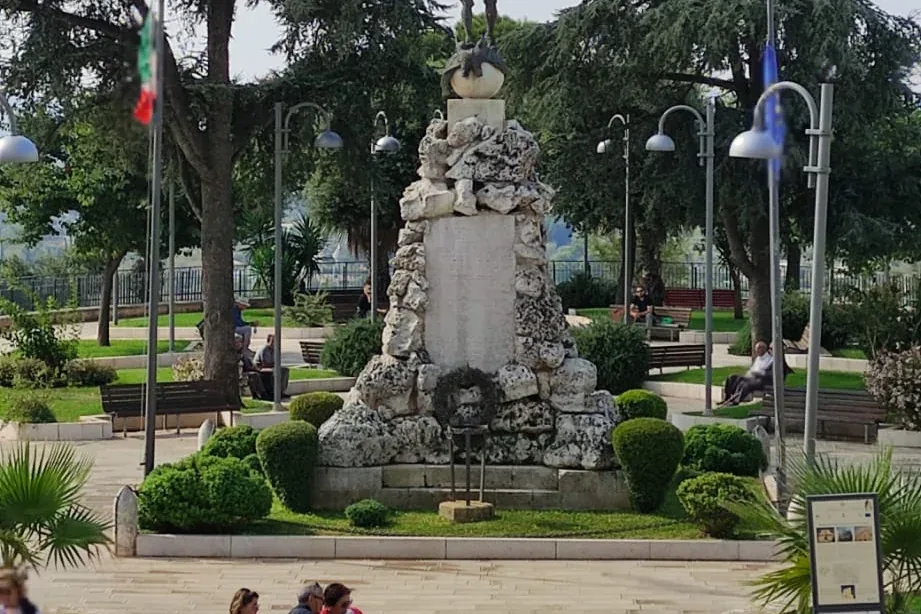
Cisternino
Fornello pronto, bombette and a walk through the town. A white, paved village with the Orange Flag and the mother church of San Nicola di Pàtara.
Read the guide →Photo: Kiuz / Wikimedia Commons — CC BY-SA 4.0 · Resized and converted to WebP.
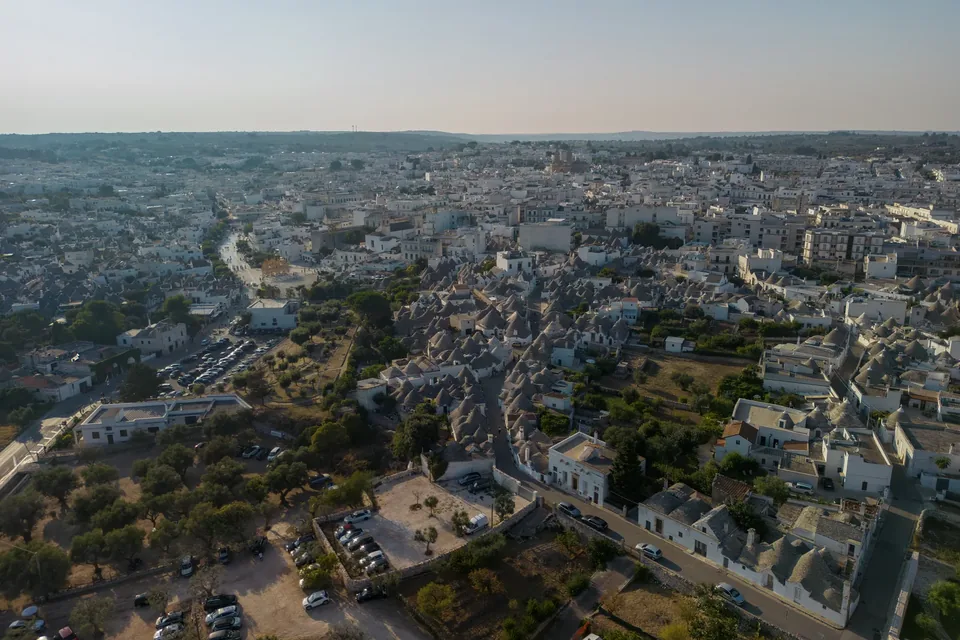
Alberobello
Trulli through their shape, space and everyday use. The Monti and Aia Piccola districts hold more than a thousand trulli, a World Heritage Site since 1996.
Read the guide →Photo: ParisTaras / Wikimedia Commons — CC BY-SA 4.0 · Resized and converted to WebP.
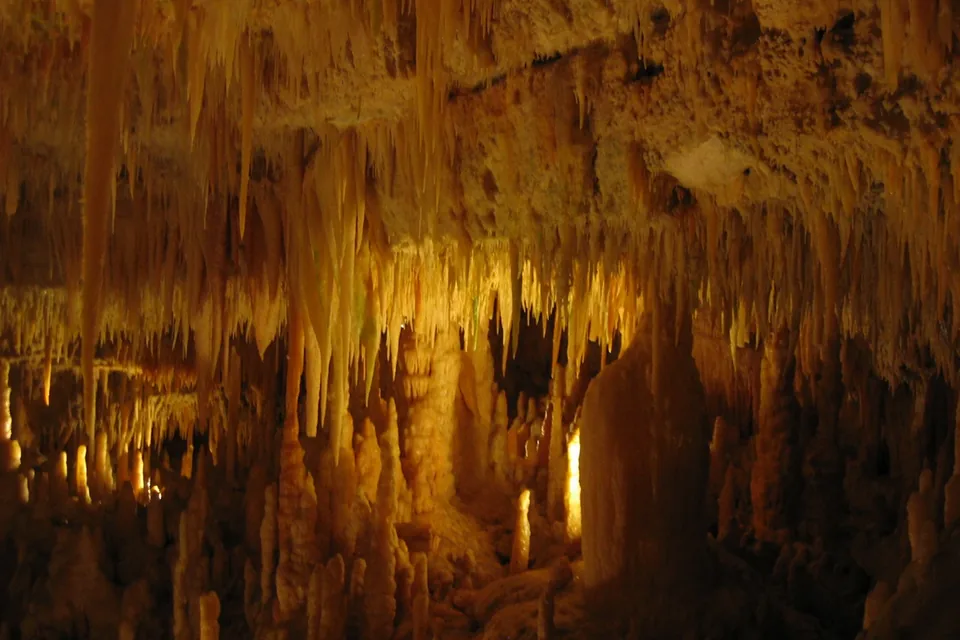
Castellana Grotte
Karst, caves and the town within a journey connected to the Itria Valley.
Read the guide →Photo: ReMagio at Italian Wikipedia / Wikimedia Commons — Public domain · Resized and converted to WebP.
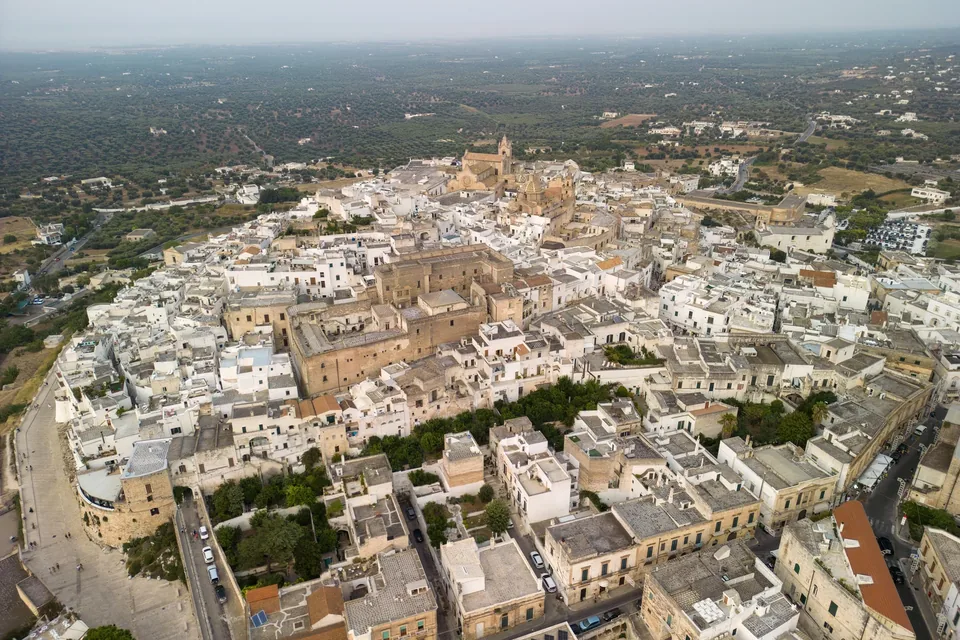
Ostuni
Houses, steps and agricultural landscape within one visit. The White City on three hills, its cathedral, the olive plain and Collina di Brindisi DOP oil.
Read the guide →Photo: ParisTaras / Wikimedia Commons — CC BY 4.0 · Resized and converted to WebP.
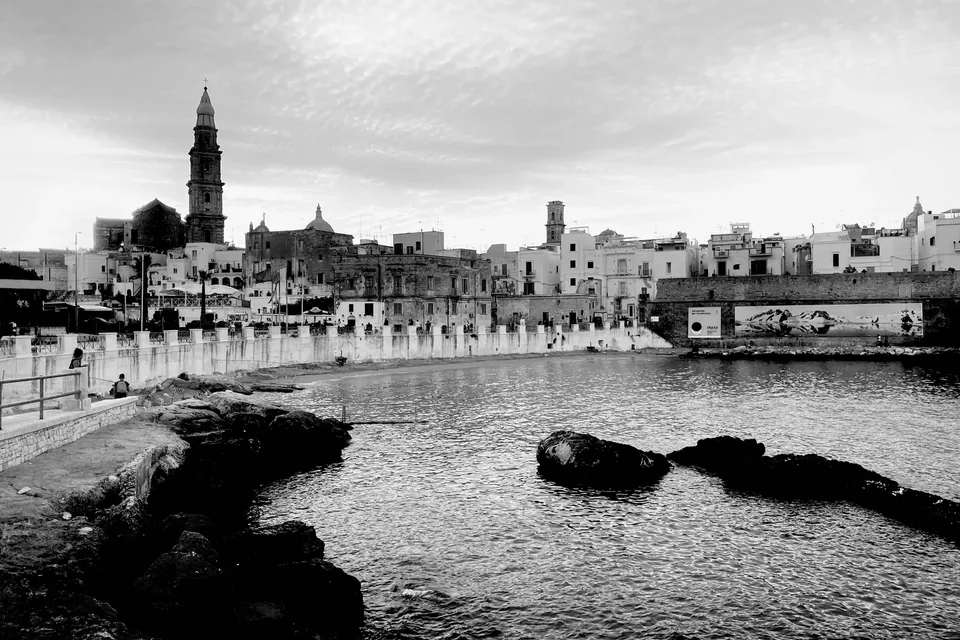
Monopoli
An Adriatic conclusion connected to the rural landscape. A harbour reaching into the old town, the cathedral, rural contrade and ‘mareterra’ cooking.
Read the guide →Photo: RaTio65 / Wikimedia Commons — CC BY-SA 4.0 · Resized and converted to WebP.
“Come to the Itria Valley as a guest, not as a tourist: that is how these places truly let you know them.”