

Pollino
A mountain landscape shared by Calabria and Basilicata, explored through walks, villages and a considered pace.
Read the guide →Photo: Gianni Lupindo / Wikimedia Commons — CC BY-SA 3.0 · Resized and converted to WebP.

APULICA / Calabria
Apulica’s Calabria runs from Pollino to the Sila and down to the Strait of Messina: mountains shared with Basilicata, a plateau of forests and lakes, villages to explore on foot, the Magna Graecia of the museums and a Tyrrhenian coast to enjoy without hurry. The sea closes the journey rather than filling it.
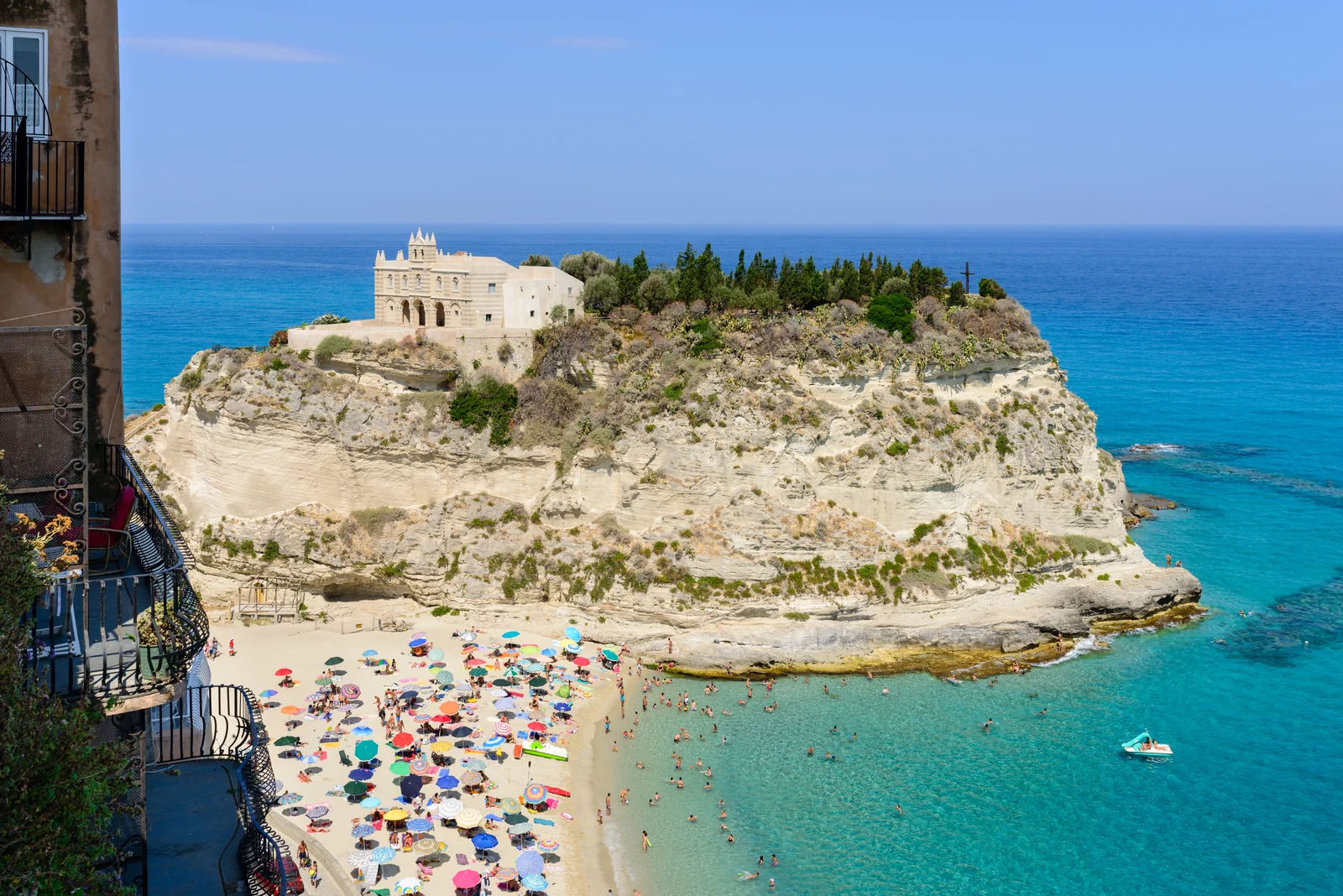
Tropea, the sanctuary of Santa Maria dell'Isola. A contextual photograph of a place connected with this story. · Photo: Norbert Nagel / Wikimedia Commons — CC BY-SA 3.0 · Resized and converted to WebP.
Time outdoors and a town visit have different rhythms: combining them leaves room for walking, architecture, food and conversation. Pollino and the Sila, northern villages such as Civita and Morano, the Costa degli Dei and the Costa Viola offer different threads: choosing a few allows depth rather than treating the region as a list of names.
Pollino National Park, established in 1993, straddles Calabria and Basilicata and brings together the Pollino massif, the Orsomarso mountains and Mount Alpi. The mountains let you read two regions together, following a shared landscape rather than an administrative border.
Sources: Ente Parco Nazionale del Pollino
The National Archaeological Museum of Reggio Calabria documents Magna Graecia, the area colonised by the Greeks from the 8th century BC. Founded in 1882, it holds the two Riace Bronzes, a rare example of 5th-century BC Greek bronze sculpture, along with finds from Locri and other ancient cities of the region.
Sources: Italia.it — Reggio Calabria
Calabria’s UNESCO recognitions include the Codex Purpureus Rossanensis, an illuminated 6th-century Greek gospel book kept in Rossano; the Varia di Palmi, a festival held on the last Sunday of August; and the ancient beech forests of the Valle Infernale in Aspromonte. On the Ionian side of Reggio province, the Calabrian Greek of the Bovesìa survives.
A mountain landscape shared by Calabria and Basilicata, explored through walks, villages and a considered pace.
Read the guide →Photo: Gianni Lupindo / Wikimedia Commons — CC BY-SA 3.0 · Resized and converted to WebP.
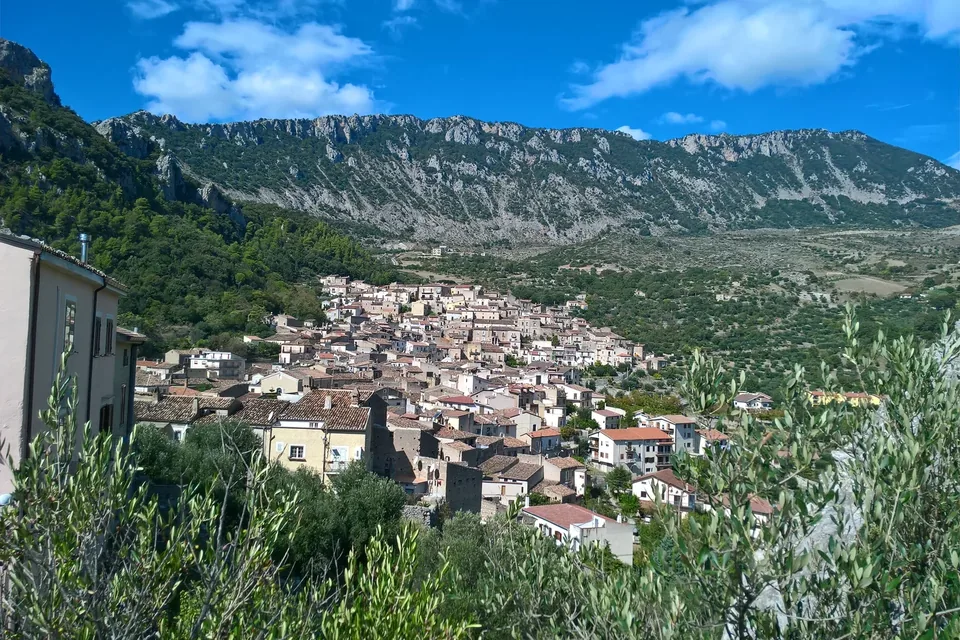
A Pollino village whose architecture and Italo-Albanian culture give the visit a distinct character.
Read the guide →Photo: Asia / Wikimedia Commons — CC BY-SA 4.0 · Resized and converted to WebP.
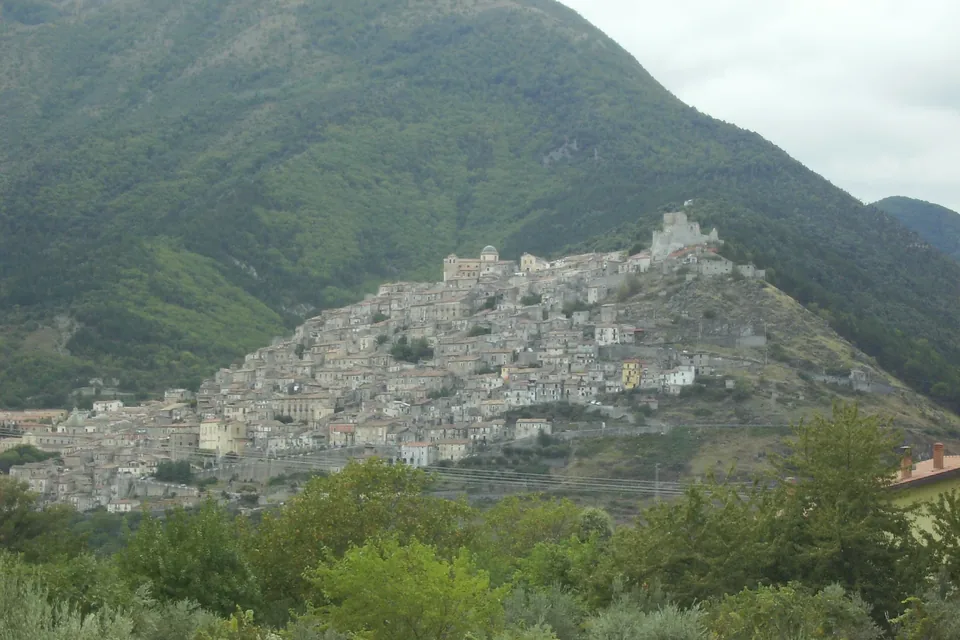
A historic hill town to explore on foot and connect with the Pollino landscape.
Read the guide →Photo: Pigr8 / Wikimedia Commons — Public domain · Resized and converted to WebP.
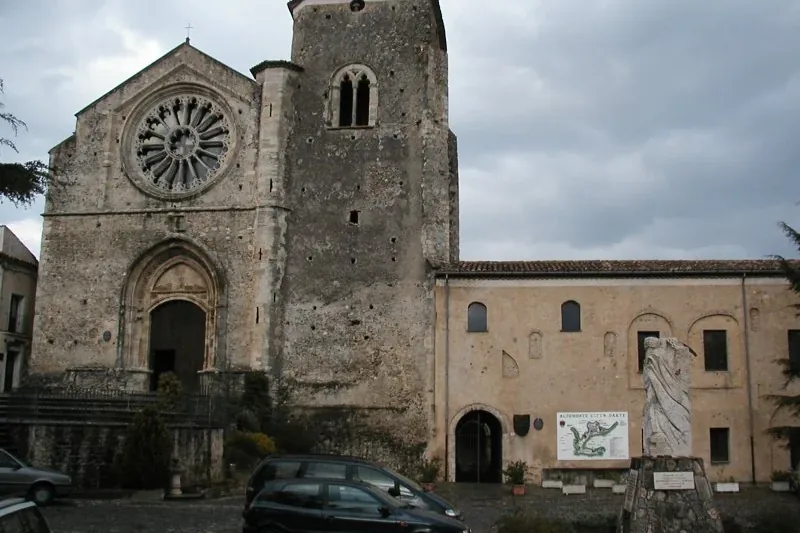
A Northern Calabria village where artistic heritage and bread culture can share a journey.
Read the guide →Photo: EdoM / Wikimedia Commons — CC BY-SA 3.0 · Resized and converted to WebP.
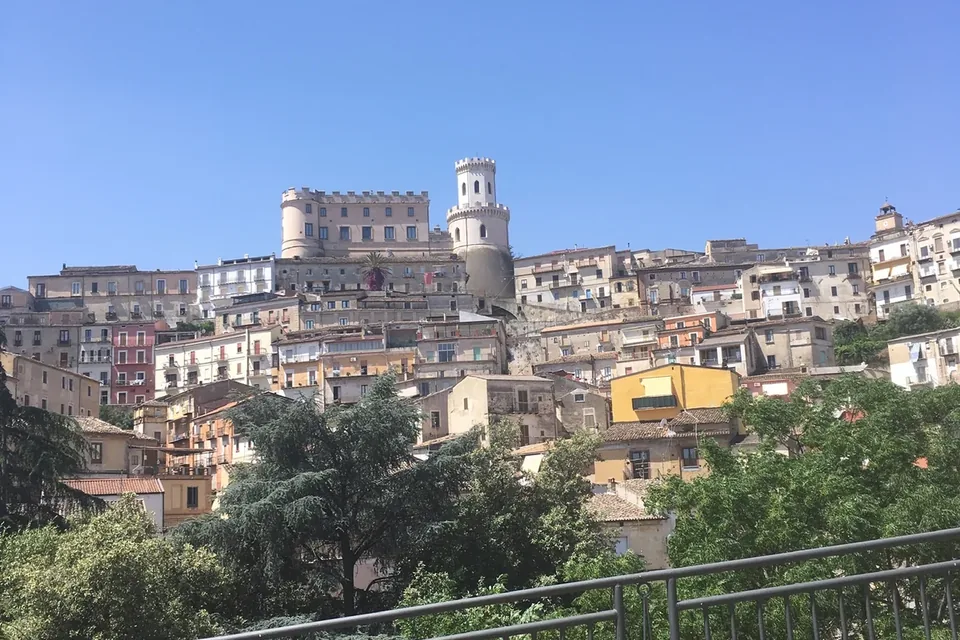
Historic heritage, liquorice and coast: a connection to develop between inland Calabria and the Ionian Sea.
Read the guide →Photo: Marcok/itwiki / Wikimedia Commons — CC BY-SA 4.0 · Resized and converted to WebP.
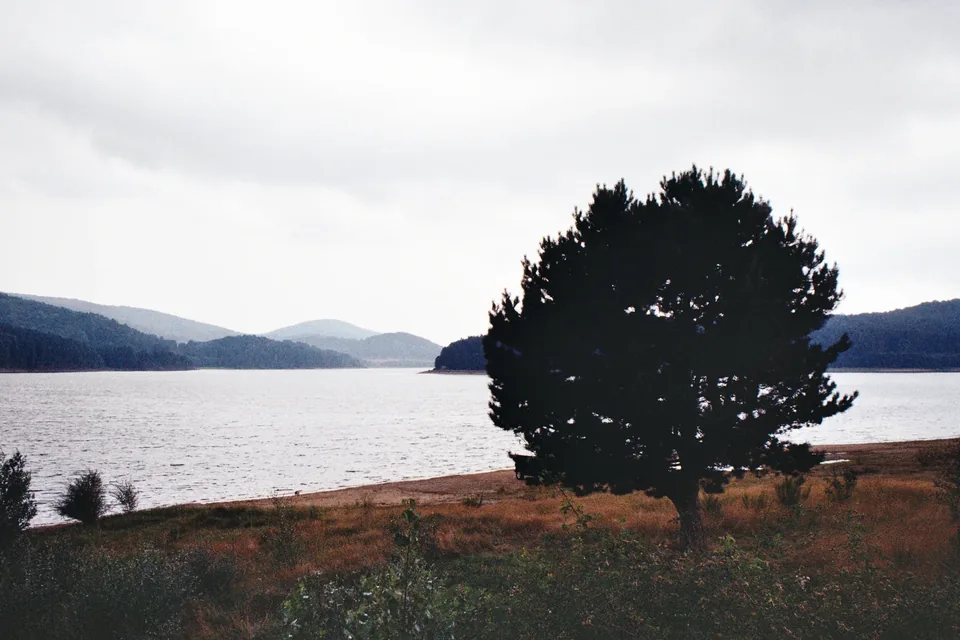
Sila National Park: a plateau of forests, lakes and pastures between Cosenza, Catanzaro and Crotone, and a UNESCO biosphere reserve.
Read the guide →Photo: Ugo Leonetti / Wikimedia Commons — CC BY-SA 4.0 · Resized and converted to WebP.
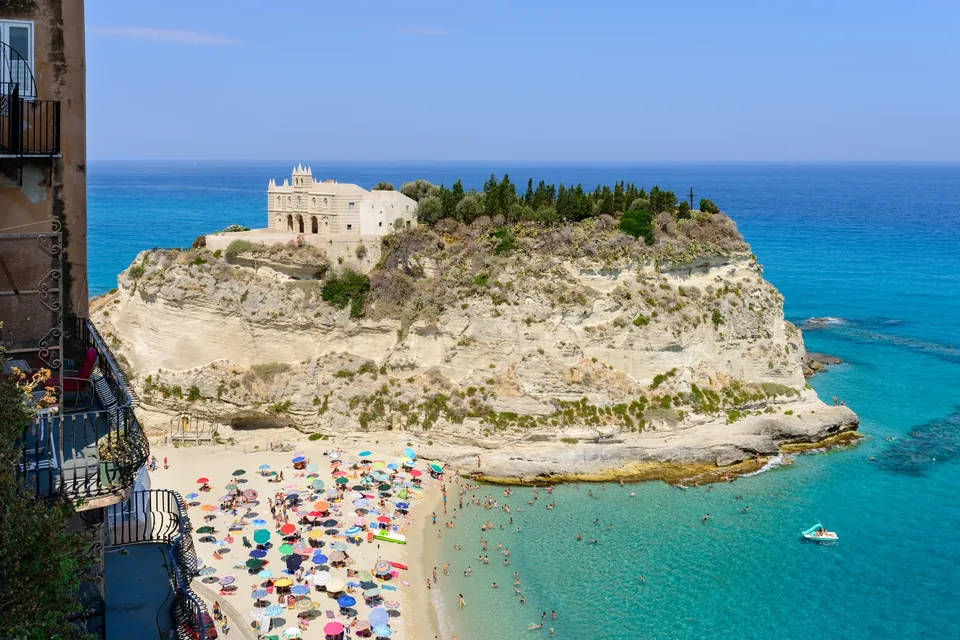
The clifftop town, the Tropea onion and the Capo Vaticano headland along the Costa degli Dei, on Calabria’s Tyrrhenian coast.
Read the guide →Photo: Norbert Nagel / Wikimedia Commons — CC BY-SA 3.0 · Resized and converted to WebP.
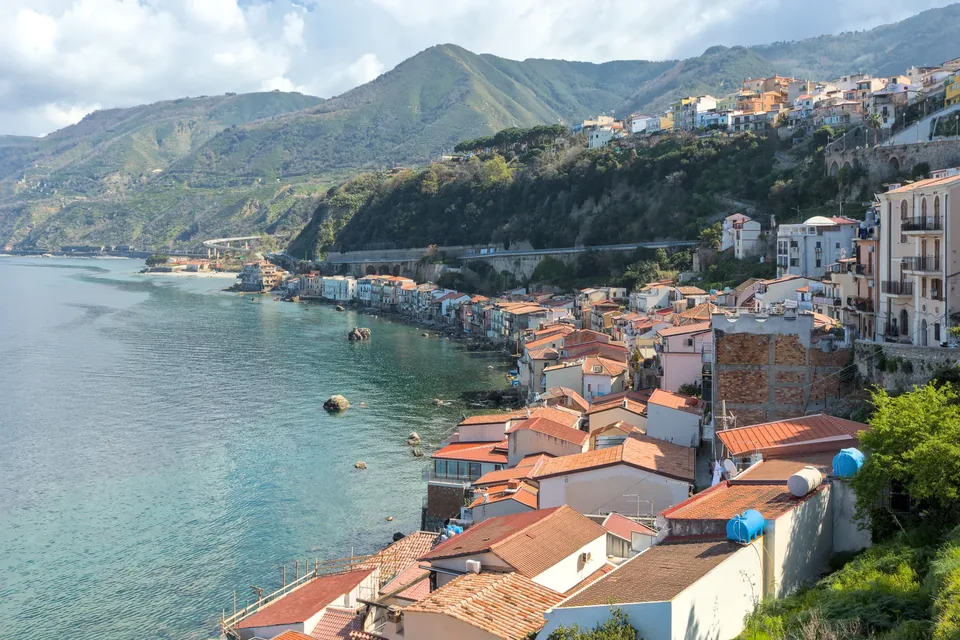
The town of the Homeric myth, the seafaring quarter of Chianalea and the stretch of Costa Viola facing the Strait of Messina.
Read the guide →Photo: Benjamin Smith / Wikimedia Commons — CC BY-SA 4.0 · Resized and converted to WebP.
Lauria (Basilicata); the Calabrian section begins at Rocca Imperiale → Reggio Calabria · Over 1,560 km according to the official site's home page; other pages of the same site say over 1,500 km, while italia.it gives an earlier figure of 1,390 km. · 83 numbered stages on the official site, including variants and "wild" stages; the general introduction on the same page still says 81, and italia.it gives 73.
Calabria, Basilicata
San Marco Argentano (Cosenza) → Monte Sant'Angelo in the Pollino massif, between Castrovillari and Morano Calabro (Calabria); the individual routes end at the sanctuaries of Paola, Paterno Calabro or Corigliano · 318.3 km in all according to the official site, as the sum of its four routes; italia.it instead gives 112 km with three variants, and a press review published by the Ministry of Tourism speaks of over one hundred kilometres. · 15 stages for the whole network: three on the Via del Giovane, three on the Via dell'Eremita, six on the Via dei Monasteri (its own page says six or seven) and three on the Via per la Francia.
Calabria
Reggio Calabria, where the trail returns to the mainland (stage SI U01) → Campotosto in Abruzzo (stage SI P13), from where the national trail continues towards Amatrice and beyond · About 8,000 km for the whole national trail according to the official project page (the FAQ gives 7,900–8,000 km). The CAI does not state the combined length of the sections in these six regions; for Calabria alone italia.it gives 654 km. · For the whole trail the FAQ speaks of more than 500 stages, while the project page mentions almost 400 stage points. The stage-card list shows 120 cards with codes P to U, variants included (R04 is missing). For Calabria italia.it gives 34 stages, while the CAI list has 32 Calabrian cards (U01–U32).
Calabria, Basilicata, Campania, Puglia, Molise, Abruzzo
Gambarie (Santo Stefano in Aspromonte, Reggio Calabria) → Serra San Bruno or Stilo, in the Serre · About 140 km according to the route's own site and italia.it; the Aspromonte National Park Authority's sheet on parks.it gives 120 km from Gambarie to the Serre, and the page on the Park's own site says over 100 km. · 7 stages, the last one splitting towards Bivongi/Stilo or towards Serra San Bruno; the site notes that stages can be split or merged (up to nine at most), and the Park's sheet speaks of six to eight days of walking.
Calabria
Sanctuary · San Luca (Polsi) · Madonna della Montagna
Sanctuary · Paola · San Francesco di Paola
Sanctuary · Tropea · Madonna


_luglio_2021_f01.jpg)

