
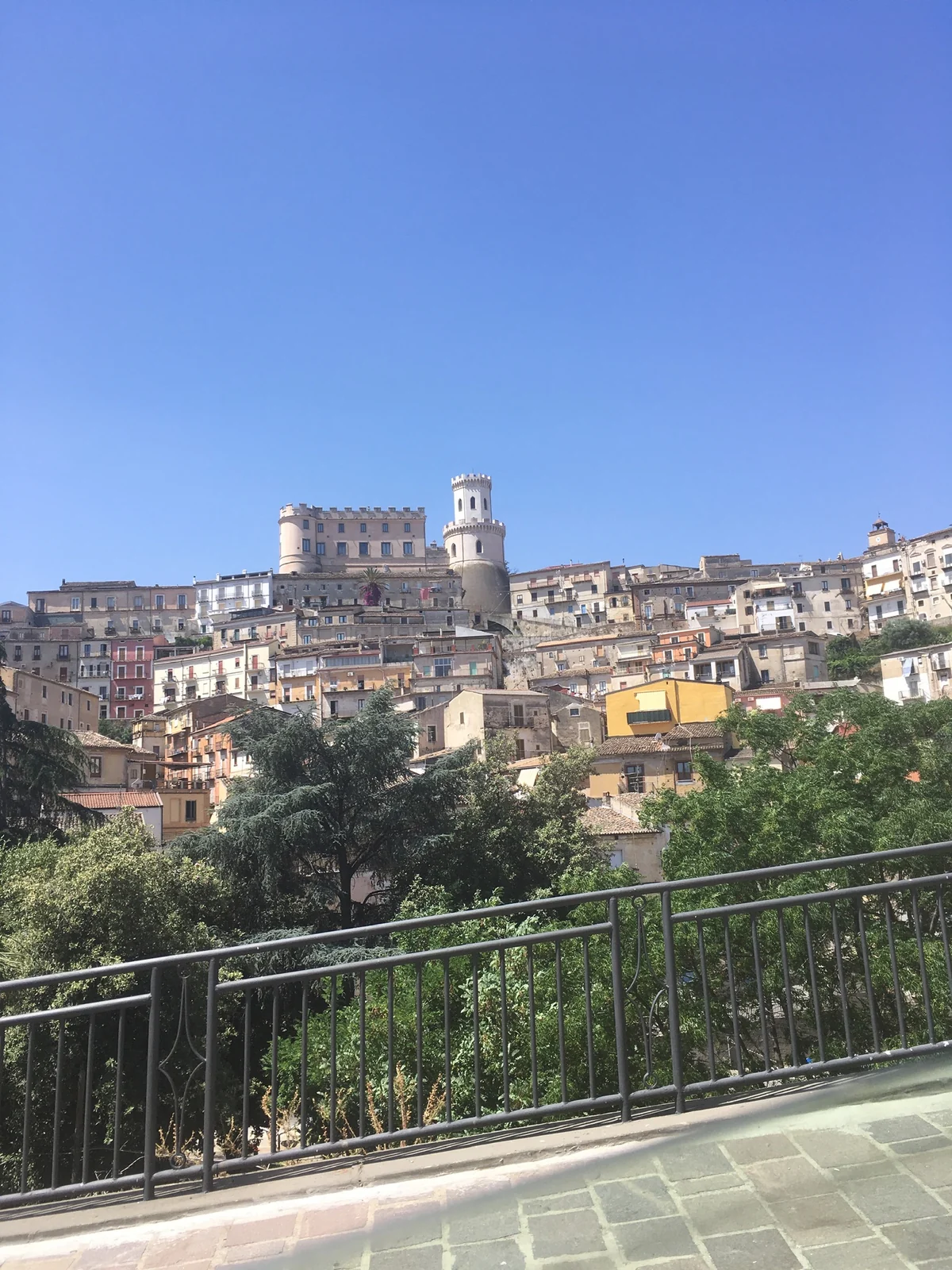
Why go
Corigliano-Rossano is a young municipality, created in 2018 by merging two neighbouring towns of the Upper Ionian coast of Cosenza province, Corigliano Calabro and Rossano. The Region of Calabria's tourism portal places it between the Costa degli Achei and the Sibari Plain, in a landscape rich in scenery and farm produce, and notes that both towns boast the Blue Flag. Behind them rise the Sila mountains, whose national park includes part of the municipal territory.
A journey here can draw on three different registers. The first is Byzantine and Norman art: the ducal castle of Corigliano, the Achiropita cathedral and the Patire abbey in Rossano, and above all the Codex Purpureus Rossanensis, an illuminated Gospel book inscribed by UNESCO in the Memory of the World register. The second is the culture of produce: liquorice, with one of Calabria's most important company museums, and the citrus of the plain. The third is the sea, with the seafront at Schiavonea.
It is not worth reducing the visit to a quick stop. Giving a day to each historic centre and leaving time for the coast lets you grasp the variety of a territory that joins hills, plain and Ionian Sea.
Sources: Regione Calabria — Corigliano-Rossano · Regione Calabria, Calabria Straordinaria — Costa degli Achei · Ente Parco Nazionale della Sila — Il territorio · UNESCO Memory of the World — Codex Purpureus Rossanensis
History
The history of both towns is deeply marked by the Byzantine and Norman periods. The regional portal calls Rossano the "Byzantine capital" of Calabria for its many monuments from that era. The Sila Park Authority recalls that in Byzantine times the plateau and its slopes welcomed Greek-rite monks from the Balkans, Greece and southern Calabria, who founded monasteries such as Santa Maria del Patire near Rossano.
The Patire abbey, or Pathirion, was founded in 1095 by Bartholomew of Simeri. Under the Normans it became one of the most important monasteries in southern Italy, with a rich library and a scriptorium where monks copied ancient manuscripts. The Codex Purpureus Rossanensis belongs to the same Greek cultural tradition: a Gospel book in Greek uncials from the fifth or sixth century containing the Gospels of Matthew and Mark, inscribed by UNESCO in 2015 in the Memory of the World register on Italy's nomination.
Corigliano, for its part, ties its identity to the castle on Serratore hill, built in 1073 at the behest of Robert Guiscard and remodelled over the centuries. In 2018 the administrative history of the two towns merged into a single municipality.
Sources: Regione Calabria, Calabria Straordinaria — Rossano e il Codex Purpureus · Ente Parco Nazionale della Sila — La storia · UNESCO Memory of the World — Codex Purpureus Rossanensis · Regione Calabria, Calabria Straordinaria — Corigliano · Regione Calabria — Corigliano-Rossano
What to see
In Corigliano the ducal castle overlooks the Sibari Plain from Serratore hill. The Region counts it among the best-preserved castles in Calabria: the original core includes the church of San Pietro and the towers, with the round keep and the octagonal belvedere tower, reached by a spiral staircase lined with frescoes; the hall of mirrors is also much admired. In the old town you find the mother church of Santa Maria Maggiore, the collegiate church of San Pietro, the sanctuary of San Francesco di Paola and the civic art gallery.
In Rossano the walk leads to the cathedral of Maria Santissima Achiropita, home to the fresco of the Madonna Achiropita, whose Greek name means "not made by human hands", mosaic floors and a structure decorated with gold and Cypriot stone. The Codex Purpureus is displayed in the diocesan museum named after it: according to UNESCO its purple pages are written in silver and gold inks and accompanied by fourteen miniatures of the life and teaching of Christ.
Outside the centre, in the hills, the abbey of Santa Maria del Patire is described by the Region as a jewel of Calabrian Romanesque-Byzantine architecture.
Sources: Regione Calabria, Calabria Straordinaria — Corigliano · Regione Calabria, Calabria Straordinaria — Costa degli Achei · Regione Calabria, Calabria Straordinaria — Rossano e il Codex Purpureus · UNESCO Memory of the World — Codex Purpureus Rossanensis
Food and wine
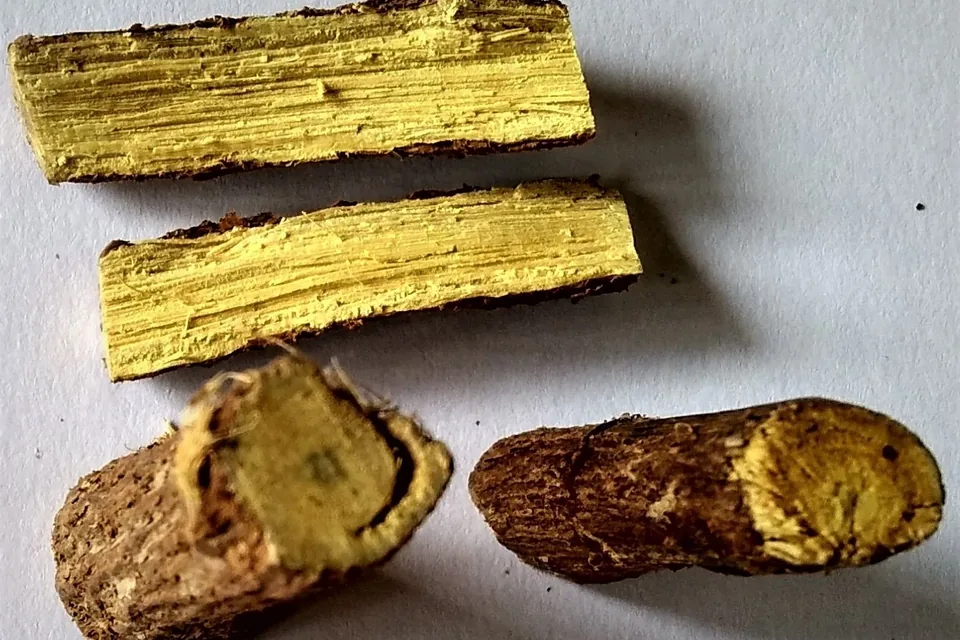
Rossano's emblematic product is liquorice. Liquirizia di Calabria is a Protected Designation of Origin obtained from Glycyrrhiza glabra of the local Cordara variety, cultivated or wild, and sold as fresh root, dried root or extract; according to the specification the plant was already widespread in Calabria in the seventeenth century. The regional portal names Rossano as its historic production and packing centre.
The Giorgio Amarelli Liquorice Museum tells a family story which, the museum says, begins around the year 1000. The route takes in engravings, documents, photographs, farm tools and old clothes, then continues into the eighteenth-century works, where you see roots ready for processing, the boilers where the black paste thickens and the bronze dies that shape it; outside, an open-air area displays vintage industrial machinery. The company's historic archive was declared of particularly important historical interest in 2012.
From the plain come Clementine di Calabria PGI, grown away from mandarins so they stay almost seedless and harvested between October and February, and Sibari rice, which the Region suggests as a risotto, perhaps the black variety with seafood.
Sources: eAmbrosia — Liquirizia di Calabria DOP · Regione Calabria, Calabria Straordinaria — Rossano e il Codex Purpureus · Museo della Liquirizia Giorgio Amarelli — Il museo · eAmbrosia — Clementine di Calabria IGP · Regione Calabria, Calabria Straordinaria — Corigliano
Things to do
A day in Corigliano can follow the Region's suggested route along the Costa degli Achei: the castle and its towers, then the mother church and other churches of the old town, and finally the sea. Schiavonea, Corigliano's seaside district, offers a beach and promenade, along with historic buildings linked to fishing and Mediterranean trade fairs.
In Rossano the theme changes. Spend the morning in the old town, the cathedral and the Codex diocesan museum, and the afternoon on the guided tour of the liquorice museum, which runs in Italian and, according to the museum, also in French, English and German, with other languages on request. The visit ends with a tasting of the product's different forms, from root sticks to flavoured sweets.
Walkers can follow the trail to the sanctuary of San Francesco di Paola, which the Region lists as a pilgrimage destination and a stop on the Franciscan Way in Calabria. For a day in nature, heading up towards the Sila takes you quickly from the sea to the woods of the national park.
Sources: Regione Calabria, Calabria Straordinaria — Costa degli Achei · Regione Calabria, Calabria Straordinaria — Corigliano · Museo della Liquirizia Giorgio Amarelli — Il museo · Ente Parco Nazionale della Sila — Il territorio
When to go
Corigliano-Rossano suits trips in every season, as long as you choose the right register. Summer is the season for the sea: the beaches of the Costa degli Achei fly the Blue Flag, and Schiavonea with its promenade is the place for mixing culture and swimming. In the hottest hours, keep indoor visits such as museums and churches.
Autumn and winter are citrus time: Clementine di Calabria are picked between October and February, and the plain's mild climate ripens them as early as the beginning of October. It is also when the historic centres, with cooler temperatures, are more pleasant to walk. Liquorice, according to the specification, is harvested in every month of the year, and museum visits are always guided.
Spring combines the advantages of both seasons: mild days for climbing to castles and abbeys, and the chance of a first walk on the coast. Dates of religious feasts and town events vary from year to year and should be checked with the municipality or the diocese.
Sources: Regione Calabria — Corigliano-Rossano · Regione Calabria, Calabria Straordinaria — Corigliano · eAmbrosia — Clementine di Calabria IGP · eAmbrosia — Liquirizia di Calabria DOP · Museo della Liquirizia Giorgio Amarelli — Il museo
Getting there and around
The municipality is served by the Ionian railway: Italy's rail infrastructure manager RFI lists both Corigliano Calabro and Rossano among its stations, and the Sibari junction lies a little to the north. The liquorice museum stands on the SS106 in the Amarelli district of Rossano, so it is easy to reach from the coast.
For air travellers, the Sila Park Authority gives Lamezia Terme as the airport closest to the plateau and also mentions Crotone. The same authority notes that from the Ionian side you reach the Sila via the SS107 or, on inland roads, the SS177, useful if you want to combine coast and mountains in one trip.
Once there, the two historic centres, the seaside district of Schiavonea and the Patire abbey are some distance apart: a car is the most flexible way to get around, while the old towns are explored on foot, with climbs and steps. Ferrovie della Calabria and other operators run buses between the region's towns, but check services before setting out.
Sources: RFI — Stazione di Corigliano Calabro · RFI — Stazione di Rossano · Museo della Liquirizia Giorgio Amarelli — Il museo · Ente Parco Nazionale della Sila — Come arrivare · Ferrovie della Calabria — trasporto pubblico regionale
Nearby
Corigliano-Rossano is one of the nineteen municipalities of Sila National Park, and the mountains are close. The plateau offers forests of Calabrian pine, the large lakes of Cecita, Arvo and Ampollino and a slow way of travelling on foot, horseback or bike. Towards Longobucco and the villages of the Sila Greca, the Park points to craft traditions such as hand weaving.
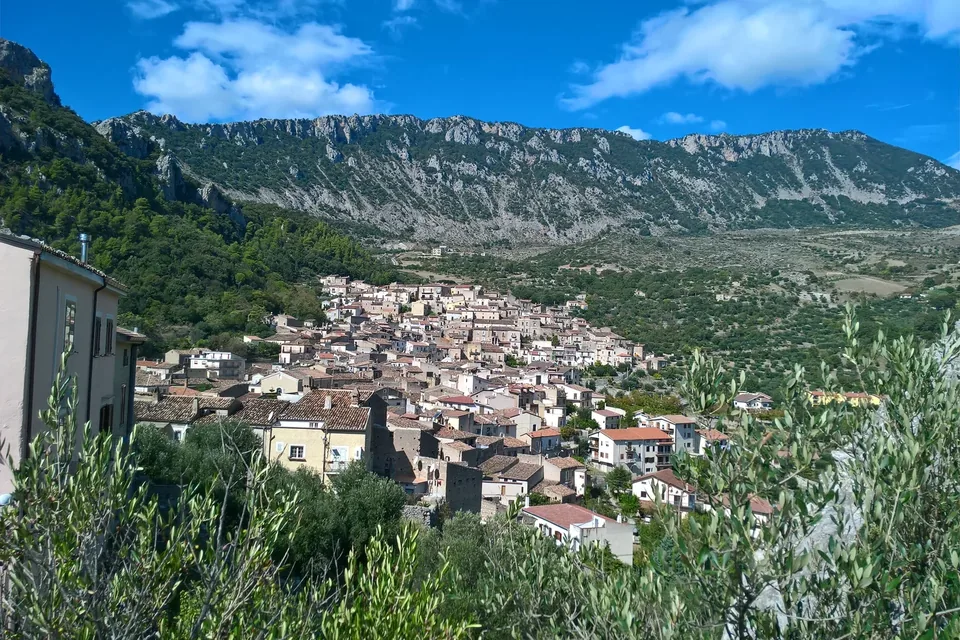
To the north lies the Sibari Plain, land of citrus and rice, and beyond it the villages of Pollino. Civita, an Arbëreshë community overlooking the Raganello gorges, shows how quickly the landscape changes a short way from the coast. Further west, Altomonte continues the theme of art in the villages of Cosenza province.
Along the coast, the Region's Costa degli Achei itinerary carries on to other towns of the Ionian coast, alternating villages, castles and sea. With more days you can build a route linking the Codex and the Patire with the abbeys and places of Joachim of Fiore in the Sila, following the monastic thread that shaped this part of Calabria.
Sources: Ente Parco Nazionale della Sila — Il territorio · Ente Parco Nazionale della Sila — Musei e tradizioni · Regione Calabria, Calabria Straordinaria — Costa degli Achei · Ente Parco Nazionale della Sila — Itinerari storico-religiosi · Regione Calabria — Corigliano-Rossano
Where to stay
In the municipality of Corigliano-Rossano the national database of the Ministry of Tourism lists 273 accommodation businesses with a verified CIN code: 18 hotels, 81 other licensed accommodation and 174 other types such as B&Bs and private rentals.
Sources: Ministero del Turismo – Banca Dati Strutture Ricettive (dashboard pubblica), 2026-10-12
YOUR JOURNEY
How to shape a journey here
An Ionian conclusion combining heritage, liquorice and sea. Visits and services are defined for the individual journey.
Talk to us about it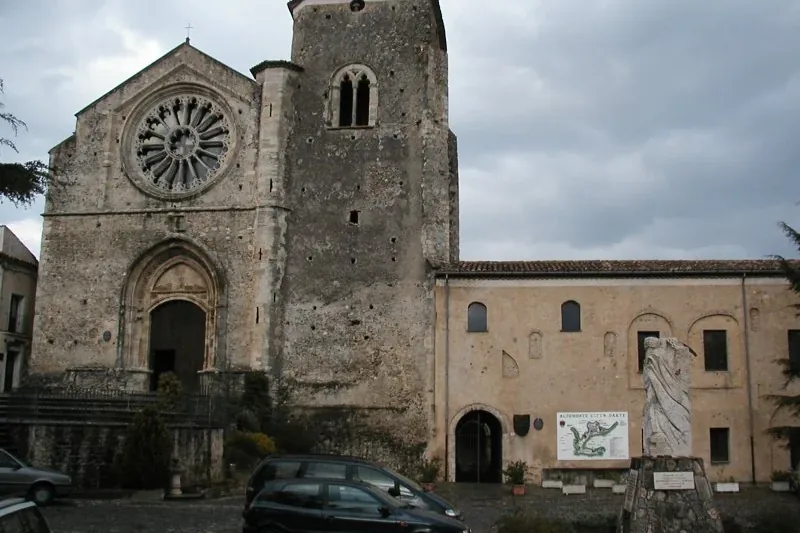
_luglio_2021_f01.jpg)


