
Why go
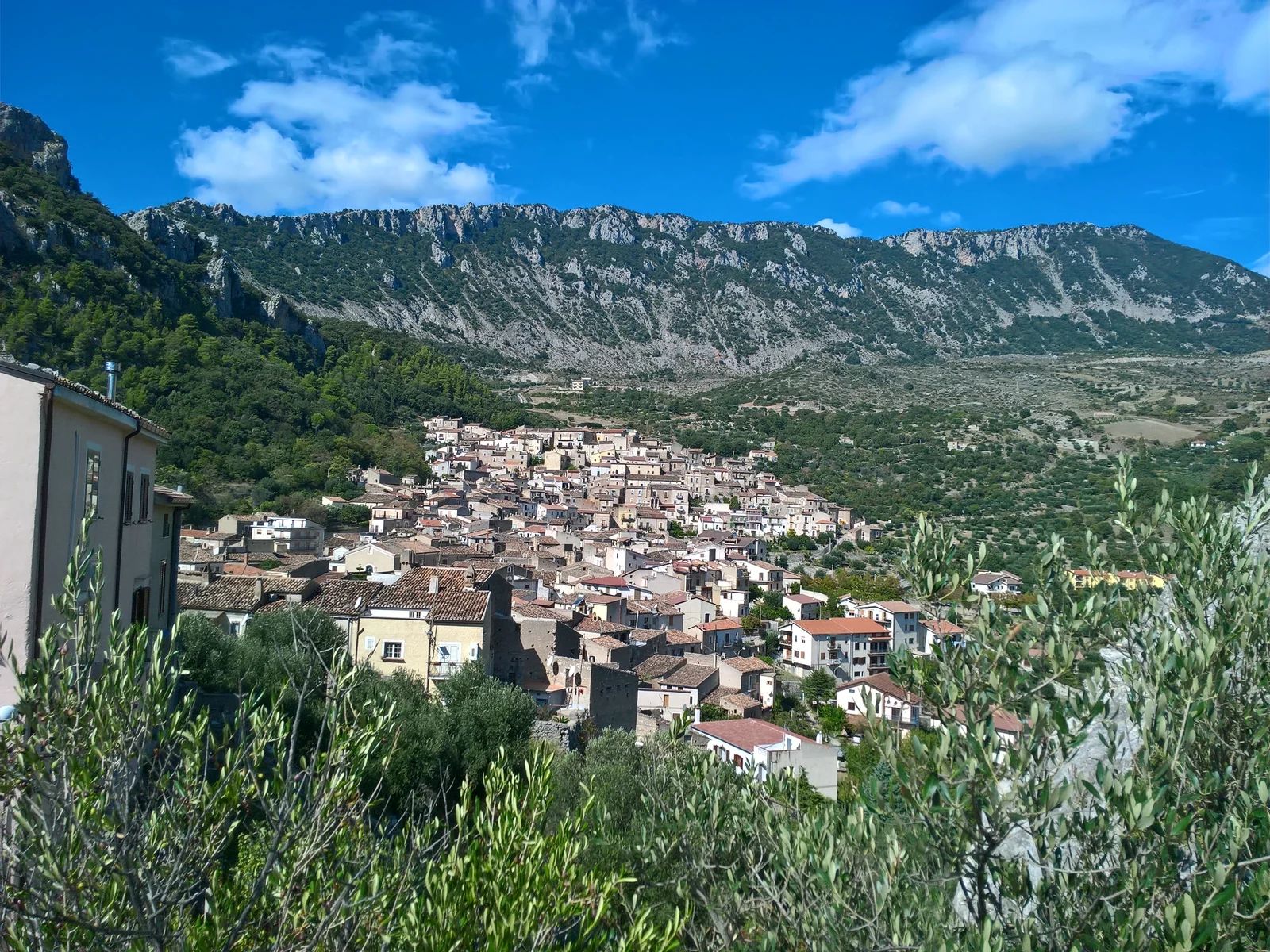
Civita, Çifti in Arbëresh, is a stone village at about 450 metres, inside Pollino National Park and the Raganello Gorge Nature Reserve. Italy's national tourism portal lists it among the Most Beautiful Villages in Italy and the Orange Flag towns, and also calls it "the village of the Devil's Bridge", after the medieval bridge spanning the stream.
The main reason to come is to meet an Italo-Albanian community that, as the municipality itself states, keeps its language, religious rite and traditional dress. You notice it in the streets: two-storey stone houses, small squares, carved chimneys and the façades of the so-called Kodra houses, which look like human faces. Social life revolves around the gjitonia, the neighbourhood, built on mutual help.
The second reason is the landscape. Civita overlooks a deeply cut river valley, with rock walls more than a hundred metres high, running down towards the Sibari plain. Culture and nature sit a few steps apart here, and a well-planned visit leaves time for both.
Sources: Italia.it — Civita · Comune di Civita — Il Municipio · Comune di Civita — La valle del Raganello
History
According to Italia.it, the village was founded around the year 1000 by people from Cassano all'Ionio fleeing Saracen raids, on the site of the old settlement of Castrum Sancti Salvatoris. After the 1465 earthquake it was abandoned and, around 1471, resettled by refugees from southern Albania, who gave it its present name.
That arrival was part of a wider movement. The Pollino Park Authority notes that between 1470 and 1540, after the death of George Castriot Skanderbeg, several Albanian groups settled in the Calabrian-Lucanian area to escape the Ottoman advance, founding or repopulating villages such as Acquaformosa, Frascineto, Lungro, Plataci, San Basile, San Costantino Albanese and San Paolo Albanese. Their parishes still follow the Byzantine-Greek rite and belong to the Eparchy of Lungro, established in 1919.
Civita's churches tell the same story. The chapel of Sant'Antonio has the date 1532 on its bell and is thought to have been built by the first refugees; the church of Santa Maria Assunta, raised in the seventeenth century on the main square, replaced its Latin altar in 1988 with an iconostasis of walnut and olive wood, crowned by twelve icons painted in 1992.
Sources: Italia.it — Civita, museo e architettura · Italia.it — Civita · Ente Parco Nazionale del Pollino — Comunità arbëreshë · Comune di Civita — Cappella di Sant'Antonio · Comune di Civita — Chiesa di Santa Maria Assunta
What to see
A visit can start from the square, which the municipality calls the village's living room and agora. Here stands the church of Santa Maria Assunta, basilica-shaped with late Baroque decoration: inside are the iconostasis, icons along the aisles, mosaics, a small mosaic of the Virgin Hodegetria, an eighteenth-century organ and four nineteenth-century frescoes by Giovanni Capaccio. The square bell tower holds three bells and a mechanical clock from 1896.
From there, climb through the old town following the route of chimneys and Kodra houses, named after the Albanian painter Ibrahim Kodra: small houses whose little windows, flue and chimney are arranged to suggest a face. Tradition held that decorated chimneys kept bad luck away. In the upper part of the village is the chapel of the Consolazione, with a restored late seventeenth-century Neapolitan painting.
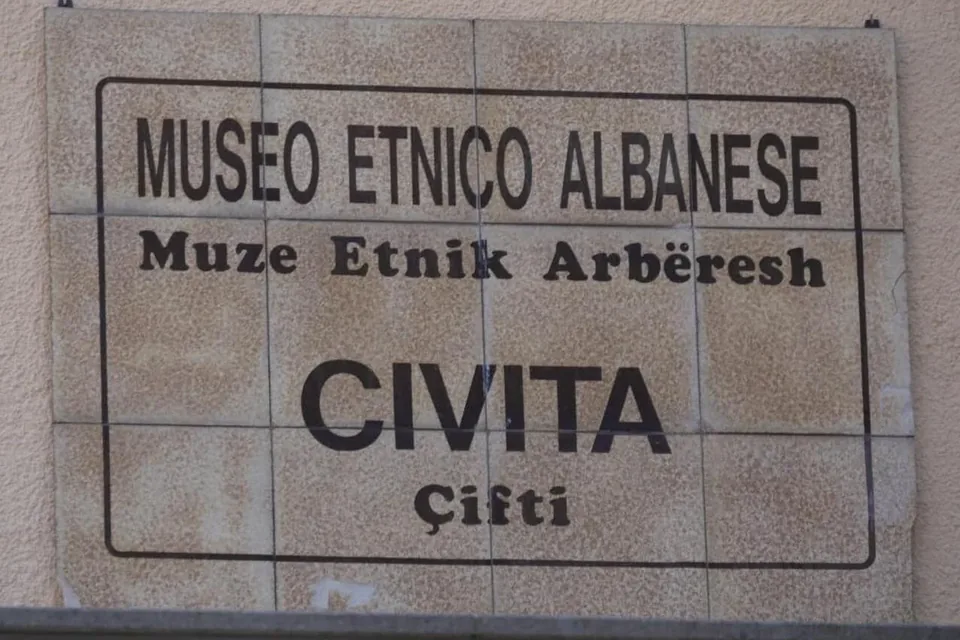
The Ethnic Museum of Arbëreshë Culture, which the Park Authority mentions together with the one in San Paolo Albanese, keeps traditional objects, tools and costumes. Outside the village, the Devil's Bridge crosses the Raganello with a single hump-backed arch about thirty-six metres long, the subject of many legends.
Sources: Comune di Civita — Chiesa di Santa Maria Assunta · Italia.it — Civita · Italia.it — Civita, museo e architettura · Comune di Civita — Cappella della Consolazione · Ente Parco Nazionale del Pollino — Comunità arbëreshë
Food and wine
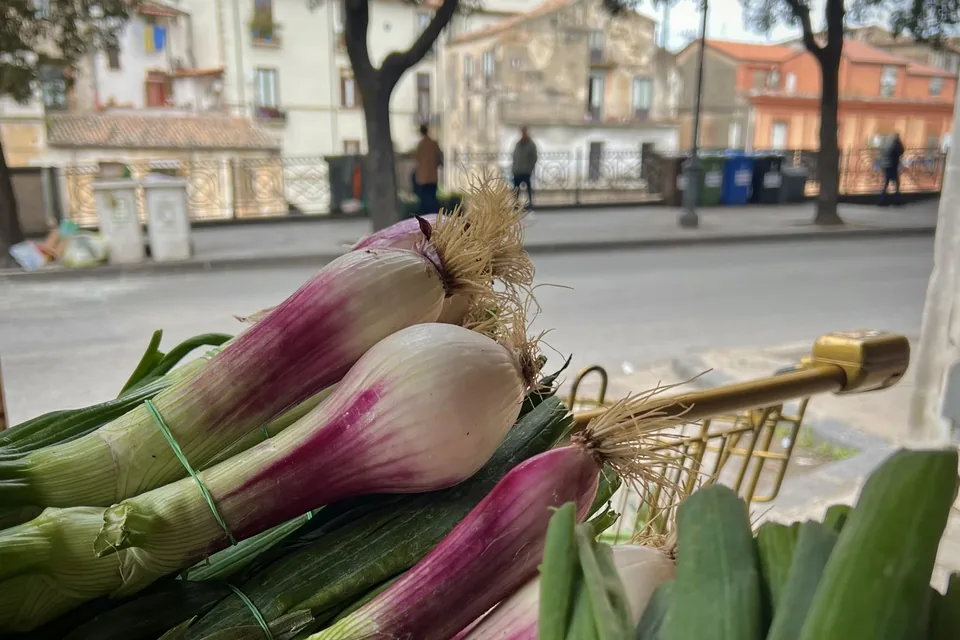
Civita's cooking belongs to the Calabrian side of Pollino, which the Park Authority describes as organised into dairy, vegetable, cured meat and baked goods chains. Small dairies on this side make baked ricotta: dry-salted, baked in terracotta or ceramic moulds and aged from a few weeks up to six months, with an intense, lingering flavour. Alongside it is hard pecorino from sheep and goat milk.
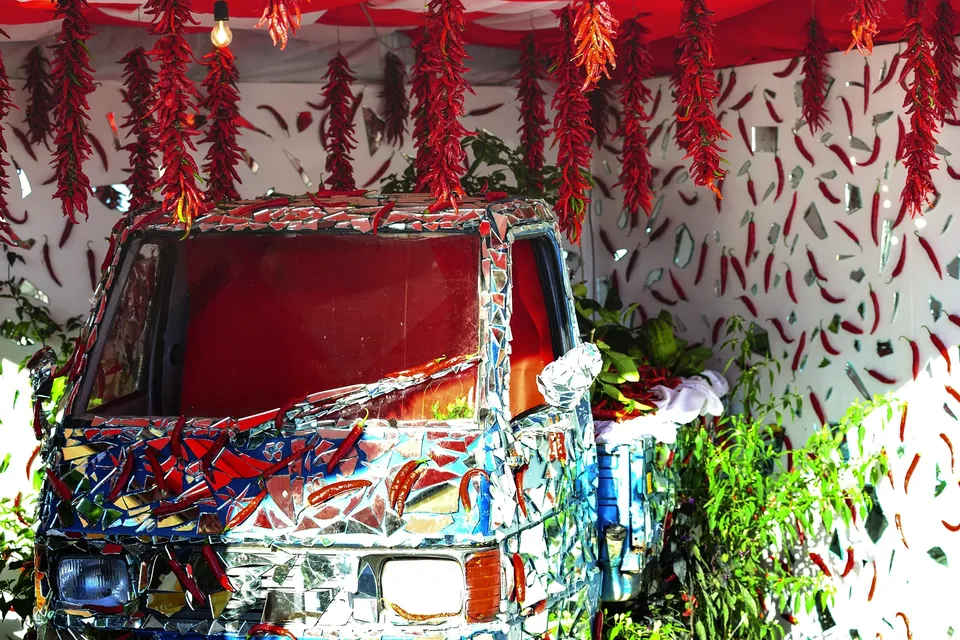
Among cured meats, the Calabrian version of soppressata takes its colour and character from red pepper, sweet or hot; sausage is seasoned with wild fennel seeds. A few kilometres away, Cerchiara di Calabria is known for a bread of sourdough, flour and bran baked in a wood oven, which the Park names as the area's best-known baked product.
The Park also lists taralli, freselle and the sweet Easter bread called piccidat, common across the area, and Moscato al governo di Saracena among local specialities. At the table in Civita, it is worth asking for the Arbëresh names of dishes and the occasions they belonged to: language is as much part of the food as the ingredients.
Things to do
The Raganello valley is one of Pollino's most dramatic settings. The municipality describes it as a classic river valley with sheer walls more than a hundred metres high, rugged in its upper reaches and wider towards its mouth on the Ionian Sea, where oleanders colour the riverbed in summer. The Raganello Gorge Biogenetic Nature Reserve, established in 1987, covers about 1,600 hectares and protects Bosnian pine, Calabrian pine, Turkey oak and downy oak on the rocks, with wildlife including wildcat, pine marten, golden eagle, peregrine falcon, eagle owl, Egyptian vulture and griffon vulture.
That makes the valley good for birdwatching, which the municipality specifically recommends. From the village you can look down into the gorge and walk to the Devil's Bridge; Italia.it also mentions the nature route through the lower gorge, whose shape recalls Dante's circles of hell. Trips inside the gorge depend on water levels and weather: they should only be made with qualified guides, such as the Park's official ones.
If you prefer culture, spend time in the ethnic museum and the Byzantine-rite churches, and learn the meaning of the name Raganello, which the municipality traces either to a Greek word for cliff or to a dialect word for a stream that sweeps everything downhill.
Sources: Comune di Civita — La valle del Raganello · Comune di Civita — Riserva naturale biogenetica Gole del Raganello · Italia.it — Civita, museo e architettura · Comune di Civita — Raganello, etimologia di un nome · Ente Parco Nazionale del Pollino — Info point e guide ufficiali
When to go
Civita can be visited in any season, and the year has its significant moments. For Pollino's Arbëreshë communities, the Park Authority notes, the most important religious occasion of the Byzantine rite is Easter: a time when liturgy, songs and traditions take centre stage. On 13 June, according to the municipality, Mass is celebrated in the chapel of Sant'Antonio for the saint's feast.
Summer is when the Raganello valley shows its riverbed blooming with oleanders, as the municipality describes, and when the Park runs its seasonal info points across the territory; in the hottest hours, though, enjoy the village and keep walks for morning or late afternoon. Spring and autumn suit birdwatching and walks around the village, with milder temperatures.
Winter is quieter, but the village, with its churches and museum, can still be visited. In any case, trips into the gorge depend on stream conditions, and festival dates should be checked each year with the municipality.
Sources: Ente Parco Nazionale del Pollino — Comunità arbëreshë · Comune di Civita — Cappella di Sant'Antonio · Comune di Civita — La valle del Raganello · Ente Parco Nazionale del Pollino — Infopoint 2026
Getting there and around
Civita lies on the Ionian side of Pollino, in the province of Cosenza. Among the rail hubs the Park Authority lists for reaching the protected area, the closest to this side are Sibari and Trebisacce on the Ionian line; from there you continue on local buses, run in Calabria by Trasporti Nord Calabria. The Calabrian airport given by the Park is Lamezia Terme; for those coming from the north, it also lists Naples and Bari airports.
By car you arrive from the A2 Mediterranean motorway, which within the Park has exits including Frascineto and Castrovillari, or from the SS106 Ionian road, connected to the SS534 linking Sibari and Castrovillari. The final roads up to the village cross hilly and mountainous country and are best driven calmly.
Once there, Civita is explored on foot: the old town is compact, and the viewpoints over the gorge and the Devil's Bridge are reachable from the village. The Town Hall, on Piazza Municipio, is the institutional point of reference for information about the village.
Sources: Ente Parco Nazionale del Pollino — Come raggiungerci · Comune di Civita — Il Municipio
Nearby
Civita is one of the eight Arbëreshë communities the Park Authority lists within Pollino. The nearest, such as Frascineto and San Basile, and then Lungro, seat of the Eparchy, let you go deeper into the Byzantine-Greek rite and the language; San Paolo Albanese, on the Lucanian side, has another museum of Arbëreshë culture. Some villages, the Park notes, still weave broom fibre using methods handed down in families.
Towards the mountains, Morano Calabro offers a hill town and Franciscan heritage, while Pollino itself, with its high plains and UNESCO beech forests, is within a day's hike. To the south-east, the Park points to the sanctuary of the Madonna delle Armi near Cerchiara di Calabria, built against a rock face, and the archaeological sites of Francavilla Marittima.
Following the Raganello to its mouth brings you to the Sibari plain and the Ionian Sea, and from there to Corigliano-Rossano, with its historic centres and the Codex Purpureus. It is a good way to combine mountains, communities and sea in a few days.
Sources: Ente Parco Nazionale del Pollino — Comunità arbëreshë · Ente Parco Nazionale del Pollino — Origini e storia moderna · Comune di Civita — La valle del Raganello · Ente Parco Nazionale del Pollino — Faggete patrimonio UNESCO
Where to stay
In the municipality of Civita the national database of the Ministry of Tourism lists 20 accommodation businesses with a verified CIN code: 0 hotels, 12 other licensed accommodation and 8 other types such as B&Bs and private rentals.
Sources: Ministero del Turismo – Banca Dati Strutture Ricettive (dashboard pubblica), 2026-10-12
YOUR JOURNEY
How to shape a journey here
Arbëreshë culture and the Pollino landscape. Visits and activities are agreed for the period and group.
Talk to us about it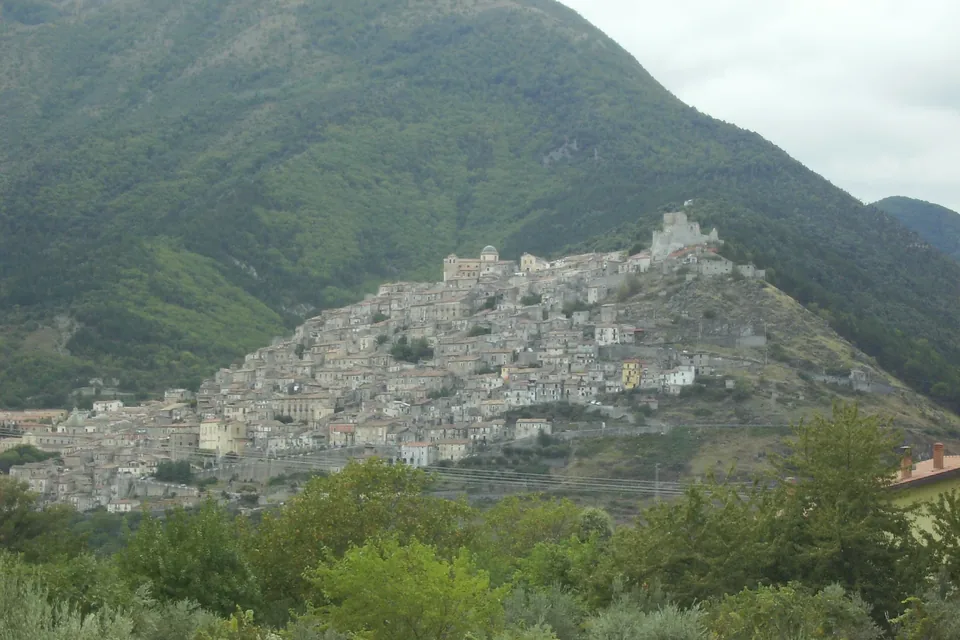



.jpg)

