APULICA / Food guides
Terre di Cosenza and Donnici: Magliocco and old grapes on the Savuto and Crati hills
The province of Cosenza has a heritage of old grape varieties little known outside Calabria: Magliocco, Greco nero, Mantonico, Guarnaccia, Pecorello. Since 2011 a single designation, the Terre di Cosenza DOC, has brought them together, from the Ionian and Tyrrhenian coasts to the first slopes of the Sila, with seven subzones reflecting different landscapes. One of the best known is Donnici, on the hills south of Cosenza city, where Magliocco gives structured reds. This guide explains the DOC rules, the grapes, the styles of the Donnici subzone, the history of Cosenza wine and how to visit wineries at a gentle pace.
One DOC for the whole province
The specification published by the Ministry of Agriculture states that the Terre di Cosenza DOC was approved by decree on 18 October 2011, published in the Official Gazette on 3 November 2011, and amended several times up to the update published in the EU Official Journal in 2019. According to Qualigeo the production area covers the entire province of Cosenza. Types are numerous: white, red including riserva, rosé, sparkling, passito, late harvest and novello, plus varietal wines including Magliocco, Greco bianco, Guarnaccia bianca, Malvasia bianca, Mantonico, Pecorello, Gaglioppo, Greco nero, Aglianico and Calabrese. The designation may carry seven subzones: Condoleo, Donnici, Esaro, Pollino, San Vito di Luzzi, Colline del Crati and Verbicaro. It appears among Calabria's designations in the ministry's list of PDO wines.
Sources: Masaf — Elenchi e disciplinari vini (disciplinare DOC Terre di Cosenza e allegato sottozona Donnici) · Qualigeo — Terre di Cosenza DOP · Masaf — Elenco alfabetico dei vini DOP italiani
The grapes: Magliocco and company
The star of the reds is Magliocco, which the specification also calls Magliocco dolce, Arvino, Mantonico nero, Lacrima or Guarnaccia nera: Terre di Cosenza red needs at least 60 per cent, the varietal wine at least 85. For whites, according to Qualigeo, Greco bianco, Guarnaccia bianca, Pecorello and Montonico, locally called Mantonico, must together make up at least 60 per cent; Mantonico is also the base for sparkling wines. Rosé is based on Greco nero, Magliocco, Gaglioppo, Aglianico and Calabrese. Qualigeo describes the white as straw-yellow with intense floral aromas and a soft, fresh palate, and the red as ruby, with notes of berries and red fruit, acacia and candied citrus, savoury and long. Riserva requires 24 months' ageing from 1 November of the harvest year.
Sources: Masaf — Elenchi e disciplinari vini (disciplinare DOC Terre di Cosenza e allegato sottozona Donnici) · Qualigeo — Terre di Cosenza DOP
The Donnici subzone
The specification's annex for Donnici defines an area covering the municipalities of Aprigliano, Cellara, Cosenza, Dipignano, Figline Vegliaturo, Mangone, Paterno Calabro, Pedace, Piane Crati and Pietrafitta, excluding valley floors and vineyards above 800 metres. The wines are white, also passito and late harvest; red, also passito, late harvest, riserva and novello; rosé; and Magliocco, also riserva. Donnici red and rosé come from at least 60 per cent Magliocco and at least 10 per cent Greco nero; the white from at least 50 per cent Mantonico, with Greco bianco, Malvasia and Pecorello. Tendone-trained vineyards and those in particularly damp areas are excluded; new plantings need at least 2,500 vines per hectare and Magliocco yields may not exceed 7 tonnes.
Sources: Masaf — Elenchi e disciplinari vini (disciplinare DOC Terre di Cosenza e allegato sottozona Donnici)
Donnici styles in the glass
The specification describes the subzone's wines precisely. Donnici white is white with yellow or greenish glints, fresh and vinous on the nose, dry, full and sometimes fruity. The white passito ranges from deep straw to gold, sometimes amber, and is sweet, fine and delicate, at least 16 per cent alcohol. Donnici red ranges from ruby to cherry; it may be called riserva after two years' ageing from 1 November of the harvest year, at least six months in wooden casks and six in bottle, and can also be novello. Donnici Magliocco is more or less deep ruby, with a complex nose and a full, dry, balanced palate, at least 13.5 per cent; if aged in wood it may show a slight woody note. For a first tasting, comparing a young red with a Magliocco riserva is the most instructive.
Sources: Masaf — Elenchi e disciplinari vini (disciplinare DOC Terre di Cosenza e allegato sottozona Donnici)
A story of rediscovered grapes
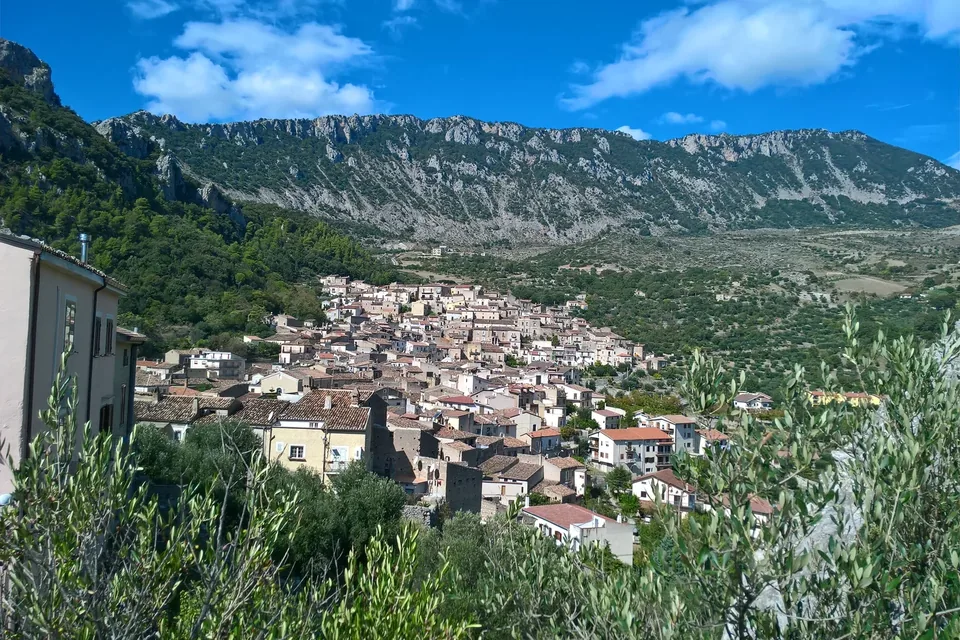
The specification's section on the link with the territory describes an area stretching from the Ionian and Tyrrhenian coasts, through the hilly interior, to the first slopes of the Sila, with rain concentrated in autumn and winter and a sub-humid climate with slight summer water shortage. The text recounts that long work has made it possible to recover the old grape varieties of the Cosenza area, a territory once famed for wines reserved for the tables of local nobility, and to identify the zones best suited by exposure and soil. As early as the 16th century and throughout the modern era, the specification continues, wine was described as a hallmark of a Calabria felix, prosperous and fertile. Italia.it recalls that Calabria was anciently called Enotria, land of wine.
Sources: Masaf — Elenchi e disciplinari vini (disciplinare DOC Terre di Cosenza e allegato sottozona Donnici) · Italia.it — Enotour in Calabria
Old Cosenza and the wine hills
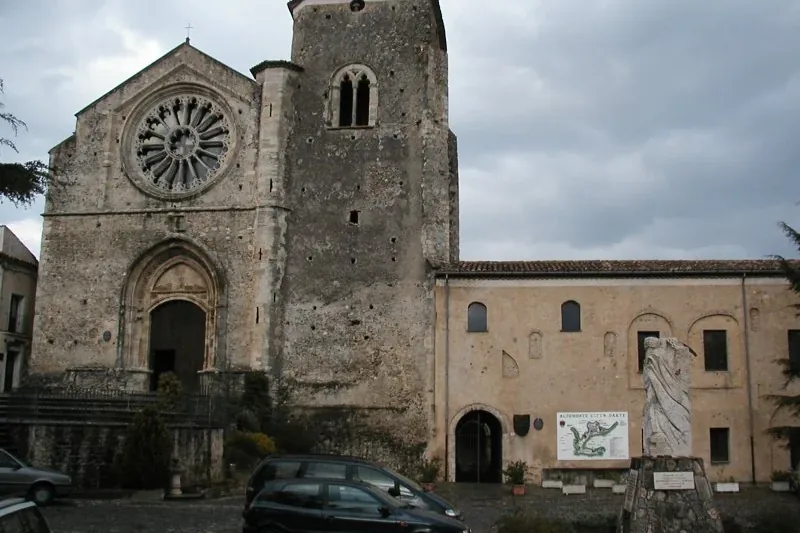
Donnici is a few kilometres from the city, so pairing wineries with a visit to Cosenza comes naturally. Italia.it describes the old city crowned by the Norman castle on Pancrazio hill, the church of San Francesco d'Assisi, houses with pergola-like outdoor stairs and the Cistercian Gothic cathedral with Isabella of Aragon's tomb; in the new city, along corso Mazzini, the Bilotti open-air museum displays sculptures by artists such as Modigliani, Dalí and De Chirico. In its Calabrian chilli itinerary, italia.it names Donnici among the area's red wines, together with Pollino and Savuto, today respectively a subzone of the Terre di Cosenza DOC and a separate designation. Italia.it also lists Magliocco and Gaglioppo among Calabria's valued grapes, alongside Greco and Zibibbo.
Sources: Italia.it — Cosenza · Italia.it — La terra del peperoncino (vini rossi Donnici, Pollino, Savuto) · Italia.it — Calabria, gastronomia e prodotti tipici · Masaf — Elenco alfabetico dei vini DOP italiani
The wine and food route
The Cosenza Chamber of Commerce supports the Association Strada del vino e dei sapori delle Terre di Calabria, provincia di Cosenza, a territorial marketing project involving protection consortia, public and private bodies, local and coastal action groups, farmers' organisations, cooperatives, businesses and tourism operators. According to the Chamber's page, the association presents the countryside as a tourist destination, with its basket of products, monuments, environment, landscape, culture and traditions, and works with PDO and PGI consortia to promote local products. The specification names the same Chamber of Commerce as the public authority that checks compliance with the Terre di Cosenza DOC rules each year. For travellers it is a useful reference for finding their way among the province's wineries and products.
Sources: Camera di Commercio di Cosenza — Strada del vino e dei sapori · Masaf — Elenchi e disciplinari vini (disciplinare DOC Terre di Cosenza e allegato sottozona Donnici)
Visiting wineries and pairing
Wineries in Donnici and the Cosenza area are often small and family-run: visits and tastings must be arranged in advance with operators, especially in September and October, when vineyard work comes first. Spring and early autumn offer the best days for touring the hills. At the table, a young Donnici red goes well with Calabrian cured meats, pasta with meat sauce and Sila cooking with mushrooms and potatoes; a Magliocco riserva stands up to grilled meat and aged cheeses such as caciocavallo silano; a Mantonico-based white suits Tyrrhenian fish and vegetables; the passito pairs with Cosenza dried figs. Reading the designation, subzone and grape on the label helps you understand what you are buying. Avoid driving after tastings.
A thread for your journey
Journey idea: a morning in Cosenza between the old town, the cathedral and corso Mazzini, then an afternoon on the Donnici hills, around Aprigliano, Pietrafitta and Piane Crati, with a tasting arranged with operators comparing a young red and a Magliocco riserva; the next day the climb towards the Sila.
Talk to us