
Why go
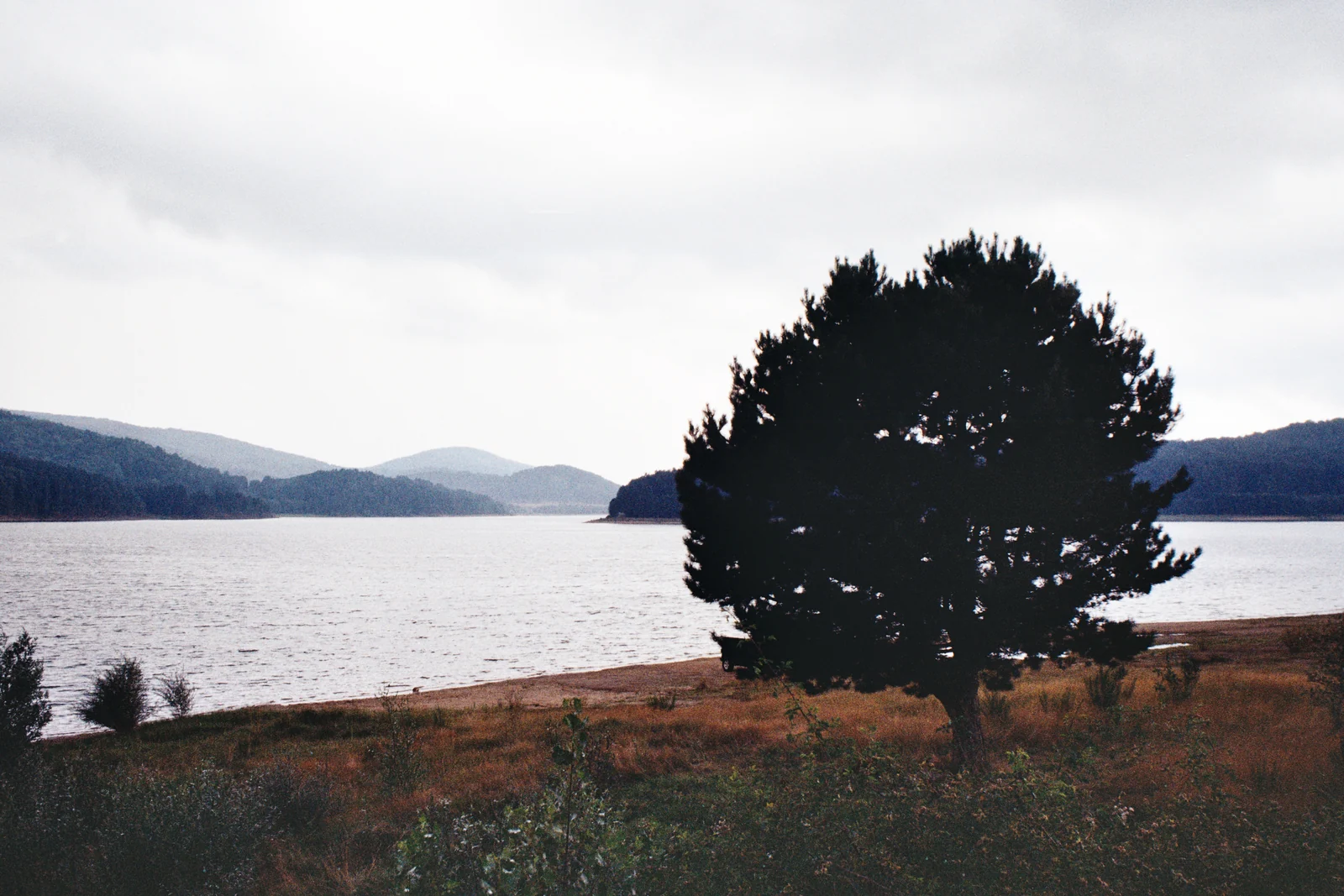
The Sila is a broad upland in the middle of Calabria, made up of Sila Grande, Sila Greca and Sila Piccola. The National Park protecting its core covers 73,695 hectares across nineteen municipalities in the provinces of Cosenza, Catanzaro and Crotone, and the Park Authority describes it as the largest plateau in Europe. Its nickname, "Italy's Great Forest", is earned: woods and old forests cover roughly eighty per cent of the protected area.
Visitors find a gentle landscape of open uplands, pastures, lakes and pine woods rather than ridges and rock faces. That shape is what makes it so approachable: the Park points out that most of the territory can be explored on foot, on horseback or by bike, and in winter snow opens the season for cross-country skiing and snowshoeing.
The Sila therefore suits a slow trip built around a few well-chosen elements: a trail through Calabrian pine forest, a lakeshore, a village with craft workshops and perhaps a stretch on the historic train. You do not need to be a mountaineer, only to give time to a forest that the Park itself presents as one of its greatest assets.
Sources: Ente Parco Nazionale della Sila — Il territorio · Italia.it — Parco Nazionale della Sila
History
The Park Authority dates the earliest human traces to at least 3500 BC: on the southern shore of Lake Cecita, a modern reservoir, archaeologists found a Neolithic village whose inhabitants worked obsidian brought from the Aeolian Islands. In antiquity the forest supplied timber and pitch for Mediterranean shipbuilding, and tradition linked the plateau with Silvanus, god of the woods.
In the Byzantine period the Sila sheltered communities of Greek-rite monks, who founded monasteries such as Santa Maria del Patire near Rossano. Normans, Swabians, Angevins, Aragonese and Bourbons followed, centuries also marked by war, earthquakes and brigandage. Joachim of Fiore, monk and tireless walker, belongs to this story: the Park suggests a route linking San Giovanni in Fiore, Jure Vetere, the Sambucina abbey and his birthplace at Celico.
Protection has a long history too. As early as 1923 the deputy Antonino Anile called for a national park centred on the Sila; the Calabria National Park was created in 1968 and later absorbed into the new Sila National Park, made definitive by the decree of 14 November 2002. In 2014 UNESCO recognised the Sila as Italy's tenth Biosphere Reserve under the MAB programme.
Sources: Ente Parco Nazionale della Sila — La storia · Ente Parco Nazionale della Sila — Itinerari storico-religiosi · Ente Parco Nazionale della Sila — L’area MAB
What to see
Three large reservoirs, Cecita, Arvo and Ampollino, break up the forest; the Park also points to smaller waters such as Ariamacina, home to a nature oasis, and Passante. The highest summits are Botte Donato in Sila Grande and Gariglione in Sila Piccola. Calabrian black pine, the laricio, dominates many forests, joined by beech, silver fir, oak and chestnut depending on the slope.
Two visitor centres help you read the landscape. Cupone, on Lake Cecita in the municipality of Spezzano della Sila, grew out of a state sawmill and now combines nature trails, wildlife hides, a museum, a geological garden and a botanical garden designed to be accessible to blind visitors. The Antonio Garcea centre, near Villaggio Mancuso in the municipality of Taverna, lies within a biogenetic reserve of laricio pine.
Near Croce di Magara, the Giants of the Sila are a five-hectare stand of laricio pines and sycamore maples up to forty-five metres tall, planted in the seventeenth century and now entrusted to FAI together with the nearby Casino Mollo; FAI has announced a temporary closure for works, so check before going. In the villages, the rural life museums and the ethnographic museum of San Giovanni in Fiore deserve a visit.
Sources: Ente Parco Nazionale della Sila — Il territorio · Ente Parco Nazionale della Sila — Centro Visita Cupone · Ente Parco Nazionale della Sila — Centro Visita Garcea · FAI — Giganti della Sila e Casino Mollo · Ente Parco Nazionale della Sila — Musei e tradizioni
Food and wine
Sila cooking grows out of mountain farming that the Park Authority describes precisely: cereals such as wheat and oats, orchards of pears, apples and sour cherries, and vegetables led by the potato. Patata della Sila is now a Protected Geographical Indication, grown in the plateau's municipalities in the provinces of Cosenza and Catanzaro; strong day-night temperature swings slow its growth and give a tuber rich in dry matter.
Livestock farming gives Caciocavallo Silano, a stretched-curd cow's milk cheese protected as a PDO, mild when young and more assertive with age. The forest adds its share: chestnuts, once smoked, dried and threaded into strings, along with blackberries, raspberries and wild strawberries turned into preserves.
Mushrooms deserve a mention of their own. The Park notes that gathering and preserving them supports the local economy and has given rise to many village festivals. In autumn a dish of Sila mushrooms beside a plateau potato and a slice of caciocavallo explains the territory better than many words.
Sources: Ente Parco Nazionale della Sila — Attività produttive · eAmbrosia — Patata della Sila IGP · eAmbrosia — Caciocavallo Silano DOP
Things to do
The Park's list of activities is wide: hiking, horse riding and mountain biking, orienteering, birdwatching and nature photography, sailing and canoeing on the larger lakes, cross-country and downhill skiing in winter. Italia.it mentions old Sila paths dotted with springs, mills and abbeys, and horseback routes past the Giants and the old drove roads. The Park also proposes a long trek along the transhumance trails in the heart of the former Calabria National Park.
The Sila Train offers another way across the landscape. The narrow-gauge railway was built between 1916 and 1956 on the Cosenza–Catanzaro and Cosenza–San Giovanni in Fiore lines; Ferrovie della Calabria now runs restored steam locomotives with vintage carriages. The tourist section links Camigliatello Silano with San Nicola–Silvana Mansio, home to a narrow-gauge station above 1,400 metres; services run in scheduled periods, so check the official site.
If material culture appeals, follow the workshops: the Park mentions the rugs of San Giovanni in Fiore and Longobucco, the filigree of San Giovanni's goldsmiths and Longobucco's hand weaving with its traditional patterns.
Sources: Ente Parco Nazionale della Sila — Treno a vapore della Sila · Italia.it — Parco Nazionale della Sila · Treno della Sila — sito ufficiale · Ente Parco Nazionale della Sila — Musei e tradizioni · Ente Parco Nazionale della Sila — Attività produttive
When to go
The Sila changes with the seasons, and each has its reasons. In winter, when snow falls, Italia.it and the Park point to cross-country and downhill skiing and snowshoeing: the season of quiet woods, away from crowded ski slopes. According to the Park, the Sila Train has historically also run services to the ski areas.
In summer the lakes take centre stage, with sailing, canoeing and boards on the reservoirs, while the trails offer shade under the pines. It is also the period when, the Park notes, several bus services climb daily from both the Ionian and the Tyrrhenian coasts.
Autumn belongs to the forest: chestnuts and mushrooms, with the village festivals the Park lists as part of the local economy, and the historic Lost Steps trail, which the Park places in October. Spring, with green pastures and more active wildlife, suits birdwatching and horse rides. Festival dates change every year and should be checked with the municipalities.
Sources: Italia.it — Parco Nazionale della Sila · Ente Parco Nazionale della Sila — Treno a vapore della Sila · Ente Parco Nazionale della Sila — Come arrivare · Ente Parco Nazionale della Sila — Attività produttive · Ente Parco Nazionale della Sila — Itinerari storico-religiosi
Getting there and around
The Park sits in the centre of the region. According to the Park Authority, rail travellers on the national network can use Paola, Lamezia Terme, Catanzaro and Crotone as reference stations before continuing to the plateau. The nearest airport given by the Park is Lamezia Terme; Crotone airport is also an option.
By road the main axis is the A2 motorway, with exits at Cosenza, Rogliano, Altilia-Grimaldi and Lamezia Terme. Inside the Park runs the SS107 Silana-Crotonese, roughly equidistant from Sila Grande, Greca and Piccola; the SS109 skirts the southern edge, while other provincial and state roads lead deep into the protected area.
Without a car, the Park points to scheduled buses, some run by Ferrovie della Calabria, the regional public transport company whose trains and buses serve more than two hundred Calabrian municipalities; in summer there are more services to the Sila. Day to day on the plateau, however, a car remains the most flexible way to link villages, lakes and trailheads.
Sources: Ente Parco Nazionale della Sila — Come arrivare · Ferrovie della Calabria — trasporto pubblico regionale
Where to stay
The list of facilities published by the Park Authority shows how varied hospitality on the plateau is. There are hotels, bed and breakfasts, campsites, holiday houses, residences and holiday villages, and for meals agriturismi and mountain refuges. Recurring locations include Camigliatello Silano, Lorica on Lake Arvo, Villaggio Mancuso and Villaggio Palumbo in Sila Piccola, Taverna, Longobucco, San Giovanni in Fiore, Cotronei and the smaller villages around.
The choice of base depends on the kind of trip. Camigliatello is the natural stop for the historic train and for Lake Cecita with the Cupone visitor centre; Lorica faces the Arvo and Sila Grande; the Sila Piccola villages are handy for the Villaggio Mancuso reserve and the Garcea centre. If you want to stay close to the land, an agriturismo is a good choice, where meals often follow what the farm produces.
For walkers, the Park also lists mountain refuges such as Casello Margherita, starting point of the historic Lost Steps route. Booking ahead is wise in the snow season and in high summer, when the plateau welcomes more visitors.
Sources: Ente Parco Nazionale della Sila — Dove dormire · Ente Parco Nazionale della Sila — Centro Visita Cupone · Ente Parco Nazionale della Sila — Centro Visita Garcea · Ente Parco Nazionale della Sila — Itinerari storico-religiosi
Nearby
The Sila MAB Biosphere Reserve reaches far beyond the park: about 355,000 hectares and sixty-six municipalities, from the mountains down to the sea. It is an invitation to leave the plateau and follow the historic ties linking it with the coasts. To the north-east, Corigliano-Rossano preserves the monastery of Santa Maria del Patire, which the Park cites among the Byzantine foundations of the Greek monks, and takes the journey down to the Ionian Sea.
The Joachim of Fiore route offers another thread: from San Giovanni in Fiore to Jure Vetere, Capalbo, the Sambucina and his birthplace at Celico, a day of abbeys, hermitages and places of prayer. In the villages on the Catanzaro side, such as Taverna, Albi and Zagarise, the Park lists museums and traditions, while Longobucco is known for textiles.
Further north, Pollino offers another great protected landscape between Calabria and Basilicata. Combining the Sila and Pollino in one trip means crossing two very different mountains: the first of open uplands and pine forest, the second of ridges and border woodland.
Sources: Ente Parco Nazionale della Sila — L’area MAB · Ente Parco Nazionale della Sila — La storia · Ente Parco Nazionale della Sila — Itinerari storico-religiosi · Ente Parco Nazionale della Sila — Musei e tradizioni
Local tourist information
Local tourist offices help with opening times, events and transport on the day.
- Centro Visita Cupone — Parco Nazionale della Sila · Località Cupone, lago Cecita, Spezzano della Sila (CS) · +39 0984 76760 · Official website
Source: Ente Parco Nazionale della Sila — Centro Visita Cupone · checked on - Ente Parco Nazionale della Sila — sede · Via della Transumanza 1, 87055 Lorica di San Giovanni in Fiore (CS) · +39 0984 537109 · protocollo@parcosila.it · Official website
Source: Ente Parco Nazionale della Sila — Contatti · checked on
Where to stay
In the municipality of Spezzano della Sila the national database of the Ministry of Tourism lists 102 accommodation businesses with a verified CIN code: 8 hotels, 16 other licensed accommodation and 78 other types such as B&Bs and private rentals.
Sources: Ministero del Turismo – Banca Dati Strutture Ricettive (dashboard pubblica), 2026-10-12
YOUR JOURNEY
How to shape a journey here
Three days in a plateau village: a forest trail, a lake and, when running, the Sila Train. Guides, train services and accommodation to be arranged with local operators.
Talk to us about it


_luglio_2021_f01.jpg)
