
APULICA / FRUIT, VEGETABLES AND PULSES
Zagarise siccagno cherry tomato
Slow Food Presidium · Fruit, vegetables and pulses · Calabria
In brief
- A keeping-tomato ecotype from Zagarise in the Presila of Catanzaro, grown up to 800-1000 m. (Fondazione Slow Food — Presidio Pomodorino siccagno di Zagarise)
- It is grown without irrigation; the small red fruit has a thick skin and little water, so it keeps through winter. (Fondazione Slow Food — Presidio Pomodorino siccagno di Zagarise)
- At the end of the season the unripe fruit goes into salaturu, a brine with green olives, garlic and wild fennel. (Fondazione Slow Food — Presidio Pomodorino siccagno di Zagarise)
- The Presidium was set up in summer 2022 by young farmers. (Fondazione Slow Food — Presidio Pomodorino siccagno di Zagarise)
History and origin
Before the Second World War, seccagno tomatoes, also called siccagno or drying tomatoes, were widespread not only in Calabria and Sicily but across southern Italy as far as Lazio. They were picked just ripe and hung in braids, so as to have tomatoes all winter.
The siccagno cherry tomato of Zagarise is one of these ecotypes, patiently selected by farmers in the hinterland of the Ionian coast of Catanzaro province. Over time, because of its low yields, it was replaced by more productive varieties, and only a handful of growers kept it.
In the summer of 2022, at the initiative of some of them, all very young, and with the support of the municipal administration, the Slow Food Presidium was born. The Presidium supports a small community of growers who want to save a product important to local food and culture, and the Municipality of Zagarise publishes its profile among its farming news.
Sources: Fondazione Slow Food — Presidio Pomodorino siccagno di Zagarise · Comune di Zagarise — Pomodorino siccagno di Zagarise
Area and method of production
Cultivation begins on the hills of the Catanzaro Presila, among the olive groves, and climbs to 800 and even 1,000 metres. It is a setting with particular ecological conditions, in the hinterland of the Ionian coast.
The tomato is dry-farmed, with no irrigation at all. That is why it needs a lot of hand work: to keep soil moisture from evaporating, the surface must be hoed very often. The plants stay under a metre tall and, once laden with fruit, bend over on themselves; recently wooden stakes have come into use to make picking easier.
The ecotype is little prone to disease and needs no chemical treatments: together with the lack of irrigation, this makes it a crop with a very low environmental impact, one of the Presidium's goals.
Sources: Fondazione Slow Food — Presidio Pomodorino siccagno di Zagarise · Comune di Zagarise — Pomodorino siccagno di Zagarise
How to recognise it
The siccagno cherry tomato of Zagarise is small, weighing 60 grams on average, round, smooth or slightly ribbed, and deep red.
It holds little water and has a thick skin, which is why it keeps well through the winter, like the storage tomatoes of the past. Its taste is intense and sweet-sour, with plenty of flesh and a high sugar content.
Yields are low, which is exactly why it was once abandoned in favour of more productive varieties.
Sources: Fondazione Slow Food — Presidio Pomodorino siccagno di Zagarise · Comune di Zagarise — Pomodorino siccagno di Zagarise
In the kitchen
The tomato is eaten mostly fresh, in salads and sauces, or made into passata, peeled tomatoes, fillets and sun-dried tomatoes.
As the season ends, the fruits that will not ripen go into u salaturu: a brine of green tomatoes and green olives, with other vegetables and flavourings such as garlic and wild fennel. Every family has its own recipe.
Sun-dried tomatoes, also stuffed or in oil, and preserved green tomatoes are among Calabria's traditional food products: the Zagarise siccagno belongs to this culture of preserving.
Sources: Fondazione Slow Food — Presidio Pomodorino siccagno di Zagarise · Comune di Zagarise — Pomodorino siccagno di Zagarise · ARSAC (Regione Calabria) — I prodotti DOP, IGP e PAT della Calabria
Where to taste it
The siccagno cherry tomato is found in Zagarise, a village in the Catanzaro Presila, and on the surrounding hills, where fields lie among olive groves and climb to 800-1,000 metres. The Presidium's growers are a small community of farmers, including the young people who launched it, who grow the ecotype in its home area.
In summer it is found fresh; in the following months it appears as preserves, such as passata, peeled tomatoes, fillets and sun-dried tomatoes and, at the end of the season, in the salaturu of green tomatoes and olives made by local families.
For visitors approaching the Sila from the Catanzaro side, Zagarise is a stop that combines the Presila landscape with a rare product saved by a few guardian growers.
Sources: Fondazione Slow Food — Presidio Pomodorino siccagno di Zagarise · Comune di Zagarise — Pomodorino siccagno di Zagarise
Protection
- Slow Food Presidium — pomodorino-seccagno-di-zagarise (Fondazione Slow Food — Presidio Pomodorino siccagno di Zagarise)
When
- The sources consulted give no months.
Where
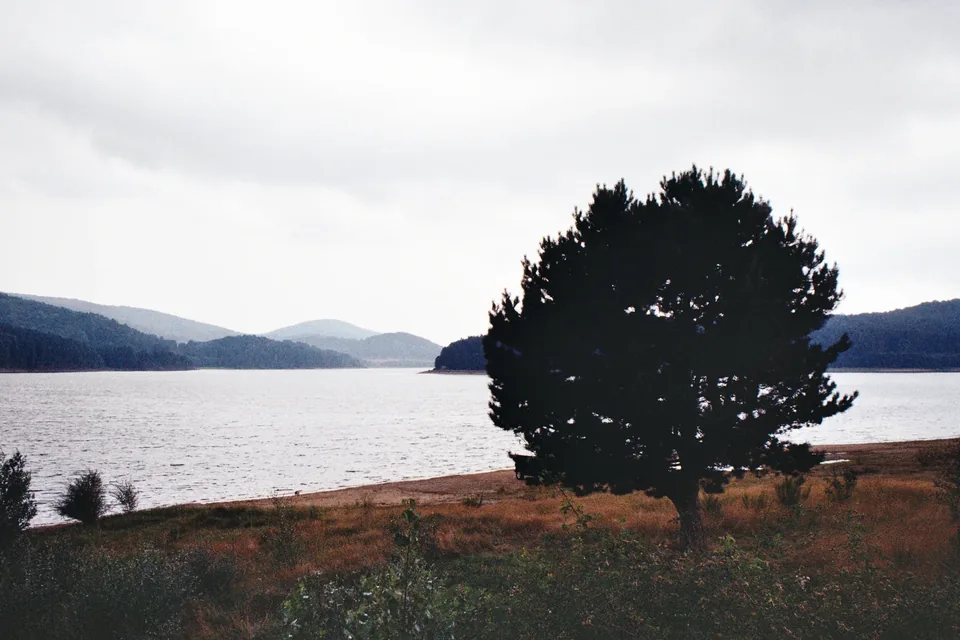
Sila
Sila National Park: a plateau of forests, lakes and pastures between Cosenza, Catanzaro and Crotone, and a UNESCO biosphere reserve.
Read the guide →Photo: Ugo Leonetti / Wikimedia Commons — CC BY-SA 4.0 · Resized and converted to WebP.
