
Aglianico del Vulture
Basilicata's great red: volcanic land, the DOC and Superiore DOCG, the tuff cellars of Barile, Venosa and autumn in Melfi.
Read the guide →
Olives, oils, wines, bakeries, cheesemakers and local cooking: exploring Puglia, Basilicata, Northern Calabria and Irpinia through their flavours.
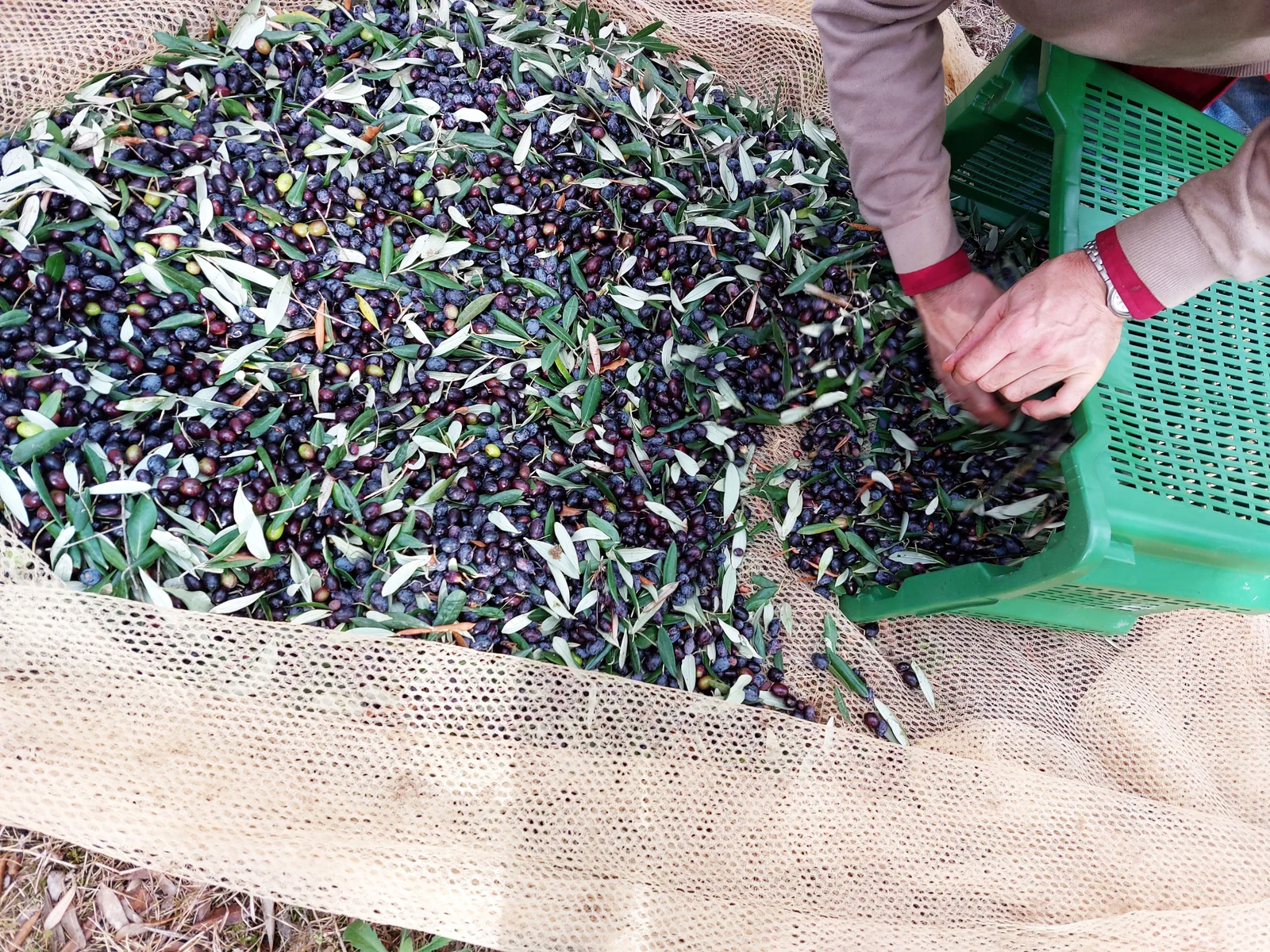
Freshly picked olives on the net · Photo: Anna.Massini / Wikimedia Commons — CC BY-SA 4.0 · Resized and converted to WebP.
Basilicata's great red: volcanic land, the DOC and Superiore DOCG, the tuff cellars of Barile, Venosa and autumn in Melfi.
Read the guide →Neither PDO nor PGI: it is a traditional Abruzzo product, confirmed in the 2026 national list, and an Ark of Taste entry. A Valle Peligna ecotype that flowers every year, is harvested in early summer and keeps for a long time; the July festival at Campo di Fano and Sulmona's Giostra.
Read the guide →Arancia del Gargano PGI, Limone Femminello del Gargano PGI, bitter-sweet melangolo and a Slow Food Presidium: walled groves, an export history, the harvest calendar and Saint Valentine in Vico.
Read the guide →How a herbal liqueur born in the back room of a Pisticci biscuit shop became a historic trademark: the documented story, the company museum, the pacchiana label, Lucania's traditional liqueurs and the town between badlands and the Ionian.
Read the guide →The fish of the Lesina lagoon: the biology of a migrant, traditional fishing from October to December, PAT scapece, the December festival and how to visit the lagoon and San Clemente islet.
Read the guide →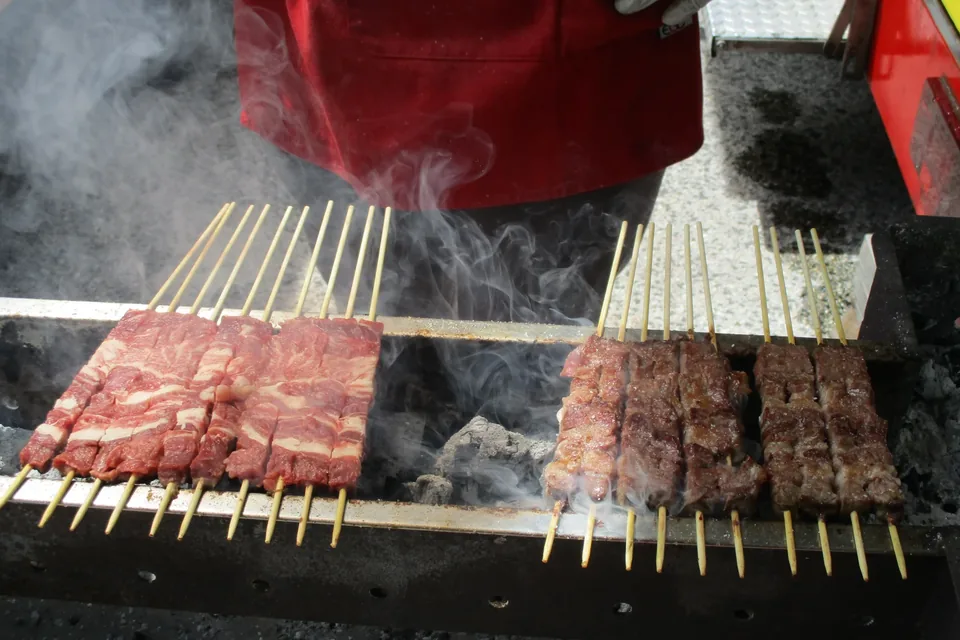
Mutton skewers cooked on the canala, a story tied to transhumance, recognition as a traditional product and the road towards EU protection: how and where to understand them.
Read the guide →Photo: Marica Massaro / Wikimedia Commons — CC BY-SA 4.0 · Resized and converted to WebP.
The essential-oil PDO, the three varieties, the winter harvest, the story leading to eau de cologne, the citrus museum and a day between Reggio, its seafront and the coast of bergamot groves.
Read the guide →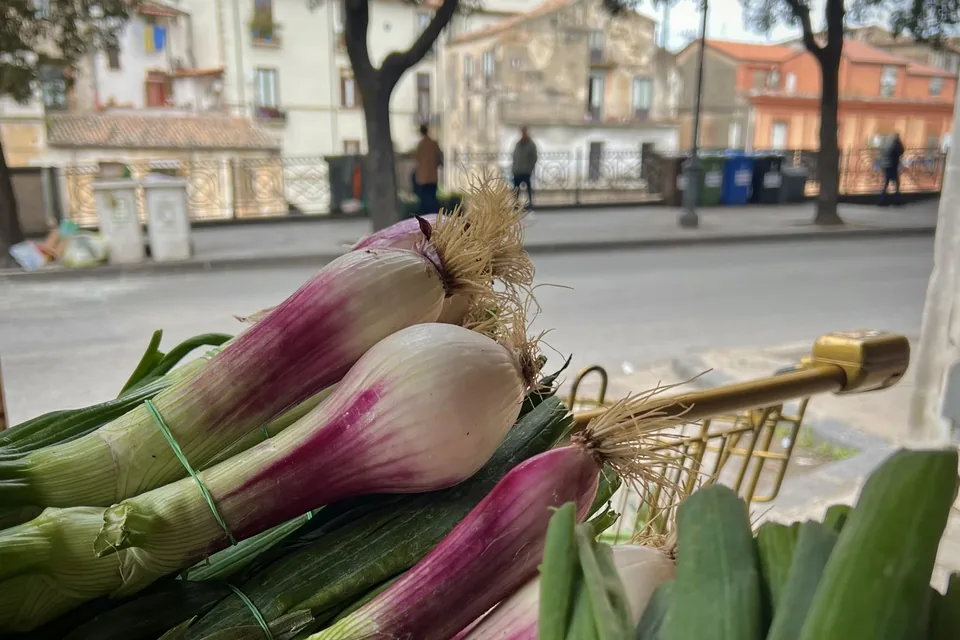
A historical biodiversity project suggests a more attentive approach to gardens and cooking.
Read the guide →Photo: Sharon Hahn Darlin / Wikimedia Commons — CC BY 2.0 · Resized and converted to WebP.
Lauria's and Latronico's traditional biscuits and sweets in the 2026 national list, the figure-of-eight recipe according to the Comune of Latronico, the Pollino tarallo, gassosa between memory and sources, and two towns between Monte Alpi and the Noce valley.
Read the guide →Ceglie Messapica's piscquett'l: local almonds, Brindisi cherries and grapes, Slow Food Presidium and PAT, weddings and favours, and a day between castle, collegiate church and trulli.
Read the guide →
Capocollo and canestrato rolls, the butcher's grill and Cisternino's old town: history, technique and how to experience them.
Read the guide →Photo: Matthias Holländer at German Wikipedia / Wikimedia Commons — Public domain · Resized and converted to WebP.
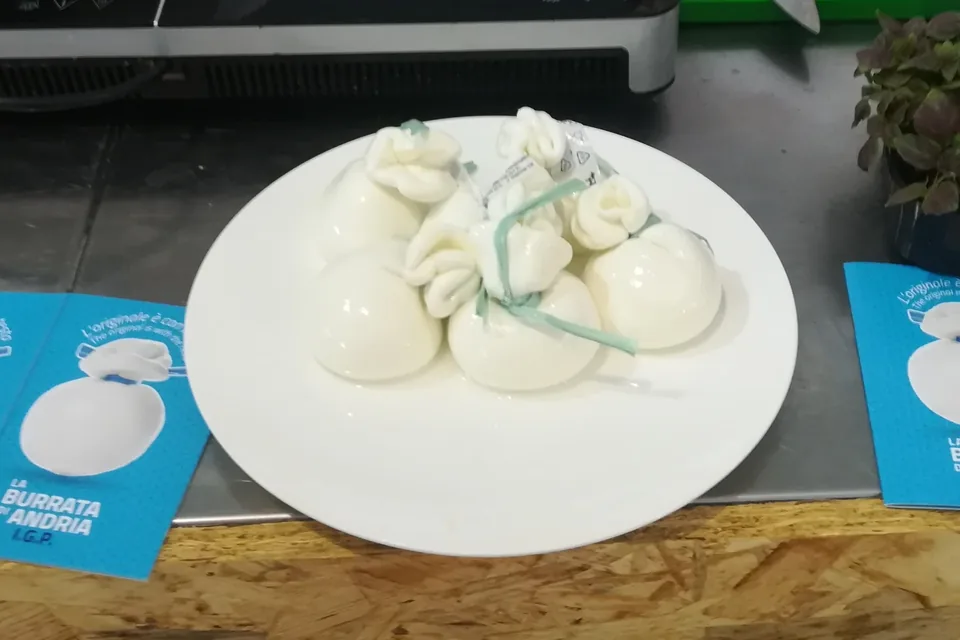
What burrata is, how it is made, the story told in Andria, its PGI protection, Castel del Monte and how to enjoy it fresh.
Read the guide →Photo: FM433 / Wikimedia Commons — CC BY-SA 4.0 · Resized and converted to WebP.
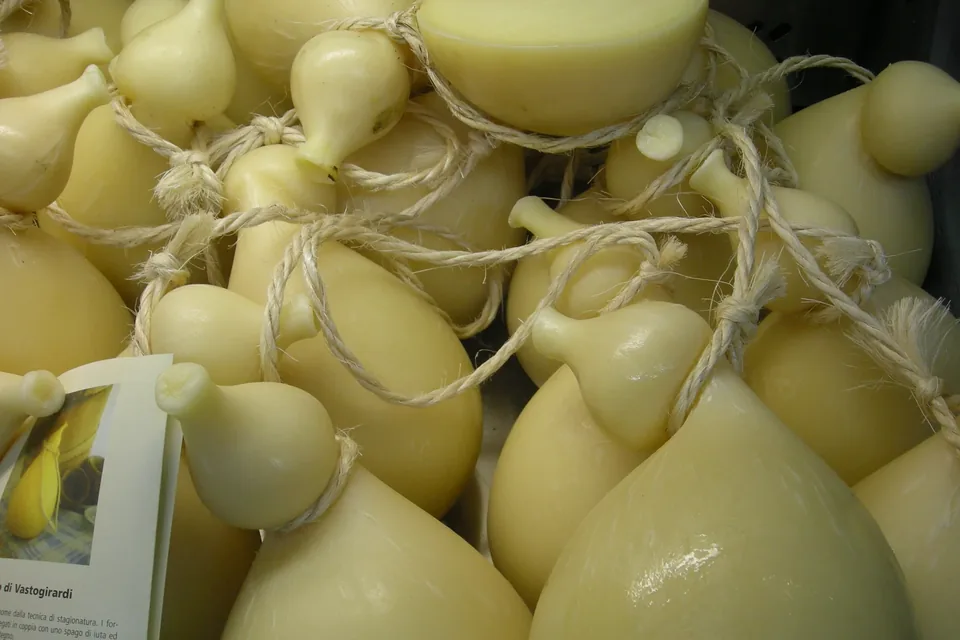
Pasture milk, hand stretching, ageing in hanging pairs: the caciocavallo of Upper Molise, with stracciata, Capracotta pecorino, the town of bells and copper and the transhumance trails.
Read the guide →Photo: Jan-Tore Egge / Wikimedia Commons — CC BY-SA 4.0 · Resized and converted to WebP.
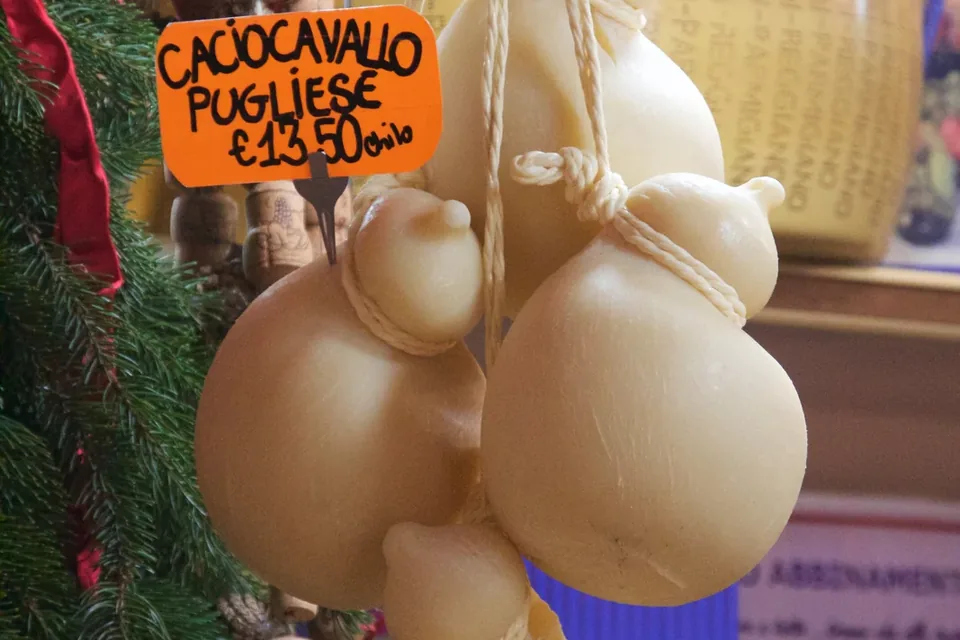
The Podolica cow, the caciocavallo of the Gargano and Basilicata, the Slow Food Presidia, ageing and documented festivals.
Read the guide →Photo: Mike Peel / Wikimedia Commons — CC BY-SA 4.0 · Resized and converted to WebP.
Podolica cattle, the Pescasseroli-Candela drove road, Byzantine tuff caves and a village between Irpinia and Daunia: how it is made, how to recognise it and how to visit.
Read the guide →A PDO named after the Sila and made in five regions: cow's milk, hand stretching, cheeses tied in pairs, a fire brand and ageing up to Gran Riserva.
Read the guide →Sheep and goat milk, baskets, cellars above 700 metres: how the PGI canestrato is made, its three ages, the fern-wrapped casieddu and the village of Moliterno.
Read the guide →A sheep's milk cheese from the Capitanata and the Murgia, aged two to ten months in rush baskets that mark its rind: PDO rules, transhumance and kitchen uses.
Read the guide →Hand-broken mezzi ziti, slow-cooked ragù of meat rolls and a story starting with a notarial deed of 1749; with Calitri bread, ceramics and the festivals of the village above the Ofanto.
Read the guide →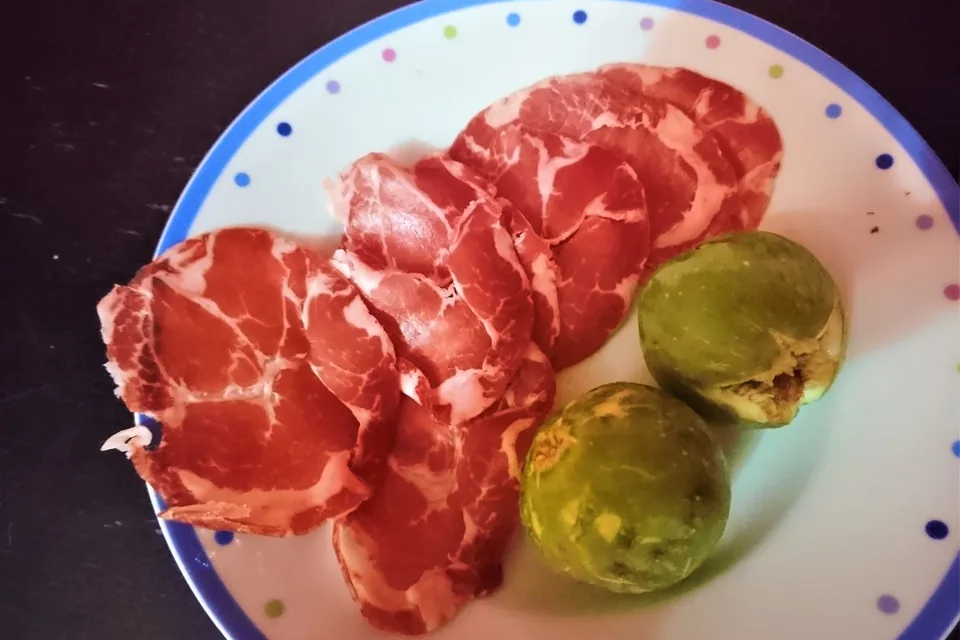
The cured meat of the trulli country: the cut, the method, the Slow Food Presidium, the road to PGI status and a day between Martina Franca, Locorotondo and Cisternino.
Read the guide →Photo: AntonioCaso93 / Wikimedia Commons — CC BY-SA 4.0 · Resized and converted to WebP.
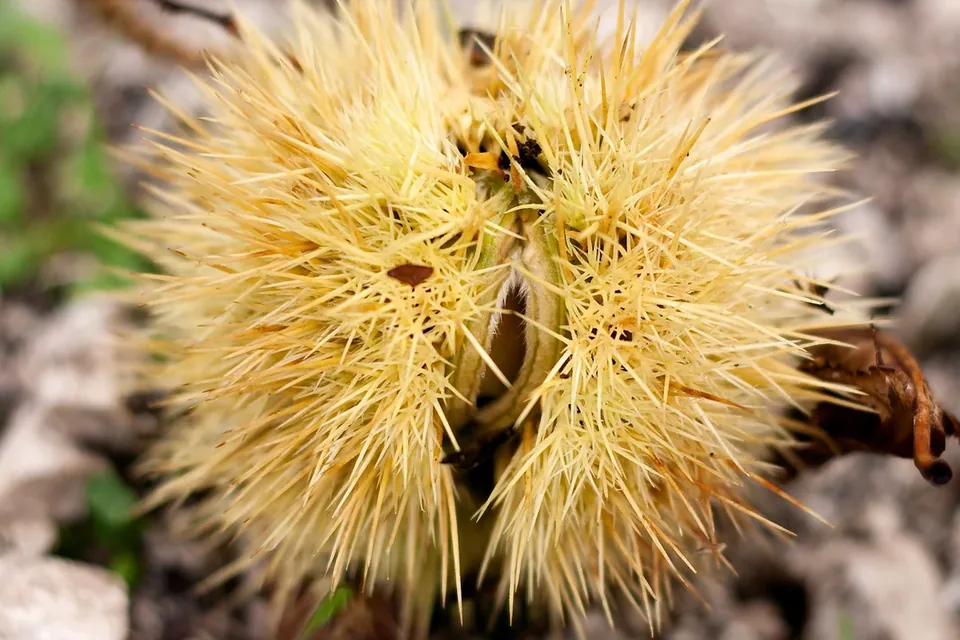
The PGI chestnut of upper Irpinia: varieties, history, water-curing and drying, the castagna del prete and the autumn festivals in Montella and Bagnoli Irpino.
Read the guide →Photo: Gianfranco Di Nuzzo / Wikimedia Commons — CC BY-SA 2.0 · Resized and converted to WebP.
The citron of Cosenza's upper Tyrrhenian coast: the Liscia di Diamante variety, the 2023 PDO, its link with the Jewish feast of Sukkot and the Citron Museum.
Read the guide →The chickpea pasta, part of it fried, of 19 March and the filled puff pastry born in 18th-century salons: history, technique, festivals and where to taste them in the Salento.
Read the guide →A sweet, long-keeping onion: traditional growing, genovese sauce and the Sunday parmigiana, the path towards PGI status, Montoro and its September festival.
Read the guide →Spring onion, fresh onion and storage onion: the PGI of Calabria's Tyrrhenian coast explained with its calendar, history, kitchen uses, Tropea's July festival and a day between Capo Vaticano and the old town.
Read the guide →From Roman garum to the monks of Amalfi, salting in terzigni, the PDO rules, Cetara as a fishing village and the Christmas Eve dish.
Read the guide →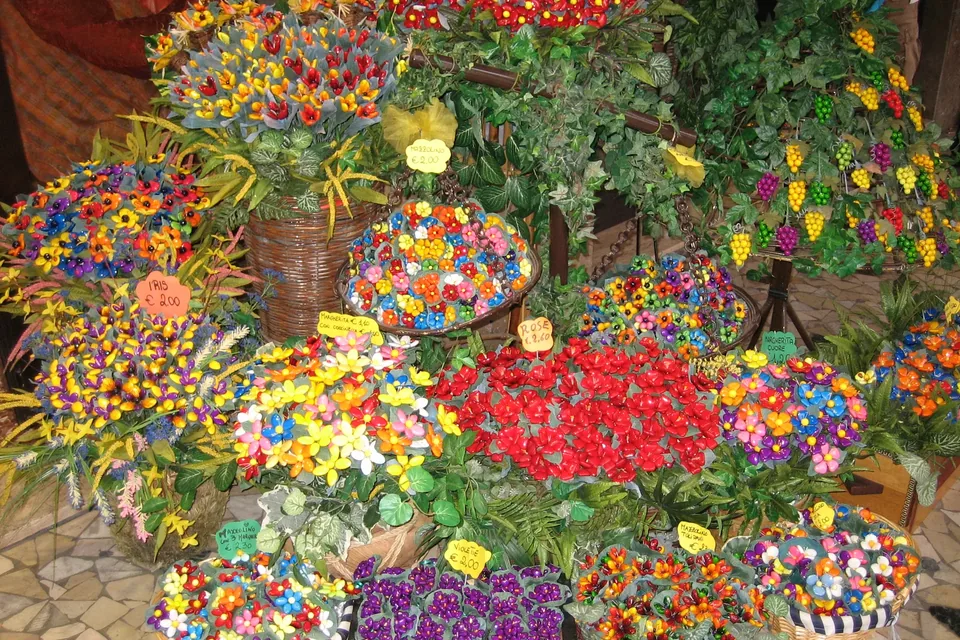
Sulmona, town of Ovid and confetti: the history of the craft, copper pans, the museum of confectionery technology, Piazza Garibaldi and the Peligna valley.
Read the guide →Photo: Claro48 at Italian Wikipedia / Wikimedia Commons — Public domain · Resized and converted to WebP.
The mussel of the Mar Piccolo: freshwater springs, pole and long-line farming, Slow Food Presidium, crisis and revival, and two days in Taranto between the old town island, the MArTA and the lagoon.
Read the guide →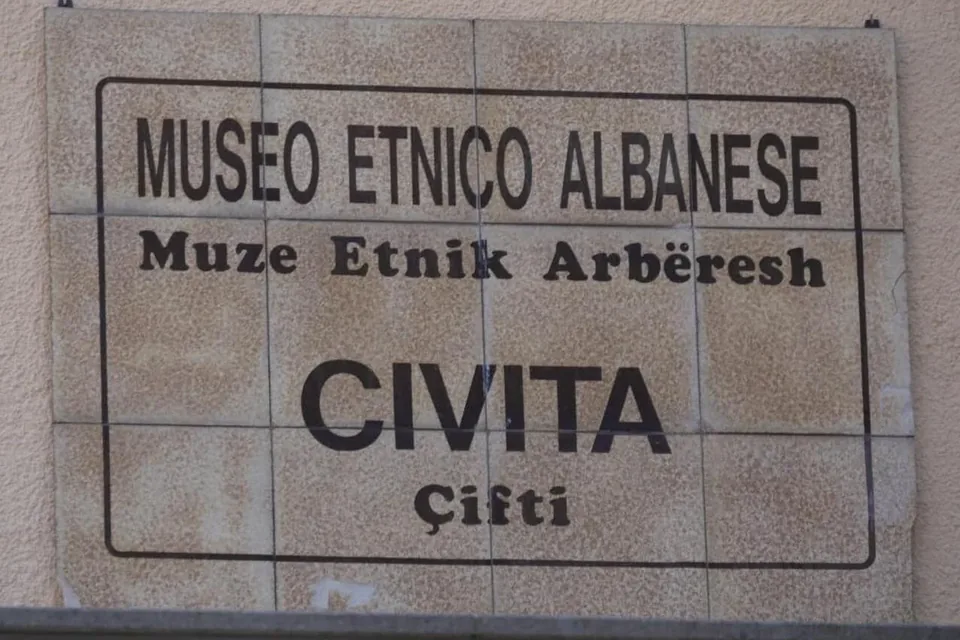
The Italo-Albanian village of talking houses and the Devil's Bridge: the migration story, Byzantine rite, Easter and vallje, Pollino produce for the table and how to approach a cuisine handed down within families.
Read the guide →Photo: Gspata / Wikimedia Commons — CC BY-SA 4.0 · Resized and converted to WebP.
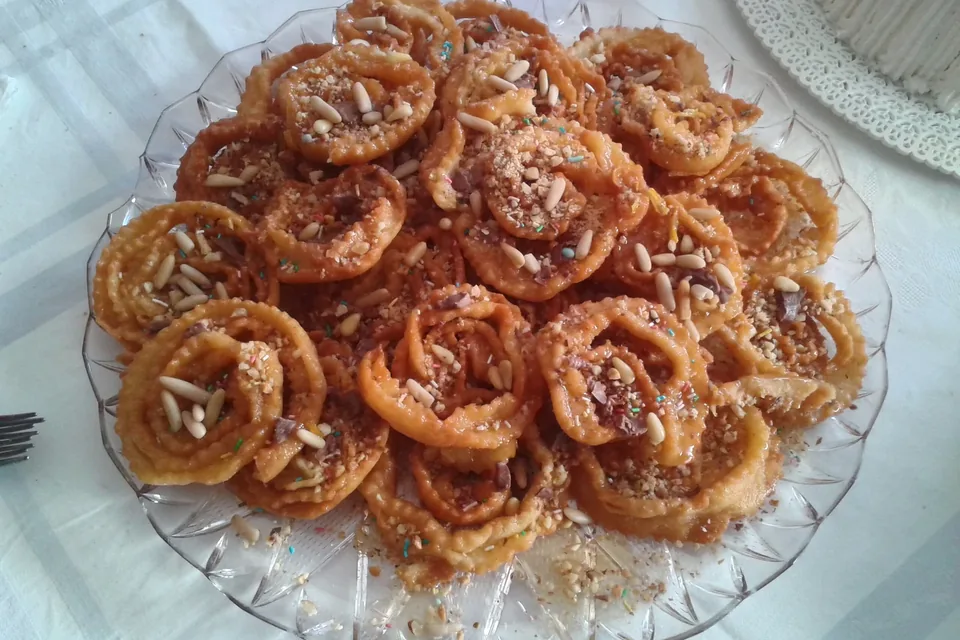
Three household traditions marking Christmas, Easter and remembrance.
Read the guide →Photo: Florixc / Wikimedia Commons — CC0 · Resized and converted to WebP.
A PGI since 1996 in eleven towns of the upper Agri Valley: cannellini and borlotti in twenty ecotypes, hand-picked and quick to cook, Grumentum and the August festival.
Read the guide →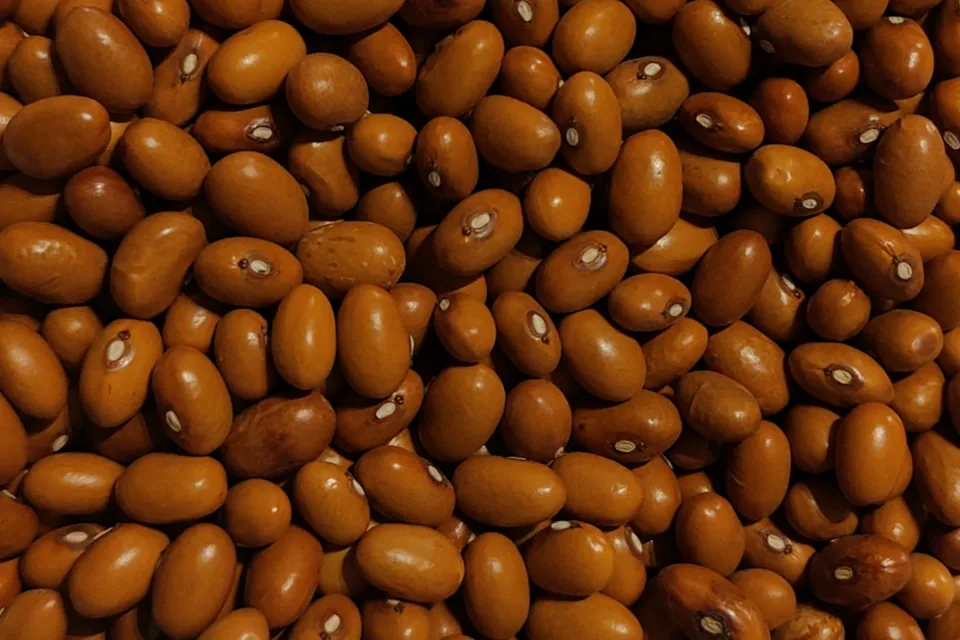
From Rotonda white beans to the Calabrian poverello bianco, from Terranova beans to paddaccio and mischiglio: the cooking of Italy's largest national park, across its Lucanian and Calabrian sides.
Read the guide →Photo: Generale Lee / Wikimedia Commons — CC BY-SA 4.0 · Resized and converted to WebP.
Winter bonfires, carnival, patron saints, illuminations, folk music, food fairs and the Fiera del Levante: a year of Apulian festivals from official sources.
Read the guide →An ancient grape, 26 towns between Partenio and Terminio, DOCG rules, Lapio as the Fiano village, harvest, August festivals and food pairings.
Read the guide →Passuluni wilting on the tree, cane racks in the sun, crocette and plaits: the PDO of Cosenza dried figs explained through its specification, history, traditional preparations and a day between Cosenza and the Crati valley.
Read the guide →The dried Dottato fig: history from Greek colonists to 1486, sun drying, spatole and mustaccioli, fillings, PDO rules and a journey through the hills of the Cilento.
Read the guide →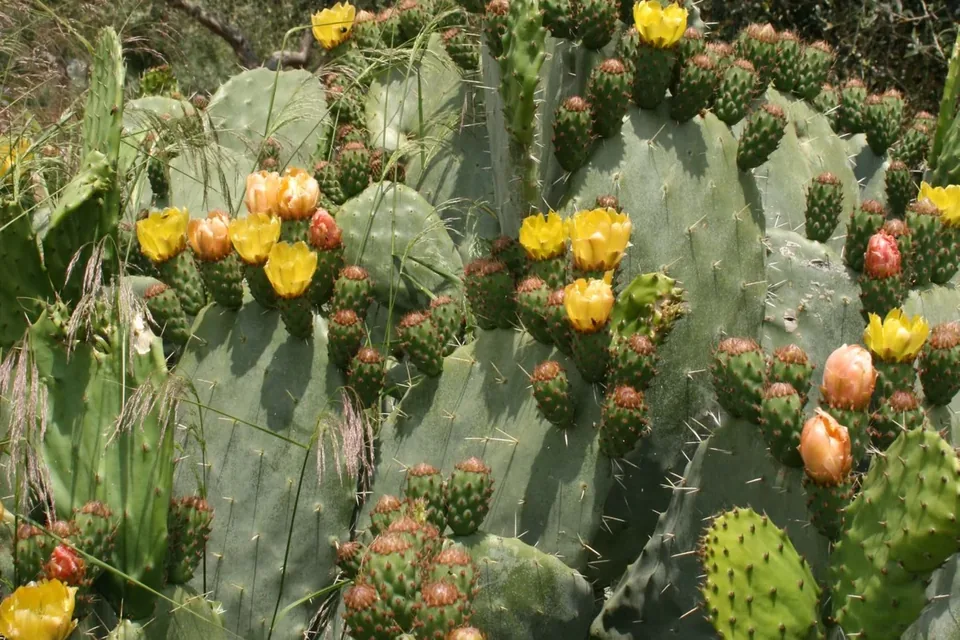
From fresh fruit to preserves, an ingredient linking countryside and table.
Read the guide →Photo: Franz Xaver / Wikimedia Commons — CC BY-SA 3.0 · Resized and converted to WebP.
Potato dough, cherry tomatoes and oregano; the fried half-moon filled with mozzarella: history, technique, local variants and how to taste them in Bari.
Read the guide →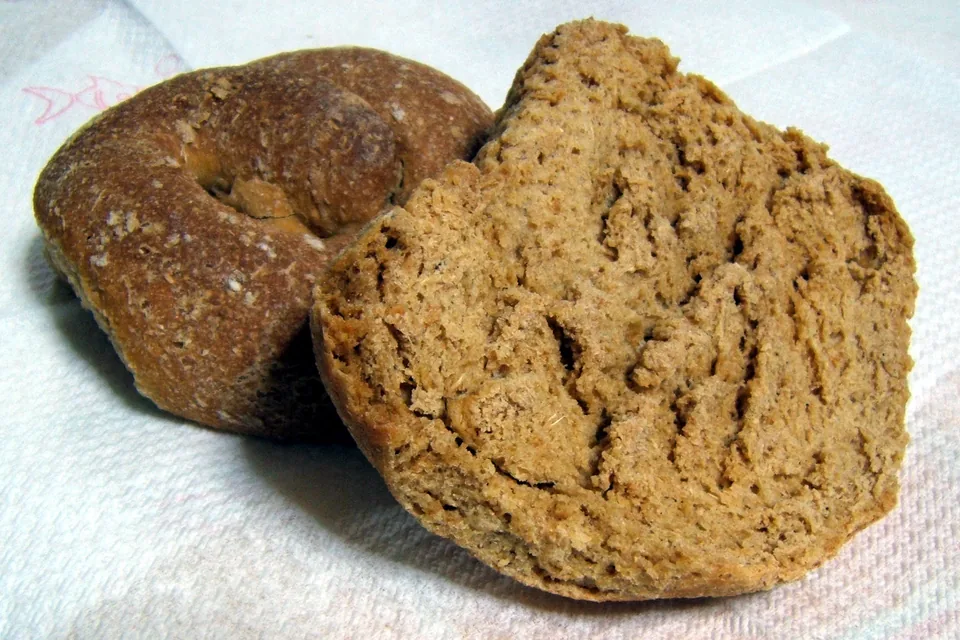
Barley or wheat, sourdough, double baking and hanging tomatoes: how the frisa is made, how it is eaten in the Salento and where to look for it between Otranto, Lecce and the coast.
Read the guide →Photo: Florixc or Florixc, Calcagnile Floriano / Wikimedia Commons — CC BY-SA 3.0 · Resized and converted to WebP.
Eight towns, soils with sulphur deposits, the Tufo mines, the DOCG rules, the September festival and pairings for a savoury, structured white.
Read the guide →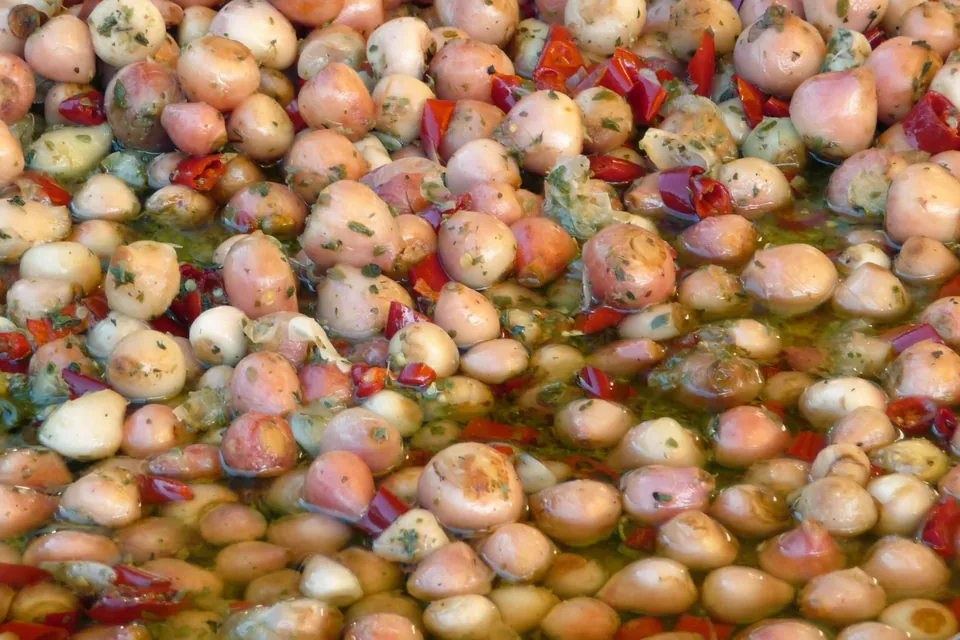
Lampascioni, turnip greens and broad beans: simple ingredients worth tasting thoughtfully.
Read the guide →Photo: Lucarelli / Wikimedia Commons — CC BY-SA 3.0 · Resized and converted to WebP.
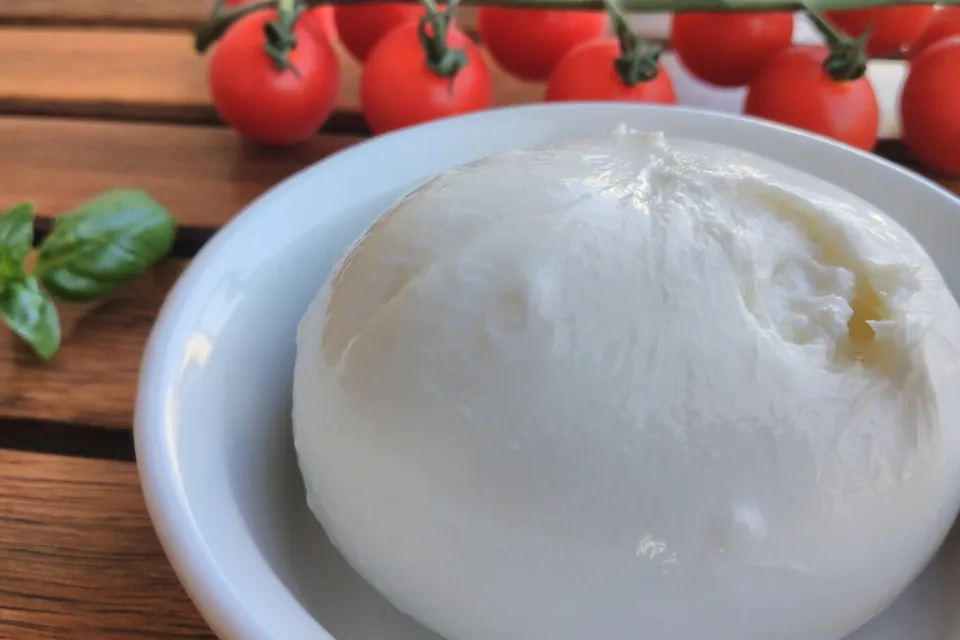
From burrata’s centre to Murgia cheeses: understanding textures, processes and places.
Read the guide →Photo: Popo le Chien / Wikimedia Commons — CC0 · Resized and converted to WebP.
A PGI since 2017 in nineteen towns of the Bari and Matera Murgia: large green varieties, winter sowing, iron-rich limestone soils, Altamura bread and lentil soup.
Read the guide →A tiny, mottled lentil recovered from family plots and the shortcrust-and-jam bocconotto: Mormanno in the Pollino Park, its Votive Lighthouse and nearby villages.
Read the guide →The Slow Food Presidium from fields above a thousand metres: sowing, hand harvesting, the soup that needs no soaking, the Medici village and a route through the Baronia, Campo Imperatore and Castel del Monte.
Read the guide →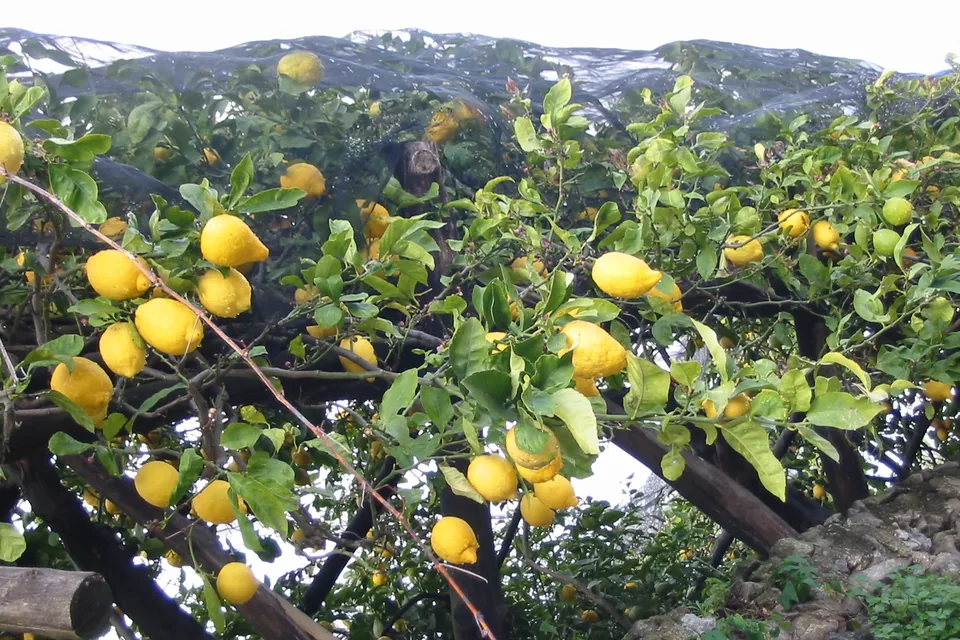
The Amalfi Coast PGI lemon: shape and scent, seafaring history, terraces and straw covers, twelve towns, the Lemon Path and its uses in the kitchen.
Read the guide →Photo: donarreiskoffer / Wikimedia Commons — CC BY-SA 3.0 · Resized and converted to WebP.
A PGI tied to a single town: the nearly seedless lemon of Rocca Imperiale, its history since the 17th century, year-round picking, kitchen uses and an itinerary through the upper Ionian coast of Cosenza among castles, roses, rice and clementines.
Read the guide →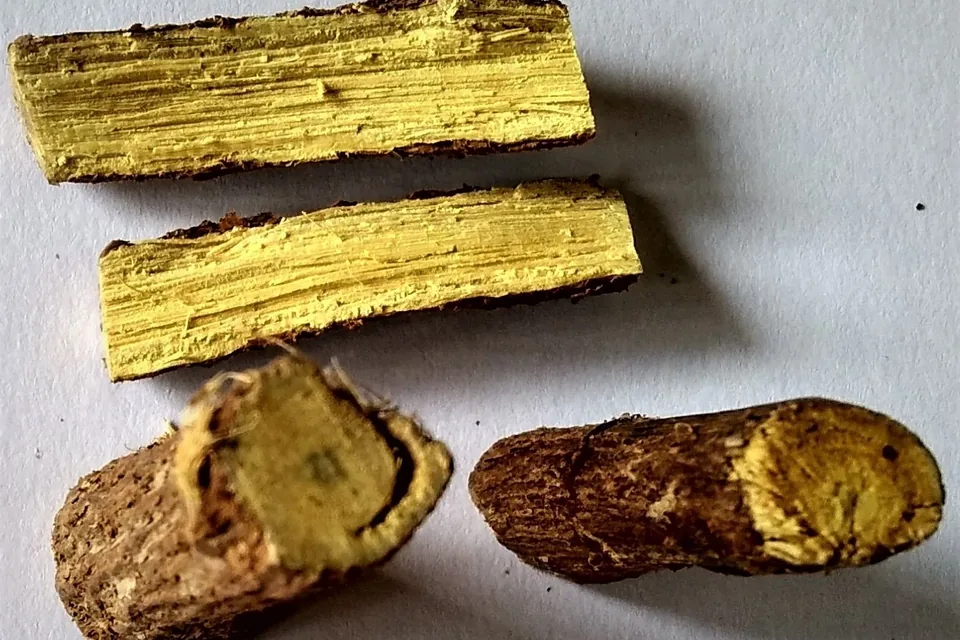
Fresh root, dried root and extract: the Calabrian PDO, its industrial history between the Sibari plain and the Crati valley, and a day in Corigliano-Rossano.
Read the guide →Photo: Salil Kumar Mukherjee / Wikimedia Commons — CC BY-SA 4.0 · Resized and converted to WebP.
Melannurca Campana PGI: two varieties, Annurca and Rossa del Sud, 137 Campanian towns, hand picking and compulsory reddening on the melai by 15 December.
Read the guide →Two Lucanian kitchen-garden PDOs in the Pollino park: origins, growing on chestnut stakes, harvest, Garibaldi and the beans, recipes, preserving and a day between Rotonda and Viggianello.
Read the guide →A Slow Food Presidium on the Cosenza Tyrrhenian coast: a long, glossy aubergine grown upright, its preserve in oil and a day around Longobardi, Belmonte and Fiumefreddo.
Read the guide →The grape that dominates Abruzzo's vineyards, its subzones, the Cerasuolo rosé and the Colline Teramane DOCG: rules, history and a wine route between the Tirino and Peligna valleys.
Read the guide →Neither PDO nor PGI: a traditional Abruzzo product and Slow Food Presidium. Lean meat, a strip of lard at the centre, oak or beech smoke and the north wind at 1,300 metres.
Read the guide →Grapes dried on racks, boiled must and six months' maceration: the Saracena Slow Food Presidium, its story from the 16th century to Grand Tour travellers, its relationship with the Terre di Cosenza DOC and pairings.
Read the guide →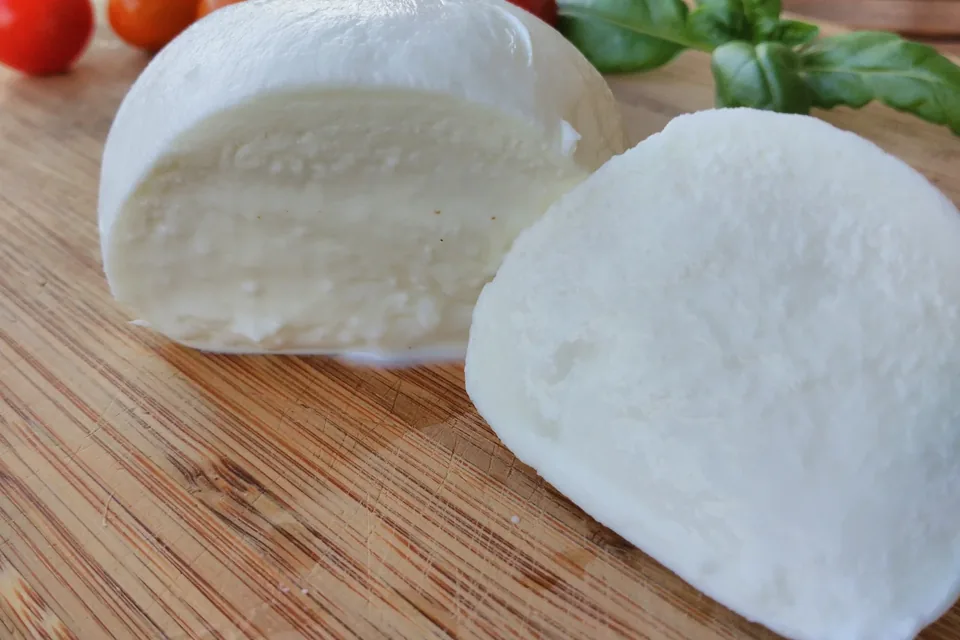
History, stretching and hand-cutting, PDO rules, landscapes and practical tips for recognising and enjoying buffalo-milk mozzarella.
Read the guide →Photo: Popo le Chien / Wikimedia Commons — CC BY-SA 3.0 · Resized and converted to WebP.
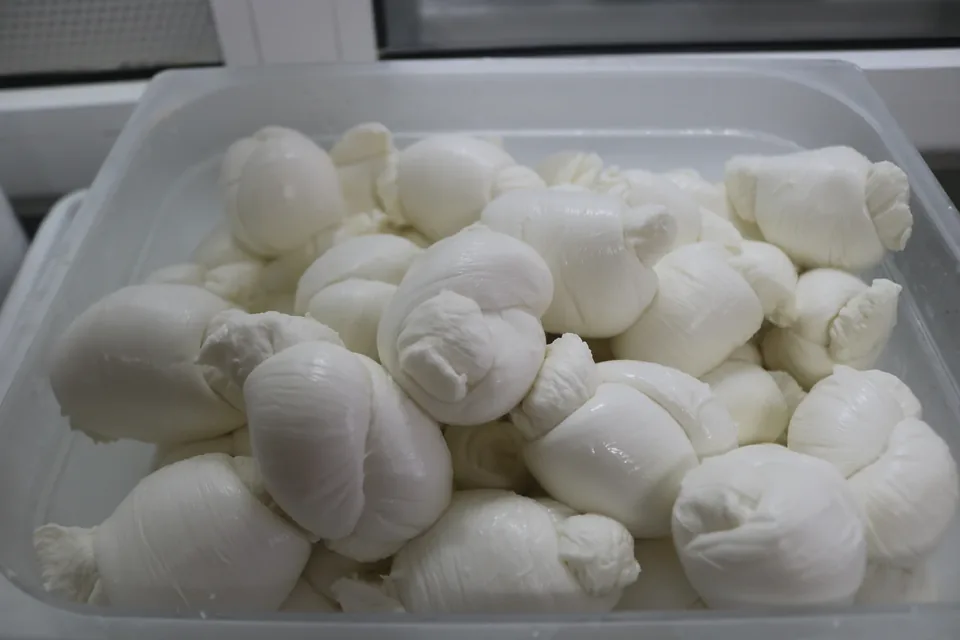
Cow’s milk, whey starter and shapes: exploring an inland cheesemaking tradition.
Read the guide →Photo: Rizzelli Stefania / Wikimedia Commons — CC BY-SA 4.0 · Resized and converted to WebP.
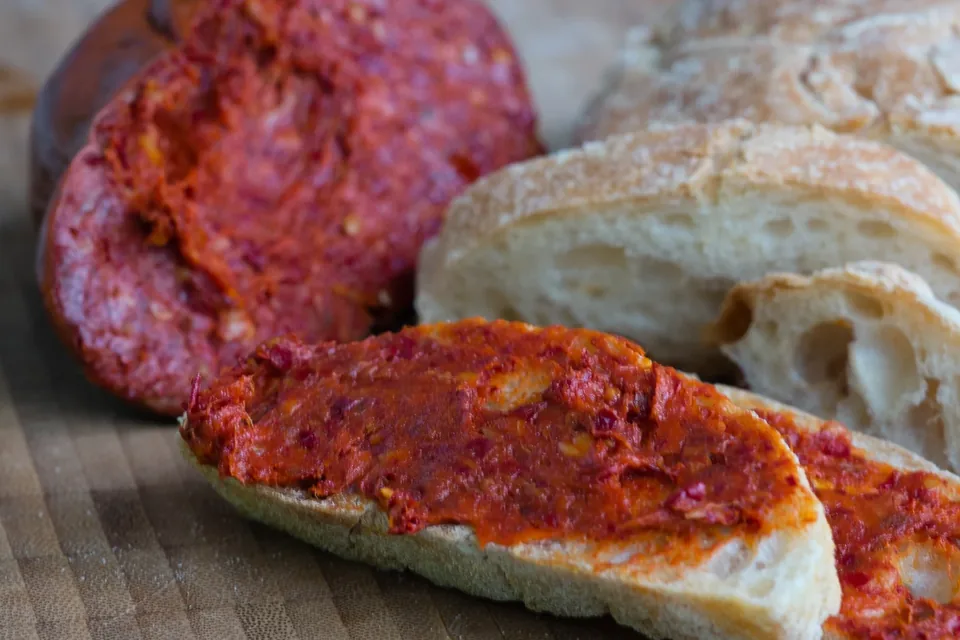
Pork, plenty of chilli, casing and smoke: 'nduja told from its home on Monte Poro, between Tropea and Capo Vaticano, with its disputed origins, how it is made, how to cook with it and how to buy it.
Read the guide →Photo: Alice Wiegand / Wikimedia Commons — CC BY-SA 4.0 · Resized and converted to WebP.
Twelve towns near Salerno, one cultivar, the Tonda di Giffoni: the long history of the Campanian hazelnut, PGI rules, the late-August harvest, uses in pastry and cooking.
Read the guide →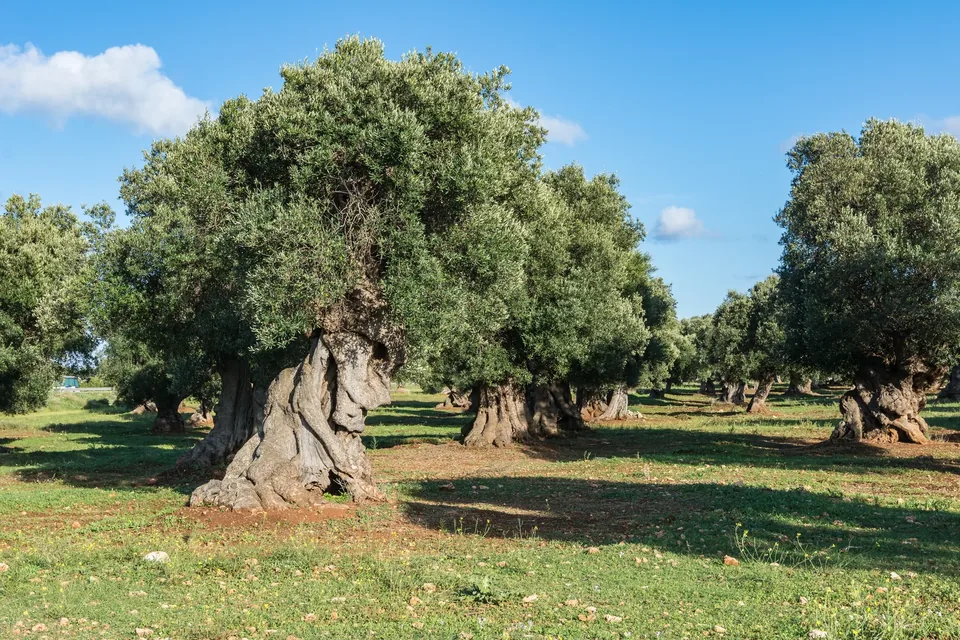
Barese, Garganica and Salentina Ogliarola: understanding olive names and their regional connections.
Read the guide →Photo: Isiwal / Wikimedia Commons — CC BY-SA 4.0 · Resized and converted to WebP.
Cato owned an olive grove here, Pliny and Strabo praised its oil, aurina may be the ancient Licinia: in Venafro, Molise, old olive groves have a regional park.
Read the guide →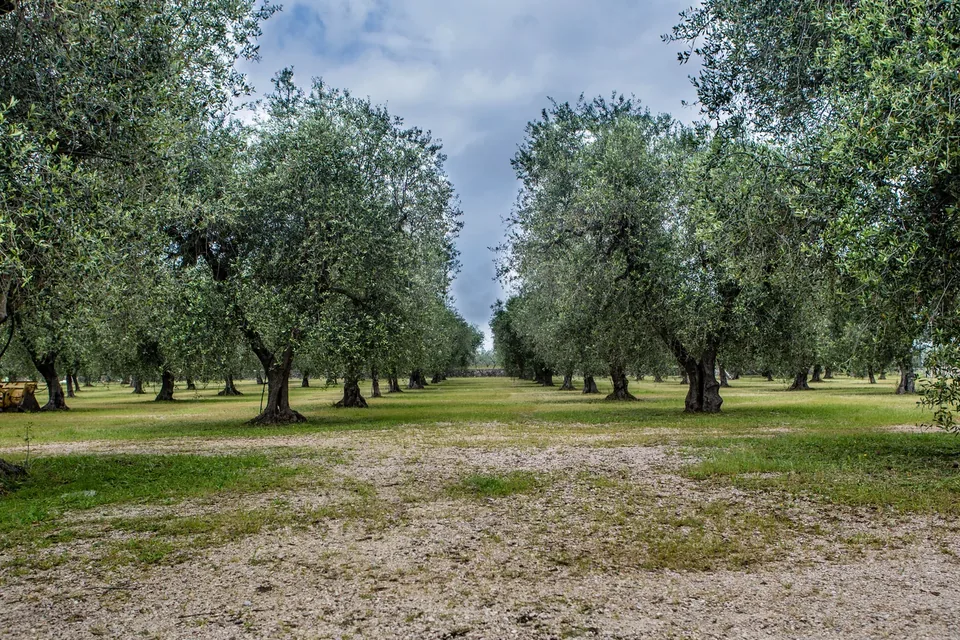
Fruitiness, bitterness and pepperiness: exploring Puglian olive oils through flavour and place.
Read the guide →Photo: N i c o l a / Flickr — CC BY 2.0 · Resized and converted to WebP.
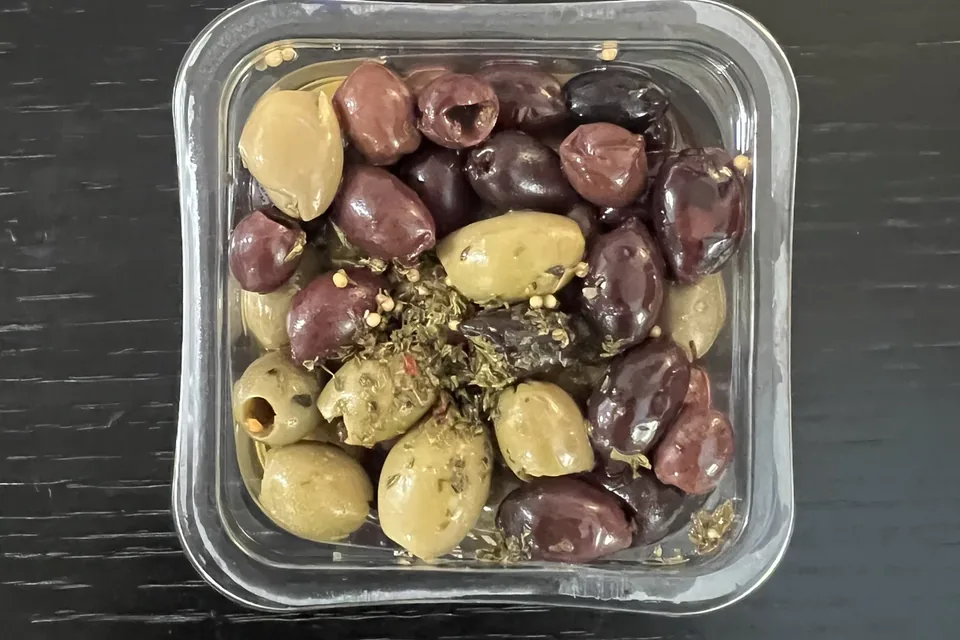
Leccine olives in Salento: a concrete processing example and ideas for comparing table olives.
Read the guide →Photo: HaJunkiyada / Wikimedia Commons — CC BY-SA 4.0 · Resized and converted to WebP.
The nuns' sweet of Monte Sant'Angelo: legend, recipe, the Gargano's big bread and a day between the sanctuary, the Junno quarter and the May and September pilgrimages.
Read the guide →The PDO bread of Alta Murgia: durum wheat semolina, mother yeast, wood-fired ovens, the history of public ovens and statutes, the masseria landscape and a day in Altamura.
Read the guide →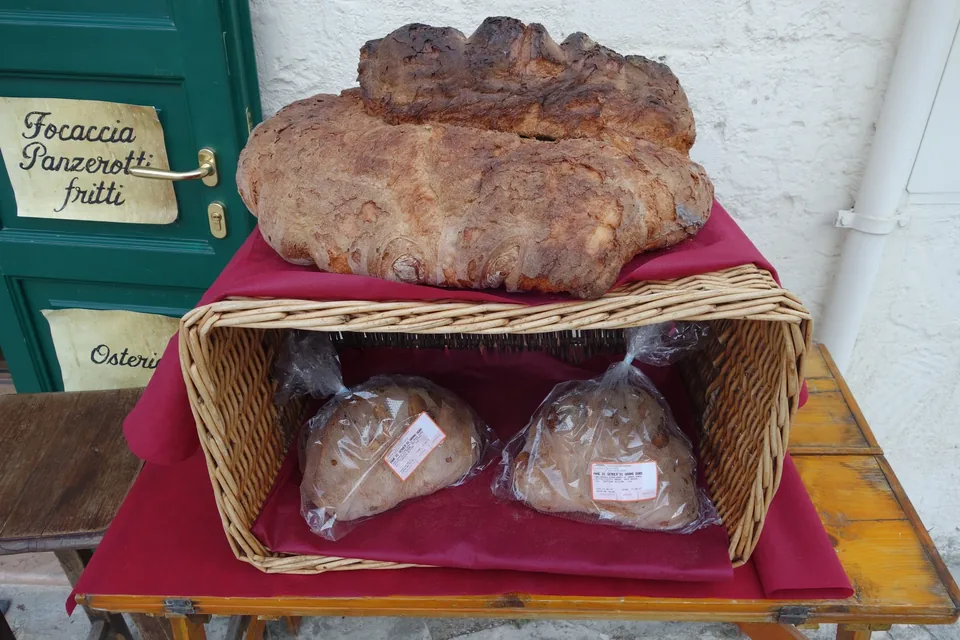
The bread of the Sassi: durum semolina and heritage wheat, fruit-based sourdough, cornetto and forma alta shapes, family bread stamps, cialledda and feddarauss, and the city around it.
Read the guide →Photo: Kars Alfrink / Wikimedia Commons — CC BY 2.0 · Resized and converted to WebP.
A PGI tied to a single town: local spring water, bronze dies, slow drying, a town designed to let pasta dry and the Valley of the Mills.
Read the guide →Wheat, broad beans, barley, chickpeas and oats milled together: the pasta born to pay taxes in grain, the Slow Food Presidium, four Pollino villages' recipes and Teana's summer.
Read the guide →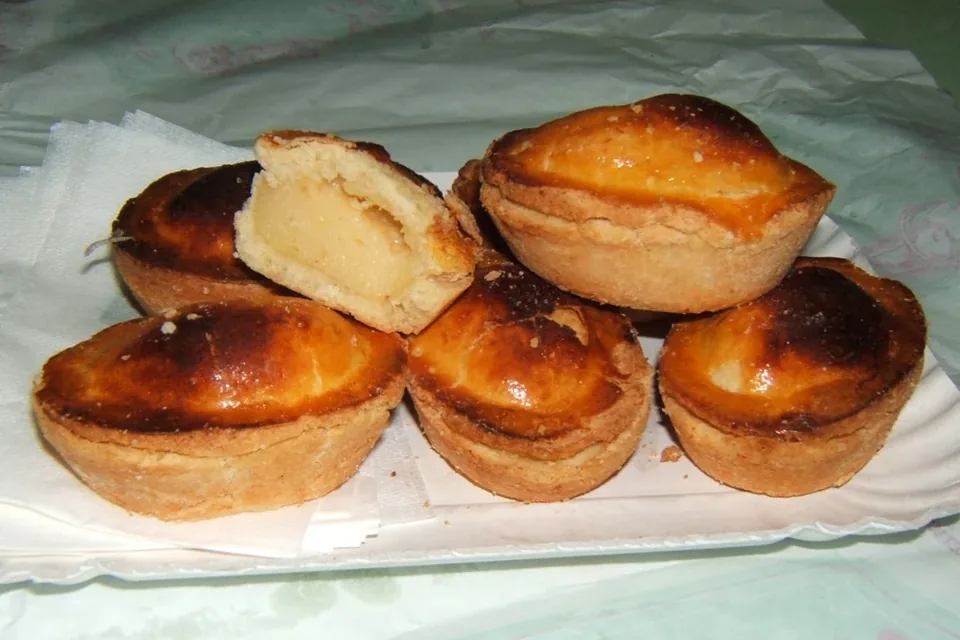
The Salento breakfast pastry: how it is made, what the records say about its history, its twin the fruttone and a day between Lecce and Galatina.
Read the guide →Photo: Floriano Calcagnile / Wikimedia Commons — CC BY-SA 3.0 · Resized and converted to WebP.
A PGI since 2016, grown in the bed of the former Lake Fucino: nine Marsica towns, harvest from July to November, flavour measured by tasting panels and Avezzano's festival.
Read the guide →Six varieties, spring planting and autumn harvest on Europe's widest plateau: the Sila PGI with mushrooms, chestnuts, mpanata, the steam train and the Camigliatello festivals.
Read the guide →A raw-milk pecorino from upper Irpinia, shaped by the pastures of the Ansanto valley: how it is made, the Slow Food Presidium, the Mefite, Rocca San Felice and Guardia Lombardi.
Read the guide →The PDO pecorino of thirty towns around Potenza: sheep's milk, rush moulds, at least six months in caves, oil and vinegar on the rind, the Doria and the village of drove roads.
Read the guide →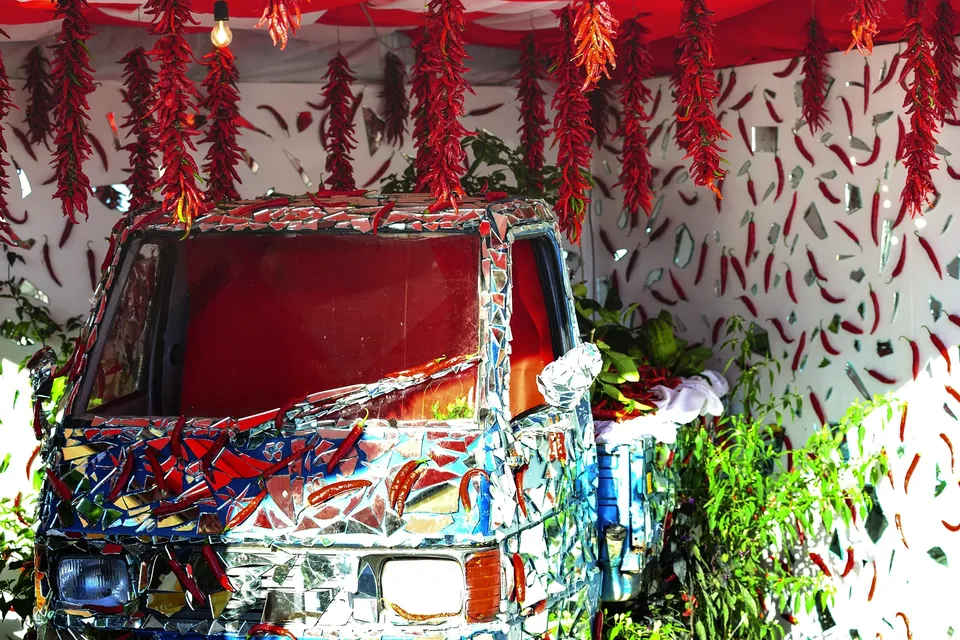
Calabria's piparedduzzu between cooking, strings drying in the sun and a September festival: Diamante with its murals and Cirella, the Maierà museum, Cosenza's mùstica and how to taste heat without losing flavour.
Read the guide →Photo: Iosa53 / Wikimedia Commons — CC BY-SA 4.0 · Resized and converted to WebP.
The PGI pepper of the Sinni valley: origins, growing, drying in strings, the powder called zafaran, fried crusco, European protection and the August festival in Senise.
Read the guide →Photo: Generale Lee / Wikimedia Commons — CC BY-SA 4.0 · Resized and converted to WebP.
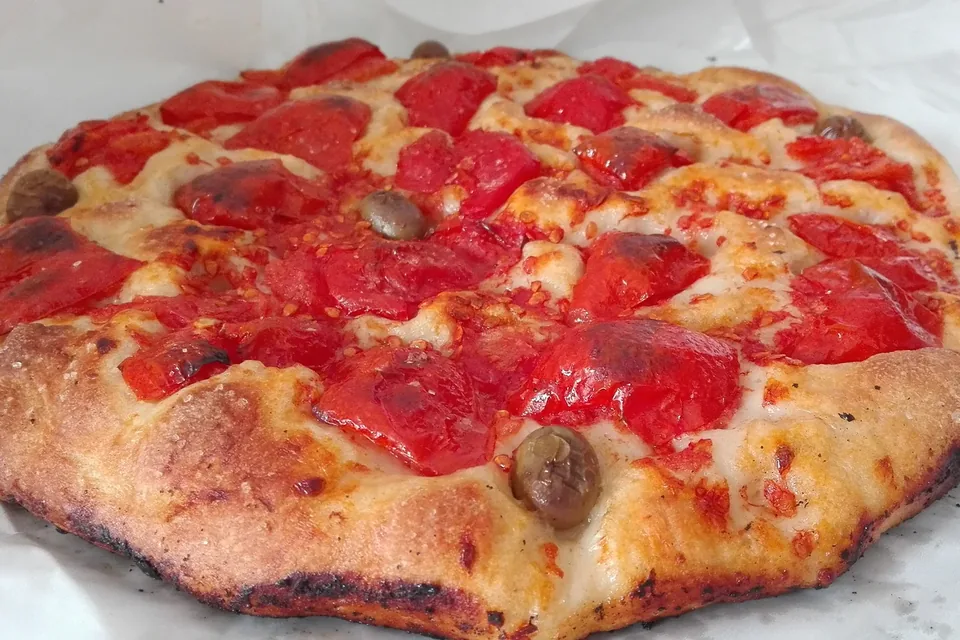
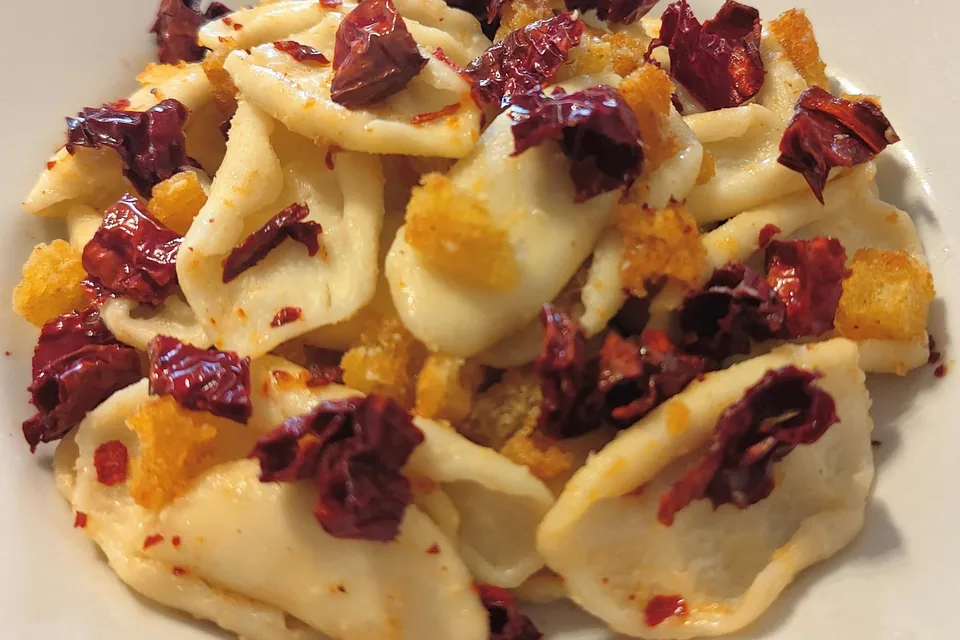
Orecchiette, focaccia, panzerotti, tiella and Salento cooking: connecting dishes with places.
Read the guide →Photo: Elfmir / Wikimedia Commons — CC BY-SA 4.0 · Resized and converted to WebP.
Old ecotypes from the slopes of Somma-Vesuvius, hand-picked and woven into large hanging clusters: PDO rules, history, the pacchetelle preserve and how to cook with them.
Read the guide →A pink tomato that can weigh over a kilo, brought back by an emigrant in the early 1900s, Belmonte's gammune, the ship-shaped village and the sea around the Isca rocks: a summer guide to the Cosenza Tyrrhenian coast.
Read the guide →History, forty towns, vertical growing, the rules of the PDO peeled tomato and the Slow Food Presidium for Naples' heritage tomatoes.
Read the guide →The red between Taranto and Brindisi: grape and land, DOC rules, the Dolce Naturale DOCG, fifty years of protection, summer in the villages and a day in Manduria.
Read the guide →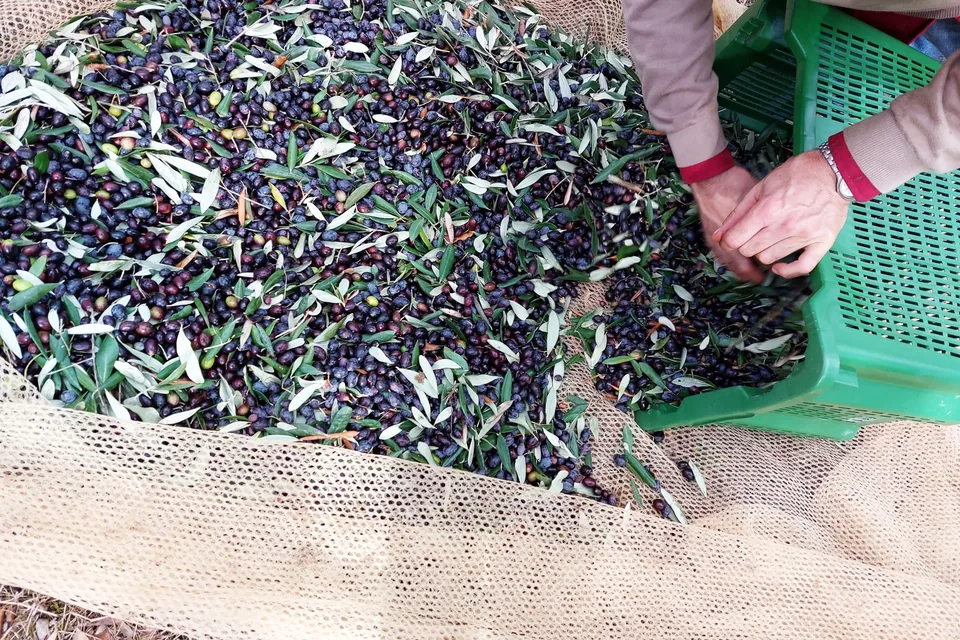
Muraglia in Andria, De Carlo in Bitritto and Galantino in Bisceglie: editorial references with official sources.
Read the guide →Photo: Anna.Massini / Wikimedia Commons — CC BY-SA 4.0 · Resized and converted to WebP.
Raw milk at least one-fifth from Agerolese cows, thirteen towns between the Sorrento peninsula and the Lattari Mountains, six months' ageing and a name born in Naples harbour.
Read the guide →
The places behind two brands, explained through company sources without confusing their origins.
Read the guide →Photo: Przemek Pietrak / Wikimedia Commons — CC BY-SA 3.0 · Resized and converted to WebP.
Limoncello is a generic name, but the lemon liqueurs of Amalfi and Sorrento are geographical indications. PGI citrus, traditional products and family customs across the Amalfi Coast, the Sorrento peninsula and the Gargano.
Read the guide →Wine, truffle, chestnut, cheese and pasta festivals documented by provinces, municipalities and official bodies, with recent editions and tips for enjoying them without rushing.
Read the guide →From Castrovillari's Carnival to Arbëreshë Easter, from Tropea onions to Diamante chilli and Sila mushrooms: only events documented by official bodies.
Read the guide →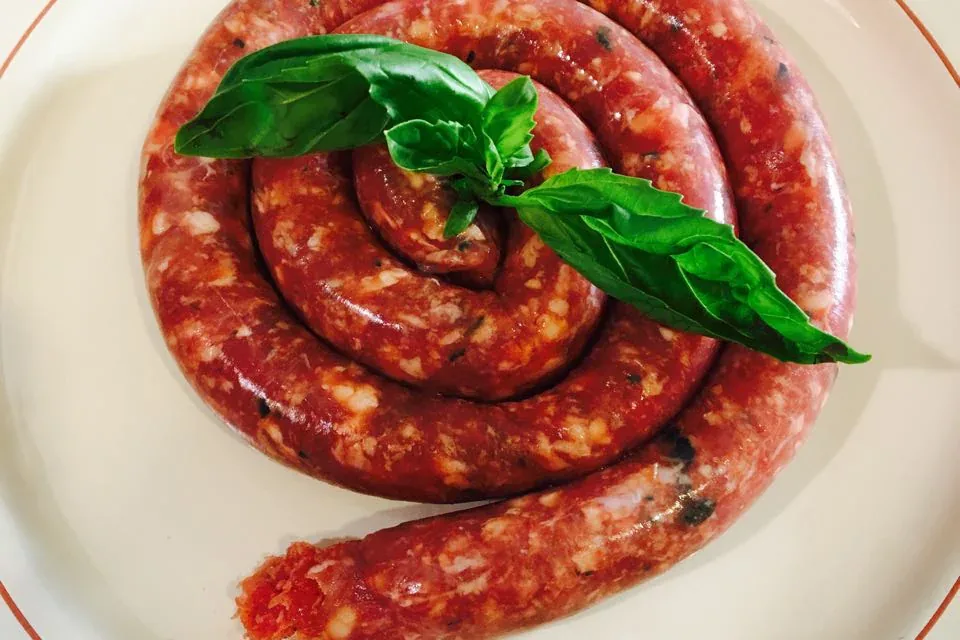
Sammichele zampina and butcher-grill traditions: recognising different products, ingredients and contexts.
Read the guide →Photo: Dogiulio / Wikimedia Commons — CC BY-SA 4.0 · Resized and converted to WebP.
Capocollo, Soppressata, Salsiccia and Pancetta di Calabria: four PDOs since 1998, pigs raised in the region, set ageing times, and what, like 'nduja, is not PDO.
Read the guide →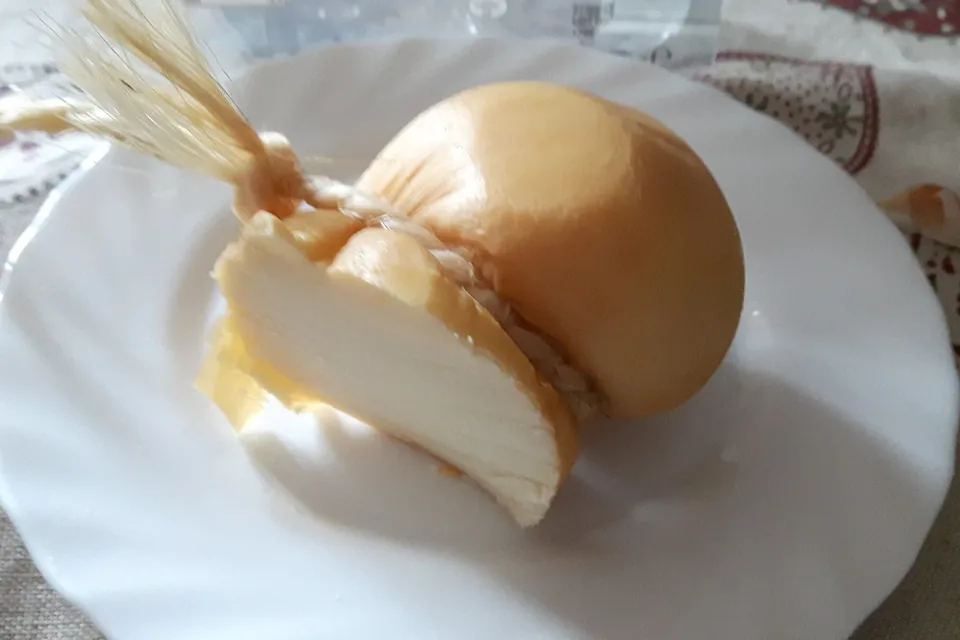
Exploring Puglian scamorza, from its pear shape to the larger scamorzone size.
Read the guide →Photo: FakirNL / Wikimedia Commons — CC BY-SA 4.0 · Resized and converted to WebP.
Gallipoli's fish preserve: small fish, chestnut tubs, saffron and scapece makers; the feast of Santa Cristina, Salento fish soups and the other scapece of the South.
Read the guide →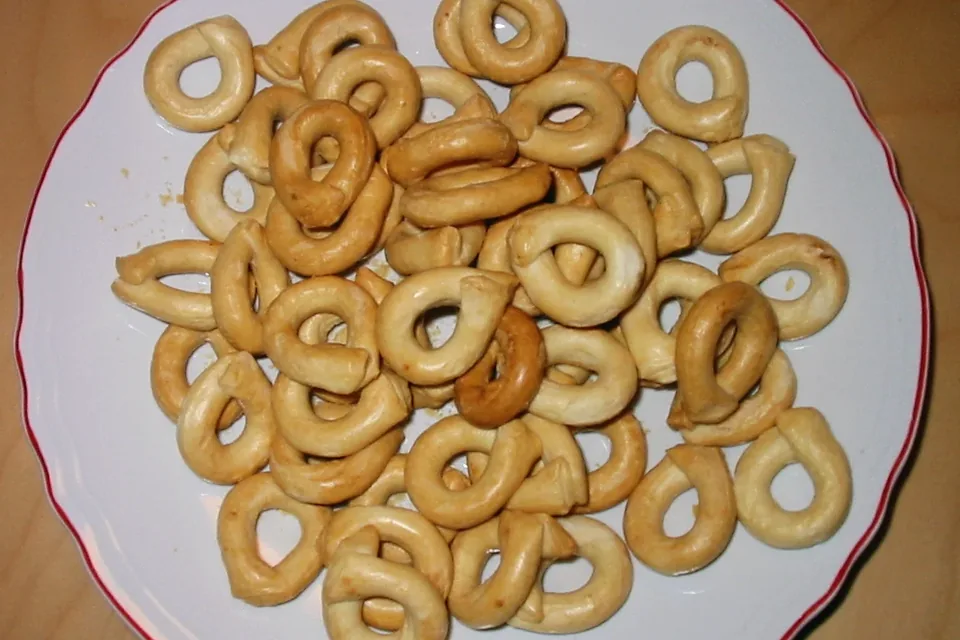
Dough, two-stage cooking and aromas: understanding Puglian taralli beyond the aperitivo.
Read the guide →Photo: Marco Leogrande / Wikimedia Commons — Public domain · Resized and converted to WebP.
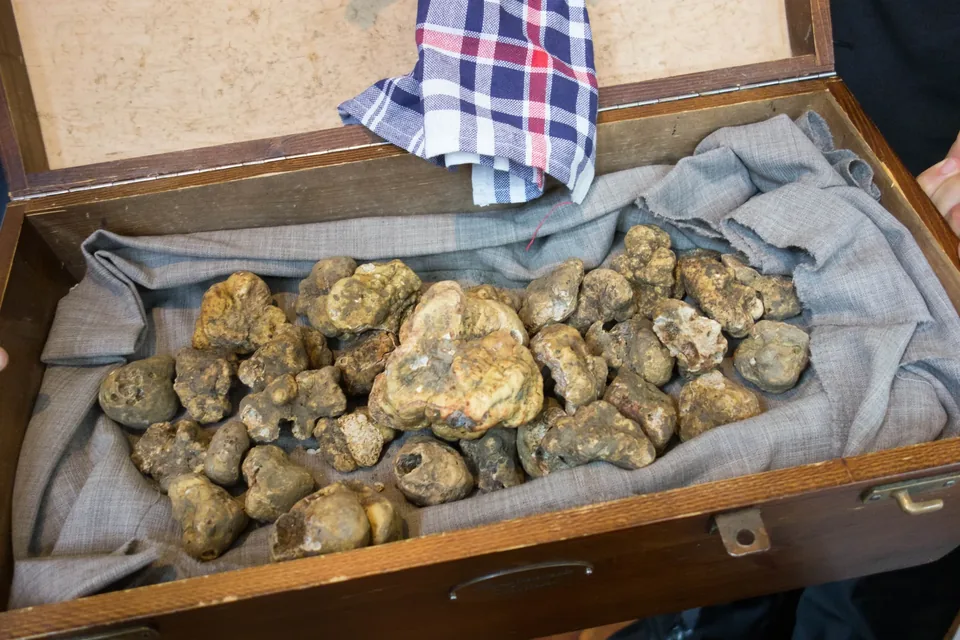
White truffle and the other Molise species: regional harvesting rules, truffle hunting as UNESCO heritage, the museum and fair at San Pietro Avellana, the summer festivals and how to enjoy it at the table.
Read the guide →Photo: Kent Wang from London, United Kingdom / Wikimedia Commons — CC BY-SA 2.0 · Resized and converted to WebP.
The Tuber mesentericum of the Picentini mountains: how to recognise it, where it grows, harvesting rules and calendar in Campania, the village, Laceno and 'Il Nero di Bagnoli'.
Read the guide →Irpinia's great red: grape, history and land, DOCG rules, the Castello Marchionale with the regional wine library, the village and the festival calendar.
Read the guide →Molise's signature red: history documented since the 18th century, the rules of the 2011 DOC, red, riserva and rosé, pairings with mountain cooking and a journey from the sea at Termoli to Upper Molise.
Read the guide →Italy's first torrone with a PGI: Martiniana and Torrefatto glassato, high-temperature cooking and the glassy break, the port's history and the late-November festival.
Read the guide →No PDO or PGI: Guardiagrele torrone, sise delle monache and pane nobile are traditional products recognised by the Abruzzo Region and confirmed in the 2026 national list, like parrozzo, cicerchiata, Sulmona confetti and soft chocolate torrone; in August, the crafts fair.
Read the guide →The nougat village below Montevergine: a town born for pilgrims, the two cupeto recipes, priest's chestnuts, the Juta and the devotees' footpath.
Read the guide →The wooden fishing machines between Peschici and Vieste: how they work, who protects them, which ones you can see and how to enjoy the fish of the Gargano coast.
Read the guide →It is neither PDO nor PGI: it is a family of traditional salami. The Slow Food Presidium of the Vasto area, the Montenero di Bisaccia version, the spreadable Teramo type and the Altino pepper.
Read the guide →The designations around Brindisi, from Negroamaro to Susumaniello and Ostuni's Ottavianello, and a day between the Appian Way's port, the countryside and the White City.
Read the guide →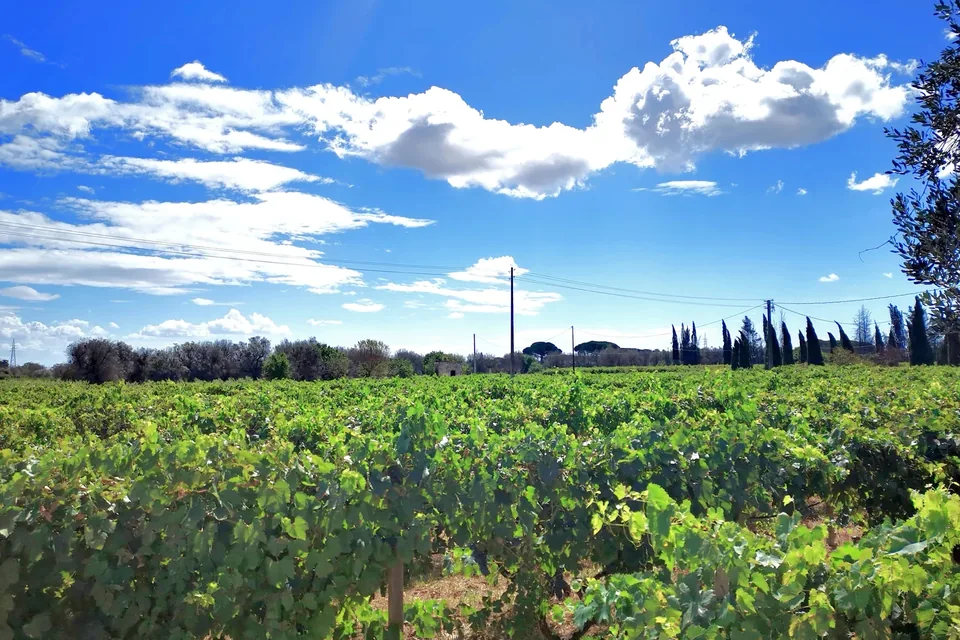
Exploring wine across the Murgia, Manduria and Salento through flavour and landscape.
Read the guide →Photo: Saggittarius A / Wikimedia Commons — CC BY-SA 4.0 · Resized and converted to WebP.
The DOC covering the whole province of Cosenza, its seven subzones and especially Donnici, south of the city: grapes, rules, styles, history and a day between old Cosenza and the wine hills.
Read the guide →Flowers picked at dawn, stigmas toasted over embers, thirteen towns around L'Aquila: the Abruzzo PDO explained from field to kitchen, with an autumn day on the plateau.
Read the guide →


.jpg)


