APULICA / Food guides
Ostie ripiene: almonds and honey in the Archangel's town
Monte Sant'Angelo has for centuries been the goal of pilgrims heading for the cave of Saint Michael the Archangel, and its most typical sweet was born, tradition says, in a convent: two wafers as thin as communion hosts enclosing toasted almonds caramelised in honey, with a hint of cinnamon. Ostie ripiene, ostie chjène in dialect, are sold all year in the shops of the upper town. This guide tells their story and preparation according to the official records, together with the town's big bread and the sanctuary's calendar.
A convent legend
The Gargano National Park calls ostie ripiene Monte Sant'Angelo's most typical sweet and tells its legendary origin, around 1600, in the monastery of the Most Holy Trinity of the Nuns, of the Order of Saint Clare. Some nuns were preparing the dough for communion wafers when almonds fell into a bowl of hot honey; to retrieve them they used two pieces of wafer, and the honey-coated almonds stuck to them, forming a single whole. For the Park, the shared ingredients and baking method with eucharistic hosts, together with decorations bearing sacred images, seem to confirm a convent origin. The Atlas of Apulian traditional products tells the same legend and calls the sweet ostia chjène, meaning filled.
Sources: Parco nazionale del Gargano — Ostie ripiene di Monte Sant'Angelo · Atlante dei PAT di Puglia — Ostie ripiene
Wafers, honey, almonds and cinnamon
The PAT record describes the recipe. The wafers are made from a batter of water and flour, baked with a special iron heated on the fire. The filling is made in a pan, ideally copper: honey, sugar and toasted almonds are warmed over a low flame, stirring until the almonds are coated in syrup and begin to crackle; cinnamon is added and the heat turned off. On a marble slab the still-hot mixture is spread on one wafer, covered with a second and pressed under a wooden board with weights until, as it cools, the wafers stick and stay flat. The result is cream-white outside and dark brown inside, sweet and intense, smelling of honey and cinnamon with a slightly bitter finish. The Park gives an oval shape of seven to eight centimetres by sixteen to eighteen.
Sources: Atlante dei PAT di Puglia — Ostie ripiene · Parco nazionale del Gargano — Ostie ripiene di Monte Sant'Angelo
A recognised traditional product
Ostie ripiene have been on the national list of traditional food products since 2001, with the province of Foggia, and Monte Sant'Angelo in particular, as area of origin, although, the record notes, the sweet is enjoyed throughout Puglia. Production is year-round and sale is direct, from the workshops. There is no European designation or production rule: protection comes from regional recognition and the town's memory. Italia.it's guide to Monte Sant'Angelo confirms the link between sweet and town: shops sell filled wafers and sweets of almonds and honey. The Atlas also cites an episode of the TV programme Linea Verde devoted to the town, a sign of fame reaching beyond the Gargano.
Sources: Atlante dei PAT di Puglia — Ostie ripiene · Italia.it — Monte Sant'Angelo
Monte Sant'Angelo's big bread
Besides the sweet, Monte Sant'Angelo has a bread famous for its size. The PAT record, added in 2005, calls it li panett: soft-wheat type 0 flour, water, salt and natural leaven, lu crescente; round, with a crisp almond-coloured crust and soft crumb. It can reach eighty to ninety centimetres across; loaves once weighed over twelve kilos because bread was bought once a week, today they usually weigh one to four kilos, with the big ones made to order. The record notes it is mentioned in Folklore garganico from 1940 and is in the Slow Food Ark of Taste. The Park adds that the large loaves are often displayed hanging in front of shops, that the crumb owes its texture to rising in wicker baskets, and that poorer families also made a bread with potatoes.
Sources: Atlante dei PAT di Puglia — Pane di Monte Sant'Angelo · Parco nazionale del Gargano — Pane di Monte Sant'Angelo
The Archangel's cave and the Junno
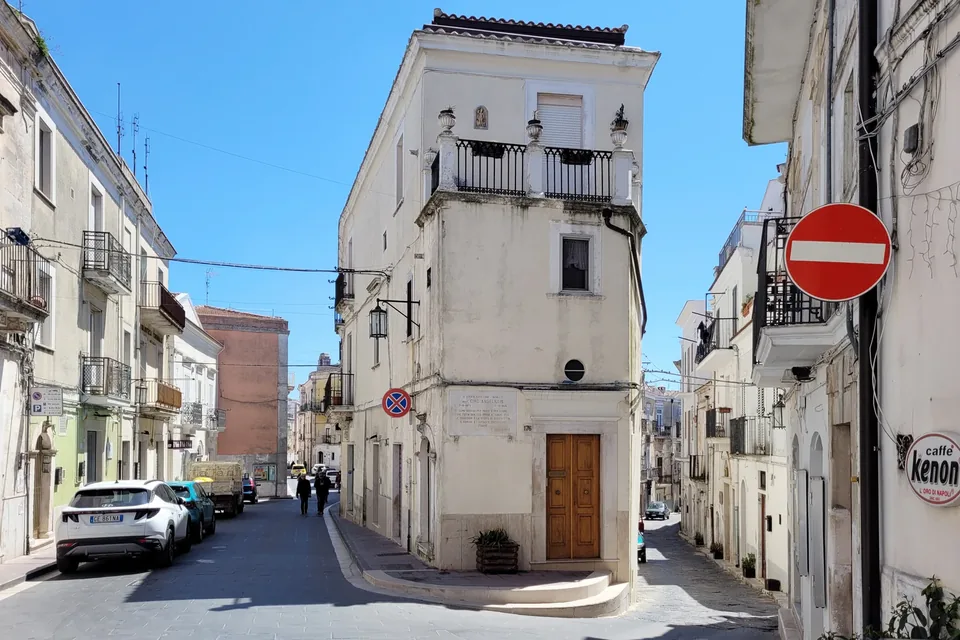
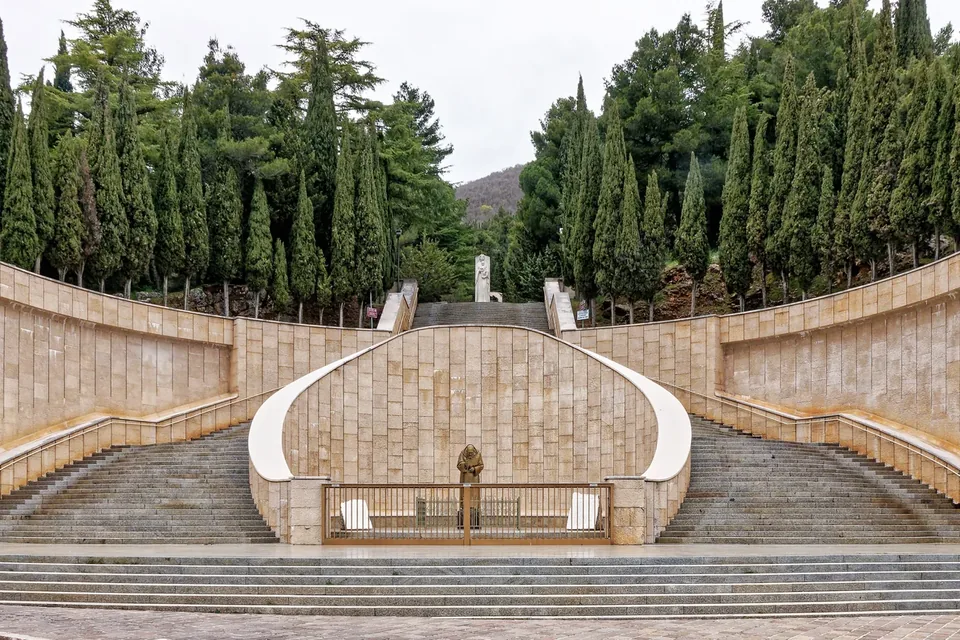
Italia.it presents the sanctuary of Saint Michael as the town's symbol and lists it as a UNESCO site: a staircase cut into the rock descends to the Holy Cave, place of the Archangel's apparition. From the basilica you enter the Junno quarter, a maze of alleys and tightly packed white houses, and among historic sites the guide mentions the Norman castle and the Tomb of Rotari. The Park describes the sanctuary as a pilgrimage goal for fifteen hundred years: the cult was spread across Europe by the Lombards, the cave preserves pilgrims' inscriptions from different eras preceded by a cross, and among illustrious visitors it recalls Otto III, Henry II, Frederick II and John Paul II. In the Middle Ages the sanctuary was a stage on the route from Santiago de Compostela to Rome and Jerusalem, along the Via Sacra Langobardorum.
Sources: Italia.it — Monte Sant'Angelo · Parco nazionale del Gargano — Pellegrinaggio al santuario di San Michele Arcangelo
8 May and 29 September: the pilgrims' calendar
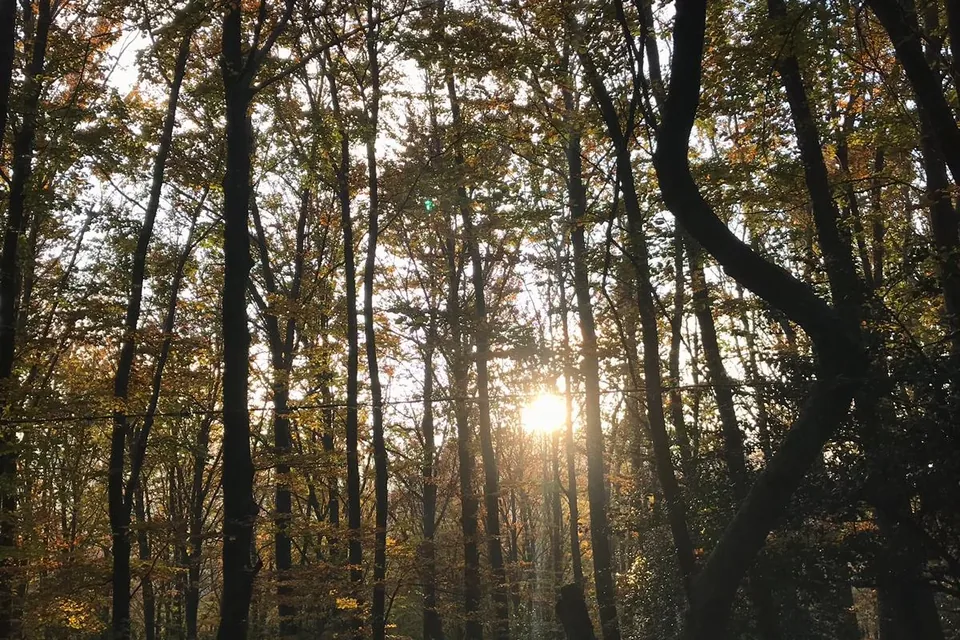
According to the Park, the apparition dates, 8 May and 29 September, are the two ritual days, preceded by novenas; on 29 September a solemn mass is celebrated with the Municipality offering wax and produce of the land, followed by an afternoon procession through the old town. Since 1995 the Pilgrims' Way from Vieste has been revived, organised each year with an evening departure from the cathedral. A 2013 Park page describes pilgrimages on foot from four directions to the cave: from Vieste through the Foresta Umbra, from San Marco in Lamis, from Manfredonia and from Mattinata, coordinated by the Michaelite fathers. In September 2026 the Municipality published traffic changes for the patron saint's feast from 27 to 30 September, with the procession and fireworks on the 29th. Times and arrangements should be checked every year.
Sources: Parco nazionale del Gargano — Pellegrinaggio al santuario di San Michele Arcangelo · Parco nazionale del Gargano — Festeggiamenti di San Michele Arcangelo (2013) · Comune di Monte Sant'Angelo — Festa patronale, modifiche alla viabilità (2026)
How to enjoy them
Ostie ripiene are a dry, crunchy sweet to eat in small bites: the wafer crumbles while the almond and honey filling holds firm under the teeth. Taste them after visiting the cave, with a coffee or a small glass of sweet wine or herbal liqueur, and compare them with other almond sweets from the area. A good habit is to ask the workshop how recently they were made: fresh, the wafer is more delicate and the honey more fragrant. For a full meal in the upper town, also try a local fresh pasta dish and a slice of the big bread, perhaps with a Gargano cheese: the sweet best ends a day of plenty of walking.
The right souvenir to take away
Among Apulian sweets, ostie ripiene are among the best suited to travel: they are dry, keep well in a closed box away from damp and heat, and their flat shape makes them easy to pack, provided they are protected because the wafers are fragile. Buy them directly from the workshops in the upper town, where the PAT record places their sale, asking for ones with sacred decorations if you want a souvenir linked to the sanctuary. If you travel on the May or September days devoted to the Archangel, expect the town to be very crowded: arrive early and allow plenty of time for parking and the visit. A big loaf of bread, on the other hand, is worth buying only if you are driving home and order it in advance.
A thread for your journey
Journey idea: morning at the sanctuary of Saint Michael with the descent to the cave, a walk through the Junno quarter and a stop at an ostie ripiene workshop, lunch with fresh pasta and local bread, and an afternoon in the Foresta Umbra along the old pilgrims' way. Guided visits to the sanctuary and workshops to be arranged with operators.
Talk to us