
A rusk-bread from all over Puglia
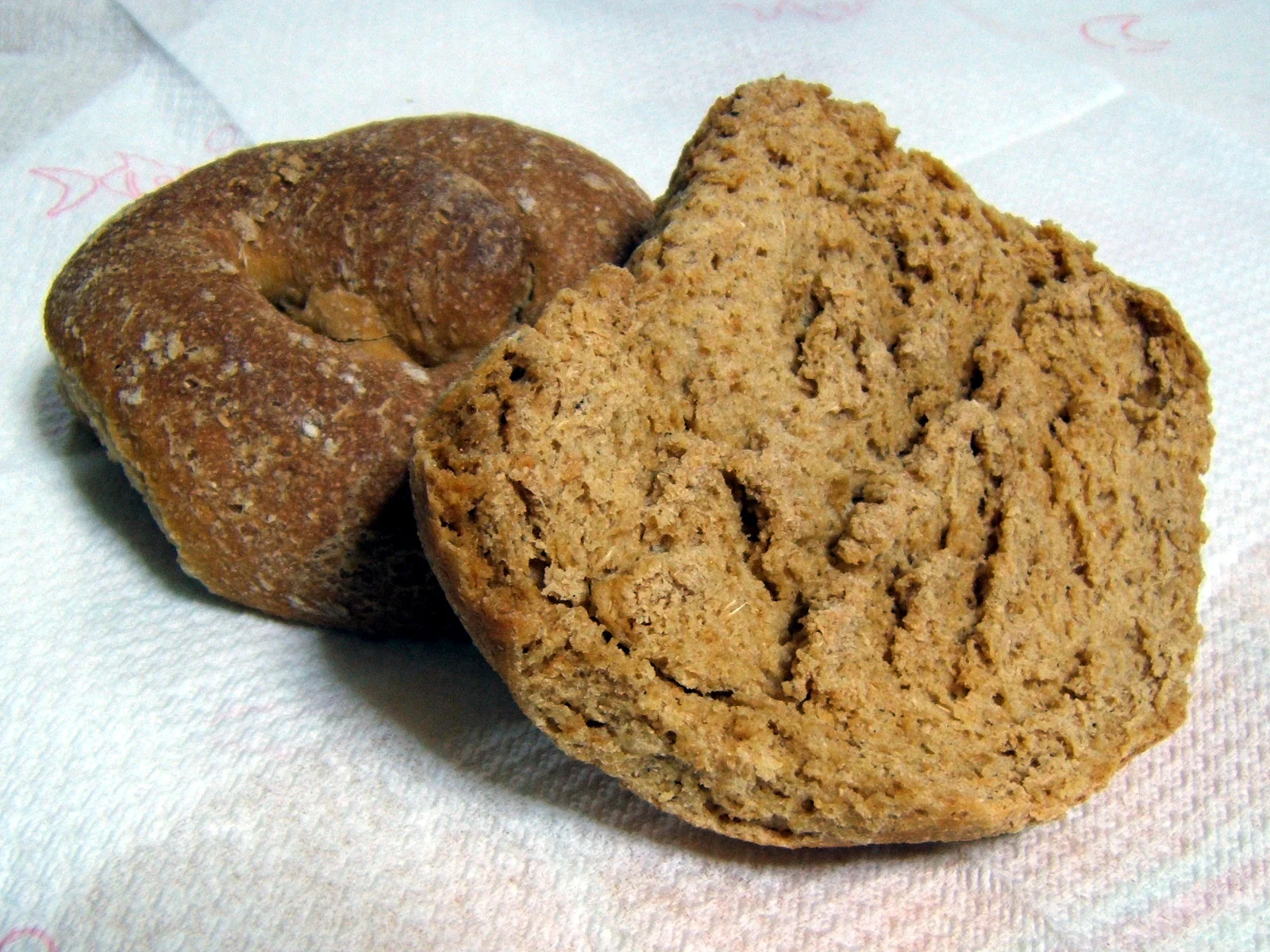
The Atlas of Apulian traditional products has listed barley and wheat friselle as a PAT since 2001, with the whole region as area of origin. The names change with the dialects: fresèdde around Bari, fresèlla around Foggia, frasèdda, frisèdda and frisa in the Salento, frisoccula in Cellino San Marco. The record describes a round rusk-bread of about fifty grams, smooth on one side and rough on the other, ranging in colour from the cream of wheat to the light brown of barley. It is eaten all year, but above all in summer, as an aperitif, snack or quick meal. A book on Apulian cooking quoted by the Atlas recalls that friselle were once made with spelt flour and today with wholemeal flour, and calls them excellent for cialde. They are sold in traditional shops and directly by the bakeries that make them.
Sources: Atlante dei PAT di Puglia — Friselle di orzo e grano
Sourdough, a spiral and two bakes
The PAT record describes the method. In the morning, barley and/or wheat flour is kneaded with sourdough or leftover dough, called llatu or criscituru, lukewarm water and salt, into a soft, elastic dough. It is shaped into cylinders about fifteen centimetres long, twisted into a spiral and left to rise for about two hours. The first bake lasts about two hours at 200 to 250 degrees; then the rings are split and returned to the oven at 150 degrees to dry out. This cut between the two bakes explains the look described by the record: one smooth side and one rough side, which soaks up water and dressing. Among the Atlas's bibliographic sources, Sada specifies durum wheat for the friselle of Lecce and Manduria.
Sources: Atlante dei PAT di Puglia — Friselle di orzo e grano
From ship's bread to a dish in its own right
On its history, the PAT record reports the tradition that dates the frisella to the 10th century BC, when sailors carried it as travel bread, softening it in seawater and dressing it with olive oil. The record uses the conditional: this is a tradition, not a document. The social history is more concrete: according to the Atlas, after the war wheat friselle were reserved for wealthier tables and special occasions, then became a peasant staple and today a dish in their own right. The Atlas also notes some printed traces: a food column in a Noci periodical discussed friselle among table traditions as early as 1978, and in 1993 the same periodical listed them among the Apulian specialities featured at an evening devoted to the region's folklore and flavours. The Municipality of Giurdignano sums up the arc: born as poor food, it is now also served as a gourmet dish.
Sources: Atlante dei PAT di Puglia — Friselle di orzo e grano · Comune di Giurdignano — Piatti e prodotti tipici
Soaking and dressing: tomato, oil, oregano
The essential gesture, the Atlas says, is sponzare: soaking the frisella in water until it softens. It is then dressed with fresh tomato or hanging tomatoes and extra virgin olive oil; the record also mentions it as the base of the cialda, another Apulian PAT. How long to soak it is a personal choice: the frisella should soften without falling apart, and the dressing stays simple, because the dish lives on the balance between crunch and moisture. Italia.it, in its Salento dishes itinerary, describes it as a durum-wheat rusk-bread to be soaked and dressed with oil, salt and tomato. In Giurdignano, the Municipality adds, there are also friselline, small ones suited to an aperitif.
Sources: Atlante dei PAT di Puglia — Friselle di orzo e grano · Italia.it — Salento itinerary: traditional dishes · Comune di Giurdignano — Piatti e prodotti tipici
Keeping tomatoes, hung in bunches
The frisella's winter topping, according to the Atlas, is hanging tomatoes: keeping varieties that last for months. One documented example is the Slow Food Presidium for the Regina tomato of Torre Canne, grown on the coast of Fasano and Ostuni, in the brackish soils of the Coastal Dunes Park. It is a local variety with small, round fruit and thick skin due to brackish irrigation; cultivation dates back to the mid-19th century. Harvest begins in July; part is sold fresh, the rest withers in crates until September, when the tomatoes are tied by the stalk with cotton thread, grown between the rows, to make ramasole hung from farmhouse vaults. They keep this way until the end of the following April. Once, the Presidium recalls, owning many ramasole was a sign of prestige.
Sources: Atlante dei PAT di Puglia — Friselle di orzo e grano · Fondazione Slow Food — Presidio Pomodoro Regina di Torre Canne
Frisella festivals
Among promotional initiatives the Apulian Atlas lists several dedicated festivals: the Festa della frisella in Putignano, province of Bari, in July; the sagra ta friseddhra e tu pimmitoru scattarisciatu in Supersano, province of Lecce, in August; the frisella festival in Marittima, province of Lecce, also in August; and the Frisella Fest in Ceglie Messapica, province of Brindisi. The record gives no exact dates or information on whether editions continue, and we add none: before planning a trip around one of these festivals, check that year's calendar on the town or pro loco websites. The same record places consumption in the summer season, when fresh tomatoes are at their best, but notes that bakeries produce friselle all year.
Sources: Atlante dei PAT di Puglia — Friselle di orzo e grano
From the village bakery to the table in the square
Friselle are bought from the baker. In Giurdignano, the Municipality writes, bakeries turn out many kinds of bread every day, from durum wheat and re-milled semolina to barley and spelt, and next to the friselle there are tarallini and pucce. Italia.it's page on Apulian flavours lists friselle, taralli and pucce among things to buy in a bakery. Outside the Salento too the frisella accompanies village cooking: the Touring Club suggests tasting Apulian extra virgin olive oil on a frisella in the square at Cisternino, and the I Borghi più belli d'Italia association names friselle with cacioricotta, oil and capocollo as a typical dish there. Italia.it's Salento itinerary places it on a route through Ruffano, Supersano and Andrano, in the Serre, alongside ciceri e tria and olive-filled puccia.
Sources: Comune di Giurdignano — Piatti e prodotti tipici · Italia.it — La Puglia dei sapori made in Italy · Touring Club Italiano — Che cosa mangiare a Cisternino · I Borghi più belli d'Italia — Cisternino · Italia.it — Salento itinerary: traditional dishes
How long to soak it: getting it right
The difference between a good frisella and a disappointing one lies almost entirely in the soaking. A quick pass under cold water, porous side first, and a minute's rest before dressing is enough: it should stay crunchy in the centre and soft on the surface. Crush the tomatoes over it so their juice finishes what the water began; then plenty of oil, salt and oregano. Barley friselle are more rustic and stand up to strong toppings such as capers, onion or tuna in oil; wheat ones are more delicate. At the beach or on a farm it works with a cold beer or a Salento rosé. Anyone seeking the original taste should try it at least once with hanging tomatoes, in winter or spring, when fresh tomatoes are out of season.
The souvenir that travels best
Of all Salento products the frisella may be the best suited to a suitcase: it is dry, light and keeps for a long time away from moisture. Buy it from a village bakery rather than pre-packed, choosing one bag of barley and one of wheat to compare at home; the small friselline are handy for aperitifs. They are fragile: carry them in hand luggage or cushioned among clothes. Take along a local extra virgin olive oil too, which will make more difference at home than the tomato. If you travel in summer, though, the best experience is still eating it on the spot, in the shade, with that day's tomatoes: it is a dish that lives on place and season, and the memory of that first bite is the real souvenir.
A thread for your journey
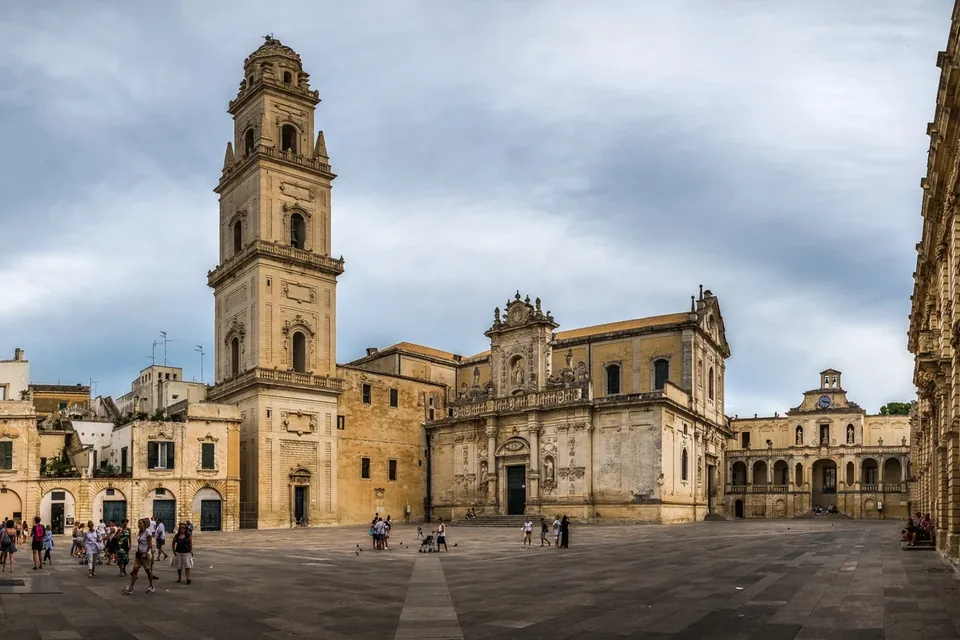
Journey idea: a morning in Otranto and the Giurdignano hinterland, stopping at a village bakery to buy barley and wheat friselle, and a shaded lunch of frisella, tomatoes and oil; in the afternoon, Lecce. In summer, check whether a nearby town is hosting a frisella festival; any bakery visit to be arranged with operators.
Talk to us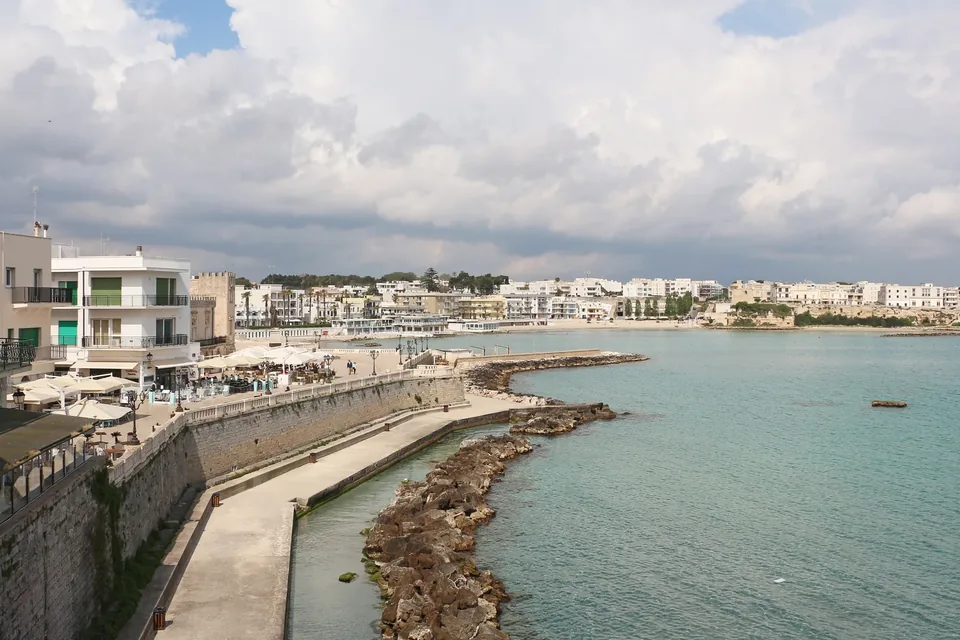


.jpeg)
