
APULICA / FRUIT, VEGETABLES AND PULSES
Regina tomato of Torre Canne
PAT · Slow Food Presidium · Fruit, vegetables and pulses · Puglia
In brief
- A keeping tomato grown on coastal land between Fasano and Ostuni, in the Dune Costiere park from Torre Canne to Torre San Leonardo. (Fondazione Slow Food — Presidio Pomodoro regina al filo di cotone di Torre Canne)
- It is named for its crown-shaped stalk; the thick skin, due to irrigation with brackish water, lets it keep for a long time. (Fondazione Slow Food — Presidio Pomodoro regina al filo di cotone di Torre Canne · Atlante dei PAT di Puglia (Regione Puglia, Università di Bari) — Pomodoro regina)
- The fruit is tied with cotton grown between the rows into bunches called ramasole, hung in farmhouses until April. (Fondazione Slow Food — Presidio Pomodoro regina al filo di cotone di Torre Canne)
- It is picked from summer onwards; some is sold fresh, the rest wilts in crates before being tied. (Fondazione Slow Food — Presidio Pomodoro regina al filo di cotone di Torre Canne · Atlante dei PAT di Puglia (Regione Puglia, Università di Bari) — Pomodoro regina)
History and origin
The regina tomato is a storage population selected by market gardeners on the coast between Fasano and Ostuni. It owes its name to its stalk, shaped like a small royal crown.
Its history is intertwined with that of cotton. Until the mid-nineteenth century the main crop in this countryside was cotton, called «bambace», which supplemented farm incomes with sheets, tablecloths and fabrics spun and embroidered at home by women. Cotton did not vanish entirely: until the 1960s it was grown between the rows of tomatoes, and its thread was used to tie the fruits one by one into «ramasole», the large clusters made for hanging.
There are several theories on the origin of the word ramasola: «branch of sun», for the crimson colour of the cluster, or Arabic or Greek roots linked to the idea of sewing and joining. Today the regina is listed in the Regional Register of Apulian varieties and among the traditional products, and it is a Slow Food Presidium.
Sources: Atlante dei PAT di Puglia (Regione Puglia, Università di Bari) — Pomodoro regina · Masaf — Elenco nazionale dei prodotti agroalimentari tradizionali, XXVI revisione (2026) · Fondazione Slow Food — Presidio Pomodoro regina al filo di cotone di Torre Canne
Area and method of production
The regina grows on the coastal land within the Dune Costiere Park from Torre Canne to Torre San Leonardo: the light soils of the «marina», close to the sea and free of trees, suit it best. Irrigation with brackish water thickens the skin and raises the salt content of the fruit, which therefore spoils less in storage and resists pests better.
Picking starts in summer, from June. Some tomatoes are sold fresh; the rest wilt in crates and are then tied. With a lightning-fast turn of cotton thread the stalk of each fruit is knotted, forming small chains that, joined with hemp twine, make up the ramasola. It is a skill handed down from mother to daughter, especially by the women of Fasano.
The ramasole hang from a nail in the cool, airy rooms of the masserie of Fasano, Monopoli and Ostuni, under barrel or star vaults of tufa, without refrigeration, until April.
Sources: Fondazione Slow Food — Presidio Pomodoro regina al filo di cotone di Torre Canne · Atlante dei PAT di Puglia (Regione Puglia, Università di Bari) — Pomodoro regina
How to recognise it
The fruits are small and round, gathered in clusters of two to five that turn deep red when fully ripe. The skin is thick and the stalk crown-shaped; lycopene is the main carotenoid in the skin. Ripening is partly staggered.
Its distinctive quality is how well it keeps: the regina retains its characteristics for nine or ten months after harvest, with no energy needed. Research by the regional BiodiverSO project with the CNR on plots in Ostuni, Fasano and Monopoli measured sugars and carotenoids at harvest and after three months of storage, and found a good sweetness index, notable for a storage tomato.
Hanging, the regina is easy to recognise by the shape of the ramasola: not clusters tied together but fruits knotted one by one.
Sources: Atlante dei PAT di Puglia (Regione Puglia, Università di Bari) — Pomodoro regina · BiodiverSO (PSR Puglia, Università di Bari e CNR) — Caratterizzazione del pomodoro Regina · BiodiverSO — La caratterizzazione dei pomodori Manduria, Regina e Crispiano · Atlante dei PAT di Puglia — Pomodori appesi
In the kitchen
The regina exists to bring summer tomatoes to the winter table, and its classic use is bruschetta with hanging tomatoes, listed among Puglia's traditional products: a tomato is taken from the ramasola, squeezed and rubbed onto bread, which is then dressed with oil, garlic and salt. The same is done on frisella, the twice-baked ring of durum wheat or barley.
It was the farmworkers' food on returning from the fields, a poor but tasty supper that could be enriched with a handful of olives. Today it is a simple starter served with cured meats, cheeses and vegetables.
In the Brindisi area there is also «pani rustutu suppatu»: slices of toasted bread rubbed with garlic and dipped in a sauce of fresh tomato, oil, salt and pepper.
Sources: Atlante dei PAT di Puglia — Bruschetta con i pomodori appesi · Atlante dei PAT di Puglia — Pomodori appesi
Where to taste it
Look for the regina along the coast between Torre Canne, part of Fasano, and Torre San Leonardo, in the territory of Ostuni: this is the landscape of the Dune Costiere Park, between the sea, the dunes and the seaside gardens. Inland, the masserie of Fasano, Monopoli and Ostuni are where the ramasole are stored.
Fresh tomatoes are found in summer; hung, they last until spring. In Torre Canne the regina has also featured in the «Notti Verdi», a summer event that promoted it among the area's products.
Ostuni and Monopoli are natural bases for discovering it: between a day at the sea and a visit to the white town, the regina tells of a coastal farming born from the meeting of tomato and cotton.
Sources: Fondazione Slow Food — Presidio Pomodoro regina al filo di cotone di Torre Canne · Atlante dei PAT di Puglia (Regione Puglia, Università di Bari) — Pomodoro regina
Protection
- Traditional agri-food product (PAT) — Puglia, n. 181, 26th revision (Masaf — Elenco nazionale dei prodotti agroalimentari tradizionali, XXVI revisione (2026))
- Slow Food Presidium — pomodoro-regina-di-torre-canne (Fondazione Slow Food — Presidio Pomodoro regina al filo di cotone di Torre Canne)
When
- The sources consulted give no months.
Where
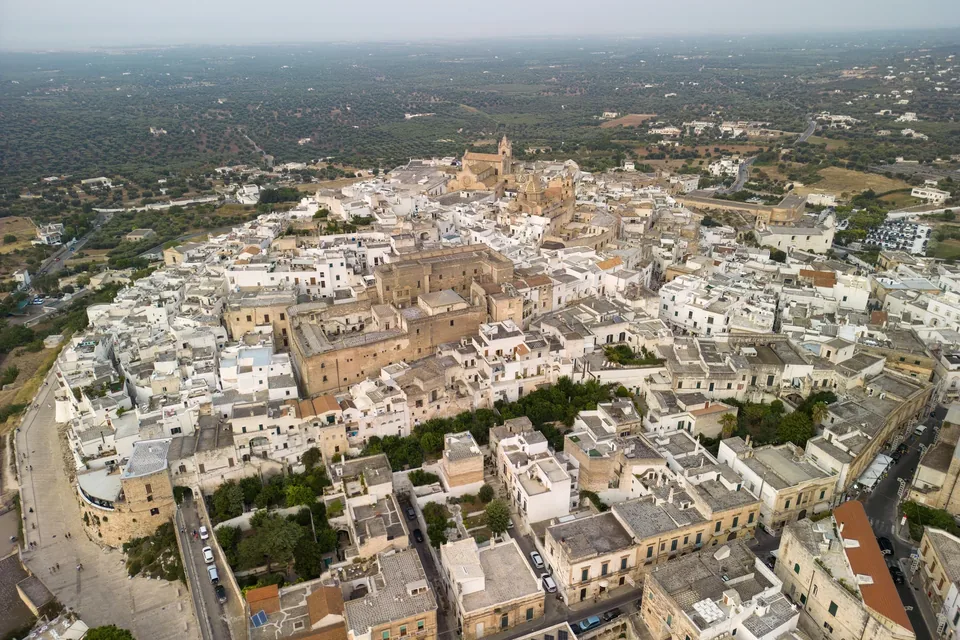
Ostuni
Houses, steps and agricultural landscape within one visit.
Read the guide →Photo: ParisTaras / Wikimedia Commons — CC BY 4.0 · Resized and converted to WebP.

Read more
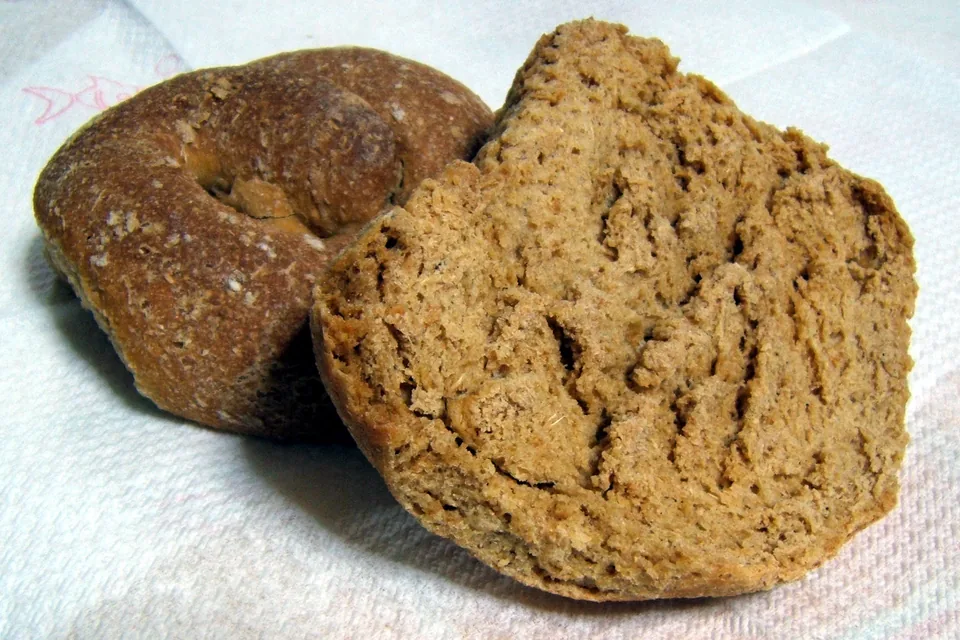
Salento frisella
Barley or wheat, sourdough, double baking and hanging tomatoes: how the frisa is made, how it is eaten in the Salento and where to look for it between Otranto, Lecce and the coast.
Read the guide →Photo: Florixc or Florixc, Calcagnile Floriano / Wikimedia Commons — CC BY-SA 3.0 · Resized and converted to WebP.
