
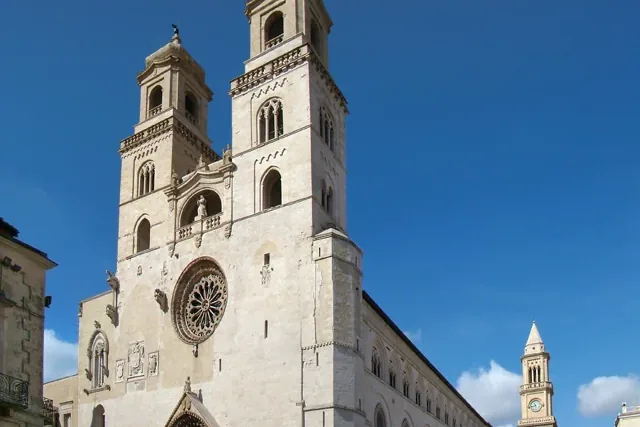
Altamura
Bread culture, the old town and the Murgia landscape as the starting point for a journey.
Read the guide →Photo: Tango7174 / Wikimedia Commons — CC BY-SA 4.0 · Resized and converted to WebP.

APULICA / Puglia
Puglia is Apulica’s starting point. Inland landscapes, local knowledge and food are central to the journey; a day or two on the coast can complete it.
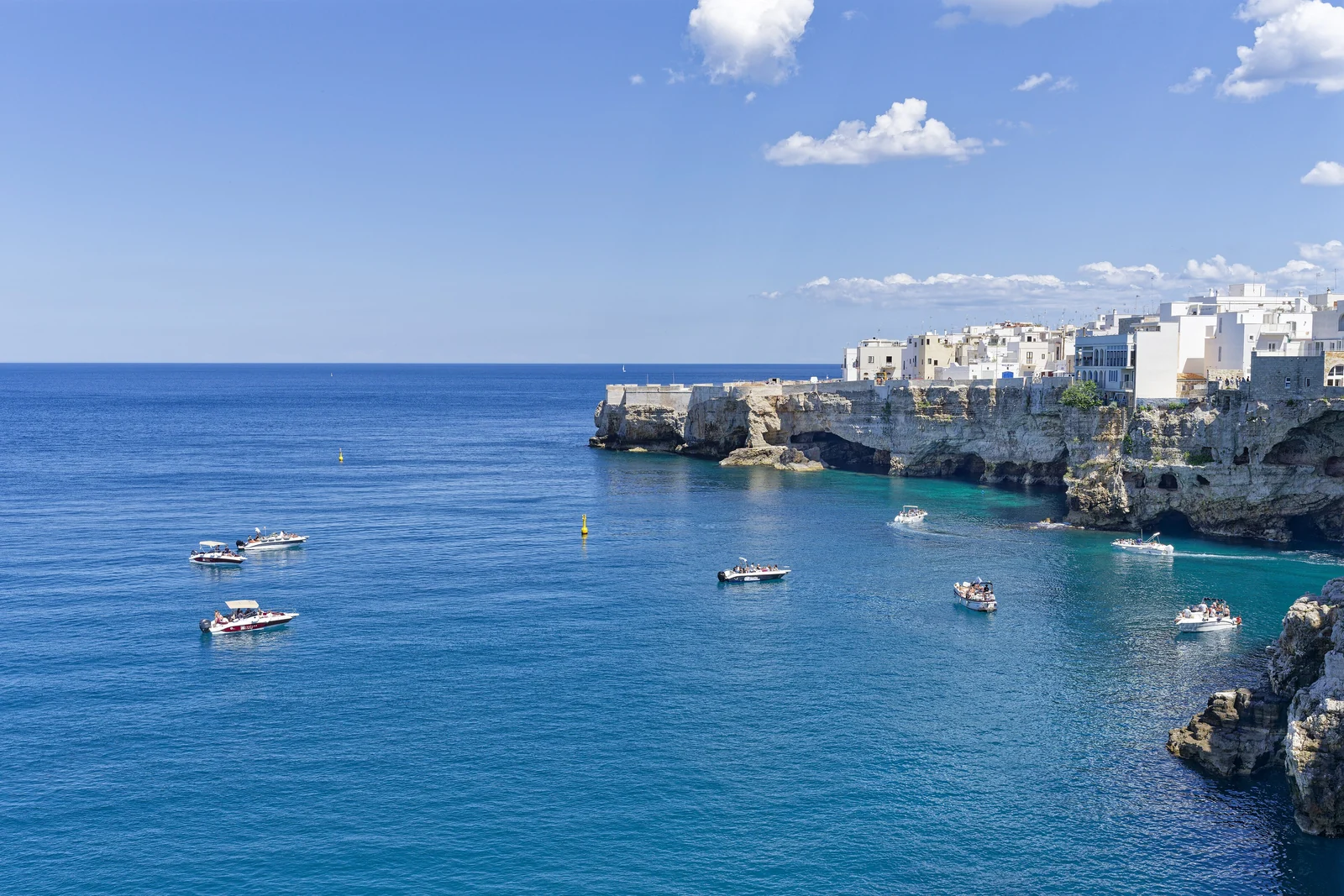
Polignano a Mare: houses on the cliffs above the sea. A contextual photograph of a place connected with this story. · Photo: Maksimsokolov / Wikimedia Commons — CC BY-SA 4.0 · Resized and converted to WebP.
Alta Murgia and inland towns, coastal centres, and the Itria Valley: these are journey threads to match with interests and available time. No proposal needs to cover the whole region. Quality comes from the sequence and selected encounters.
Bread can open a day in Altamura, rock guide a visit to Gravina, and architecture distinguish an Itria Valley town. Choosing a theme gives the journey continuity and places time to reveal themselves.
Bread culture, the old town and the Murgia landscape as the starting point for a journey.
Read the guide →Photo: Tango7174 / Wikimedia Commons — CC BY-SA 4.0 · Resized and converted to WebP.
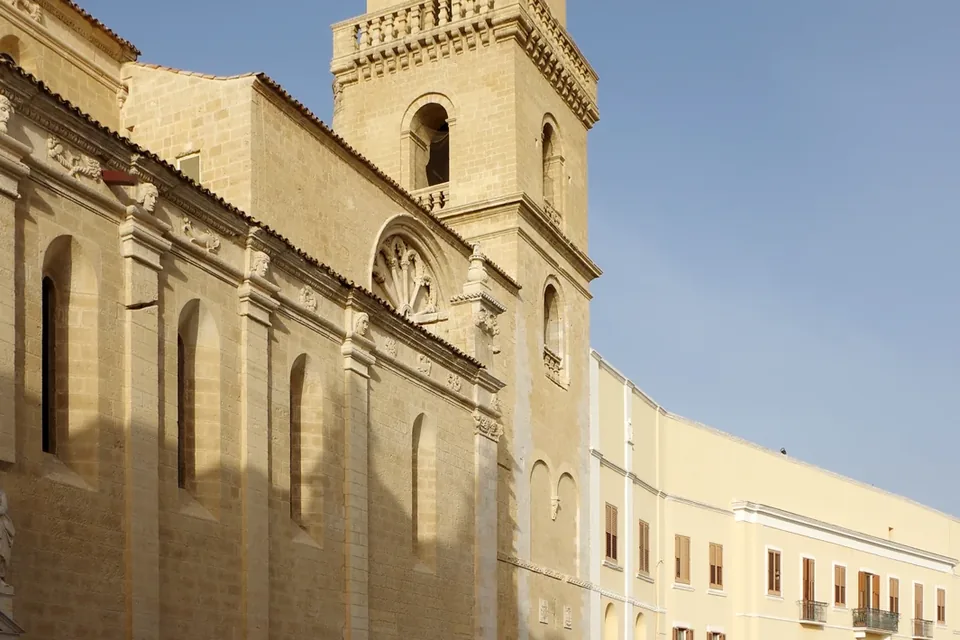
Rock-cut neighbourhoods, pastoral history and the relationship between town and landscape.
Read the guide →Photo: Berthold Werner / Wikimedia Commons — CC BY-SA 3.0 · Resized and converted to WebP.
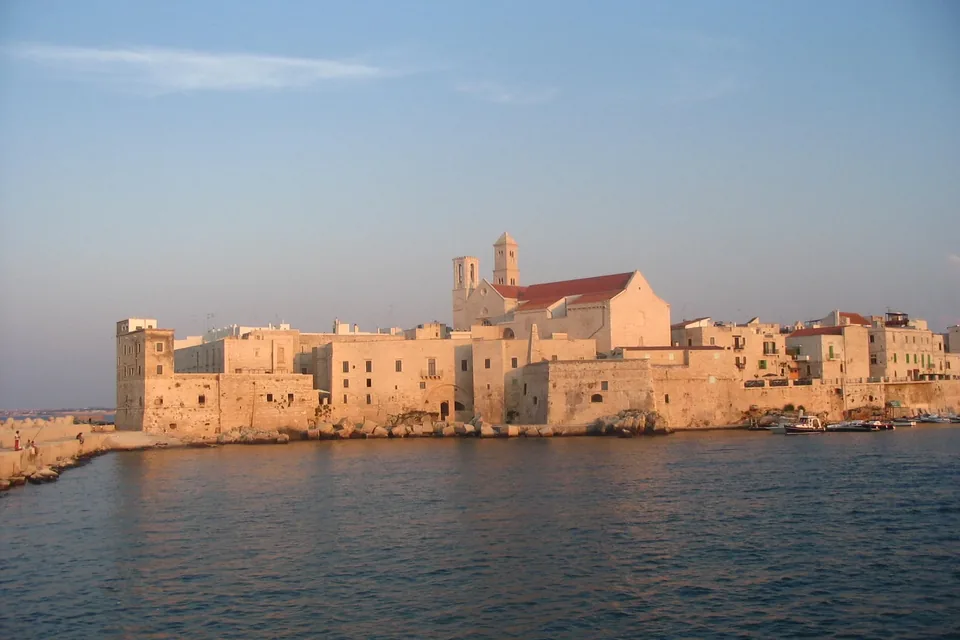
The old town, harbour and cooking shaped by farming and fishing traditions.
Read the guide →Photo: salviF / Wikimedia Commons — CC BY 2.0 · Resized and converted to WebP.
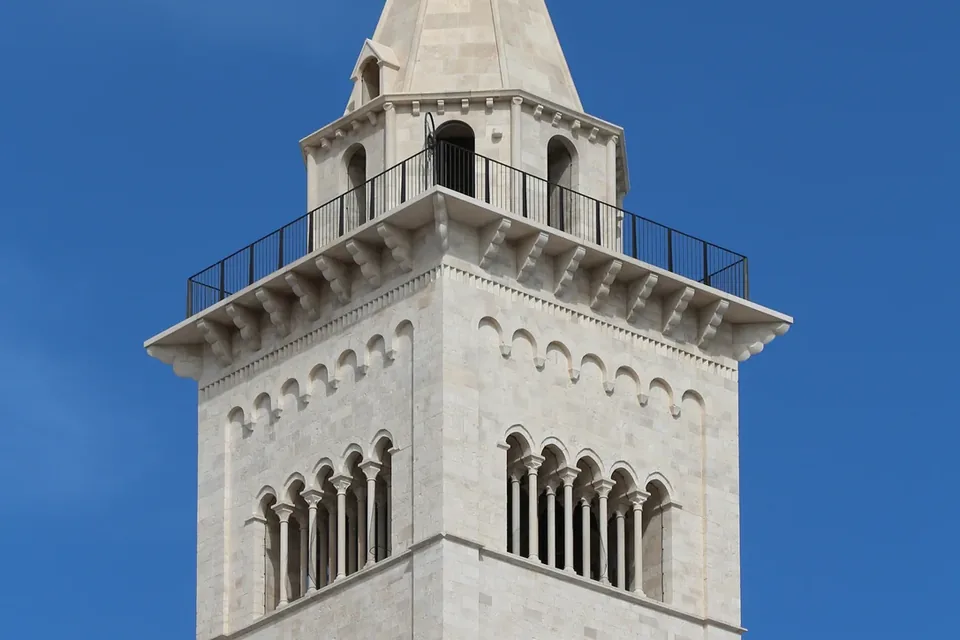
Cathedral, castle and Jewish heritage for a coastal ending with cultural depth.
Read the guide →Photo: Bernard Gagnon / Wikimedia Commons — CC0 · Resized and converted to WebP.
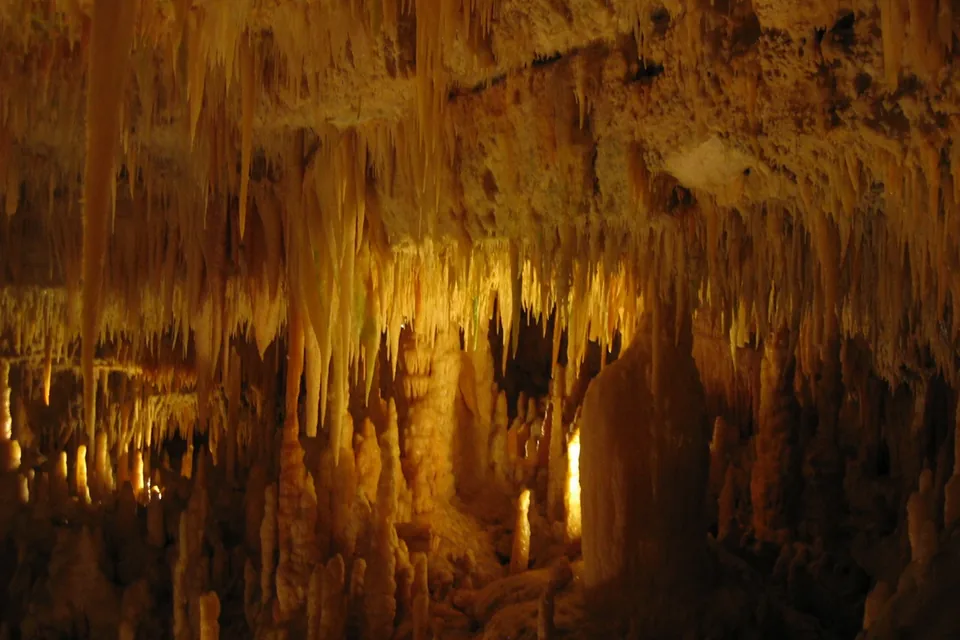
Karst, caves and the town within a journey connected to the Itria Valley.
Read the guide →Photo: ReMagio at Italian Wikipedia / Wikimedia Commons — Public domain · Resized and converted to WebP.
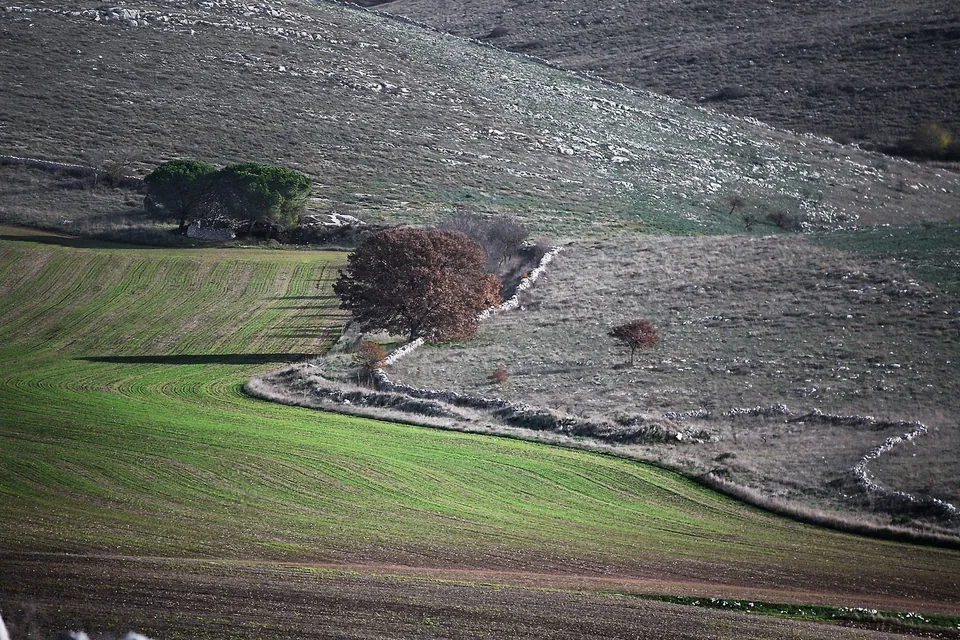
Stone, pasture and farming to explore the landscape beyond the towns.
Read the guide →Photo: Acquario51 / Wikimedia Commons — CC BY-SA 4.0 · Resized and converted to WebP.
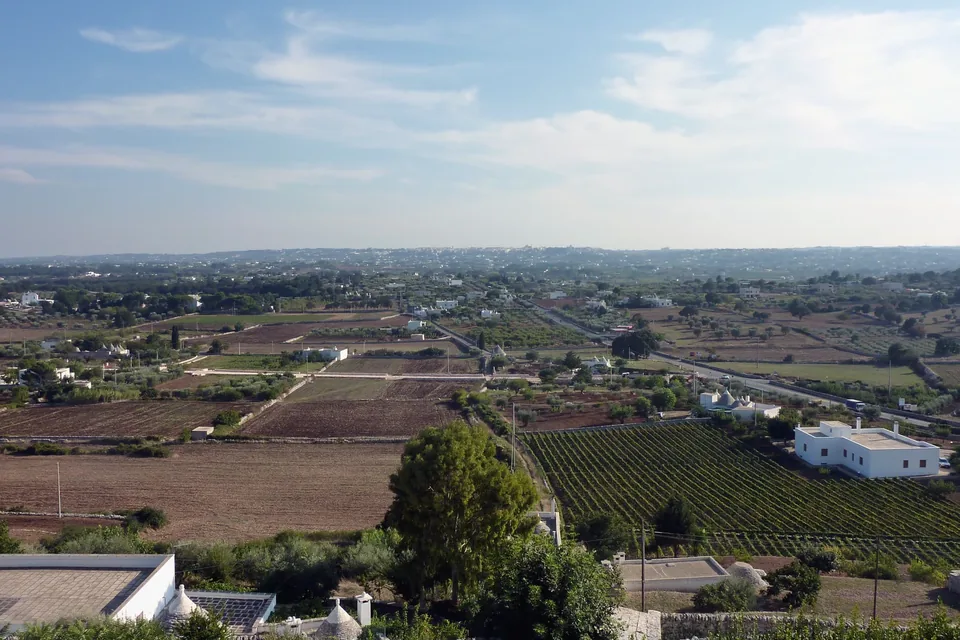
Rural architecture, towns and food as parts of the same journey.
Read the guide →Photo: Adbar / Wikimedia Commons — CC BY-SA 3.0 · Resized and converted to WebP.
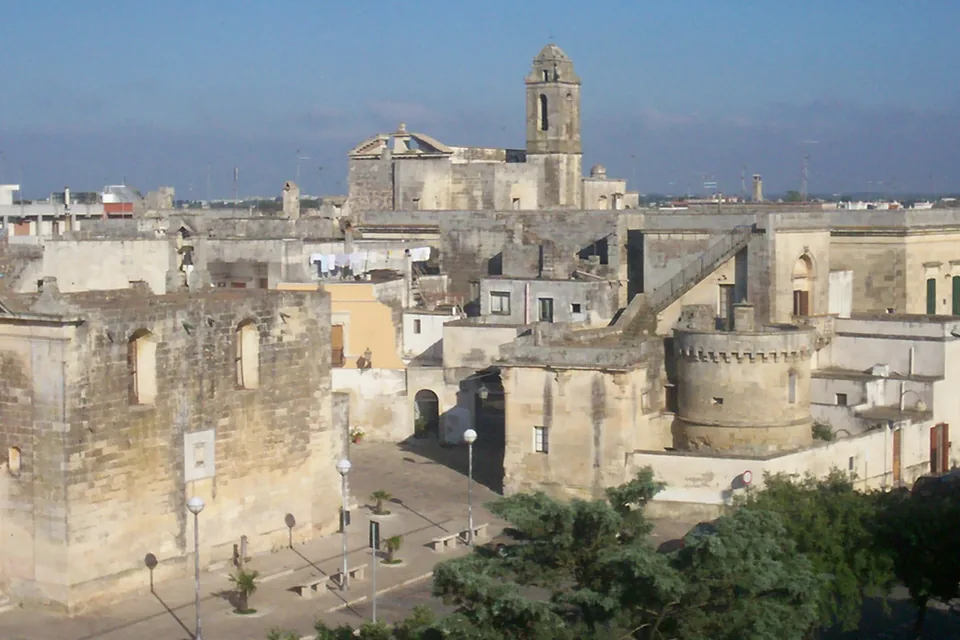
Courtyards, megalithic heritage and Cistercian culture in Grecìa Salentina.
Read the guide →Photo: Freddyballo / Wikimedia Commons — CC BY-SA 3.0 · Resized and converted to WebP.
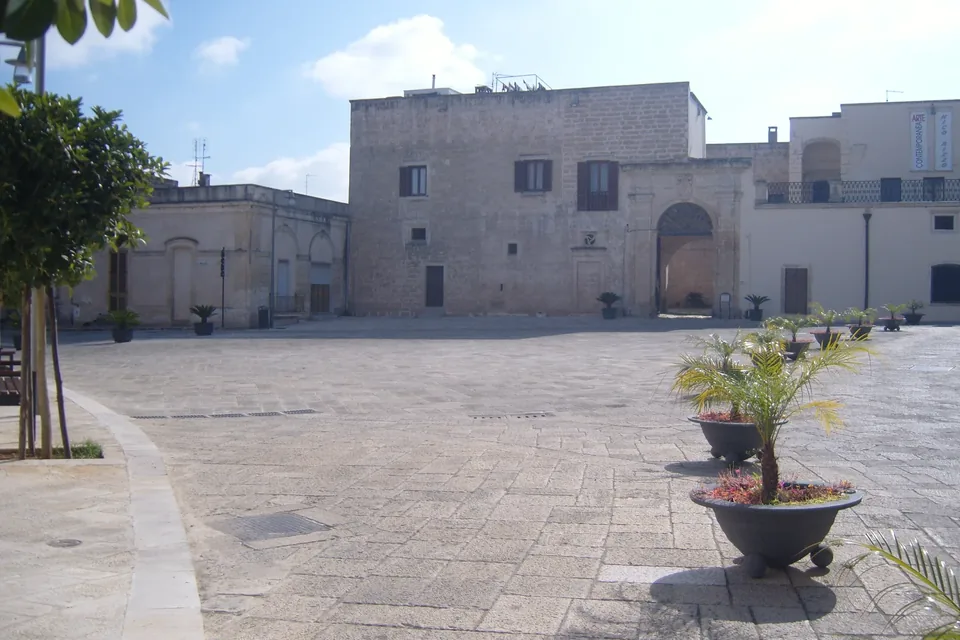
Rainwater wells, courtyard houses and a partly underground olive mill: water and work in a small Grecìa Salentina town.
Read the guide →Photo: Freddyballo / Wikimedia Commons — CC BY-SA 3.0 · Resized and converted to WebP.
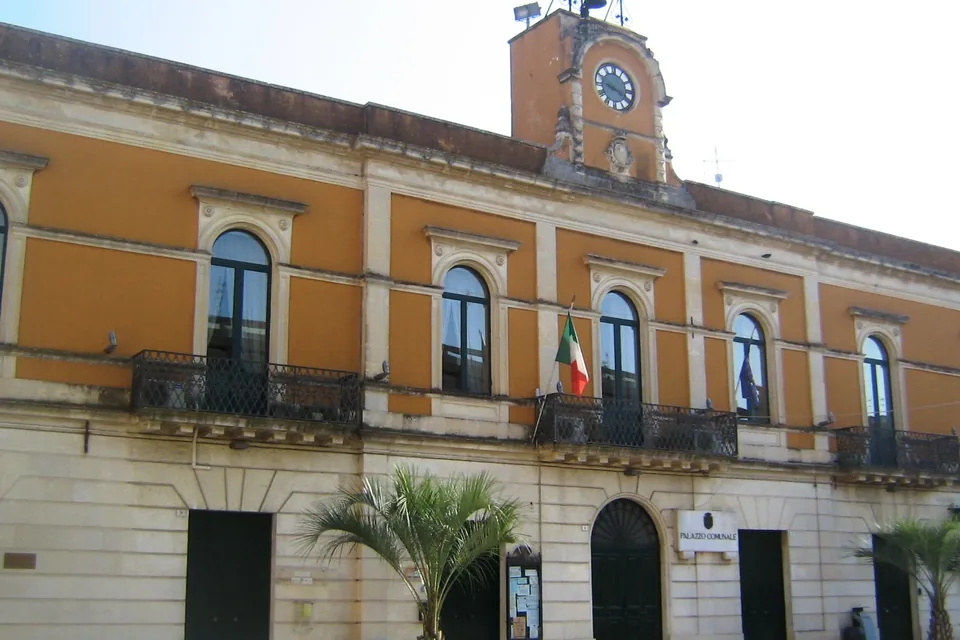
Griko culture, rural memory and a connection with Athens in inland Salento.
Read the guide →Photo: Lupiae / Wikimedia Commons — Public domain · Resized and converted to WebP.
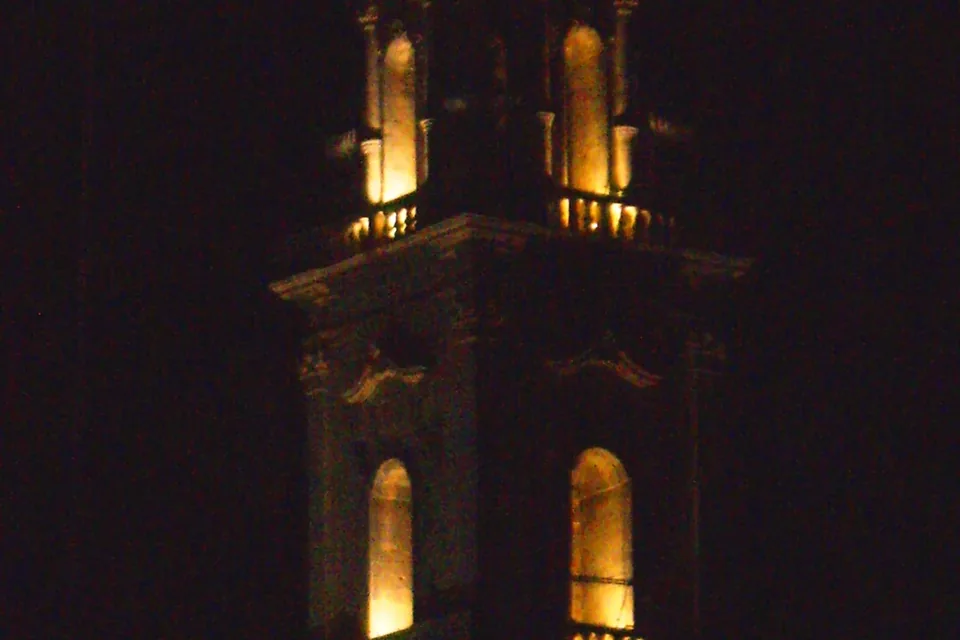
Grinding stones and presses beneath the town: the Granafei mill and historic centre tell the story of olive oil.
Read the guide →Photo: Freddyballo / Wikimedia Commons — CC BY-SA 3.0 · Resized and converted to WebP.
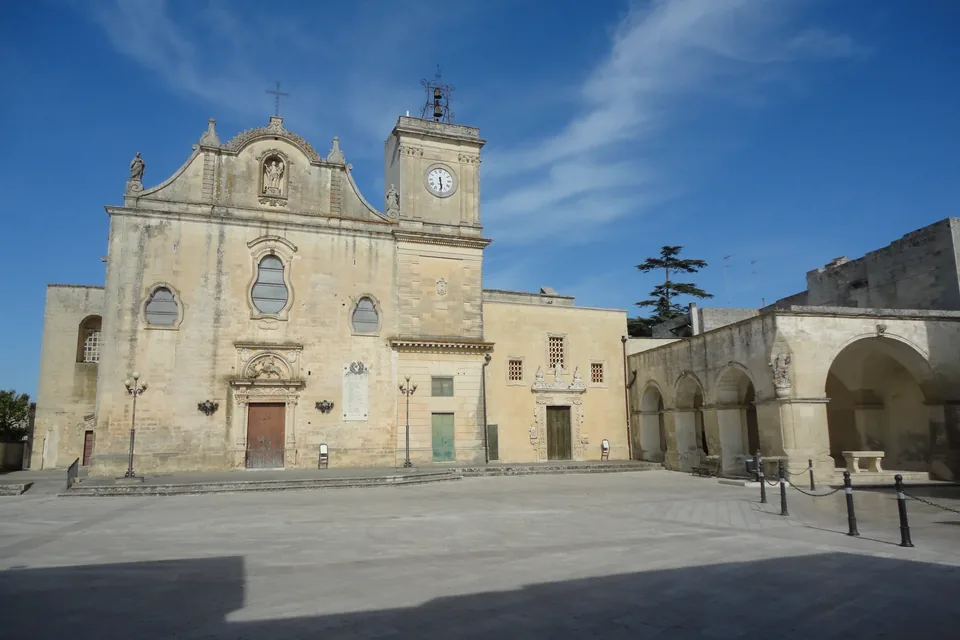
Augustinian heritage and musical culture: Melpignano beyond the night of its major concert.
Read the guide →Photo: Lupiae / Wikimedia Commons — CC BY-SA 3.0 · Resized and converted to WebP.
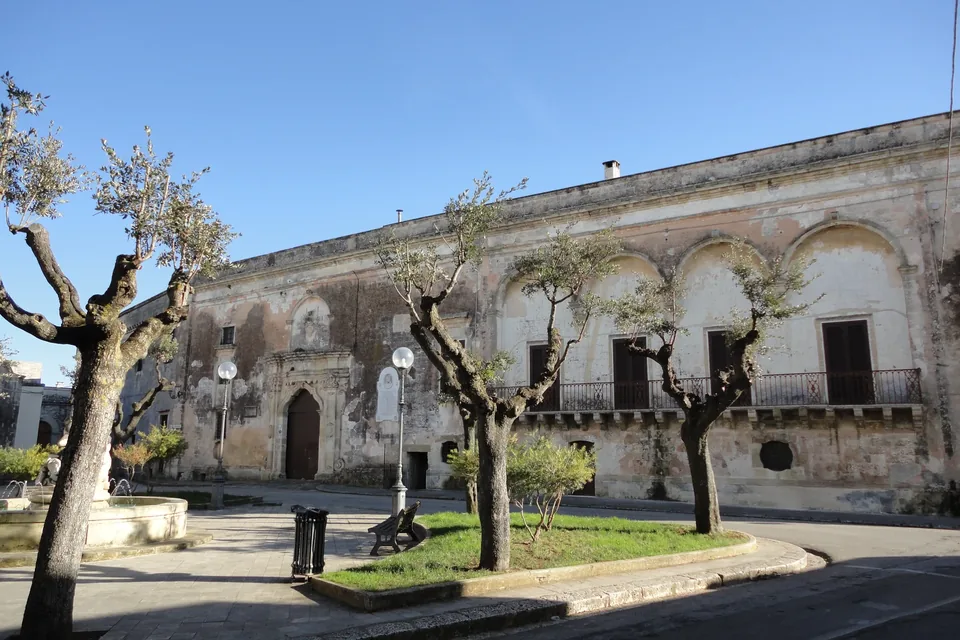
Palazzo Bacile, religious heritage and olive-oil production history in southern Salento.
Read the guide →Photo: Lupiae / Wikimedia Commons — CC BY-SA 3.0 · Resized and converted to WebP.
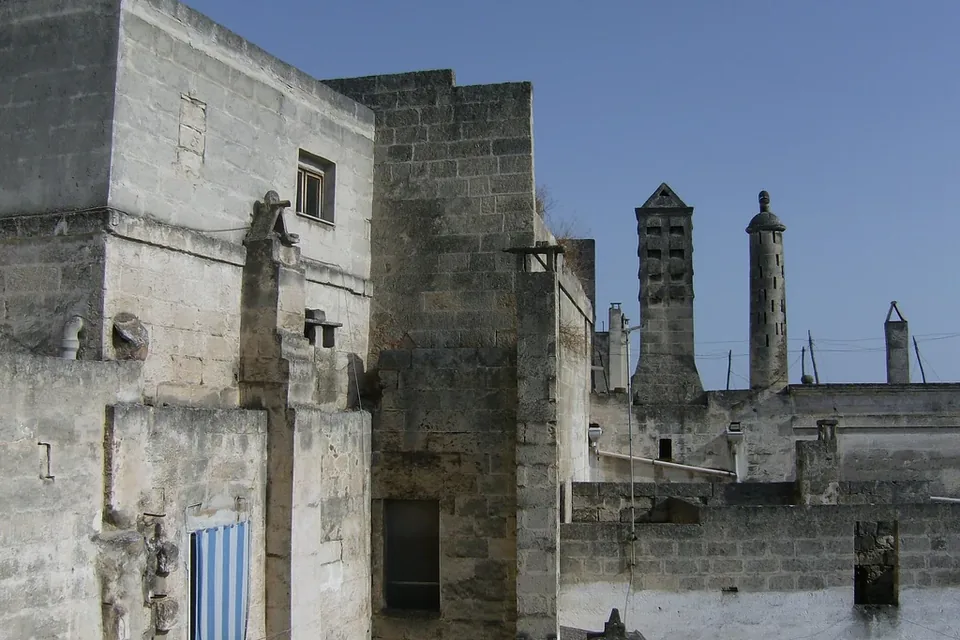
Grottaglie: ceramics and rock.
Read the guide →Photo: gunzapper / Wikimedia Commons — CC BY 2.0 · Resized and converted to WebP.
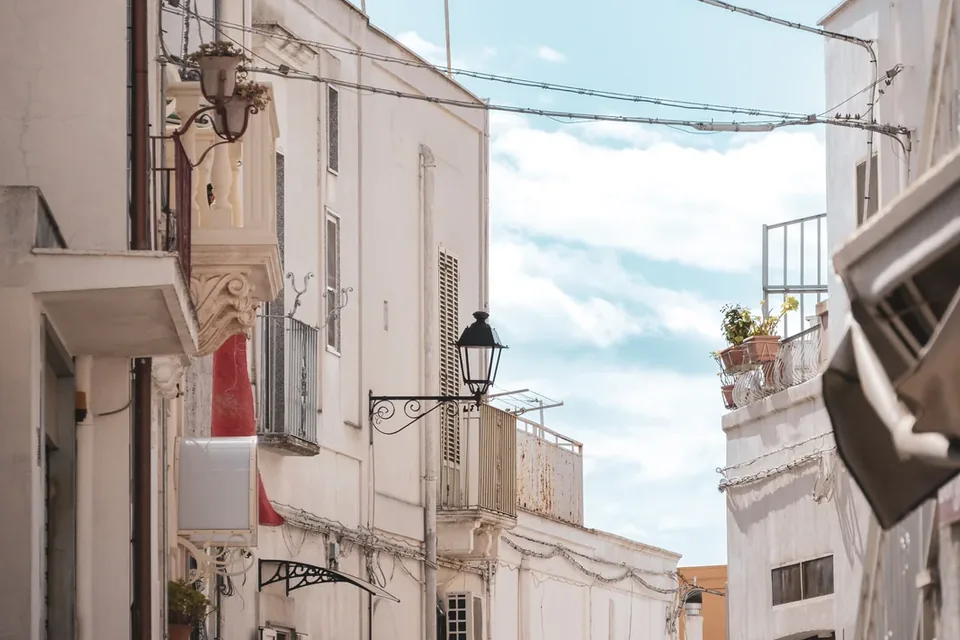
Crispiano: farm estates and the Ionian countryside.
Read the guide →Photo: Azelf Lele / Wikimedia Commons — CC BY-SA 4.0 · Resized and converted to WebP.
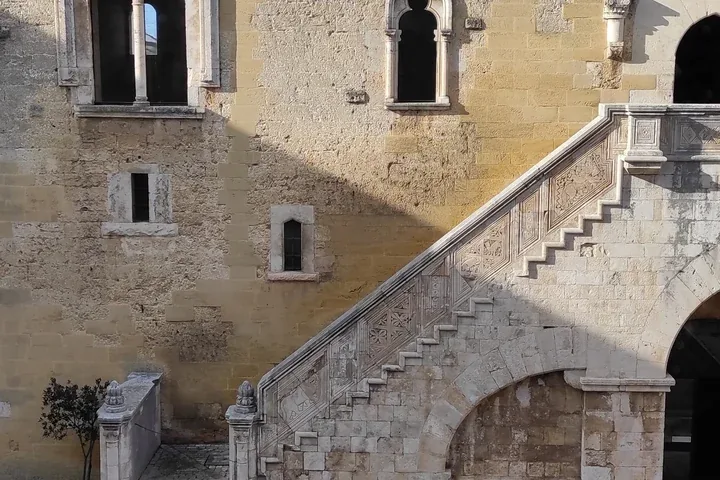
Gioia del Colle: castle and rural memory.
Read the guide →Photo: Frababz85 / Wikimedia Commons — CC BY-SA 4.0 · Resized and converted to WebP.
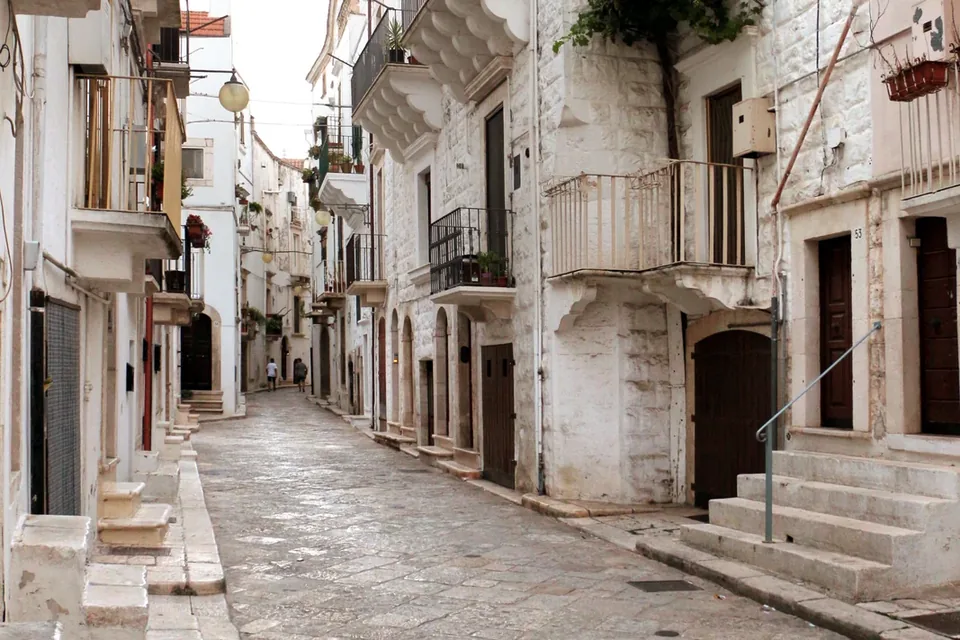
Putignano: papier-mâché and town memory.
Read the guide →Photo: Sailko / Wikimedia Commons — CC BY 3.0 · Resized and converted to WebP.
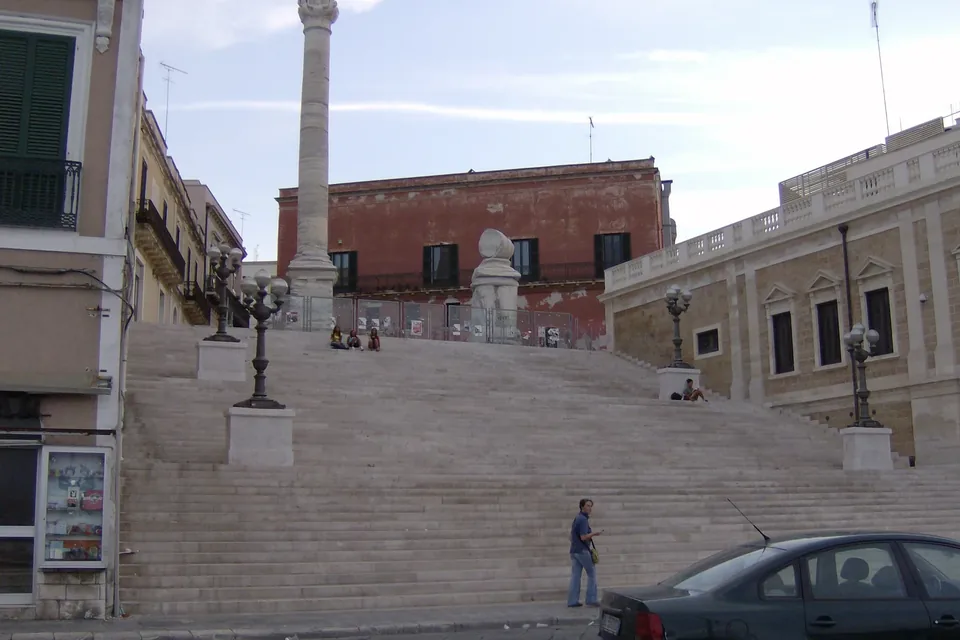
Brindisi: reading the city from its harbour.
Read the guide →Photo: Zappuddu / Wikimedia Commons — Public domain · Resized and converted to WebP.
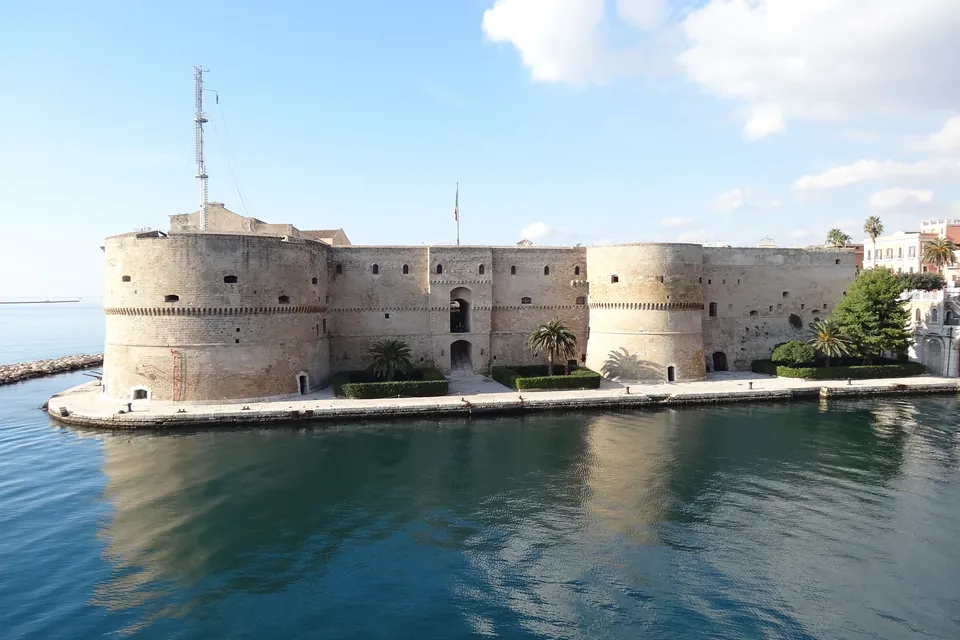
Taranto: two seas and archaeology.
Read the guide →Photo: Livioandronico2013 / Wikimedia Commons — CC BY-SA 3.0 · Resized and converted to WebP.

The old town as a first encounter with Puglia.
Read the guide →Photo: Berthold Werner / Wikimedia Commons — CC BY-SA 3.0 · Resized and converted to WebP.
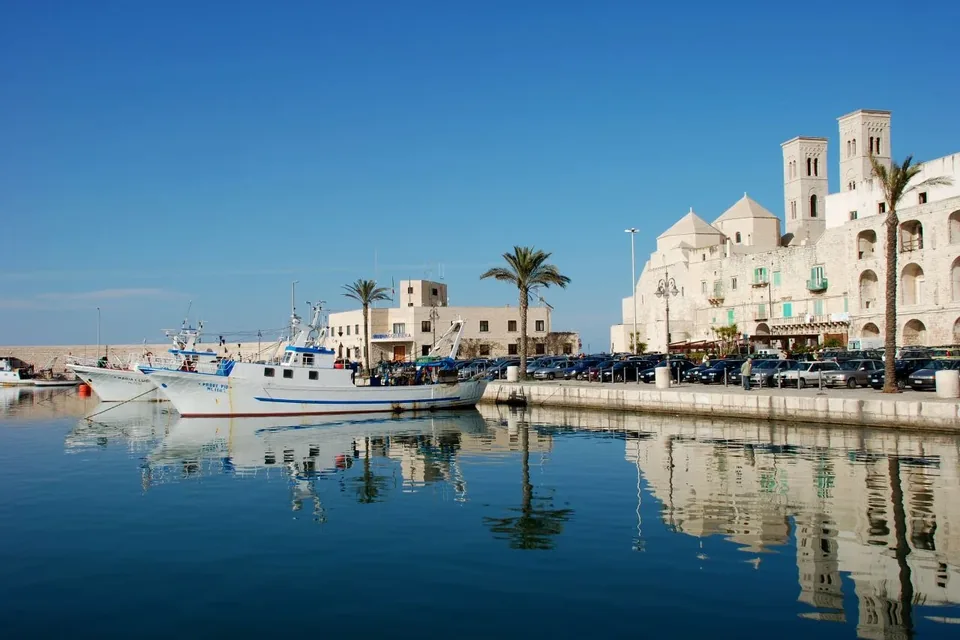
Romanesque architecture and karst landscape beyond the coast.
Read the guide →Photo: Michele Zaccaria / Wikimedia Commons — CC BY-SA 2.0 · Resized and converted to WebP.
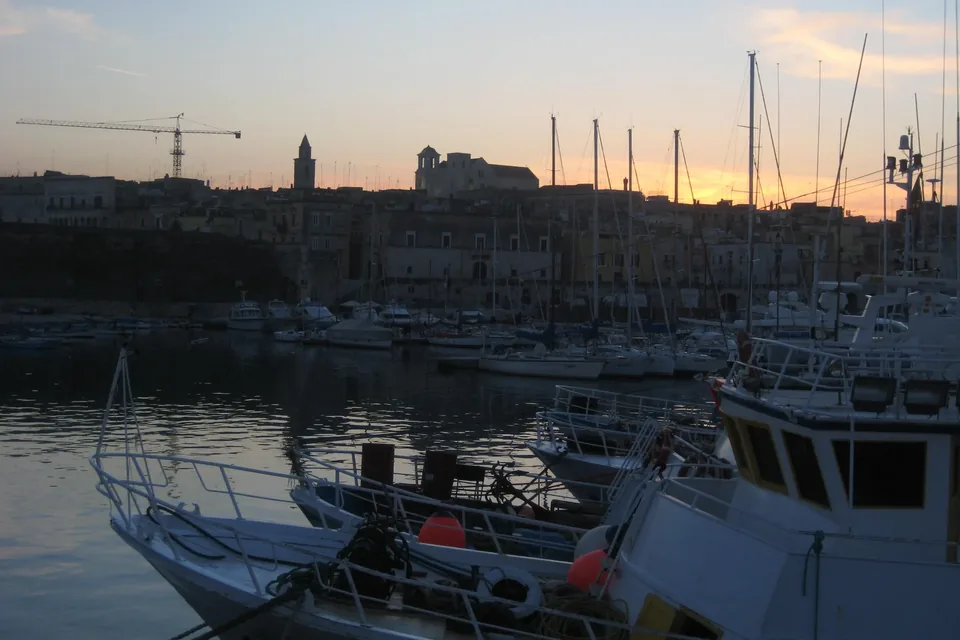
From the La Chianca dolmen to the Romanesque town and harbour.
Read the guide →Photo: Geppisimone at Italian Wikipedia / Wikimedia Commons — CC BY-SA 3.0 · Resized and converted to WebP.
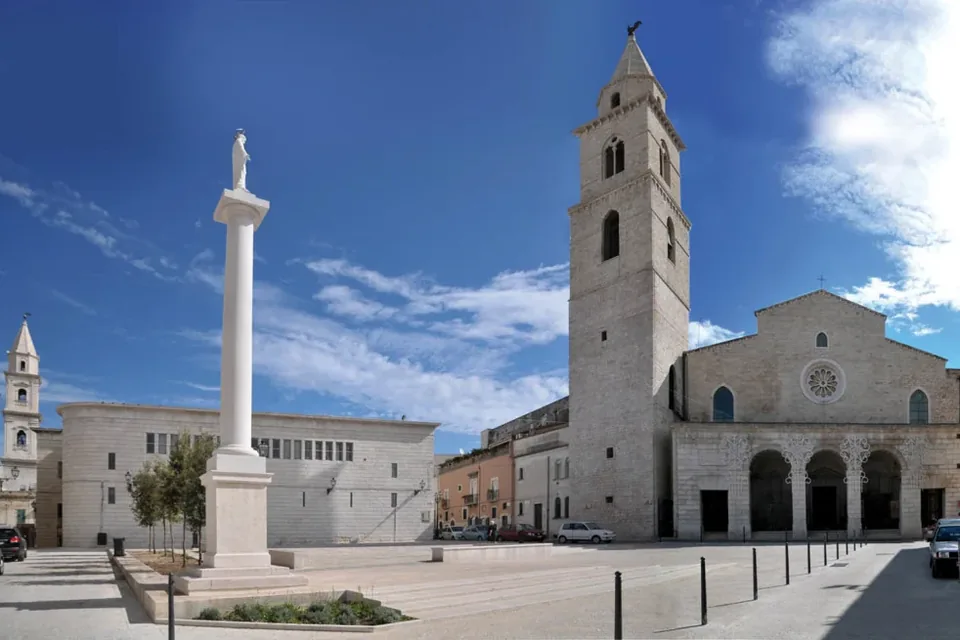
A town worth exploring beyond its famous castle.
Read the guide →Photo: Marcoleo11 / Wikimedia Commons — CC BY-SA 4.0 · Resized and converted to WebP.
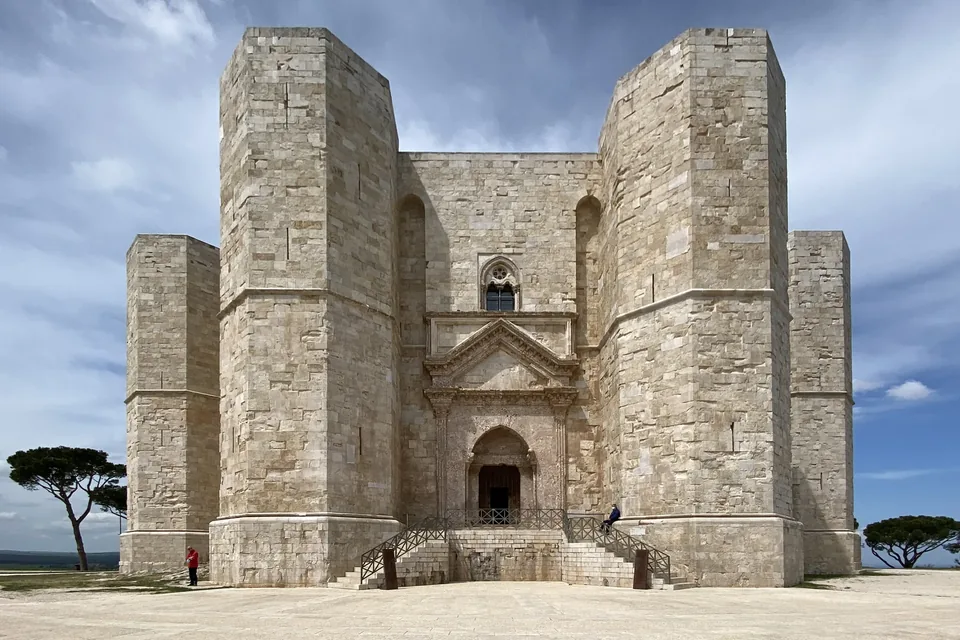
Frederick’s architecture within the Murgia landscape.
Read the guide →Photo: Bernard Gagnon / Wikimedia Commons — CC0 · Resized and converted to WebP.
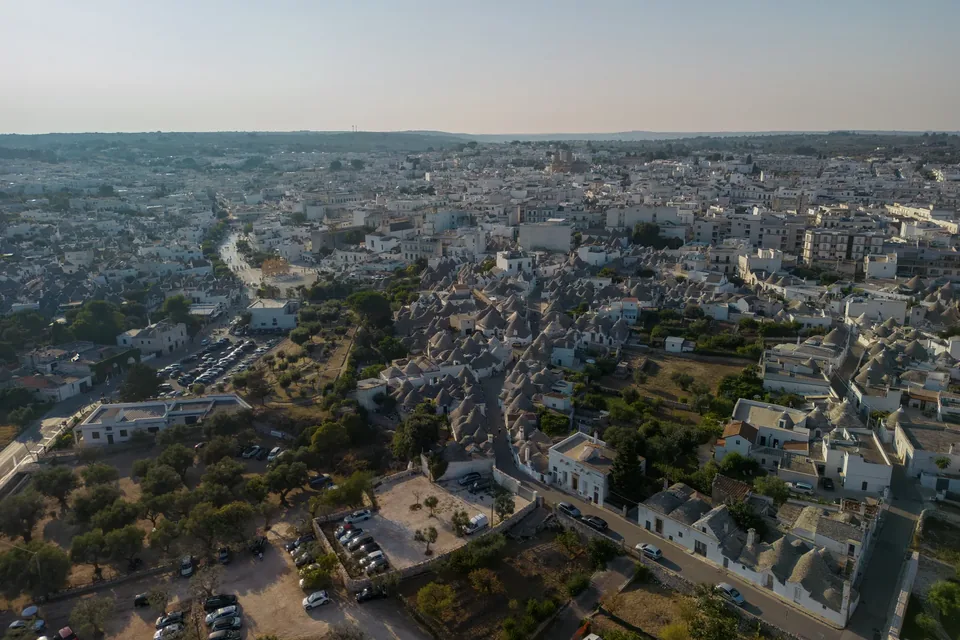
Trulli through their shape, space and everyday use.
Read the guide →Photo: ParisTaras / Wikimedia Commons — CC BY-SA 4.0 · Resized and converted to WebP.
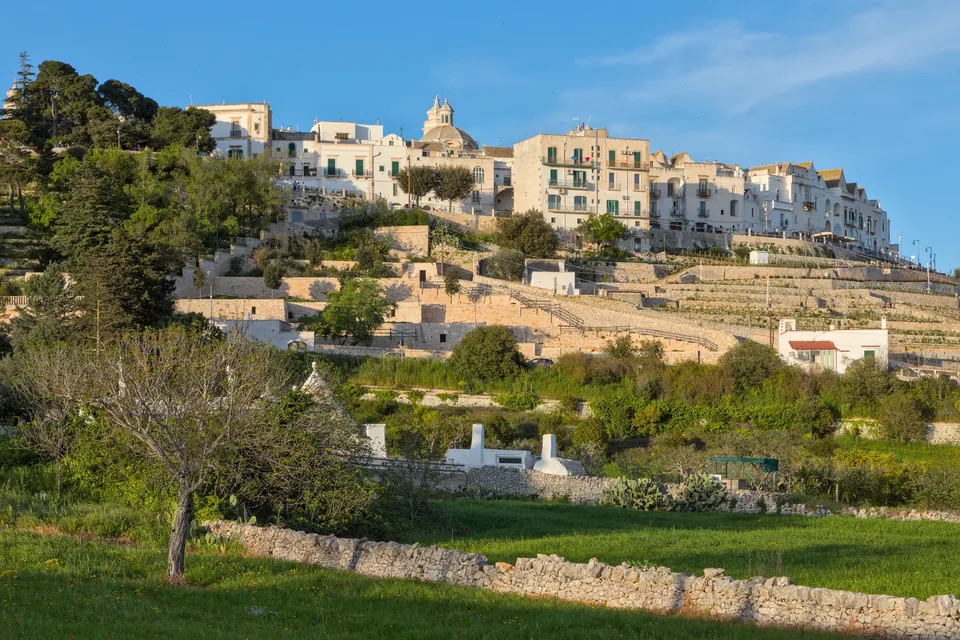
Cummerse roofs as a way to distinguish the Itria Valley’s towns.
Read the guide →Photo: Benjamin Smith / Wikimedia Commons — CC BY-SA 4.0 · Resized and converted to WebP.
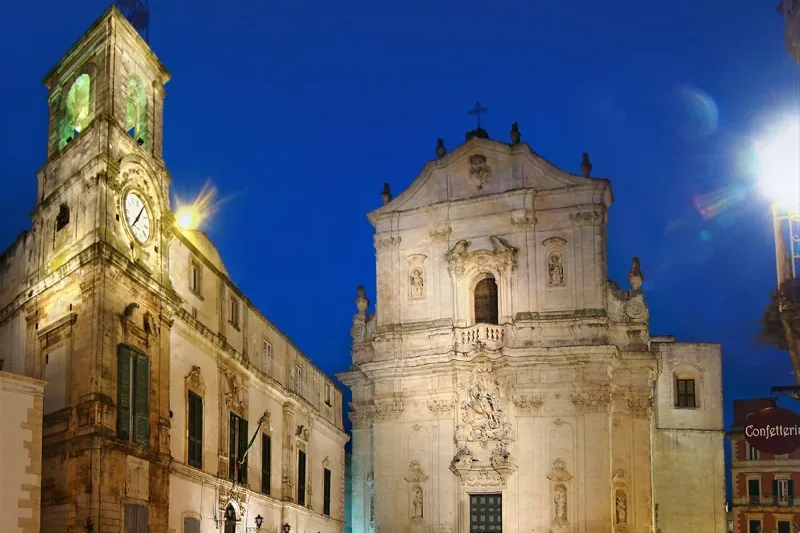
The town and a food craft connected to its landscape.
Read the guide →Photo: Tango7174 / Wikimedia Commons — CC BY-SA 4.0 · Resized and converted to WebP.
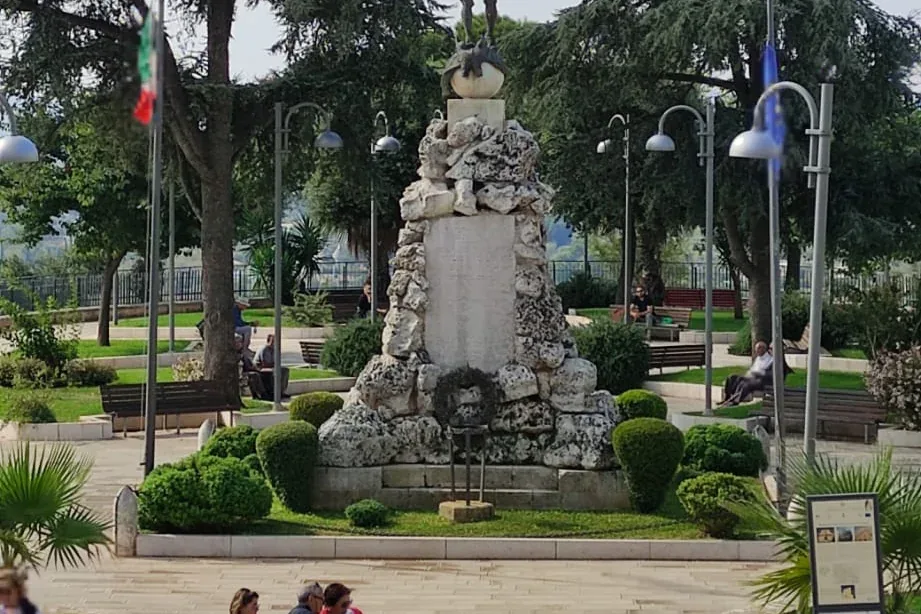
Fornello pronto, bombette and a walk through the town.
Read the guide →Photo: Kiuz / Wikimedia Commons — CC BY-SA 4.0 · Resized and converted to WebP.
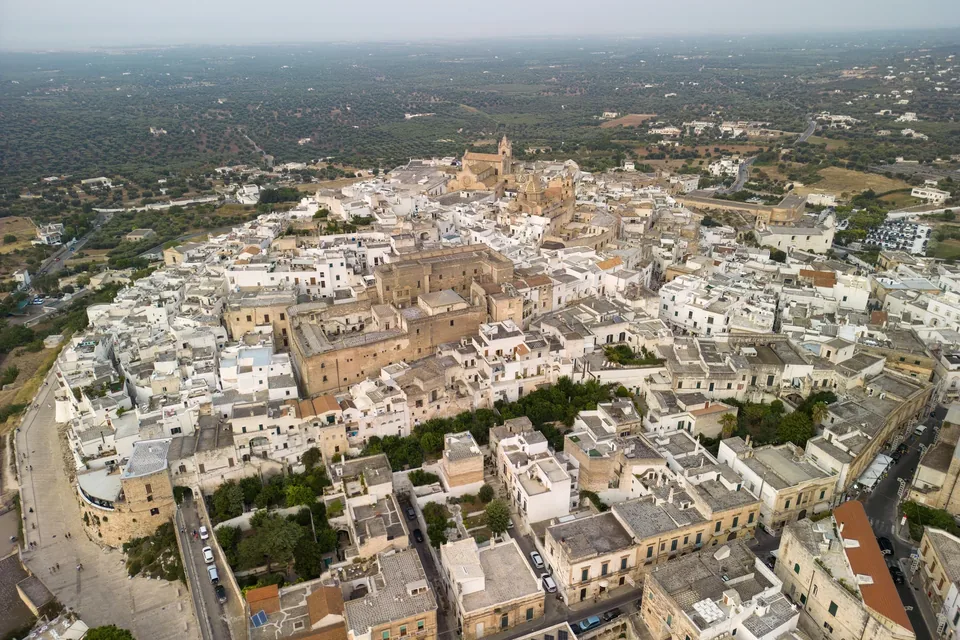
Houses, steps and agricultural landscape within one visit.
Read the guide →Photo: ParisTaras / Wikimedia Commons — CC BY 4.0 · Resized and converted to WebP.
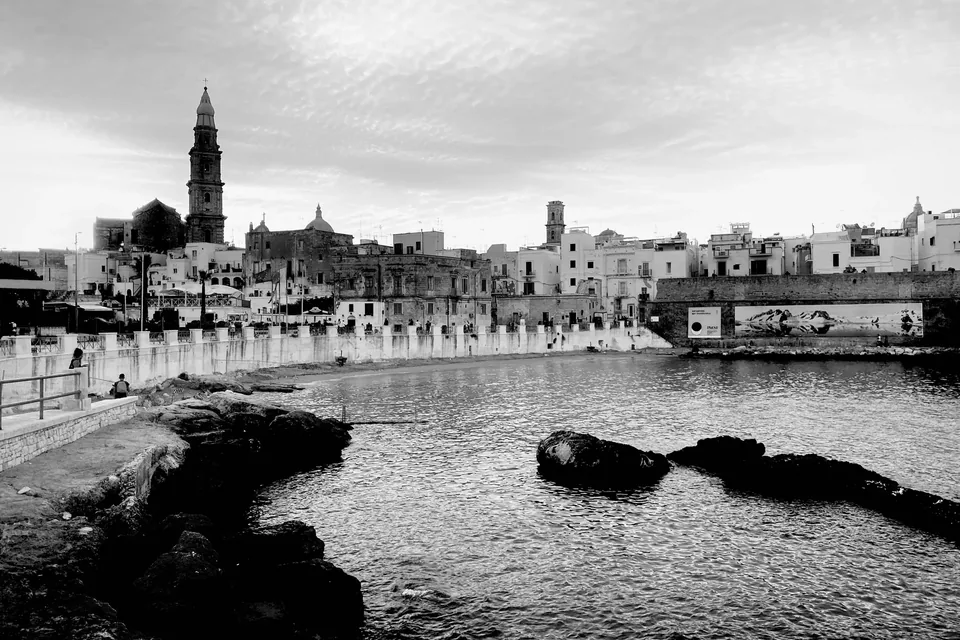
An Adriatic conclusion connected to the rural landscape.
Read the guide →Photo: RaTio65 / Wikimedia Commons — CC BY-SA 4.0 · Resized and converted to WebP.
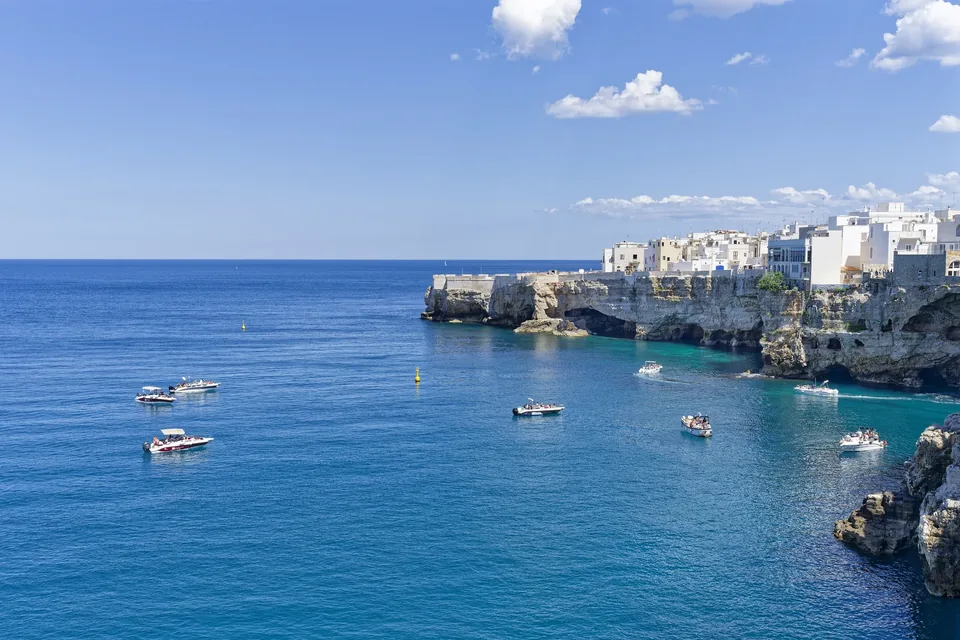
Old town, viewpoints and a coffee as a travel pause.
Read the guide →Photo: Maksimsokolov / Wikimedia Commons — CC BY-SA 4.0 · Resized and converted to WebP.
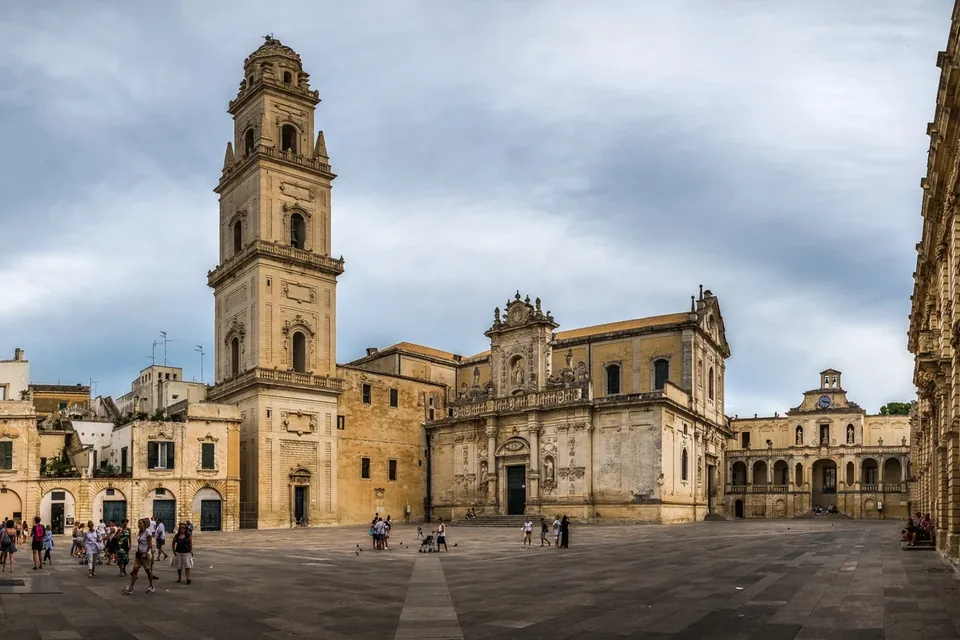
Baroque architecture, papier-mâché and Salento food: a city of telling details.
Read the guide →Photo: Giuseppe Milo / Wikimedia Commons — CC BY 3.0 · Resized and converted to WebP.
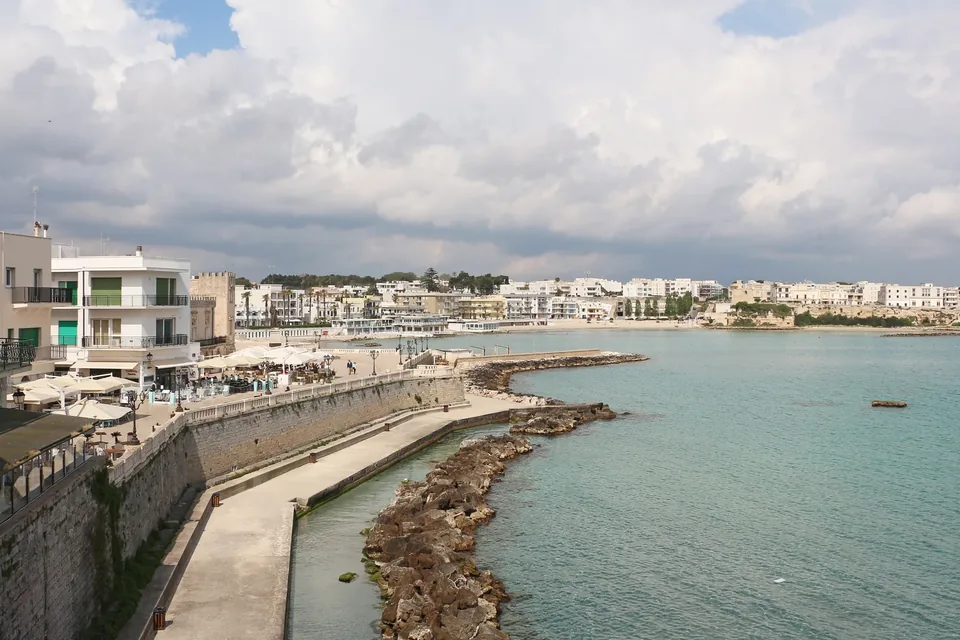
The cathedral, Adriatic landscape and time to explore the historic centre.
Read the guide →Photo: Bernard Gagnon / Wikimedia Commons — CC0 · Resized and converted to WebP.
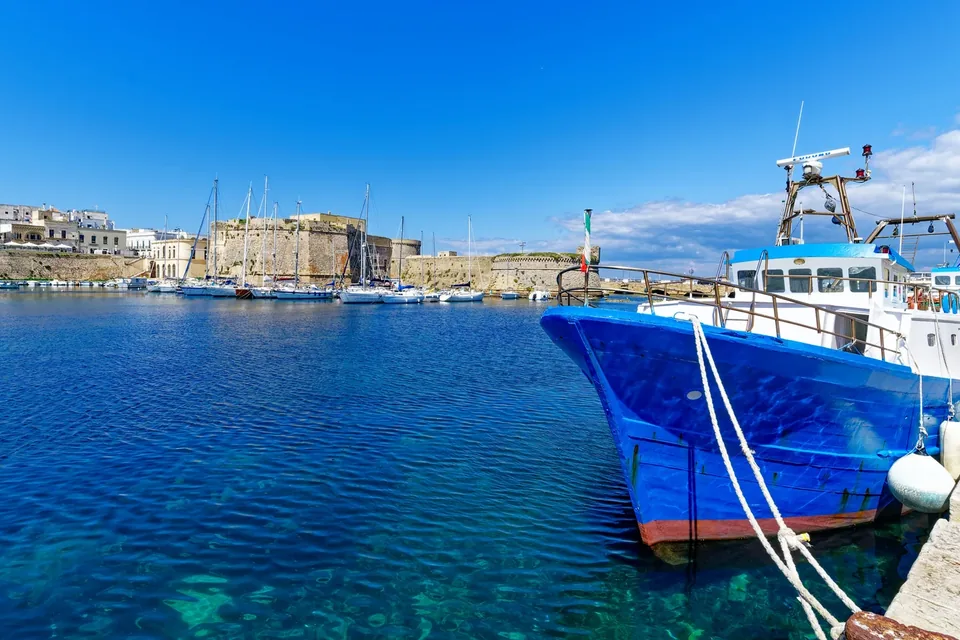
The bridge, churches and Ionian townscape beyond a beach holiday.
Read the guide →Photo: Holger Uwe Schmitt / Wikimedia Commons — CC BY-SA 4.0 · Resized and converted to WebP.
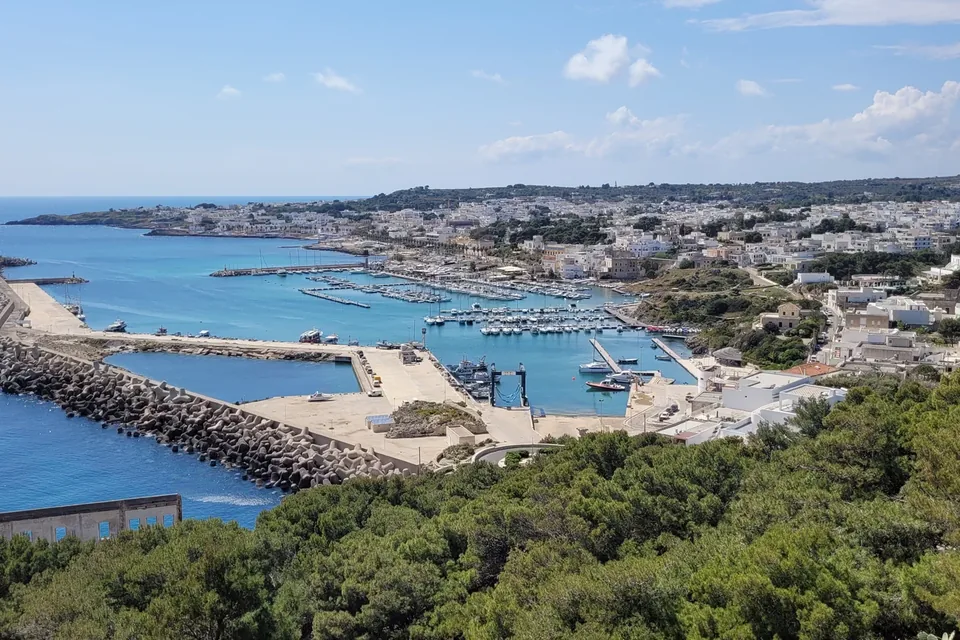
The sanctuary, seafront architecture and the outline of the coast.
Read the guide →Photo: Bernard Gagnon / Wikimedia Commons — CC0 · Resized and converted to WebP.
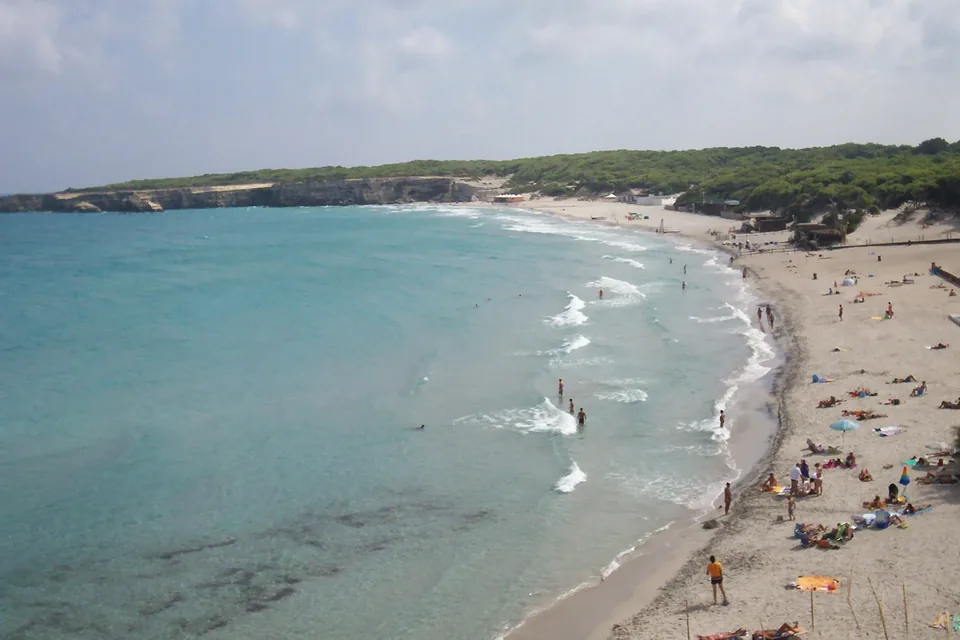
Sea stacks, pine woodland and a contrast with Melendugno’s inland villages.
Read the guide →Photo: Freddyballo / Wikimedia Commons — CC BY-SA 3.0 · Resized and converted to WebP.
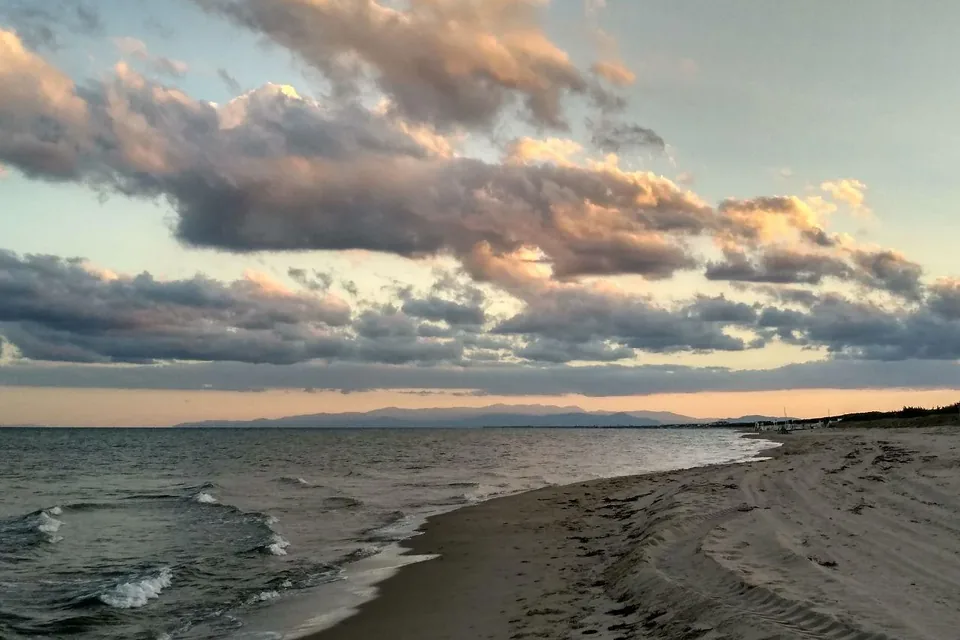
The historic centre and Rudolph Valentino’s story in inland Puglia.
Read the guide →Photo: Archeolucia / Wikimedia Commons — CC BY-SA 4.0 · Resized and converted to WebP.

Gargano: villages, woodland and coast.
Read the guide →Photo: Bernard Gagnon / Wikimedia Commons — CC0 · Resized and converted to WebP.
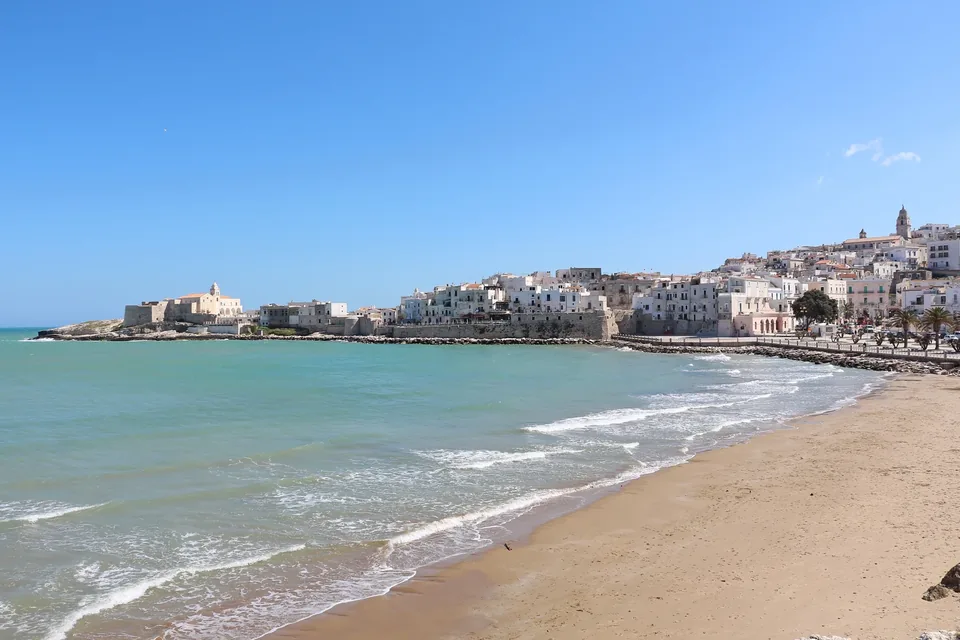
Vieste: old lanes and fishing structures.
Read the guide →Photo: Bernard Gagnon / Wikimedia Commons — CC0 · Resized and converted to WebP.
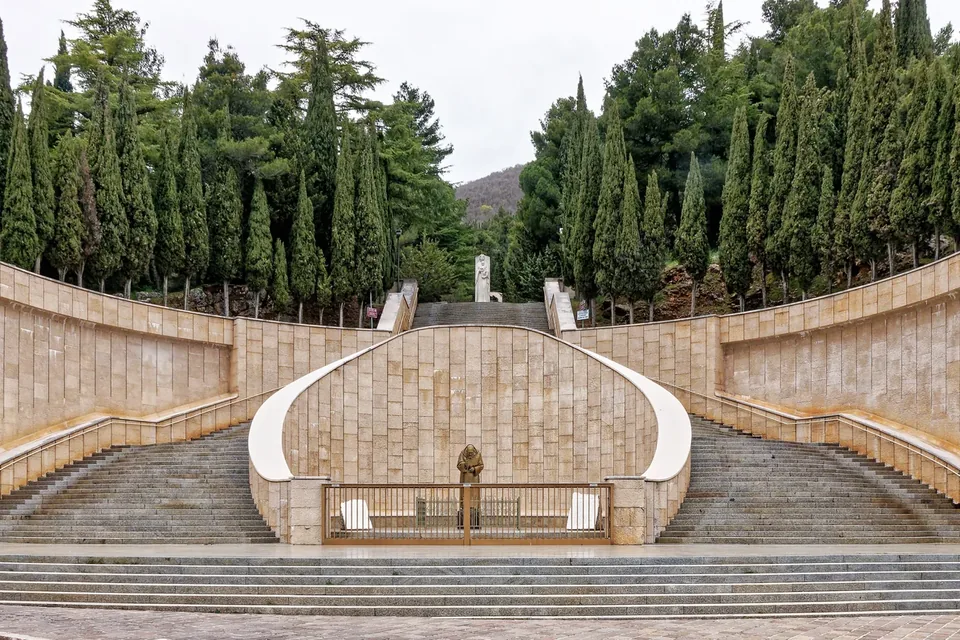
San Giovanni Rotondo: pilgrimage and town.
Read the guide →Photo: Holger Uwe Schmitt / Wikimedia Commons — CC BY-SA 4.0 · Resized and converted to WebP.
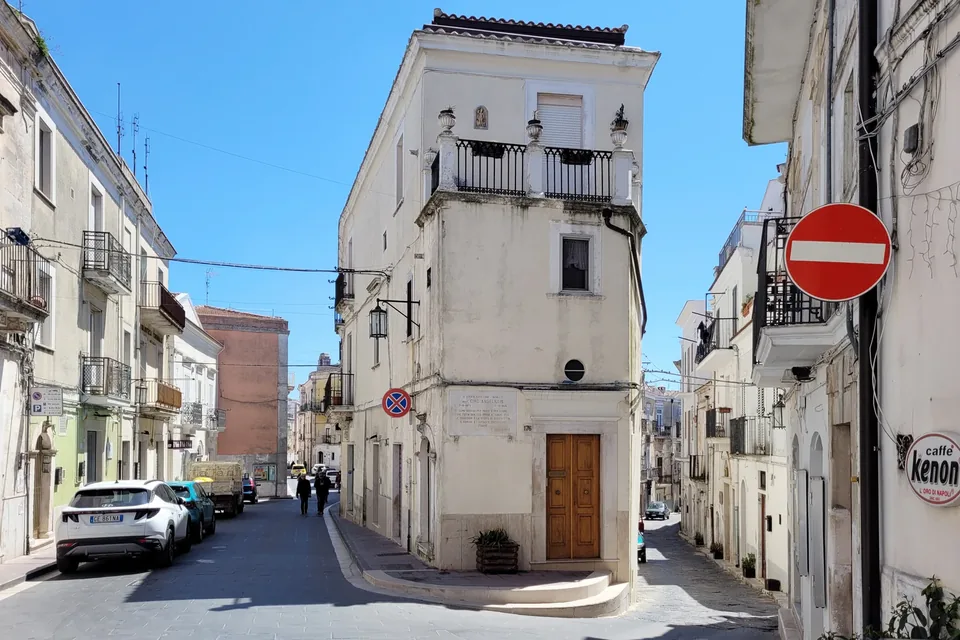
Monte Sant’Angelo: the cave and Junno quarter.
Read the guide →Photo: Bernard Gagnon / Wikimedia Commons — CC0 · Resized and converted to WebP.
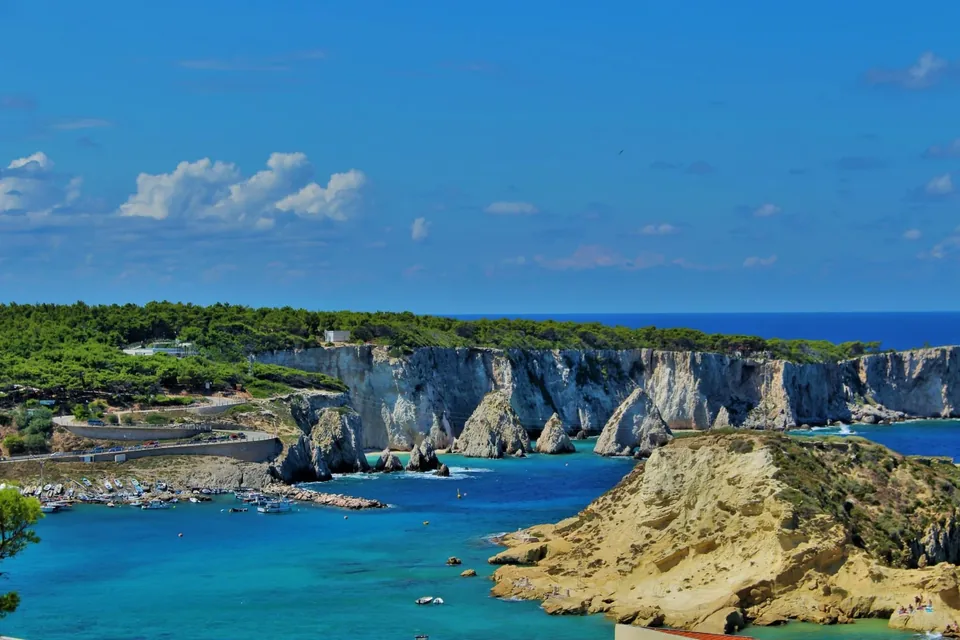
Tremiti: San Nicola and the island landscape.
Read the guide →Photo: Sara Caputo / Wikimedia Commons — CC BY-SA 4.0 · Resized and converted to WebP.
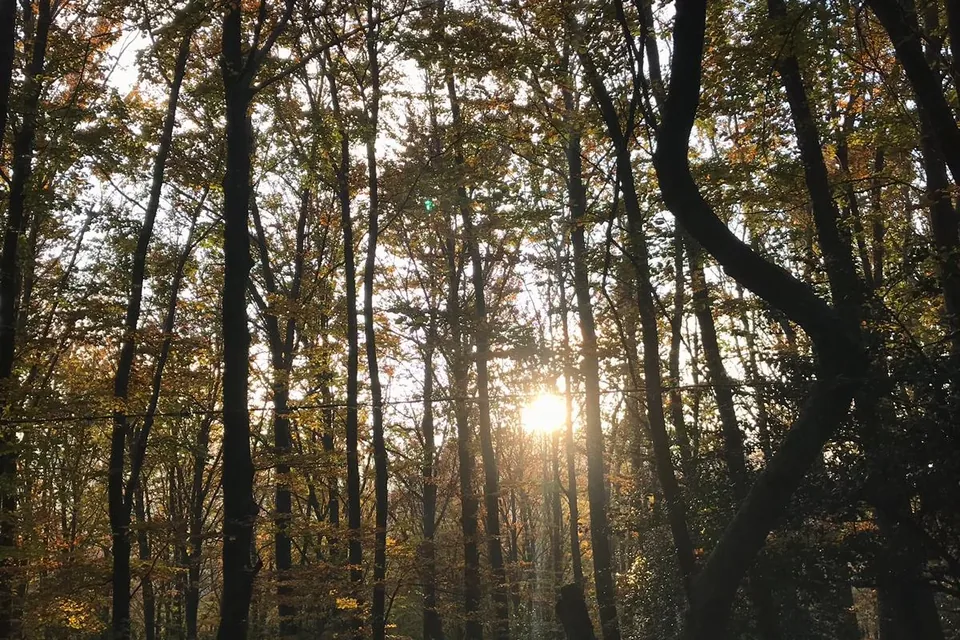
Foresta Umbra: Gargano beneath the beech trees.
Read the guide →Photo: Francesca Lenoci / Wikimedia Commons — CC BY-SA 4.0 · Resized and converted to WebP.
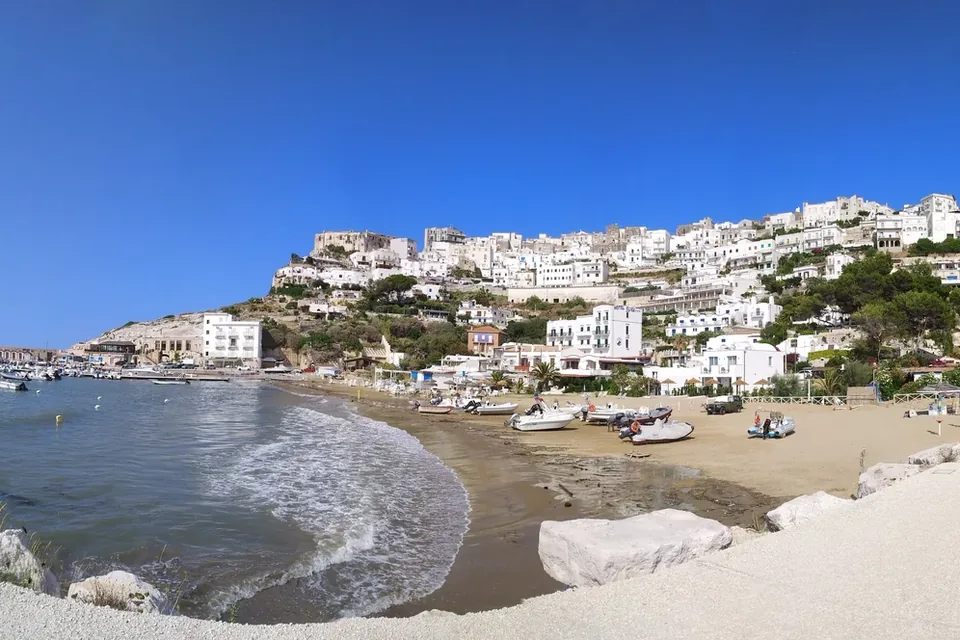
Peschici: the town above the cliff.
Read the guide →Photo: Giacomo Alessandroni / Wikimedia Commons — CC BY-SA 4.0 · Resized and converted to WebP.
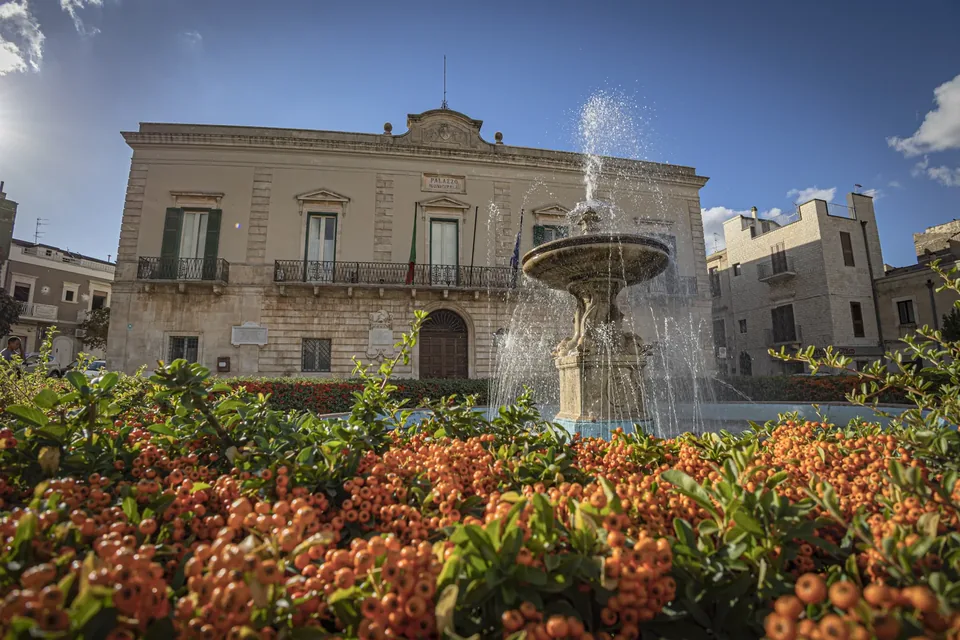
Santeramo in Colle: details of the inhabited Murgia.
Read the guide →Photo: G.ppe Davide Procacci / Wikimedia Commons — CC BY-SA 4.0 · Resized and converted to WebP.
Several starting points, one per way: Bari, Alberobello, Brindisi, Albano di Lucania, Manduria → Matera, Cathedral of the Madonna della Bruna · No overall length: it is a network of ways. The official site gives Via Peuceta 168 km (170 in the text of the same page and on italia.it, 167 in the 2020 Pugliapromozione guide), Via Ellenica 170 km, Via Ellenica variant 137 km (but 118 km in the page text), Via Lucana 136 km, Via Jonica 215 km, Via Sveva 200 km (210 in the text) and Via Dauna 400 km; the Sveva and Dauna are not yet open. · It varies by way: Peuceta 7 stages, Ellenica 8, Ellenica variant 6, Lucana 7; the Via Jonica lists 5 stages from Manduria to Taranto plus a link stage to Statte. The Sveva (8 days) and Dauna (22 days) are not yet open.
Puglia, Basilicata, Molise
Lecce, Porta Napoli → Santa Maria di Leuca, De Finibus Terrae sanctuary · 115 km (Via del Mare). The Via dei Borghi measures 135 km in 6 stages according to both the official site and italia.it, but the official site states it is closed for 2026. · 5 stages on the Via del Mare, each between 20 and 25 km; the Via dei Borghi, closed in 2026, has 6.
Puglia
L'Aquila, Basilica of Santa Maria di Collemaggio → Monte Sant'Angelo, Church of St Michael the Archangel · The official site gives 543 km on foot in its summary figures, but its descriptive text speaks of more than 520 km, and the waymarking page of 520 marked km. The cycling version measures 440 km. · The official site gives 37 stages in its summary figures and 35 stages in its descriptive text. The stage list numbers 29 main stages (13 and 14 are merged) plus eight variants marked "bis"; the guidebook describes 29 stages plus 3 stages of a mountain variant. By bike there are 9 stages.
Abruzzo, Molise, Puglia
Reggio Calabria, where the trail returns to the mainland (stage SI U01) → Campotosto in Abruzzo (stage SI P13), from where the national trail continues towards Amatrice and beyond · About 8,000 km for the whole national trail according to the official project page (the FAQ gives 7,900–8,000 km). The CAI does not state the combined length of the sections in these six regions; for Calabria alone italia.it gives 654 km. · For the whole trail the FAQ speaks of more than 500 stages, while the project page mentions almost 400 stage points. The stage-card list shows 120 cards with codes P to U, variants included (R04 is missing). For Calabria italia.it gives 34 stages, while the CAI list has 32 Calabrian cards (U01–U32).
Calabria, Basilicata, Campania, Puglia, Molise, Abruzzo
Rome → Santa Maria di Leuca · more than 900 km from Rome to Santa Maria di Leuca · No reachable source gives the overall number of stages. In Puglia the regional guide splits its four described itineraries into 5, 5, 6 and 7 walking days.
Puglia, Campania
Sanctuary · Foggia (Borgo Incoronata) · Madonna Incoronata
Basilica · Santa Maria di Leuca (Castrignano del Capo) · Madonna de Finibus Terrae, San Pietro
Basilica · Bari · San Nicola di Mira
Basilica · Manfredonia (Siponto) · Madonna di Siponto, San Lorenzo Maiorano
Cathedral · Otranto · Santi Martiri di Otranto, Antonio Primaldo
Cathedral · Trani · San Nicola il Pellegrino
Church · Taranto · Beata Vergine Addolorata, Cristo Morto
Cave sanctuary · Monte Sant'Angelo · San Michele Arcangelo, San Lorenzo Maiorano
Sanctuary · San Giovanni Rotondo · Padre Pio


.jpg)


_-_piazza.JPG)


.JPG)


.jpeg)


