Why go
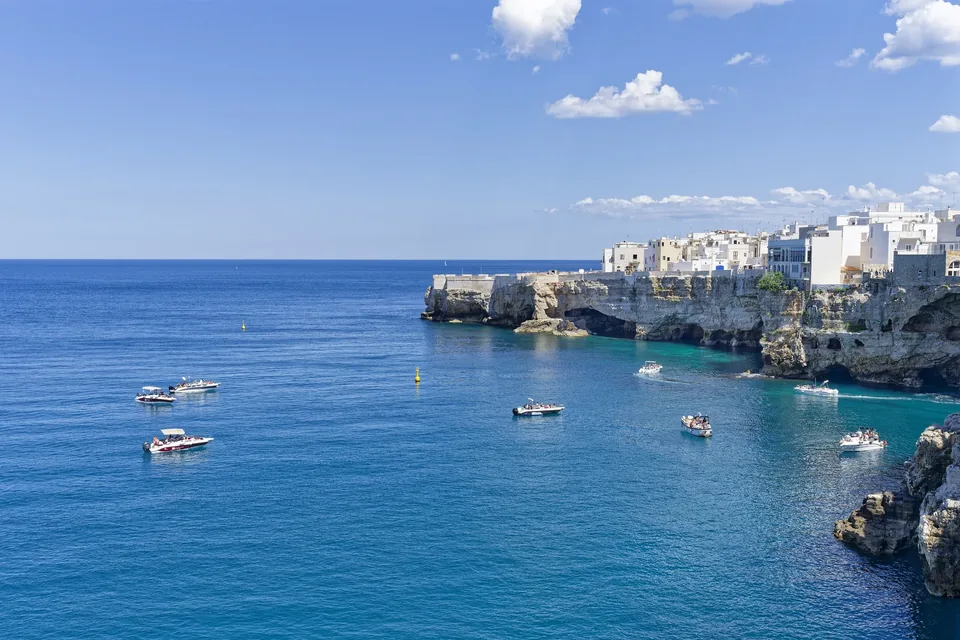
Castellaneta stands on a rock ledge rising from one of the deepest ravines of the Murge, 245 metres above sea level, at the heart of the Regional Park of the Gravine. The municipality describes it as two-thirds surrounded by a protected area of over four hundred hectares, and one look from the old town explains why: the Gravina Grande, up to 145 metres deep, wraps around the historic centre and shapes it.
The second reason is a name: Rudolph Valentino, the silent-film star, was born here in 1895. The town remembers him with his birthplace, a monument along the promenade named after him and a museum in the historic centre with personal objects, posters and films. The national tourism portal also points to the cathedral, the church of San Domenico and the bishop's palace, signs of a bishopric dating back to the eleventh century.
Castellaneta's territory is among the largest in Italy and stretches from the Taranto Murgia to the Ionian Sea: besides the town there are Castellaneta Marina, in its Aleppo pine wood, the historic masserie, the Montecamplo reserve and dozens of rock churches. It is a place that combines nature, art and sea.
Sources: Comune di Castellaneta — La città · Comune di Castellaneta — Le Gravine · Comune di Castellaneta — Rodolfo Valentino · Italia.it — Castellaneta
History
The area has been inhabited since very ancient times. The municipality notes that Palaeolithic flint flakes, polished axes and Bronze Age pottery were found at Montecamplo, and that in the Iron Age its hills were occupied by the Iapygians; in 2012, in the Le Grotte district, a site used from the Bronze Age to the late imperial period came to light.
The town's origins are traced to the tenth century, when farmers took refuge in the ravine's natural cavities to escape pirate raids. Rock dwelling reached its peak from the late ninth century, with the second Byzantine colonisation and the spread of Italo-Greek monasticism. The diocese was founded at the end of the eleventh century and today also includes Ginosa, Laterza, Palagianello, Palagiano, Mottola and Massafra.
In the thirteenth century Castellaneta was a royal town; it then lived through the Spanish-French struggles for the Kingdom of Naples, a period of Flemish rule and a long stretch under various feudal lords. Between the sixteenth and nineteenth centuries the masseria system developed, helped by Charles III's land reform and the end of feudalism. On 6 May 1895 Rodolfo Guglielmi was born here, known worldwide as Rudolph Valentino.
Sources: Comune di Castellaneta — Montecamplo · Comune di Castellaneta — La città · Comune di Castellaneta — Insediamenti rupestri · Comune di Castellaneta — Centro storico · Comune di Castellaneta — Masserie e campagne · Comune di Castellaneta — Rodolfo Valentino
What to see
The historic centre is perched on the Archinto hill, flanked on two sides by the ravine. It keeps its walls and an eighteenth-century layout on a medieval web of narrow lanes, with noble palaces and many churches. The Bishop's Palace, between the cathedral and the Barons' Palace, is built around an arcaded courtyard and houses the Hall of Coats of Arms and a 1531 polyptych by Girolamo da Santa Croce. The Barons' Palace, overlooking the ravine wall, keeps a medieval rib-vaulted hall; Palazzo Catalano and Palazzo Frisino complete the picture.
The Rudolph Valentino Museum, run by the Foundation, displays the actor's childhood bed, posters and a reconstruction of the set of The Son of the Sheik, with a film on his career and public life. On Via Roma a plaque marks his birthplace, and a ceramic monument closes the promenade dedicated to him.
Along the edge of the ravine are the rock churches of Santa Maria del Pesco, where a thirteenth-century Madonna and Child was found, Santa Maria del Soccorso and Santa Lucia; in the nearby ravines, Santa Maria di Costantinopoli, the Padre Eterno with fourteenth-century frescoes and San Michele Arcangelo with twelfth-century frescoes.
Sources: Comune di Castellaneta — Centro storico · Fondazione Rodolfo Valentino — Il Museo · Fondazione Rodolfo Valentino — Castellaneta · Comune di Castellaneta — Rodolfo Valentino · Comune di Castellaneta — Insediamenti rupestri
Food and wine
The municipality's food page begins with the poorest dish, ciallèdda: stale bread soaked in water and dressed with oil, garlic, oregano and tomato, today often replaced by friselle. The same toppings on a disc of bread dough make focaccia, and among the filled focacce the tastiest is the shortcrust calzone with onions, olives, capers, raisins and anchovies, the dish of Good Friday.
The religious calendar sets the sweets. At Easter come sugar-and-egg taralli and scarcelle, shaped like a basket or a horse with a hard-boiled egg set in the dough, which the Atlas of traditional Apulian products links to Holy Week; the Easter meal includes orecchiette with lamb ragù and lamb with potatoes and lampascioni. For Saint Joseph's day people make falle, shortcrust turnovers filled with grape jam, walnuts and almonds. In spring there is lamb a callarèdda with wild chicory.
The territory, between the Murgia and the Ionian Sea, is rich in citrus and oil. Castellaneta is among the production areas of the Clementine del Golfo di Taranto PGI, and the oil of the western side of the province is protected by the Terre Tarentine PDO, with olives picked between October and January.
Sources: Comune di Castellaneta — Gastronomia · Atlante dei PAT di Puglia — Scarcelle · Qualigeo — Clementine del Golfo di Taranto IGP · Qualigeo — Terre Tarentine DOP
Things to do
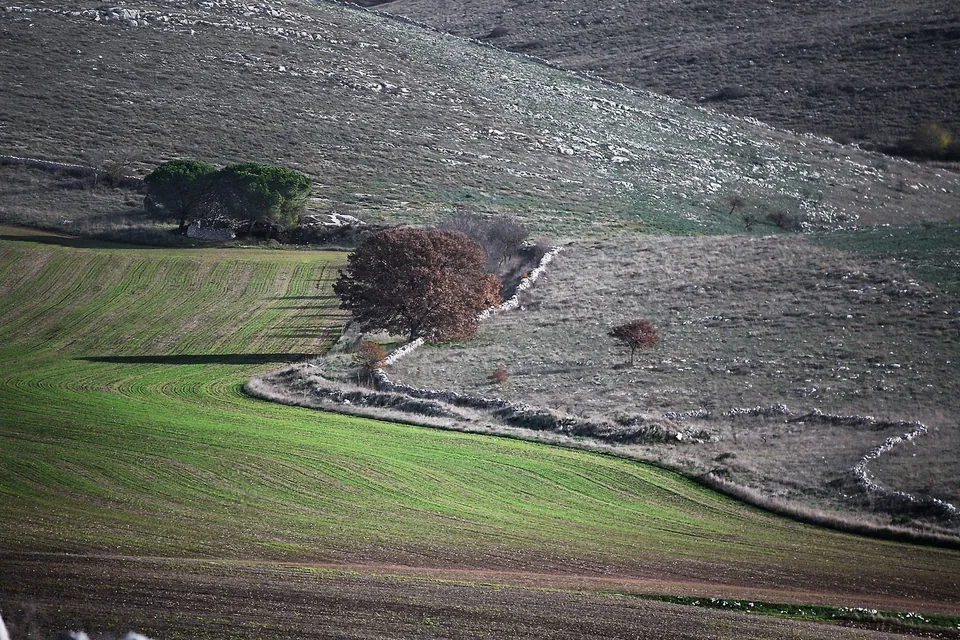
The ravines can be viewed from above, from the lookouts of the old town, or explored on foot. The municipality describes the Gravina di Castellaneta, about ten kilometres long, up to 145 metres deep and up to 300 wide, with historic settlements along its course; the Porto, Coriglione, Santo Stefano and Montecamplo ravines add rock villages, dolmens and vegetation sheltered by the cliffs, unlike that on the surface. The area lies within the Terra delle Gravine Regional Nature Park.
The Montecamplo reserve, crowned by the Santissima Trinità hill at 417 metres, is one of the favourite places for walks: Macedonian oak, downy oak, holm oak and Aleppo pine, once called Monte d'Oro for its aromatic herbs, with a view stretching from the Gulf of Taranto to Basilicata. In winter crocus, autumn crocus and cyclamen bloom, in spring orchids and broom.
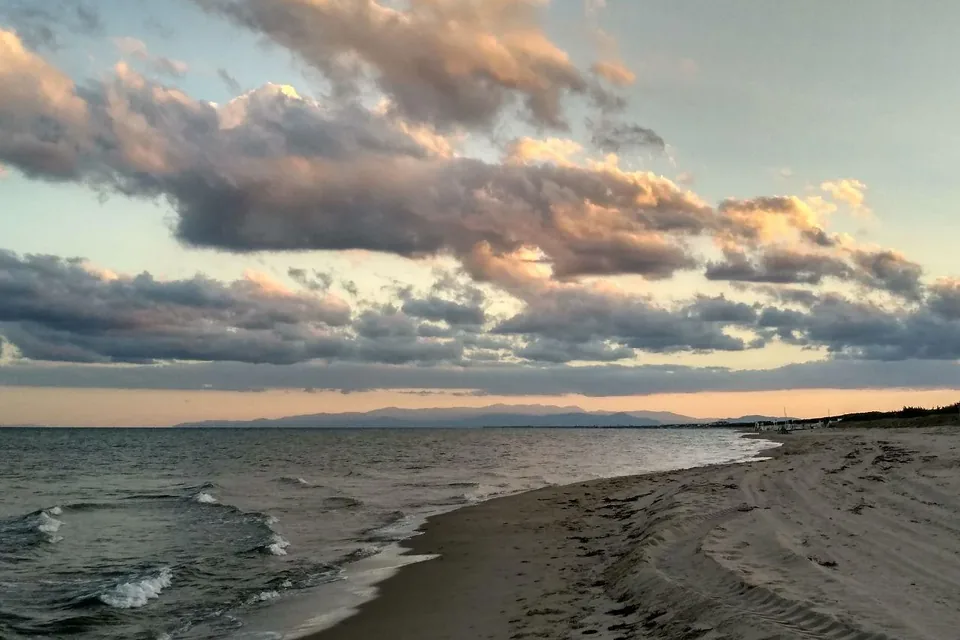
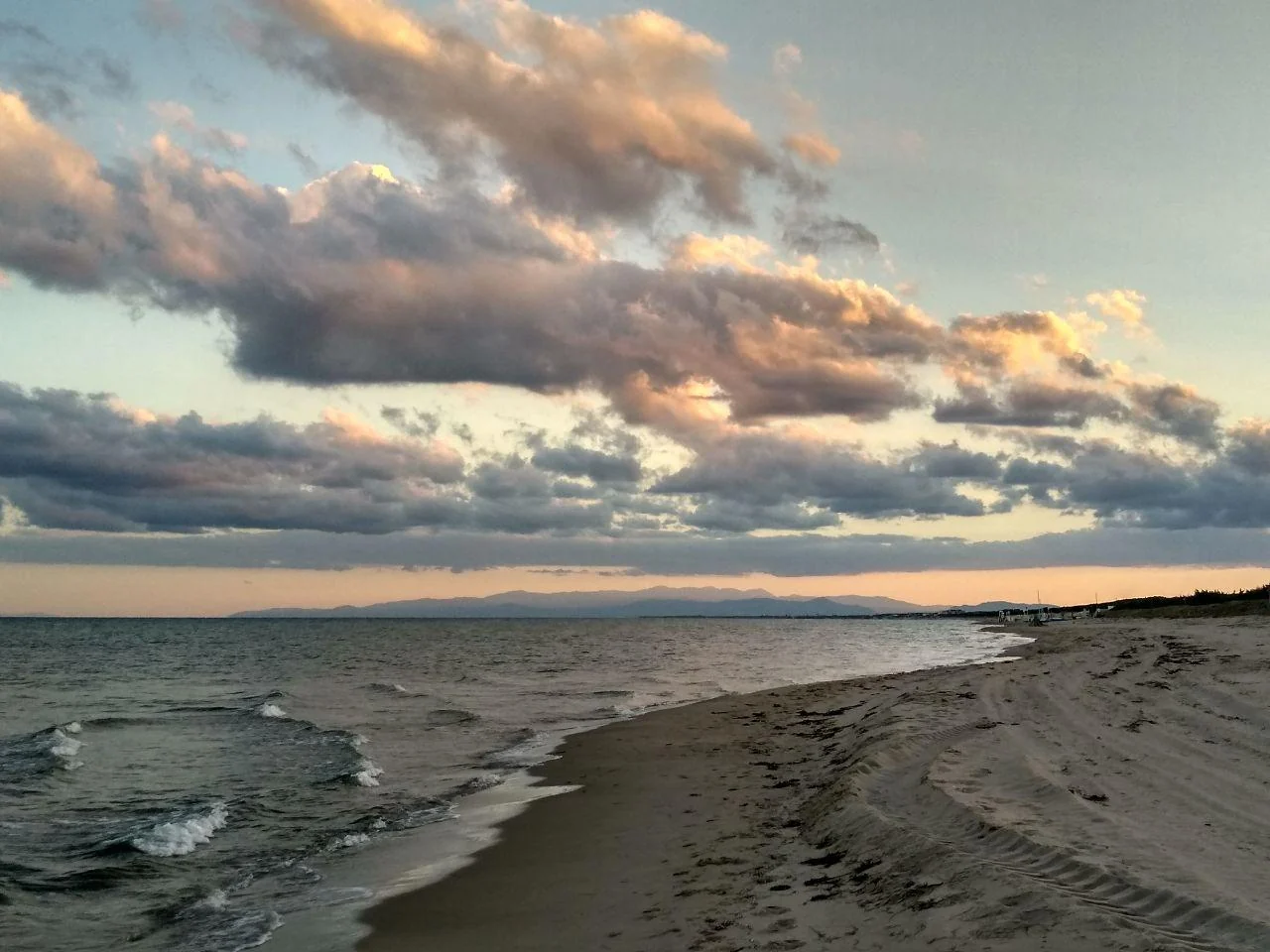
By the sea, Castellaneta Marina offers fine sandy beaches and shallow water, awarded the Blue Flag, in the Bosco Pineto pine wood; at the mouth of the river Lato you can watch herons, white storks and many other species, near the sixteenth-century Torre Lato. Riva dei Tessali has a golf course.
Sources: Comune di Castellaneta — Le Gravine · Parco naturale regionale Terra delle Gravine · Comune di Castellaneta — Montecamplo · Comune di Castellaneta — La Marina · Comune di Castellaneta — La città
When to go
Castellaneta has two different seasons. The old town, the museum and the ravines can be visited all year, and spring and autumn are the best times for walking between the lookouts over the Gravina Grande, reaching the rock churches and exploring Montecamplo; the municipality notes that the ravine beds are dry and fill only after heavy rain, something to bear in mind for excursions.
Spring brings orchids, broom and hawthorn to Montecamplo, and lamb with wild chicory to home cooking; winter colours the landscape with crocus, autumn crocus and cyclamen and is the season of clementines from the Ionian arc. Holy Week has its own dishes, from the Good Friday calzone to the Easter scarcelle, and on 19 March, for Saint Joseph, falle are made.
Summer is the season of Castellaneta Marina, with its beaches and evening life around Piazza Selene and Piazza Kennedy, where one of the two municipal infopoints is located. For the town and the ravines, in summer it is best to choose the morning and late afternoon.
Sources: Comune di Castellaneta — Le Gravine · Comune di Castellaneta — Montecamplo · Comune di Castellaneta — Gastronomia · Atlante dei PAT di Puglia — Scarcelle · Qualigeo — Clementine del Golfo di Taranto IGP · Comune di Castellaneta — La Marina · Comune di Castellaneta — Infopoint
Getting there and around
Castellaneta has a station on the national rail network run by RFI, with two passenger tracks; according to the RFI record it does not offer assistance for passengers with reduced mobility, so those who need it should arrange it through the nearest stations with a Sala Blu. The reference airports are those of the Aeroporti di Puglia network, starting with Bari.
The municipal territory is very large, about 240 square kilometres, and includes the town, the seaside hamlet of Castellaneta Marina on the Ionian coast and several rural hamlets: to move between the centre, the ravines, Montecamplo and the sea you need a car. The Marina spreads between Viale dei Pini and the Lungomare degli Eroi, around Piazza Selene and Piazza Kennedy.
The old town is explored on foot: distances between the cathedral, the Bishop's Palace, the Barons' Palace and the museum are short. For excursions into the ravines and to the rock churches, some on private land, it is best to ask at the municipal infopoint or rely on local guides.
Sources: RFI — Stazione di Castellaneta · Aeroporti di Puglia — Aeroporto di Bari · Comune di Castellaneta — La città · Comune di Castellaneta — La Marina · Comune di Castellaneta — Centro storico · Comune di Castellaneta — Insediamenti rupestri · Comune di Castellaneta — Infopoint
Nearby
Castellaneta lies at the centre of the Ionian arc around Taranto and of the land of the ravines. The Terra delle Gravine Regional Nature Park protects a landscape of karst gorges that continues into neighbouring towns; the diocese of Castellaneta includes Ginosa, Laterza, Palagianello, Palagiano, Mottola and Massafra, towns that share ravines, rock churches and a long religious history with the city.
Towards the sea, the coast of Castellaneta Marina faces the Gulf of Taranto, with fossil dunes, Mediterranean scrub and the Aleppo pine wood. The countryside of the Ionian arc is clementine country: besides Castellaneta, the PGI area includes Palagiano, Massafra, Ginosa, Palagianello, Taranto and Statte.
To the north and west, the view from Montecamplo reaches as far as Basilicata, and Matera, which shares with the Apulian ravines the theme of living in the rock, makes a natural next stage. The Gravina del Porto, on the border with Gioia del Colle, keeps dolmens and the Peucetian village of La Castelluccia.
Sources: Parco naturale regionale Terra delle Gravine · Comune di Castellaneta — Centro storico · Comune di Castellaneta — La Marina · Qualigeo — Clementine del Golfo di Taranto IGP · Comune di Castellaneta — Montecamplo · Comune di Castellaneta — Le Gravine
Local tourist information
Local tourist offices help with opening times, events and transport on the day.
- Infopoint di Castellaneta · Via del Mercato 12, presso gli uffici del Mercato comunale, 74011 Castellaneta (TA) · infopoint@comune.castellaneta.ta.it · Official website
Source: Comune di Castellaneta — Infopoint · checked on - Infopoint di Castellaneta Marina · Piazza Kennedy 8, Castellaneta Marina (TA) · infopoint@comune.castellaneta.ta.it · Official website
Source: Comune di Castellaneta — Infopoint · checked on
Where to stay
In the municipality of Castellaneta the national database of the Ministry of Tourism lists 170 accommodation businesses with a verified CIN code: 13 hotels, 36 other licensed accommodation and 121 other types such as B&Bs and private rentals.
Licensed businesses from the official list of Regione Puglia, each with a checked national CIN code: matching municipality and category. Private individuals are not listed. Check directly with the property before booking.
EL PATIO
Guest rooms
CIN IT073003B400102267
ESTEA LE CAMERE
Guest rooms · Website
CIN IT073003B400107403
MASSERIA D'APRILE
Guest rooms
CIN IT073003B400025888
Nova Domus
Guest rooms
CIN IT073003B400062148
PORTA PICCOLA
Guest rooms
CIN IT073003B400098984
RELAIS SAN GIOVANNI
Guest rooms
CIN IT073003B400105873
AGRITURISMO MASSERIA PRICHICCA
Farm stay
CIN IT073003B500124671
Agriturismo Le Grotte di Sileno
Farm stay · Website
CIN IT073003B500058106
DONNA CLEMENTINA
Farm stay
CIN IT073003B500021848
MASSERIA SPINELLI
Farm stay
CIN IT073003B500024338
Podere San Domenico
Farm stay
CIN IT073003B500129744
SANT'ANDREA
Farm stay
CIN IT073003B500022729
TOCCHI DI PUGLIA
Farm stay · Website
CIN IT073003B500129006
B&B IL MELOGRANO
B&B
CIN IT073003B400024740
B&B PALAZZO ROCHIRA
B&B
CIN IT073003B400026308
B&B VIALE DEI PINI
B&B
CIN IT073003B400026974
SEDILE QUATTRO
B&B
CIN IT073003B400098985
b&b pinea
B&B
CIN IT073003B400089057
MA HOME
Holiday home
CIN IT073003B400110895
SANT'ANDREA
Holiday home
CIN IT073003B400022943
ALBOREA ECOLODGE RESORT
Hotel · ★★★★★ · Website
CIN IT073003A100030830
Bloom Resort
Hotel · ★★★★
CIN IT073003A100100697
CALANE' RESORT
Hotel · ★★★★ · Website
CIN IT073003A100031659
IL FARO
Hotel · ★★★ · Website
CIN IT073003A100022452
KALIDRIA HOTEL & THALASSO SPA
Hotel · ★★★★★
CIN IT073003A100031271
LIDO VALENTINO
Hotel · ★★★
CIN IT073003A100095712
TICHO'S HOTEL
Hotel · ★★★★
CIN IT073003A100023835
VALENTINO RESORT
Hotel · ★★★★ · Website
CIN IT073003A100031658
VILLA GIUSY
Hotel · ★★★★ · Website
CIN IT073003A100022052
VILLAGGIO DEI TURCHESI
Hotel · ★★★★ · Website
CIN IT073003A100021852
nicotel pineto
Hotel · ★★★★
CIN IT073003A100101868
Japp'ca Japp'ca Ostello
Hostel
CIN IT073003B600075181
Sources: Regione Puglia – ARET Pugliapromozione (DMS), CC BY 4.0, 2026-10-12 · Ministero del Turismo – Banca Dati Strutture Ricettive (dashboard pubblica), 2026-10-12
YOUR JOURNEY
How to shape a journey here
An inland Puglia day connecting landscape, cinema and home cooking, leading towards Matera or a coastal cultural journey.
Talk to us about it