Why go
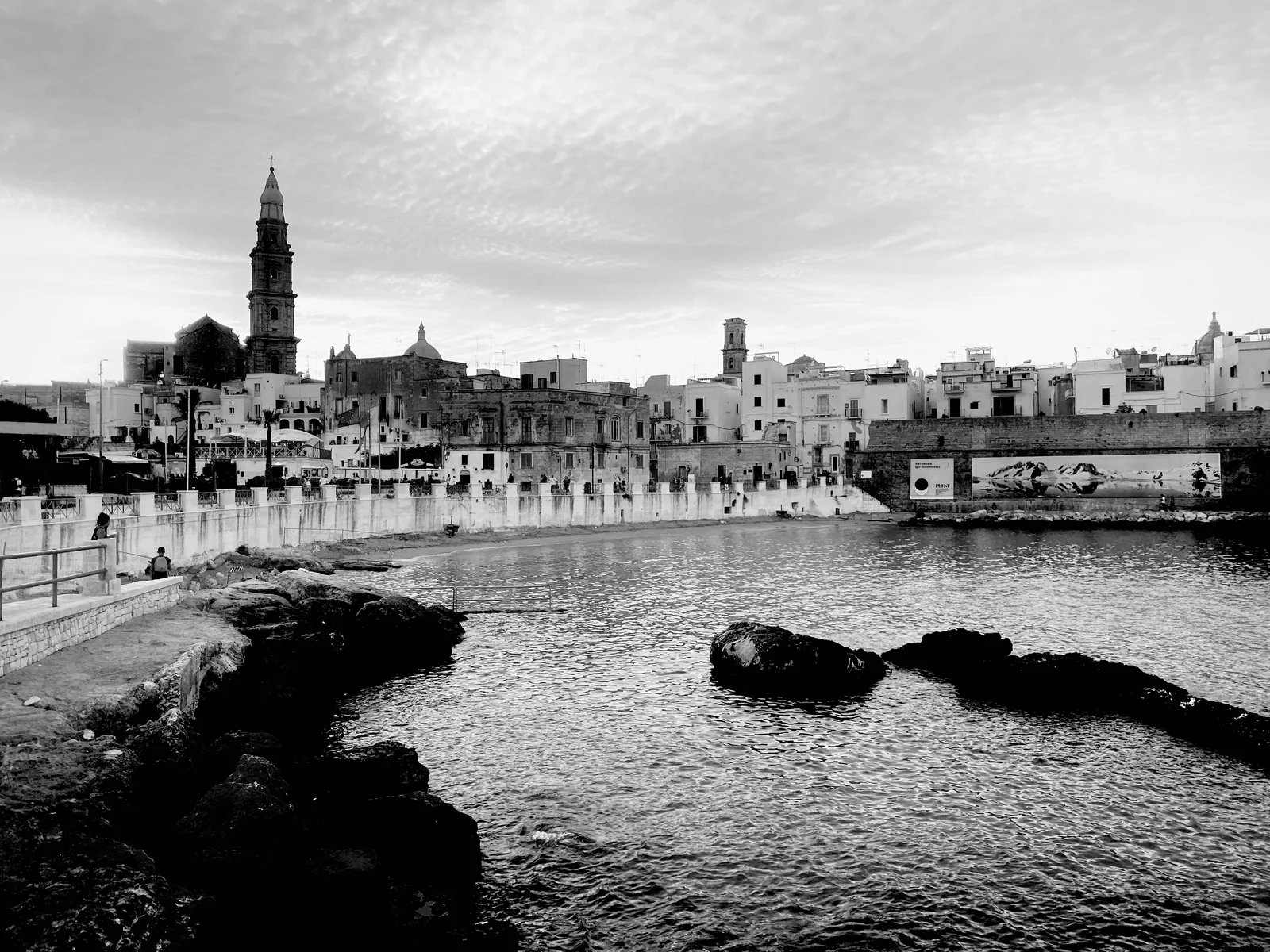
Monopoli faces the Adriatic about forty kilometres from Bari, and its most distinctive feature is clear at once: the harbour is not pushed to the edge but runs into the old town, and buildings have looked onto its quays since the Middle Ages. The Ministry's tourism portal describes a town that once held its own against the maritime powers of its day, and the relationship with the sea is still the first key to understanding it.
The old town, which locals simply call the paese vecchio, is large and dense with churches, palazzi and lime-washed houses, along lanes paved with chianche stone where fishermen can still be seen mending nets. Beyond the walls the landscape changes: the low, indented coast alternates small coves with long sandy beaches, while inland lie about a hundred inhabited rural districts, the contrade, with fortified farmhouses, trulli, rock-cut churches and centuries-old olive trees.
This double character, sea and countryside, makes Monopoli a good base for a stay of several days: one day for the centre and the harbour, another for the contrade and the rock-cut settlements, and time by the sea chosen deliberately. Food, which the town's tourism site calls a true mix of land and sea, connects the two halves.
Sources: Italia.it — Monopoli · Monopoli Tourism (sito turistico istituzionale) — Il centro storico · Monopoli City Tourism — la campagna · Monopoli Tourism — Cibo e sagre · Regione Puglia, Viaggiare in Puglia — Monopoli
History
The ground beneath the cathedral tells of very early occupation: excavations revealed traces of Bronze Age dwellings and religious use of the site from the fifth century BC. The town's medieval history is tied to its diocese, which in 1091 came directly under the Holy See, and to the first Romanesque cathedral, begun in 1107. Tradition holds that work stalled for lack of beams until, in December 1117, a raft carrying the icon of the Madonna della Madia landed at the harbour: its logs were used to finish the roof.
Meanwhile, cave dwelling had spread through the countryside. The town's official tourism site links the rock-cut settlements in the lame, small karst canyons running down to the sea, with the return to the land after the Gothic wars and the destruction of Egnazia; many rock churches are already recorded in a papal bull of 1180.
Openness to the sea brought wealth but also raids, so the town built walls and the castle on the Punta Penna promontory, whose present appearance dates from 1660. In the eighteenth century trade revenues paid for the rebuilding of many churches: the Romanesque cathedral was replaced by the Baroque building from 1742.
Sources: Cattedrale di Monopoli — fasi costruttive · Italia.it — Cattedrale di Monopoli · Monopoli Tourism — Civiltà rupestre · Italia.it — Monopoli · Regione Puglia, Viaggiare in Puglia — Castello Carlo V
What to see
The Basilica Cathedral of Maria Santissima della Madia is the heart of the old town. You reach it through a short passage beneath the Bishop's Palace and find a late Baroque façade on a surprisingly small forecourt. Ten sixteenth-century statues from the Romanesque church were placed on the wall built in 1786 to shelter the forecourt from the wind. Inside is the Byzantine icon of the Madonna della Madia, dated to around 1280; beneath the transept the crypt museum displays finds from the excavations, and the diocesan museum holds paintings of the Venetian and Neapolitan schools.
Castello Carlo V, surrounded by the sea on three sides, shows its defensive role in its cannon openings and, on the side facing the town, the residential changes of the seventeenth century; today it is a municipal cultural venue for exhibitions and events. Nearby, Cala Porta Vecchia is a small sandy beach at the foot of the sixteenth-century walls, a short walk from the centre.
In the old town it is worth seeking out the crypt of Santa Maria Amalfitana, carved into a large natural cavity beneath a twelfth-century church: tradition links it to sailors from Amalfi who survived a shipwreck, and its focal point is a fresco of Saint Nicholas in Greek-rite episcopal dress. Beneath Piazza Vittorio Emanuele you can also visit the Second World War air-raid shelters.
Sources: Cattedrale di Monopoli — fasi costruttive · Italia.it — Cattedrale di Monopoli · Regione Puglia, Viaggiare in Puglia — Castello Carlo V · Città di Monopoli — Castello Carlo V · Regione Puglia, Viaggiare in Puglia — Cala Porta Vecchia · Regione Puglia, Viaggiare in Puglia — Chiesa rupestre di Santa Maria Amalfitana · Monopoli Tourism — Rifugi antiaerei
Food and wine
The town's tourism site sums up Monopoli's cooking in one word, mareterra: the local catch meets produce from the countryside in simple menus where freshness is the first ingredient. The fishing fleet returns to the harbour in the evening, and in the old town trattorias and small restaurants serve fish dishes alongside home cooking such as meatballs and slow-cooked ragù. Panzerotti and fritters appear at the town and country food festivals.
The other half of the table comes from the old olive trees of the contrade. Monopoli lies in the province of Bari, the area of the Terra di Bari designation of origin for extra virgin olive oil, made from Coratina, Cima di Bitonto and Cima di Mola olives; one of its geographical mentions is called Murgia dei Trulli e delle Grotte and describes a light oil with hints of fresh almond. The experiences listed by the tourism portal include tastings of oil, wine, cheese and dairy products, and workshops for making bread, focaccia and orecchiette.
As an editorial reference, with no partnership, we point to Komera Cucina Nostra: its official menu pairs troccolo pasta made with grano arso, tomatoes, rocket and cacioricotta with fish and vegetable dishes, a good example of the dialogue between land and coast. The observed price is shown separately, with its conditions.
Sources: Monopoli Tourism — Cibo e sagre · Monopoli Tourism (sito turistico istituzionale) — Il centro storico · Qualigeo (Fondazione Qualivita) — Terra di Bari DOP · Monopoli Tourism — Tour e visite guidate · Komera Cucina Nostra — menù ufficiale PDF
Things to do
The sea is the first experience: Monopoli's coastline runs for almost fifteen kilometres, with low, jagged rocks and coves to the north and in the centre, and long beaches of fine sand, in places backed by dunes, on the stretch towards the border with Fasano and around Capitolo. The tourism site notes the Blue Flag awards received several times and the sea cliffs and caves carved by erosion; boat trips, including sunset outings, reach coves and grottoes from the water, and stand-up paddle boarding is popular along the shore.
Inland, the rock-cut churches deserve an unhurried visit. The tourism portal lists guided routes to the church of Spirito Santo, Lama d'Antico and the rock complexes of Sant'Andrea and Procopio, together with farm visits and e-bike rides through olive groves and old hamlets. From the Loggia di Pilato viewpoint, on the road to Selva di Fasano, the whole plain of the contrade opens out below.
To get around independently, the municipality runs an e-bike sharing scheme with dozens of stations reaching as far as Capitolo. Those who prefer a guided visit will find walks through the old town to the castle and harbour, in several languages, run by local operators together with the tourist office.
Sources: Monopoli Tourism — Il mare di Monopoli · Monopoli Tourism — Tour e visite guidate · Monopoli Tourism — Civiltà rupestre · Regione Puglia, Viaggiare in Puglia — Monopoli · Monopoli Tourism — Bike sharing comunale
When to go
For a trip combining the old town, the contrade and the sea, spring and autumn are the most balanced seasons: days are mild, the countryside is alive and visits to rock churches and farmhouses can be made without the full heat. Summer is the season for the sea and for evenings in the old town; it is best, though, to keep beach hours separate from sightseeing.
The festival calendar follows the liturgical year, and the tourism site advises checking dates. On the first weekend of June the town honours Saints Cosmas and Damian, with a procession followed by barefoot women devotees dressed in dark clothes and carrying lit candles. On the evening of 14 August, around Cala Batteria, the landing of the raft with the icon of the Madonna della Madia is re-enacted, repeating the patronal feast for townspeople living abroad.
Other occasions mark the year: the bonfires of Saint Joseph in March, the Holy Week rites with visits to the altars of repose, and Corpus Domini. The patronal feast itself falls at dawn on 16 December, for those wishing to experience the most heartfelt moment of the town's devotion.
Sources: Monopoli Tourism — Il mare di Monopoli · Monopoli City Tourism — la campagna · Monopoli Tourism — Fede e tradizione · Regione Puglia, Viaggiare in Puglia — Monopoli
Getting there and around
Monopoli has a station on the RFI rail network, with assistance for disabled passengers and those with reduced mobility coordinated by the Bari Sala Blu. The nearest airport is Bari, run by Aeroporti di Puglia; from there the town can be reached by train or by road. Check timetables and connections on official channels before travelling.
In town, the station is also linked to the centre by the municipal park and ride service: on busy evenings and days, shuttles leave from outlying car parks and one of them stops at the station, so cars can be left outside the centre. The compact old town, with its largely pedestrian lanes, is easy to explore on foot, from the harbour to the cathedral and the castle.
For the sandy beaches towards Fasano, the contrade and the rock churches you need transport: besides a car, the municipal e-bike sharing scheme covers the area as far as Capitolo, and cycle paths cross part of the countryside. The regional portal also mentions a car park on Via Arenazza for those arriving from Fasano and Brindisi.
Sources: RFI — Stazione di Monopoli · Aeroporti di Puglia — Aeroporto di Bari · Monopoli Tourism — Park and ride per il centro · Monopoli Tourism (sito turistico istituzionale) — Il centro storico · Monopoli Tourism — Bike sharing comunale · Regione Puglia, Viaggiare in Puglia — Info-point Monopoli
Where to stay
The first choice is about the pace of the stay. Sleeping in the old town or near the harbour lets you walk between cathedral, castle and town coves, and enjoy the paese vecchio in the evening when the fishing boats come in. It is the best base for travellers without a car or staying only a few days.
The contrade offer a different experience. The official tourism site describes growing hospitality in rural houses, trulli and period villas converted into agriturismi and bed and breakfasts, often among old olive trees and dry-stone walls. Here you stay as local families did on their summer holidays, close to farmhouses and rock churches, but your own transport becomes essential.
Along the coast running from Monopoli towards Capitolo and Fasano there are places to stay close to the sandy beaches, convenient for a summer stay focused on the sea. Either way, the Info-point on Piazza Garibaldi is the official reference for finding your bearings among the town's different areas.
Sources: Monopoli Tourism (sito turistico istituzionale) — Il centro storico · Monopoli City Tourism — la campagna · Monopoli Tourism — Il mare di Monopoli · Monopoli Tourism — Info-point Piazza Garibaldi
Nearby
A few kilometres from the centre, along the coast between Monopoli and Fasano, the National Archaeological Museum and Park of Egnazia covers thirty centuries of history, from the first Bronze Age village to the Messapian and Roman town crossed by the Via Traiana, until it was abandoned in the thirteenth century. In the park you can trace the civil basilica, the cryptoporticus, the baths and the early Christian churches; in the museum the highlight is the Tomb of the Pomegranates, a painted chamber tomb of the fourth century BC.
Along the coast, the abbey of Santo Stefano stands on a rocky spur: first run by Benedictine monks, it later passed to the Order of St John and the Knights of Malta, and is now privately owned and seen from outside, with the beach of Cala Rossa below. In the countryside the Lama degli Ulivi botanical garden brings together caves, rock churches and thousands of Mediterranean species.
The tourism site also suggests links with nearby places: Polignano a Mare with its clifftop old town, Castellana Grotte with its great karst system, Alberobello with its UNESCO-listed trulli, Putignano with its Carnival and Locorotondo in the Itria Valley. It is better to choose one or two according to the theme of the trip than to chain them all together.
Sources: Ministero della Cultura, Direzione regionale Musei Puglia — Museo e Parco Archeologico di Egnazia · Regione Puglia, Viaggiare in Puglia — Abbazia di Santo Stefano · Regione Puglia, Viaggiare in Puglia — Monopoli · Monopoli Tourism — Da Monopoli puoi raggiungere
Local tourist information
Local tourist offices help with opening times, events and transport on the day.
- Info-point Monopoli (Sala dei Pescatori) · Piazza Garibaldi 24, 70043 Monopoli (BA) · +39 080 4140264 · [email protected] · Official website
Source: Regione Puglia, Viaggiare in Puglia — Info-point Monopoli · Monopoli Tourism — Info-point Piazza Garibaldi · Città di Monopoli — Porto nuovo · checked on
Where to stay
In the municipality of Monopoli the national database of the Ministry of Tourism lists 2202 accommodation businesses with a verified CIN code: 15 hotels, 606 other licensed accommodation and 1581 other types such as B&Bs and private rentals.
Licensed businesses from the official list of accommodation named as the source in this section. Where the list gives it, the property's official identification code appears next to its name: the national CIN code, or the code assigned by the Region or by the body that keeps the list. Private individuals are not listed. This list is the official census of licensed businesses, not a list of Apulica partners: to stay in Monopoli you do not have to check one property after another yourself; write to Apulica and we look for the stay that suits your journey, checking availability and conditions before any confirmation.
DON FERRANTE - DIMORA DI CHARME
Hotel · ★★★★★
CIN IT072030A100022368
COLOR DREAM RESIDENCE
Residence
CIN IT072030B400076354
ATLANTIDE
Holiday village · ★★★
CIN IT072030B200112316
ATLANTIDE
Campsite · ★★★
CIN IT072030B100112313
ACQUA E SALE
Farm stay
CIN IT072030B500114926
AGAPE
B&B
CIN IT072030B400094620
120S PORTO ROSSO Suite
Guest rooms
CIN IT072030B400128853
ADUEPASSIDALMARE
Holiday home
CIN IT072030B400024826
HOTEL MASSERIA DONNALOIA
Hotel · ★★★★★
CIN IT072030A100022113
DOMUS FARA
Residence
CIN IT072030B400122752
First the places that presented themselves to Apulica, the latest first; then one place of each type in turn, by official category and stars, then by name. No position is paid for.
All 425 entries in alphabetical order
Page 1 of 43
| Name | Type | CIN |
|---|---|---|
| 120S PORTO ROSSO Suite | Guest rooms | IT072030B400128853 |
| A CASA DI MAMMA | Guest rooms | IT072030B400128182 |
| AccalmiA | Guest rooms | IT072030B400082661 |
| ACQUA E SALE | Farm stay | IT072030B500114926 |
| Acquamarina Celeste | Guest rooms | IT072030B400123958 |
| ACQUAMARINA SUITES | Guest rooms | IT072030B400117951 |
| ADUEPASSIDALMARE | Holiday home | IT072030B400024826 |
| AFFITTACAMERE DI CARONE GEMMA ANTONIETTA | Guest rooms | IT072030B400027691 |
| AFFITTACAMERE ELIANA | Guest rooms | IT072030B400120614 |
| AGAPE | B&B | IT072030B400094620 |
Ask Apulica for a stay in Monopoli We reply shortly, within a few hours at most, with a proposal for you to consider.
Sources: Regione Puglia – ARET Pugliapromozione (DMS), CC BY 4.0, 2026-10-12 · Ministero del Turismo – Banca Dati Strutture Ricettive (dashboard pubblica), 2026-10-12
YOUR JOURNEY
How to shape a journey here
We can design a Monopoli stay connecting urban heritage, productive rural districts and food, with deliberately chosen, separate time by the sea.
Plan your tripKeep exploring
Polignano a Mare
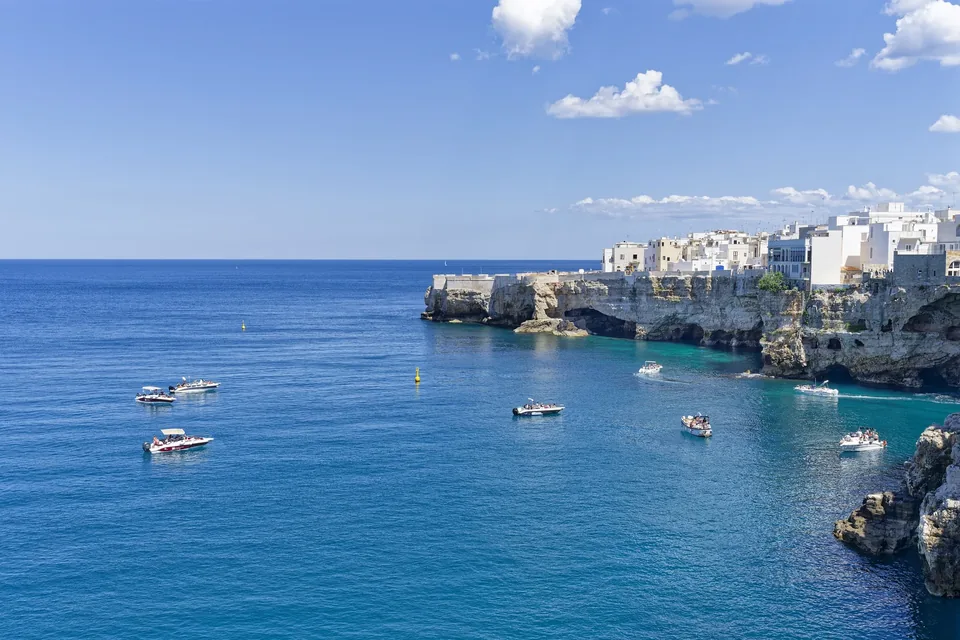
Old town, viewpoints and a coffee as a travel pause. A white town on a cliff, the Arco Marchesale, contemporary art and the multicoloured Polignano carrot. And then the history of the mother church, the Pino Pascali museum, the dives from the houses of the old town, the feast of Saint Vitus and the Costa Ripagnola nature park.
Read the guide →Photo: Maksimsokolov / Wikimedia Commons — CC BY-SA 4.0 · Resized and converted to WebP.
Castellana Grotte
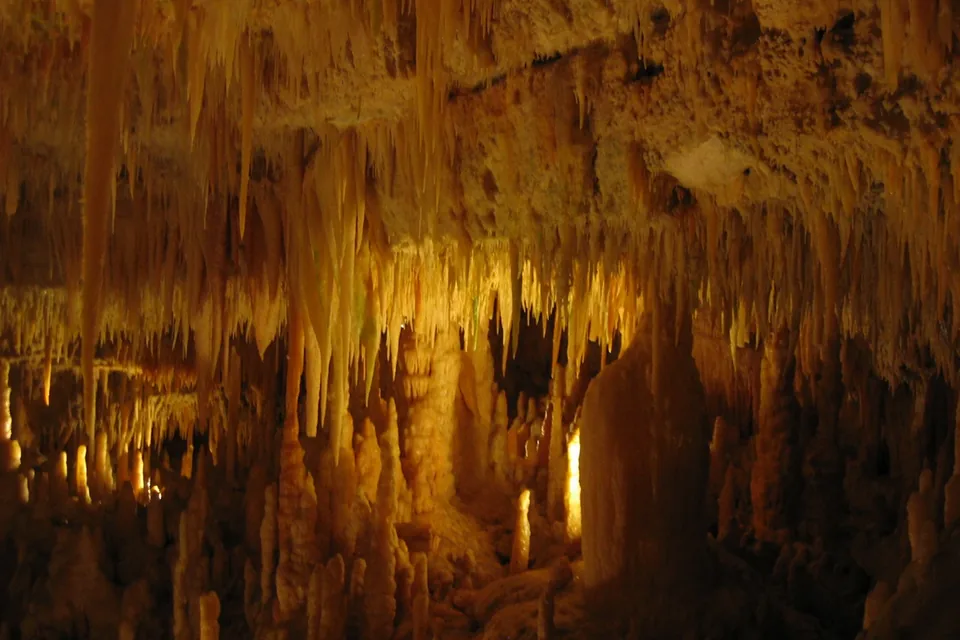
Karst, caves and the town within a journey connected to the Itria Valley.
Read the guide →Photo: ReMagio at Italian Wikipedia / Wikimedia Commons — Public domain · Resized and converted to WebP.
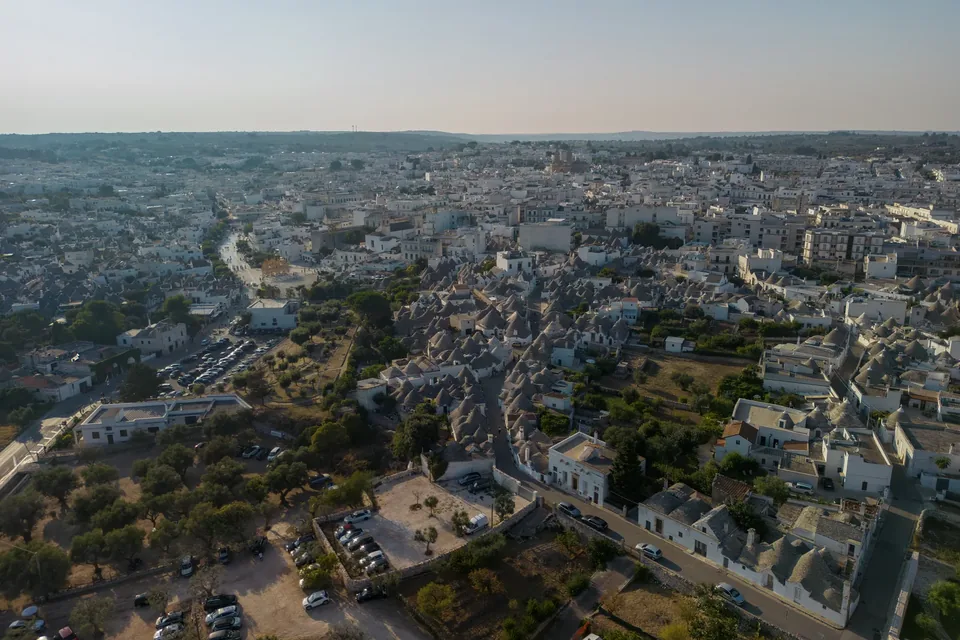
Alberobello
Trulli through their shape, space and everyday use. The Monti and Aia Piccola districts hold more than a thousand trulli, a World Heritage Site since 1996.
Read the guide →Photo: ParisTaras / Wikimedia Commons — CC BY-SA 4.0 · Resized and converted to WebP.
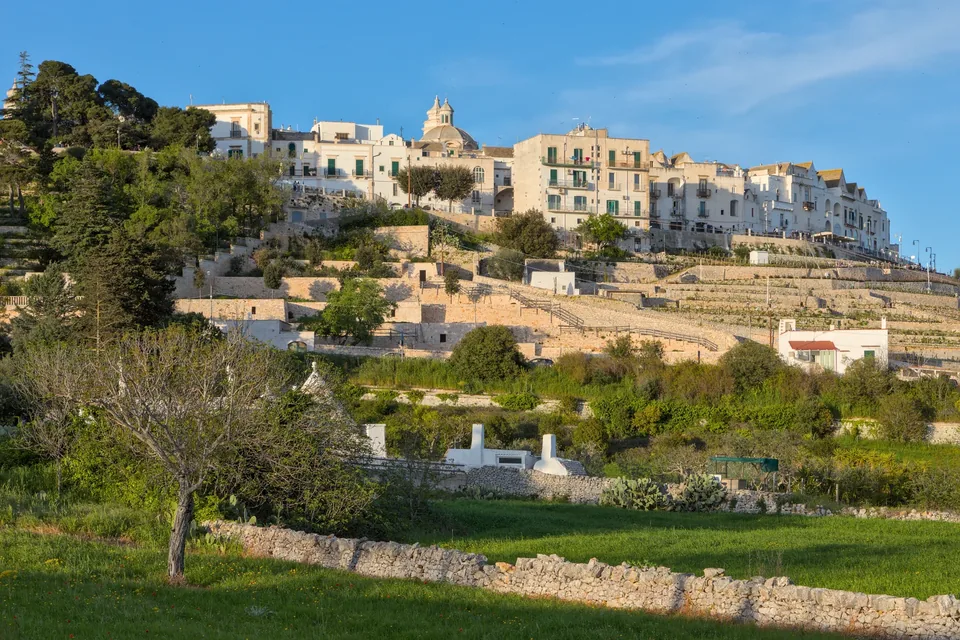
Locorotondo
Cummerse roofs as a way to distinguish the Itria Valley’s towns. A circular old centre on a hilltop and Locorotondo DOP wine.
Read the guide →Photo: Benjamin Smith / Wikimedia Commons — CC BY-SA 4.0 · Resized and converted to WebP.
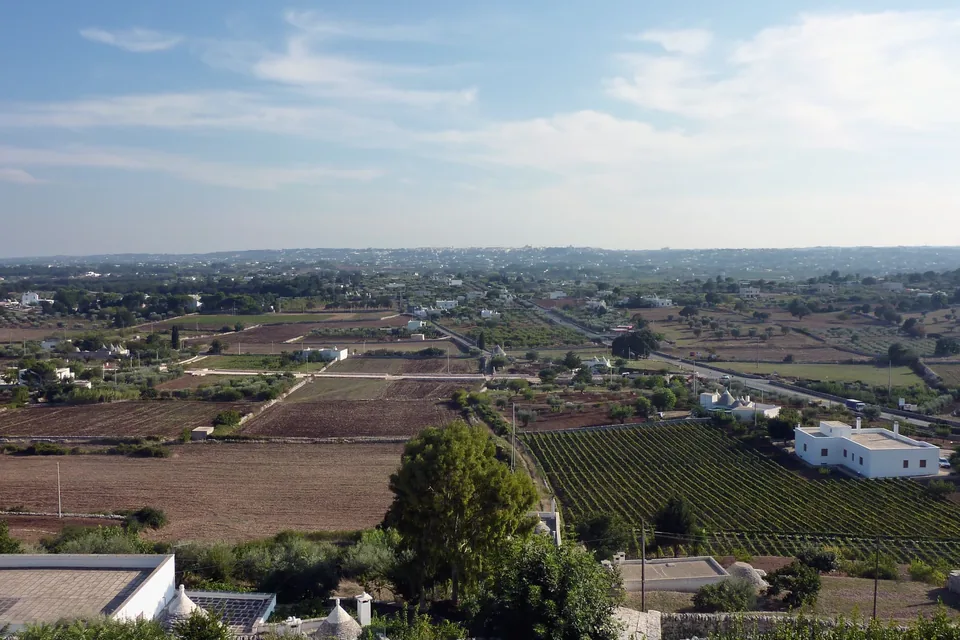
Itria Valley
Rural architecture, towns and food as parts of the same journey. Trulli across the countryside, Locorotondo, Cisternino, Martina Franca and Slow Food capocollo.
Read the guide →Photo: Adbar / Wikimedia Commons — CC BY-SA 3.0 · Resized and converted to WebP.
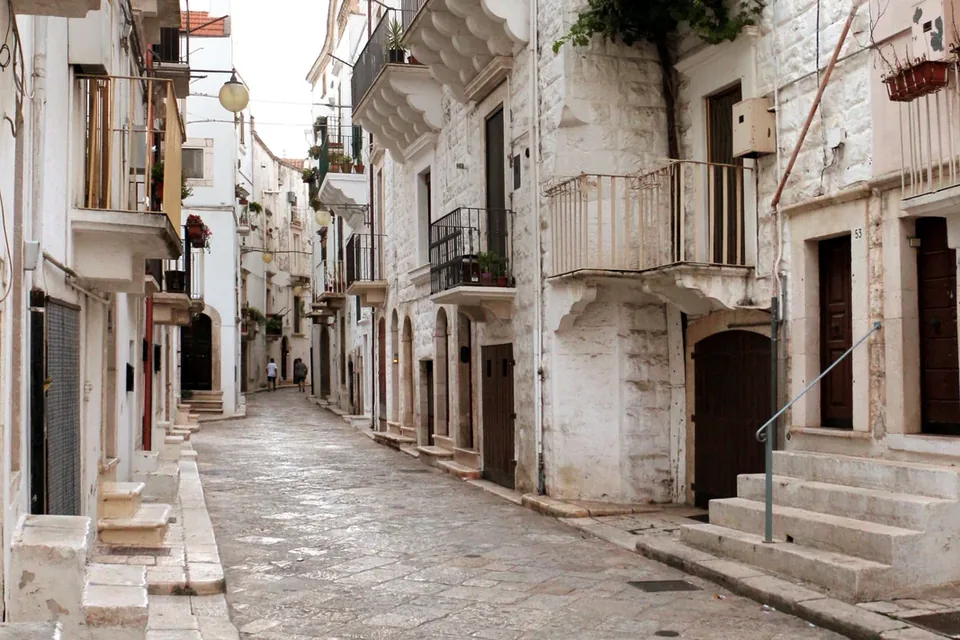
Putignano
Putignano: papier-mâché and town memory. Europe’s oldest carnival runs from 26 December to Lent with papier-mâché floats, while farinella recalls rural cooking.
Read the guide →Photo: Sailko / Wikimedia Commons — CC BY 3.0 · Resized and converted to WebP.
Torre Canne
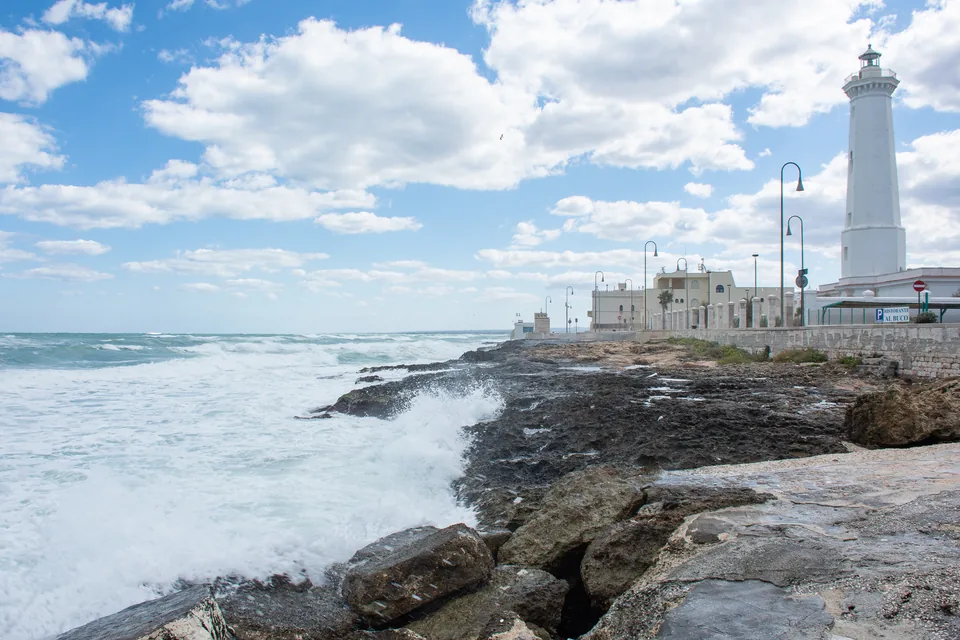
The seaside village of Fasano with the Punta Torre Canne lighthouse, a long sandy beach with shallow water, the Coastal Dunes Park, the thermal waters, the fiorone fig and the regina tomato.
Read the guide →Photo: Okidoki1982 / Wikimedia Commons — CC BY-SA 4.0 · Resized and converted to WebP.
Conversano
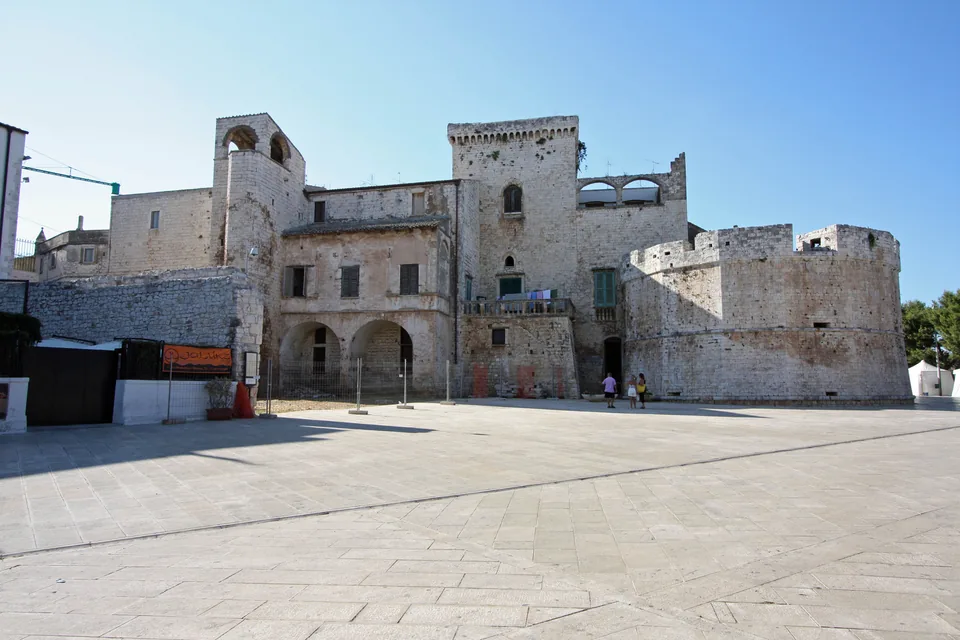
Conversano (BA), Puglia: 25,938 residents, 128.42 km². The official facts of the municipality, its town council website and its registered accommodation. The castle of the Acquaviva d’Aragona with Paolo Finoglio’s canvases, the Romanesque cathedral, the monastery of the mitred abbesses, the karst lakes, the cherries and the “Terra di Bari” PDO olive oil.
Read the guide →Photo: Carlo Pelagalli / Wikimedia Commons — CC BY-SA 3.0 · Resized and converted to WebP.
“Come to Monopoli as a guest, not as a tourist: that is how these places truly let you know them.”