
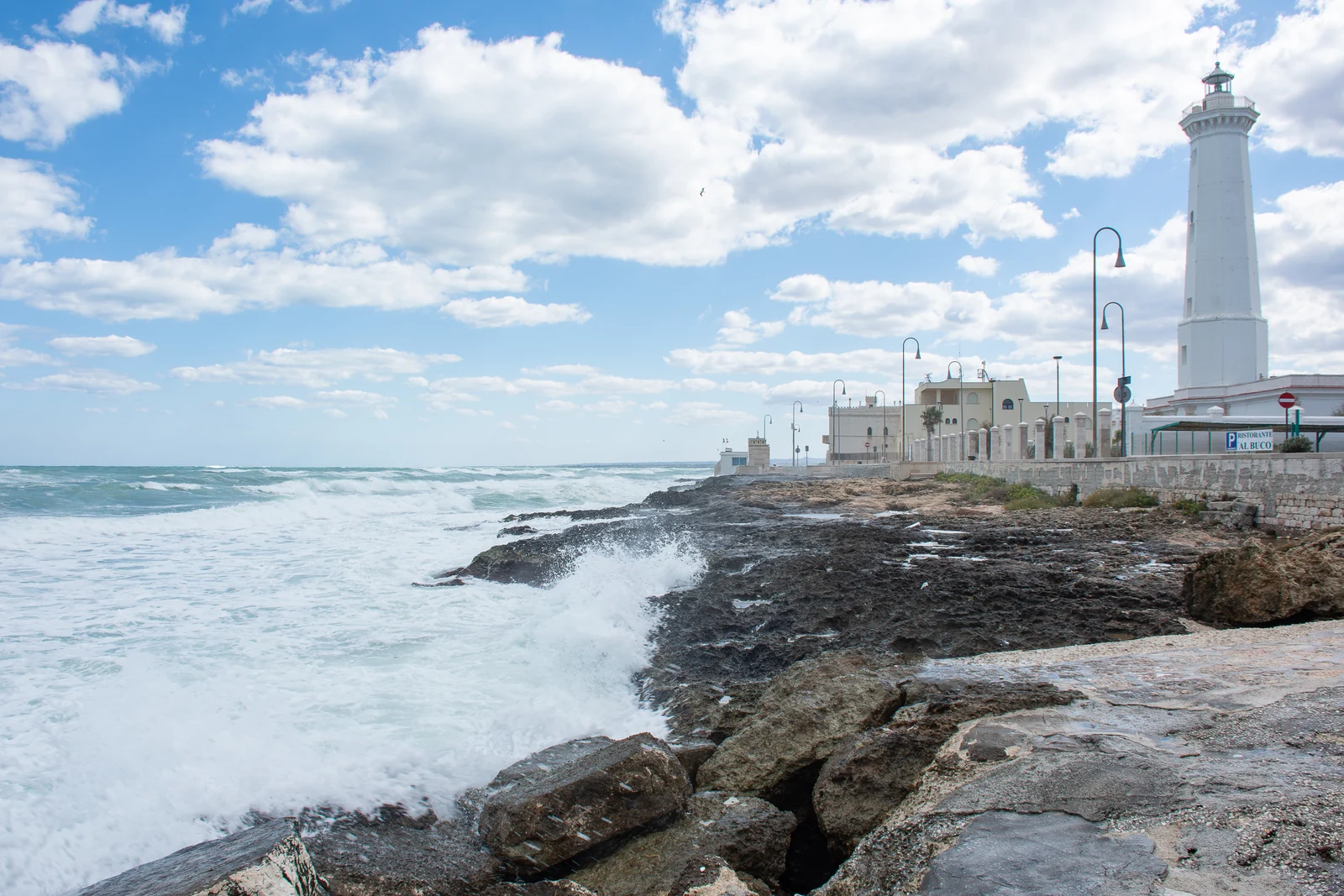

Why go
Torre Canne is a coastal hamlet of the municipality of Fasano, in the province of Brindisi, and the municipality describes it as a place “more of sand than of cliffs”: a very long sandy shore, with water so shallow that people walk out for hundreds of metres, suited, it writes, to families, children and older people. Where the houses end begins the “Dune costiere da Torre Canne a Torre S. Leonardo” regional nature park, established by the Puglia Region with regional law no. 31 of 27 October 2006.
Three things make it recognisable. The Punta Torre Canne lighthouse, which the Italian Navy lists as no. 3688 E.F.: a 32-metre tower with its light 35 metres above the sea. The spa, fed by spring waters that the municipality describes as chloride-sulphate-sodium and slightly bromide in composition. And two products on the national list of traditional agri-food products of the Ministry of Agriculture: the Torre Canne fiorone fig and the regina tomato.
Sources: Comune di Fasano, portale ufficiale del turismo Terre di Fasano — Torre Canne di Fasano · Regione Puglia — DGR n. 1715/2017 (BURP n. 129 del 13 novembre 2017): parchi naturali regionali e loro gestione · Marina Militare, Fari e segnalamenti — Faro Punta Torre Canne, n. 3688 E.F. · Ministero dell’agricoltura, della sovranità alimentare e delle foreste — Elenco nazionale dei prodotti agroalimentari tradizionali, ventiseiesima revisione (2026)
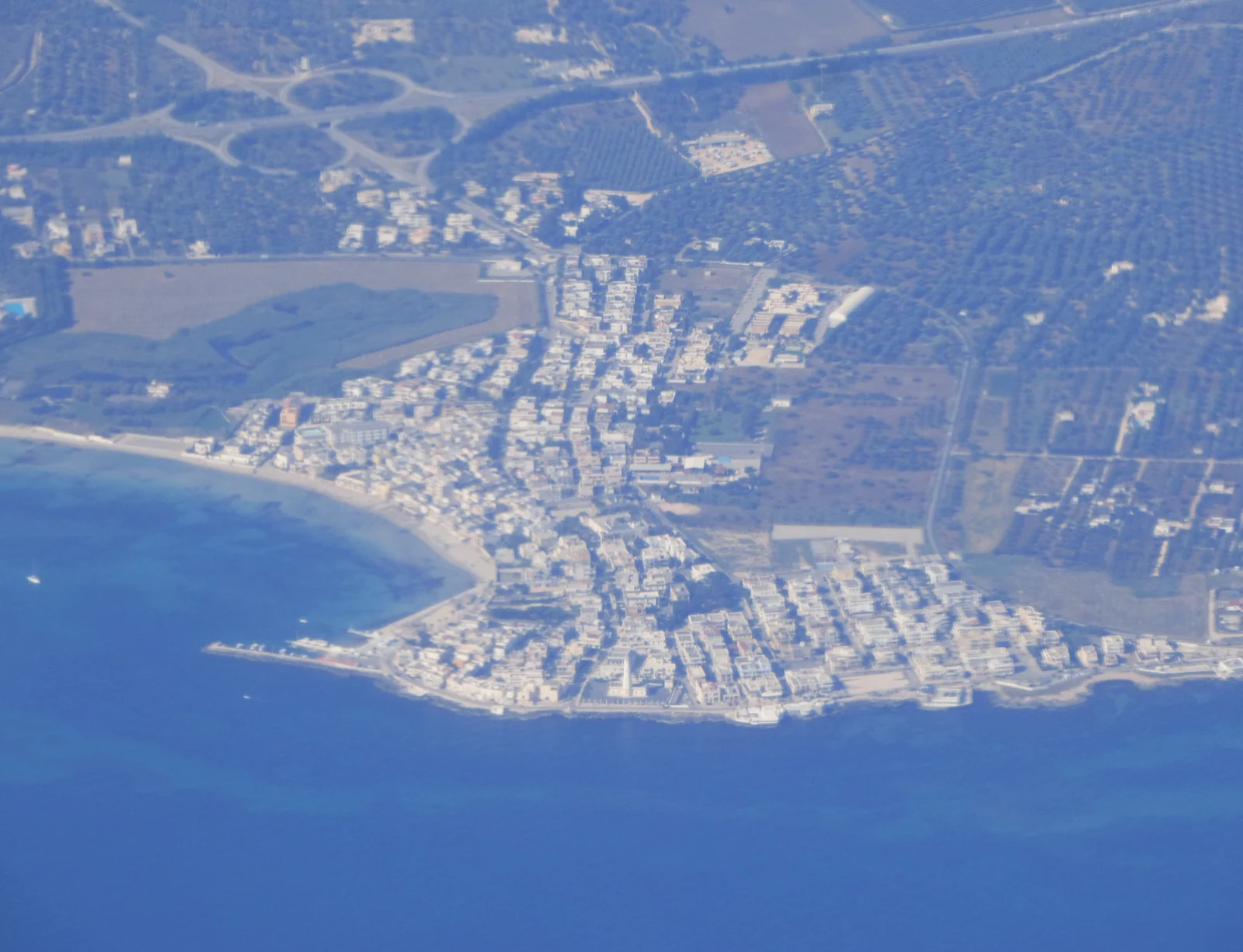
Photo: Mfran22 / Wikimedia Commons — CC BY-SA 4.0 · Resized and converted to WebP.
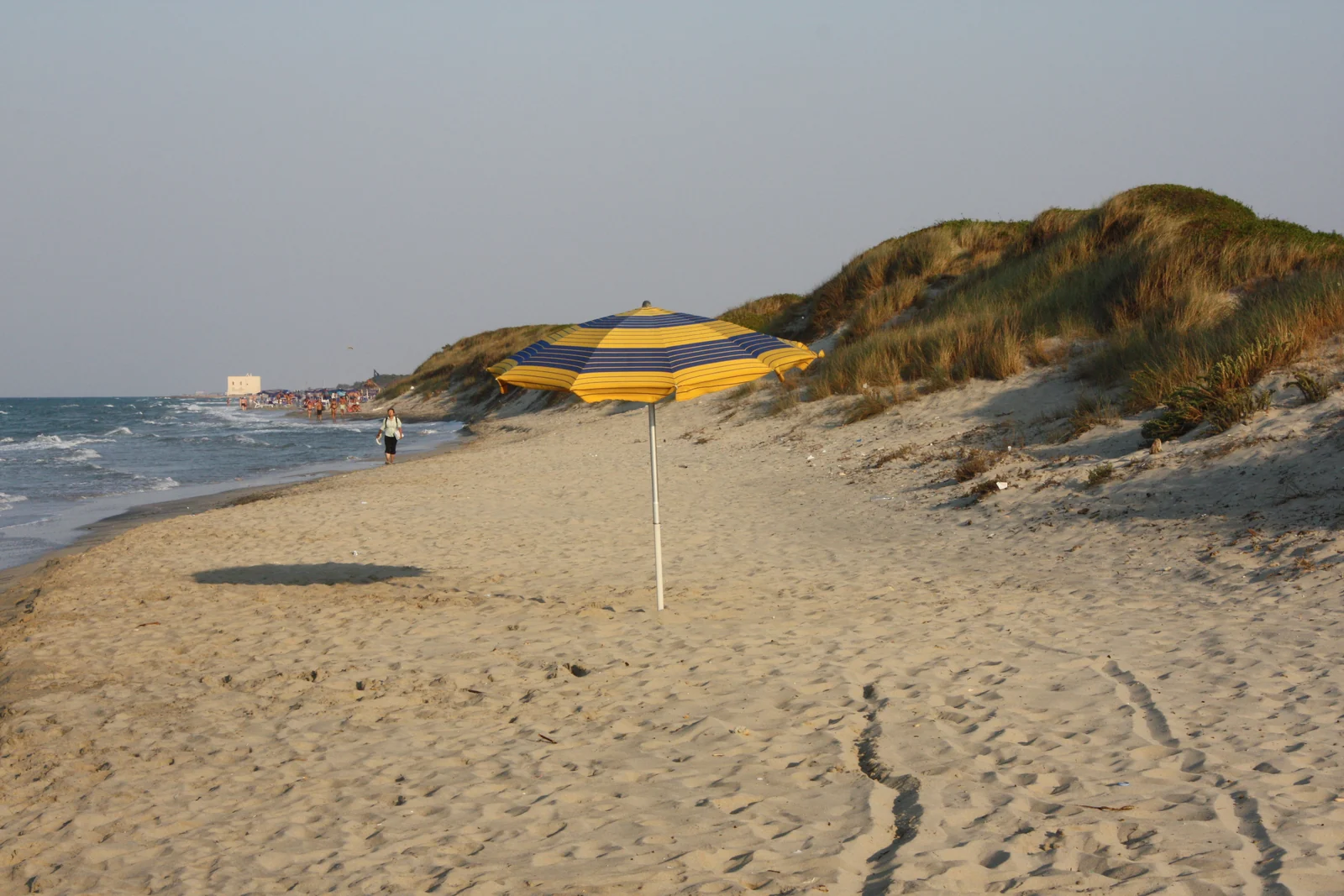
Photo: Carlo Pelagalli / Wikimedia Commons — CC BY-SA 3.0 · Resized and converted to WebP.
History
Once, the municipality writes, Torre Canne was lived in almost only by fishermen, in small houses with modest stores for their fishing gear, gathered near the lighthouse. The lighthouse stands where there was an Aragonese watchtower of the sixteenth century, now destroyed. At the end of the nineteenth century Torre Canne became the beach of the people of Fasano, and summer houses were added north-west of the beach and up to the edge of the park.
The lighthouse, according to the municipality’s tourism portal, was built in 1928; the Italian Navy gives 1929 as the year it was activated. The municipality recalls the keepers who climbed every two or three hours to refill the lamp and light the lantern, and who in storms carried a live flame to the top to warn the fishermen at sea. Today the Navy classifies it as a fixed-optic lighthouse powered from the grid, a tower next to a white single-storey building.
The countryside behind the coast has its history too. According to the Slow Food Presidium page, in the middle of the nineteenth century the regina tomato took the place of cotton, called bambace, grown in the area since at least the fourteenth century for home weaving; cotton did not disappear, because it was spun into the strings that tie the bunches of keeping tomatoes. On 11 July 2025 the City of Fasano named a square in Torre Canne, on Via del Faro, after Angelo Vassallo, the mayor of Pollica murdered on 5 September 2010 and remembered as the “fisherman mayor”.
Sources: Comune di Fasano, portale ufficiale del turismo Terre di Fasano — Torre Canne di Fasano · Comune di Fasano, portale ufficiale del turismo Terre di Fasano — Una visita al faro di Torre Canne · Marina Militare, Fari e segnalamenti — Faro Punta Torre Canne, n. 3688 E.F. · Fondazione Slow Food — Presidio Pomodoro regina al filo di cotone di Torre Canne · Comune di Fasano, portale ufficiale del turismo Terre di Fasano — Torre Canne: intitolata una piazza ad Angelo Vassallo (14 luglio 2025)
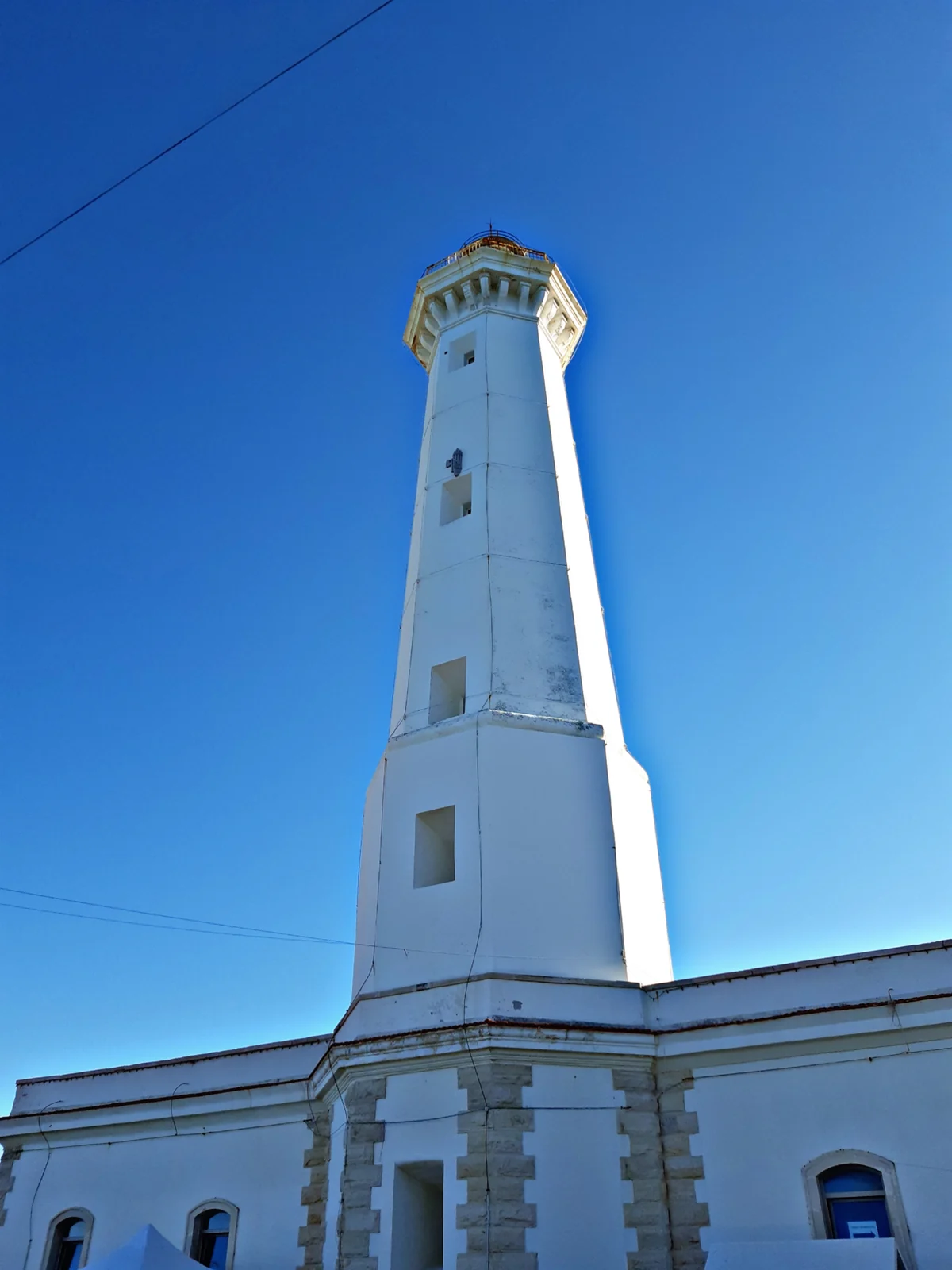
Photo: Consuelo.Nardini / Wikimedia Commons — CC BY-SA 4.0 · Resized and converted to WebP.
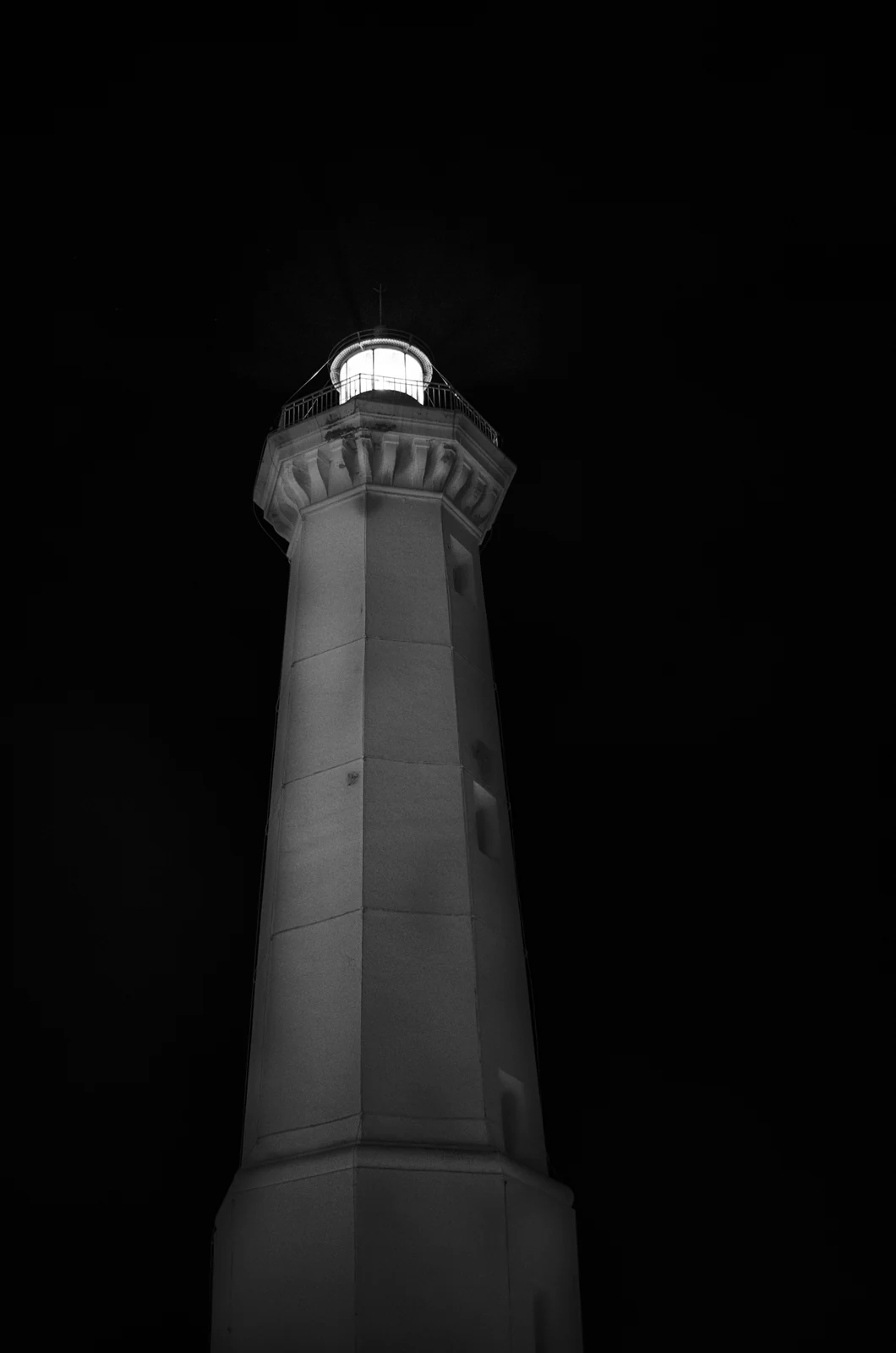
Photo: Antale72 / Wikimedia Commons — CC BY-SA 4.0 · Resized and converted to WebP.
What to see
The lighthouse is the landmark of the village. The Italian Navy places it at 40° 50.5′ north and 17° 28.1′ east; its white light gives two flashes every ten seconds, with a nominal range of 16 nautical miles. The municipality suggests a visit to the lighthouse as an experience: from the top you see the Torre Canne coast on the right and the Savelletri shore on the left.
Beyond the village begins the Coastal Dunes Park, which the municipality puts at about 1,100 hectares: long ridges of sand dunes along the shore, Mediterranean scrub of juniper, mastic, broom and pink rockrose, and wetlands where the Grande, Piccolo and Morello rivers flow between reed beds and brackish ponds where migratory birds stop. In its history of Fasano the municipality recalls exactly this: the very long beach of Torre Canne with, behind the great dunes, the Mediterranean scrub and the wetlands.
Further inland the park keeps centuries-old olive trees, farmhouses still tied to olive oil production, small rural churches, underground oil mills of Roman and medieval times and rock dwellings in the sides of the ravines, the lame, that run down to the sea; the last stretch of the ancient Via Traiana towards Brindisi crosses it. Torre San Leonardo, which gives the park its name together with Torre Canne, is one of the watchtowers built in the Aragonese period to raise the alarm against raids from the sea.
Beyond the Grande river, in a park of palms, tamarisks, willows and pines, the municipality records eleven aquifers that have flowed from the ground for centuries; two have been recognised for their therapeutic qualities. The same waters feed a small lake and have built up muds which, like the waters, are used in the treatments of the spa, a private business.
Sources: Marina Militare, Fari e segnalamenti — Faro Punta Torre Canne, n. 3688 E.F. · Comune di Fasano, portale ufficiale del turismo Terre di Fasano — Una visita al faro di Torre Canne · Comune di Fasano, portale ufficiale del turismo Terre di Fasano — Il Parco naturale delle Dune costiere · Comune di Fasano, portale ufficiale del turismo Terre di Fasano — Birdwatching, tra terra e mare · Comune di Fasano — La storia di Fasano · Comune di Fasano, portale ufficiale del turismo Terre di Fasano — Torre Canne di Fasano
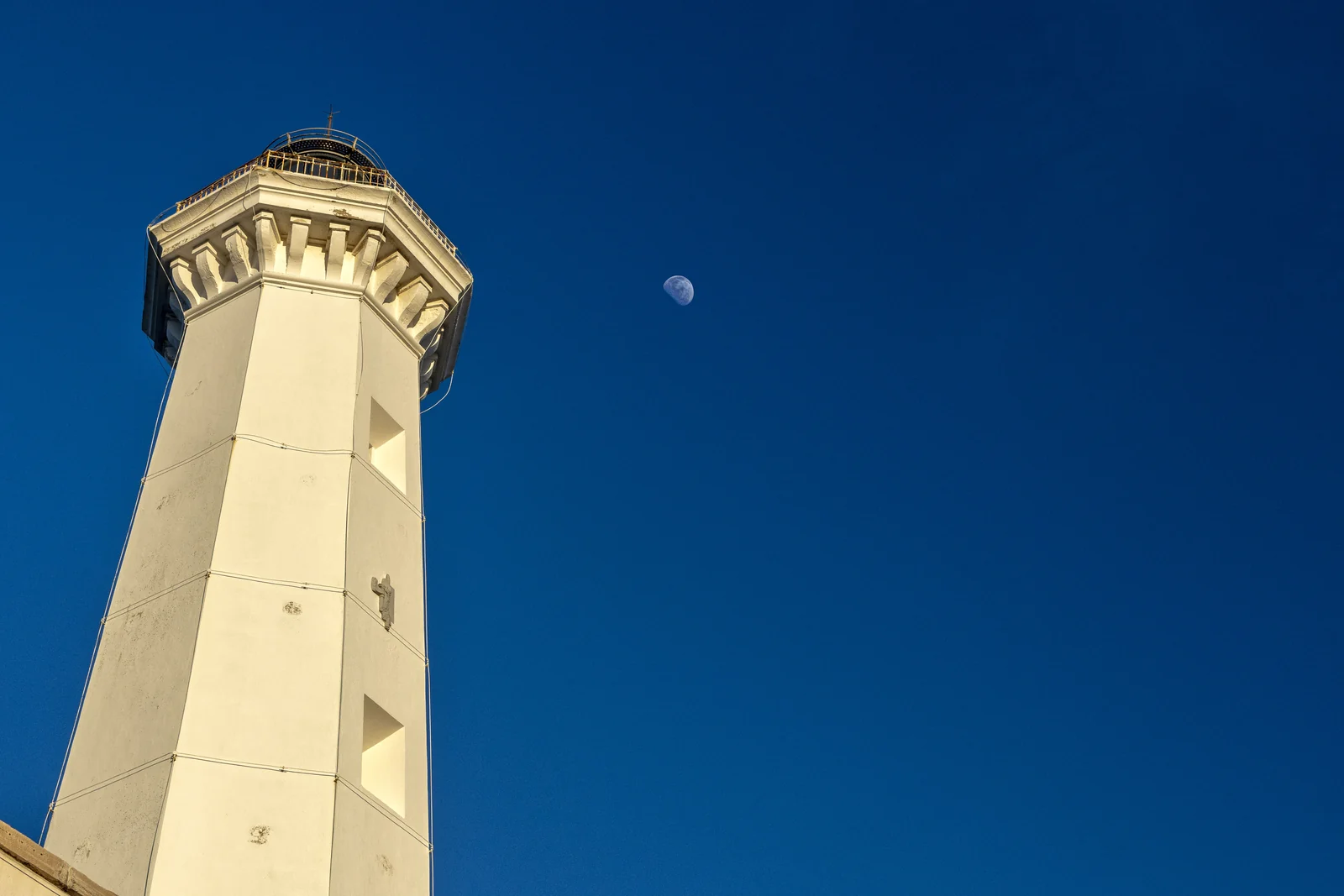
Photo: Floliva / Wikimedia Commons — CC BY-SA 4.0 · Resized and converted to WebP.
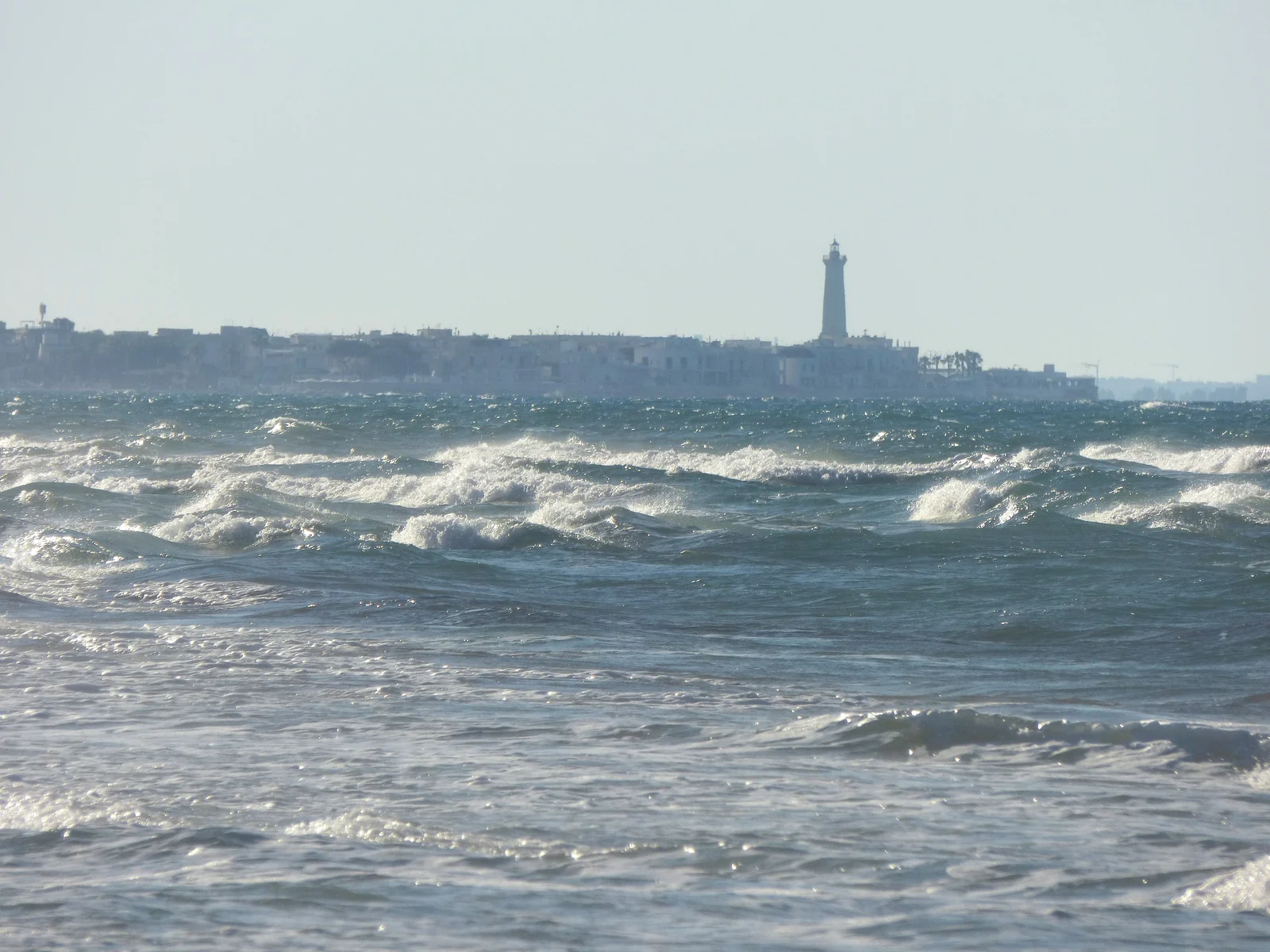
Photo: Mfran22 / Wikimedia Commons — CC BY-SA 4.0 · Resized and converted to WebP.
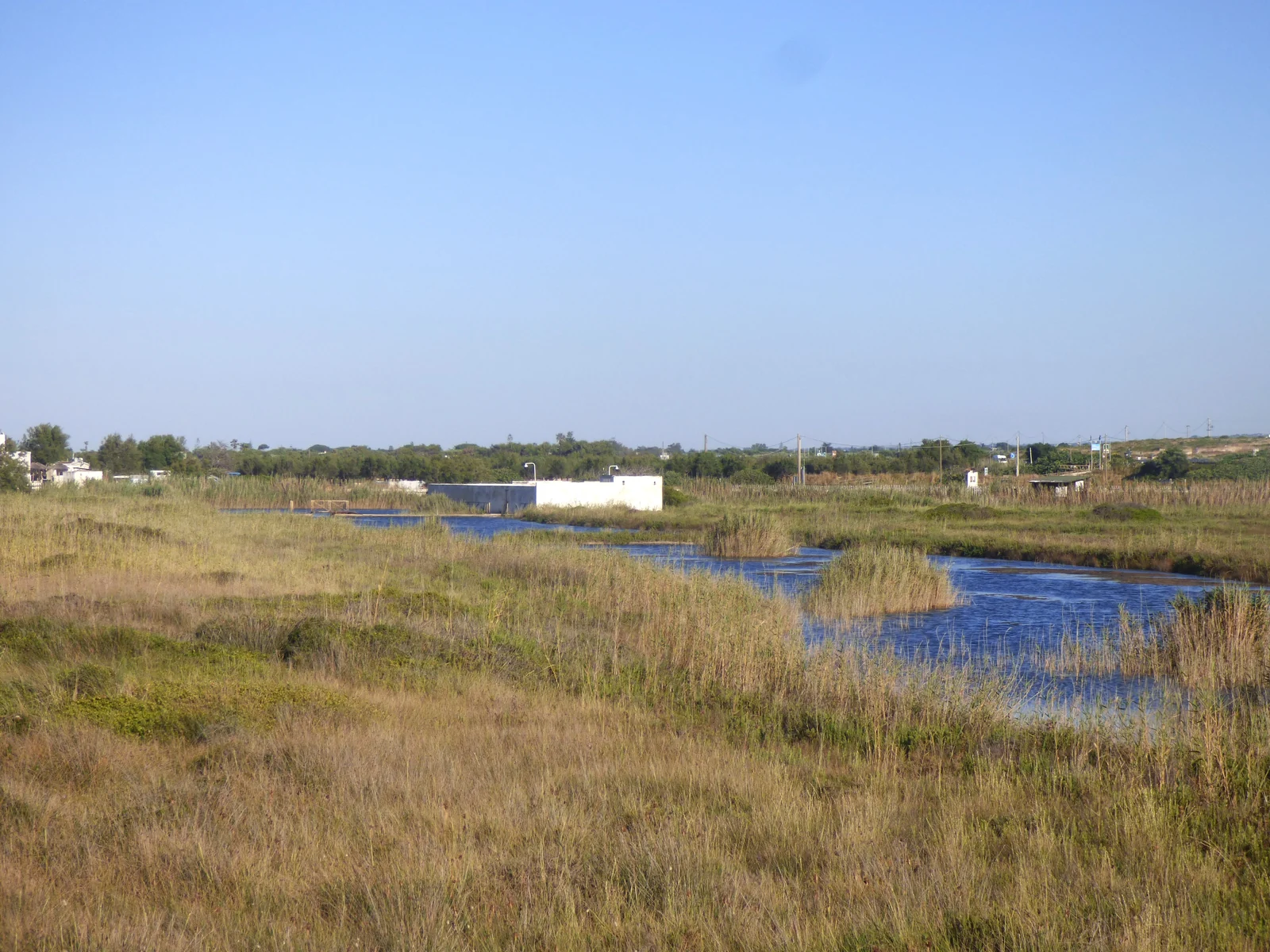
Photo: Mfran22 / Wikimedia Commons — CC BY-SA 4.0 · Resized and converted to WebP.
Food and wine
The Torre Canne fiorone, “culumbr” in dialect, is on the national list of traditional agri-food products of the Ministry of Agriculture, among the products of Puglia. It is the first crop of the fig of the Petrelli variety, with green skin and white and red flesh; the municipality explains that botanically it is an inflorescence, the syconium, which encloses the true fruits, the small achenes. It ripens from late May to well into June in the fig orchards where springs and rivers enrich the soil, and is also sold at summer stalls along the coast road, in wooden crates lined with fig leaves.
The regina tomato is on the national list too, and the Slow Food Foundation protects it as the “Pomodoro regina al filo di cotone di Torre Canne” Presidium. It is a local keeping variety, grown in the brackish soils of the coast between Fasano and Ostuni, from the Coastal Dunes Park to Egnazia; the name comes from the stalk, which grows into the shape of a small crown. The fruits are small and round, the skin thick because of the brackish water used to irrigate the plots near the sea.
It is picked from July: part is sold fresh, the rest dries in crates until September, when the tomatoes are tied by the stalk with cotton thread into bunches, the ramasole, and hung from the vaults of the farmhouses, where they keep until April of the following year. The municipality names it in friselle, focaccia, panzerotti, fava bean purée and cialledda, the traditional cold dish.
Sources: Ministero dell’agricoltura, della sovranità alimentare e delle foreste — Elenco nazionale dei prodotti agroalimentari tradizionali, ventiseiesima revisione (2026) · Comune di Fasano, portale ufficiale del turismo Terre di Fasano — Il fiorone di Torre Canne · Fondazione Slow Food — Presidio Pomodoro regina al filo di cotone di Torre Canne · Comune di Fasano, portale ufficiale del turismo Terre di Fasano — Il pomodoro Regina di Torre Canne
Things to do
The municipality suggests a loop by bicycle or e-bike in the Coastal Dunes Park: 20 kilometres, about three hours, easy touring difficulty, 70 per cent on asphalt and 30 on dirt. It starts and ends in Montalbano and passes the Montalbano dolmen, the Via Francigena del Sud, Borgo Santuri, the Masseria La Fonte, the fossil dunes, the Morelli river, the cave of San Giacomo, the Masseria Difesa di Malta and the plain of monumental olive trees.
For birdwatching the municipality suggests spring: in the pastures and fields of the park you can spot the marsh harrier, the hen harrier, the little owl, the barn owl and the hoopoe, and on migration the kestrel, the lesser kestrel and the red-footed falcon. Those with a boat, the municipality adds, can look at the park from the sea, from Torre Canne to Torre San Leonardo, between small inlets, beaches and rocky shores.
On foot, Torre Canne is a stage of the Via Francigena del Sud: the municipality lists stage 35 from Savelletri to Torre Canne and stage 36 from Torre Canne to Torre Santa Sabina. Continuing along the coast you cross the park, where the small disused Fontevecchia station has been turned into the Park House.
For the sea, the municipality recalls that in 2025 the Fasano coast, twenty kilometres from Egnazia and Savelletri to Torre Canne, received its fifteenth Blue Flag from the FEE and its tenth Green Flag from the paediatricians, awarded also to beach establishments in Torre Canne; the Blue Flag takes into account four years of bathing water analyses by ARPA.
Sources: Comune di Fasano, portale ufficiale del turismo Terre di Fasano — Itinerario ciclotrekking nel Parco Naturale Dune Costiere · Comune di Fasano, portale ufficiale del turismo Terre di Fasano — Birdwatching, tra terra e mare · Comune di Fasano, portale ufficiale del turismo Terre di Fasano — Il Parco naturale delle Dune costiere · Comune di Fasano, portale ufficiale del turismo Terre di Fasano — Info e Servizi (info-point, come arrivare, trasporto pubblico) · Comune di Fasano, portale ufficiale del turismo Terre di Fasano — La via Francigena · Comune di Fasano, portale ufficiale del turismo Terre di Fasano — Consegnate agli operatori balneari le Bandiere Blu e Verdi 2025 (12 giugno 2025)
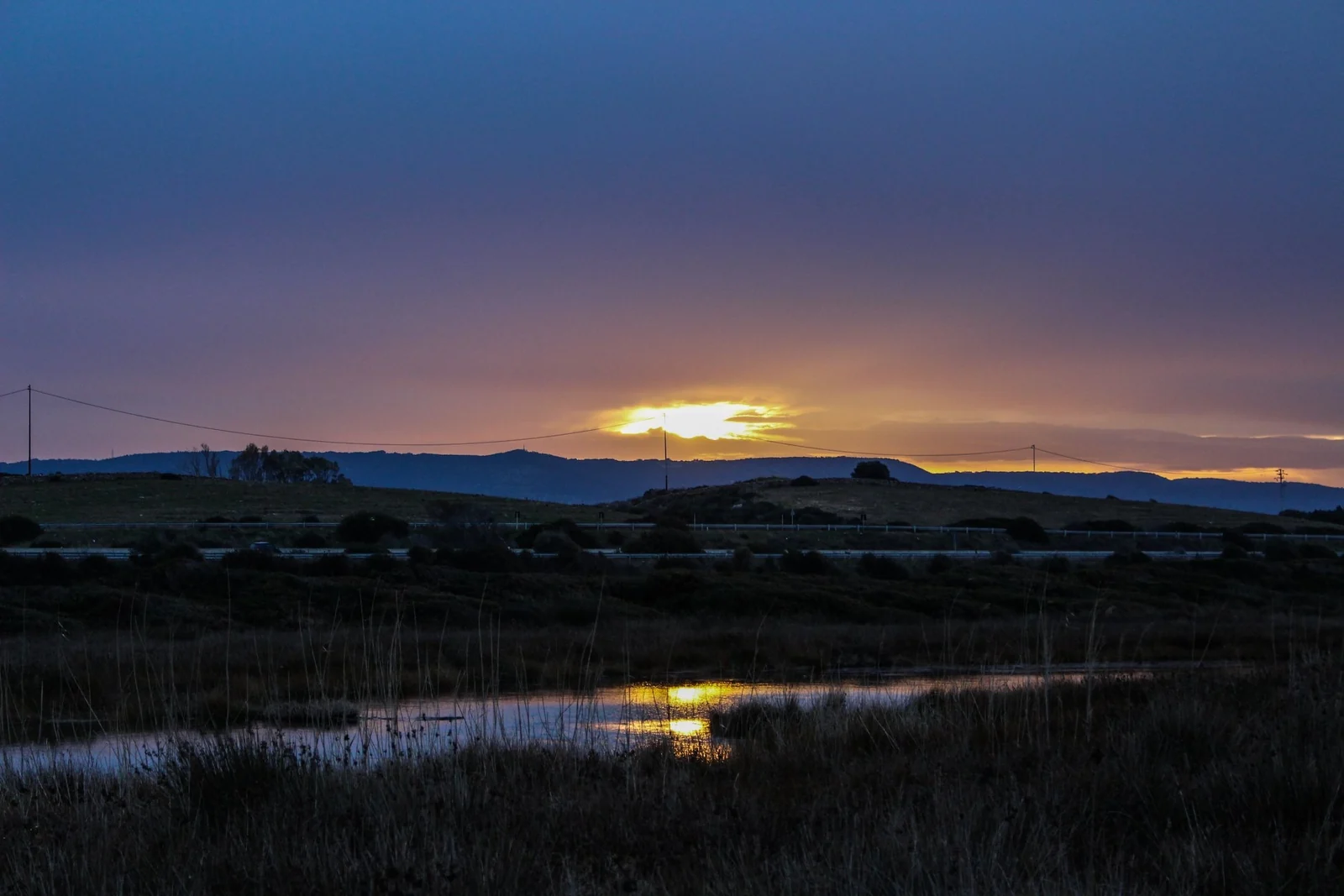
Photo: ElenaPotenza / Wikimedia Commons — CC BY-SA 4.0 · Resized and converted to WebP.
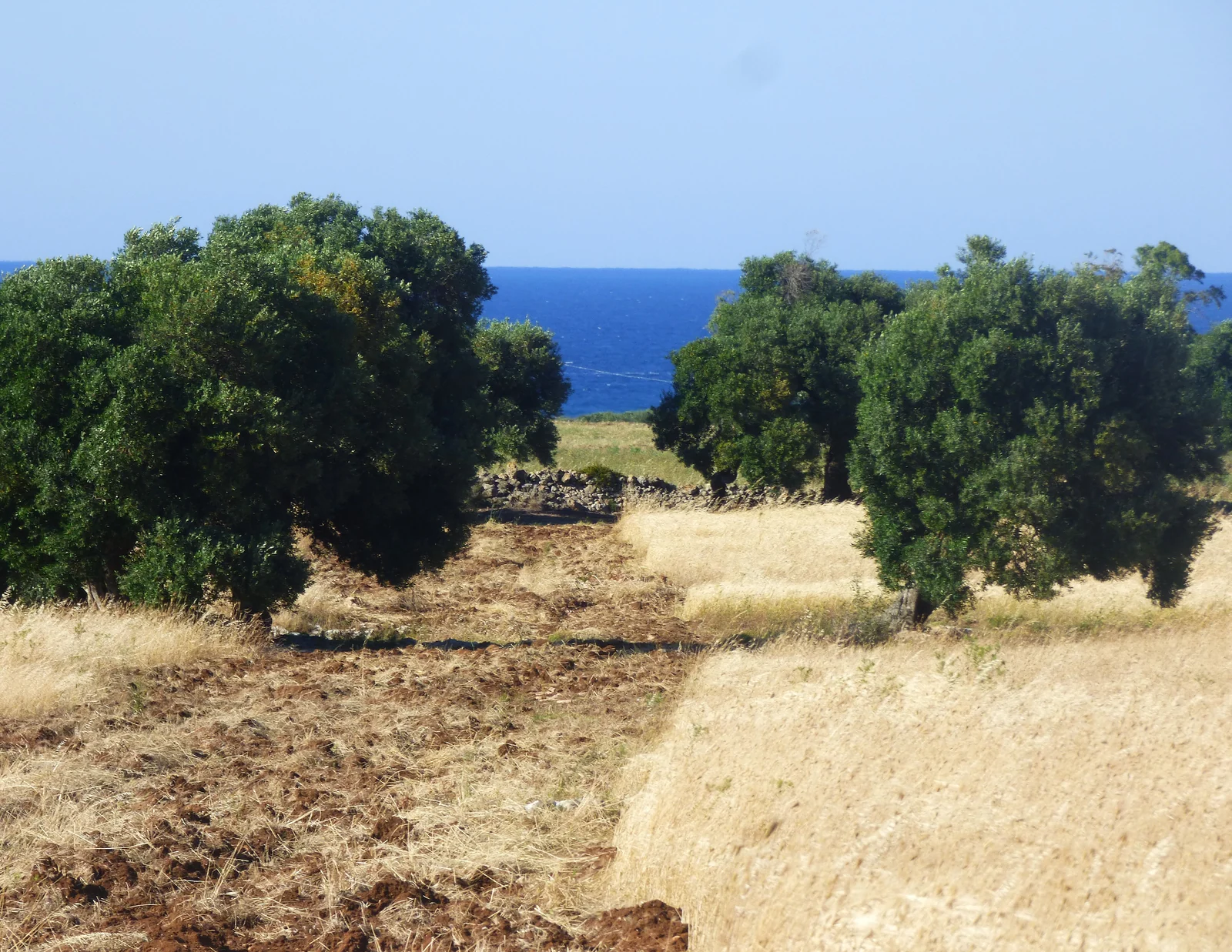
Photo: Mfran22 / Wikimedia Commons — CC BY-SA 4.0 · Resized and converted to WebP.
When to go
Summer is the season of the sea: the municipality writes that in summer Torre Canne fills with visitors from everywhere for the sandy shore and the shallow water. The other seasons each have something, though. Spring is the time for birdwatching in the park; between late May and June the fiorone figs ripen; from July the regina tomato is picked, and from September it is hung in ramasole and kept until April. The municipality lists the park cycling loop for the whole year. The Torre Canne Info Point, in the building by the lighthouse, was open in 2026 from 1 April to 18 October, according to the municipality’s page updated in July.
Sources: Comune di Fasano, portale ufficiale del turismo Terre di Fasano — Torre Canne di Fasano · Comune di Fasano, portale ufficiale del turismo Terre di Fasano — Birdwatching, tra terra e mare · Comune di Fasano, portale ufficiale del turismo Terre di Fasano — Il fiorone di Torre Canne · Fondazione Slow Food — Presidio Pomodoro regina al filo di cotone di Torre Canne · Comune di Fasano, portale ufficiale del turismo Terre di Fasano — Itinerario ciclotrekking nel Parco Naturale Dune Costiere · Comune di Fasano — Luoghi: Info Point Torre Canne
Getting there and around
The municipality names two airports: Bari, 55 kilometres from Fasano, and Brindisi, 50. By train you arrive at Fasano station, on the line the municipality describes as Bologna-Rome-Bari-Lecce; by car, from the north take the A14 to the Bari Nord exit and then the SS 16 to Fasano, from Lecce and Brindisi the SS 379 northwards. Local public transport links Fasano with its hamlets, with timetables published by the municipality, and on the regional trains of Trenitalia and Ferrovie del Sud Est in Puglia bicycles travel free. On the spot, the Torre Canne Info Point is at Via Eroi del Mare 61-67, in the building by the lighthouse, telephone +39 080 4394472.
Sources: Comune di Fasano, portale ufficiale del turismo Terre di Fasano — Info e Servizi (info-point, come arrivare, trasporto pubblico) · Comune di Fasano — Luoghi: Info Point Torre Canne
Tourism
Anyone staying overnight in Torre Canne pays the tourist tax of the Municipality of Fasano, per person and per night up to a maximum of seven nights, to the accommodation manager, who issues a receipt; the rate for each type of accommodation is set by the town’s executive. Under the regulation approved by the town council on 26 November 2020, exempt among others are children up to their twelfth birthday, non-self-sufficient people with disabilities and their companion, with a medical certificate, school groups on study trips, and up to two tour leaders or drivers for every 20 paying guests in groups. Guests who come for spa treatments pay half, showing the accommodation the certificate from the health facility; half is also paid by members of an organised group of at least 20 people on the same package and dates. Exemptions and reductions cannot be combined.
“Come to Torre Canne as a guest, not as a tourist: that is how these places truly let you know them.”
Nearby
Along the same Fasano coast, beyond Savelletri, lies Egnazia. The National Archaeological Museum, part of the Puglia regional museums directorate of the Ministry of Culture, stands outside the walls of ancient Gnathia, in the area of the Messapian necropolis; its seven sections run from the first settlement of the sixteenth century BC to the thirteenth century AD. Of the Roman town you can see the remains of the Via Traiana, the civil basilica with the hall of the Three Graces, the porticoed square, the cryptoporticus and the baths.
Savelletri, the other seaside hamlet of Fasano, has, according to the municipality, a rocky shore of small coves with fine sand and clear water, where the olive trees almost reach the sea, and a seasonal Info Point on Via Nazario Sauro. In the other direction the Coastal Dunes Park continues into the territory of Ostuni as far as Torre San Leonardo: the Puglia Region records that the park is managed provisionally by a consortium of the municipalities of Fasano and Ostuni and the Province of Brindisi.
Sources: Ministero della cultura, Direzione regionale Musei Puglia — Museo archeologico nazionale e Parco archeologico di Egnazia · Comune di Fasano, portale ufficiale del turismo Terre di Fasano — Consegnate agli operatori balneari le Bandiere Blu e Verdi 2025 (12 giugno 2025) · Comune di Fasano — La storia di Fasano · Comune di Fasano, portale ufficiale del turismo Terre di Fasano — Info e Servizi (info-point, come arrivare, trasporto pubblico) · Regione Puglia — DGR n. 1715/2017 (BURP n. 129 del 13 novembre 2017): parchi naturali regionali e loro gestione
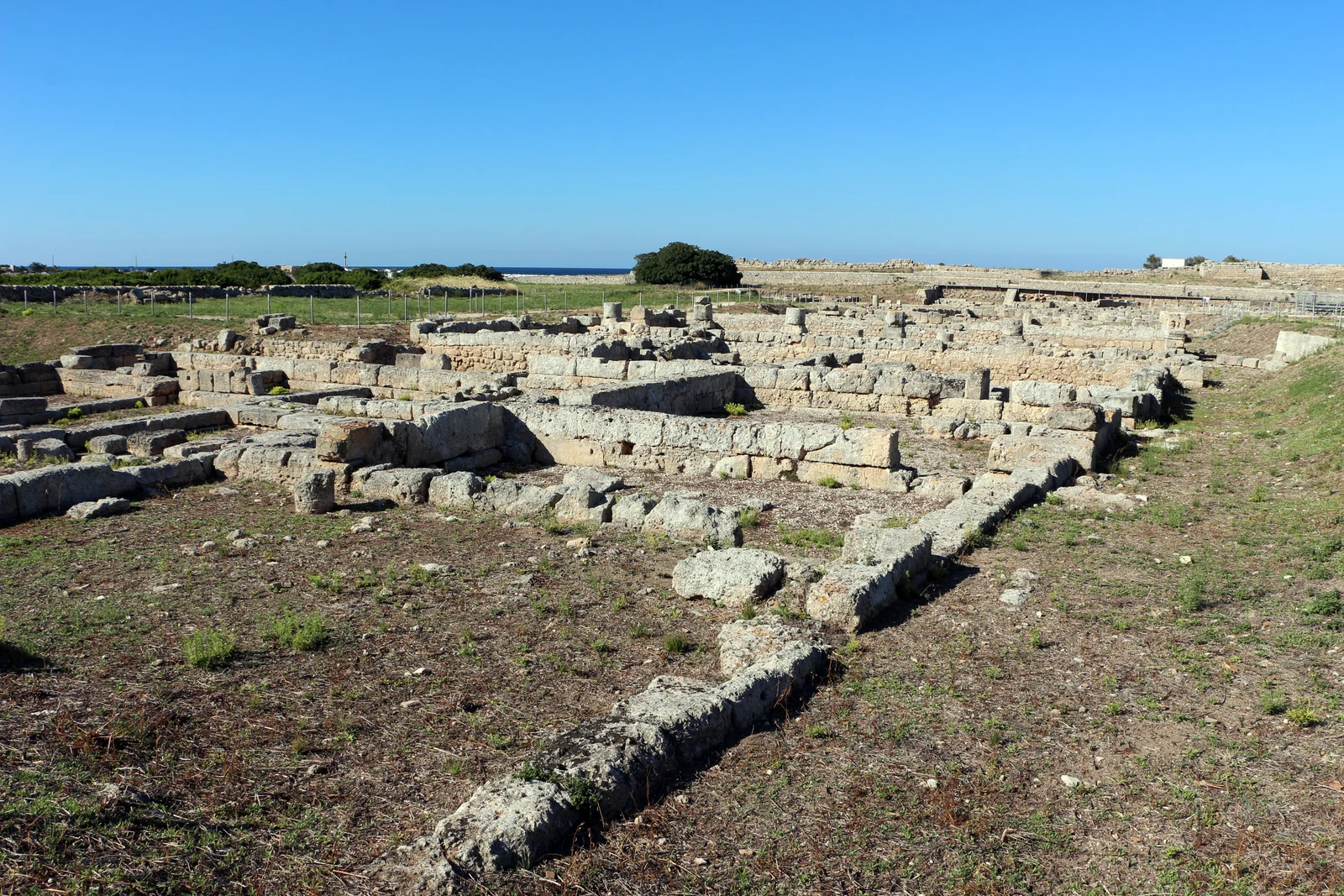
Photo: Sailko / Wikimedia Commons — CC BY 3.0 · Resized and converted to WebP.
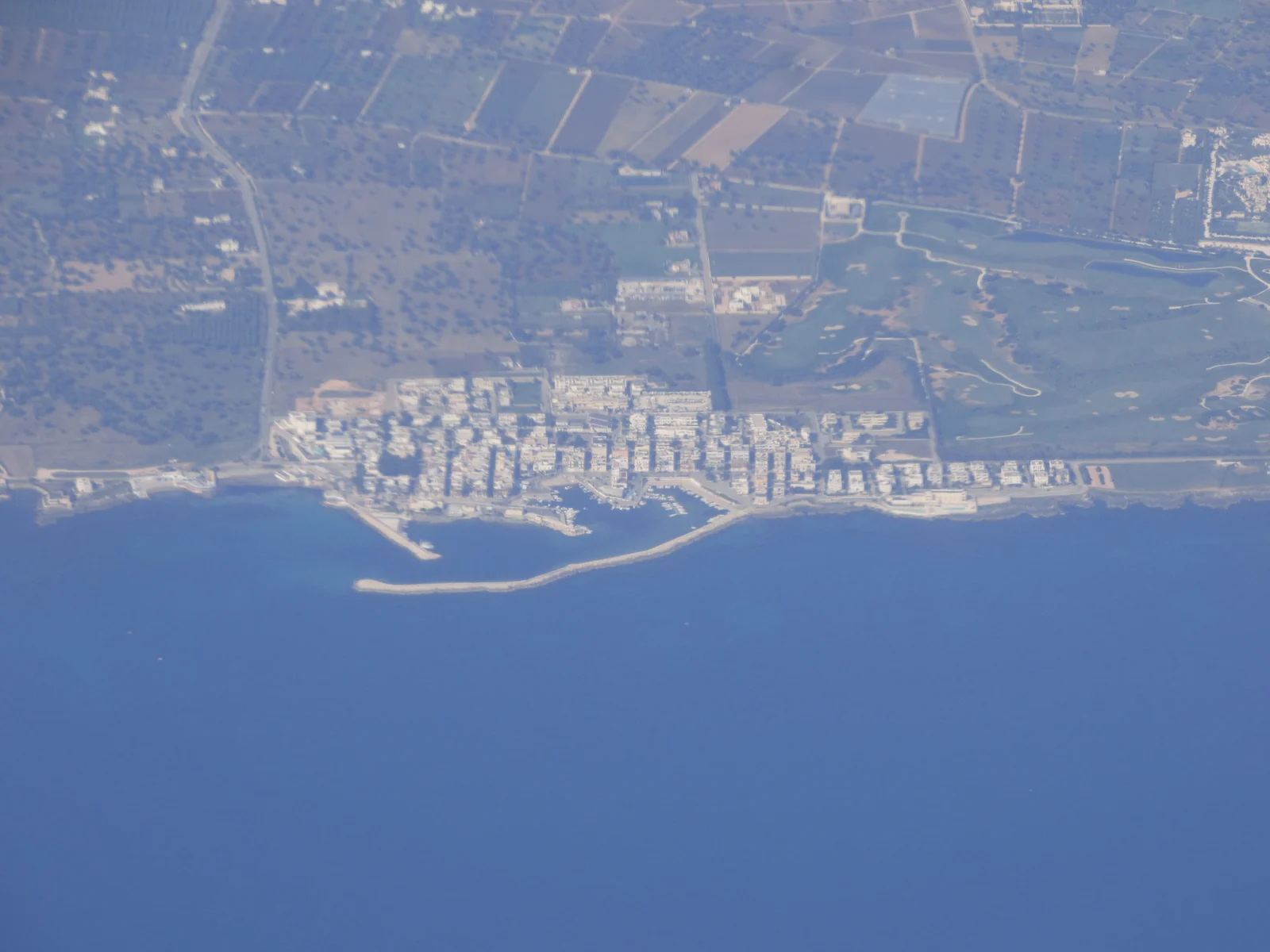
Photo: Mfran22 / Wikimedia Commons — CC BY-SA 4.0 · Resized and converted to WebP.
Local tourist information
Local tourist offices help with opening times, events and transport on the day.
- Info Point Torre Canne · Via Eroi del Mare 61-67, edificio presso il Faro di Torre Canne, 72015 Fasano (BR) · +39 080 4394472 · Official website
Source: Comune di Fasano — Luoghi: Info Point Torre Canne · checked on
Where to stay
In the municipality of Fasano the national database of the Ministry of Tourism lists 1016 accommodation businesses with a verified CIN code: 20 hotels, 301 other licensed accommodation and 695 other types such as B&Bs and private rentals.
Licensed businesses from the official list of accommodation named as the source in this section. Where the list gives it, the property's official identification code appears next to its name: the national CIN code, or the code assigned by the Region or by the body that keeps the list. Private individuals are not listed. This list is the official census of licensed businesses, not a list of Apulica partners: to stay in Fasano you do not have to check one property after another yourself; write to Apulica and we look for the stay that suits your journey, checking availability and conditions before any confirmation.
BORGO EGNAZIA
Hotel · ★★★★★
CIN IT074007A100032282
AD UN PASSO DAL MARE
Residence
CIN IT074007B400059499
LE DUNE
Holiday village · ★★★★
CIN IT074007B200020775
LIDO FIUME PICCOLO
Campsite · ★
CIN IT074007B100023118
Agriturismo Parco del Vecchio
Farm stay
CIN IT074007B500088220
4 B DI ELENA BELFIORE
B&B
CIN IT074007B400027351
Affittacamere MASSERIA SAN FRANCESCO
Guest rooms
CIN IT074007B400064553
AZZURRO 1855
Holiday home
CIN IT074007B400108528
OPERA DON GUANELLA
Holiday house
CIN IT074007B700021703
CANNE BIANCHE LIFESTYLE
Hotel · ★★★★★
CIN IT074007A100027326
First the places that presented themselves to Apulica, the latest first; then one place of each type in turn, by official category and stars, then by name. No position is paid for.
All 217 entries in alphabetical order
Page 1 of 22
| Name | Type | CIN |
|---|---|---|
| 4 B DI ELENA BELFIORE | B&B | IT074007B400027351 |
| AD UN PASSO DAL MARE | Residence | IT074007B400059499 |
| Affittacamere MASSERIA SAN FRANCESCO | Guest rooms | IT074007B400064553 |
| Affittacamere via Pola 21 | Guest rooms | IT074007B400064050 |
| Agriturismo Parco del Vecchio | Farm stay | IT074007B500088220 |
| Al Mirador Resort | Guest rooms | IT074007B400085979 |
| AL PALAZZO LA DIMORA | Guest rooms | IT074007B400084603 |
| ALBA CHIARA SUITE | Guest rooms | IT074007B400090880 |
| AMATI ANGELO | B&B | IT074007B400023038 |
| AMATI EMANUELE | B&B | IT074007B400025912 |
Ask Apulica for a stay in Fasano We reply shortly, within a few hours at most, with a proposal for you to consider.
Sources: Regione Puglia – ARET Pugliapromozione (DMS), CC BY 4.0, 2026-10-12 · Ministero del Turismo – Banca Dati Strutture Ricettive (dashboard pubblica), 2026-10-12
YOUR JOURNEY
How to shape a journey here
We can organise a day between the lighthouse, the beach and the Coastal Dunes Park, or a route with Egnazia and Savelletri devoted to the Fasano coast and its flavours.
Plan your tripKeep exploring
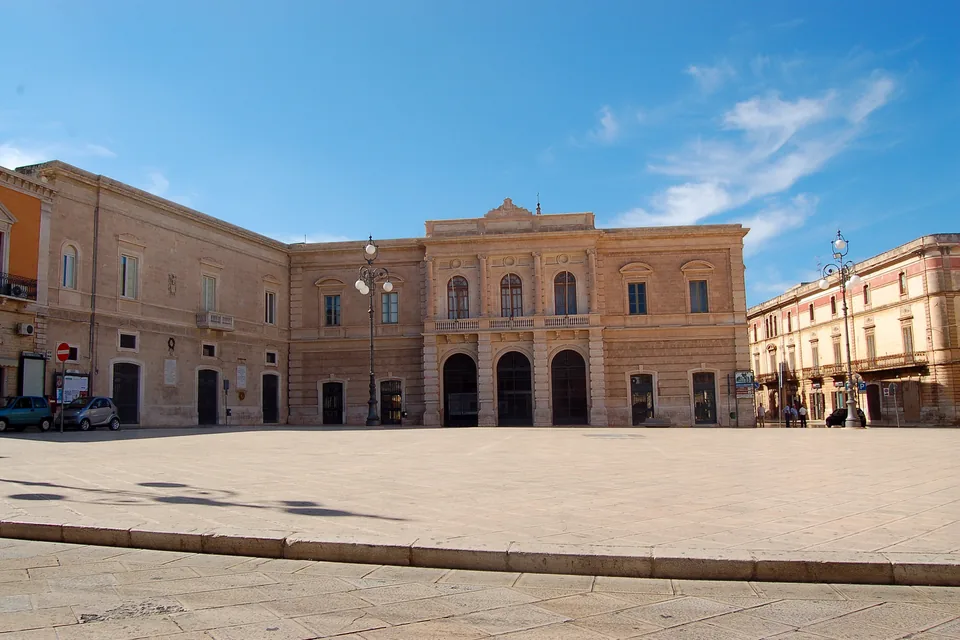
Fasano
Fasano (BR), Puglia: 38,863 residents, 131.80 km². The official facts of the municipality, its town council website and its registered accommodation.
Read the guide →Photo: Michael Paraskevas / Wikimedia Commons — CC BY-SA 3.0 · Resized and converted to WebP.

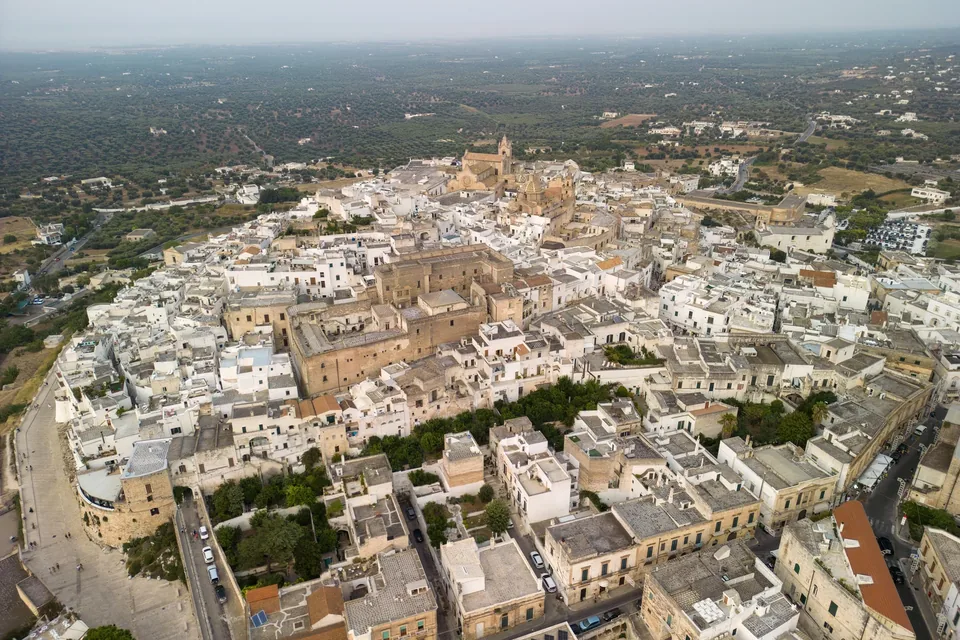
Ostuni
Houses, steps and agricultural landscape within one visit. The White City on three hills, its cathedral, the olive plain and Collina di Brindisi DOP oil.
Read the guide →Photo: ParisTaras / Wikimedia Commons — CC BY 4.0 · Resized and converted to WebP.

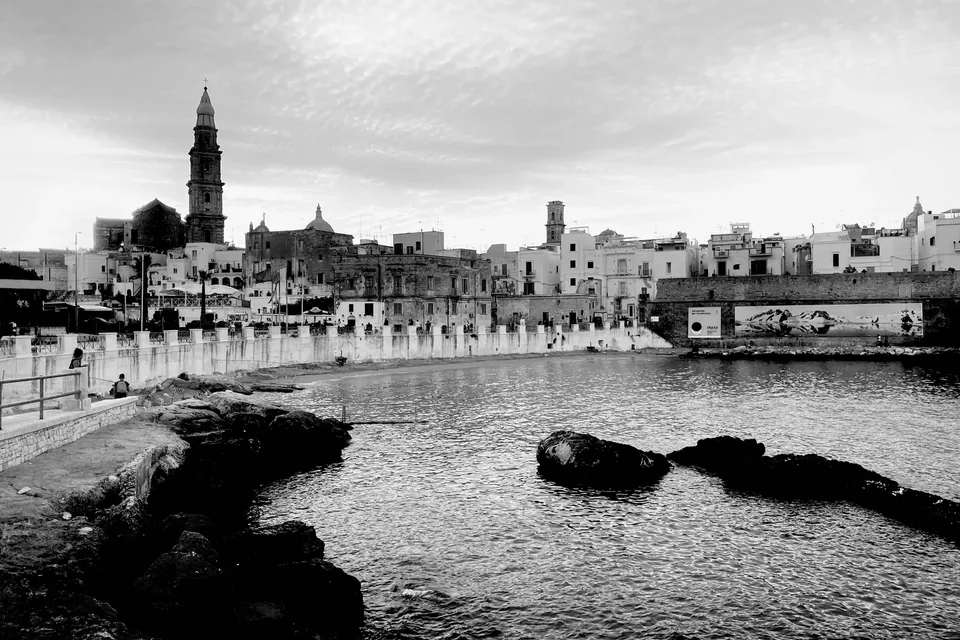
Monopoli
An Adriatic conclusion connected to the rural landscape. A harbour reaching into the old town, the cathedral, rural contrade and ‘mareterra’ cooking.
Read the guide →Photo: RaTio65 / Wikimedia Commons — CC BY-SA 4.0 · Resized and converted to WebP.

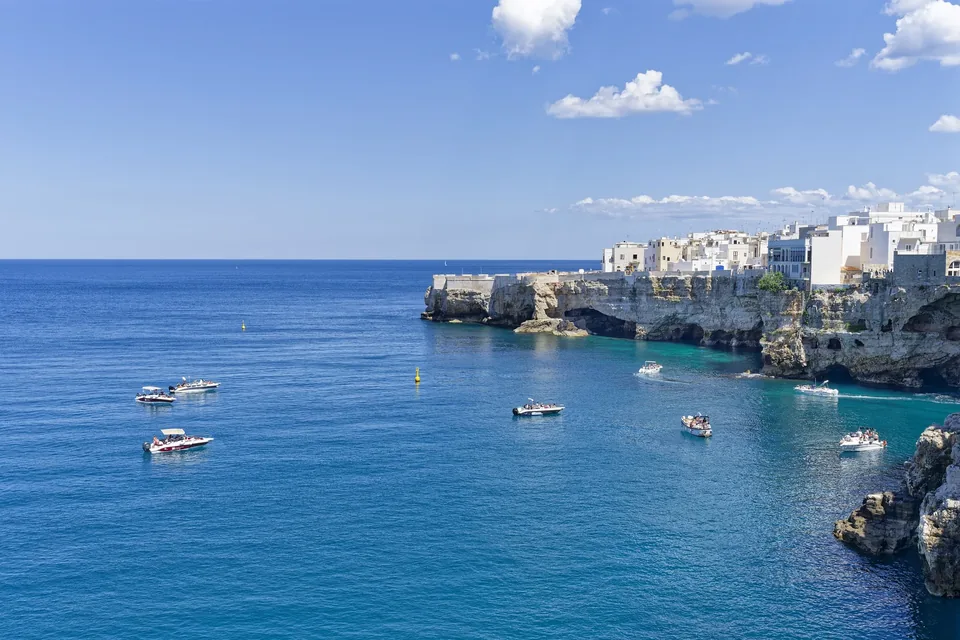
Polignano a Mare
Old town, viewpoints and a coffee as a travel pause. A white town on a cliff, the Arco Marchesale, contemporary art and the multicoloured Polignano carrot. And then the history of the mother church, the Pino Pascali museum, the dives from the houses of the old town, the feast of Saint Vitus and the Costa Ripagnola nature park.
Read the guide →Photo: Maksimsokolov / Wikimedia Commons — CC BY-SA 4.0 · Resized and converted to WebP.

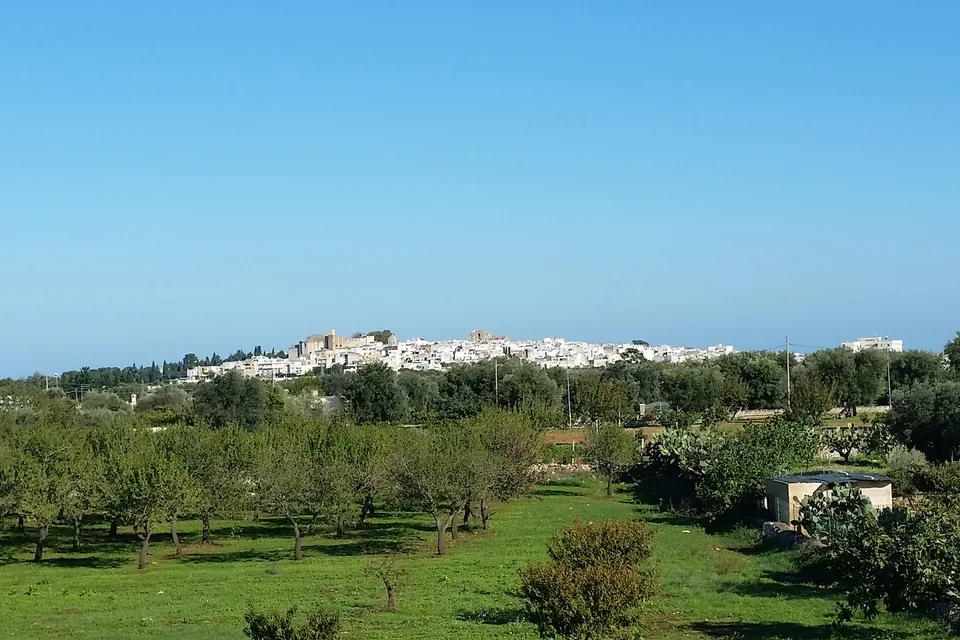
Carovigno
Carovigno (BR), Puglia: 17,040 residents, 106.64 km². The official facts of the municipality, its town council website and its registered accommodation.
Read the guide →Photo: Carovale3 / Wikimedia Commons — CC BY-SA 4.0 · Resized and converted to WebP.
