
Tarantism, tarantella, pizzica: words and history
The Notte della Taranta Foundation explains that the terms tarantella and pizzica both point to the ceremonial and therapeutic context of tarantism. The earliest descriptions, from the late Middle Ages, speak of music used to make people dance who suffered from ailments attributed to spider venom: estrangement from family and society, immobility or uncontrolled movement. Those sources list instruments and popular melodies offered by musicians to the sick.
In 1621 the physician Epifanio Ferdinando, in his treatise Centum Historiae, explicitly mentions a dance called tarantella in a case of cure; in 1641 the Jesuit Athanasius Kircher published transcriptions of musical formulas used for healing. The term pizzica, with the expression pizzica pizzica, appears in written sources only at the end of the eighteenth century, in both aristocratic and popular settings and not only in connection with healing.
The dance recalling the tarantula’s bite, the Foundation concludes, was also used outside therapy and, after tarantism disappeared, continues to be danced and to change in style and meaning. Pizzica and tarantism, then, are not synonyms.
Sources: Fondazione La Notte della Taranta — Tarantismo: la musica
The 1950s recordings and Luigi Stìfani
A key part of what we know about pizzica comes from fieldwork. The Foundation recalls that in the late 1950s the ethnomusicologist Diego Carpitella recorded Salento’s repertoires, first with Alan Lomax in 1954 and then with Ernesto de Martino’s team in 1959 and 1960. At the time the dance was used both in therapy and for entertainment at feasts.
Luigi Stìfani, a barber and violinist whose small band of violin, accordion, guitar and tambourine worked with Carpitella and later researchers, distinguished the pizzica tarantata, intended for healing, from the pizzica pizzica, a dance for entertainment. In the first, the source explains citing Maurizio Agamennone’s studies, rhythm and melody varied to adapt to the behaviour of the sick; in the second the form was more stable.
The dance differed too. That of the tarantati was individual, though supported by the family; in entertainment pizzica, couples of dancers take turns inside a ring of participants, in a strongly social event. It is this second form that is most often met today at Salento’s feasts.
Sources: Fondazione La Notte della Taranta — Tarantismo: la musica
Tambourine, violin, accordion: how the music is made
The Foundation describes four elements of pizzica. The first is the tambourine rhythm, alternating strokes on the skin, especially the full-hand stroke, with the jingling of the rattles; the four-beat metre may have ternary or binary subdivision. The instrument was considered essential to therapy, and in Carpitella’s recordings it was played mainly by women. In the 1990s revival, the source notes, male players prevailed and the tambourine became a strong symbol of identity.
The second element is melody, sung or played on wind and string instruments: the violin recurs in Salento’s therapy from the late seventeenth century, and the most common melodies today derive from the repertoire of Stìfani and his contemporaries. The third is accompaniment by secondary instruments, mainly guitar and, from the twentieth century, accordion. The fourth is the lyrics, which in the healing repertoire include invocations to Saint Paul and references to the spider’s bite.
Knowing these elements helps you listen better: recognising the tambourine keeping time, the melody repeating and varying, the words preserving a religious memory.
Sources: Fondazione La Notte della Taranta — Tarantismo: la musica
A foundation between research and performance
The Notte della Taranta Foundation was established in August 2008 on the initiative of the Apulia Region, the Province of Lecce, the Union of Municipalities of Grecìa Salentina and the Diego Carpitella Institute, and became active in 2011. It presents itself as a laboratory of research and reflection where three currents meet: the scientific, the performing and the cultural-policy current.
Among its aims the Foundation lists the study of ethnographic heritage and support for research on tarantism and on Griko and Salento traditions, with particular attention to folk music. Today it organises the Notte della Taranta Festival and the work of the Orchestra Popolare, and runs projects, conferences and publications with local research centres and with Italian and foreign universities, including the University of Salento and the University of Bari.
For the trip this double nature matters. The thread can go beyond the concert night: the history of the sound, the transmission of repertoires and the changes in the dance are subjects to explore together with the towns, perhaps starting from the materials the Foundation itself makes available.
From the web to the travelling festival
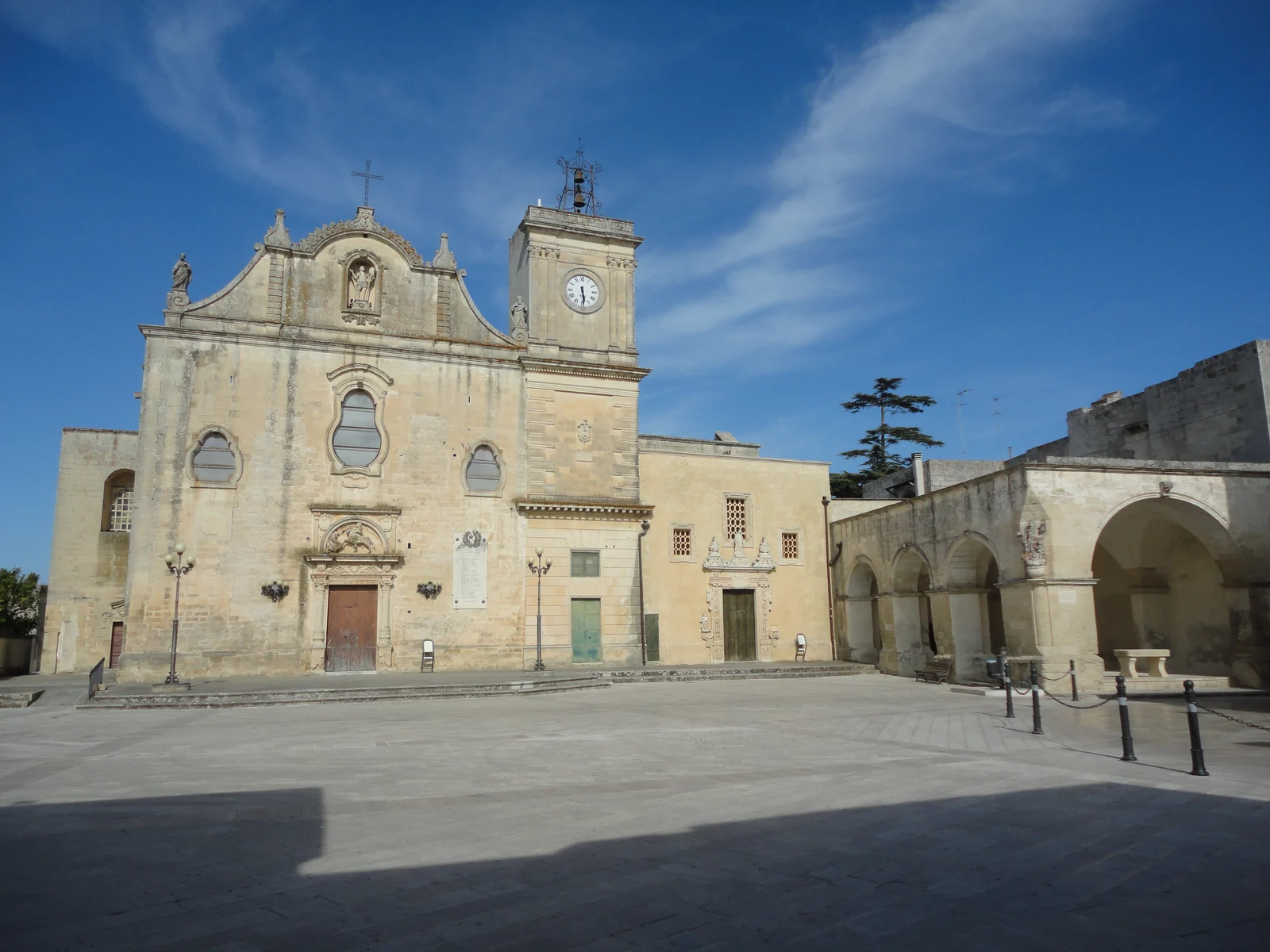
The Foundation recounts that on 24 August 1998 the squares of the Grecìa Salentina towns rang with pizzica pizzica, played by groups interpreting the traditional repertoire; at the end of this web of concerts everyone moved to Melpignano, in Piazza San Giorgio, for the final concert. So the Notte della Taranta was born, as an event uniting the Union’s squares in a single day.
From 2000 the formula became a travelling festival over several dates, leading up to the final concert in Melpignano. Historic groups of the Salento repertoire have played on the stages of Calimera, Martano, Martignano, Sternatia, Zollino, Corigliano d’Otranto and other towns; in the early 2000s Lecce and Galatina joined, the latter described by the source as the cradle of historic tarantism. Alongside concerts, the Taranta Talks bring writers, philosophers, anthropologists and musicians into the squares.
The Foundation stresses that the festival grew from the communities and that during its days associations and volunteers welcome thousands of visitors. This is the most interesting aspect for travellers: following a stage in a small town lets you see the music in its context.
Sources: Fondazione La Notte della Taranta — Il festival itinerante
The great concert in Melpignano
The Foundation’s history page lists, edition by edition, the musical directors of the final concert. The first, in 1998, was Daniele Sepe, with guests including the Canzoniere Grecanico and the tambourine players of Torrepaduli; in later years musicians of very different backgrounds took turns, from Joe Zawinul to Stewart Copeland, from Mauro Pagani to Ludovico Einaudi, from Goran Bregović to Giovanni Sollima.
In 2004 the Notte della Taranta Orchestra Popolare was formed, then led by Ambrogio Sparagna. From 2014 dance became a protagonist with dedicated choreographers, and each edition has a theme: peace, the Mediterranean, landscape, women in folk music. The list shows how pizzica has become a meeting ground with other genres and cultures.
The great concert is now one of the major musical events of the Apulian summer and draws very large crowds. Anyone wishing to attend should check the official programme for the current edition; those preferring a more intimate experience can choose the travelling festival’s stages in the towns, or visit Grecìa at another time of year.
Sources: Fondazione La Notte della Taranta — Il concertone: la storia
Melpignano and Grecìa Salentina: music and language
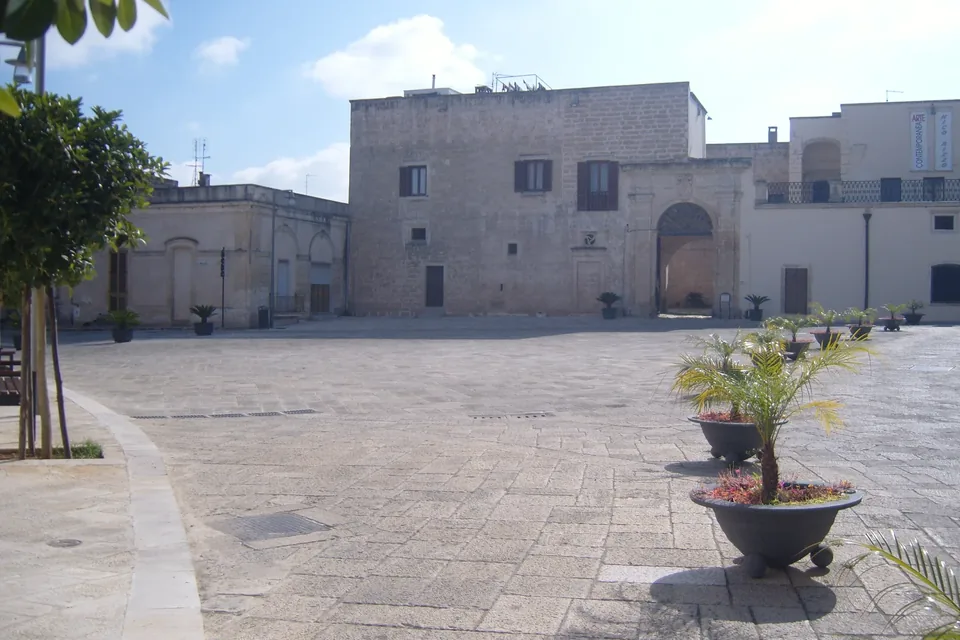
The Municipality of Melpignano’s tourism portal describes music as a mark of the town’s identity: from a minority culture, sung by farmers and emigrants and once almost a source of shame, it has become a point of pride recognised internationally. The source also recalls an episode from 1988, when the administration and a group of young people organised a musical exchange with the Soviet Union, with Soviet bands in Melpignano and Italian groups in Moscow. In summer the squares, garden and lawn of Palazzo Marchesale become a widespread stage.
Alongside music there is language. The Union of Municipalities of Grecìa Salentina presents Griko as a language of Greek origin still spoken in some Salento towns and handed down orally from generation to generation; the source reflects on the need to write and teach it so that it survives.
On a route through Melpignano, Calimera, Martano and Martignano, alternate listening with visiting the towns. Music and linguistic memory become complementary themes, without assuming that everyone you meet has the same relationship with the tradition.
Sources: Discover Melpignano (Comune di Melpignano) — Musica e identità · Unione dei Comuni della Grecìa Salentina — Il Griko
Listening to the rhythm and following the instruments
For a first listen, recognise the rhythm before looking for the name of the piece. Then follow one instrument and observe how it relates to the others. Even those who do not read music can compare what stays stable with what changes during the performance, and notice how the tambourine supports everything else.
The gesture of the dance adds another reading, but seated listening has its own interest. The question to carry on the journey is how a repertoire is handed down and reinterpreted. Two recordings chosen for a recognisable difference, for example one historic and one recent, can introduce the theme better than continuous background music.
Keep a question for the end of the day: what did you listen to attentively, and what did you merely recognise? At the table you can return to a piece and let different impressions emerge among companions. Those travelling with young people can suggest clapping the beat, discovering how hard it is to keep the steadiness a good player makes seem natural.
The calendar changes the kind of experience
A big concert and a journey devoted to listening have different rhythms. In the first case choose a date and programme published for the edition you are interested in; in the second, give the repertoire a place within a day of towns, reading and conversation.
The period should not be chosen only to chase a crowd: what matters is whether you want the collective energy of a summer night or time to approach a cultural theme. The travelling festival’s stages, spread across the towns in the weeks before the final concert, offer a middle way, with smaller squares and often a cultural talk before the music.
A visit can begin with music listened to before departure and continue with a new question on return, even when the trip does not coincide with a festival. Outside summer the Grecìa towns remain interesting for their architecture, language and daily life, and a recording played in the car between one town and the next may be enough to remember that this land has a voice of its own.
A thread for your journey
A musical thread through Grecìa Salentina towns, with any events chosen from the actual calendar.
Talk to us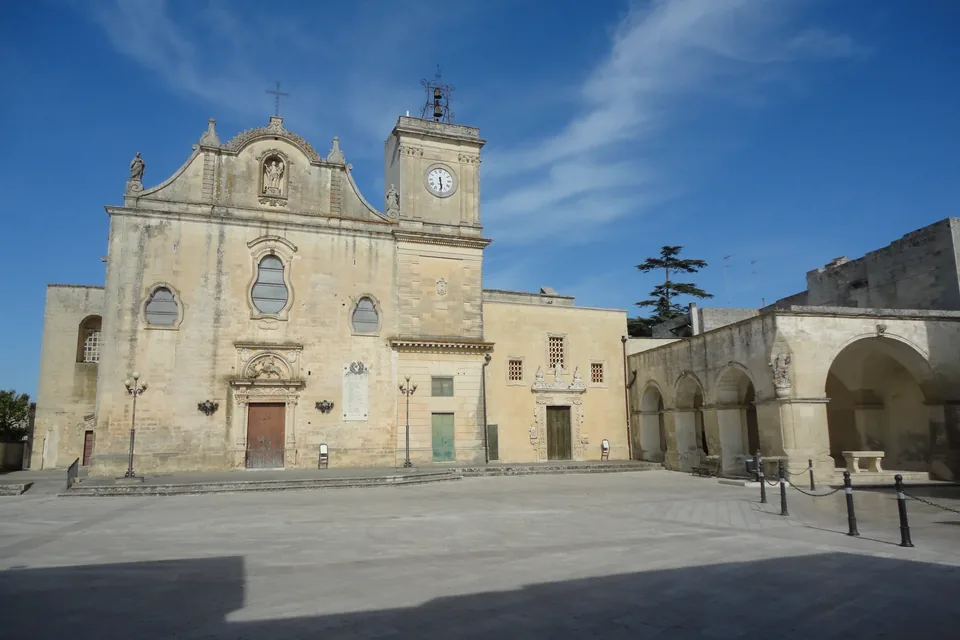


_-_piazza.JPG)