

Alberata aversana (Asprinio vines trained on poplars)
Slow Food Presidium · Wines
Open the product page →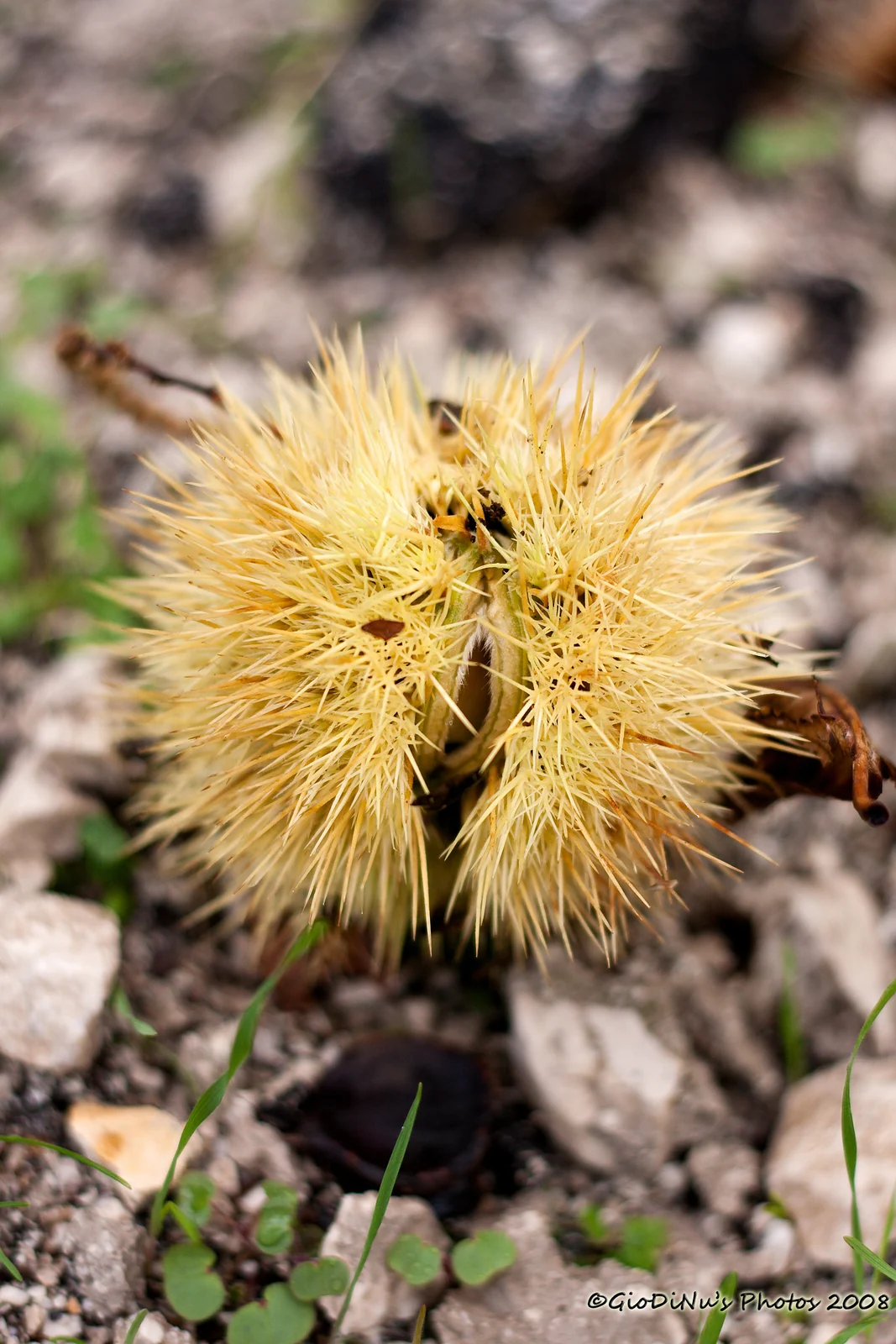
APULICA / WHEN
Autumn in the Apulica regions: 71 products in their months, with the guides and places of the season.
Chestnut burr at Montella, illustrative photograph · Photo: Gianfranco Di Nuzzo / Wikimedia Commons — CC BY-SA 2.0 · Resized and converted to WebP.
Slow Food Presidium · Wines
Open the product page →PAT · Fish and seafood
Open the product page →PDO · Fruit, vegetables and pulses
Open the product page →PAT · Cheeses
Open the product page →Slow Food Presidium · Meats and cured meats
Open the product page →PGI · PAT · Slow Food Presidium · Meats and cured meats
Open the product page →PGI · Fruit, vegetables and pulses
Open the product page →PGI · Fruit, vegetables and pulses
Open the product page →PAT · Slow Food Presidium · Fruit, vegetables and pulses
Open the product page →Slow Food Presidium · Cheeses
Open the product page →PGI · Fruit, vegetables and pulses
Open the product page →PGI · Fruit, vegetables and pulses
Open the product page →Slow Food Presidium · Fruit, vegetables and pulses
Open the product page →PGI · Fruit, vegetables and pulses
Open the product page →PDO · Oils and fats
Open the product page →PDO · Fruit, vegetables and pulses
Open the product page →Slow Food Presidium · Fruit, vegetables and pulses
Open the product page →Slow Food Presidium · Fruit, vegetables and pulses
Open the product page →Slow Food Presidium · PAT · Fruit, vegetables and pulses
Open the product page →Slow Food Presidium · PAT · Fruit, vegetables and pulses
Open the product page →PAT · Slow Food Presidium · Fruit, vegetables and pulses
Open the product page →Slow Food Presidium · PAT · Fruit, vegetables and pulses
Open the product page →Slow Food Presidium · Fruit, vegetables and pulses
Open the product page →Slow Food Presidium · PAT · Fruit, vegetables and pulses
Open the product page →The fish of the Lesina lagoon: the biology of a migrant, traditional fishing from October to December, PAT scapece, the December festival and how to visit the lagoon and San Clemente islet.
Read the guide →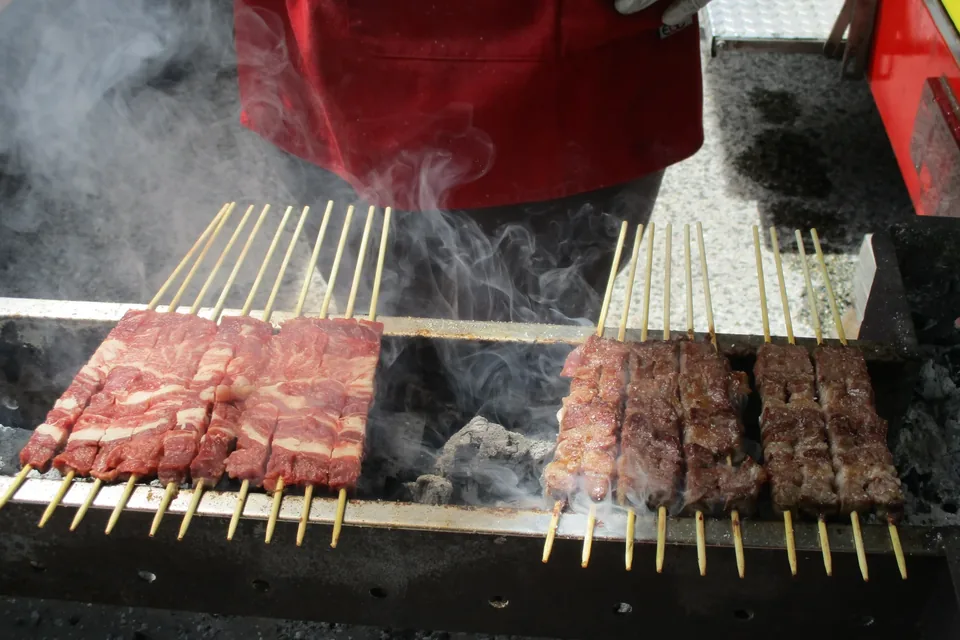
Mutton skewers cooked on the canala, a story tied to transhumance, recognition as a traditional product and the road towards EU protection: how and where to understand them.
Read the guide →Photo: Marica Massaro / Wikimedia Commons — CC BY-SA 4.0 · Resized and converted to WebP.
The essential-oil PDO, the three varieties, the winter harvest, the story leading to eau de cologne, the citrus museum and a day between Reggio, its seafront and the coast of bergamot groves.
Read the guide →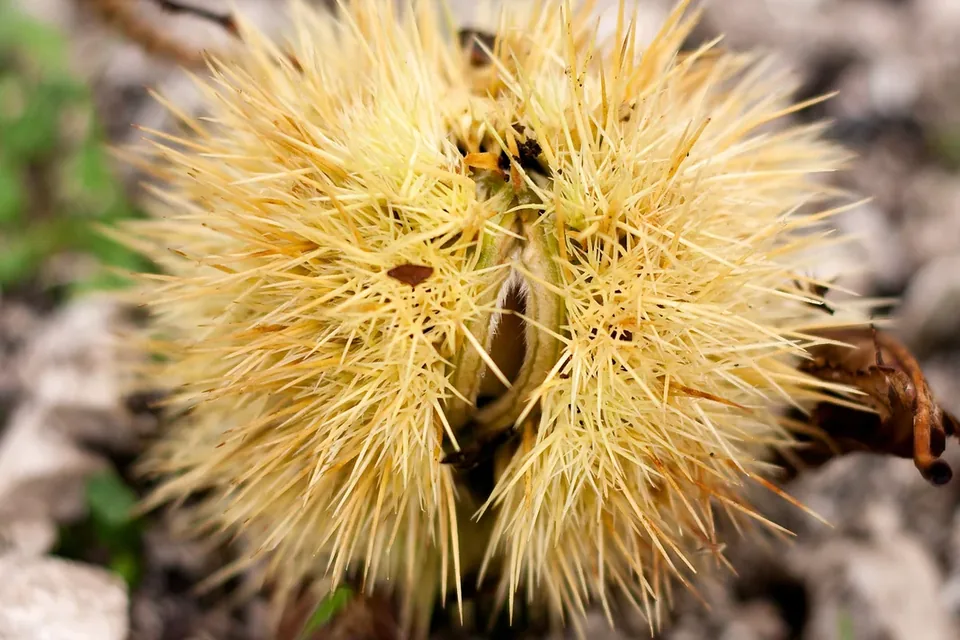
The PGI chestnut of upper Irpinia: varieties, history, water-curing and drying, the castagna del prete and the autumn festivals in Montella and Bagnoli Irpino.
Read the guide →Photo: Gianfranco Di Nuzzo / Wikimedia Commons — CC BY-SA 2.0 · Resized and converted to WebP.
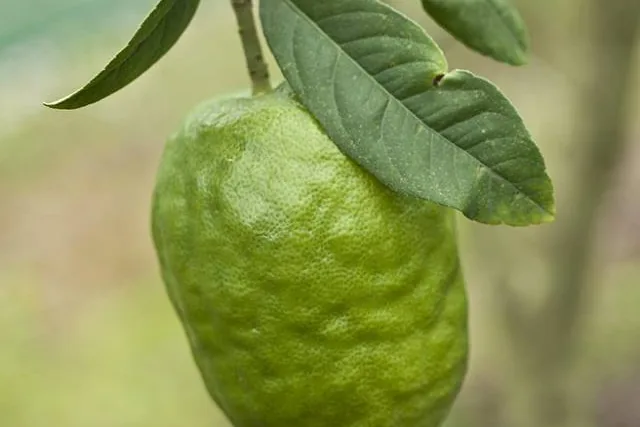
The citron of Cosenza's upper Tyrrhenian coast: the Liscia di Diamante variety, the 2023 PDO, its link with the Jewish feast of Sukkot and the Citron Museum.
Read the guide →Photo: Angelo Adduci61 / Wikimedia Commons — CC BY-SA 4.0 · Resized and converted to WebP.
From Roman garum to the monks of Amalfi, salting in terzigni, the PDO rules, Cetara as a fishing village and the Christmas Eve dish.
Read the guide →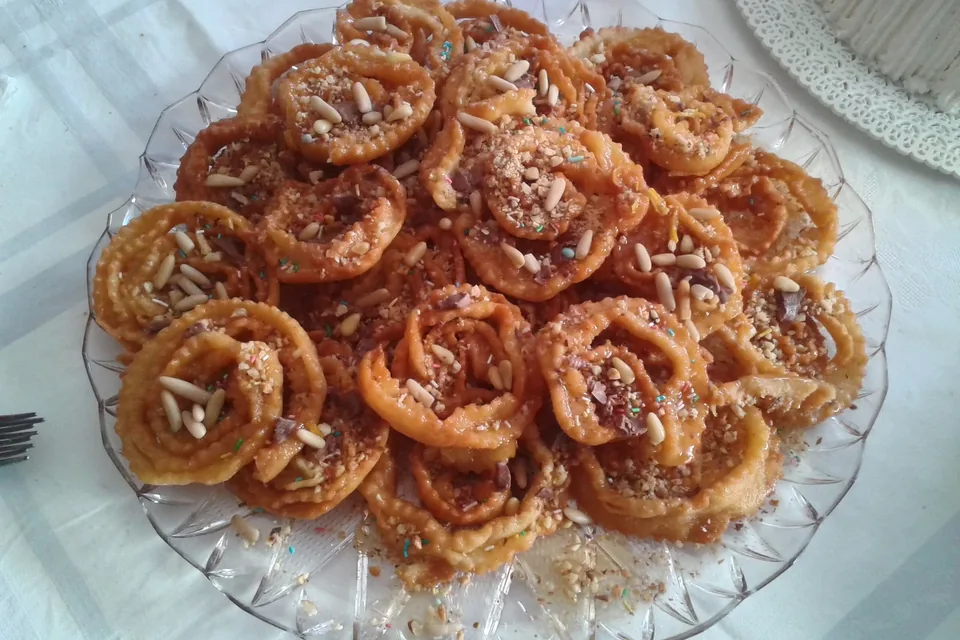
Three household traditions marking Christmas, Easter and remembrance: cartellate, scarcelle with eggs and grano dei morti in the calendar of Puglia’s sweets.
Read the guide →Photo: Florixc / Wikimedia Commons — CC0 · Resized and converted to WebP.
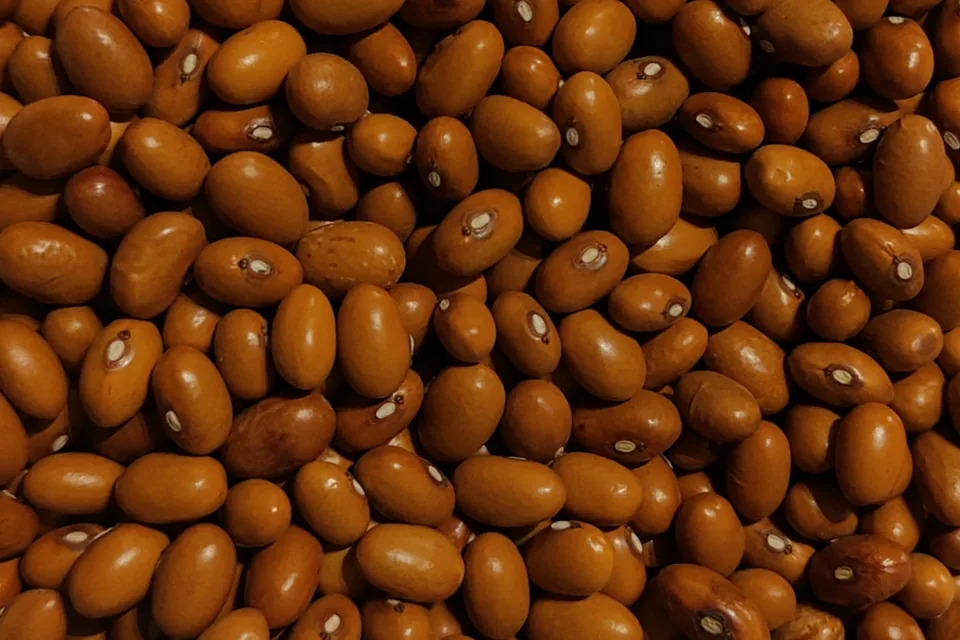
From Rotonda white beans to the Calabrian poverello bianco, from Terranova beans to paddaccio and mischiglio: the cooking of Italy's largest national park, across its Lucanian and Calabrian sides.
Read the guide →Photo: Generale Lee / Wikimedia Commons — CC BY-SA 4.0 · Resized and converted to WebP.
An ancient grape, 26 towns between Partenio and Terminio, DOCG rules, Lapio as the Fiano village, harvest, August festivals and food pairings.
Read the guide →Passuluni wilting on the tree, cane racks in the sun, crocette and plaits: the PDO of Cosenza dried figs explained through its specification, history, traditional preparations and a day between Cosenza and the Crati valley.
Read the guide →The dried Dottato fig: history from Greek colonists to 1486, sun drying, spatole and mustaccioli, fillings, PDO rules and a journey through the hills of the Cilento.
Read the guide →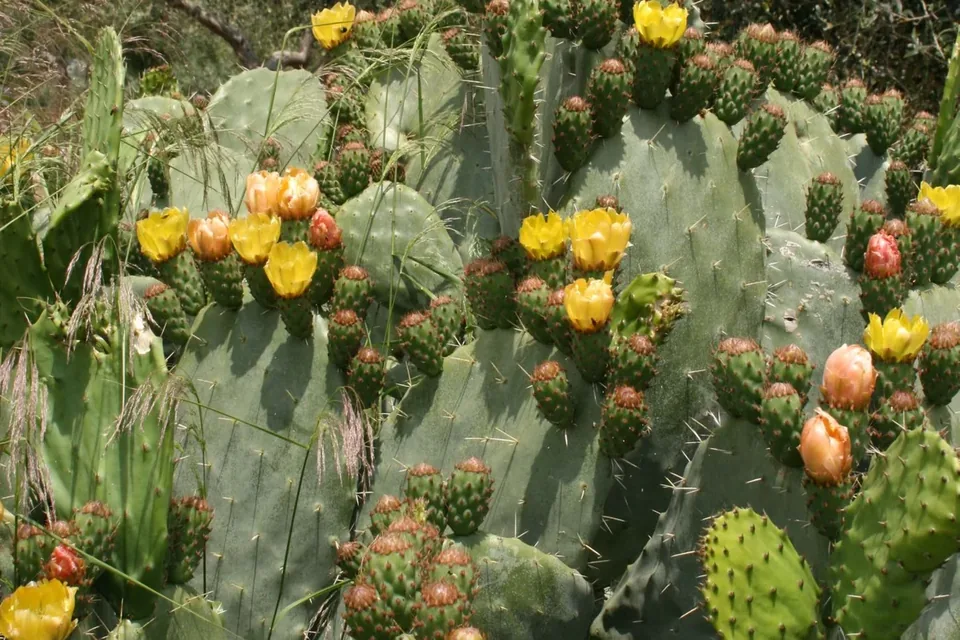
From fresh fruit to preserves, an ingredient linking countryside and table.
Read the guide →Photo: Franz Xaver / Wikimedia Commons — CC BY-SA 3.0 · Resized and converted to WebP.
Eight towns, soils with sulphur deposits, the Tufo mines, the DOCG rules, the September festival and pairings for a savoury, structured white.
Read the guide →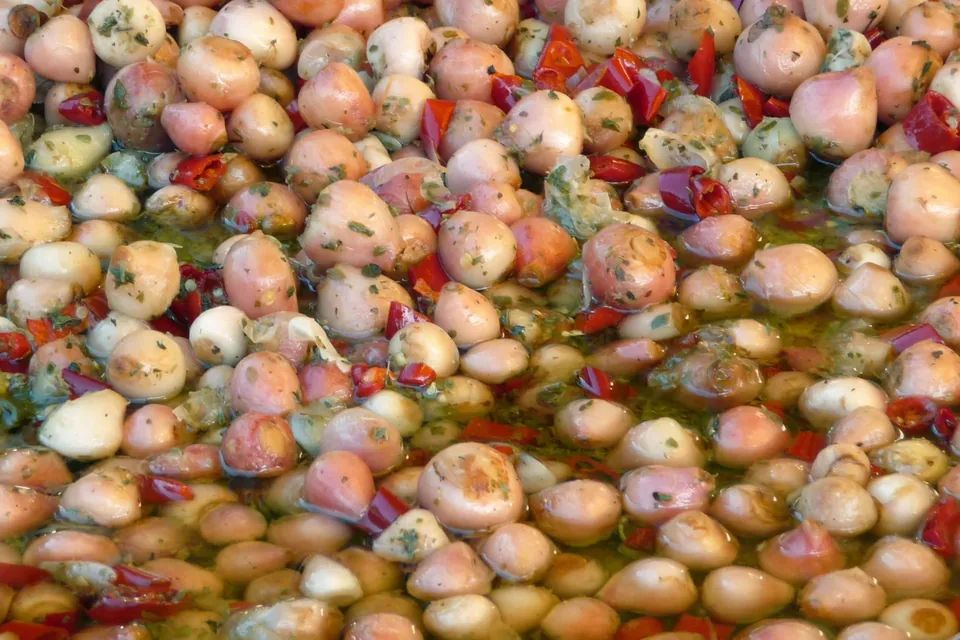
Lampascioni, turnip greens and broad beans: simple ingredients worth tasting thoughtfully.
Read the guide →Photo: Lucarelli / Wikimedia Commons — CC BY-SA 3.0 · Resized and converted to WebP.
Melannurca Campana PGI: two varieties, Annurca and Rossa del Sud, 137 Campanian towns, hand picking and compulsory reddening on the melai by 15 December.
Read the guide →Two Lucanian kitchen-garden PDOs in the Pollino park: origins, growing on chestnut stakes, harvest, Garibaldi and the beans, recipes, preserving and a day between Rotonda and Viggianello.
Read the guide →A Slow Food Presidium on the Cosenza Tyrrhenian coast: a long, glossy aubergine grown upright, its preserve in oil and a day around Longobardi, Belmonte and Fiumefreddo.
Read the guide →Twelve towns near Salerno, one cultivar, the Tonda di Giffoni: the long history of the Campanian hazelnut, PGI rules, the late-August harvest, uses in pastry and cooking.
Read the guide →Cato owned an olive grove here, Pliny and Strabo praised its oil, aurina may be the ancient Licinia: in Venafro, Molise, old olive groves have a regional park.
Read the guide →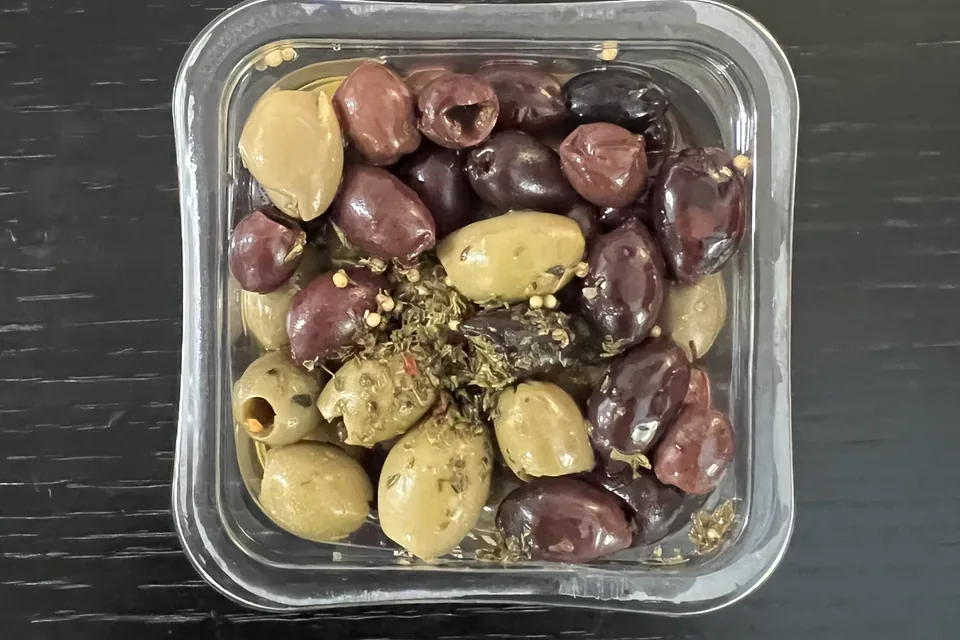
Leccine olives in Salento: a concrete processing example and ideas for comparing table olives.
Read the guide →Photo: HaJunkiyada / Wikimedia Commons — CC BY-SA 4.0 · Resized and converted to WebP.
A PGI since 2016, grown in the bed of the former Lake Fucino: nine Marsica towns, harvest from July to November, flavour measured by tasting panels and Avezzano's festival.
Read the guide →Six varieties, spring planting and autumn harvest on Europe's widest plateau: the Sila PGI with mushrooms, chestnuts, mpanata, the steam train and the Camigliatello festivals.
Read the guide →Old ecotypes from the slopes of Somma-Vesuvius, hand-picked and woven into large hanging clusters: PDO rules, history, the pacchetelle preserve and how to cook with them.
Read the guide →History, forty towns, vertical growing, the rules of the PDO peeled tomato and the Slow Food Presidium for Naples' heritage tomatoes.
Read the guide →Wine, truffle, chestnut, cheese and pasta festivals documented by provinces, municipalities and official bodies, with recent editions and tips for enjoying them without rushing.
Read the guide →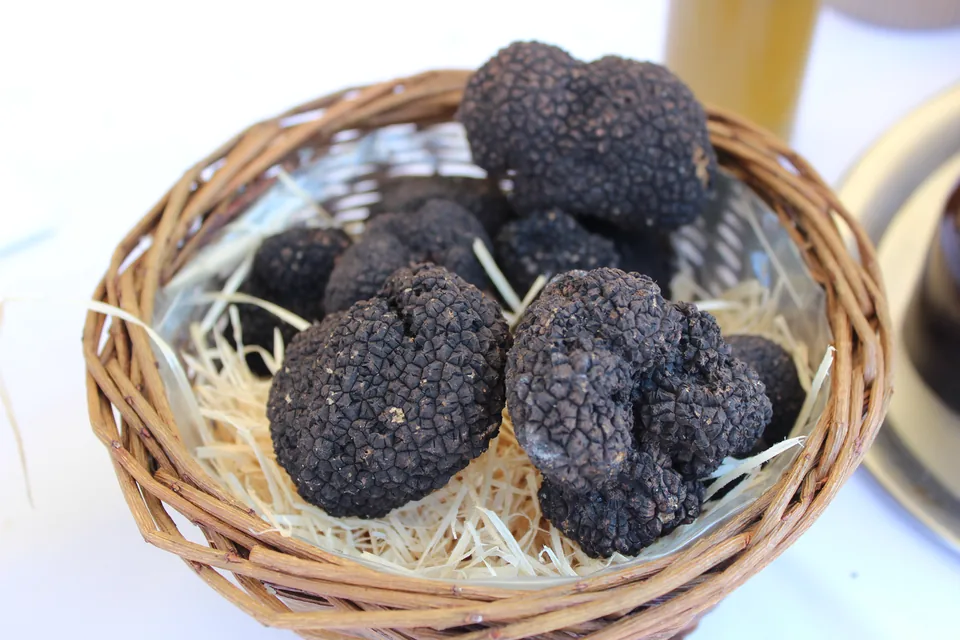
The Tuber mesentericum of the Picentini mountains: how to recognise it, where it grows, harvesting rules and calendar in Campania, the village, Laceno and 'Il Nero di Bagnoli'.
Read the guide →Photo: Oldsoft / Wikimedia Commons — CC BY-SA 3.0 · Resized and converted to WebP.
Irpinia's great red: grape, history and land, DOCG rules, the Castello Marchionale with the regional wine library, the village and the festival calendar.
Read the guide →Italy's first torrone with a PGI: Martiniana and Torrefatto glassato, high-temperature cooking and the glassy break, the port's history and the late-November festival.
Read the guide →Flowers picked at dawn, stigmas toasted over embers, thirteen towns around L'Aquila: the Abruzzo PDO explained from field to kitchen, with an autumn day on the plateau.
Read the guide →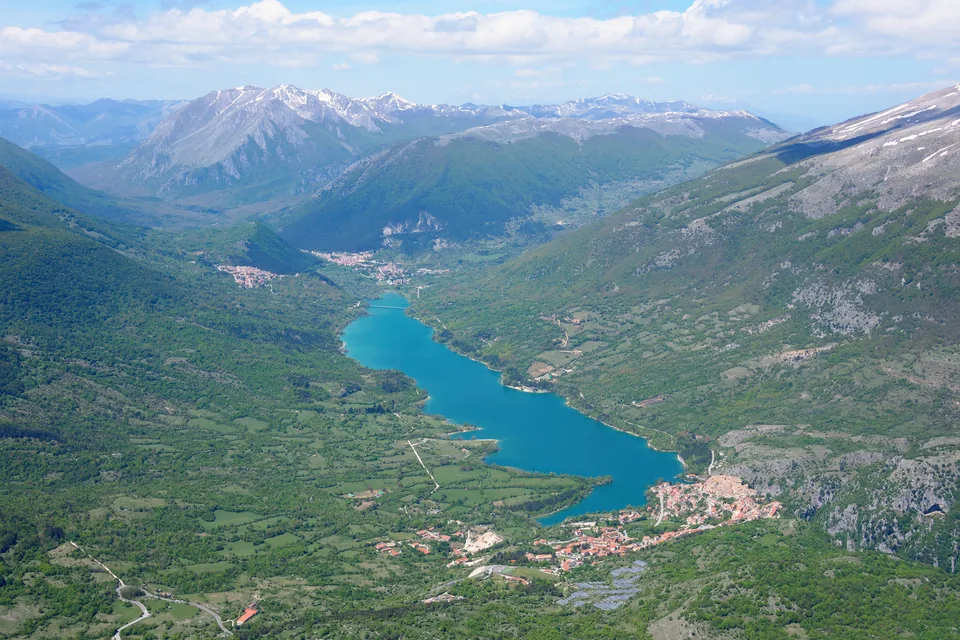
The historic Park of the central Apennines: valley villages, wildlife museums and the forests of the Marsican bear.
Read the guide →Photo: Carsten Steger / Wikimedia Commons — CC BY-SA 4.0 · Resized and converted to WebP.
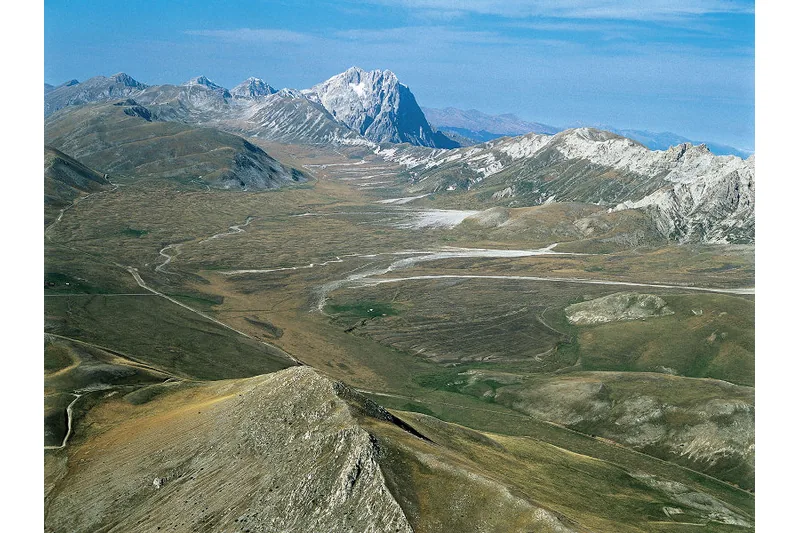
The park of Corno Grande and Campo Imperatore: three mountain groups, 44 municipalities, stone villages, Laga forests and the food of transhumance.
Read the guide →Photo: Ente Parco Nazionale del Gran Sasso e Monti della Laga · Resized and converted to WebP.
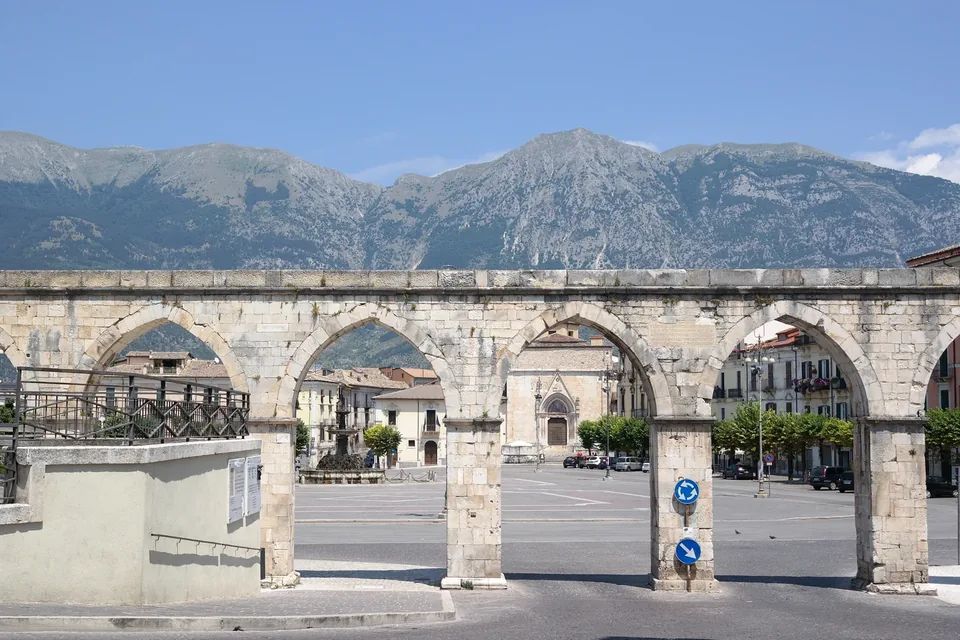
A historic centre in the Peligna basin, surrounded by the Majella park and the starting point of the Way of Celestine.
Read the guide →Photo: Luca Aless / Wikimedia Commons — CC BY-SA 4.0 · Resized and converted to WebP.
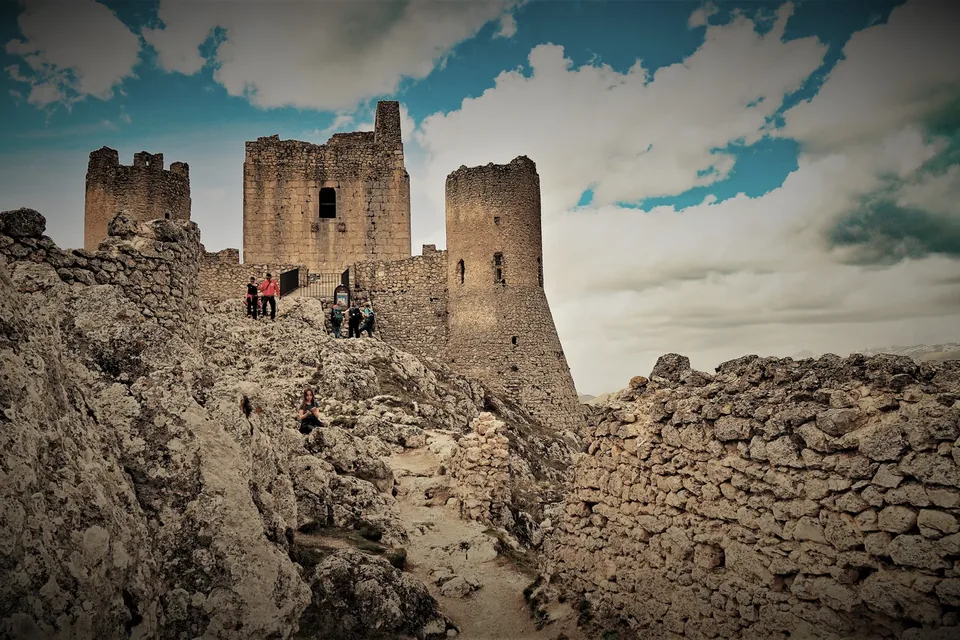
A stone village on the L’Aquila side of the Gran Sasso, with a Slow Food Presidium lentil and the transhumance fortress nearby.
Read the guide →Photo: Vincedelbenàco / Wikimedia Commons — CC BY-SA 4.0 · Resized and converted to WebP.
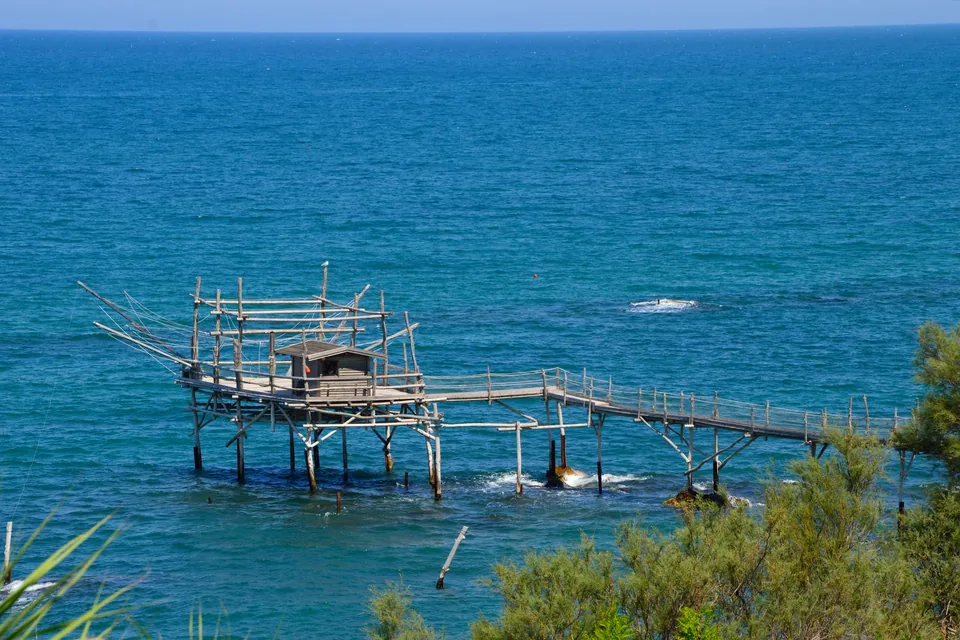
The Chieti coastline between Ortona and Vasto, with some thirty wooden trabocchi and the hermitage where D’Annunzio stayed.
Read the guide →Photo: Francesca Piersanti / Wikimedia Commons — CC BY-SA 4.0 · Resized and converted to WebP.
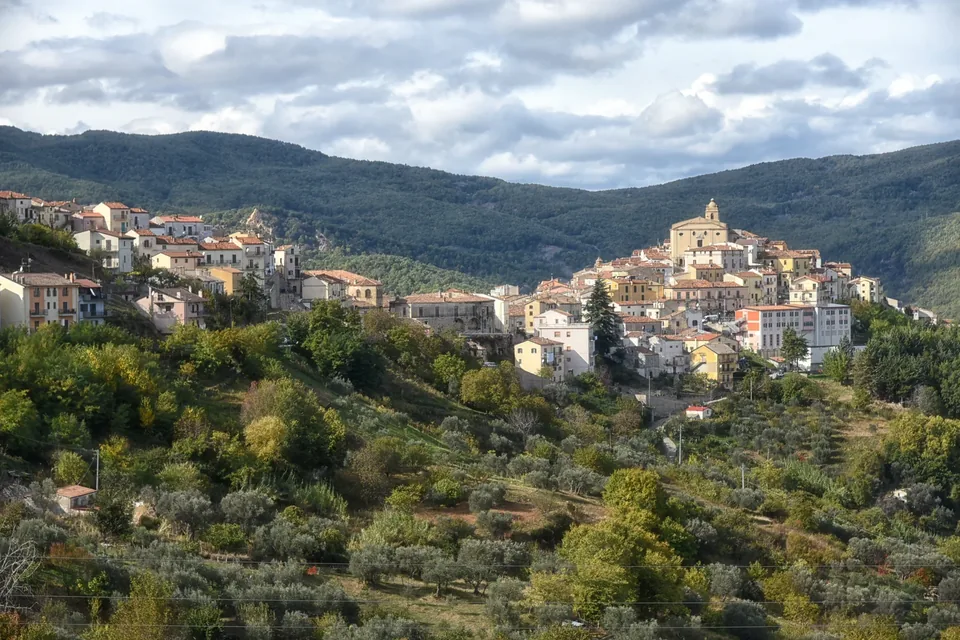
Accettura: town and tree rituals. The Maggio between forest and square, the Gallipoli Cognato Piccole Dolomiti Lucane park and pezzente sausage.
Read the guide →Photo: Anna Nicoletta Menzella / Wikimedia Commons — CC BY-SA 4.0 · Resized and converted to WebP.
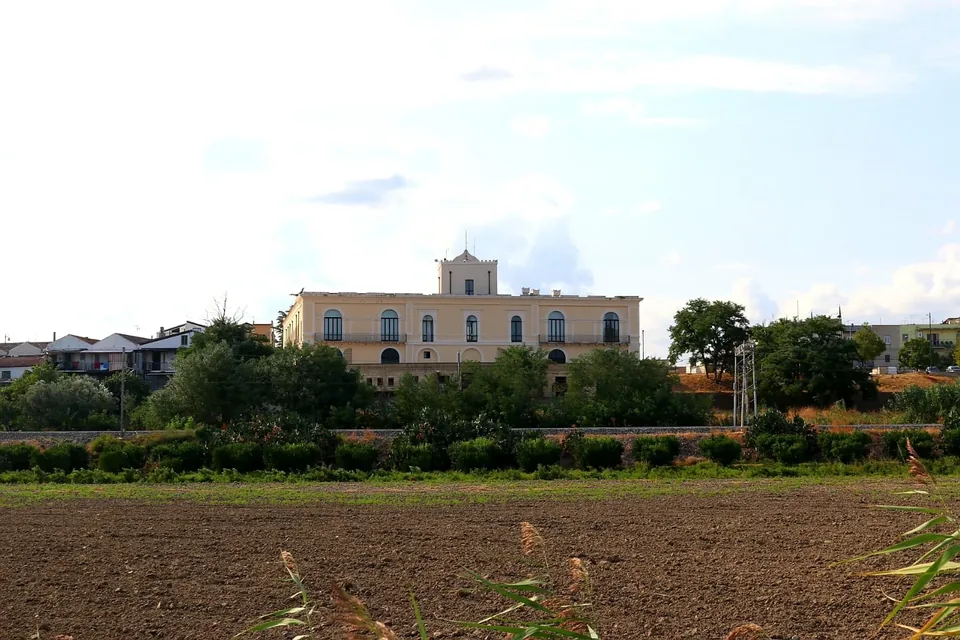
Scanzano Jonico: farmland and coast. Long Ionian beaches, Basilicata’s only lighthouse, the last scene of ‘Basilicata coast to coast’ and strawberries.
Read the guide →Photo: Mariagrazia Brunetti / Wikimedia Commons — CC BY-SA 4.0 · Resized and converted to WebP.
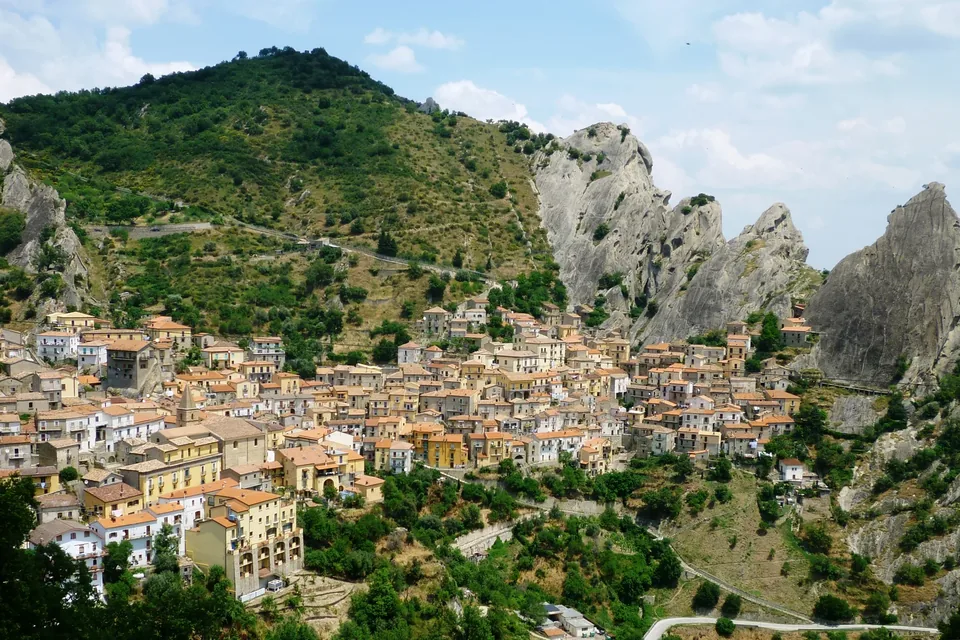
Castelmezzano: a town among the rocks. Sandstone roofs beneath the spires of the Piccole Dolomiti Lucane and the path to Pietrapertosa.
Read the guide →Photo: Jon Shave / Wikimedia Commons — CC BY 2.0 · Resized and converted to WebP.
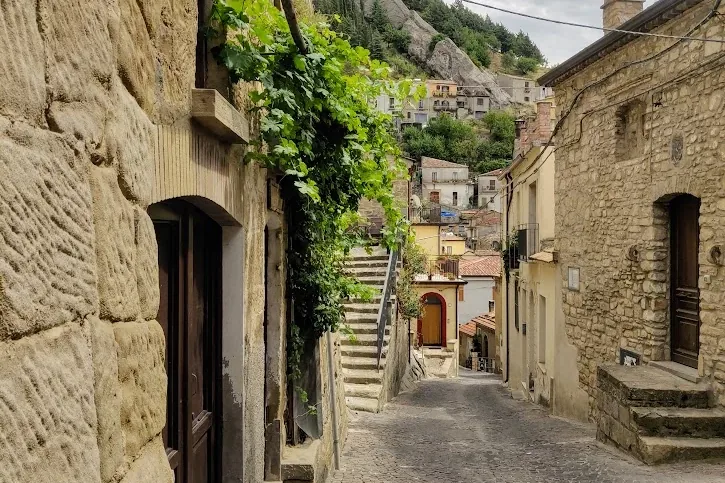
Pietrapertosa: the Arabata quarter. Basilicata’s highest town, at 1,020 metres among the sandstone spires of the Little Lucanian Dolomites.
Read the guide →Photo: Camelia.boban / Wikimedia Commons — CC BY-SA 4.0 · Resized and converted to WebP.
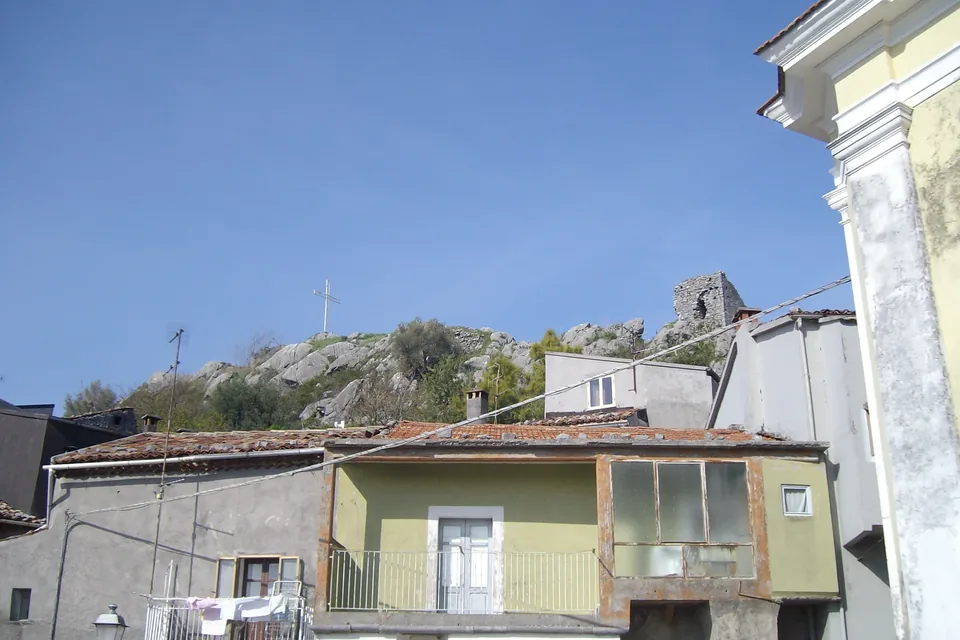
Rotonda: town and Pollino heritage. The Lucanian gateway to the national park, its Ecomuseum, an ancient elephant and red aubergines.
Read the guide →Photo: Luca Raimondi / Wikimedia Commons — CC BY-SA 3.0 · Resized and converted to WebP.
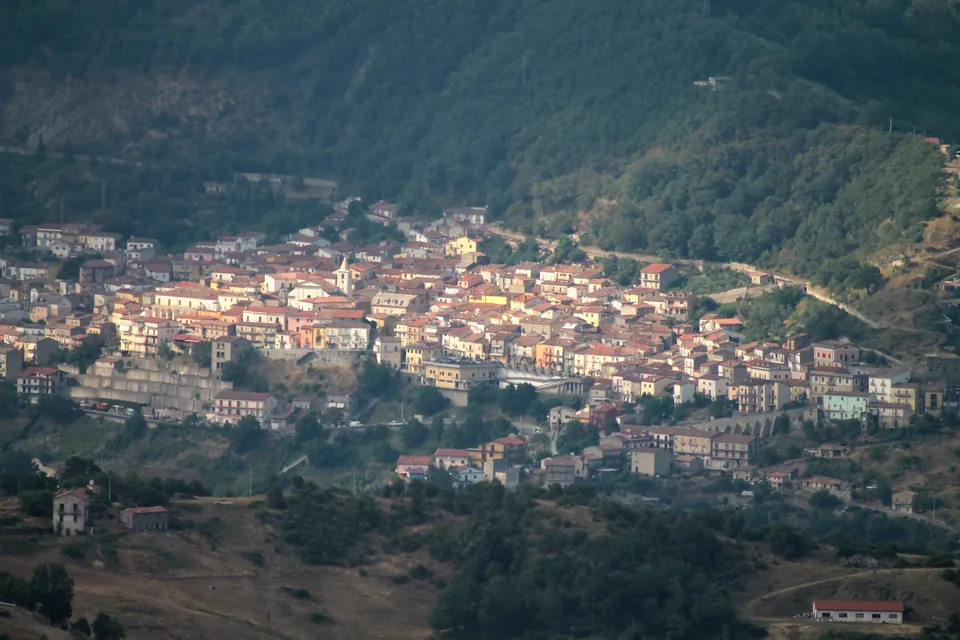
Terranova di Pollino: the Lucanian side. Gateway to the massif’s gorges, peaks and Bosnian pines, with a tradition of instruments and paddaccio cheese.
Read the guide →Photo: Alfredo D'Ambrosio / Wikimedia Commons — CC BY 3.0 · Resized and converted to WebP.
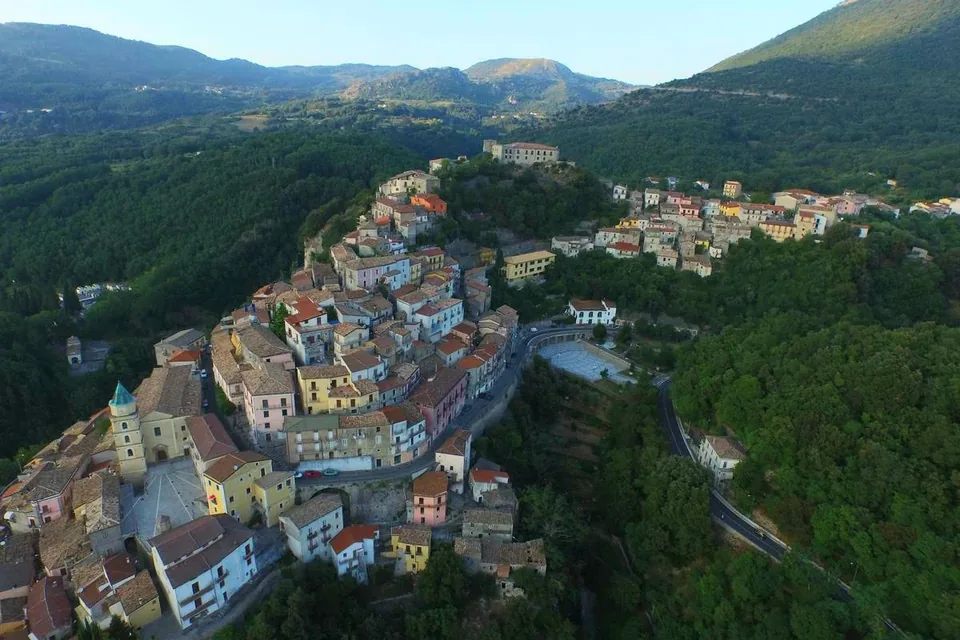
Viggianello: above the Mercure valley. A village with a medieval castle at the foot of the Pollino, communal rituals and Rotonda white beans.
Read the guide →Photo: Millucci0 / Wikimedia Commons — CC BY-SA 4.0 · Resized and converted to WebP.
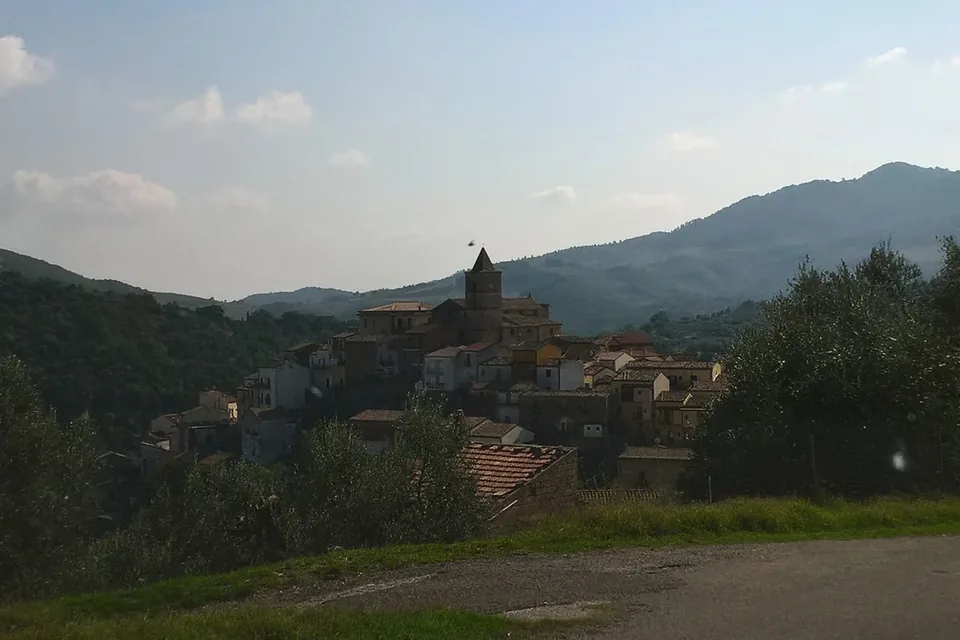
Oliveto Lucano: wood, stone and Monte Croccia. A clifftop village among centuries-old olive trees and a fortified Lucanian town on the Croccia.
Read the guide →Photo: Asia / Wikimedia Commons — CC BY-SA 4.0 · Resized and converted to WebP.
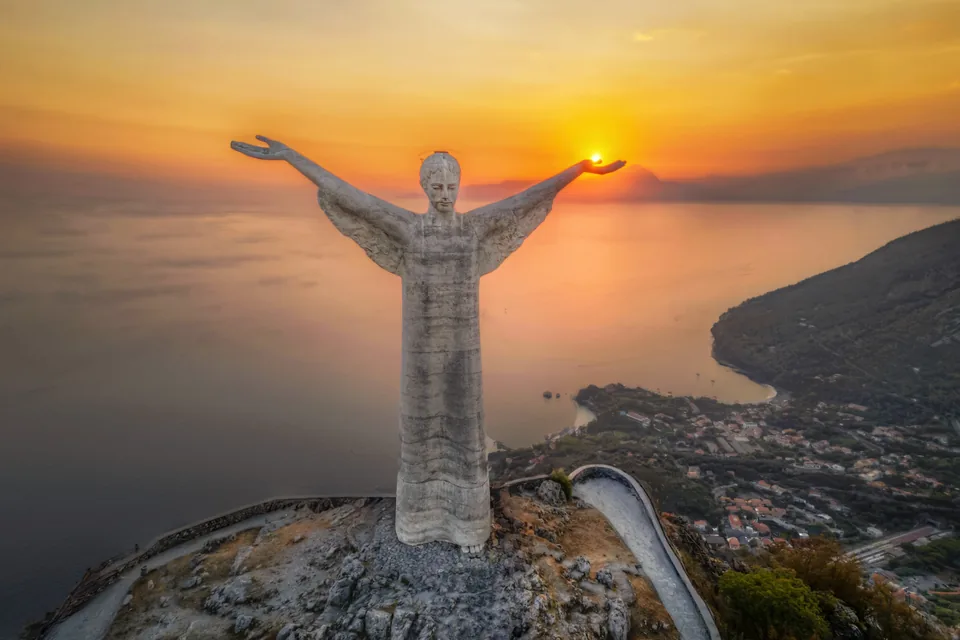
San Biagio, heritage and the landscape seen at the opening of the film Coast to Coast. Explore Basilicata’s only Tyrrhenian coast, with 32 kilometres of rock walls and coves, and the sausages made in Maratea. On the mountain, the basilica with its Royal Chapel of 1618; along the coast, the sixteenth-century watchtowers.
Read the guide →Photo: D.belfiore / Wikimedia Commons — CC BY-SA 4.0 · Resized and converted to WebP.
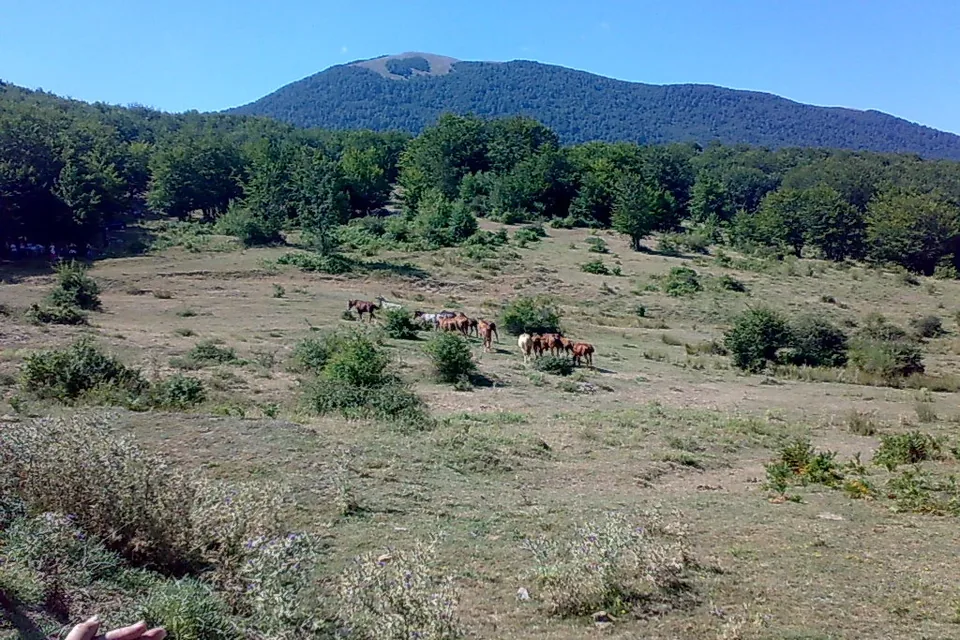
A mountain landscape shared by Calabria and Basilicata, explored through walks, villages and a considered pace.
Read the guide →Photo: Gianni Lupindo / Wikimedia Commons — CC BY-SA 3.0 · Resized and converted to WebP.
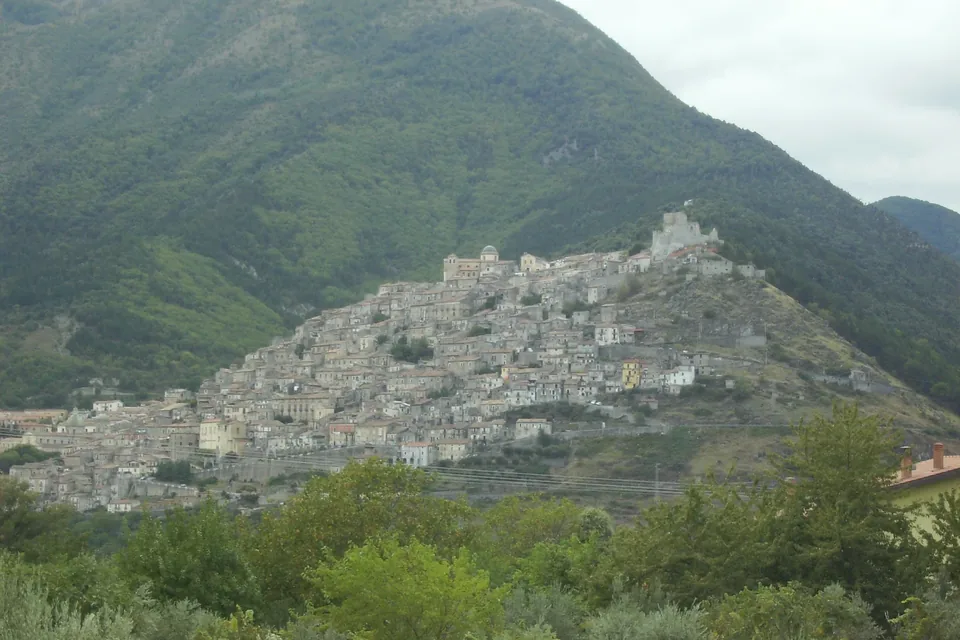
A historic hill town to explore on foot and connect with the Pollino landscape.
Read the guide →Photo: Pigr8 / Wikimedia Commons — Public domain · Resized and converted to WebP.
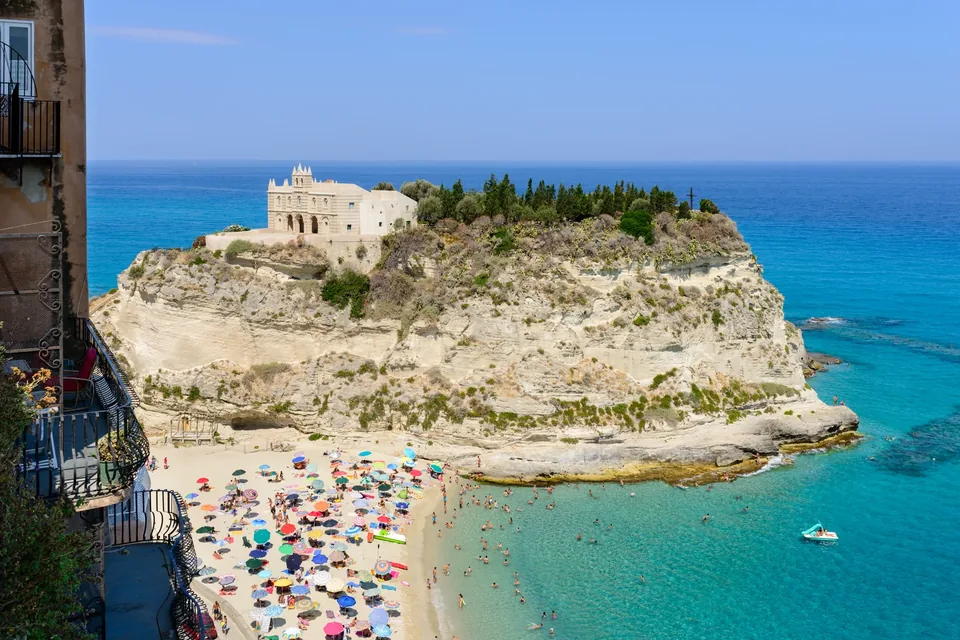
The clifftop town, the Tropea onion and the Capo Vaticano headland along the Costa degli Dei, on Calabria’s Tyrrhenian coast.
Read the guide →Photo: Norbert Nagel / Wikimedia Commons — CC BY-SA 3.0 · Resized and converted to WebP.
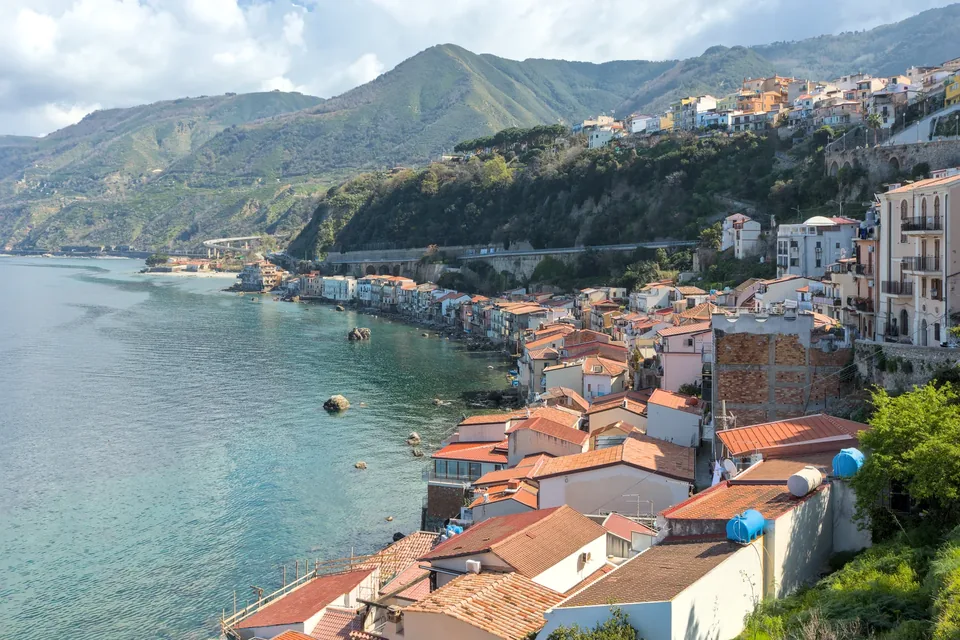
The town of the Homeric myth, the seafaring quarter of Chianalea and the stretch of Costa Viola facing the Strait of Messina.
Read the guide →Photo: Benjamin Smith / Wikimedia Commons — CC BY-SA 4.0 · Resized and converted to WebP.
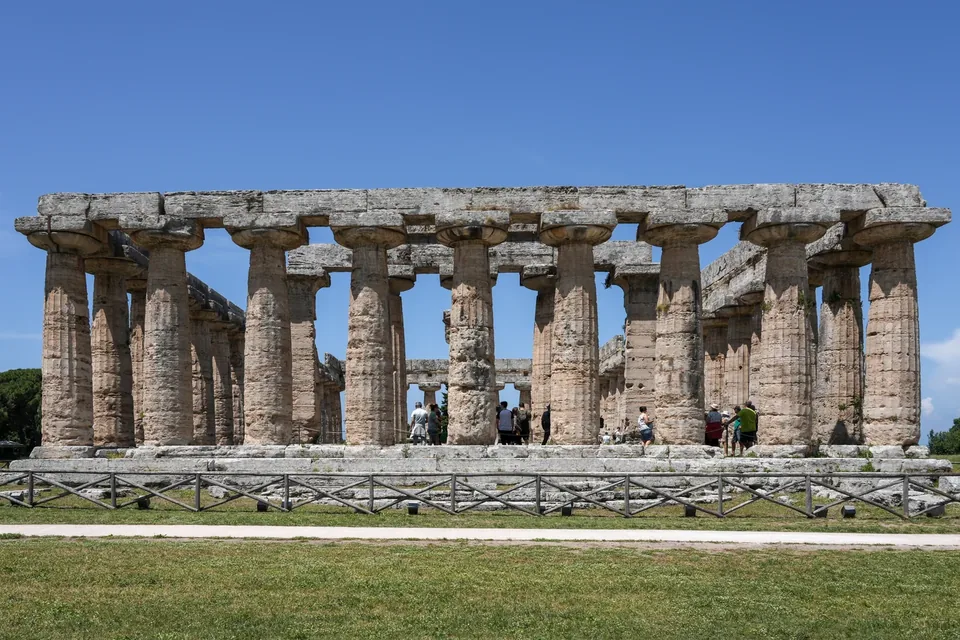
The Cilento, Vallo di Diano and Alburni National Park: coastline, karst mountains, Paestum, Velia and the Padula Charterhouse.
Read the guide →Photo: PaestumPaestum / Wikimedia Commons — CC BY-SA 4.0 · Resized and converted to WebP.
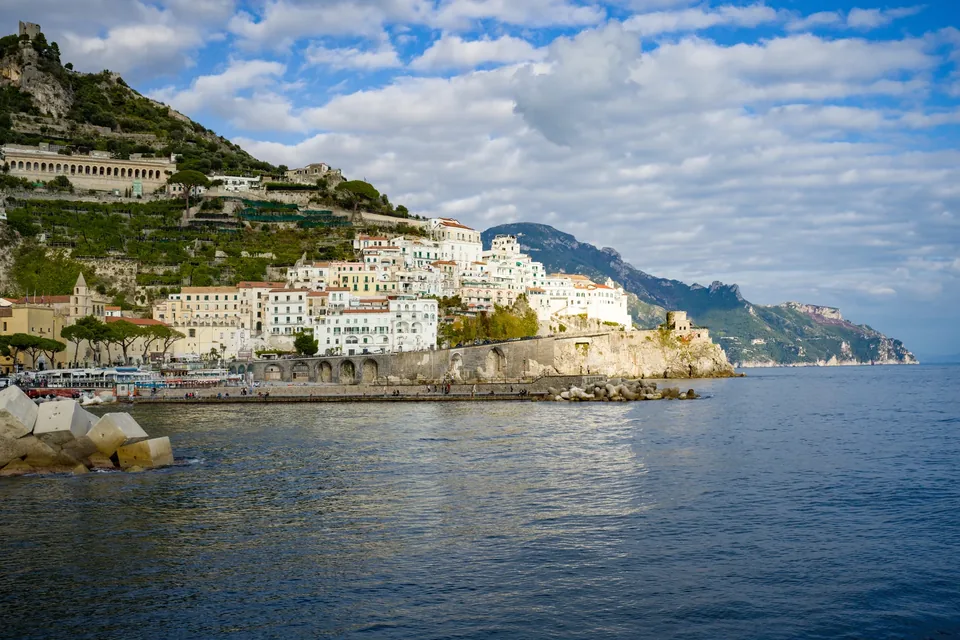
The UNESCO cultural landscape between Positano and Vietri sul Mare: citrus terraces, footpaths, inland valleys and the history of a maritime republic.
Read the guide →Photo: Wolfgang Moroder / Wikimedia Commons — CC BY-SA 3.0 · Resized and converted to WebP.
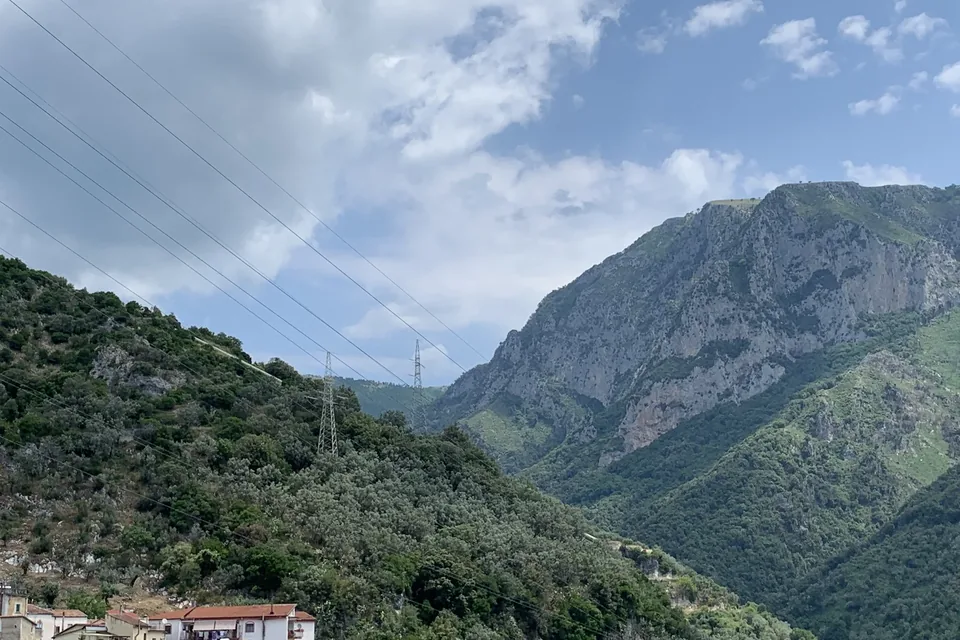
A regional park of beech woods, springs and hill villages, with Giffoni Valle Piana and its film festival for young people.
Read the guide →Photo: Csal1933 / Wikimedia Commons — CC BY-SA 4.0 · Resized and converted to WebP.
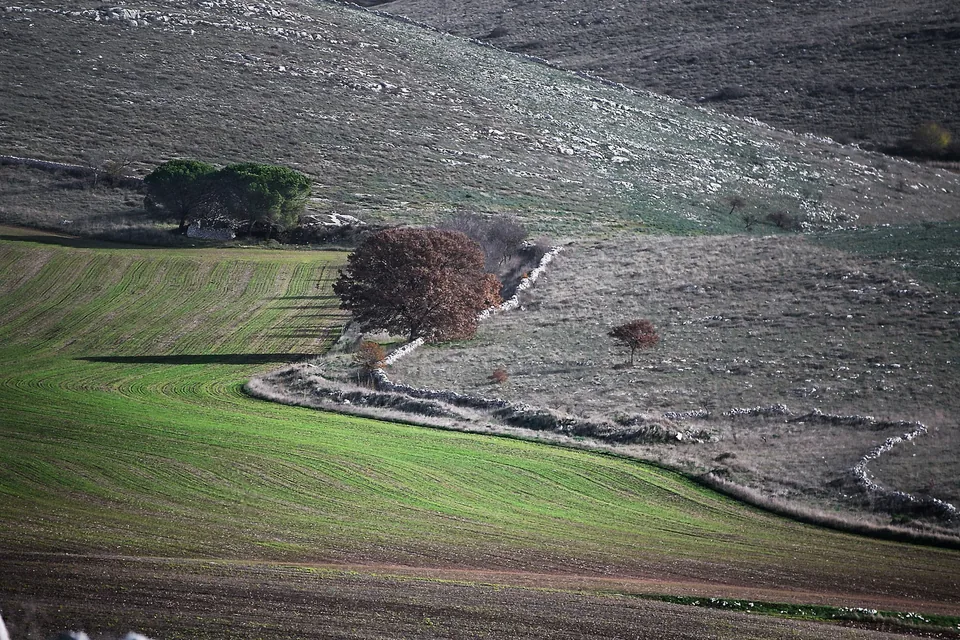
Stone, pasture and farming to explore the landscape beyond the towns. A national park of Mediterranean steppe, durum-wheat bread and cardoncello mushrooms.
Read the guide →Photo: Acquario51 / Wikimedia Commons — CC BY-SA 4.0 · Resized and converted to WebP.
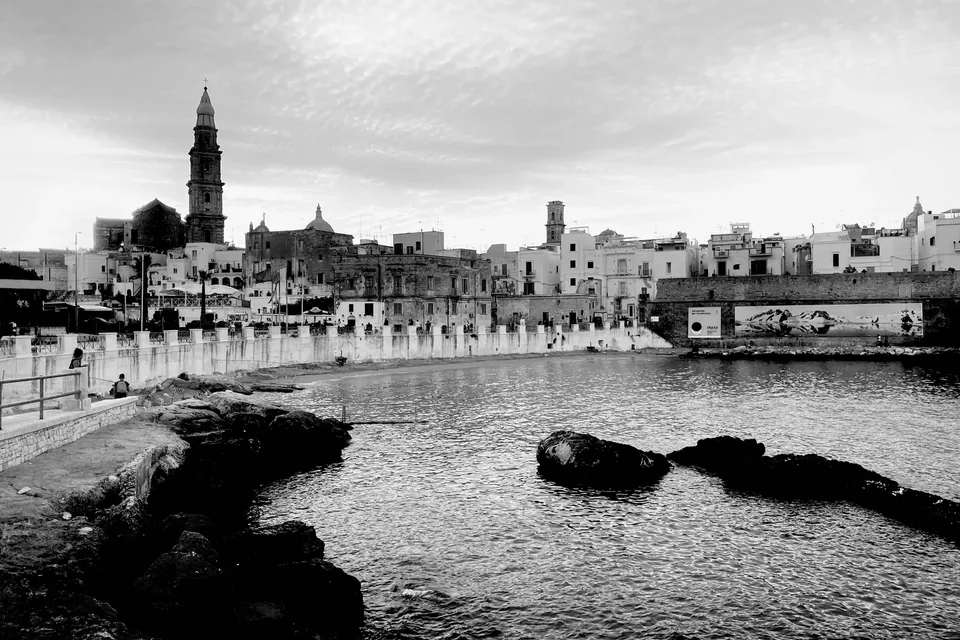
An Adriatic conclusion connected to the rural landscape. A harbour reaching into the old town, the cathedral, rural contrade and ‘mareterra’ cooking.
Read the guide →Photo: RaTio65 / Wikimedia Commons — CC BY-SA 4.0 · Resized and converted to WebP.
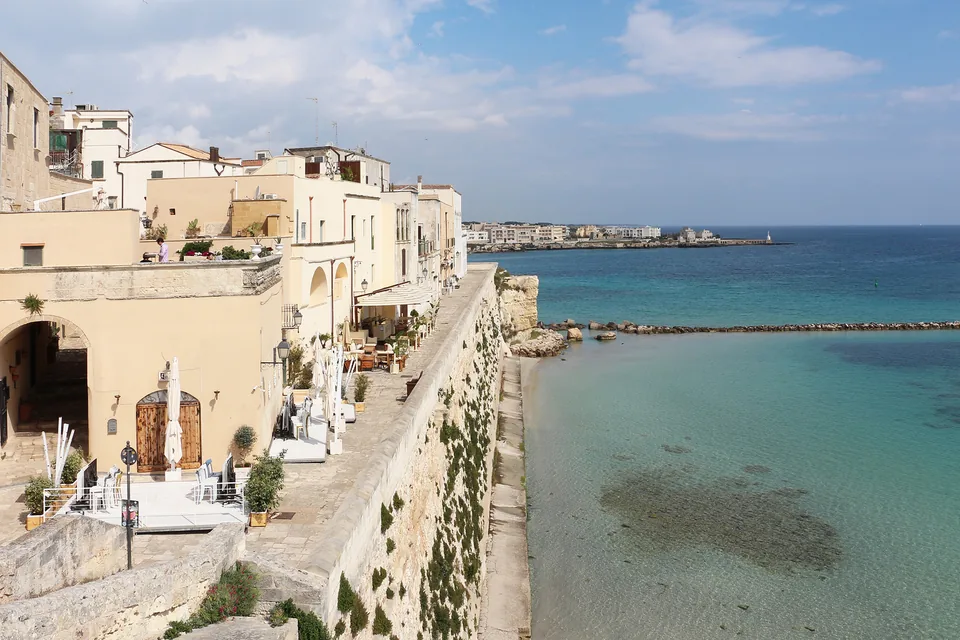
The cathedral, Adriatic landscape and time to explore the historic centre. Inside and around the walls: Pantaleone’s mosaic of 1163-1165, the crypt with its forty-two columns, the Byzantine church of San Pietro, the Aragonese castle of Walpole’s novel, the Punta Palascìa lighthouse and the Grotta dei Cervi at Porto Badisco.
Read the guide →Photo: Bernard Gagnon / Wikimedia Commons — CC0 · Resized and converted to WebP.
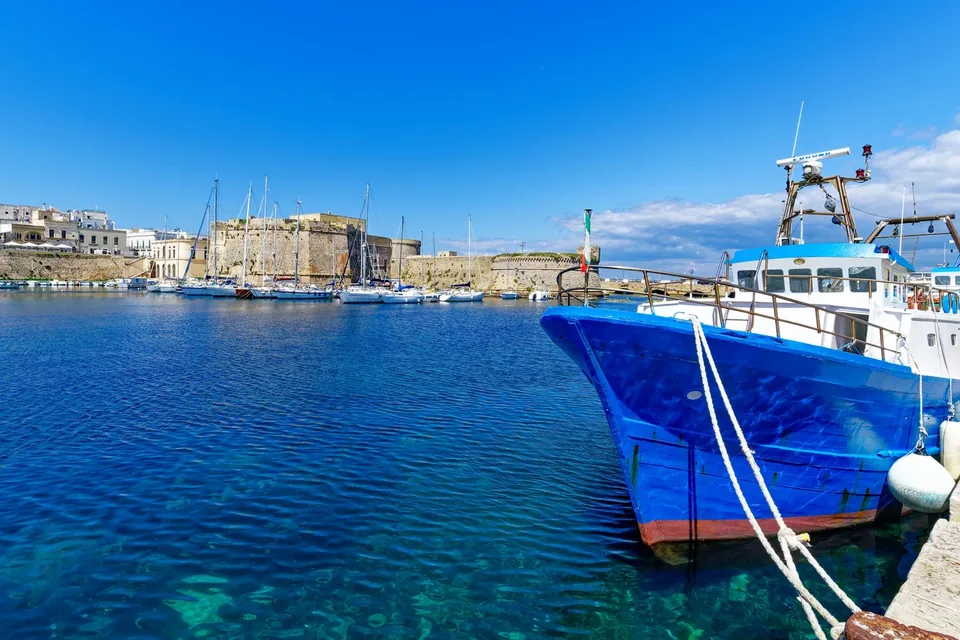
The bridge, churches and Ionian townscape beyond a beach holiday. An old town on a fortified island, linked by a masonry bridge, and the local scapece.
Read the guide →Photo: Holger Uwe Schmitt / Wikimedia Commons — CC BY-SA 4.0 · Resized and converted to WebP.
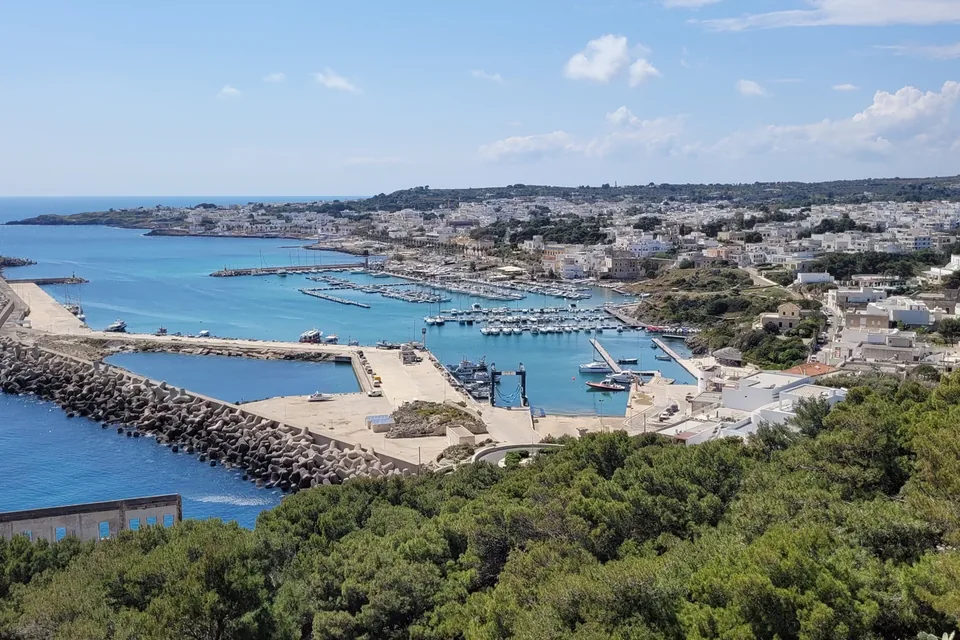
The sanctuary, seafront architecture and the outline of the coast. The cape where the Adriatic embraces the Ionian, the de finibus terrae basilica and frise.
Read the guide →Photo: Bernard Gagnon / Wikimedia Commons — CC0 · Resized and converted to WebP.
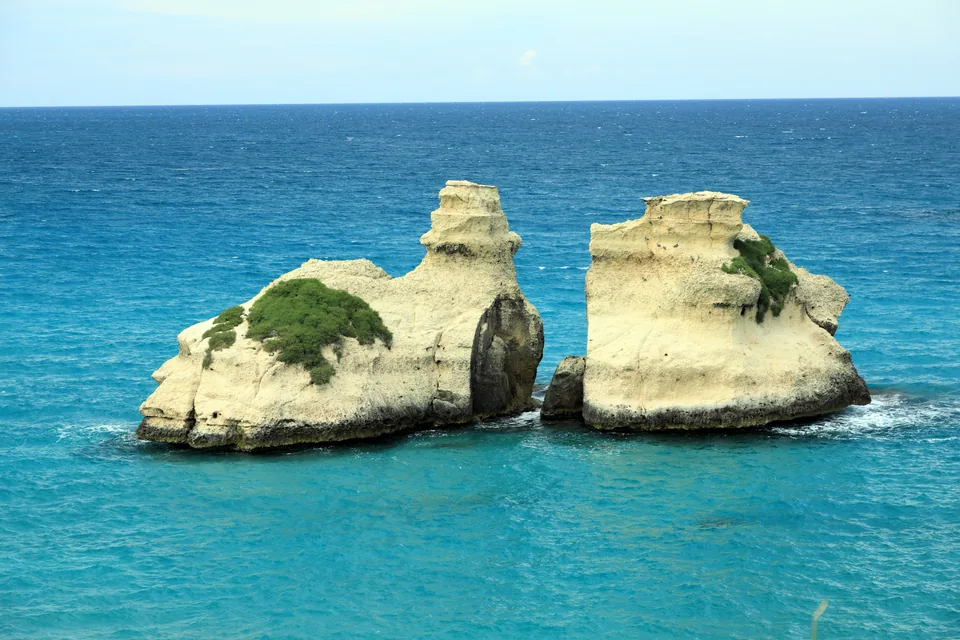
Sea stacks, pine woodland and a contrast with Melendugno’s inland villages. The bay holds the 2026 Blue Flag: to the north stands the 1568 coastal tower that gave it its name, at the other end the cave of San Cristoforo, a seaside sanctuary from the fourth century BC, and the Two Sisters sea stacks.
Read the guide →Photo: Falk2 / Wikimedia Commons — CC BY-SA 4.0 · Resized and converted to WebP.
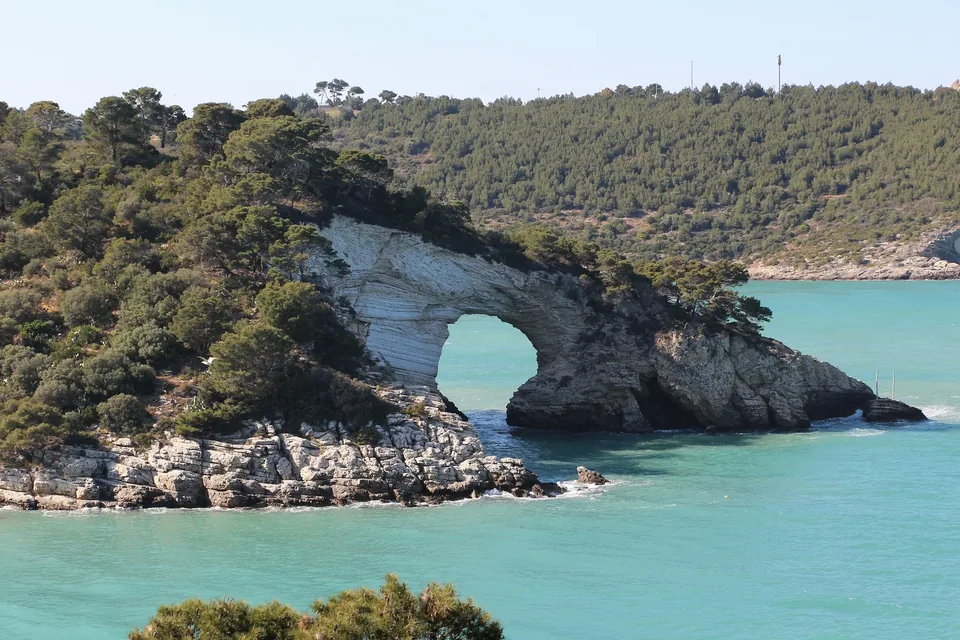
Gargano: villages, woodland and coast. Beech woods, lagoons and white villages in the national park, the Archangel’s mountain and Ogliarola olives.
Read the guide →Photo: Bernard Gagnon / Wikimedia Commons — CC0 · Resized and converted to WebP.
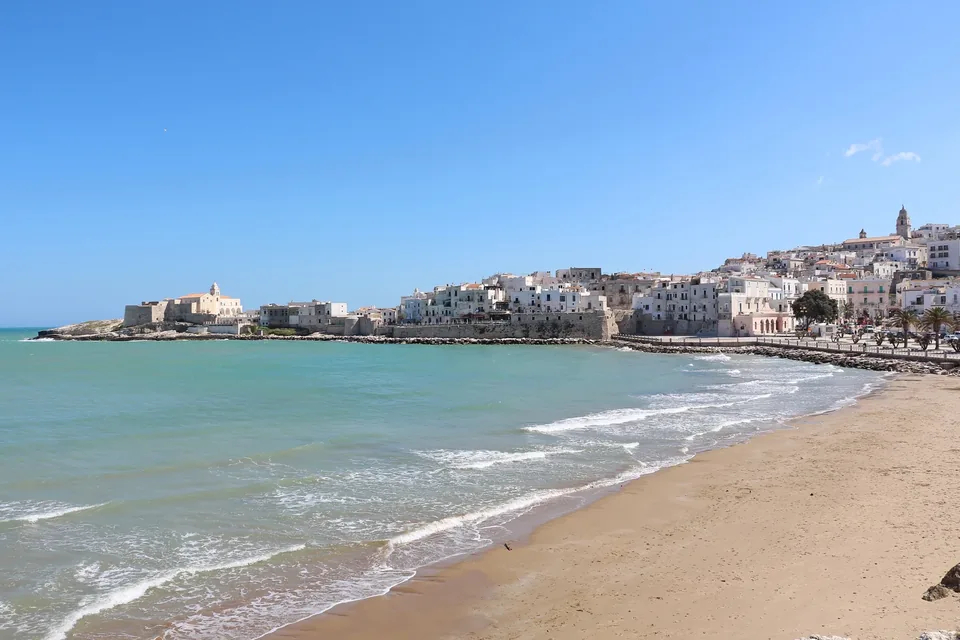
Vieste: old lanes and fishing structures. An old town on a rocky spur above the sea, its castle and cathedral, the Petrone viewpoint and trabucchi. The guide also covers the La Salata necropolis, the Sant’Eufemia lighthouse, the Petrone Museum with finds from the Defensola flint mine and the Pilgrims’ Way to Monte Sant’Angelo.
Read the guide →Photo: Bernard Gagnon / Wikimedia Commons — CC0 · Resized and converted to WebP.
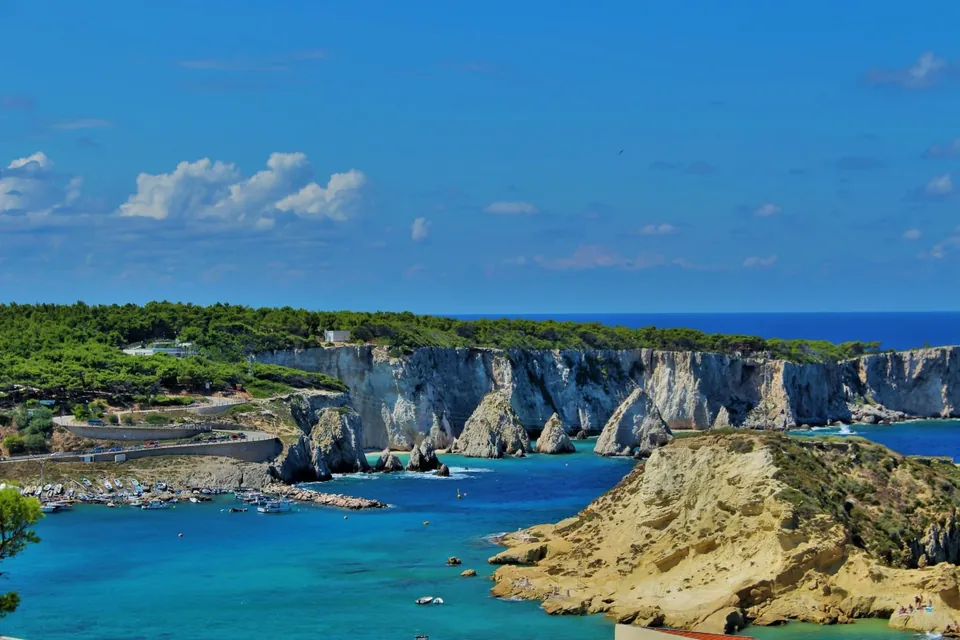
Tremiti: San Nicola and the island landscape. Puglia’s only archipelago, 12 nautical miles off the Gargano, with pine woods, white cliffs and an abbey fortress. In the marine protected area, 34 dive sites and wrecks from Roman times to the Lombardo, the steamer of Garibaldi’s Thousand; on San Nicola the church of Santa Maria a Mare with its eleventh-century mosaics, the cloisters and the memory of the political exiles.
Read the guide →Photo: Sara Caputo / Wikimedia Commons — CC BY-SA 4.0 · Resized and converted to WebP.
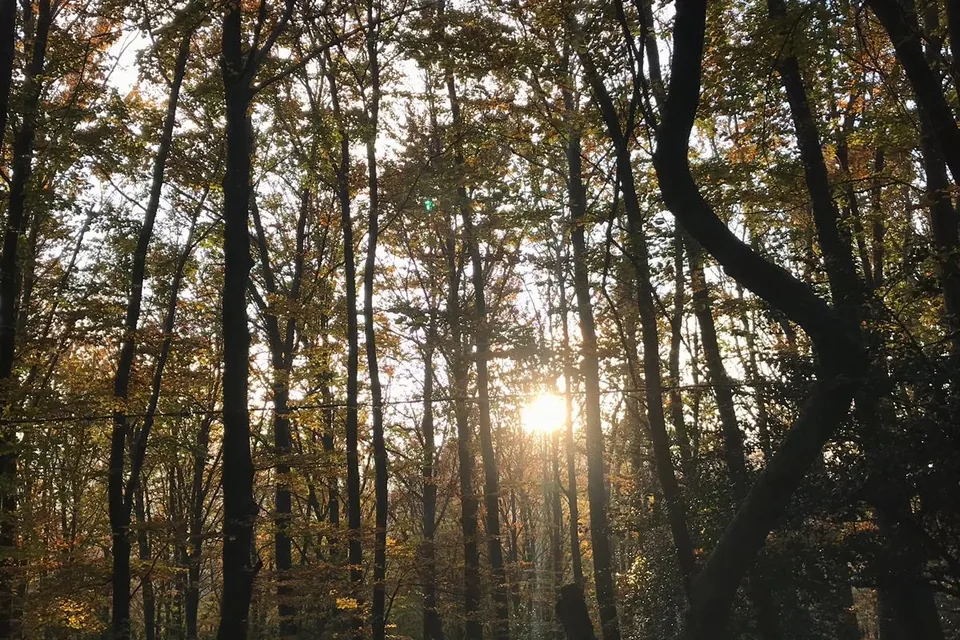
Foresta Umbra: Gargano beneath the beech trees. About 10,500 hectares of forest in the national park, with ancient beech woods on the UNESCO list since 2017.
Read the guide →Photo: Francesca Lenoci / Wikimedia Commons — CC BY-SA 4.0 · Resized and converted to WebP.
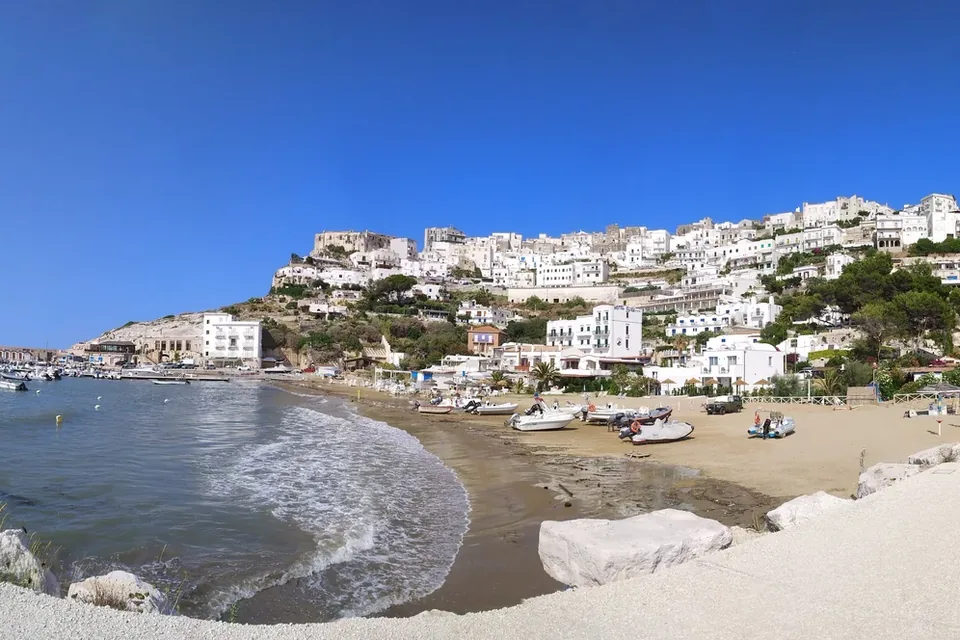
Peschici: the town above the cliff. White houses, arches and steps at Puglia’s northernmost point, a castle on the rock and food from both sea and hills.
Read the guide →Photo: Giacomo Alessandroni / Wikimedia Commons — CC BY-SA 4.0 · Resized and converted to WebP.
Sanctuary · Castelpetroso (Isernia) · Maria Santissima Addolorata, Fabiana Cicchino, Serafina Valentino
Cathedral · Naples · San Gennaro
Sanctuary · Pietrelcina · Padre Pio
Sanctuary · Pompeii · Madonna del Rosario di Pompei, San Bartolo Longo
Sanctuary · Mercogliano · Madonna di Montevergine (Mamma Schiavona), San Guglielmo da Vercelli
Cave sanctuary · Monte Sant'Angelo · San Michele Arcangelo, San Lorenzo Maiorano
Sanctuary · San Giovanni Rotondo · Padre Pio
Sanctuary · Tropea · Madonna
Sanctuary · Viggiano · Madonna del Sacro Monte di Viggiano
Sanctuary · San Severino Lucano · Madonna del Pollino
Sanctuary · San Luca (Polsi) · Madonna della Montagna
Sanctuary · Materdomini (Caposele) · San Gerardo Maiella, Madonna di Materdomini, Sant'Alfonso Maria de' Liguori


