
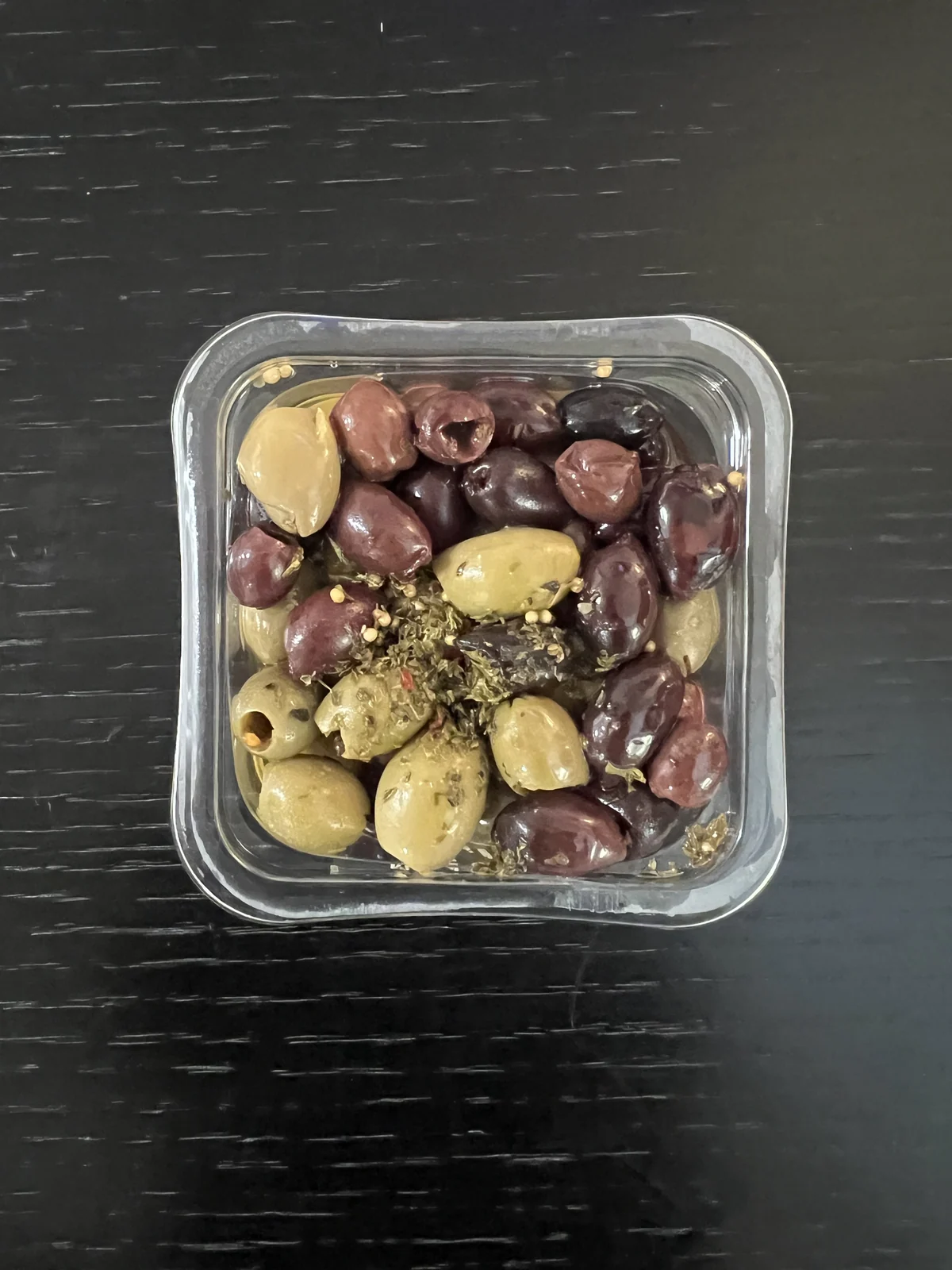
Leccino between Salento and the Ionian arc
Leccino is best known as an oil variety, and in Puglia it appears in several designations. Qualigeo’s profile of the Terra d’Otranto PDO reports that the latest rules list it among the main varieties, together with Cellina di Nardò, Ogliarola Salentina, FS17, Lecciana and Leccio del Corno. The area covers the whole province of Lecce and part of the provinces of Brindisi and Taranto.
On the Ionian arc, the regional profile of the Terre Tarentine PDO lists it with Coratina, Ogliarola and Frantoio, grown alone or together in the groves of certain municipalities of the province of Taranto. The Region describes deep sandy soils, a hot dry climate and centuries-old trees that form part of the landscape.
These profiles are about oil rather than table olives, but they explain why the name Leccino recurs so often in the countryside of Salento and the Taranto area. When you find it on a jar, remember that the same tree can provide oil or table fruit, depending on the producer’s choice and the moment of harvest.
Sources: Qualigeo (Fondazione Qualivita) — Terra d’Otranto DOP, olio extravergine di oliva · Regione Puglia — Produzioni di qualità: Terre Tarentine DOP
A documented example from Salento
A Salento producer, iContadini, describes its Leccine in brine in detail. The olives are picked by hand when fully ripe, between October and November, and stay in brine for about six months: the time needed for bitterness to fade naturally. After this stage they are jarred with water, whole salt and lemon juice, with no other ingredients.
The same page presents them as small olives with a delicate flavour and an aroma recalling freshly pressed oil, and suggests them for pizza, salads and aperitifs. This describes that product and its method, not a compulsory recipe for all Leccine: other producers may use different times, salt levels and flavourings.
For travellers the interest lies precisely in the ingredient list. Reading on the jar how long the list is, whether there are flavourings or preservatives and which variety is named lets you compare similar preserves in a concrete way. The harvest season the producer gives also explains why autumn is when this theme is most visible in the countryside.
Sources: iContadini — Olive Leccine
Removing bitterness: brine
Puglia’s atlas of traditional foods devotes several profiles to table olives, and they all start from the same problem: freshly picked fruit is bitter and must be made edible. For brined olives from the Foggia area it describes a long domestic method. The olives are covered with water for a few days, then salted, soaked again and left to rest for more than a month in a cool place; finally they are jarred in a brine flavoured with citrus, wild fennel, bay, chilli or myrtle.
The profile notes that brining was already known to the Romans, who added dried fennel, lentisk seeds, rue, cooked must and vinegar. Another profile, on the table olive of the Bitetto area, distinguishes an initial fermentation in contact with air and a second, slower one in closed containers.
The same profile mentions the Termite di Bitetto variety and a document from 1186 in which the Latin word “termitum” refers to the trees grown on that land. Such records show how old the habit of bringing olives to the table, and not only to the mill, really is.
Sources: Atlante dei PAT di Puglia (Regione Puglia, Università di Bari) — Olive in salamoia · Atlante dei PAT di Puglia (Regione Puglia, Università di Bari) — Oliva da mensa
The volia cazzata of Martano
Among the preparations most closely tied to Salento is the “cazzata”, or crushed, olive. The PAT atlas describes it in detail. The largest olives, picked green or as they change colour, are chosen and kept in fresh water for at least a day. They are then crushed with a wooden mallet without breaking the stone, or scored with a knife.
A long soak follows in a “limbu”, the traditional flared vessel of glazed earthenware: the water is changed at least twice a day for a week to ten days, until the bitterness has gone. Finally the olives are squeezed and seasoned with salt, garlic, wild fennel and chilli; they can be eaten after a few hours or preserved under oil in tightly packed jars.
The profile names Ogliarola Leccese as the variety used and mentions an autumn festival in Martano devoted to the “volia cazzata” and to Salento produce. It is a good reason to include this village of the Grecìa Salentina in the route, checking the year’s programme in advance.
Sources: Atlante dei PAT di Puglia (Regione Puglia, Università di Bari) — Olive cazzate o schiacciate
Cellina di Nardò olives in the jars
Another Salento cure concerns Cellina di Nardò, the same variety that appears in the Terra d’Otranto PDO. According to the PAT atlas, these olives are harvested fully ripe around the first days of December. A popular saying recalls it: by the feast of the Immaculate Conception, the olive is ripe.
After cleaning, the olives spend a few days in water in the “limbi” and then go into barrels of saturated brine with, depending on local habit, myrtle, wild fennel flowers, false pepper and citrus peel. Tradition used “capàse”, glazed earthenware jars with two or three handles near the neck. The containers stay open at first to let fermentation gases escape; bitterness disappears in about six months and the olives keep for several years.
The profile stresses their role in baking: they appear in rustic pies, pucce, uliate, pizzi and scèblasti, the seasoned breads of Salento. Tasting a Cellina on its own and then inside a seasoned bread shows how the same fruit changes role on the table.
Fried olives and home preserves
Not all olives end up in brine. The PAT atlas also records fried olives, a dish found throughout the region in autumn and winter. Sweet, fleshy varieties are used and warmed in a pan with a little oil and salt until the skin starts to split; some add chilli, garlic, tomato, bay, oregano or a drizzle of fig syrup.
The profile cites written evidence: an 1885 Puglian farming periodical mentioned olives fried with cooked grape must, and a writer on Bari cooking recalled the fleshy, sweet olives of the “mele” variety, particularly prized around Bitetto. It is a simple side dish, tied to home cooking and trattorias more than to shops.
For travellers this profile broadens the view: olives can be a preserve, an ingredient in bread or a hot dish. If a kitchen offers fried olives, ask which variety was used and taste them next to an olive in brine: the difference between cooking and curing becomes obvious with the first bite, and the conversation often leads to family recipes.
Sources: Atlante dei PAT di Puglia (Regione Puglia, Università di Bari) — Olive fritte
Taste before the bruschetta
Start with a simple preserve, without bread, cheese or wine to mask the comparison. Notice how the flesh resists the bite, the balance between salt and olive flavour and how long any bitterness lasts. With Leccine, small and delicate, it helps to taste two or three in a row to tune in to the flavour.
Then add a seasoned, crushed or flavoured version: the question is whether herbs, garlic and chilli let you recognise the olive or become the centre of the tasting. Two products are enough, especially if they differ in variety or method, and a note on each is worth taking.
Only at the end bring the comparison into the kitchen, with two uses of the same jar: a small, essential salad and a bite of bread with a single accompaniment. This helps you choose with real cooking in mind, instead of collecting jars simply because they look traditional. Note also whether you prefer whole or pitted fruit for the dish you have in mind: a practical detail that matters once you are home.
A day between Lecce, Martano and Gallipoli
In Salento, place this theme in a day that starts from Lecce. Italia.it describes its Baroque historic centre, built in a local stone of pale golden colour, with Roman monuments and great seventeenth-century buildings such as the Basilica of Santa Croce. It is the ideal base for a first tasting of preserves before heading inland.
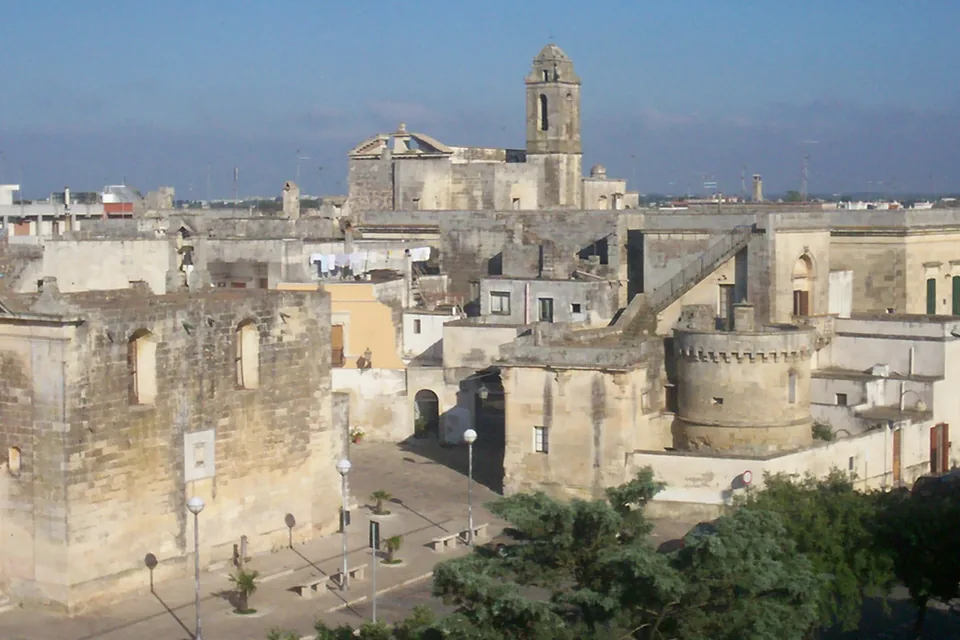
Martano, in the Grecìa Salentina, offers the farming chapter: the PAT atlas mentions its autumn festival of the “volia cazzata”, and the surrounding countryside shows the olive groves from which these preserves come. A stop here links the jar to the landscape.
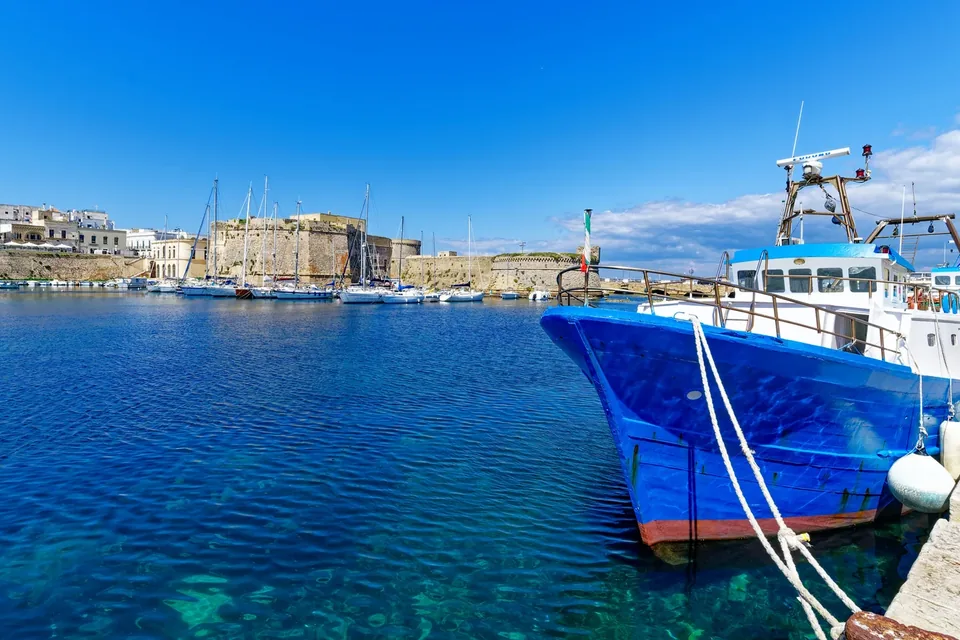
Gallipoli can close the day or fill the next one. Italia.it recalls the historic centre on an island joined by a bridge to the newer town, the Angevin Castle and the Cathedral of Sant’Agata in Lecce Baroque style. What matters is recognising an agricultural transformation on the table, not simply looking for a beautiful view. Back home, a preserve with the producer’s name and your own notes extends the experience.
Sources: Italia.it (Ministero del Turismo) — Lecce · Atlante dei PAT di Puglia (Regione Puglia, Università di Bari) — Olive cazzate o schiacciate · Italia.it (Ministero del Turismo) — Gallipoli
A thread for your journey
Journey idea: a walk in inland Salento, a comparison of two preserves and lunch observing how olives change a dish. The theme connects farming, preservation and everyday cooking.
Talk to us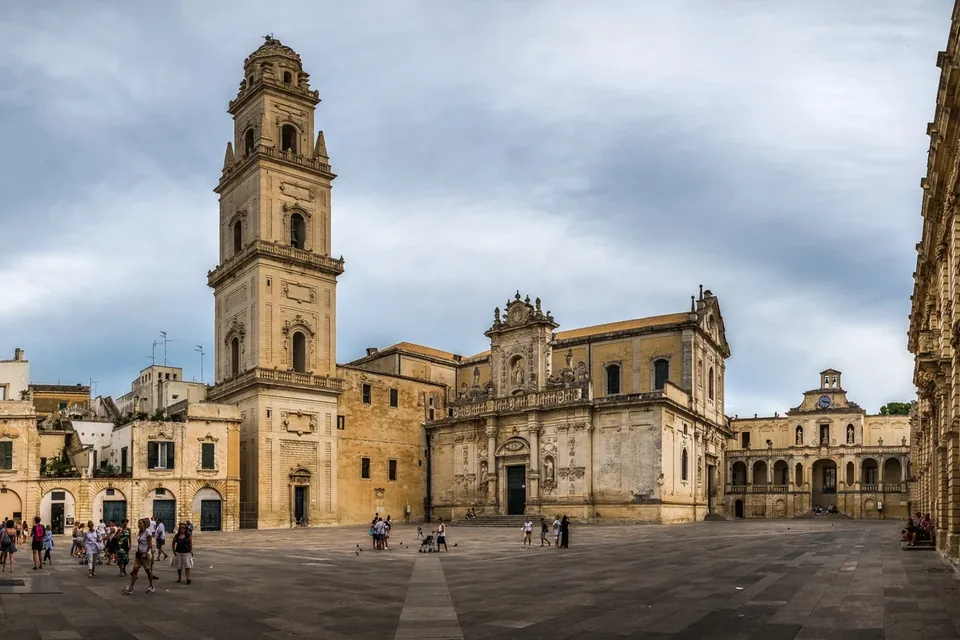

.jpeg)

