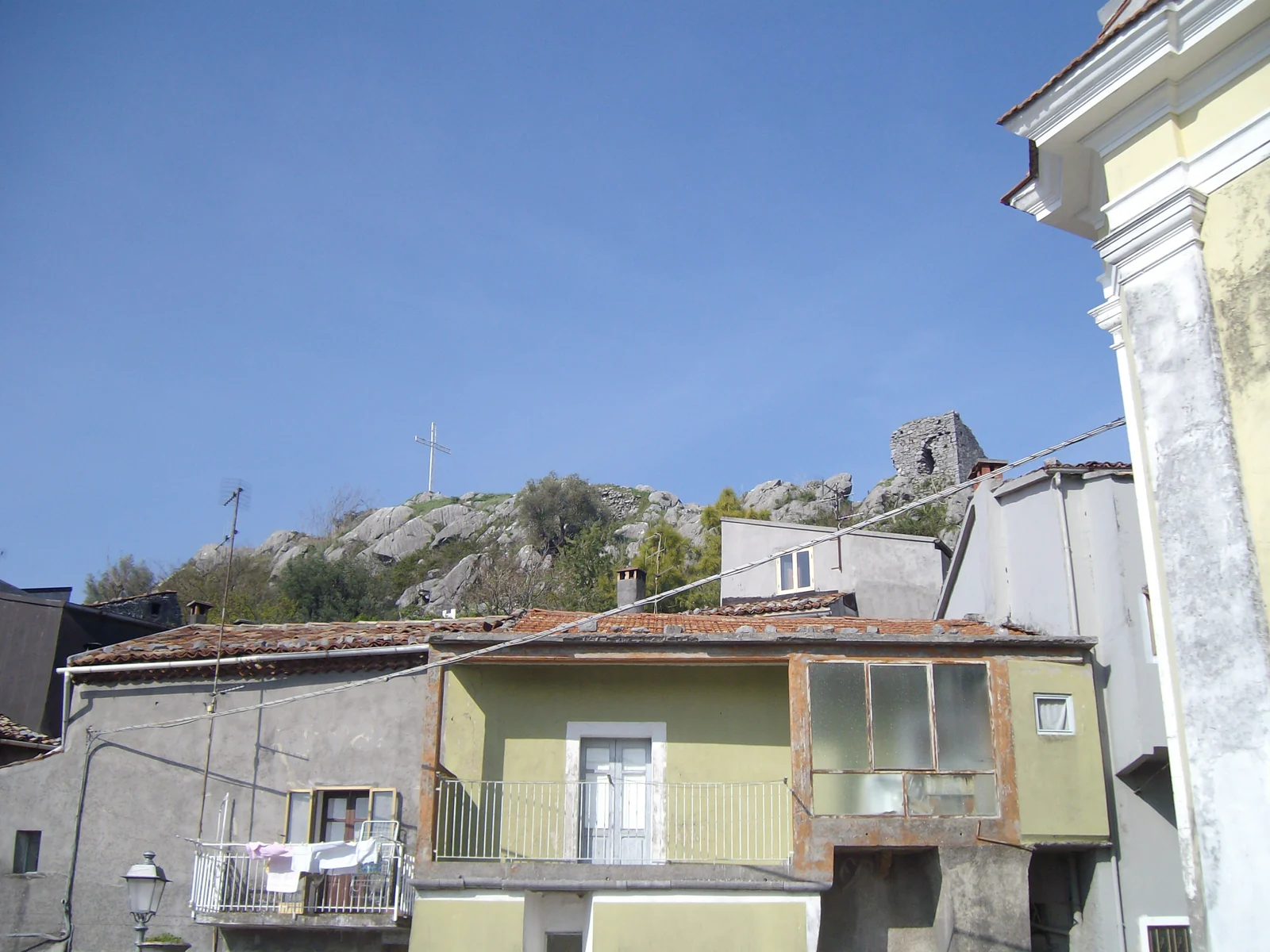
Why go
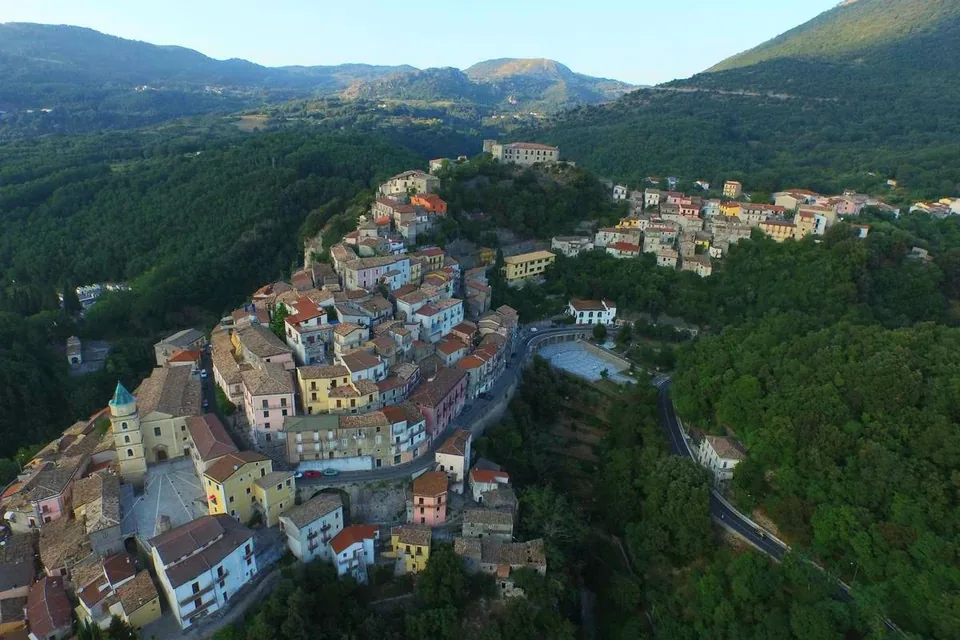
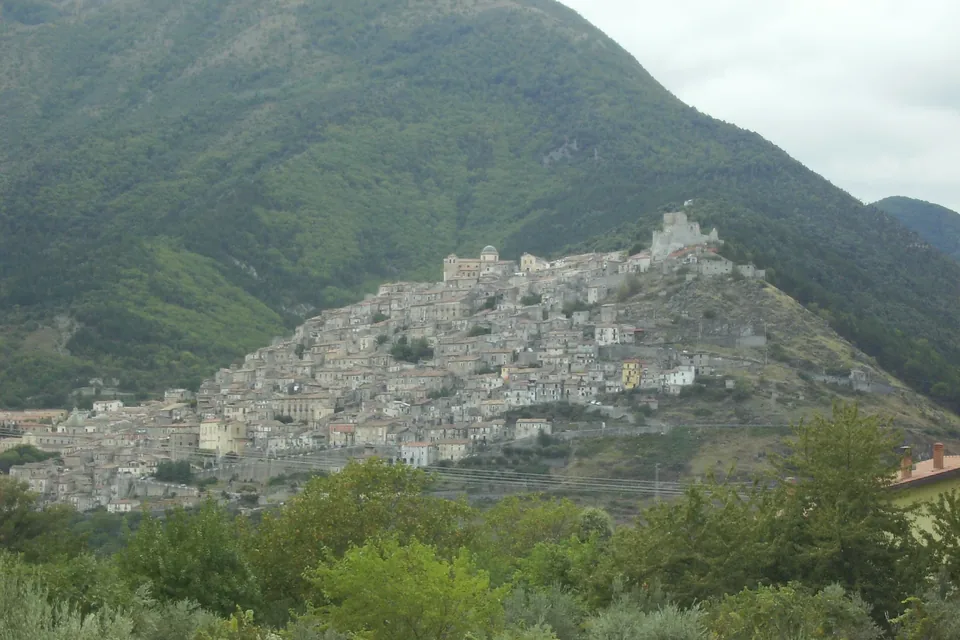
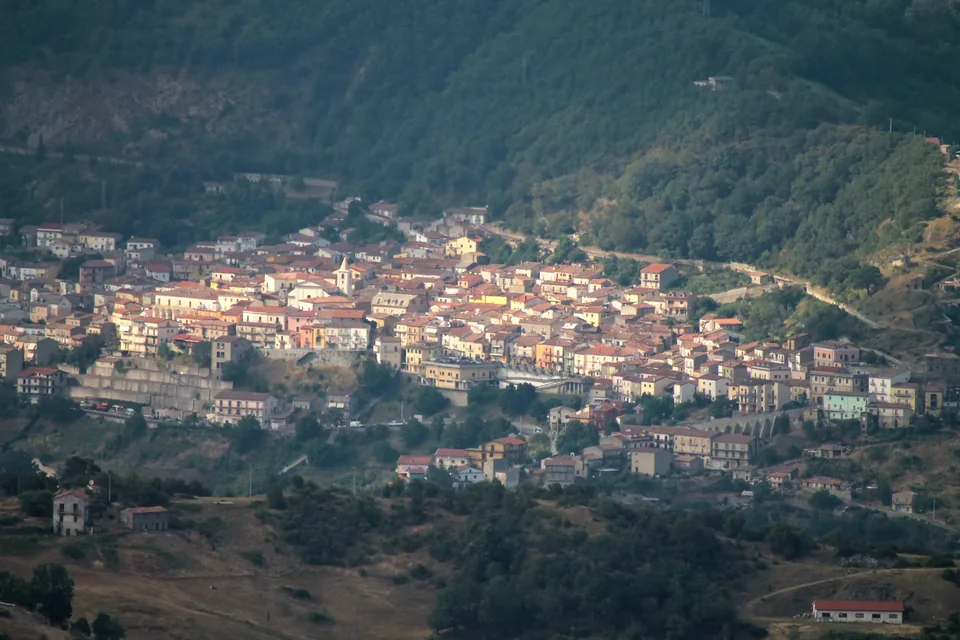
Rotonda, at 620 metres in the Mercure valley, is the Lucanian gateway to the Pollino National Park, Italy's largest national park with over 192,000 hectares across Basilicata and Calabria. The Park Authority has its headquarters here, in the monumental complex of Santa Maria della Consolazione, which also houses the Ecomuseum: the ideal place to understand the mountains before climbing them.
The town, perhaps named after the circular shape of its old core, combines a historic centre rich in churches and noble palaces with an exceptional territory. Within its municipality lies the old-growth beech forest of Cozzo Ferriero, a UNESCO World Heritage site since 2017, with monumental beeches about five centuries old; higher up open the landscapes of the Pollino massif, realm of the Bosnian pine.
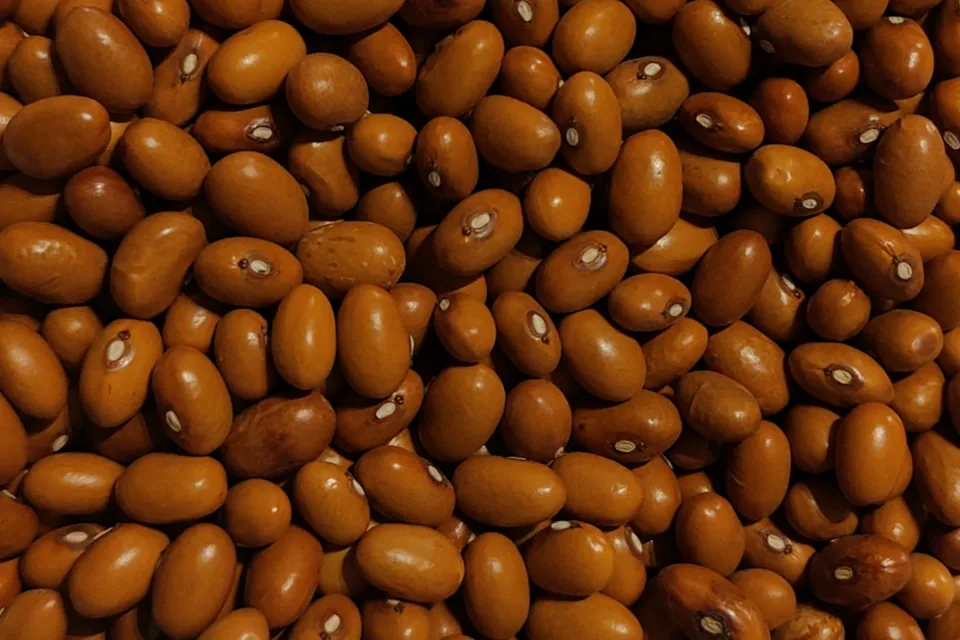
Rotonda is also a name found at the table: the Red Aubergine and the White Beans of Rotonda, both with protected designation of origin, come from this valley. A perfect base for alternating hikes, culture and mountain cooking.
Sources: Parco nazionale del Pollino — Rotonda · Parco nazionale del Pollino — Come raggiungerci · Parco nazionale del Pollino — Paesaggio · Parco nazionale del Pollino — Faggeta vetusta di Cozzo Ferriero · Commissione europea, eAmbrosia — Melanzana Rossa di Rotonda · Commissione europea, eAmbrosia — Fagioli Bianchi di Rotonda
History
Rotonda's origins are linked to the powerful Sanseverino family, who held it as a fief. The history of the valley, however, is far older: the remains of a straight-tusked elephant, Elephas antiquus italicus, which lived in the Middle Pleistocene between 400,000 and 700,000 years ago, have been found here together with those of a hippopotamus and other species, now displayed in the town museum.
The sanctuary of Santa Maria della Consolazione was built between 1558 and 1574 by the townspeople to thank the Madonna for freeing the town from a long period of epidemics; a bull of Pope Sixtus V of 1585 records that it began as a hospice for pilgrims and the sick. The Madonna's statue, in local stone, bears the date 1512, a sign of an earlier place of worship. Between 1872 and 1891 it housed the diocesan seminary; an inscription in front of the church recalls the end of a cholera epidemic in 1837.
In 1860 Garibaldi spent a night in Rotonda, in a palace on Corso Garibaldi still marked by a plaque. The mother church, dedicated to the Nativity of Mary, was built in the first half of the eighteenth century with the labour of the faithful.
Sources: Parco nazionale del Pollino — Rotonda · Comune di Rotonda — Museo naturalistico e paleontologico · Comune di Rotonda — Santuario di Santa Maria della Consolazione · Comune di Rotonda — Palazzo Tancredi · Comune di Rotonda — Chiesa della Natività
What to see
The sanctuary of Santa Maria della Consolazione stands about one kilometre from town, at the end of a stone-paved avenue. It has a limestone façade and a portal with Tuscan columns and an entablature carved with circles, daisies, clover and an ox head. The side wings house the Park Authority and the Pollino Ecomuseum, which uses images, films, 3D reconstructions and tactile and sound settings to tell the history, flora, fauna and traditions of the protected area.
In the centre, the mother church of the Nativity has a façade in Lucanian Romanesque style, a vault frescoed with biblical scenes, a polychrome marble altar of 1891 and five Neapolitan Baroque paintings. Among other churches the park lists those of the Holy Rosary, Sant'Antonio and San Carlo Borromeo; there are many noble palaces too.
The Natural History and Palaeontology Museum keeps the ancient elephant and the almost complete jaw of a hippopotamus, with plant fossils and minerals. In the newer part of town, the Elephant fountain recalls the prehistoric animal and is a favourite stop for fresh water. Nearby are the Sircoli water mill and the ruins of a kiln and a silk mill.
Sources: Comune di Rotonda — Santuario di Santa Maria della Consolazione · Parco nazionale del Pollino — Ecomuseo del Pollino · Comune di Rotonda — Chiesa della Natività · Parco nazionale del Pollino — Rotonda · Comune di Rotonda — Museo naturalistico e paleontologico · Comune di Rotonda — Fontana monumentale dell'Elefante
Food and wine
The Mercure valley has given its name to two products with protected designation of origin. The Red Aubergine of Rotonda, a Slow Food presidium since 2002, is round and red, with an intense fruity aroma, a distinctive taste and a slightly bitter finish: it is preserved in oil and vinegar and goes with starters and meat dishes. The White Beans of Rotonda, such as tondino and poverello bianco, are grown mainly in the Mercure valley above 600 metres, sown by mid-June and hand-picked between September and October.
Pollino pastures yield sheep and goat cheeses: hard pecorino and paddaccio, a fresh, unsalted, unaged cheese with a slightly tangy taste, made especially in Rotonda, Viggianello and Terranova di Pollino. Cured meats include soppressata and sausage flavoured with wild fennel and powdered Senise pepper.
The table is completed by mischiglio, a pasta of chickpeas, barley, broad beans, oats and durum wheat, wildflower honey, wild berry jams and liqueurs made from wild fruits.
Sources: Parco nazionale del Pollino — Sapori · Commissione europea, eAmbrosia — Melanzana Rossa di Rotonda · Commissione europea, eAmbrosia — Fagioli Bianchi di Rotonda
Things to do
Pollino is a great open-air gym: the park offers trekking and rafting, canyoning, climbing, mountain biking and horse riding, among dolomitic ridges, forests and canyons carved by torrents. From Rotonda you can reach the old-growth beech forest of Cozzo Ferriero, about 70 hectares on a plateau between 1,700 and 1,750 metres near the Calabrian border, with monumental beeches about 500 years old, standing and fallen dead trees and exceptional biodiversity.
Higher up grows the Bosnian pine, the park's emblem, on limestone scree above a thousand metres, named after its plated bark resembling Roman armour. Rotonda's territory also offers the Hermit's Cave and the Voragine cave. The park's wildlife includes wolves, roe deer, golden eagles and otters.
Cyclists can follow the Lagonegro–Rotonda route along the former Calabro-Lucana railway between the Noce and Mercure valleys. The park's official guides organise excursions and staff the info point at the Ecomuseum.
Sources: Parco nazionale del Pollino — Sport e attività · Parco nazionale del Pollino — Faggeta vetusta di Cozzo Ferriero · Parco nazionale del Pollino — Pino loricato · Parco nazionale del Pollino — Rotonda · Parco nazionale del Pollino — Paesaggio · Parco nazionale del Pollino — Come raggiungerci · Parco nazionale del Pollino — Info point
When to go
The best season for Rotonda runs from spring to autumn. In spring and early summer the meadows bloom and the paths to the beech forests are easier; in summer the altitude of the valley and mountains offers cool air and the chance to reach the summits, while in autumn the beech woods change colour. Serra Dolcedorme, the park's highest peak at 2,267 metres, stays snow-covered for many months, so winter high-altitude hikes require experience and equipment.
The farming calendar also marks the table: the White Beans of Rotonda are hand-picked between September and October, and the Red Aubergine, preserved in oil and vinegar, is available all year.
The park's info point at the Ecomuseum is open at weekends in spring and autumn and every day in high summer, with the official guides also available by phone: a good reason to plan your visit for these periods.
Sources: Parco nazionale del Pollino — Paesaggio · Parco nazionale del Pollino — Sapori · Parco nazionale del Pollino — Info point
Getting there and around
Rotonda is easily reached by car from the A2 Mediterranean motorway: according to the municipality the nearest exits are Mormanno-Scalea, about 8 kilometres away, and Laino Borgo, about 9. The reference railway stations are on the Tyrrhenian coast, at Praia-Ajeta-Tortora and Scalea-Santa Domenica Talao, 23 to 26 kilometres away; the park also lists Sapri, Maratea and Policoro as rail hubs linked by bus.
The nearest airports are Lamezia Terme, about 117 kilometres away, Bari, Brindisi and Naples. By bus, the Lucanian towns of the park are served by the COTRAB consortium, and Ferrovie Appulo Lucane have a stop at Rotonda on their coach routes.
In town you walk between the square, the churches and the museum; the sanctuary and Ecomuseum are about one kilometre from the centre along a paved avenue. For the beech forests and high trails you need a car, ideally with a park guide.
Sources: Comune di Rotonda — Museo naturalistico e paleontologico · Parco nazionale del Pollino — Come raggiungerci · Ferrovie Appulo Lucane — Orari e linee · Comune di Rotonda — Santuario di Santa Maria della Consolazione
Where to stay
Rotonda is a convenient base for the Lucanian side of Pollino: the park publishes a list of accommodation in its municipalities, noting that the location refers to the municipality rather than the exact position, so always check where the lodging is in relation to the trails you plan to walk.
In the Mercure valley, accommodation consists mainly of agriturismi, bed and breakfasts and holiday homes, plus a few hotels; nearby Viggianello, through its Pro Loco, lists places of all these types. An agriturismo lets you taste the valley's produce, from beans to red aubergines; a B&B in town suits those who want to walk between churches, museum and Ecomuseum.
In the summer months and on autumn weekends, when the beech forests attract many hikers, book ahead.
Sources: Parco nazionale del Pollino — Dove dormire · Pro Loco Viggianello — sito ufficiale · Parco nazionale del Pollino — Sapori
Nearby
Viggianello, a few kilometres away across the Mercure, is a village at 549 metres rich in churches, including the Holy Trinity chapel with a dome of Byzantine tradition; above it opens Piano Ruggio, a karst plateau of pastures and views. The Mercure river, which rises in its territory, continues into Calabria under the name Lao.
To the east, Terranova di Pollino is the starting point for Timpa Falconara, the Brigands' Cave and the Garavina gorges, and keeps the tradition of musical instruments such as the cupe-cupe. Across the regional border, on the Calabrian side, Morano Calabro and the Pollinello old-growth beech forest, where beeches over 600 years old have been dated, complete the picture of the park.
With two or three days you can alternate village culture with hikes in the beech forests and on the Pollino plains, returning to the Mercure valley in the evening.
Sources: Parco nazionale del Pollino — Viggianello · Pro Loco Viggianello — Luoghi di interesse · Parco nazionale del Pollino — Terranova di Pollino · Parco nazionale del Pollino — Morano Calabro · Parco nazionale del Pollino — Faggeta vetusta del Pollinello
Local tourist information
Local tourist offices help with opening times, events and transport on the day.
- Ecomuseo del Pollino — Info point del Parco nazionale del Pollino · Complesso monumentale Santa Maria della Consolazione, Strada Provinciale 28 Calabria 12, 85048 Rotonda (PZ) · +39 0973 669311 · info@parcopollino.gov.it · Official website
Source: Parco nazionale del Pollino — Info point · Parks.it, Parco nazionale del Pollino — Centro visita Ecomuseo del Pollino · Comune di Rotonda — Santuario di Santa Maria della Consolazione · checked on
Where to stay
In the municipality of Rotonda the national database of the Ministry of Tourism lists 32 accommodation businesses with a verified CIN code: 5 hotels, 12 other licensed accommodation and 15 other types such as B&Bs and private rentals.
Sources: Ministero del Turismo – Banca Dati Strutture Ricettive (dashboard pubblica), 2026-10-12
YOUR JOURNEY
How to shape a journey here
A useful starting point for connecting town and mountains: the museum helps you look at the landscape with more informed questions.
Talk to us about it