The park and its food chains
The Pollino National Park, on its page about local flavours, describes an area where communities hand down ancient customs, languages, songs and dances and where the landscape has been shaped by crops, pastures, livestock and the processing of vegetables, milk and pork. The Park authority says it has supported these products through projects on quality, good practice, organising producers into supply chains and linking them with tourism operators, relying on traceability as a guarantee for buyers. Alongside the main supply chains, the Park lists other specialities that cover the whole range of local products: from Senise peppers to Rotonda red aubergines, from Cerchiara bread to mischiglio, from soppressata to ricotta, from honey to jams, from wild-fruit liqueurs to Saracena moscato. It is a useful map for building a food journey across both sides.
Sources: Parco Nazionale del Pollino — Sapori
The white beans of the Mercure valley
On the Lucanian side, the best-known pulse is the Rotonda white bean, a PDO with two ecotypes, Fagiolo Bianco and Tondino or Poverello Bianco. According to the Park it is grown mainly in the Mercure valley, does not adapt below 600 metres and prefers places with summer highs around 30 degrees; it is picked by hand in two or three passes. Qualigeo describes the climbing plants supported by handmade stakes of chestnut wood from the valley woods, arranged 'a postarella' or 'a rete', and sets the fresh harvest from 1 August to 30 October and the dry harvest from 15 September to 30 November. The white seeds have a very thin skin that greatly shortens cooking time. Among traditional recipes Qualigeo mentions escarole and beans, cabbage and beans and minestra impastata of potatoes and beans.
Sources: Parco Nazionale del Pollino — Sapori · Qualigeo (Fondazione Qualivita) — Fagioli Bianchi di Rotonda DOP
The poverello bianco of the Calabrian side
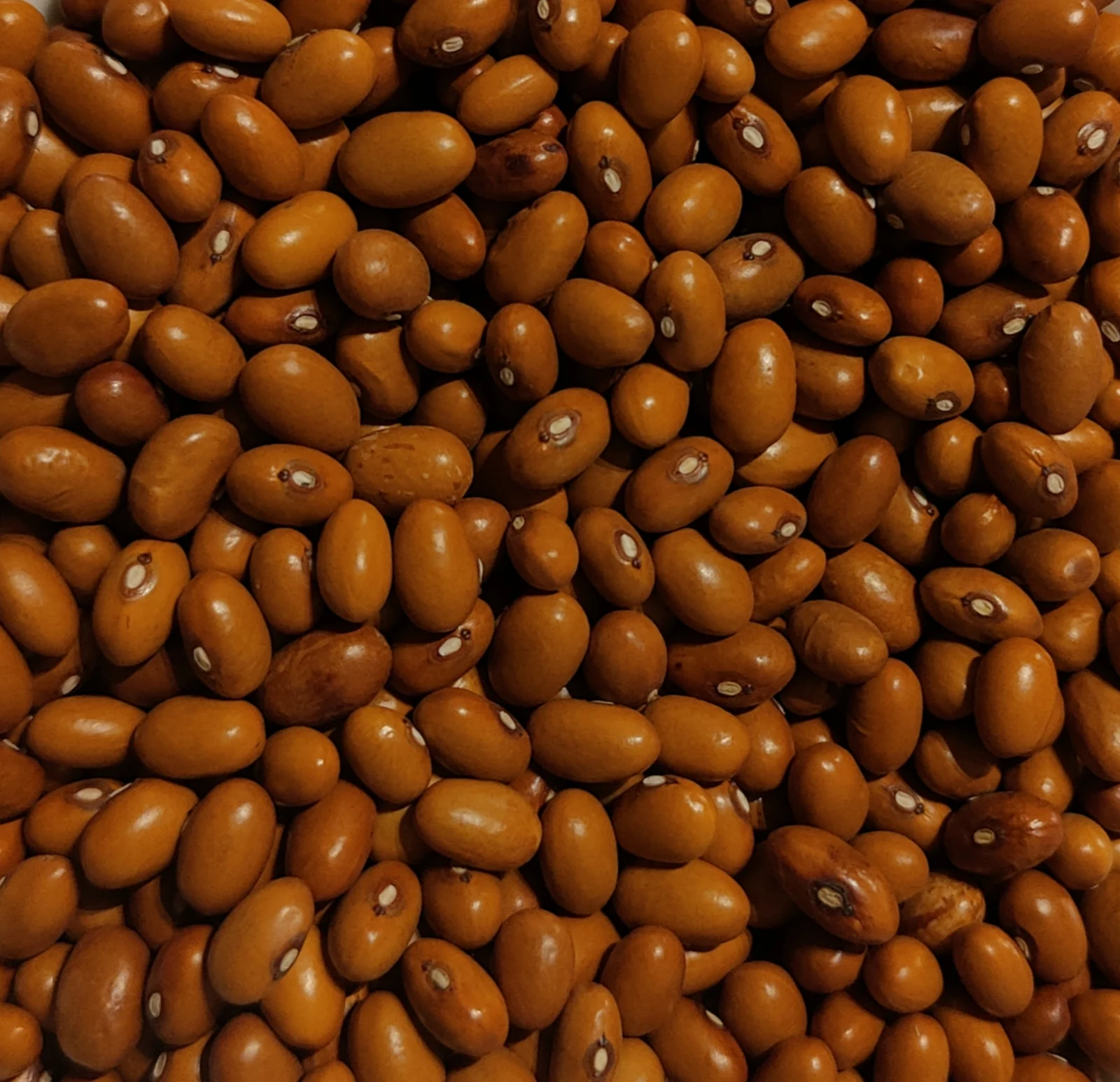
On the Calabrian side of the park, the Slow Food Foundation protects the poverello bianco bean with a Presidium; it has long been grown on the irrigated land of some mountain villages in western Calabria. Its seeds are large and oval, with a thin, white, glossy skin; it cooks easily and needs soaking for at least 45 minutes. It is sown in small clusters by mid-June, the plants climb chestnut poles from nearby coppice woods, only well-rotted manure is used and chemical weeding is banned. Harvest, by hand, runs from October to early November: the pods finish drying on reed mats called 'cannizzi', then are beaten in sacks, shelled and cleaned by hand. In the 1990s recovery was led by ARSAC, Calabria's regional agricultural development agency, with CNR, CREA, the Mediterranea University and ENEA; research showed that this ecotype does not suffer the pest attacks that affect other beans in the area.
Sources: Fondazione Slow Food — Presidio Fagiolo poverello bianco
Other traditional pulses and vegetables
The national list of traditional food products, updated by ministerial decree on 6 February 2026, shows how rich the biodiversity of the Lucanian Pollino is. For Terranova di Pollino, Basilicata lists the yellow bean and the quarantano bean, as well as the red potato; for Rotonda, the Castelluccisa, Occhio di bue, Panzaredda and Za' Vicenza beans, tomatoes and tomato passata; for San Severino Lucano, the Marca potato, the white village potato and potato bread. The list also includes Pollino lupins, red and round chickpeas from Latronico with their flour, rappascione from Viggianello and, among dishes, the rustic timpallo of the Pollino. These are often grown on small plots and are found mainly at harvest time and in village shops: travelling is the best way to get to know them.
Cheeses, cured meats and pasta
The Park describes goats and sheep raised free-range and semi-free-range, fed on wild herbs and fresh forage. Among cheeses it mentions hard pecorino, made with mixed sheep's and goat's milk in which the sheep's share ranges from 50 to 90% and reaches 100% in pure sheep's cheeses; 'paddaccio', from sheep's and goat's milk, seasonal, handmade, neither aged nor salted, slightly tangy, produced mainly in Rotonda, Viggianello and Terranova di Pollino; and the baked ricotta of the Calabrian side, dry-salted and baked in ceramic or terracotta dishes. For pork, soppressata changes between the two sides: with salt, pepper and red pepper in Calabria, with salt and black and white pepper in Basilicata; sausage is flavoured with wild fennel seeds and ground Senise pepper. Mischiglio, a flour of chickpeas, barley, durum wheat, broad beans and oats, becomes rascatieddi and tapparelle with cacioricotta and dried peppers.
Sources: Parco Nazionale del Pollino — Sapori
Bread, sweets and woodland liqueurs
In the small bakeries of the Pollino, the Park writes, you can still find products with a genuine flavour. The best known is the bread of Cerchiara di Calabria, fragrant even after ten days, made with sourdough, 60% wheat flour and bran for the rest, long rising, mountain water and wood-fired baking. The figure-of-eight tarallo is eaten at the end of a meal with a glass of wine; the twice-baked fresa or fresella is dressed with oil and tomato. Among sweets the Park mentions the Easter sweet bread 'piccidat', typical of the whole area. Artisan jams of wild strawberries, blackberries and elderberries go with spicy and aged cheeses, while liqueurs keep the aromas of wild fruits: wild strawberry, wild fennel, bay, blackberry, elderberry and liquorice. Saracena moscato, a Slow Food Presidium since 2002, ends the meal on the Calabrian side.
Sources: Parco Nazionale del Pollino — Sapori
The Lucanian villages of the Pollino
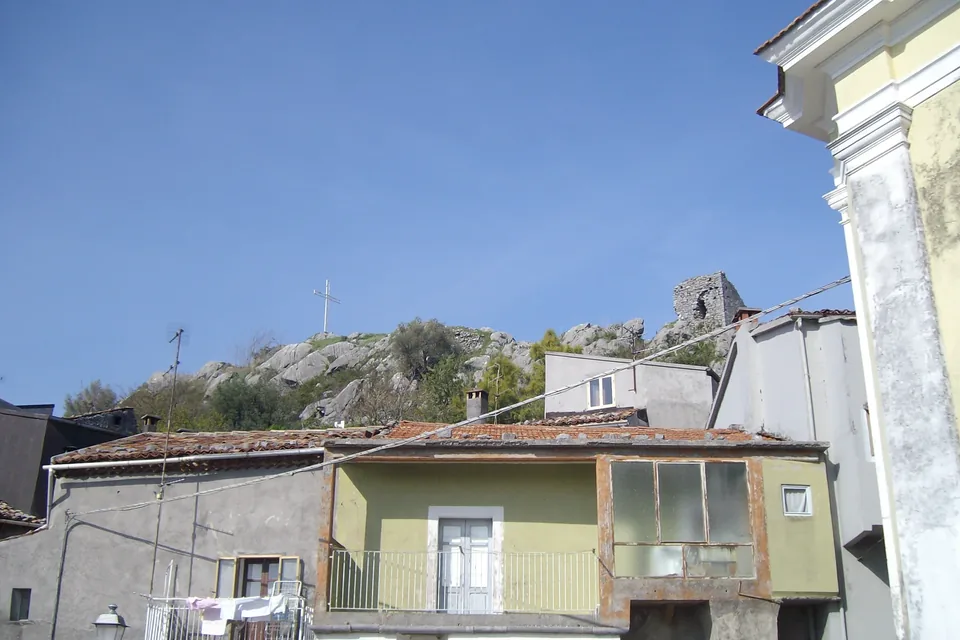
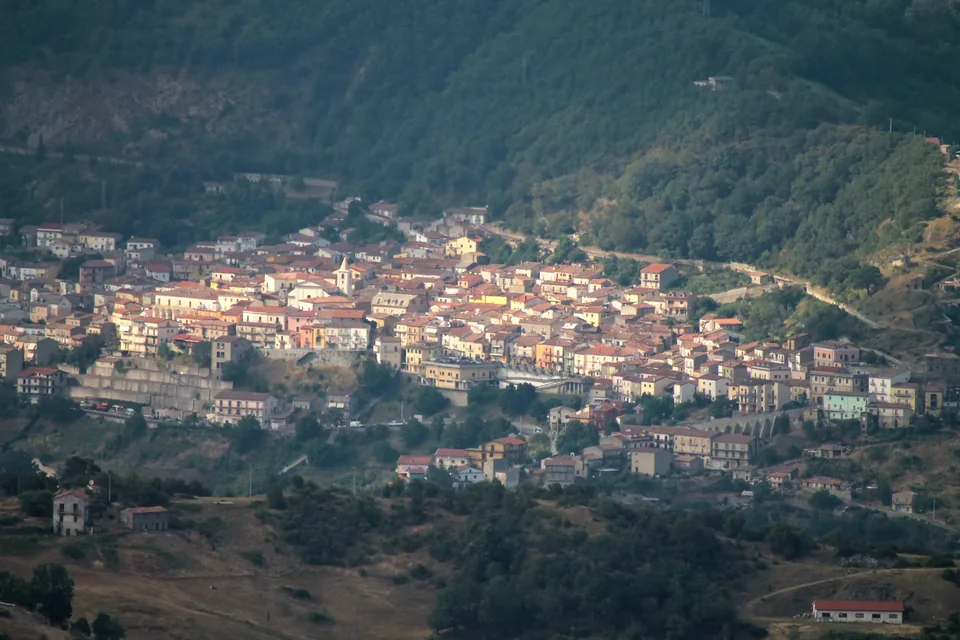
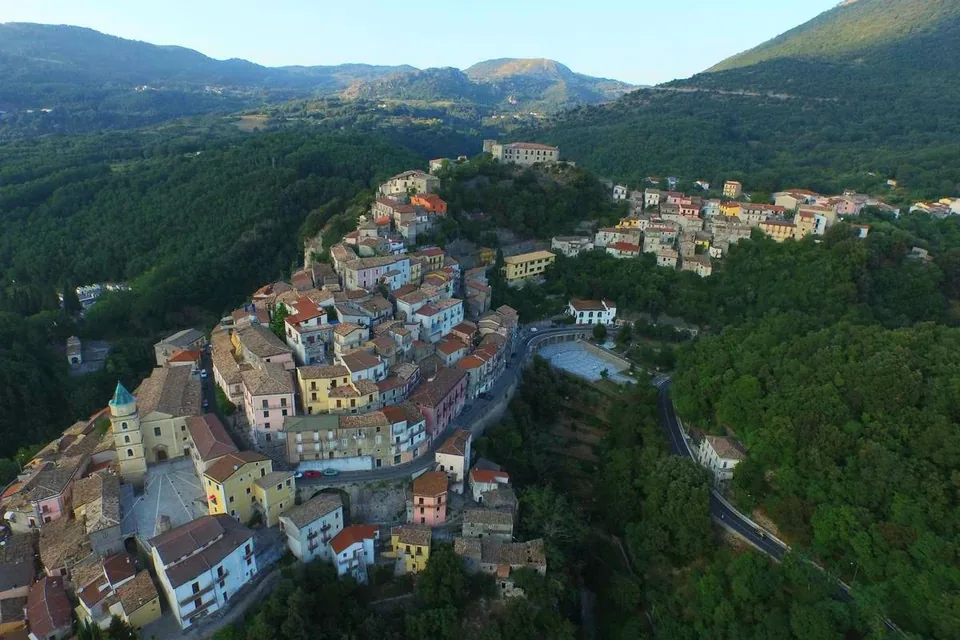
The Park describes the villages to start from. Terranova di Pollino, at 926 metres, has origins documented from the 16th century, the sanctuary of the Madonna della Pietà, Palazzo Rusciani and the ruins of water mills; nearby are Monte Pollino, Timpa Falconara, the Brigands' Cave and the Garavina gorges, and its traditions include carnival, the procession of the 'cinti' and the craft of musical instruments such as the cupe-cupe. San Severino Lucano, founded in the late 15th century, owes much to rural development promoted by the Cistercians; it has the sanctuary of the Madonna di Pollino, the old Calabrese, Ammirati and Fasanella mills, the Magnano wood and the Frido gorges. Viggianello, evangelised by Byzantine monks, keeps the chapel of the Holy Trinity with a Basilian dome and overlooks Piano Ruggio, a karst plateau of pastures; here too carnival is a strong tradition.
Sources: Parco Nazionale del Pollino — Terranova di Pollino · Parco Nazionale del Pollino — San Severino Lucano · Parco Nazionale del Pollino — Viggianello
A slow pasta and beans, and when to go
The dish that sums up Pollino cooking is a slowly made pasta and beans. Slow Food describes the poverello bianco version, with tubetti pasta, oil from the sweet Rossano cultivar, crushed crisp red pepper called 'zafarana' and chilli, cooked very slowly over a fire in a clay pot. I would order it at lunch after a walk and, if possible, compare it with a Rotonda white bean soup on the other side of the park: two similar pulses, two different cuisines. The best time is autumn, from September to November, when beans are harvested, the woods change colour and the villages are quiet; dried beans are available all year anyway. To take pulses home, buy them directly in the villages or local shops, asking about their origin. Visits to fields and dairies should be arranged with the operators.
A thread for your journey
Journey idea: three autumn days on the Lucanian side of the Pollino, with Rotonda and the Mercure valley kitchen gardens, Viggianello and Piano Ruggio, Terranova di Pollino with its mills and San Severino Lucano between the Magnano wood and the Frido gorges; a different pulse dish each day and, if you like, a trip to the Calabrian side for the poverello bianco. Producer visits to be arranged with the operators.
Talk to us