
Why go
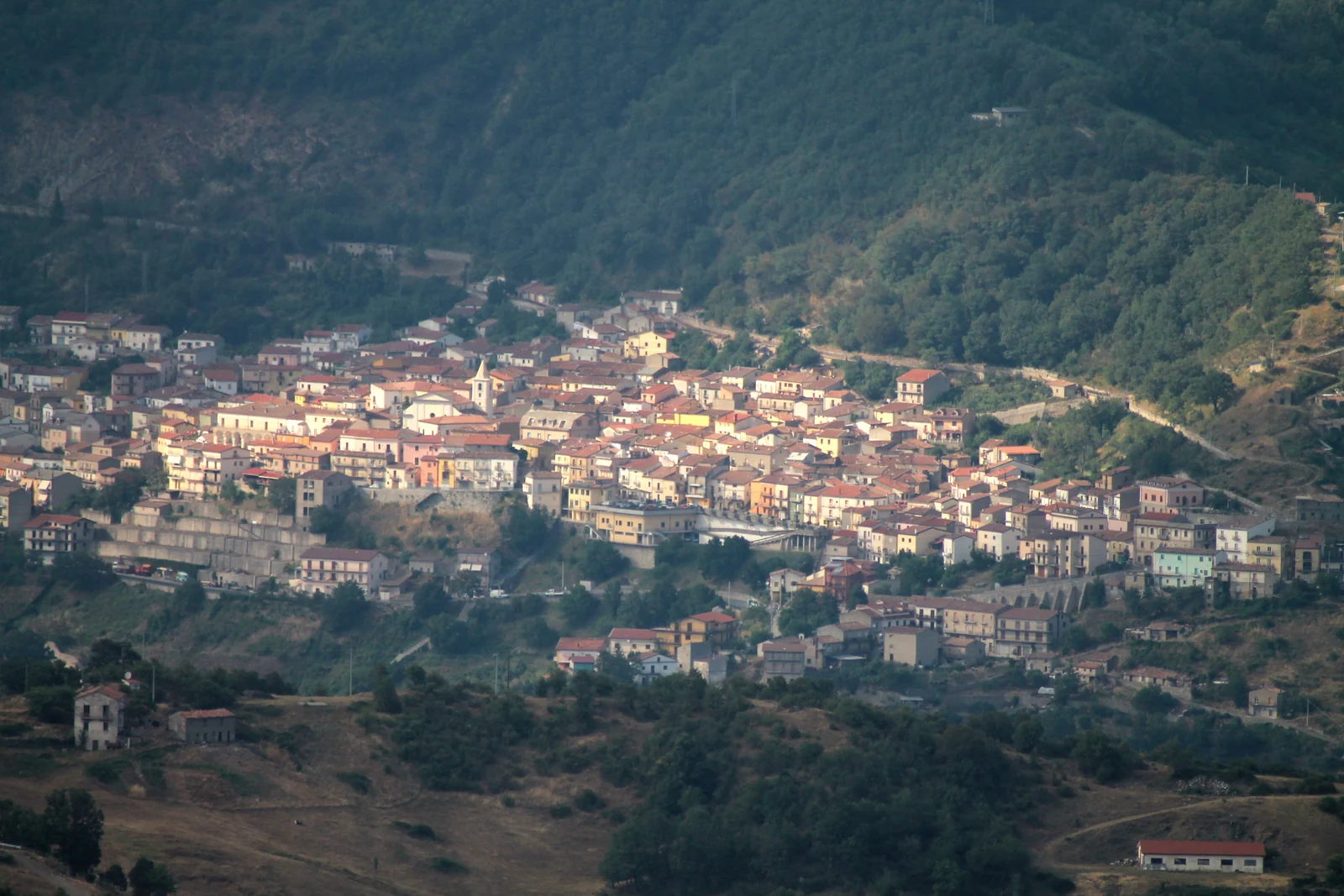
Terranova di Pollino lies in the heart of the Pollino National Park, on the Lucanian side, on the border with Calabria. It is the largest village of the Val Sarmento and is described as the natural gateway to the massif: from here routes lead to deep gorges, peaks above two thousand metres, Bosnian pines clinging to the rocks and outcrops of volcanic rock born on ancient ocean floors.
The village is an ideal base for walkers. Nearby are Monte Pollino, the Timpa di Falconara, the Brigands' Cave and the Garavina gorges, landscapes the park presents among the finest on the Lucanian side. The protected area belongs to the UNESCO geopark network and holds ancient beech forests recognised as World Heritage.
Then there is music. In 2016 Terranova declared itself guardian town of the art of the zampogna: here bagpipes, surdulline, accordions and tambourines accompany festivals and community life, and some masters still make by hand the instruments of the Pollino's pastoral tradition. A stay here combines mountain air, simple cooking and the sound of a living heritage.
Sources: Regione Basilicata, patrimonio culturale — Laboratorio di costruzione della zampogna a Terranova di Pollino · Parco nazionale del Pollino — Terranova di Pollino · Parco nazionale del Pollino — Geoparco UNESCO · Parco nazionale del Pollino — Faggete vetuste UNESCO
History
Terranova is a fairly young village. Its origins go back to the 16th century, when it was founded as part of the fief of the State of Noia, today's Noepoli. The Pignatelli, princes of Noia, encouraged settlers to come to their vast estates to develop the fief's economy, and the new settlement was called Terranovella di Noia, meaning newly settled land: the outpost of an agricultural colonisation at the foot of the Pollino.
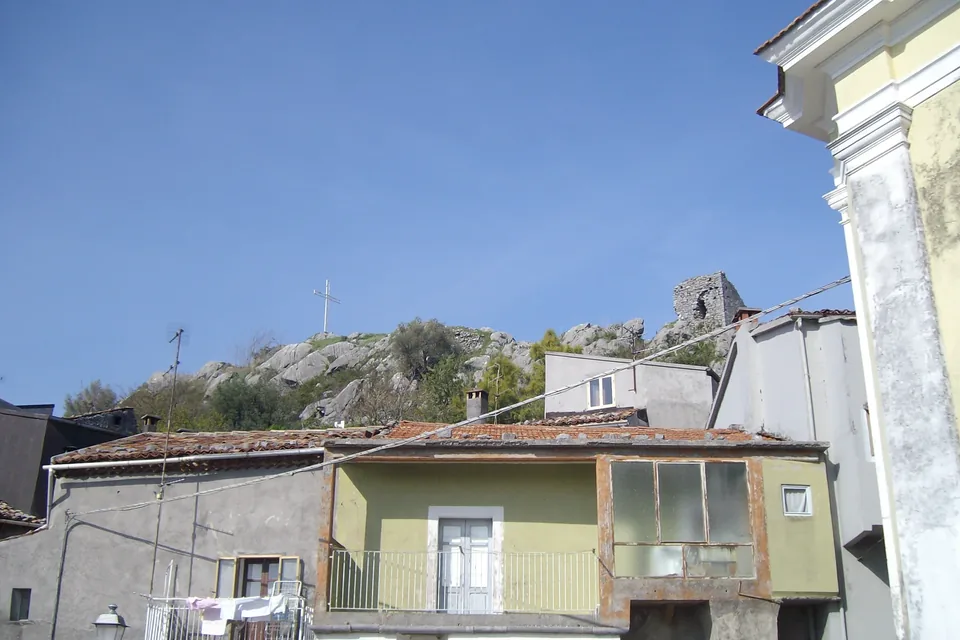
The village stayed tied to Noia until the end of feudalism and kept its old name until the 19th century, when it took the present one. After Italian unification it belonged to the district of Lagonegro and the subdistrict of Noepoli. Its story is that of a community of farmers and shepherds, which left traces in the water mills along the streams, now in ruins, in Palazzo Rusciani and in the village's churches and chapels.
This farming and pastoral culture has survived above all in music. The making of traditional instruments, revived by local associations from the 1980s, and the oral repertoire of the zampogna are regarded by the Region as an intangible heritage of the community, to be handed down from elders to the young through workshops and schools.
Sources: Regione Basilicata, patrimonio culturale — Laboratorio di costruzione della zampogna a Terranova di Pollino · Parco nazionale del Pollino — Terranova di Pollino
What to see
In the village the park points to the sanctuary of the Madonna della Pietà, the church of San Francesco di Paola and the chapels of Santa Maria delle Grazie, Sant'Antonio and San Rocco, witnesses to the faith of a mountain community. Besides the places of worship you will find the old Palazzo Rusciani and, along the streams, the ruins of the water mills that once ground the village's wheat.
The real spectacle, though, is all around. Monte Pollino, the Timpa di Falconara, the Brigands' Cave and the Garavina gorges offer landscapes of rocky ridges, canyons and limestone walls. On the scree slopes above a thousand metres, beyond the beech line, grows the Bosnian pine, the park's emblem, which in Italy grows wild only in this stretch of the Calabrian-Lucanian Apennines, including the Pollino group itself.
The park has identified and described 75 geosites, and since 2015 it has belonged to the European and Global Geoparks Network under UNESCO: walking from Terranova you cross rocks, karst forms and outcrops that tell millions of years of Earth history. Not far away on the Lucanian side, the ancient beech forest of Cozzo Ferriero has been World Heritage since 2017.
Sources: Parco nazionale del Pollino — Terranova di Pollino · Parco nazionale del Pollino — Il pino loricato · Parco nazionale del Pollino — Geoparco UNESCO · Parco nazionale del Pollino — Faggete vetuste UNESCO
Flavours
Pollino cooking is that of a land of shepherds and farmers. Among the typical products, the park mentions paddaccio, a handmade sheep's and goat's milk cheese, fresh, unsalted and unaged, made especially in Rotonda, Viggianello and Terranova di Pollino: it tastes slightly tangy and is soft and creamy. Alongside it come soppressata, seasoned on the Lucanian side with salt and black and white pepper, and sausage scented with wild fennel and powdered Senise pepper.
Senise pepper, a PGI since 1996, is grown in Senise and other villages of the Sinni valley, just downstream from Terranova. Its thin flesh and low moisture make it ideal for drying in the sun, strung by hand into traditional garlands; fried for a few seconds it turns crisp. From the same valley comes the Pera Signora, an old pear variety protected by a Slow Food Presidium.
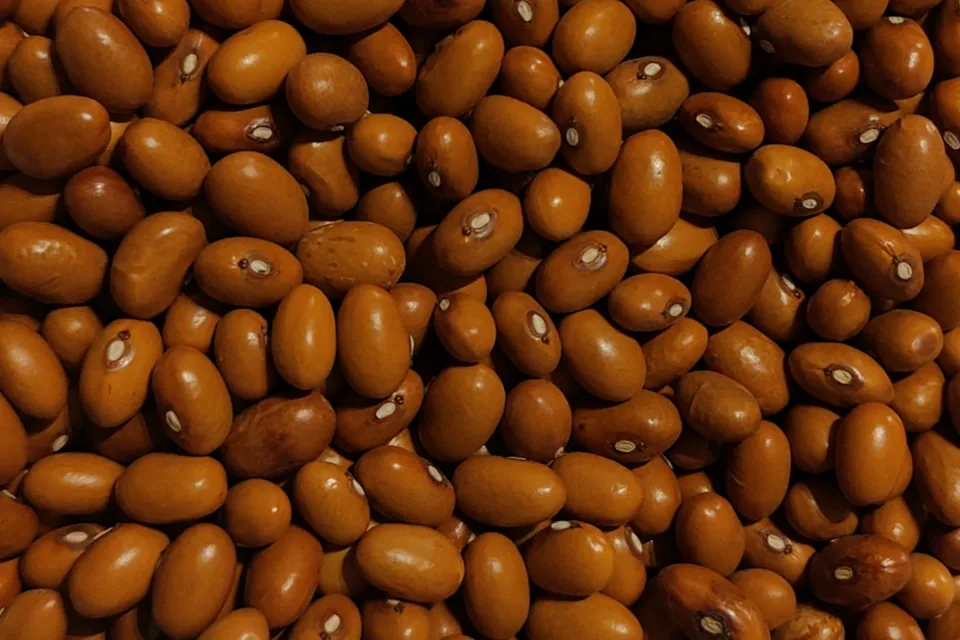
The park's larder is completed by honey, jams, liqueurs from wild fruit and pulses grown at altitude. Dinner in the village, perhaps with bagpipe music, is the best way to taste them.
Sources: Parco nazionale del Pollino — Sapori · Qualigeo — Peperoni di Senise IGP · Fondazione Slow Food — Pera Signora della valle del Sinni
Things to do
Terranova is a base camp for hiking in the Pollino. The park has organised its wide trail network into routes on the Lucanian and Calabrian sides, and among the long itineraries crossing the protected area is the one linking Terranova di Pollino with Castrovillari and Cerchiara di Calabria. The most demanding outings climb above two thousand metres, among scree and Bosnian pines; others stay in the woods and along the gorges.
The Pollino also suits other outdoor activities: the park lists trekking and rafting, river canyoning, climbing, mountain biking and horse riding, possible at different times of year. For longer hikes and gorge routes it is advisable to go with the park's official guides, who in summer also staff the protected area's info points.
Music lovers can seek out the bagpipe masters: the Region describes the workshops where instruments are made, from choosing the wood to the finishing, and the work of the associations that for decades have taken Terranova's repertoire around the world. Hearing a zampogna in its own valley is an experience that gives meaning to the landscape.
Sources: Parco nazionale del Pollino — Sentieri · Parco nazionale del Pollino — Sport e attività · Parco nazionale del Pollino — Infopoint 2026 · Regione Basilicata, patrimonio culturale — Laboratorio di costruzione della zampogna a Terranova di Pollino
When to go
The park offers outdoor activities all year round, but for Terranova the best season runs from spring to autumn. That is when trails to the summits above two thousand metres and the scree slopes of the Bosnian pines are easiest, and when canyoning, rafting and gorge walks find the best conditions. In autumn the beech woods show their most colourful side.
In summer the park opens its info points, run with the association of official guides, in several places across the protected area: they are the reference for information on trails, activities and visits, and the schedules are published each year on the park's website.
The village calendar follows tradition. The park mentions as typical moments the Carnival and the procession of the cinti for the Madonna della Pietà, while the Region stresses how bagpipes, surdulline, accordions and tambourines accompany village life. Dates vary from year to year, so check with the municipality before setting out. In winter the mountain may be snow-covered and some roads and trails become demanding.
Sources: Parco nazionale del Pollino — Sport e attività · Parco nazionale del Pollino — Il pino loricato · Parco nazionale del Pollino — Faggete vetuste UNESCO · Parco nazionale del Pollino — Infopoint 2026 · Parco nazionale del Pollino — Terranova di Pollino · Regione Basilicata, patrimonio culturale — Laboratorio di costruzione della zampogna a Terranova di Pollino
Getting there and around
The Pollino National Park spans Basilicata and Calabria, and the park explains how to reach it from both sides. From the west you use the A2 Mediterranean motorway, which runs along the Tyrrhenian and heads inland with exits at Lauria, Laino Borgo, Campotenese, Frascineto and Castrovillari; from the east the SS106 Jonica, which along the coast connects with roads into the park, such as the SS653 of the Sinni valley near Rotondella.
By train you reach rail hubs linked to the park by local buses: Maratea and Policoro in Basilicata, Sapri in Campania, Scalea, Paola, Trebisacce and Sibari in Calabria. On the Lucanian side the park's villages are served by COTRAB buses, and the park is linked to Bari, Naples, Rome and other cities by private coach services. The airports named are Naples, Bari and Lamezia Terme.
For inland villages such as Terranova public transport is limited: a car makes the trip easier, especially for reaching trailheads. In the village you get around on foot.
Where to stay
In the municipality of Terranova di Pollino the national database of the Ministry of Tourism lists 15 accommodation businesses with a verified CIN code: 1 hotels, 4 other licensed accommodation and 10 other types such as B&Bs and private rentals.
Sources: Ministero del Turismo – Banca Dati Strutture Ricettive (dashboard pubblica), 2026-10-12
YOUR JOURNEY
How to shape a journey here
Give the landscape a full day, choosing a route suited to the group. The town can provide an encounter with everyday mountain life.
Talk to us about it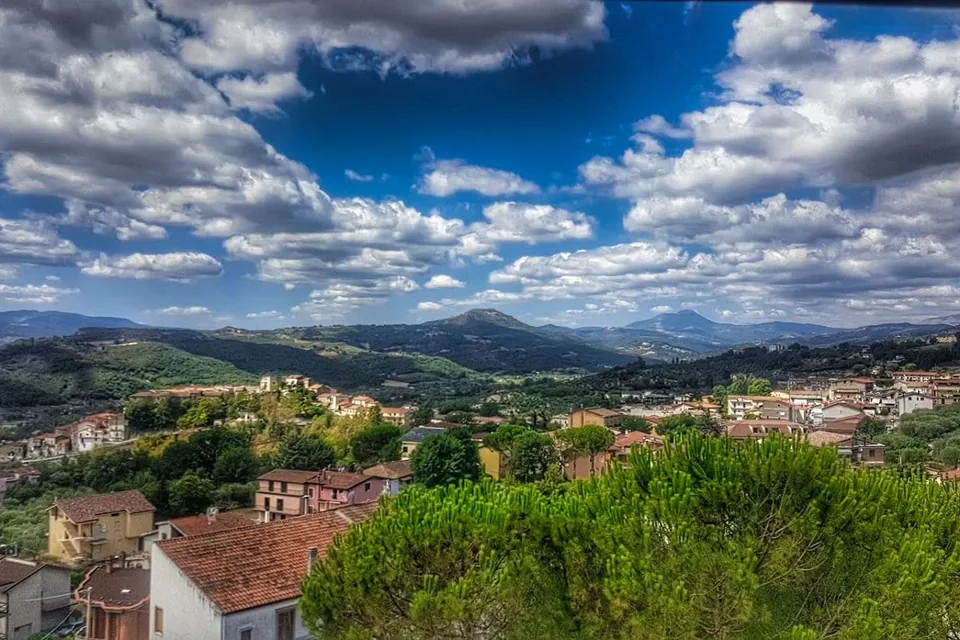

.jpg)

