

Matera
The Sassi, Murgia and local bread: explore a city through architecture, nature and everyday life.
Read the guide →Photo: Velvet / Wikimedia Commons — CC BY-SA 4.0 · Resized and converted to WebP.

APULICA / Basilicata
Basilicata brings a character of its own to Apulica. Matera opens the story without exhausting it: Vulture, Melfi, Venosa and Senise offer different perspectives on heritage, landscape and food.
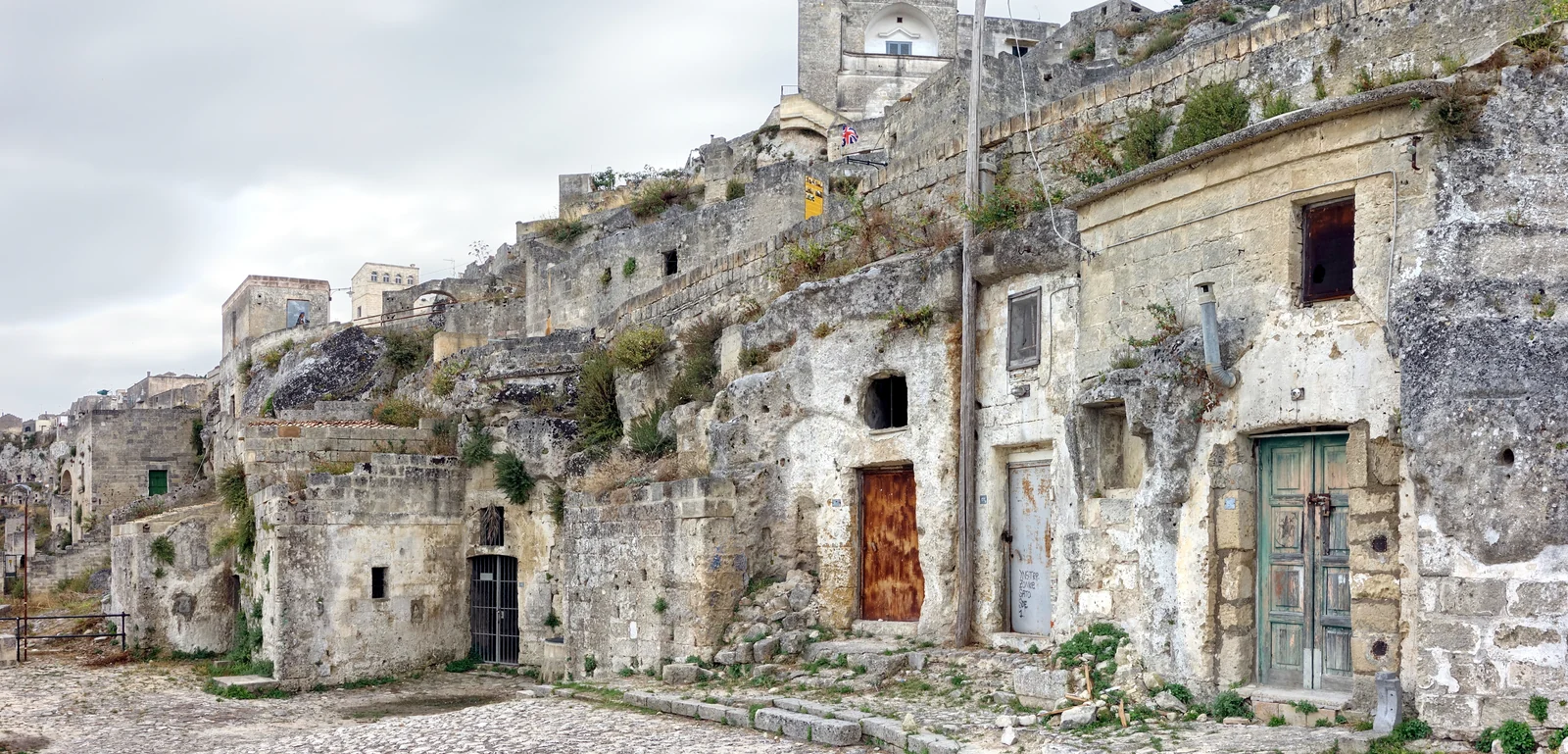
Cave houses in the Sassi of Matera. A contextual photograph of a place connected with this story. · Photo: Velvet / Wikimedia Commons — CC BY-SA 4.0 · Resized and converted to WebP.
Vulture-Melfese brings together historic towns and rural landscapes. Melfi and Venosa can provide a cultural thread, while Vulture opens the natural and culinary chapter.
Matera and Vulture reveal different scales of Basilicata. Senise offers an introduction through food; Craco and Miglionico contrast landscape, memory and art. A journey can follow one thread or combine two, giving each place a clear reason to be included.
The Sassi, Murgia and local bread: explore a city through architecture, nature and everyday life.
Read the guide →Photo: Velvet / Wikimedia Commons — CC BY-SA 4.0 · Resized and converted to WebP.
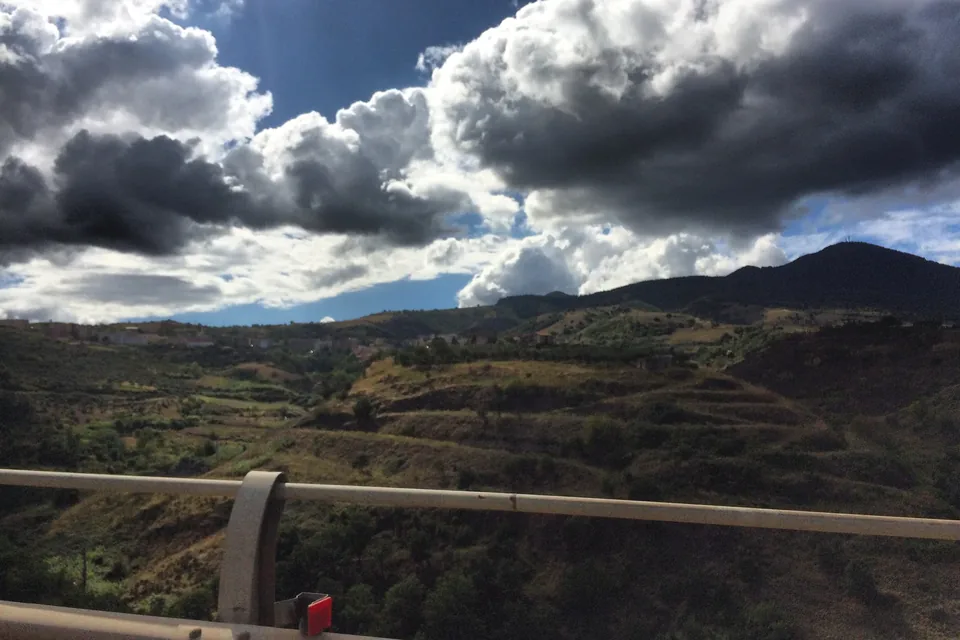
Monticchio lakes, Rionero and wine culture: explore Vulture beyond a single tasting.
Read the guide →Photo: Gianmarco Tirico / Wikimedia Commons — CC BY-SA 4.0 · Resized and converted to WebP.
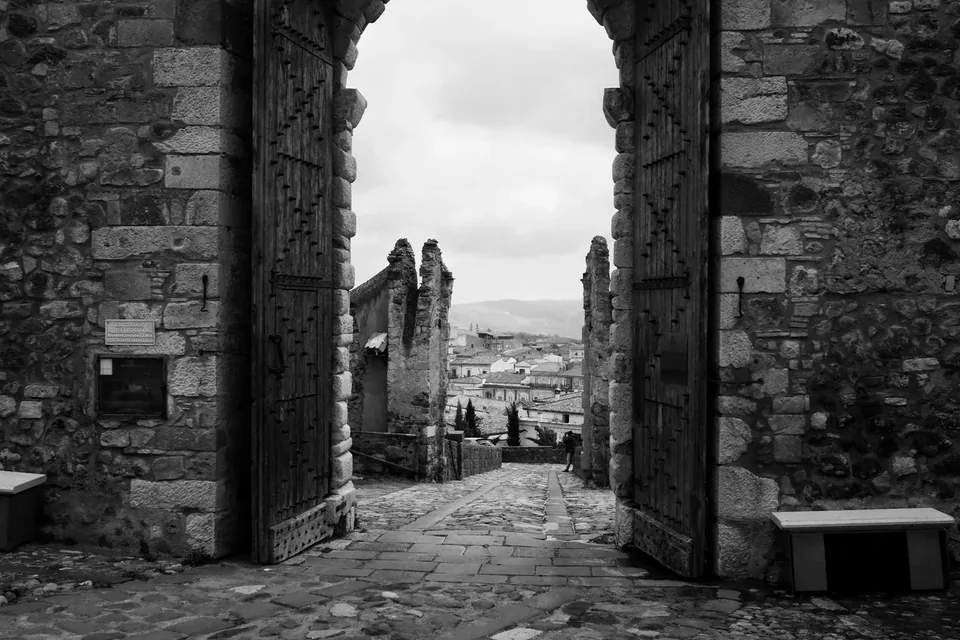
Medieval heritage, archaeology and marroncino chestnuts: Melfi as a cultural chapter of Vulture.
Read the guide →Photo: Parisma62 / Wikimedia Commons — CC BY-SA 4.0 · Resized and converted to WebP.
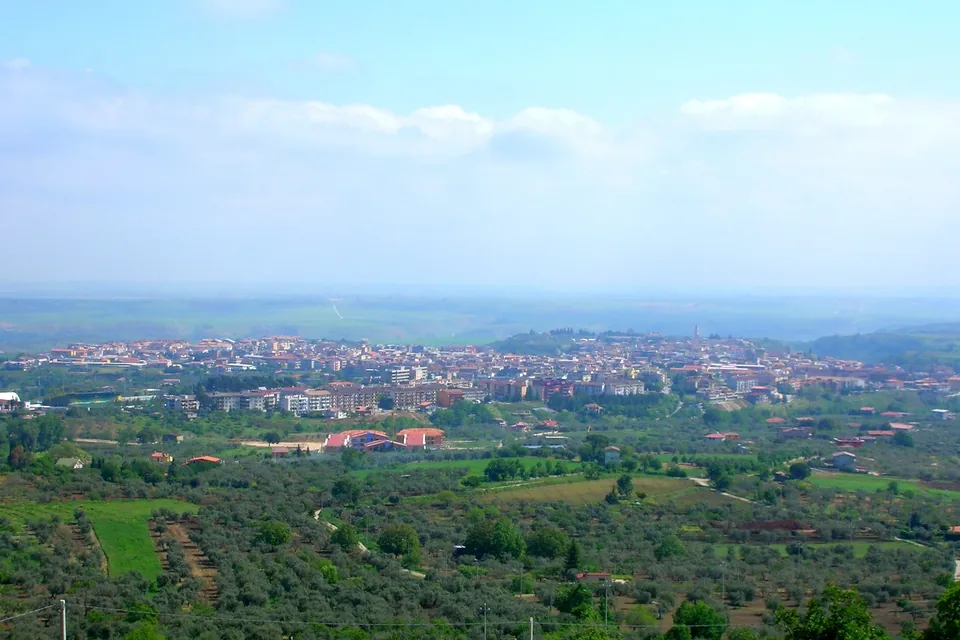
Venusia, the unfinished church and the castle: connect history and food in Vulture-Melfese.
Read the guide →Photo: D.N.R. / Wikimedia Commons — CC BY-SA 3.0 · Resized and converted to WebP.
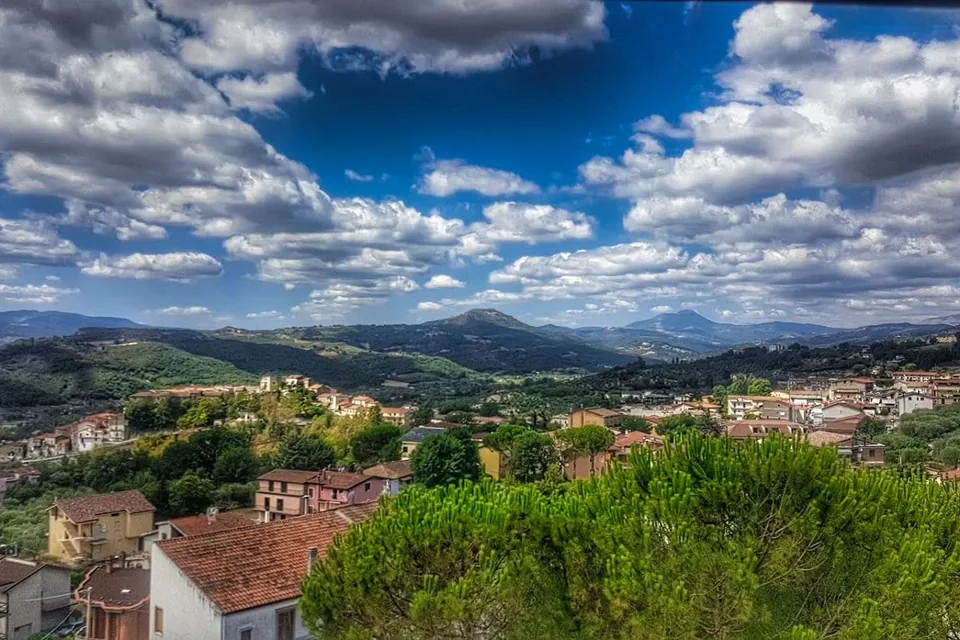
The town, Peperone di Senise IGP and the Sinni valley: understand a place through an ingredient.
Read the guide →Photo: Fabio742008 / Wikimedia Commons — CC BY-SA 4.0 · Resized and converted to WebP.
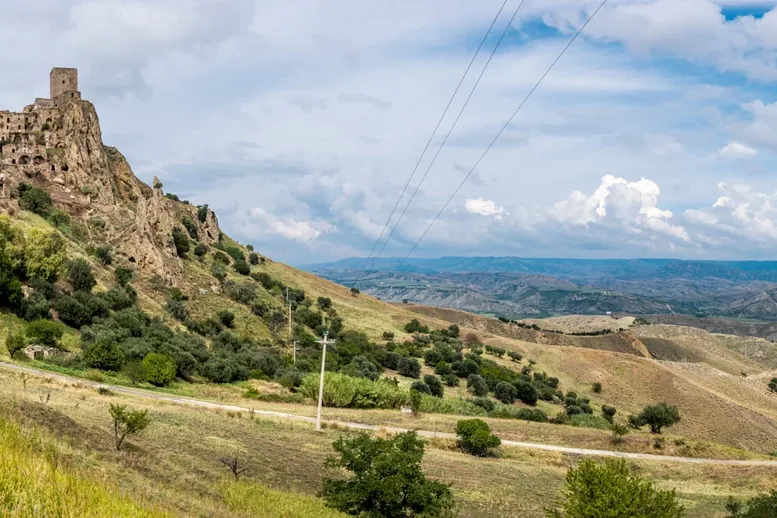
An abandoned town among clay hills: landscape and memory beyond the photograph.
Read the guide →Photo: Giuseppe Milo / Wikimedia Commons — CC BY 3.0 · Resized and converted to WebP.
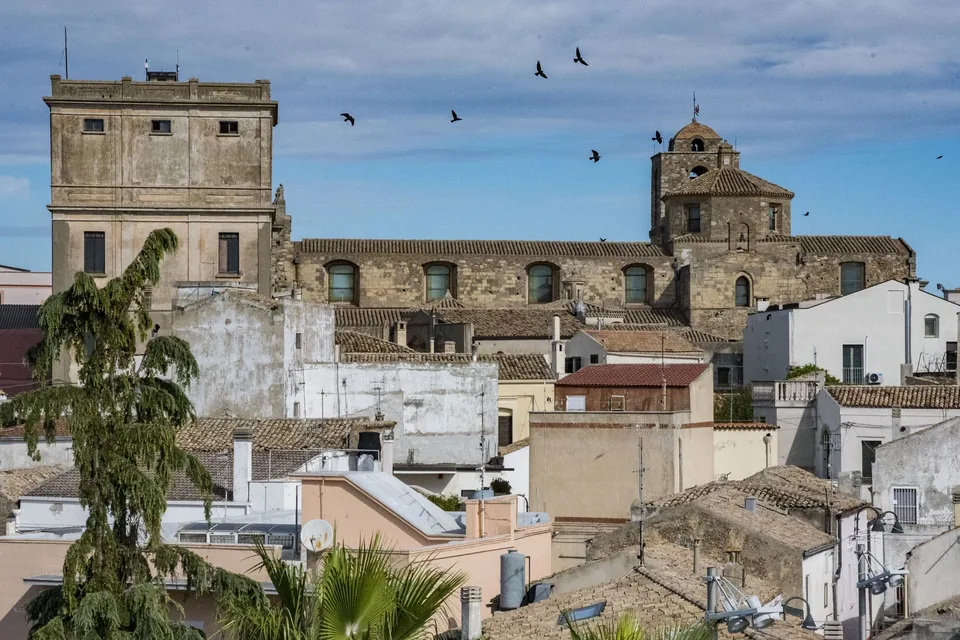
The Barons’ Conspiracy, Renaissance painting and the Bradano landscape.
Read the guide →Photo: Cinzia astorino / Wikimedia Commons — CC BY-SA 4.0 · Resized and converted to WebP.
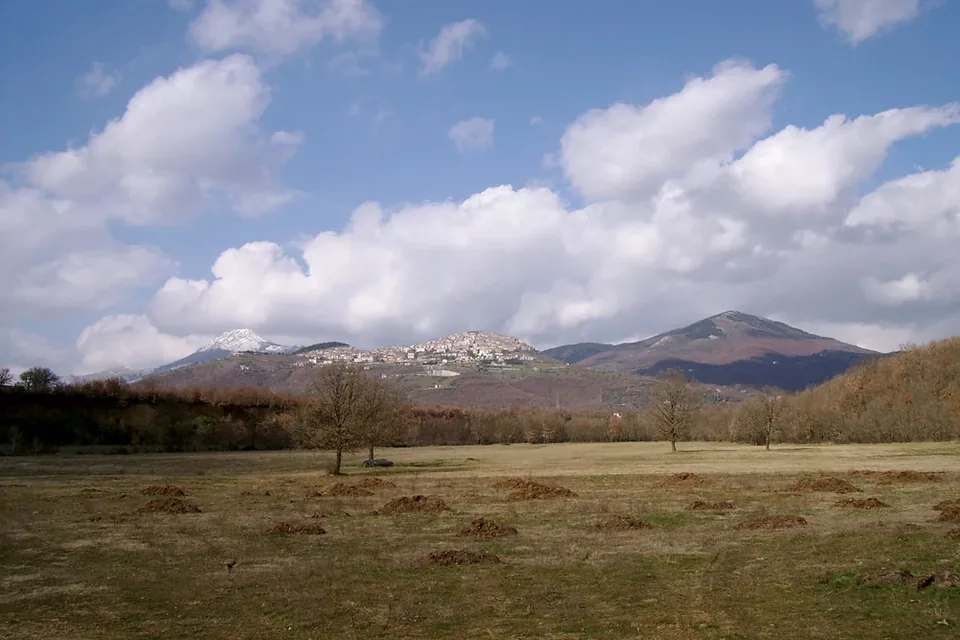
Viggiano: harp, devotion and Val d’Agri.
Read the guide →Photo: piervincenzocanale / Wikimedia Commons — CC BY-SA 2.0 · Resized and converted to WebP.
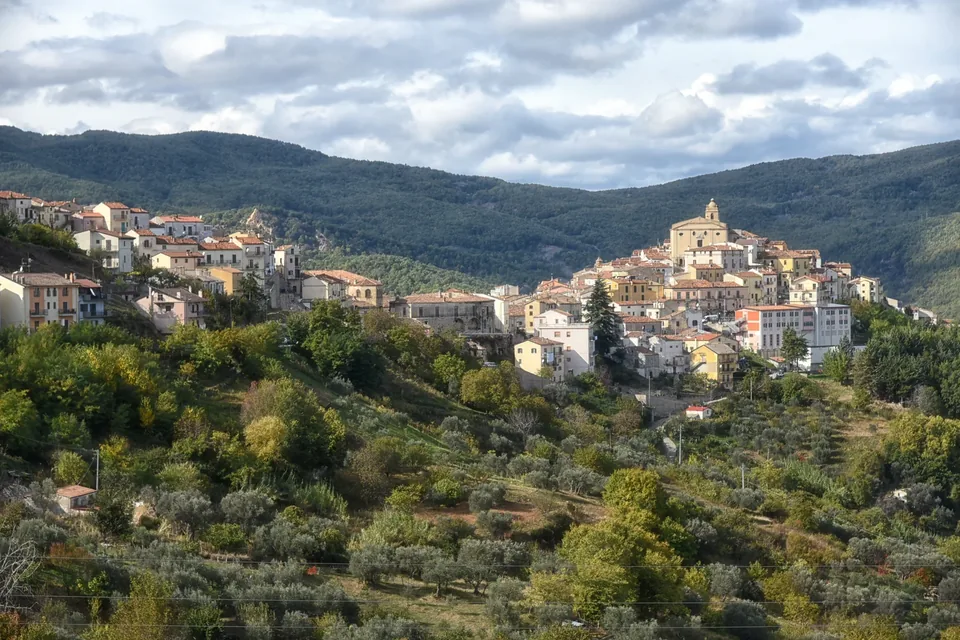
Accettura: town and tree rituals.
Read the guide →Photo: Anna Nicoletta Menzella / Wikimedia Commons — CC BY-SA 4.0 · Resized and converted to WebP.
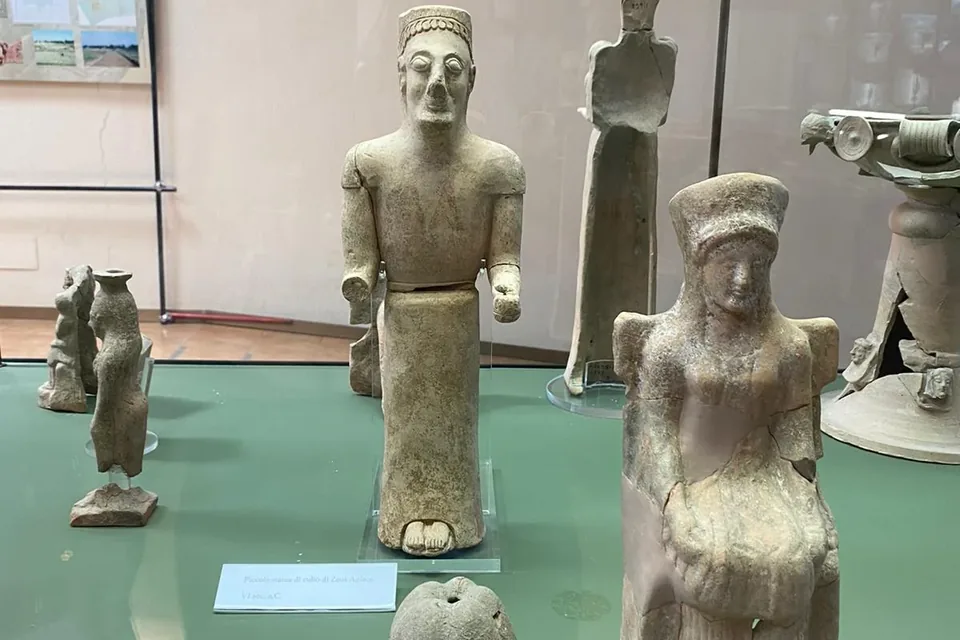
Metaponto: Magna Graecia on the plain.
Read the guide →Photo: Damiano157 / Wikimedia Commons — CC BY-SA 4.0 · Resized and converted to WebP.
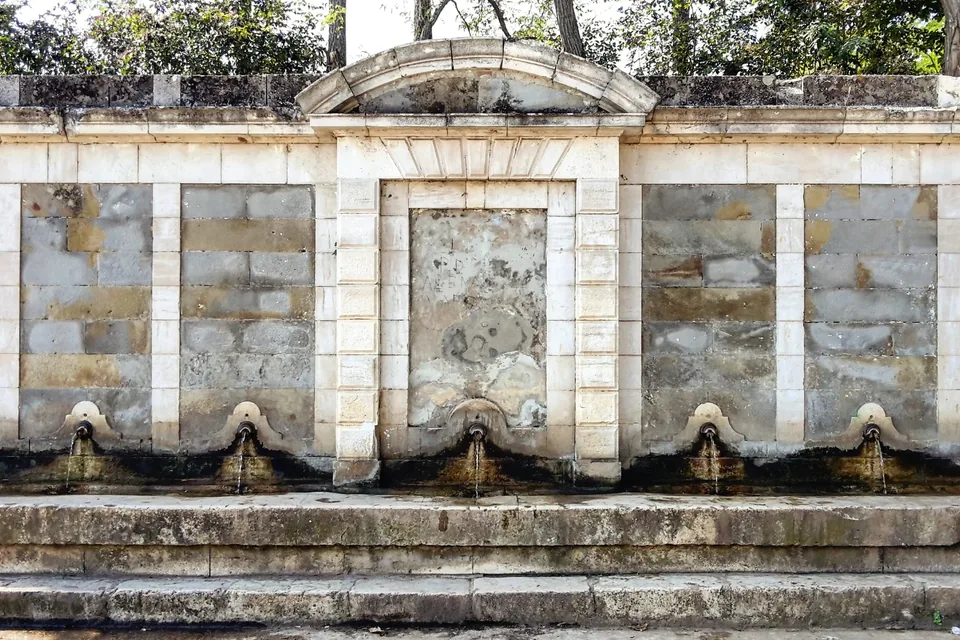
Palazzo San Gervasio: a collection in a small town.
Read the guide →Photo: Fuoco Fatuo / Wikimedia Commons — CC0 · Resized and converted to WebP.
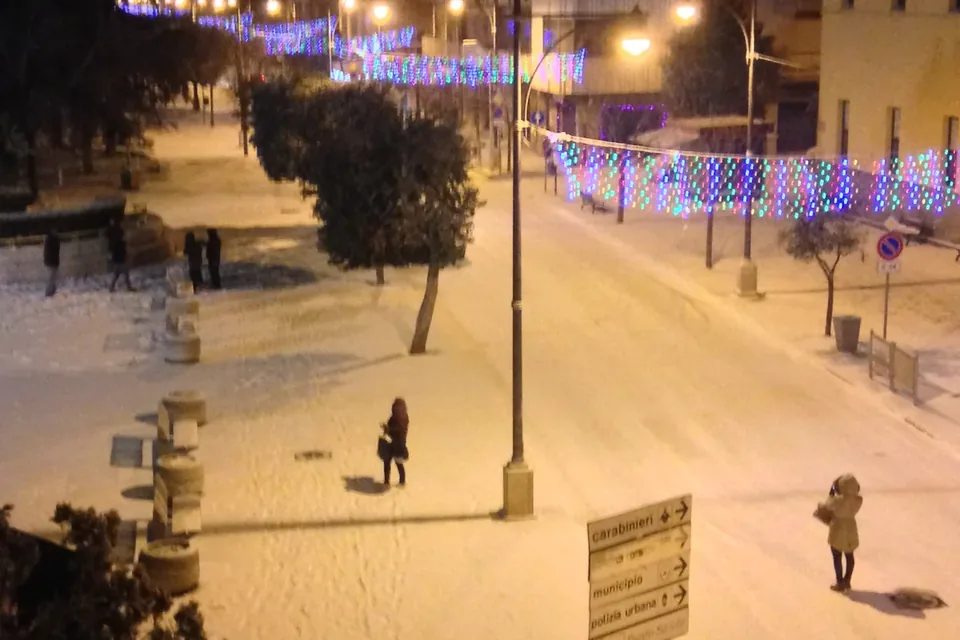
Lavello: Vulture and agricultural memory.
Read the guide →Photo: Biagiofg / Wikimedia Commons — CC BY-SA 4.0 · Resized and converted to WebP.
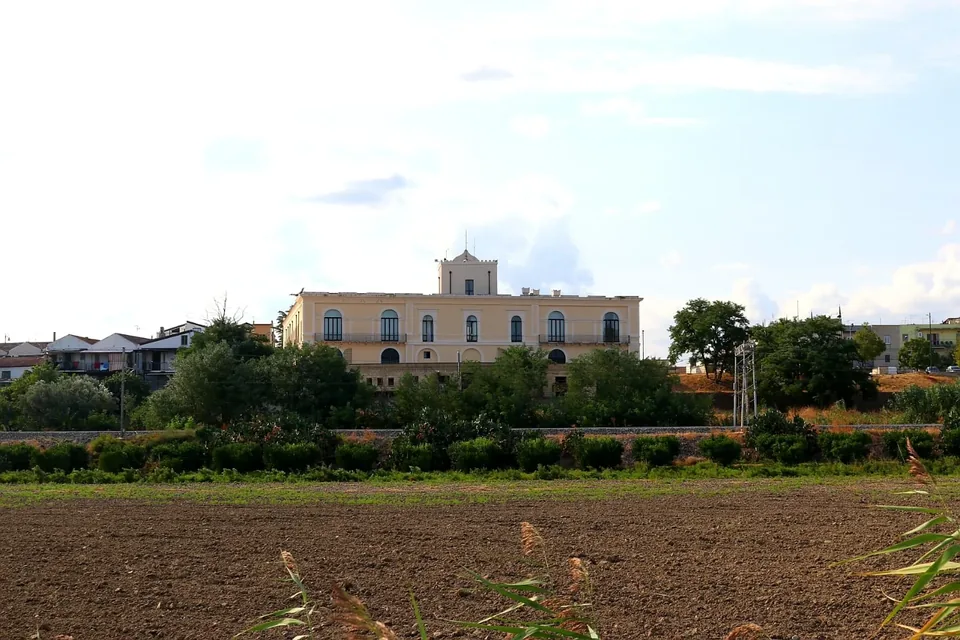
Scanzano Jonico: farmland and coast.
Read the guide →Photo: Mariagrazia Brunetti / Wikimedia Commons — CC BY-SA 4.0 · Resized and converted to WebP.
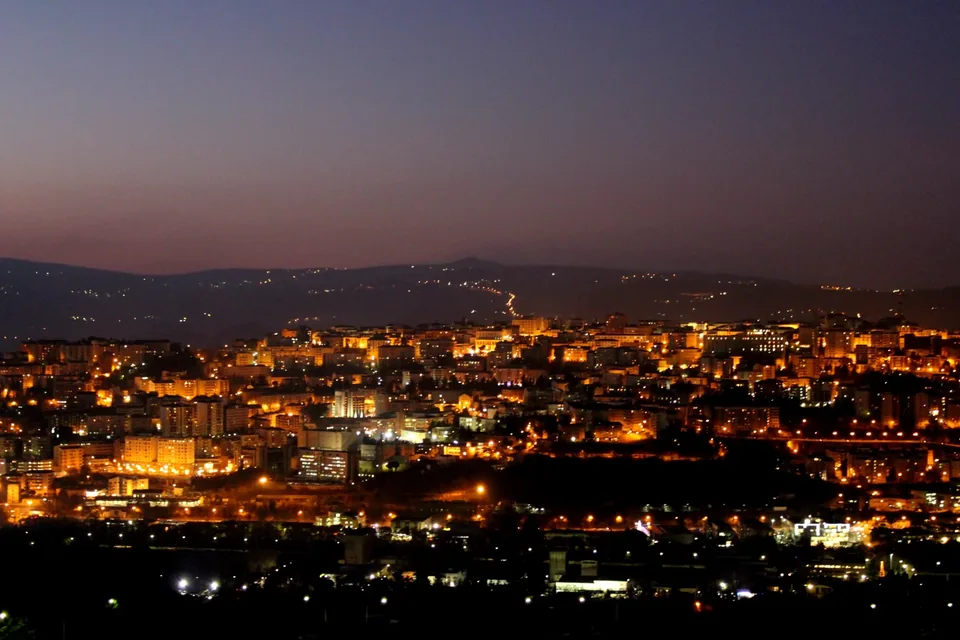
Potenza: archaeology in the regional capital.
Read the guide →Photo: Antonio Petrullo / Wikimedia Commons — CC BY-SA 3.0 · Resized and converted to WebP.
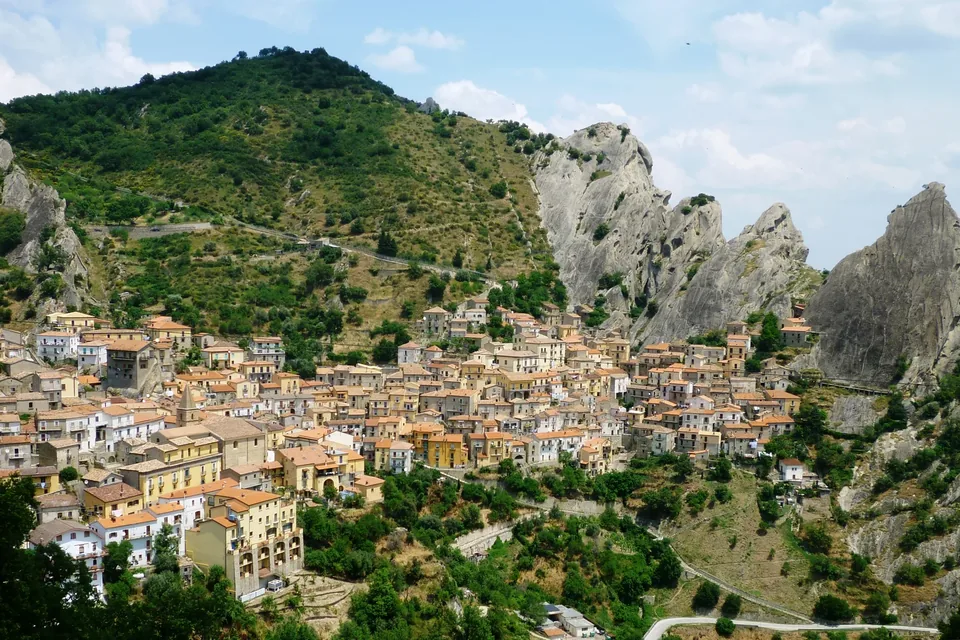
Castelmezzano: a town among the rocks.
Read the guide →Photo: Jon Shave / Wikimedia Commons — CC BY 2.0 · Resized and converted to WebP.
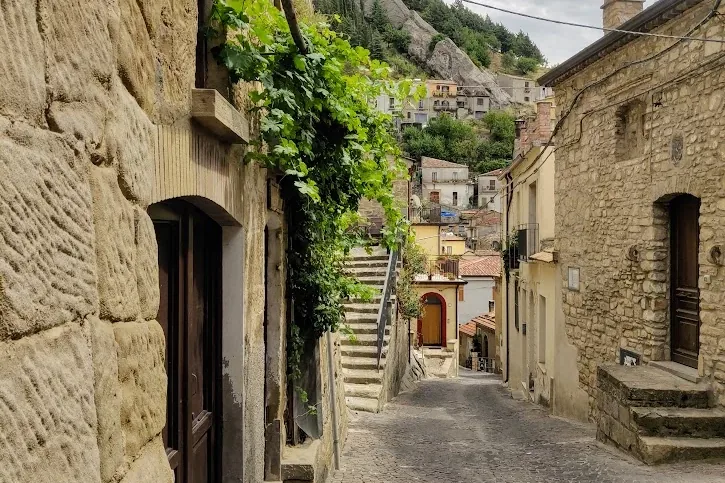
Pietrapertosa: the Arabata quarter.
Read the guide →Photo: Camelia.boban / Wikimedia Commons — CC BY-SA 4.0 · Resized and converted to WebP.
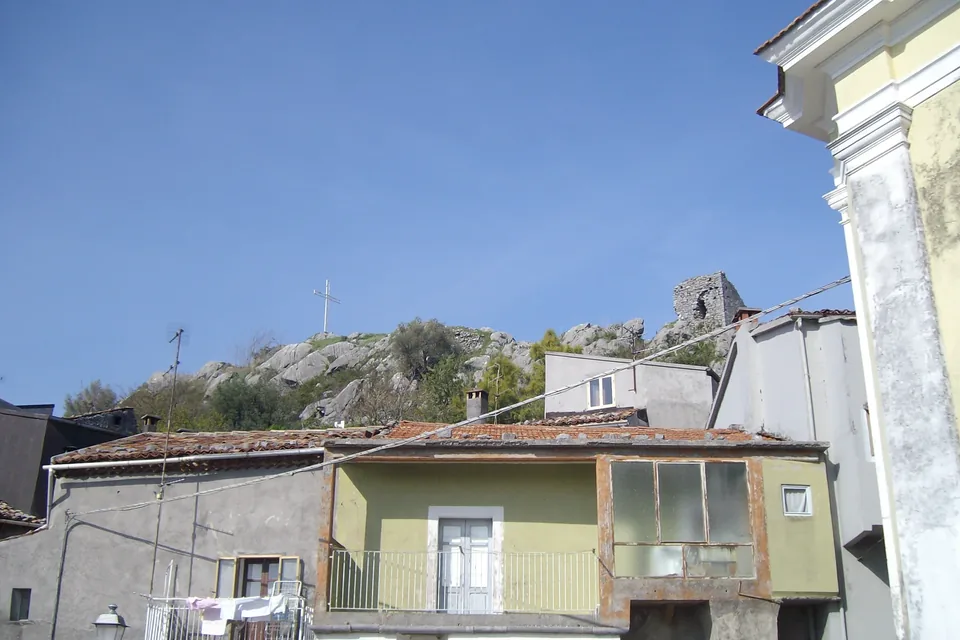
Rotonda: town and Pollino heritage.
Read the guide →Photo: Luca Raimondi / Wikimedia Commons — CC BY-SA 3.0 · Resized and converted to WebP.
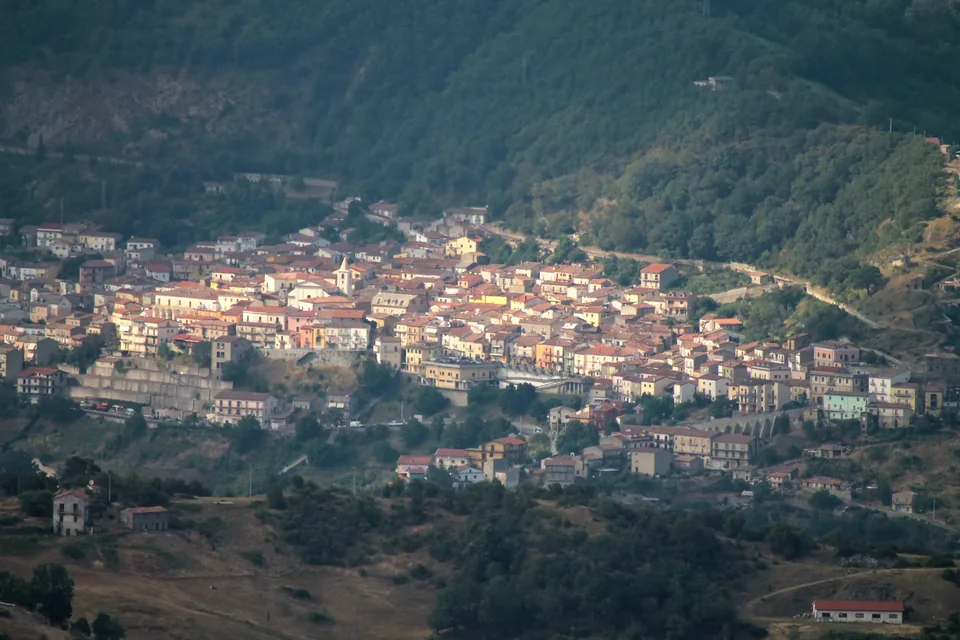
Terranova di Pollino: the Lucanian side.
Read the guide →Photo: Alfredo D'Ambrosio / Wikimedia Commons — CC BY 3.0 · Resized and converted to WebP.
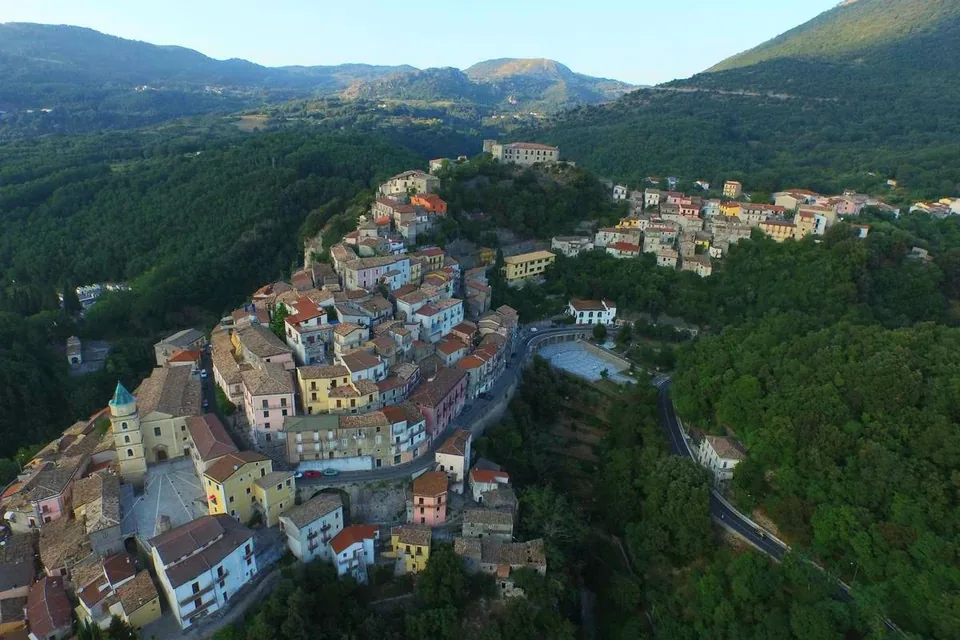
Viggianello: above the Mercure valley.
Read the guide →Photo: Millucci0 / Wikimedia Commons — CC BY-SA 4.0 · Resized and converted to WebP.
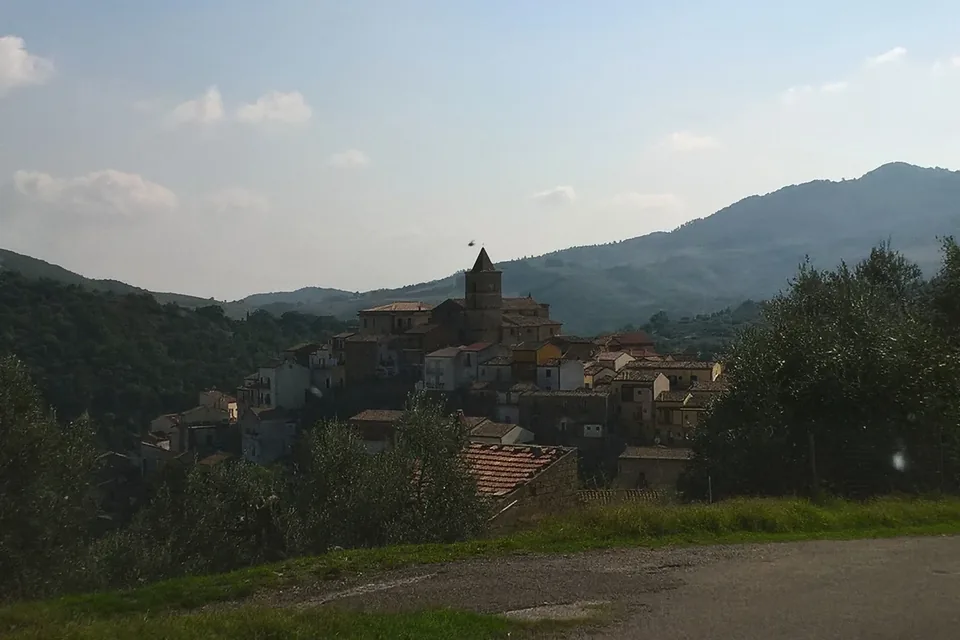
Oliveto Lucano: wood, stone and Monte Croccia.
Read the guide →Photo: Asia / Wikimedia Commons — CC BY-SA 4.0 · Resized and converted to WebP.
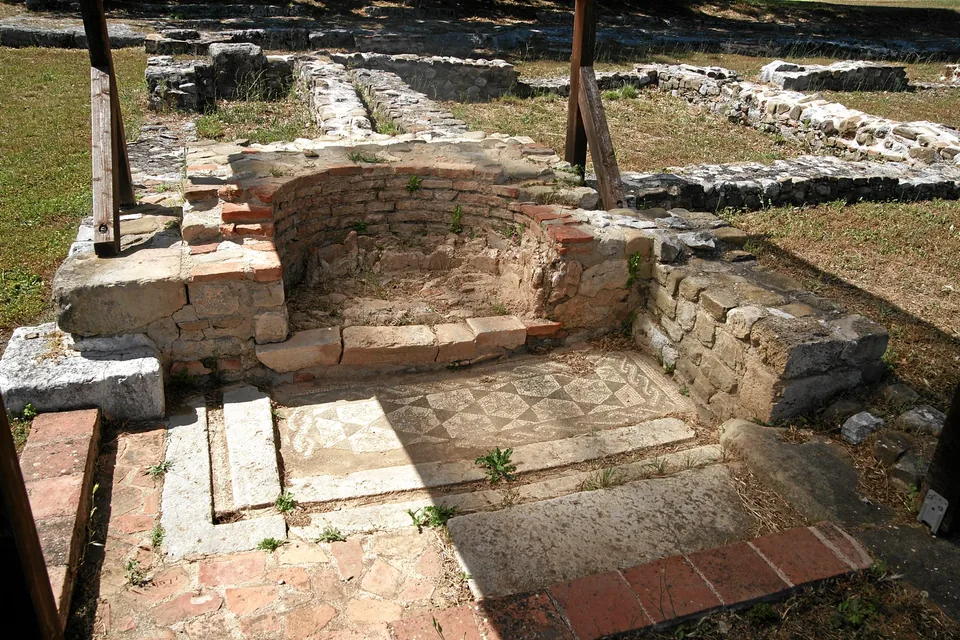
Grumentum: reading a Roman town.
Read the guide →Photo: Mboesch / Wikimedia Commons — CC BY-SA 4.0 · Resized and converted to WebP.
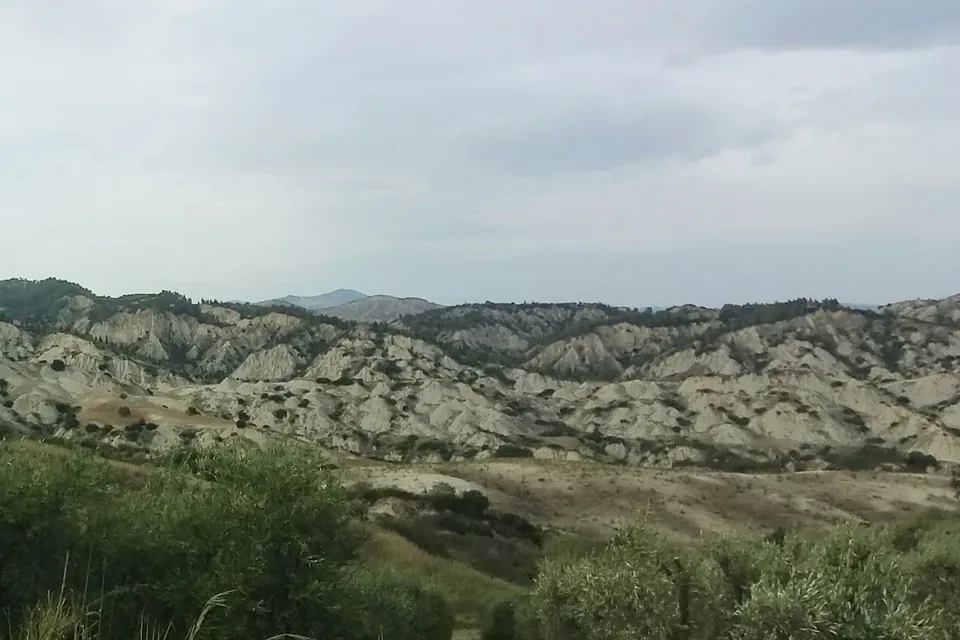
A town to read through literature and landscape.
Read the guide →Photo: DinaBenedettoFerrandina / Wikimedia Commons — CC BY-SA 4.0 · Resized and converted to WebP.
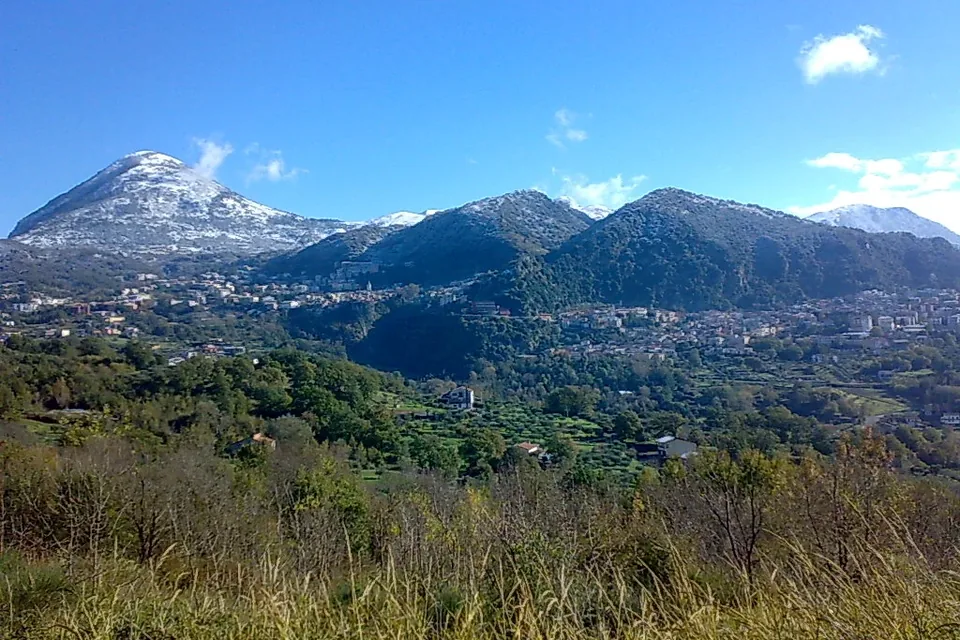
Neighbourhoods, religious memory and cinema in the Noce Valley.
Read the guide →Photo: Gianni Lupindo / Wikimedia Commons — CC BY-SA 2.0 · Resized and converted to WebP.
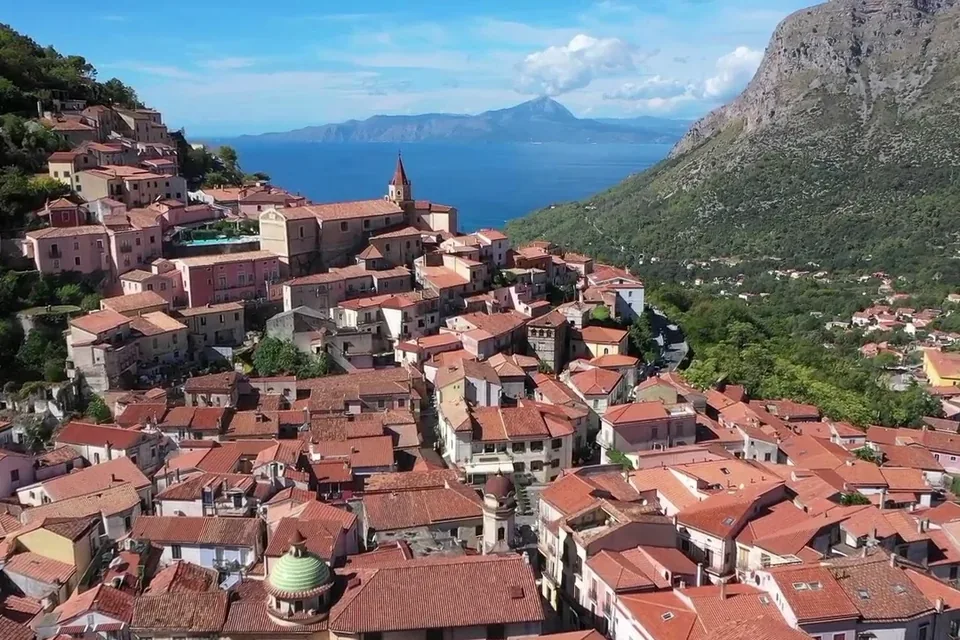
San Biagio, heritage and the landscape opening Coast to Coast.
Read the guide →Photo: Luke18389 / Wikimedia Commons — CC BY-SA 4.0 · Resized and converted to WebP.
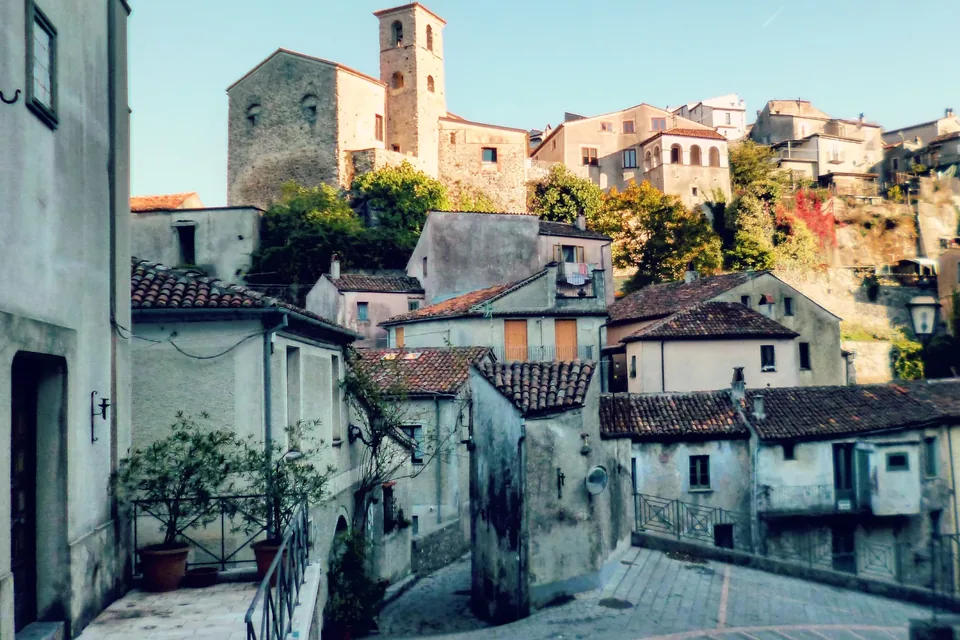
An inland stop near Maratea, combining architecture and rural memory.
Read the guide →Photo: Fuoco Fatuo / Wikimedia Commons — CC0 · Resized and converted to WebP.
Lauria (Basilicata); the Calabrian section begins at Rocca Imperiale → Reggio Calabria · Over 1,560 km according to the official site's home page; other pages of the same site say over 1,500 km, while italia.it gives an earlier figure of 1,390 km. · 83 numbered stages on the official site, including variants and "wild" stages; the general introduction on the same page still says 81, and italia.it gives 73.
Calabria, Basilicata
Several starting points, one per way: Bari, Alberobello, Brindisi, Albano di Lucania, Manduria → Matera, Cathedral of the Madonna della Bruna · No overall length: it is a network of ways. The official site gives Via Peuceta 168 km (170 in the text of the same page and on italia.it, 167 in the 2020 Pugliapromozione guide), Via Ellenica 170 km, Via Ellenica variant 137 km (but 118 km in the page text), Via Lucana 136 km, Via Jonica 215 km, Via Sveva 200 km (210 in the text) and Via Dauna 400 km; the Sveva and Dauna are not yet open. · It varies by way: Peuceta 7 stages, Ellenica 8, Ellenica variant 6, Lucana 7; the Via Jonica lists 5 stages from Manduria to Taranto plus a link stage to Statte. The Sveva (8 days) and Dauna (22 days) are not yet open.
Puglia, Basilicata, Molise
Reggio Calabria, where the trail returns to the mainland (stage SI U01) → Campotosto in Abruzzo (stage SI P13), from where the national trail continues towards Amatrice and beyond · About 8,000 km for the whole national trail according to the official project page (the FAQ gives 7,900–8,000 km). The CAI does not state the combined length of the sections in these six regions; for Calabria alone italia.it gives 654 km. · For the whole trail the FAQ speaks of more than 500 stages, while the project page mentions almost 400 stage points. The stage-card list shows 120 cards with codes P to U, variants included (R04 is missing). For Calabria italia.it gives 34 stages, while the CAI list has 32 Calabrian cards (U01–U32).
Calabria, Basilicata, Campania, Puglia, Molise, Abruzzo
Sanctuary · Viggiano · Madonna del Sacro Monte di Viggiano
Sanctuary · San Severino Lucano · Madonna del Pollino


.jpg)
.jpeg)


_(2).jpg)


