Why go
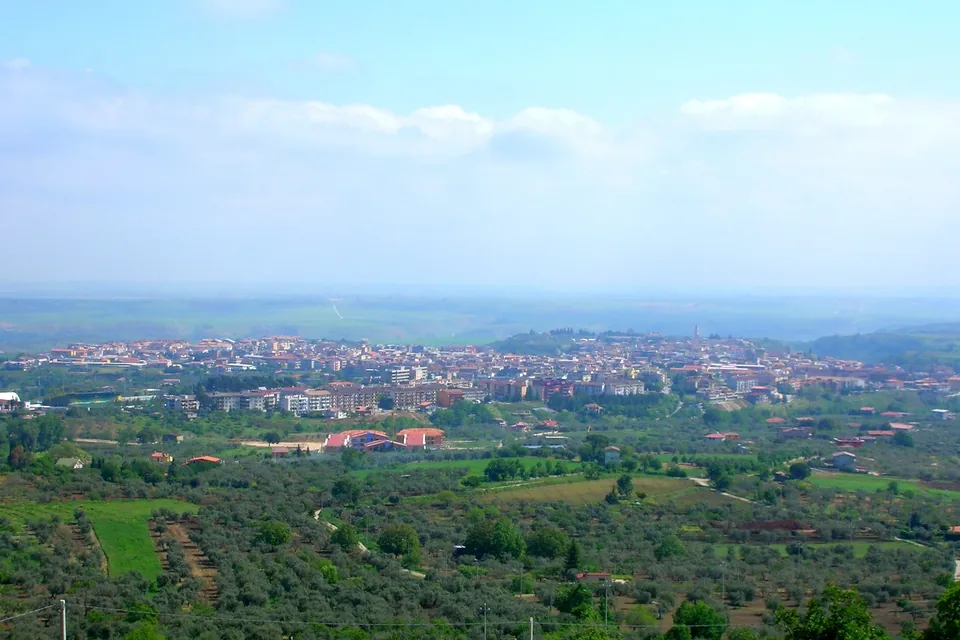
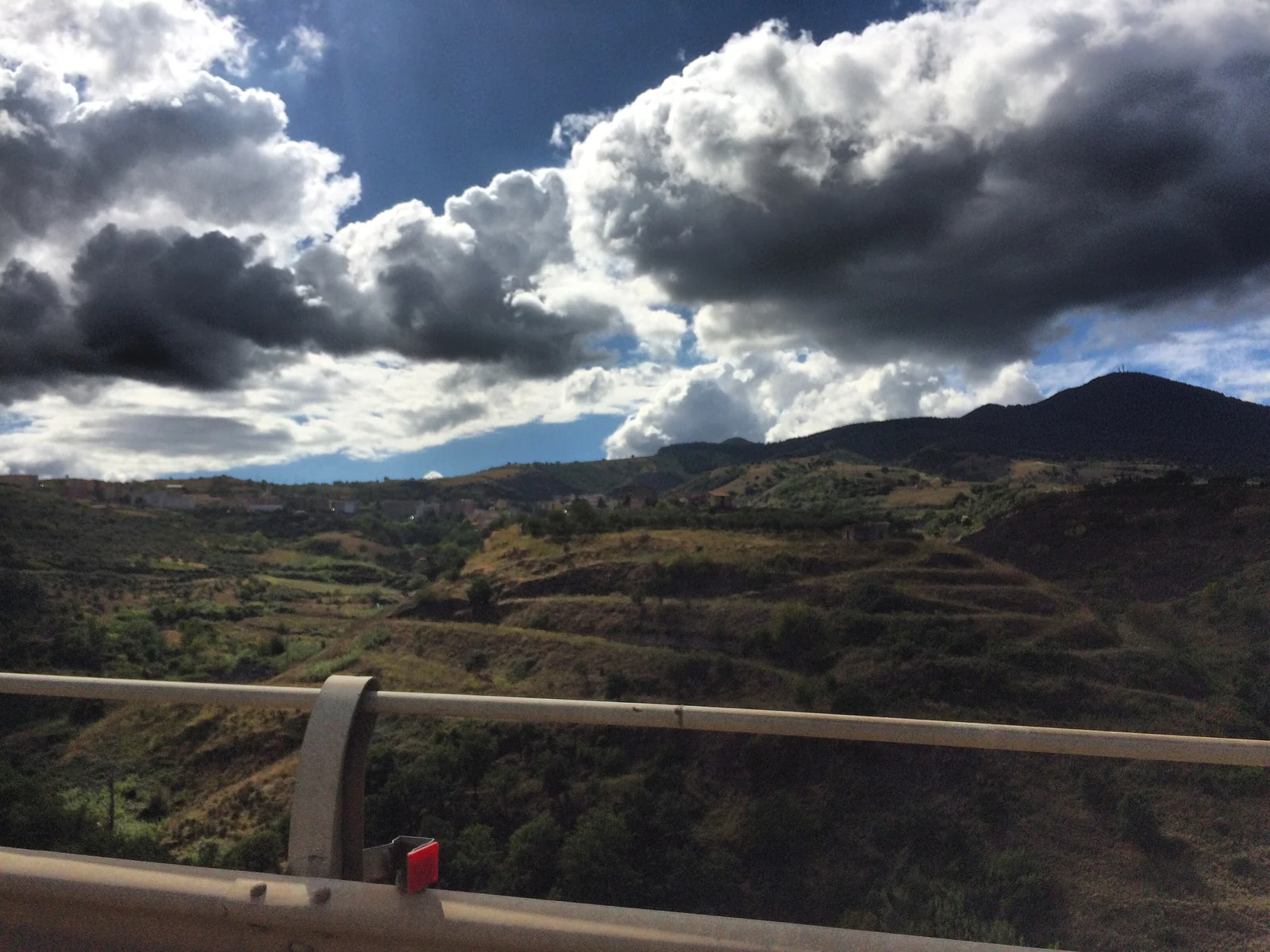
Vulture is an extinct volcano in northern Basilicata, and the regional nature park that protects its slopes covers about 57,500 hectares across nine municipalities in the province of Potenza: Atella, Barile, Ginestra, Melfi, Rapolla, Rionero in Vulture, Ripacandida, Ruvo del Monte and San Fele. In a relatively small area, mountains and hills alternate with flowering meadows, rivers, dense woods and two volcanic lakes with emerald-green water.
The territory can be read at different scales. Up close there are the Monticchio lakes, with the abbey overlooking the crater; lower down the volcanic cone is covered with vineyards and olive groves, the source of Aglianico and of fine olive oil. Around them the towns tell different stories: the tuff-cut cellars of Barile, Frederick II's castle in Melfi, the old centre of Rionero.
The reason to come is this interweaving of nature and human work: a day can start on a woodland trail and end with a glass of wine, having seen where it comes from.
Sources: Parco naturale regionale del Vulture — Natura · Italia.it — Rionero in Vulture · Italia.it — Barile · Italia.it — Melfi
History
Vulture's history is bound up with the great powers of the medieval South. Melfi castle was commissioned by Robert Guiscard at the end of the eleventh century as a strategic point between Campania and Puglia; the town was capital of the county of Apulia and hosted five ecumenical councils. Frederick II chose it as a residence and issued the Constitutions of Melfi there; later the Angevins enlarged it and Charles II made it the residence of his wife Mary of Hungary.
The emperor loved Vulture as a hunting ground: he stayed for long periods in the castles of Melfi and Lagopesole and, according to the park, drew inspiration here for his treatise on hunting with birds. On the flanks of the Monticchio crater, the abbey of San Michele and the remains of the Sant'Ippolito complex bear witness to the presence of monastic orders.
Between 1518 and 1597 refugees from across the Adriatic settled in Barile, which became one of the main centres of Arbëreshë culture in Basilicata: tradition credits them with introducing Aglianico and the practice of digging cellars into the tuff.
Sources: Italia.it — Il castello di Melfi · Parco naturale regionale del Vulture — Fauna · Parco naturale regionale del Vulture — I laghi · Italia.it — Barile
What to see
The Monticchio lakes lie at about 650 metres on the south-western slope of Vulture. The Small Lake, about two metres higher, flows into the Great Lake through a channel. The Great Lake has a steep funnel-shaped basin in its northern half and a shallow bed to the south; the Small Lake is meromictic, meaning its deep, warm, mineral-rich waters do not mix with the surface layer. On the flanks of the crater stands the abbey of San Michele Arcangelo, a pilgrimage destination.
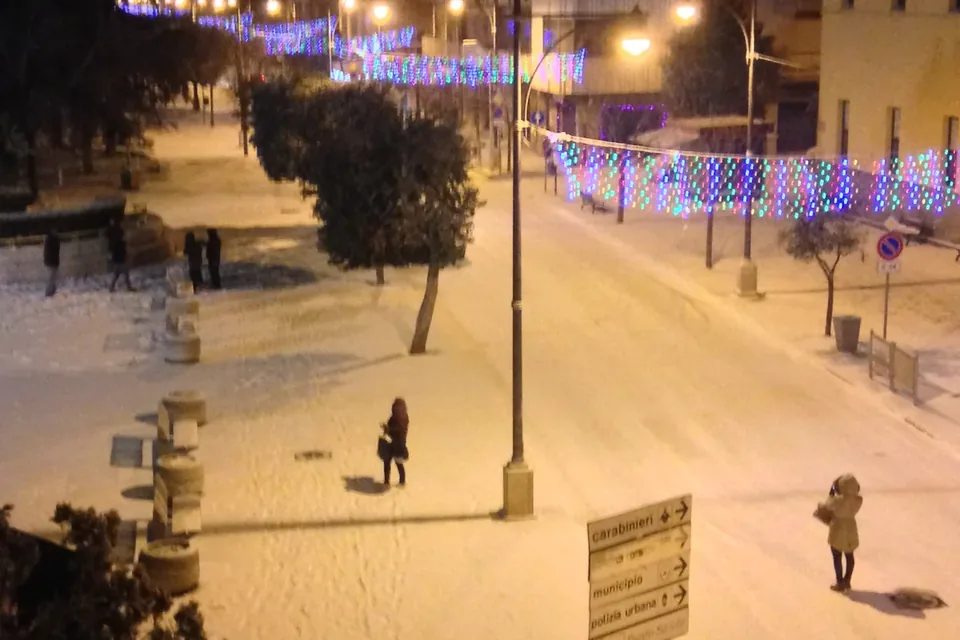
In Barile the urban park of the cellars gathers the caves dug into the Sheshë hill; in the centre, the mother church holds a seventeenth-century crucifix and a fifteenth-century panel of the Madonna and Child, while San Nicola church keeps an Annunciation dated 1464. Rionero, spread across two hills, centres on the eighteenth-century Matrice church.
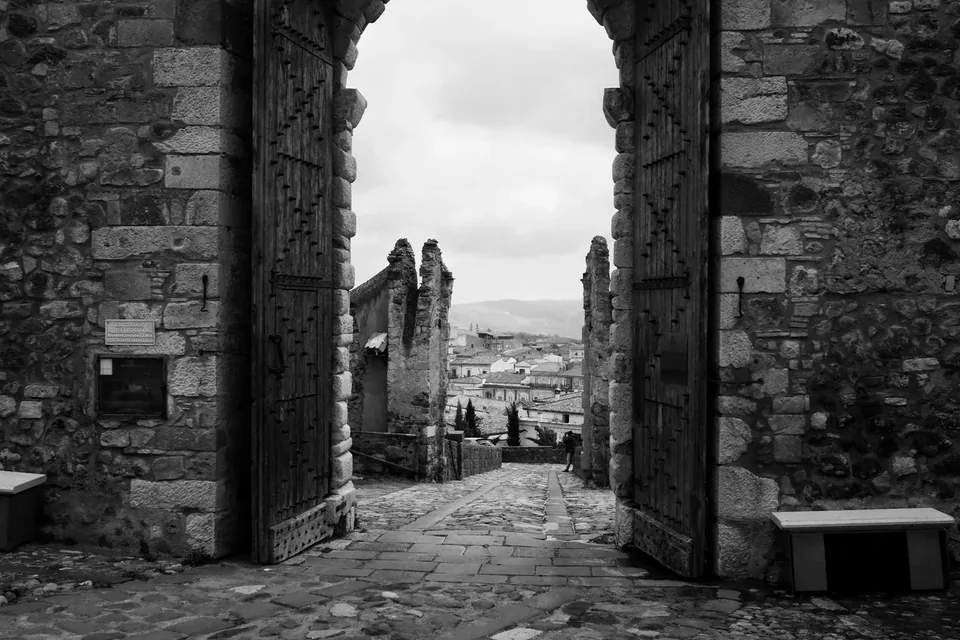
Melfi, with its fifteenth-century walls and Porta Venosina, is dominated by the ten-towered Norman castle housing the National Archaeological Museum of the Melfi area and the Rapolla Sarcophagus. Just outside town are the rock-cut churches of Santa Margherita and Santa Lucia.
Sources: Parco naturale regionale del Vulture — Natura · Parco naturale regionale del Vulture — I laghi · Italia.it — Rionero in Vulture · Italia.it — Barile · Italia.it — Melfi · Italia.it — Il castello di Melfi · Ministero della Cultura — Museo archeologico nazionale Massimo Pallottino e Castello svevo
Food and wine
Vulture is the land of Aglianico del Vulture, the designation-of-origin red suited to long ageing, made on the slopes of the volcano; the Superiore version, with guaranteed designation, comes from fifteen local municipalities including Rionero, Barile, Melfi, Venosa and Lavello. The tuff cellars of Barile show how wine has shaped the towns themselves.
Alongside wine there is olive oil: Vulture is one of the three production areas of Lucanian extra virgin oil and has its own designation of origin, Vulture, made mainly from Ogliarola del Vulture. Pecorino and caciocavallo come down from the mountain, and Potenza-area cooking features handmade pastas such as strascinati, cavatelli and lagane, often dressed with sausage and mushrooms.
Registered products linked to the area also include caciocavallo podolico della Basilicata and Lucanica di Picerno. In the Vulture towns, ask for chestnut sweets, which the national tourism portal lists among the tastes not to miss between Monticchio and Rionero.
Sources: Commissione europea, eAmbrosia — Aglianico del Vulture · Commissione europea, eAmbrosia — Aglianico del Vulture Superiore · Italia.it — Barile · Italia.it — Rionero in Vulture · Italia.it — L'olio extravergine della Basilicata · Commissione europea, eAmbrosia — Vulture DOP (olio extravergine) · Italia.it — Prodotti e piatti tipici lucani · Italia.it — Acerenza, Venosa e Rionero in Vulture
Things to do
The park offers several nature trails for trekking and excursions. The main routes include those from Melfi and from Rionero to the summit of Monte Vulture, from the abbey of San Michele to Sant'Andrea, and from Monticchio to Atella. The walk around the lakes is the easiest and lets you observe the wetland closely.
Vulture is a good place for birdwatching. Moorhens and water rails live in the reeds of the Great Lake, where great reed warblers, reed warblers, long-tailed tits, nightingales and bearded reedlings nest; in winter cormorants, mallards and teal arrive. Eagle owls, black kites, honey buzzards and marsh harriers fly over the park, and much of Italy's red kite population is concentrated here. The lakes are also home to the otter, very rare and protected.
The park's emblem is the Bramea, a moth with a wingspan of over seven centimetres linked to the southern ash. Between Venosa and Rionero you can cross the Belvedere wood with its birches; for wine lovers, a winery visit rounds off the day.
Sources: Parco naturale regionale del Vulture — Sentieri del parco · Parco naturale regionale del Vulture — Fauna · Parco naturale regionale del Vulture — Natura · Italia.it — Acerenza, Venosa e Rionero in Vulture
When to go
Vulture changes with the seasons and each has a good reason. In spring the meadows bloom and the woods fill with the song of birds nesting in the lake reeds, such as nightingales and great reed warblers: it is the best time for summit trails and walks around Monticchio.
Autumn is grape harvest time and the season of woodland colours, when Aglianico wineries are at their liveliest and chestnuts appear in village sweets. Winter has a different charm: cormorants, mallards and teal arrive at the lakes, while coots, grebes and little grebes move from the Great Lake to the more sheltered Small Lake.
There is also an appointment for patient naturalists: the Bramea flies only a few days a year and for a few hours, even in snow. In summer the altitude of the lakes offers a cooler climate than the nearby plains, and Lagopesole castle, from late March to late October, opens on more days of the week. Vulture can therefore be visited all year, choosing the theme according to the calendar.
Sources: Parco naturale regionale del Vulture — Natura · Parco naturale regionale del Vulture — Fauna · Italia.it — Acerenza, Venosa e Rionero in Vulture · Ministero della Cultura — Castello di Lagopesole
Getting there and around
Vulture lies in northern Basilicata, in the province of Potenza. For rail travellers the RFI network has stations at Melfi and Rionero-Atella-Ripacandida: Melfi has three platforms and Rionero two, and both have a local bus stop for onward travel to the towns. Check timetables and connections on official channels before departure.
Once there, the most practical way to get around is by car: the Monticchio lakes, the wineries and the park's towns are spread across the slopes of the volcano and linked by provincial roads. The national tourism portal recommends hiring a car to explore the towns of northern Basilicata at leisure.
For excursions, trails start from Melfi, Rionero, the abbey of San Michele and Monticchio. In the historic centres, such as walled Melfi and Barile with its paved streets, you get around on foot.
Sources: RFI — Stazione di Melfi · RFI — Stazione di Rionero-Atella-Ripacandida · Italia.it — Acerenza, Venosa e Rionero in Vulture · Parco naturale regionale del Vulture — Sentieri del parco · Italia.it — Melfi · Italia.it — Barile
Where to stay
Vulture suits a multi-day stay from a single base, from which to reach lakes, wineries and towns without moving your luggage. The choice depends on the theme of the trip: nature lovers can aim for the area of the Monticchio lakes, the starting point for walks and trails; those who prefer to dine and stroll in a historic centre in the evening can choose Melfi, gathered within its walls, or Rionero with its old-town character.
The park does not publish a list of accommodation, so look for lodging in the individual towns, favouring bed and breakfasts in the old centres to get around on foot and country properties if you travel by car and want to stay close to the vineyards.
Venosa, just outside the park boundary, is a convenient alternative for combining Vulture with archaeology: the municipality lists hotels and B&Bs in town. For harvest weeks and summer weekends it is wise to book ahead.
Sources: Parco naturale regionale del Vulture — I laghi · Parco naturale regionale del Vulture — Sentieri del parco · Italia.it — Melfi · Italia.it — Rionero in Vulture · Comune di Venosa — Luoghi e strutture
Nearby
Nearby Venosa is Vulture's archaeological counterpart: the park of ancient Venusia, founded in 291 BC, with baths, a mosaic house and the unfinished church, and the national museum in the castle of Pirro del Balzo. Further south, near Avigliano, Lagopesole castle, Frederick II's hunting residence, is built around two courtyards and houses the Museum of Lucanian Emigration.
To the east, Lavello and Palazzo San Gervasio lead towards the more open landscape on the border with Puglia; in Palazzo the D'Errico gallery keeps a nineteenth-century collection of nearly three hundred paintings. Acerenza, one of the Borghi più Belli d'Italia, offers a cathedral with a crypt, a diocesan museum and views over its lake.
Combining two or three of these places with the lakes and wineries gives a three- or four-day itinerary in northern Basilicata, with ever-changing themes: nature, wine, castles and archaeology.
Sources: Ministero della Cultura — Parco archeologico di Venosa · Ministero della Cultura — Castello di Lagopesole · Pinacoteca d'Errico — Collezioni · Italia.it — Acerenza, Venosa e Rionero in Vulture
Where to stay
In the municipality of Rionero in Vulture the national database of the Ministry of Tourism lists 35 accommodation businesses with a verified CIN code: 2 hotels, 5 other licensed accommodation and 28 other types such as B&Bs and private rentals.
Sources: Ministero del Turismo – Banca Dati Strutture Ricettive (dashboard pubblica), 2026-10-12
YOUR JOURNEY
How to shape a journey here
Journey idea: devote a chapter to Vulture’s nature and wine, with Melfi or Venosa providing cultural contrast. Two complementary themes offer more depth than a succession of similar tastings.
Talk to us about it