
APULICA / Food guides
Pecorino di Filiano: Lucanian pastures, tuff caves and a festival since 1972
Filiano is a village of scattered hamlets in northern Basilicata, where many people still live from sheep and goats. Its pecorino, PDO since 2007, comes from the milk of grazing sheep in thirty towns of the province of Potenza, is shaped in rush moulds and ages at least six months in tuff caves, its rind brushed with oil and vinegar. This guide explains how it is made, what historical records say about herding in the area, how to recognise it and when to go, starting with the festival the village has devoted to the cheese since 1972.
Thirty towns in the province of Potenza
The Qualigeo record defines Pecorino di Filiano PDO as a hard cheese made from whole sheep's milk, and places its production area in thirty municipalities of the province of Potenza, in Basilicata. The village that gives it its name is only one of them: the designation describes a wider pastoral territory in the north of the region.
The permitted breeds are Gentile di Puglia and Gentile di Lucania, Leccese, Comisana, Sarda and their crosses. The milk comes from one or two milkings of animals on pasture or fed fresh forage and hay from the area of origin, and must be processed within 24 hours of the first milking.
These rules are easy to read but decisive: they tie the cheese to grazing and to local forage, and explain why its aroma, as we will see, recalls grass as well as milk.
Sources: Qualigeo (Fondazione Qualivita) — Pecorino di Filiano DOP
Copper cauldron, rush moulds and tuff caves
Under the specification summarised by Qualigeo, raw milk is filtered and heated in tinned copper cauldrons up to 40 degrees; between 36 and 40 degrees kid or lamb rennet paste is added. The curd is broken into rice-sized lumps, still today with the 'scuopolo' or 'ruotolo', a wooden stick with a knob at the end; it is then lifted into rush moulds and pressed by hand to release the whey. After salting, dry or in brine, the cheeses age at least 180 days in tuff caves or suitable rooms; from the twentieth day the rind may be treated with Lucanian extra virgin olive oil and wine vinegar. Slow Food's Ark of Taste entry adds a scalding in whey of about 15 minutes and ageing on wooden shelves.
Sources: Qualigeo (Fondazione Qualivita) — Pecorino di Filiano DOP · Fondazione Slow Food — Arca del Gusto: Pecorino di Filiano
How to recognise it
Pecorino di Filiano PDO, Qualigeo explains, is cylindrical with flat faces, 15 to 30 centimetres across, with a side 8 to 18 centimetres high and a weight of 2.5 to 5 kilos. The rind bears basket marks and ranges from golden yellow to dark brown with age; the paste, grainy and crumbly, is compact, white to straw-coloured, with small irregular holes. It tastes sweet and delicate when fresh, becomes slightly sharp once it reaches the minimum age and more so over time; the aroma recalls sheep's milk and grass and, in well-aged cheeses, toasted hazelnut. The cheese is sold all year, whole, halved or quartered, with the logo fire-branded on the rind.
Sources: Qualigeo (Fondazione Qualivita) — Pecorino di Filiano DOP
Romans, Swabians and the Doria
The Qualigeo record traces the history of local herding in a few steps. Sheep farming in the production area has mattered at least since the Roman conquest, when shepherds made pecorino during transhumance, moving with their flocks. Cheesemaking continued to develop under the Swabians and the Angevins.
A new phase of growth came in the 16th and 17th centuries with the Doria, feudal lords of the Vulture area, who organised production and set up farmsteads specialised in sheep. This is when the cheese became part of an orderly farming economy, with precise places and roles.
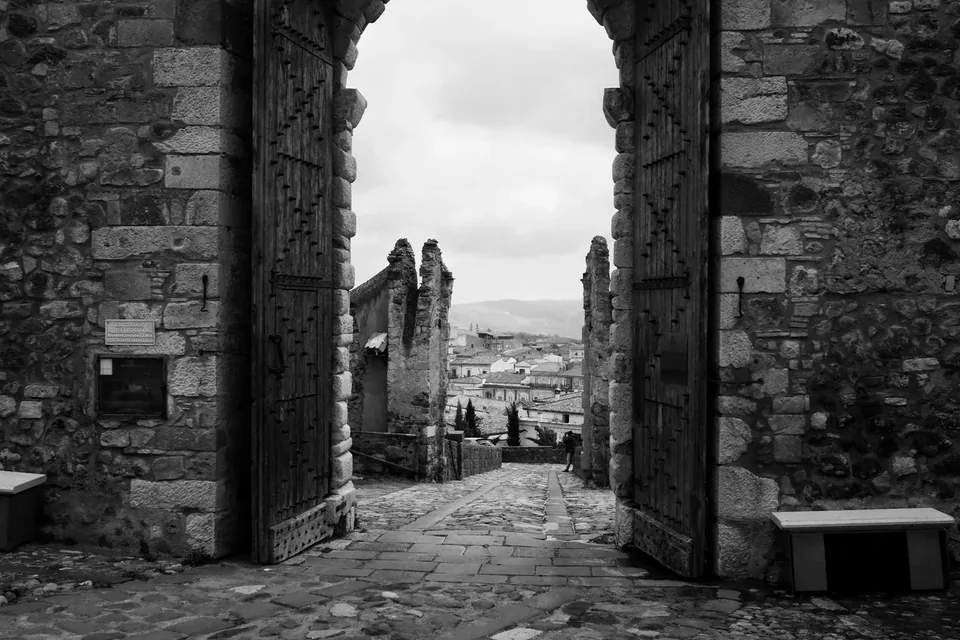
The same family also left its mark on the area's monuments. Italia.it explains that Melfi castle, on the slopes of Monte Vulture, was commissioned by Robert Guiscard, enlarged by Frederick II, given new towers by Charles I of Anjou and later reworked by the Caracciolo and the Doria. Visiting it after a day in Filiano helps connect the cheese to the history of the land.
Sources: Qualigeo (Fondazione Qualivita) — Pecorino di Filiano DOP · Il Castello di Melfi, in Basilicata, fortezza-guida del Medioevo — Italia.it
The PDO and the Ark of Taste version
Pecorino di Filiano is a protected designation of origin registered on 14 December 2007, according to the Qualigeo record, in the cheese category. Qualigeo lists the Consortium for the Protection of Pecorino di Filiano as the producers' body. The Slow Food Foundation, which included it in the Ark of Taste, also describes the traditional version made with whole milk from grazing sheep and goats, from the evening and morning milkings: cheeses of 2 to 8 kilos, average ageing of eight months, from two months to over a year, and an intense, slightly sharp flavour, especially with kid rennet. According to Slow Food, goat's milk, lighter but tastier, adds to the complexity. The PDO, by contrast, allows only sheep's milk and at least six months of ageing.
Sources: Qualigeo (Fondazione Qualivita) — Pecorino di Filiano DOP · Fondazione Slow Food — Arca del Gusto: Pecorino di Filiano
Filiano, a village of hamlets and drove roads
Italia.it describes Filiano stretched along the bank of the Imperatrice stream, with thirty-five hamlets spread across seven districts and about 3,000 inhabitants, mostly raising sheep and goats; the name, according to a tradition reported with caution, may come from the wool spinning done by local women. Around the territory there are many fountains, one per hamlet, often right on the transhumance drove roads, such as the Parchitello fountain built by local craftsmen. Not far from the village lies the I Pisconi anthropological nature reserve, with caves, traces of rock engravings and coppice woodland of Turkey oak, ash, maple and hawthorn, home to wolf, wildcat and badger, while red kites and buzzards fly overhead. The landscape helps explain why cheese here has stayed tied to grazing.
Sources: Italia.it — Filiano
The festival and the calendar
According to Qualigeo, Filiano has held a festival devoted to its pecorino since 1972, aimed at telling its history and tradition and promoting production; the same platform reported the announcement of the 51st edition. Dates change from year to year and should be checked with the Municipality or the Consortium before travelling. Alongside the PDO pecorino, the national list of traditional food products recognises for Basilicata generic pecorino and mixed-milk pecorino, ricotta, ricotta forte and salted ricotta, a sign of a dairy culture broader than the single designated cheese.
Sources: Qualigeo (Fondazione Qualivita) — Pecorino di Filiano DOP · Elenco nazionale dei prodotti agroalimentari tradizionali, XXVI revisione (DM 6 febbraio 2026), suddiviso per regione — copia pubblicata dalla Regione Campania
At the table and on the road
Qualigeo suggests enjoying it on its own as a table cheese or grated over fresh pasta with meat ragù, its most natural match in Lucanian cooking. I would taste it in two versions: a cheese just past six months, where the milk's sweetness is still present, and an older one, with its toasted hazelnut note. Alongside I would serve rustic bread and an Aglianico del Vulture, grown on the same volcanic soils. Keep it, says Qualigeo, in a cool, dry place or, once cut, in the least cold part of the fridge: a vacuum-packed quarter travels well. Filiano combines easily with Lagopesole castle, Melfi and the Monticchio lakes. Visits to dairies and ageing caves should be arranged with the operators.
A thread for your journey
Journey idea: a day in northern Basilicata with a visit, arranged in advance, to a Filiano dairy and its ageing cave, a tasting of pecorino at six months and over a year with bread and Aglianico del Vulture, and an afternoon among the hamlets and drove-road fountains or towards Melfi and the Monticchio lakes.
Talk to us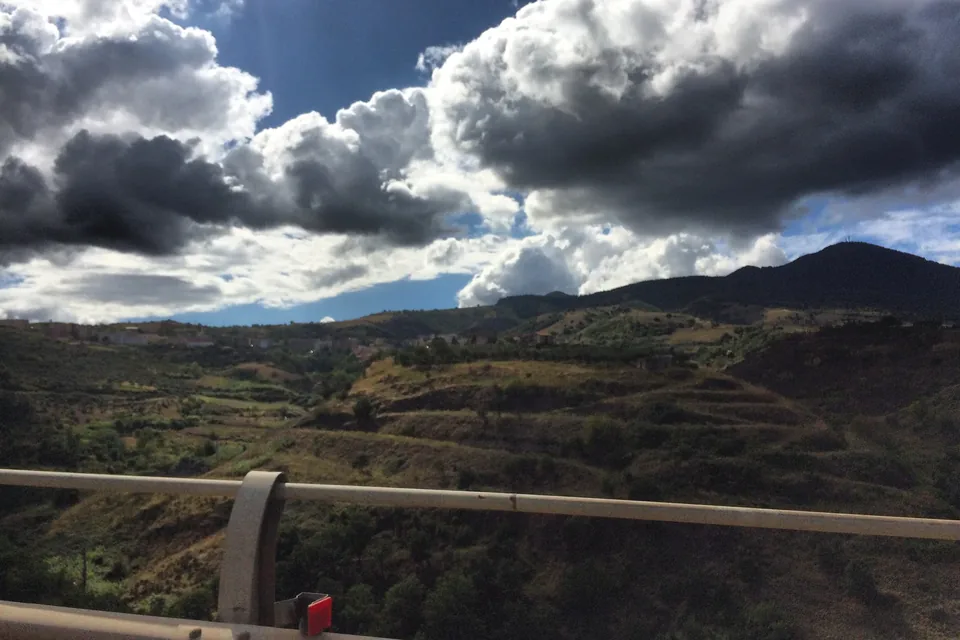


_(2).jpg)