
Why go
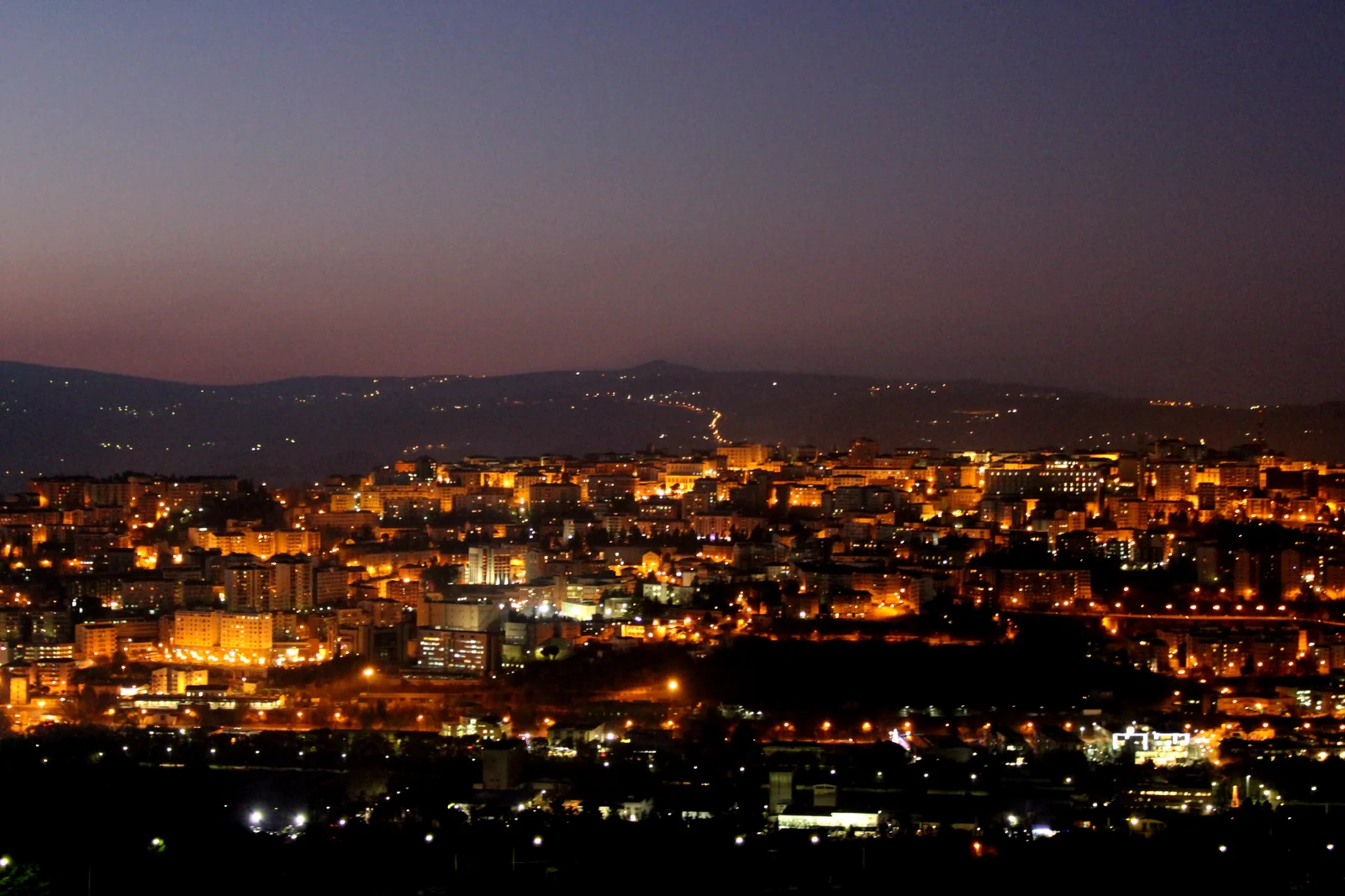
Potenza, capital of Basilicata, stands at 819 metres in the upper Basento valley, surrounded by mountains and woods. It is a vertical city of climbs and descents, crossed with the help of an escalator network among the longest in Europe. The historic centre, which locals call "Sopra Potenza" because it occupies the highest point, stretches along a ridge followed by Via Pretoria, the city's oldest street.
There are two reasons to stop. One is the Dinu Adamesteanu National Archaeological Museum of Basilicata, which gives an archaeological overview of the whole region and adds depth to any trip inland. The other is a quiet city suited to a slow pace, with a cathedral decorated with twentieth-century frescoes, the Guevara Tower and a concrete bridge considered a work of engineering art.
Potenza is also a good link between the Lucanian Dolomites, Vulture and Val d'Agri: a base to set out from and return to in the evening for dinner and a walk in the centre.
Sources: Italia.it — Potenza · Italia.it — Sopra Potenza, il centro storico · Comune di Potenza — Via Pretoria · Ministero della Cultura — Museo archeologico nazionale della Basilicata Dinu Adamesteanu
History
According to the national tourism portal, Potenza flourished in Roman times and then went through the eras of Goths, Lombards, Saracens and Swabians before joining the history of the southern kingdom. The name Via Pretoria, according to the local historical tradition reported by the municipality, recalls the Roman layout: the street is said to follow the decumanus, with the main gate to the west, today's Porta Salza.
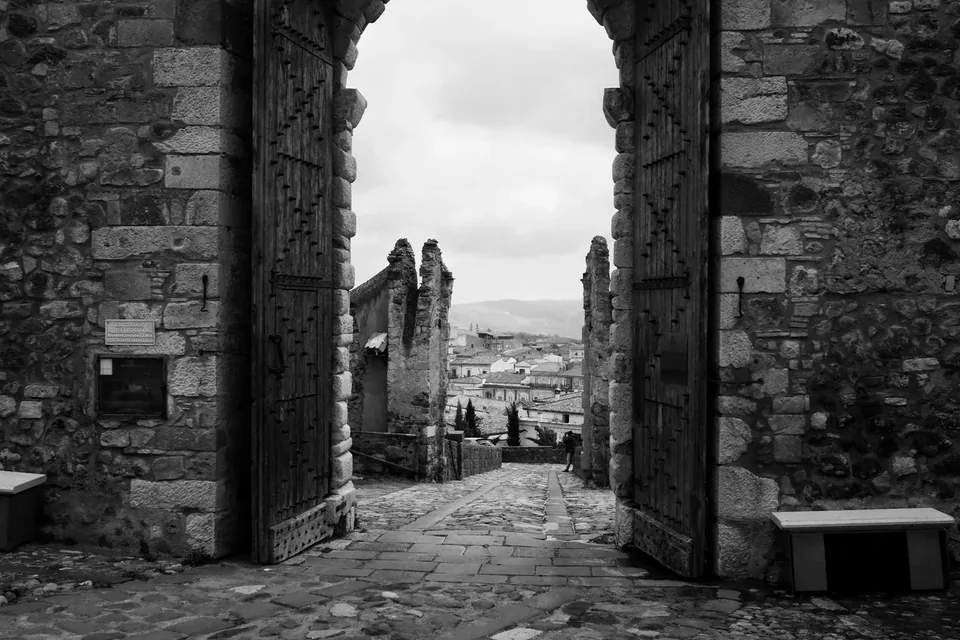
The Guevara Tower, at the eastern end of the centre, is what remains of the castle: probably built between the ninth and tenth centuries as a lookout over the Basento valley, it is about twenty metres high. In 1268, after Charles I of Anjou defeated Conradin of Swabia, the town that had stayed loyal to the Swabians was almost destroyed; under the Aragonese it passed to the Guevara family, who renewed the walls from 1445. In 1578 the people of Potenza welcomed the new count Alfonso de Guevara dressed in Turkish and Moorish style, an episode the May parade still recalls.
Potenza was among the first towns to rise against the Bourbons, on the day Garibaldi landed in Calabria, and earned the title of city of merit of the Risorgimento. Frequent earthquakes explain the largely modern look of the city outside the historic core.
Sources: Italia.it — Potenza · Comune di Potenza — Via Pretoria · Comune di Potenza — Torre Guevara · Regione Basilicata, Patrimonio culturale — La Storica Parata dei Turchi
What to see
The Dinu Adamesteanu National Archaeological Museum, opened in 2005 in Palazzo Loffredo, is named after the archaeologist who was Basilicata's first archaeological superintendent. Over two floors it tells the region's story from the period before Greek colonisation to the Roman conquest. Grave goods from Vaglio, dating from the late sixth to the mid-fifth century BC, include refined armour and jewellery revealing a warrior elite; the sanctuary of Rossano di Vaglio provided embossed plaques, bronzes, gold and votive figurines of the Lucanians.
San Gerardo cathedral stands on the remains of an early Christian basilica; built in 1197, it has an eighteenth-century neoclassical façade reached by a semicircular flight of steps. Inside, the dome was frescoed in the 1930s by Mario Prayer, showing citizens in procession with Bishop Gerard; the bell tower is one of the tallest buildings in the city.
Along Via Pretoria you pass Piazza Mario Pagano, San Francesco church, Piazza Matteotti, known as "del Sedile", and seventeenth-century Palazzo Bonifacio. The Guevara Tower, restored after the 1980 earthquake, is now an art gallery. Outside the centre, the Musmeci bridge over the Basento, opened in 1975, deserves a detour: it rests on concrete waves forming a single vault and four arches of about 70 metres, and has been protected as a monument since 2003.
Sources: Ministero della Cultura — Museo archeologico nazionale della Basilicata Dinu Adamesteanu · Italia.it — Cattedrale di San Gerardo · Comune di Potenza — Via Pretoria · Italia.it — Sopra Potenza, il centro storico · Comune di Potenza — Torre Guevara · Comune di Potenza — Ponte Musmeci
Food and wine
Potenza-area cooking is based on durum wheat bread, handmade pasta, cured meats, cheeses, and lamb and kid often grilled over embers. The most typical pasta is strascinati, shaped with three or four fingers, which the national tourism portal suggests with sausage browned in Aglianico, cardoncello mushrooms, cherry tomatoes and smoked provola; cavatelli, ferretti and lagane are common too.
Sausage, lucanica, is a symbol of the region: a few kilometres from the city, Picerno gives its name to the protected Lucanica di Picerno. Among cheeses stand out the designation-of-origin Pecorino di Filiano and caciocavallo podolico della Basilicata, made from the milk of free-ranging cattle; in Avigliano they make strazzata, a rustic focaccia protected by a Slow Food presidium.
Pair them with a glass of Aglianico del Vulture, the region's best-known red, and perhaps with crusco peppers from Senise, which add crunch and colour to many Lucanian dishes.
Sources: Italia.it — Prodotti e piatti tipici lucani · Commissione europea, eAmbrosia — Lucanica di Picerno · Commissione europea, eAmbrosia — Pecorino di Filiano · Fondazione Slow Food — Strazzata di Avigliano
Things to do
The most pleasant way to discover Potenza is to walk up Via Pretoria, from Porta Salza to the Guevara Tower, stopping in the squares where the street widens and exploring the cuntane, side lanes named after writers, patriots and clergy from the town's history. From the upper centre, viewpoints open over the valley.
The escalator network, among the most extensive in Europe, links the lower districts to the centre and makes the vertical city surprisingly easy to explore: it is a curious experience in itself. For lovers of contemporary architecture, the Musmeci bridge should be seen from below, where its concrete spans reveal their shape; artists and athletes often choose it for performances.
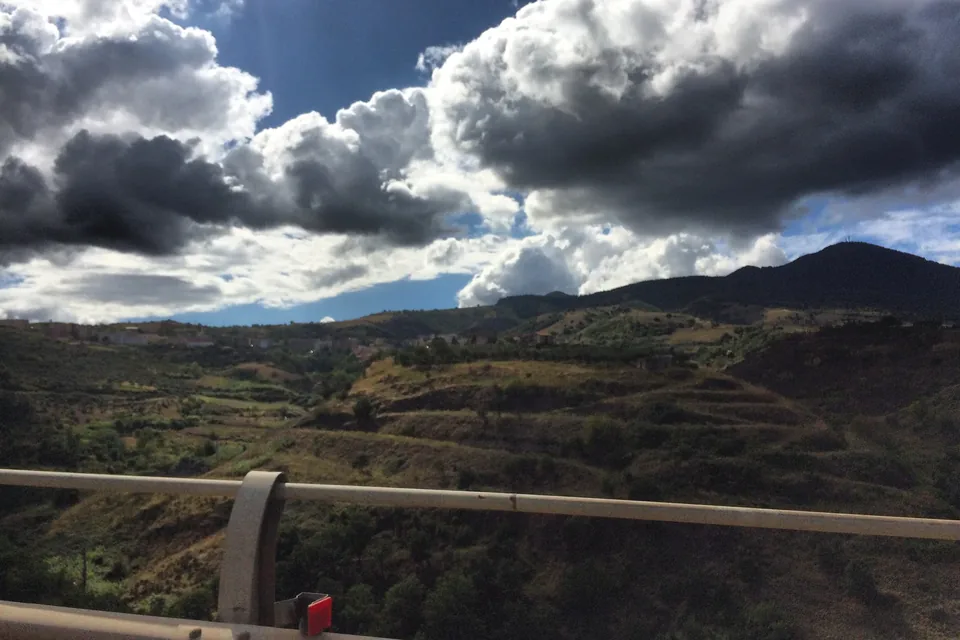
Around the city, the mountain and woodland landscape of the upper Basento valley invites half-day outings, and Potenza is an ideal starting point for the Lucanian Dolomites, where between Pietrapertosa and Castelmezzano you can fly along a steel cable on the Volo dell'Angelo in the warmer months.
Sources: Comune di Potenza — Via Pretoria · Italia.it — Sopra Potenza, il centro storico · Comune di Potenza — Ponte Musmeci · Italia.it — Potenza · Italia.it — Il Volo dell'Angelo
When to go
Potenza has a mountain Mediterranean climate: cold, often snowy winters and mild, dry summers, with average temperatures in the warmest months around 20 degrees. Summer is therefore pleasant for those seeking cooler air, while spring and autumn are ideal for combining the city with its surroundings.
The most heartfelt moment of the year is the feast of the patron saint, San Gerardo. On the evening of 29 May, the eve of the feast, the Historic Parade of the Turks takes place: about a thousand costumed participants walk almost four kilometres, from the Viviani sports ground to Largo Duomo via Via Pretoria and Piazza Matteotti, recalling three eras, the twelfth, sixteenth and nineteenth centuries. The parade draws tens of thousands of spectators and is recognised among the traditions of Italy's heritage; the following day is devoted to the saint's religious celebrations.
In winter the city keeps a quiet atmosphere and the archaeological museum is a perfect visit for cold days. If you want to see the parade, book accommodation well in advance.
Sources: Italia.it — Potenza · Regione Basilicata, Patrimonio culturale — La Storica Parata dei Turchi · Regione Basilicata — Festa di San Gerardo, fede e identità · Ministero della Cultura — Museo archeologico nazionale della Basilicata Dinu Adamesteanu
Getting there and around
Potenza is on the national rail network with Potenza Centrale station, which has four platforms, assistance for passengers with reduced mobility and a local bus stop. The municipality mentions direct trains from Naples and Rome; by car, the main road is the SS407 Basentana, reached from the Mediterranean motorway at the Sicignano degli Alburni exit.
Ferrovie Appulo Lucane link Potenza with Bari, Altamura, Gravina and Matera, run the line to Avigliano and an urban metro service; the same company operates many bus routes to towns in the province, including Pignola, Calvello, Laurenzana and Pietragalla.
In town, use urban transport and above all the escalators, which connect the lower districts with the historic centre. Once up there, Via Pretoria and the squares are best on foot; for the Musmeci bridge and excursions nearby you need a car or a bus.
Sources: RFI — Stazione di Potenza Centrale · Comune di Potenza — Via Pretoria · Ferrovie Appulo Lucane — Orari e linee · Italia.it — Sopra Potenza, il centro storico · Comune di Potenza — Ponte Musmeci
Where to stay
As the regional capital, Potenza offers the widest range of accommodation in the area, from city hotels to bed and breakfasts. The choice depends on your plans: staying near the historic centre lets you walk to Via Pretoria, the cathedral and the museum and enjoy the city in the evening too; lodging in the lower districts, near the station or the Basentana exits, is more practical for drivers leaving early on excursions.
Potenza works well as a base for two or three nights, from which to reach Pietrapertosa and Castelmezzano, Lagopesole castle, the Monticchio lakes or Val d'Agri on day trips, returning to town for dinner.
During the feast of San Gerardo at the end of May, the city welcomes a large influx of visitors: at that time it is essential to book well in advance.
Sources: Italia.it — Sopra Potenza, il centro storico · RFI — Stazione di Potenza Centrale · Regione Basilicata, Patrimonio culturale — La Storica Parata dei Turchi
Nearby
To the north, near Avigliano, Lagopesole castle was Frederick II's hunting and leisure residence: built around two courtyards, with the Palatine Chapel, the emperor's and queen's apartments and a great keep, it houses the Museum of Lucanian Emigration. Beyond it, Vulture offers the Monticchio lakes in an ancient crater and the Aglianico vineyards.
To the east lie the Lucanian Dolomites: Pietrapertosa, the region's highest town at 1,020 metres, with its Norman-Swabian castle above the Arabata quarter, and Castelmezzano, clinging to the rock in the Gallipoli Cognato regional park. The two villages are linked by trails and, in the warmer months, by the Volo dell'Angelo.
Southwards, Val d'Agri leads to Grumento Nova and the ruins of ancient Grumentum, and to Viggiano, the town of the harp and of the Black Madonna sanctuary. Each of these destinations fits into a day trip from Potenza.
Sources: Ministero della Cultura — Castello di Lagopesole · Parco naturale regionale del Vulture — I laghi · Italia.it — Pietrapertosa · Italia.it — Castello normanno-svevo di Pietrapertosa · Italia.it — Castelmezzano · Ministero della Cultura — Parco archeologico di Grumentum · Italia.it — Viggiano
Where to stay
In the municipality of Potenza the national database of the Ministry of Tourism lists 120 accommodation businesses with a verified CIN code: 8 hotels, 47 other licensed accommodation and 65 other types such as B&Bs and private rentals.
Sources: Ministero del Turismo – Banca Dati Strutture Ricettive (dashboard pubblica), 2026-10-12
YOUR JOURNEY
How to shape a journey here
Potenza can provide context for an inland journey. Start with the finds and then look for their landscapes along your route, rather than treating the museum as an isolated episode.
Talk to us about it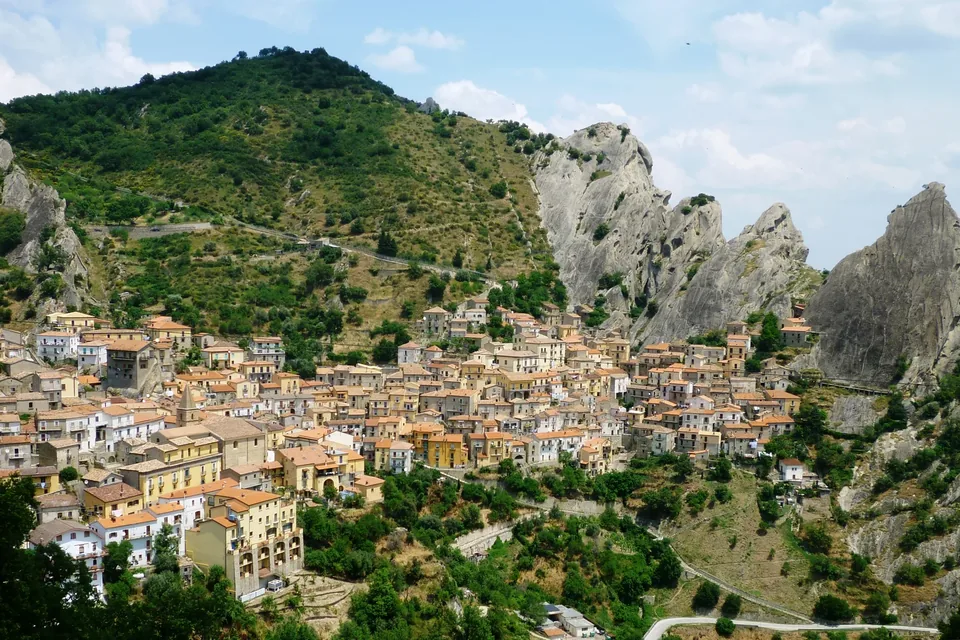
_(2).jpg)


