Why go
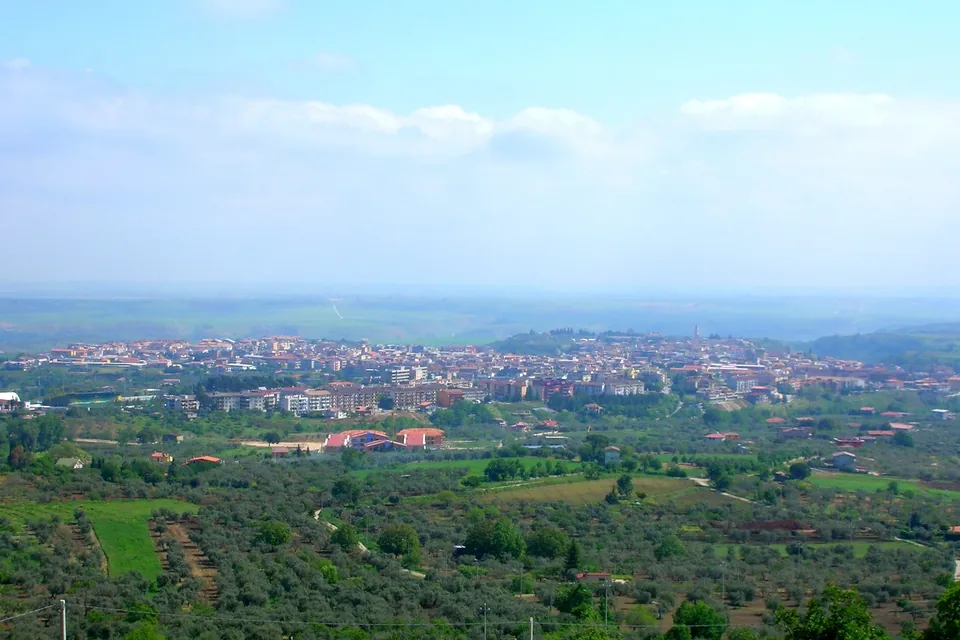
Palazzo San Gervasio is a town in north-eastern Basilicata stretching across the uplands between Vulture and the Murge, at 483 metres, on the border with Puglia marked by the Basentello stream. The most precise reason to stop is an art collection: the D'Errico Picture Gallery, born of a nineteenth-century patron's passion, who gathered nearly three hundred paintings, five hundred prints and thousands of antique books in the family palace on the main street.
Alongside the collection there is the history that gives the town its name, tied to the Norman-Swabian Palatium Regium, and a largely flat territory with a large municipal wood. It is a stop to enjoy slowly: choose a painting, look at its light, subject and details, then walk through the centre to find the same centuries in the house fronts.
Within a trip between Venosa, Melfi and Vulture, Palazzo San Gervasio adds a different theme from archaeology and castles: the way a provincial collector looked at Europe.
Sources: Comune di Palazzo San Gervasio — Il paese · Pinacoteca e Biblioteca Camillo d'Errico — sito ufficiale · Pinacoteca d'Errico — Collezioni
History
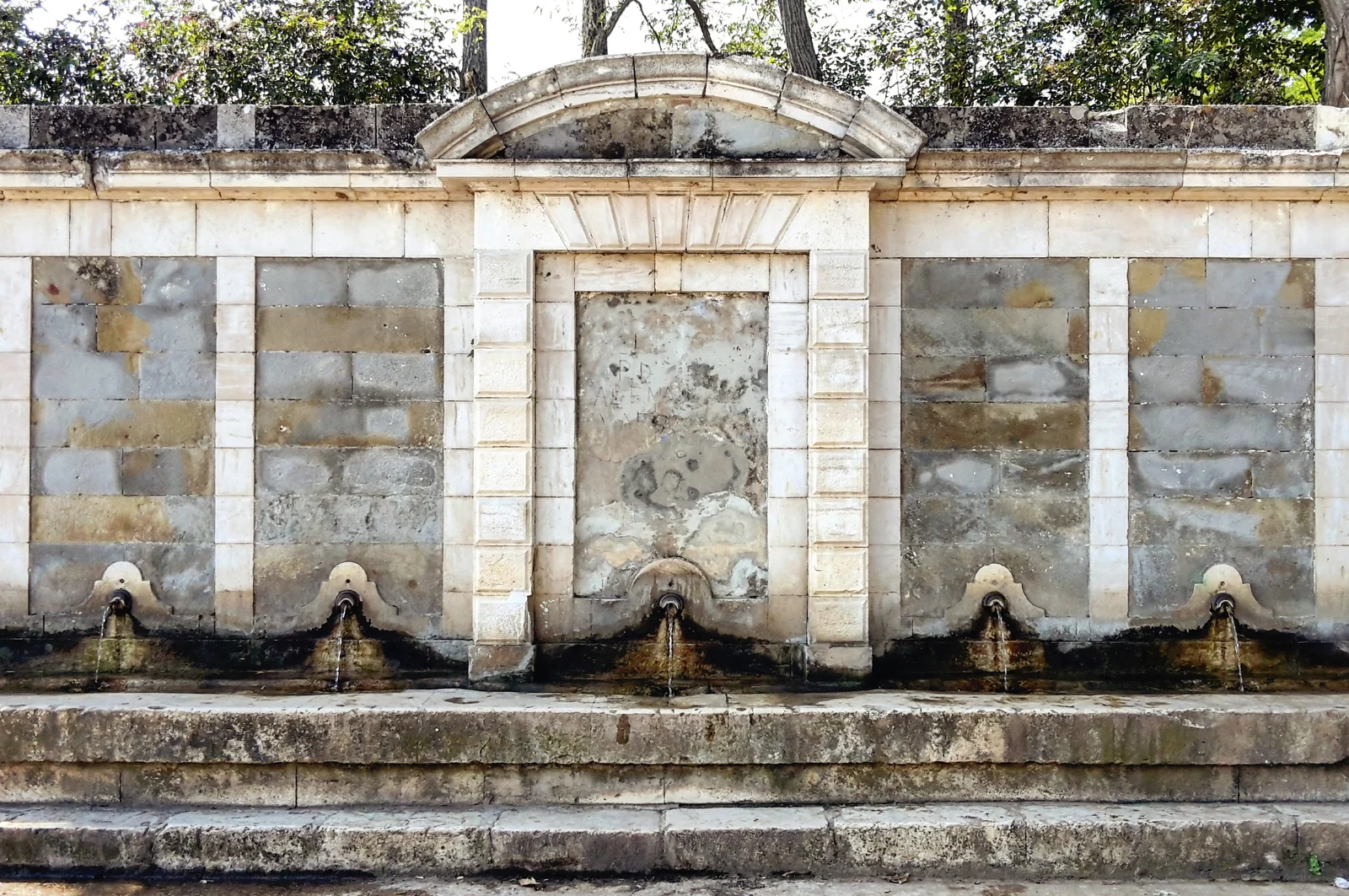
The town's origins are tied to the Norman-Swabian castle, the Palatium Regium that gave it its name: after the year 1000 the first houses of those who served the lords grew up around it. A document of 1082 mentions a "casale Gervasii" in connection with Count Roger, son of Robert Guiscard, donating it to the Holy Trinity abbey of Venosa. In 1201 a papal bull names the place "Palatium Sancti Gervasii". A local scholar quoted by the municipality links the town's birth to the destruction of Banzi by the Saracens and places Horace's Bandusian spring about one kilometre away: a hypothesis, not an established fact.
Under the Angevins the "tenimento di San Gervasio" became a defensive outpost and, according to documents of 1281, the seat of the rulers' finest horse breeding. From the fifteenth century the fief changed hands many times until feudalism was abolished in 1806; the mother church beside the castle was completed in 1544.
In the nineteenth century the d'Errico family built, between 1829 and 1833, the palace that reshaped the centre and fixed the line of Corso Manfredi. Camillo d'Errico, born here in 1821, took part in the liberal uprisings of 1848 and after 1853 invested the family income in paintings and books.
Sources: Comune di Palazzo San Gervasio — La storia · Regione Basilicata, Patrimonio culturale — Castello Marchesale · Pinacoteca d'Errico — Palazzo d'Errico · Pinacoteca d'Errico — Camillo d'Errico
What to see
The D'Errico Picture Gallery occupies the rooms the patron fitted out in the family palace, with two large galleries for the paintings, one lit by a skylight. The collection left by Camillo d'Errico includes 298 paintings: portraits, still lifes, battles, landscapes, religious and historical subjects and genre scenes. According to the municipality, the display is arranged in three sections: masterpieces of seventeenth- and eighteenth-century Neapolitan painting, a group of mostly nineteenth-century prints and a selection of antique books. The archaeological exhibition "The Warriors of Palazzo", with finds from recent excavations, completes the visit.
The palace itself deserves attention: built of stone and lime mortar, it is a typical nineteenth-century manor house, plain outside, with full-height entrance halls and a loggia at the back. Behind it stands the small Purgatorio church, rebuilt by the family as a private chapel that was also open to the public.
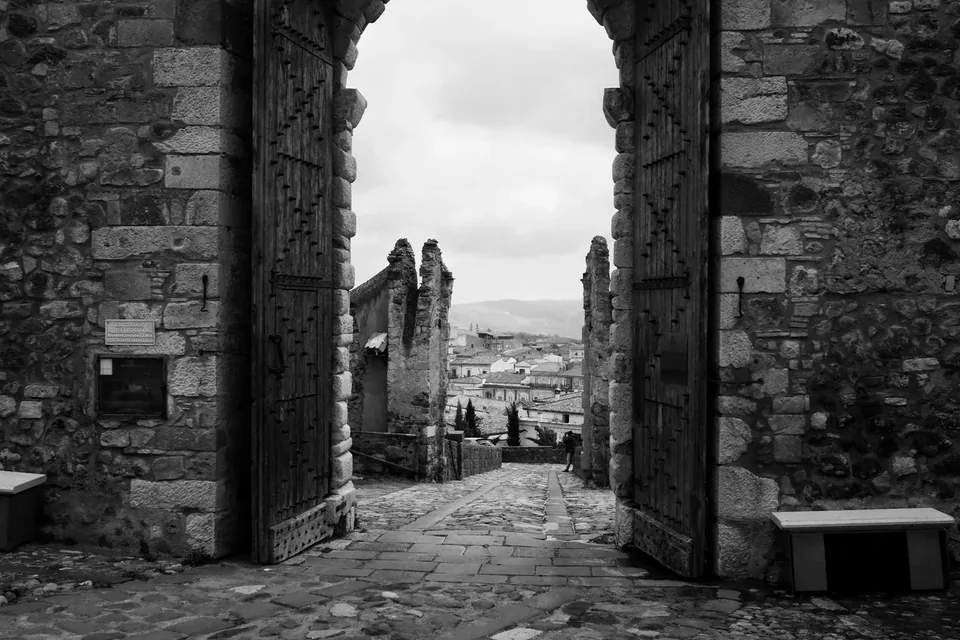
At the heart of the old town stands the Castello Marchesale, opposite the mother church of San Nicola. Regional records describe mullioned windows still recognisable though walled up; the building has been consolidated but is not open to the public, so it is viewed from outside.
Sources: Pinacoteca d'Errico — Palazzo d'Errico · Pinacoteca d'Errico — Collezioni · Comune di Palazzo San Gervasio — Gli itinerari · Regione Basilicata, Patrimonio culturale — Castello Marchesale
Food and wine
The municipality describes Palazzo San Gervasio's cooking as Lucanian in structure, with some influence from neighbouring Puglia. Homemade pasta, cured meats and cheeses of the farming tradition, wild greens such as rocket and chicory, and cultivated vegetables including peppers and lampascioni dominate the table.
The dish the municipality presents as typical is capunti with turnip tops: the fresh pasta is cooked together with the greens and dressed with garlic and anchovies in oil, with black pepper or, for bolder tastes, fried dried hot peppers. It is a home recipe that speaks of the vegetable garden and the cold season, when turnip tops are at their best.
The reference wine of northern Basilicata is Aglianico del Vulture, the designation-of-origin red made in the Vulture municipalities of the province of Potenza, while the region's extra virgin olive oil can carry the Olio Lucano geographical indication. At the table, ask which dishes are made at home and which ingredients come from the surrounding fields.
Sources: Comune di Palazzo San Gervasio — La gastronomia · Commissione europea, eAmbrosia — Aglianico del Vulture · Commissione europea, eAmbrosia — Olio Lucano IGP
Things to do
Beyond the gallery, the territory offers little-known open spaces. The municipality owns a wood of about 750 hectares, crossed by a network of trails for walking and cycling. Inside it are a small artificial lake, the Santa Giulia pond, where sport fishing takes place in summer, and a camping area with tent pitches and facilities.
The centre lends itself to a historical walk: Corso Manfredi, named after the Swabian king who visited in 1265, is the backbone drawn by nineteenth-century palaces; around the castle you can still recognise the oldest quarters, such as Spirito Santo, the first core of the town. Legends collected by the municipality, such as the vanished village of Cervarizza or the Valerio stream linked to the battle of Cannae, add popular storytelling to the visit.
The gallery also organises exhibitions and events during the year: check its calendar before travelling, as a temporary show can change the meaning of the visit.
Sources: Comune di Palazzo San Gervasio — Il paese · Comune di Palazzo San Gervasio — Curiosità e leggende · Comune di Palazzo San Gervasio — La storia · Pinacoteca e Biblioteca Camillo d'Errico — sito ufficiale
Getting there and around
Palazzo San Gervasio is reached mainly by road. For travellers from the north the municipality indicates the Candela junction and then the SS655 Bradanica road to the town exit; from the south the route passes Potenza and the Basentana road, continuing towards Melfi and along the Bradanica. The town is about 72 kilometres from Potenza.
For road connections the municipality mentions buses from Potenza and nearby towns, and names Naples and Bari as reference airports. The municipal page also lists a stop on the Rocchetta Sant'Antonio–Gioia del Colle railway: before relying on the train, check on official channels whether the service is running.
In town you get around on foot along Corso Manfredi, where the gallery and the town hall stand; for the municipal wood, the pond and nearby places such as Venosa and Banzi you need your own transport.
Sources: Comune di Palazzo San Gervasio — Come raggiungerci · Comune di Palazzo San Gervasio — Il paese · Pinacoteca e Biblioteca Camillo d'Errico — sito ufficiale
Where to stay
Palazzo San Gervasio is a small town with limited accommodation. The municipal page on accommodation lists a hotel on the SS168 road with reception and conference rooms; those travelling with a tent will find a camping area with pitches and facilities in the municipal wood.
For a stay of several days in northern Basilicata, the most practical solution is often to combine the town with a base nearby: Venosa, a few kilometres away, offers hotels and bed and breakfasts in its old town, convenient for walking to the castle, cathedral and fountains and returning to Palazzo for the gallery.
Either way, book ahead and choose your base according to the itinerary: those focusing on art and archaeology will do well on the Venosa–Palazzo San Gervasio axis; those who want to add woods and lakes can move closer to Vulture.
Sources: Comune di Palazzo San Gervasio — Strutture ricettive · Comune di Palazzo San Gervasio — Il paese · Comune di Venosa — Luoghi e strutture
Nearby
Venosa, which borders Palazzo San Gervasio, completes the trip with the archaeological park of ancient Venusia, the unfinished church and the Mario Torelli National Archaeological Museum in the castle of Pirro del Balzo. This is the same Holy Trinity monastery to which Count Roger donated the San Gervasio hamlet in 1082: visiting both makes the link between the two towns clear.
Melfi, a little further west, keeps the Massimo Pallottino National Archaeological Museum in its castle, with the Rapolla Sarcophagus and a collection of medieval glass linked to the court of Frederick II. Together with the D'Errico gallery it lets you compare two ways of collecting and showing the past: a patron's private collection and a state museum born from excavations.
Higher up, the Vulture regional nature park changes the landscape entirely, with the Monticchio lakes in the crater of the extinct volcano. Two or three days are enough to combine art, archaeology and nature without hurrying.
Sources: Ministero della Cultura — Parco archeologico di Venosa · Ministero della Cultura — Museo archeologico nazionale Mario Torelli · Comune di Palazzo San Gervasio — La storia · Ministero della Cultura — Museo archeologico nazionale Massimo Pallottino e Castello svevo · Parco naturale regionale del Vulture — I laghi
Where to stay
In the municipality of Palazzo San Gervasio the national database of the Ministry of Tourism lists 9 accommodation businesses with a verified CIN code: 1 hotels, 3 other licensed accommodation and 5 other types such as B&Bs and private rentals.
Sources: Ministero del Turismo – Banca Dati Strutture Ricettive (dashboard pubblica), 2026-10-12
YOUR JOURNEY
How to shape a journey here
Here the collection is the starting point rather than a sequence of monuments. Choose a painting and study its light, subject and details before continuing through town.
Talk to us about it