Why go
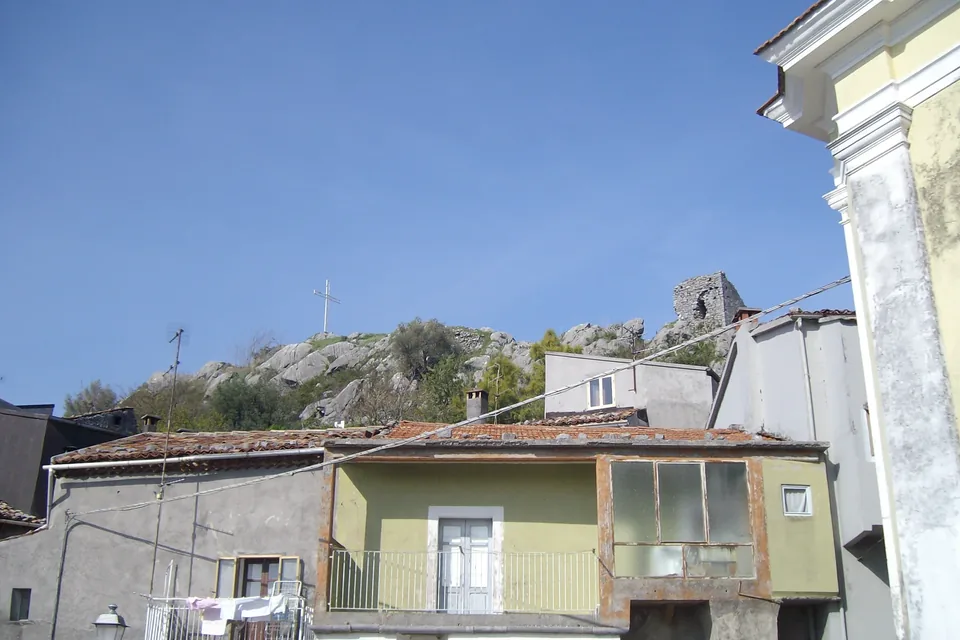
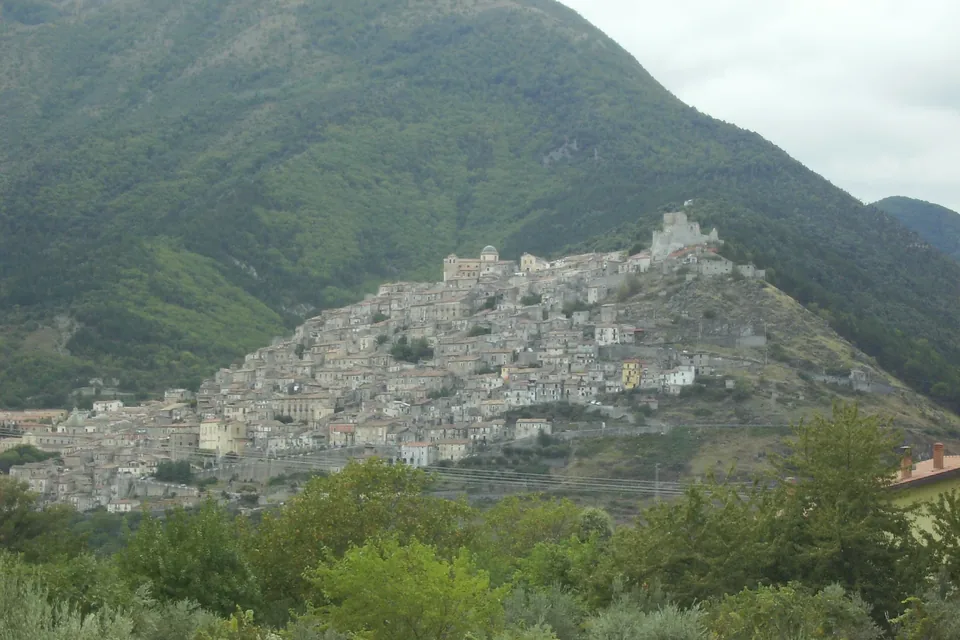
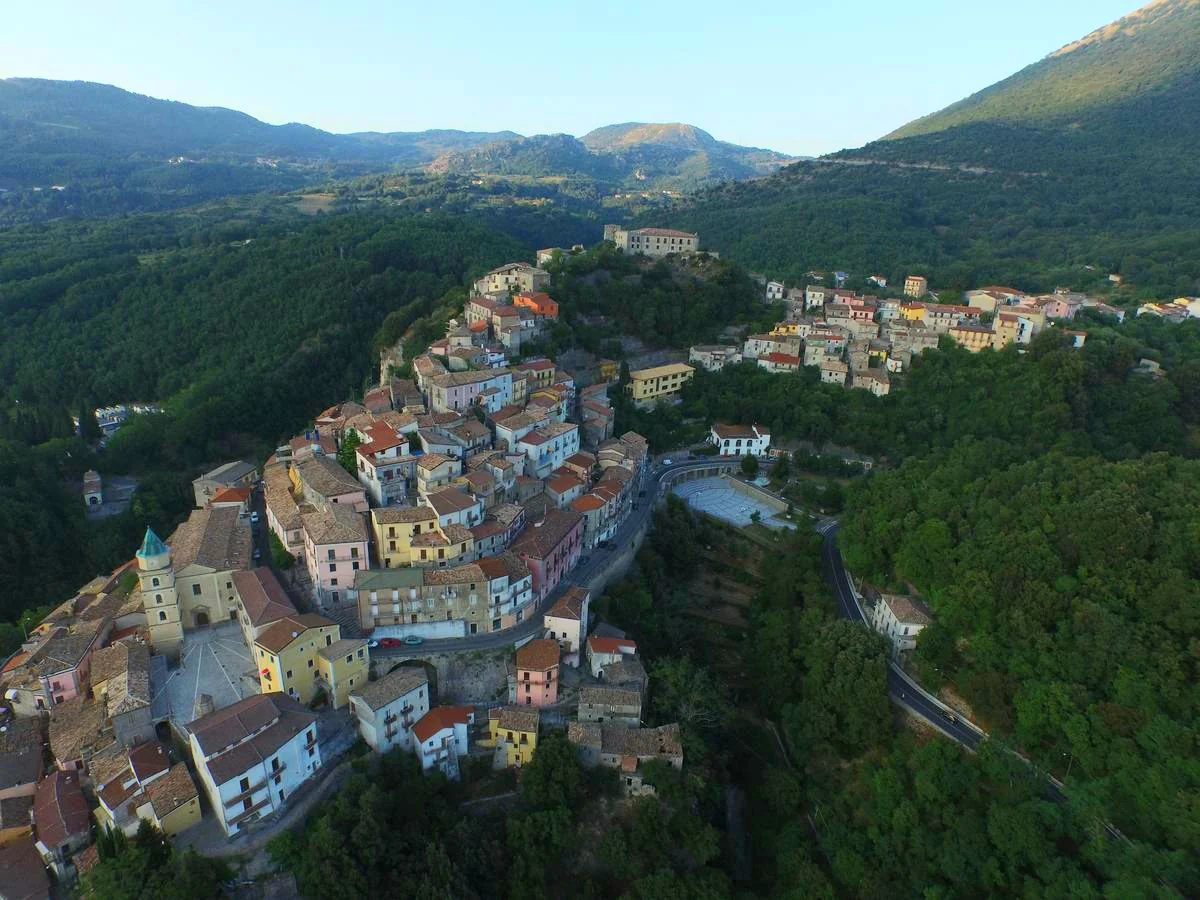
Viggianello is a village at the foot of the Pollino massif, in the Mercure valley, with a compact, well-kept old centre: red-roofed houses gathered round a medieval castle perched on a rocky hill, with stone lanes and stairways running down to the valley. The Pro Loco presents it as one of the Most Beautiful Villages in Italy, in the heart of the Pollino National Park.
The village has two souls. One is the mountain: from Piano Ruggio, a karst plateau at 1,500 metres covered in pasture, walks lead through blossoms, beech woods and viewpoints, and longer trails reach the ridges where the great Bosnian pines grow. Close to the centre rises the Mercure river, called Lao in Calabria, where rafting and river trekking are offered.
The other is tradition, which Italy's national tourism portal calls the true protagonist of the place: the tree rituals for San Francesco di Paola, the cirii and sickle dance for the Madonna del Carmelo, the pilgrimage to the Madonna dell'Alto and the Straw Carnival. These festivals bind the community to the woods, the wheat and the seasons.
Sources: Italia.it — Viggianello · Pro Loco Viggianello — Monumenti e luoghi d’interesse · Pro Loco Viggianello — La storia · Parco nazionale del Pollino — Viggianello · Pro Loco Viggianello — Sentieristica · Pro Loco Viggianello — Luoghi di interesse · Pro Loco Viggianello — Sport ed attività · Pro Loco Viggianello — Folklore e tradizione · Pro Loco Viggianello — Carnevale di Paglia
History
According to the Pro Loco, the first historical traces date from Roman times, when the hill held the Castrum Byanelli, a garrison controlling the valley and the via Popilia linking Capua and Reggio; finds from the Spidarea area, such as red-figure pottery fragments and coins, attest to settlement. The park, however, notes that Greek and Roman settlement remains uncertain, while evangelisation by Byzantine monks is certain. In Byzantine times the village became a fortified kastrion, and the Basilian monks of the Mercurion eparchy built churches, convents and cave chapels.
In the 11th century the Normans built the stronghold with its square tower, and the Swabians enlarged it: local tradition says Frederick II stayed there twice. Under the Angevins and Aragonese the castle became a military and administrative centre; in the 15th century it was taken by Gonzalo de Córdoba and passed to the Sanseverino of Bisignano, who turned it into a summer and hunting residence and held the fief until feudalism was abolished in 1806.
The village's name is tied to a legend: a queen, drinking at the source of the Mercure, lost her wedding ring, and a soldier found it crying «Vidi anellum». Scholars prefer to derive it from a Roman name or from vine growing.
Sources: Pro Loco Viggianello — La storia · Pro Loco Viggianello — Monumenti e luoghi d’interesse · Parco nazionale del Pollino — Viggianello · Pro Loco Viggianello — Luoghi di interesse
What to see
The castle dominates the village and is the natural starting point. Restored, it now houses a hotel and conference venue, but keeps the charm of a thousand-year-old fortress: the well cut into the rock, the great stone fireplace carved by local craftsmen, the memory of a secret passage and a library with volumes from the late 16th century. At its feet lanes and paved stairways crowd together.
The mother church of Santa Caterina d'Alessandria, born in the oldest quarter, the Ravita, and rebuilt in 1632, has a 16th-century stone portal with Doric columns and pediment, like the front of a temple, and a multi-storey bell tower topped by a spire. The park also lists among the places of worship the church of San Francesco di Paola, the chapels of Santa Maria della Grotta and Santa Caterina, and the chapel of the Holy Trinity with its Basilian dome, one of the village's most interesting buildings.
About a kilometre and a half from the centre is the source of the Mercure, with a picnic area, linked to the legend of the ring. From the municipal gardens, near the amphitheatre, an easy trail climbs towards Serra Mauro, at 1,500 metres, crossing the protected red deer area. Higher up, the Piano Ruggio plateau offers wide views over the massif.
Sources: Pro Loco Viggianello — Monumenti e luoghi d’interesse · Parco nazionale del Pollino — Viggianello · Pro Loco Viggianello — Luoghi di interesse
Flavours
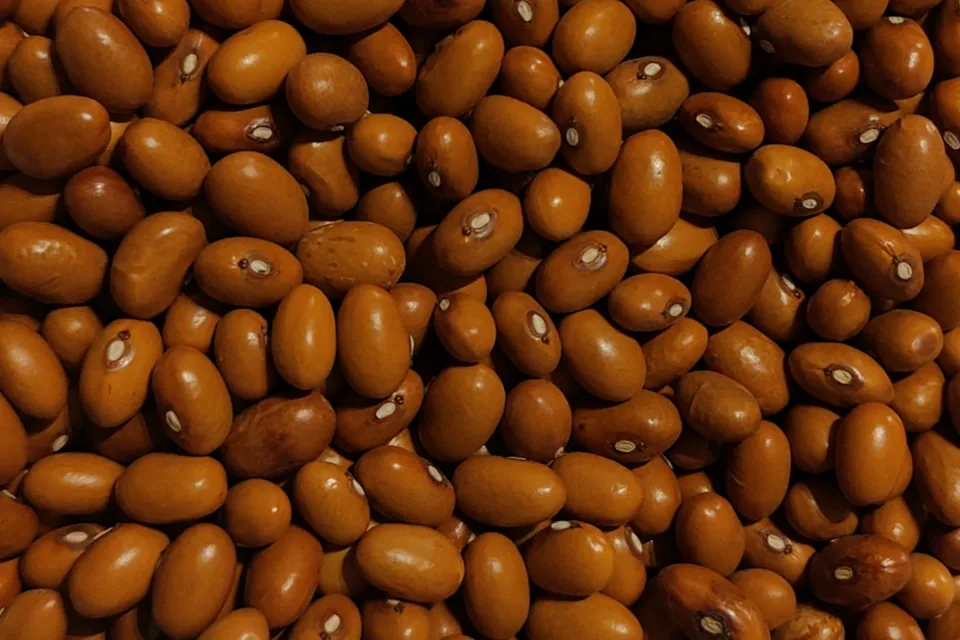
Viggianello falls, with Rotonda and the two Castelluccio villages, within the production area of two designated-origin products of the Mercure valley. Fagioli Bianchi di Rotonda PDO, in the Fagiolo Bianco and Tondino or Poverello Bianco ecotypes, grow on chestnut-wood supports from the valley's forests, a method handed down through generations; they are picked by hand, fresh in summer and dried in autumn, and have white seeds with a very thin skin. Melanzana Rossa di Rotonda PDO, of African origin, is round like a tomato, orange turning to red, with a spicy taste and a slightly bitter finish.
From the Pollino pastures comes paddaccio, a fresh handmade sheep's and goat's milk cheese that the park names as typical of Rotonda, Viggianello and Terranova di Pollino. Among cured meats are Lucanian soppressata and fennel sausage flavoured with powdered Senise pepper.
Autumn brings chestnuts and mushrooms: guides offer walks in the chestnut groves for gathering and tastings of roast chestnuts in the woods, and the Gusto del Pollino, organised with the Pro Loco, fills the village with markets of porcini, chestnuts, cured meats, cheese, honey and crafts.
Sources: Qualigeo — Fagioli Bianchi di Rotonda DOP · Qualigeo — Melanzana Rossa di Rotonda DOP · Parco nazionale del Pollino — Sapori · Pro Loco Viggianello — Sport ed attività · Pro Loco Viggianello — Il Gusto del Pollino
Things to do
The trails described by the Pro Loco cover all levels. The Piano Ruggio walk, at 1,500 metres, crosses meadows in spring bloom and karst features, reaches the beech known as the «seven sisters» and arrives at a viewpoint over the plains of Castrovillari and Sibari and the ridges of Serra del Prete with their Bosnian pines. The new Pastiroso loop, at 1,000 metres, suits hiking and mountain biking among Turkey oaks and beeches. The longest excursion climbs to Serra delle Ciavole, home to the largest number of great Bosnian pines, and along the way you pass rocks with fossil rudists.
The river is the other playground. On the Mercure-Lao, between Viggianello and Rotonda, guides run descents in single-seat tubes and «acquatrekking», river walking in waterproof suits suitable for families too. In winter, when snow covers the massif, you can go snowshoeing, even by night.
For all demanding outings, go with authorised guides and check trail conditions at the park's info points, open mainly in summer.
Sources: Pro Loco Viggianello — Sentieristica · Parco nazionale del Pollino — Il pino loricato · Pro Loco Viggianello — Sport ed attività · Parco nazionale del Pollino — Infopoint 2026
When to go
Viggianello's richest season runs from spring to autumn, marked by festivals that Italy's national tourism portal considers unmissable. The Good Friday procession re-enacts the Way of the Cross; the pilgrimage to the Madonna dell'Alto takes place on the last Sunday of May and the first Sunday of September.
Summer is the time of rituals linked to wheat and trees. According to the Pro Loco, at the end of July the wheat that will decorate the cirii is harvested, and in the third week of August the Madonna del Carmelo is celebrated: cirii, girdles and sheaves come down from Pezzo la Corte to Gallizzi, while men dressed as reapers mime the ancient sickle dance to bagpipes and accordions. In the fourth week of August come the tree rituals for San Francesco di Paola, with the «Pitu» and «Rocca» carried from Piano Visitone to the old centre and raised on Sunday; in the hamlet of Pedali the rite is held the week after Easter.
Autumn brings foliage, mushrooms, chestnuts and the Gusto del Pollino markets. Winter has its reasons too: the Straw Carnival, born in 1986, with willow-frame floats and the trial of the Paglierino puppet, and snowshoe hikes. Dates should be checked each year with the Pro Loco.
Sources: Italia.it — Viggianello · Pro Loco Viggianello — Folklore e tradizione · Pro Loco Viggianello — Il Gusto del Pollino · Pro Loco Viggianello — Sport ed attività · Pro Loco Viggianello — Carnevale di Paglia
Getting there and around
Viggianello lies on the Lucanian side of the Pollino National Park. The park gives as the main access from the west the A2 Mediterranean motorway, with exits in the Pollino area including Lauria, Laino Borgo and Campotenese; from the east the SS106 Jonica connects with roads climbing inland, such as the SS653 of the Sinni valley.
Without a car, take the train to the rail hubs linked to the park by local buses: Maratea and Policoro in Basilicata, Sapri in Campania, Scalea, Paola and Sibari in Calabria. On the Lucanian side the park's villages are served by the COTRAB consortium, and private coach services link the Pollino with Naples, Bari, Rome and other cities. The reference airports are Naples, Bari and Lamezia Terme. For cyclists, the Lagonegro-Rotonda cycle route runs between the Noce and Mercure valleys along the former Calabro-Lucana railway.
The village is explored on foot, through lanes and stairways; for Piano Ruggio, the source of the Mercure and the trailheads at altitude you need a car or a guided service.
Sources: Parco nazionale del Pollino — Come raggiungerci · Pro Loco Viggianello — Sentieristica · Pro Loco Viggianello — Luoghi di interesse
Where to stay
The Pro Loco lists local accommodation on its website by type: agriturismi in the rural districts, bed and breakfasts, guest rooms and holiday homes, and hotels. One of the most unusual options is the Sanseverino princes' castle itself, restored and now used as a hotel and conference venue, which lets you sleep in the heart of the old village.
For a stay focused on traditions and village life, a base in or near the old centre is best, a few steps from squares and churches. Those coming mainly for hiking and the river may prefer an agriturismo in the Mercure valley, closer to trails and river activities, where local produce is often on the table.
During the August festivals and the autumn markets of the Gusto del Pollino visitor numbers rise, and the Pro Loco reports growing bookings: it is wise to plan ahead. The Pro Loco's Merkurion InfoPoint, in the municipal amphitheatre, can give up-to-date advice.
Sources: Pro Loco Viggianello — Agriturismi · Pro Loco Viggianello — B&B, affittacamere e case vacanza · Pro Loco Viggianello — Hotel · Pro Loco Viggianello — Monumenti e luoghi d’interesse · Pro Loco Viggianello — Il Gusto del Pollino · Pro Loco Viggianello — Contatti
Local tourist information
Local tourist offices help with opening times, events and transport on the day.
- Pro Loco Viggianello — InfoPoint Merkurion · Anfiteatro Comunale, 85040 Viggianello (PZ) · +39 334 384 9259 · Official website
Source: Pro Loco Viggianello — Contatti · checked on
Where to stay
In the municipality of Viggianello the national database of the Ministry of Tourism lists 39 accommodation businesses with a verified CIN code: 4 hotels, 14 other licensed accommodation and 21 other types such as B&Bs and private rentals.
Sources: Ministero del Turismo – Banca Dati Strutture Ricettive (dashboard pubblica), 2026-10-12
YOUR JOURNEY
How to shape a journey here
Read the town between valley and mountain: alternate a town walk with a landscape viewpoint without turning every stop into a hike.
Talk to us about it