
Why go
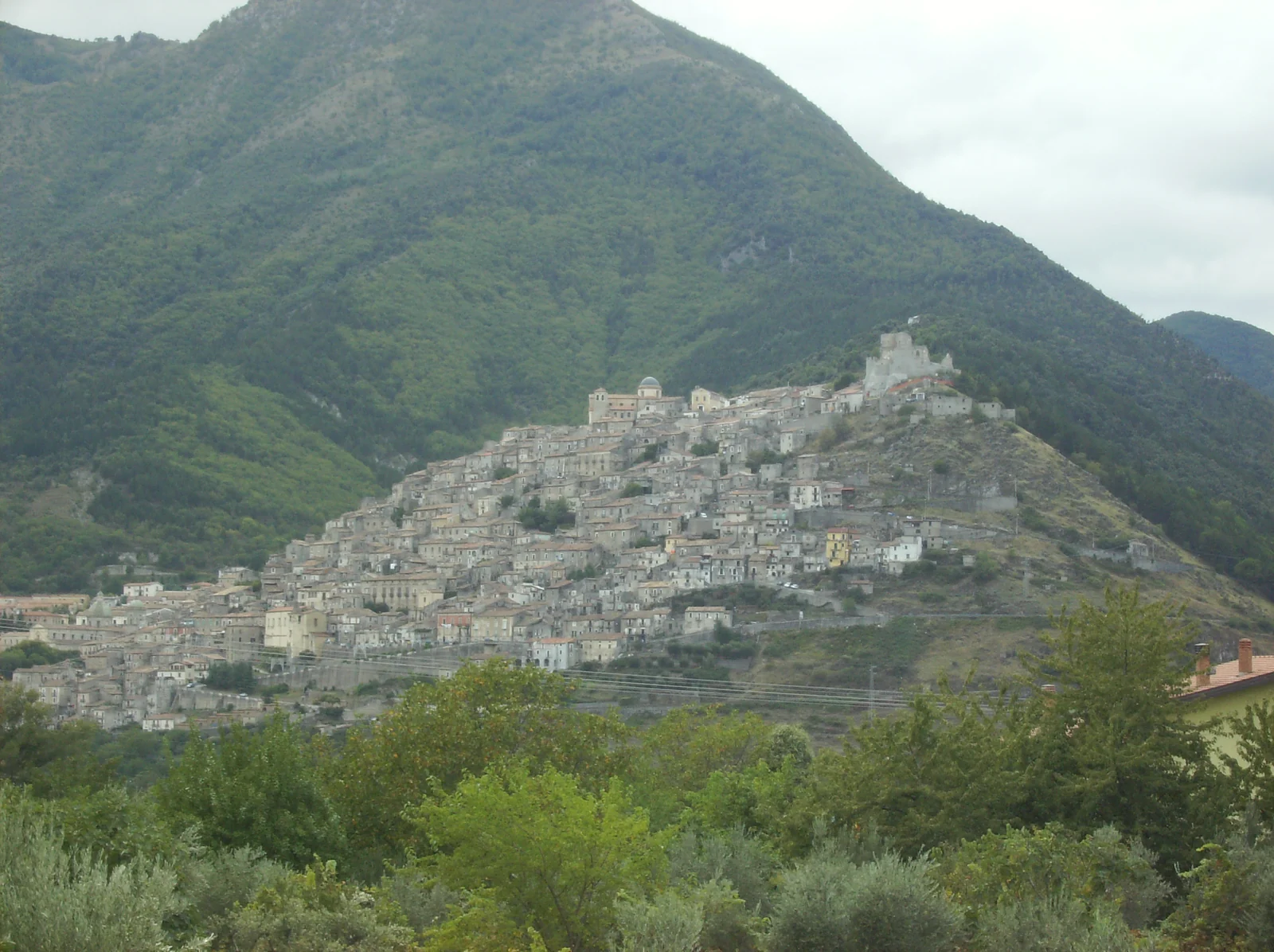
Morano Calabro stands on a hill at about 700 metres, backed by the Calabrian side of Pollino, Dolcedorme and Serra del Prete. The municipality presents it as an art town of the Region and of Pollino National Park; Italia.it, which lists it among the Orange Flag towns, describes it as one of Calabria's most intact historic centres, its houses pressed together to cover the slopes of the hill.
It is a town to explore on foot. Alleys, stairways and small squares link three districts gathered around the castle and the main churches, and every climb changes the view over the Coscile valley and the mountains. The churches hold works of unexpected quality: a polyptych by Bartolomeo Vivarini, statues by Pietro Bernini, a Madonna by Antonello Gagini, paintings by Pedro Torres.
Add to this the link with the mountains and rural work, told by the museum of the history of agriculture and pastoralism and by a nature exhibition spread through houses in the old town. Morano works well as a base for Pollino: sleep in town, head up to the high ground by day, come back in the evening to the stone streets.
Sources: Comune di Morano Calabro — Storia · Italia.it — Morano Calabro
History
Morano's roots are ancient. The municipality notes that the name Muranum appears on the Lapis Pollae, a second-century BC milestone found at Polla, as a station on the consular road from Capua to Reggio; Summuranum appears in the Antonine Itinerary and the Tabula Peutingeriana. The town overlooked one of the routes linking the Ionian and Tyrrhenian seas as early as the Greek period.
The coat of arms with a Moor's head, according to Italia.it, suggests a Saracen presence in the tenth and eleventh centuries, and local tradition recalls the battle of Petrafocu, probably fought in 1096 and won by the townspeople against the raiders. A fort rose on the hilltop, becoming a castle under the Normans; Pietro Antonio Sanseverino, Prince of Bisignano, rebuilt and enlarged it in the first half of the sixteenth century.
The fief passed from the Fasanella and other medieval lords to the Sanseverino under the Aragonese, then in 1614 to the Spinelli of Scalea, who held it until feudalism was abolished in 1806. The town grew downhill within its walls. "Calabro" was added to the name in 1863. Between the late nineteenth and early twentieth centuries, transatlantic emigration took many people from Morano to the Americas, especially Porto Alegre in Brazil.
Sources: Comune di Morano Calabro — Storia · Italia.it — Morano Calabro · Comune di Morano Calabro — Festività, tradizioni, appuntamenti · Comune di Morano Calabro — Museo di storia dell'agricoltura e della pastorizia
What to see
The church of San Bernardino da Siena, founded with its friary in 1452 by Pietro Antonio Sanseverino, is a rare example of late Gothic Franciscan architecture, returned to its original form by a 1950s restoration. The four-arched portico preserves fresco fragments dated 1499; on the façade open two yellow-stone doorways, pointed for the church and depressed-arched for the cloister. The single-nave interior of exposed stone and wood holds a fifteenth-century wooden crucifix; the Ministry of Culture lists the complex among architectural heritage.
The Maddalena, on the main square, can be spotted from anywhere in town thanks to its dome and bell tower clad in green and ochre majolica. It keeps Bartolomeo Vivarini's 1477 polyptych, brought from San Bernardino, and Antonello Gagini's Madonna degli Angeli of 1505, along with seventeenth-century paintings by Pedro Torres. Higher up, near the castle, the church of Santi Pietro e Paolo, possibly dating from around 1000, holds two pairs of marble statues by Pietro Bernini and a silver processional cross of 1445.
San Nicola, on two levels, joins the fifteenth-century upper church to an older space dedicated to Santa Maria delle Grazie. At the top of the hill stand the restored ruins of the castle; about seven kilometres away, in the woods at the foot of Pollino, are those of the Colloreto monastery, founded in 1546.
Sources: Comune di Morano Calabro — San Bernardino da Siena · Ministero della Cultura — Complesso di San Bernardino · Comune di Morano Calabro — Chiesa di Santa Maria Maddalena · Italia.it — Morano Calabro · Comune di Morano Calabro — Chiesa dei Santi Pietro e Paolo · Comune di Morano Calabro — Chiesa di San Nicola · Comune di Morano Calabro — Ruderi del monastero di Colloreto
Food and wine
Italia.it lists among Morano's products handmade pasta such as cavateddri, rascateddri and lagane, pork salumi and cheeses including Moretto del Pollino. It also mentions an unusual product, Loricanda, the name given to a rare lavender native to the area. This is mountain cooking, rooted in wheat, livestock and preserving.
The picture is completed by the food chains the Pollino Park Authority describes for the Calabrian side: baked ricotta from small dairies, dry-salted and baked in terracotta moulds; hard pecorino from sheep and goat milk; Calabrian soppressata, coloured by sweet or hot red pepper; sausage with wild fennel seeds.
From the nearby hills come Cerchiara bread, made with sourdough and baked in a wood oven, taralli and the sweet Easter bread called piccidat, while the Park also names Moscato al governo di Saracena among local specialities. Dinner in Morano after a day's walking can start with a plate of handmade pasta and a board of local salumi and cheeses.
Sources: Italia.it — Morano Calabro · Ente Parco Nazionale del Pollino — Sapori
Things to do
The municipality suggests walks through the old town that follow a set order. The first starts at San Bernardino, crosses the public garden and climbs into the district known as the Greeks' or the Lauri, after old settlements of Byzantine monks, up to Porta San Nicola, the 1561 fountain with the town arms and the church of San Nicola. Take them slowly, looking at doorways, coats of arms and the layout of the houses.
The old town also has the museum of the history of agriculture and pastoralism in Palazzo Salmena: nine sections of tools, carts, household objects, folk dress and panels on the town's growth and on emigration. The Ministry of Culture describes its route through objects, photographs and maps; check access in advance, as the ministry page reports it closed. Il Nibbio, a nature museum belonging to the national association of science museums, recreates Park habitats in dioramas set up in several houses in the old town, alongside reconstructed craft workshops.
Morano is a starting point for Pollino: the Park's trail register includes routes such as Colle dell'Impiso to Serra del Prete and the Pollino plains, which also cross Morano's territory. For the more demanding climbs, an official guide is recommended.
Sources: Comune di Morano Calabro — Passeggiata da San Bernardino al rione San Nicola · Comune di Morano Calabro — Museo di storia dell'agricoltura e della pastorizia · MiC — Museo agricoltura e pastorizia · Comune di Morano Calabro — Museo naturalistico Il Nibbio · Ente Parco Nazionale del Pollino — Sentieri
When to go
The festival calendar published by the municipality gives good reasons to pick a date. In May the town celebrates its patron, San Bernardino da Siena, with Mass and procession; around 20 May, according to Italia.it, it also stages the three-day Festa della Bandiera, a palio in historical costume recalling the 1096 battle of Petrafocu against the Saracens.
In July the Madonna del Carmine, protector of emigrants, is honoured with the Emigrant's Day, a strong link with Morano's communities in the Americas. August brings the feast of the Madonna della Neve with the Mountain Festival at Campotenese, the Assumption in the Cerasali district and San Rocco with a small market; in September the town honours the Madonna delle Grazie. Between July and September, summer evenings also bring music, art and film events.
For Pollino, spring and autumn suit mid-altitude walks, while summer opens the ridges and the Park's seasonal info point at Campotenese. Exact festival dates change from year to year and should be checked with the municipality.
Sources: Comune di Morano Calabro — Festività, tradizioni, appuntamenti · Italia.it — Morano Calabro · Comune di Morano Calabro — Turismo · Ente Parco Nazionale del Pollino — Infopoint 2026
Getting there and around
Morano is one of the easiest Pollino towns to reach by car. The Park Authority gives the A2 Mediterranean motorway as the main route from the west, with the Campotenese, Frascineto and Castrovillari exits among those serving the Calabrian side; the municipality notes that the Colloreto ruins lie right by the motorway exit for Morano. From the east you arrive via the SS106 Ionian road and the SS534 linking Sibari and Castrovillari.
By train, the Park points to Sibari, Trebisacce, Paola, Scalea and Roggiano Scalo–San Marco Argentano as useful hubs for the Calabrian side, continuing on local buses run by Trasporti Nord Calabria. The Calabrian reference airport is Lamezia Terme; from the north the Park also lists Naples and Bari.
The old town is explored on foot, with climbs and steps: comfortable shoes and a few pauses make the walk more enjoyable. To reach Campotenese, the Pollino plains or trailheads you need a car or an organised service.
Sources: Ente Parco Nazionale del Pollino — Come raggiungerci · Comune di Morano Calabro — Ruderi del monastero di Colloreto
Where to stay
The tourism section of the municipal website lists a varied range of accommodation for a town this size: rooms to let, many bed and breakfasts in the old town and outlying districts, agriturismi in the countryside at the foot of Pollino and a few hotels. There is also a scattered-hotel formula, with rooms spread through houses in the village, and the houses linked to the Il Nibbio nature museum.
Sleeping in the old town lets you enjoy Morano in the evening and early morning, when the streets are quieter and the light on the mountains shifts. Agriturismi in districts such as Colloreto or Cerasali suit those who want to be closer to the woods and to cooking based on the farm's own produce.
The municipal list has not been updated recently and some places may have changed hands: check directly before booking. Morano is a convenient base for Pollino, and staying several nights lets you alternate days at altitude with time in town.
Nearby
Morano is the natural gateway to the Calabrian side of Pollino. Campotenese, within its territory, hosts a Park info point in summer; from here and from Colle dell'Impiso trails lead to the Pollino plains and summits. In the municipality of Castrovillari, just to the south, grows the Pollinello old-growth beech forest, a UNESCO World Heritage site, where beeches over six hundred years old have been dated.
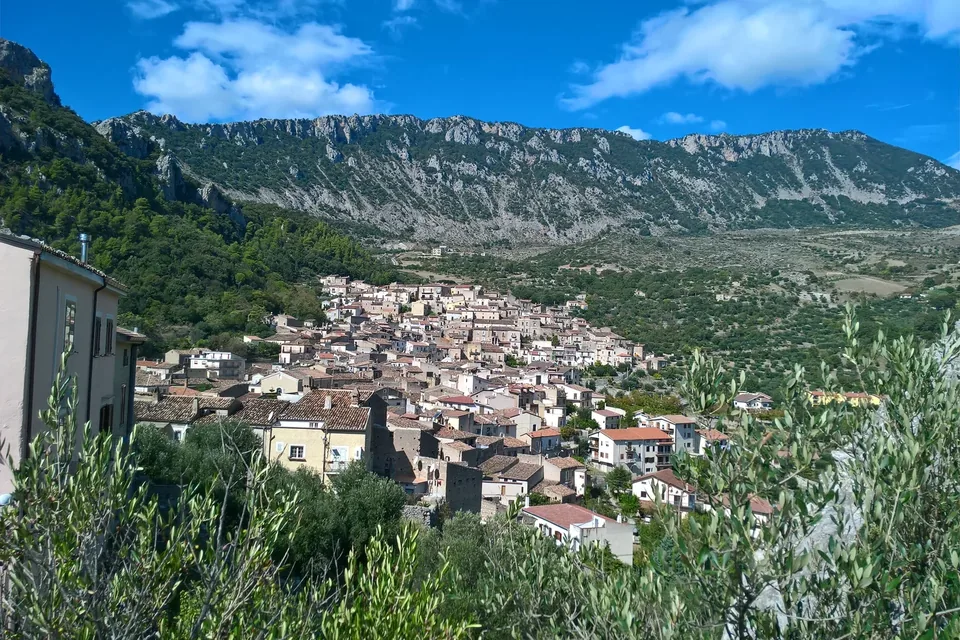
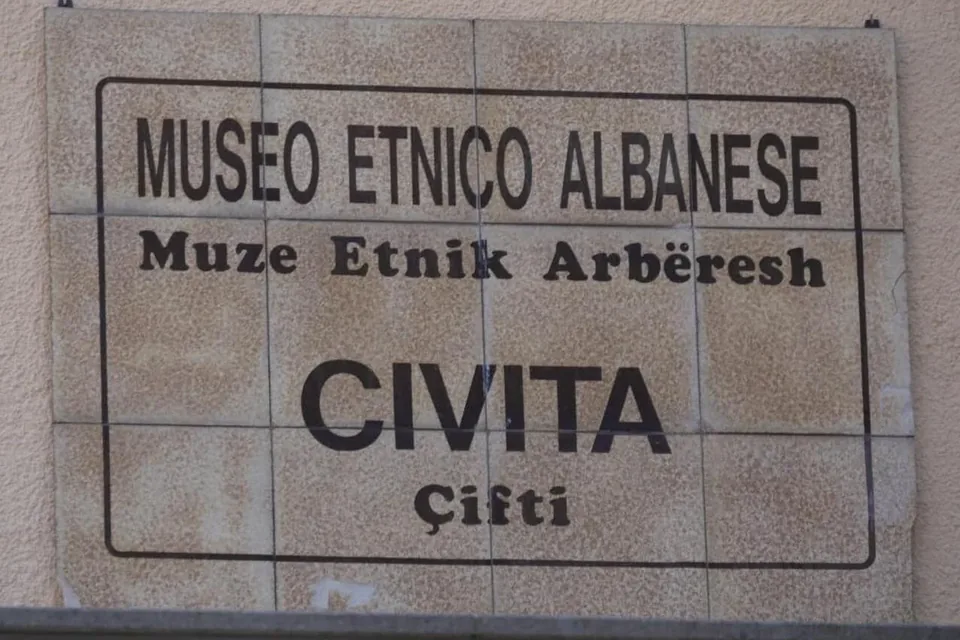
To the east, Civita offers an encounter with Arbëreshë culture and the Raganello gorges; the Park notes that Pollino's Italo-Albanian communities, such as Frascineto and San Basile, keep their language and Byzantine-Greek rite. Morano's municipality itself links the history of the Colloreto monastery with the generosity of Erina Castriota Skanderbeg, the feudal lord's wife.
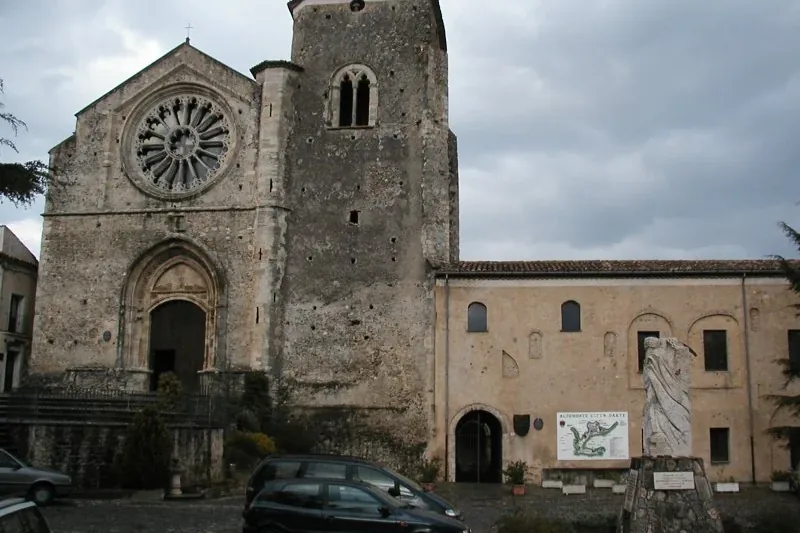
Further south, Altomonte continues the theme of art in the villages, and those wanting a change of scenery can descend to the Sibari plain and the Ionian Sea. The Park also points to Papasidero, with the Romito Cave and its church above the Lao, on the Tyrrhenian side.
Sources: Ente Parco Nazionale del Pollino — Infopoint 2026 · Ente Parco Nazionale del Pollino — Sentieri · Ente Parco Nazionale del Pollino — Faggete patrimonio UNESCO · Ente Parco Nazionale del Pollino — Comunità arbëreshë · Comune di Morano Calabro — Ruderi del monastero di Colloreto · Ente Parco Nazionale del Pollino — Origini e storia moderna
Local tourist information
Local tourist offices help with opening times, events and transport on the day.
- Info point «Catasta» — Parco Nazionale del Pollino (stagionale) · Località Campotenese, Morano Calabro (CS) · +39 351 759 3446 · Official website
Source: Ente Parco Nazionale del Pollino — Infopoint 2026 · Ente Parco Nazionale del Pollino — Info point · checked on
Where to stay
In the municipality of Morano Calabro the national database of the Ministry of Tourism lists 42 accommodation businesses with a verified CIN code: 3 hotels, 17 other licensed accommodation and 22 other types such as B&Bs and private rentals.
Sources: Ministero del Turismo – Banca Dati Strutture Ricettive (dashboard pubblica), 2026-10-12
YOUR JOURNEY
How to shape a journey here
Town and mountains, with Civita or Pollino as connections. Access and services are defined for the visit.
Talk to us about it


.jpg)
