APULICA / Food guides
Moscato al governo di Saracena: the popes' sweet wine at the foot of the Pollino
In Saracena, on the Calabrian side of the Pollino, one of Italy's most unusual sweet wines is made: moscato al governo. The name comes from the technique: a cooked, concentrated must is 'governed', that is enriched, with raisined grapes pressed by hand, which start a slow natural fermentation. The result is an amber wine scented with dried figs, almonds, dates and honey, which already reached the papal court in the 16th century. Today it is a Slow Food Presidium kept alive by a small group of producers. This guide covers its history, method, relationship with the Terre di Cosenza DOC and how to taste it in its landscape.
From the papal court to the Grand Tour
Slow Food traces a long, well-documented history. As early as the 16th century, barrels of moscato al governo di Saracena were shipped from Scalea to the papal court: the wine was always on Pope Pius IV's table and the Calabrian cardinal Guglielmo Sirleto, Prefect of the Vatican Library, was especially fond of it. Grand Tour travellers mention it too. Norman Douglas, in Old Calabria of 1915, writes of the prosperous village of Saracena, famous for centuries for its moscato, made in his view from grapes brought by Saracens from Maskat. George Gissing, in By the Ionian Sea of 1901, describes it as a pleasant white wine, worthy of ancient Sybaris. These accounts explain why the wine has remained a symbol of the town.
Sources: Fondazione Slow Food — Presidio Moscato al governo di Saracena
Four native grapes
Moscato al governo is made from native varieties. Slow Food names guarnaccia, malvasia, duraca and moscatello; the Pollino National Park, which lists it among local specialities, mentions moscatello, guarnaccia, malvasia and the highly fragrant odoacra. Their roles differ: moscatello and duraca bring aroma and concentration, because they are raisined; guarnaccia and malvasia provide the must that will be cooked. The harvest runs from September to October, in two separate moments. It is a wine tied to a precise place, at the foot of the Pollino, with small vineyards and largely manual work. The Park notes that Saracena moscato has been a Slow Food Presidium since 2002 and describes it on the palate as elegant and fine, with fair length, good balance and a pleasant bitter note.
Sources: Fondazione Slow Food — Presidio Moscato al governo di Saracena · Parco nazionale del Pollino — Sapori
The method: raisin, cook, govern
The process, described by Slow Food, has three stages. In early September moscatello and duraca, picked at the right ripeness, are hung on shaded racks for about a month so that drying concentrates sugars and aromas. In the first week of October guarnaccia and malvasia are harvested: their must is boiled until reduced by about a third. Once the concentrated must has cooled, the raisined moscatello and duraca berries are carefully sorted and gently pressed by hand, work traditionally done by women. The pressed raisins are immersed in the cooked must and, thanks to the yeasts on their skins, a natural fermentation begins. Maceration lasts about six months and gives the wine its aroma. The result is a bright amber wine with resinous, aromatic notes.
Sources: Fondazione Slow Food — Presidio Moscato al governo di Saracena
Slow Food Presidium and the Terre di Cosenza DOC
The Presidium brings together a small group of Saracena producers committed to improving quality and adopting more sustainable growing practices. Slow Food explains that the shared goal is to obtain DOC recognition while preserving what makes the wine unique: boiling the must, a traditional practice the DOC specification does not currently allow. The relevant designation is the Terre di Cosenza DOC, approved by ministerial decree on 18 October 2011, which covers the whole province of Cosenza and includes, among others, varietal Guarnaccia bianca and Malvasia bianca types, also as passito, and seven subzones including Pollino. It appears among Calabria's designations in the ministry's list of Italian PDO wines. Moscato al governo, with its method, thus remains a traditional wine protected by the Presidium. At the conference marking the Presidium's twentieth anniversary in Saracena, the Calabria Region and Slow Food presented the Presidiamo la Calabria project for small quality productions.
Sources: Fondazione Slow Food — Presidio Moscato al governo di Saracena · Masaf — Elenchi e disciplinari vini (disciplinare DOC Terre di Cosenza) · Qualigeo — Terre di Cosenza DOP · Masaf — Elenco alfabetico dei vini DOP italiani · Regione Calabria — Regione e Slow Food presentano a Saracena il progetto Presidiamo la Calabria
The wine in the glass
Slow Food describes a wine of bright amber colour and intense perfume: resinous and aromatic notes join hints of dried figs, exotic fruit, almonds, dates and honey. On the palate it stays elegant and fine, with long persistence and good balance between sweetness and acidity. The Pollino National Park suggests serving it cool or at room temperature to bring out its aromas, and pairs it with traditional Pollino sweets and non-blue cheeses. The harvest takes place between September and October, but the wine is available all year. A small glass is enough to appreciate it: it is a wine for contemplation, to sip slowly at the end of a meal, letting its aromas change in the glass.
Sources: Fondazione Slow Food — Presidio Moscato al governo di Saracena · Parco nazionale del Pollino — Sapori
Saracena and the Pollino
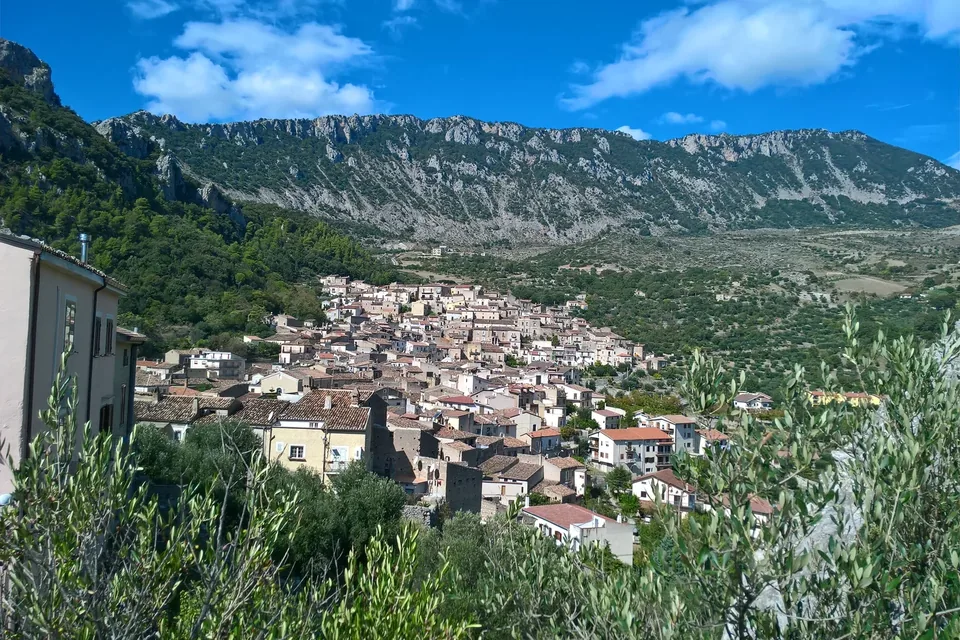
Saracena lies on the Calabrian side of the Pollino National Park, which the Park describes as a land of rugged nature, mountains, forests and streams, and of historic centres full of alleys, craft workshops and old taverns. Among local specialities the Park lists, alongside moscato, Cerchiara bread, ricotta infornata, soppressata, honey and wild-fruit liqueurs. Italia.it, in its Calabrian chilli itinerary, crosses the Pollino to Castrovillari, with its 1490 Aragonese castle, a starting point for hikes, and mentions the Lao valley, Raganello gorge and Argentino valley reserves, as well as Arbëreshë villages such as Civita, Lungro and Frascineto. Saracena can be the sweet stop on a journey combining mountains, villages and Italo-Albanian culture.
Sources: Parco nazionale del Pollino — Sapori · Italia.it — La terra del peperoncino (itinerario tra costa e Pollino)
At the table: sweets, cheeses and patience
Moscato al governo is at its best with simple foods. With traditional Calabrian dry sweets, almond biscuits or Cosenza dried figs, it echoes the same notes of dried fruit and honey. With an aged Pollino pecorino or a ricotta infornata the contrast between salt and sweet works beautifully, while with blue cheeses the Park advises caution. Avoid very sugary cream desserts or intense dark chocolate, which overwhelm the wine. Temperature matters: cool in summer, room temperature in colder months. An opened bottle, well stoppered and kept cool, lasts a few days. It also makes a good gift: a small bottle, a long history and a taste hard to find elsewhere.
Visiting and buying
Moscato al governo is made by a few families and small wineries: visits must always be arranged with operators, especially in September and October, when grapes are hung and must is cooked. That is the most interesting time to understand the method, but also the busiest for those at work. We found no official council source for a moscato event with confirmed dates, so we do not list one. When buying, ask whether the wine is made with the traditional method of boiling the must and from which grapes: labels can differ, because the Presidium method does not match the DOC specification. Bottles, often small, travel well if protected from knocks and heat.
A thread for your journey
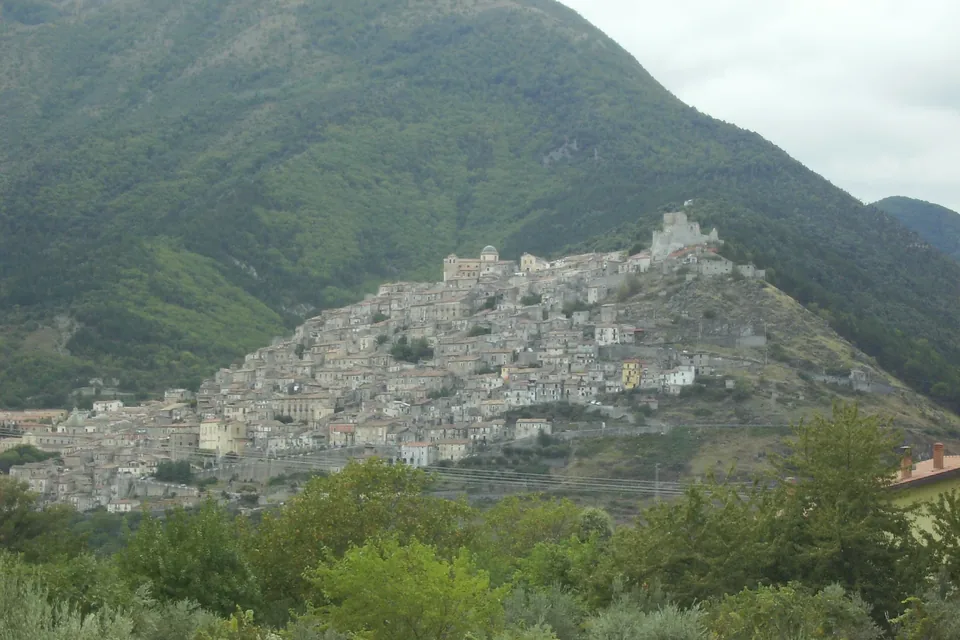
Journey idea: a day between Saracena and Castrovillari in late September, with a winery visit arranged with operators to see grapes hanging and must being cooked, and an evening with a glass of moscato beside a Pollino pecorino; the next day Civita and the Devil's Bridge, or Morano Calabro.
Talk to us