
APULICA / FRUIT, VEGETABLES AND PULSES
Rotonda white beans
PDO · Fruit, vegetables and pulses · Basilicata
In brief
- White beans of the Fagiolo Bianco and Tondino (or Poverello Bianco) types, sold fresh in the pod or dried. (Qualigeo (Fondazione Qualivita) — Fagioli Bianchi di Rotonda DOP)
- They are grown in the Pollino park, in Rotonda, Viggianello, Castelluccio Superiore and Castelluccio Inferiore. (Qualigeo (Fondazione Qualivita) — Fagioli Bianchi di Rotonda DOP)
- Fresh beans are picked from 1 August to 30 October, dried ones from 15 September to 30 November. (Qualigeo (Fondazione Qualivita) — Fagioli Bianchi di Rotonda DOP)
- An 1860 article tells how Garibaldi tasted them during a stop in Rotonda. (Qualigeo (Fondazione Qualivita) — Fagioli Bianchi di Rotonda DOP)
History and origin
White beans have long been tied to the Mercure valley, the Lucanian side of the Pollino around Rotonda. As early as 1853 Filippo Cirelli, in his descriptive work on the Kingdom of the Two Sicilies, linked the spread of the bean here to the abundance of water, the same resource that still shapes its quality today.
There is also a story Rotonda likes to tell. An article of 2 September 1860 in the «Eco di Basilicata Calabria Campania» reports that Giuseppe Garibaldi, travelling north from Sicily, stopped in the town to eat and rest, tasted these beans and decided to take a small supply with him to Caprera.
The protected designation of origin was recognised by the European Union in 2008 and covers two local ecotypes, the Fagiolo Bianco and the Tondino, also called Poverello Bianco. Today a consortium based in Rotonda looks after the designation.
Sources: Qualigeo (Fondazione Qualivita) — Fagioli Bianchi di Rotonda DOP · eAmbrosia — Fagioli Bianchi di Rotonda (PDO-IT-0683)
Area and method of production
The production area lies entirely within the Pollino National Park and covers four municipalities in the province of Potenza: Rotonda, Viggianello, Castelluccio Superiore and Castelluccio Inferiore. The specification sets sowing, by hand or with a seed drill, between 20 April and 10 July.
The plants are climbers and grow on supports built by hand from chestnut wood cut in the forests of the Mercure valley, a technique handed down through the generations. The poles are arranged «a postarella» or «a rete», a layout typical of the area that lets air move between the rows, keeps humidity down and makes picking easier.
Harvesting is by hand only, taking care not to damage pod or seed. For fresh beans it runs from 1 August to 30 October; for dried beans it starts on 15 September and ends by 30 November.
Sources: Qualigeo (Fondazione Qualivita) — Fagioli Bianchi di Rotonda DOP
How to recognise it
Fresh beans are sold in the pod, which is white shading into yellow or ivory, with no streaks. The seed is round to oval, white and unmarked, with a very thin skin.
That thin seed coat is the most prized trait: it shortens cooking time considerably and makes the bean delicate on the palate. According to the specification it comes from soils low in lime and from the abundant water of the area, which help the seed store starch as it grows. The dried beans also stand out for their high protein content, which can reach 27%.
They are sold fresh, from August to October, in net bags or crates, and dried all year round in cardboard boxes, jute sacks or other recyclable packs, always labelled Fagioli Bianchi di Rotonda DOP together with the ecotype.
Sources: Qualigeo (Fondazione Qualivita) — Fagioli Bianchi di Rotonda DOP
In the kitchen
In Pollino cooking these beans are a staple, found in many home recipes. Typical dishes named in the designation's profile include escarole with white beans, cabbage with beans and the minestra impastata of potatoes and beans, simple and filling food born for long working days in the fields.
The thin skin also makes them practical for everyday cooking, since they cook quickly compared with other dried pulses. Fresh beans keep in the fridge in their pods for a few days; dried ones last a long time in a cool, dry place in a tightly closed jar.
In Rotonda they are happily paired with the town's other designation, the Melanzana Rossa di Rotonda DOP, which shares the same summer festival.
Sources: Qualigeo (Fondazione Qualivita) — Fagioli Bianchi di Rotonda DOP · Qualivita — Una festa per la Melanzana Rossa di Rotonda DOP e i Fagioli Bianchi di Rotonda DOP (2025)
Where to taste it
The natural place to taste them is Rotonda, a village at the heart of the Pollino National Park, together with nearby Viggianello, Castelluccio Superiore and Castelluccio Inferiore, the other municipalities of the production area. Between August and November, during the harvest, fresh beans and then freshly dried ones are at their best.
Every summer Rotonda celebrates its two designated products with the festival «il Bianco e la Rossa», organised by the protection consortia together with the municipality and the Basilicata Region: tastings, live cooking, talks and music across the town's squares. In 2025 the event reached its fifteenth edition.
For anyone visiting the Lucanian side of the Pollino, between Rotonda and Viggianello, the white beans are a tangible way to get to know the Mercure valley and its irrigated vegetable plots.
Sources: Qualigeo (Fondazione Qualivita) — Fagioli Bianchi di Rotonda DOP · Qualivita — Una festa per la Melanzana Rossa di Rotonda DOP e i Fagioli Bianchi di Rotonda DOP (2025)
Protection
- Protected designation of origin (PDO) — PDO-IT-0683 (eAmbrosia — Fagioli Bianchi di Rotonda (PDO-IT-0683))
When
- Harvest: August–November (Qualigeo (Fondazione Qualivita) — Fagioli Bianchi di Rotonda DOP)
- Summer
- Autumn
Where
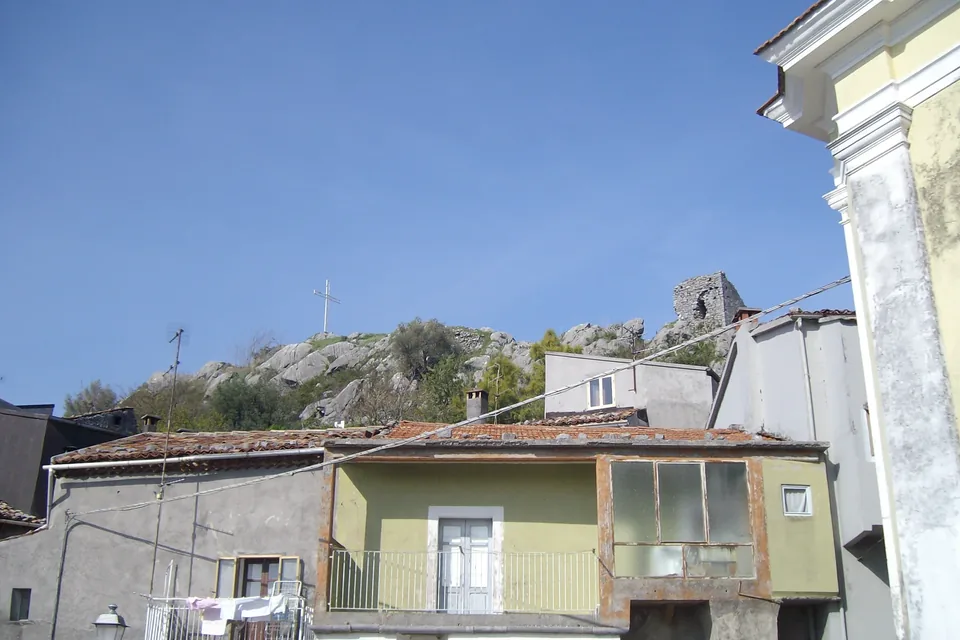
Rotonda
Rotonda: town and Pollino heritage.
Read the guide →Photo: Luca Raimondi / Wikimedia Commons — CC BY-SA 3.0 · Resized and converted to WebP.

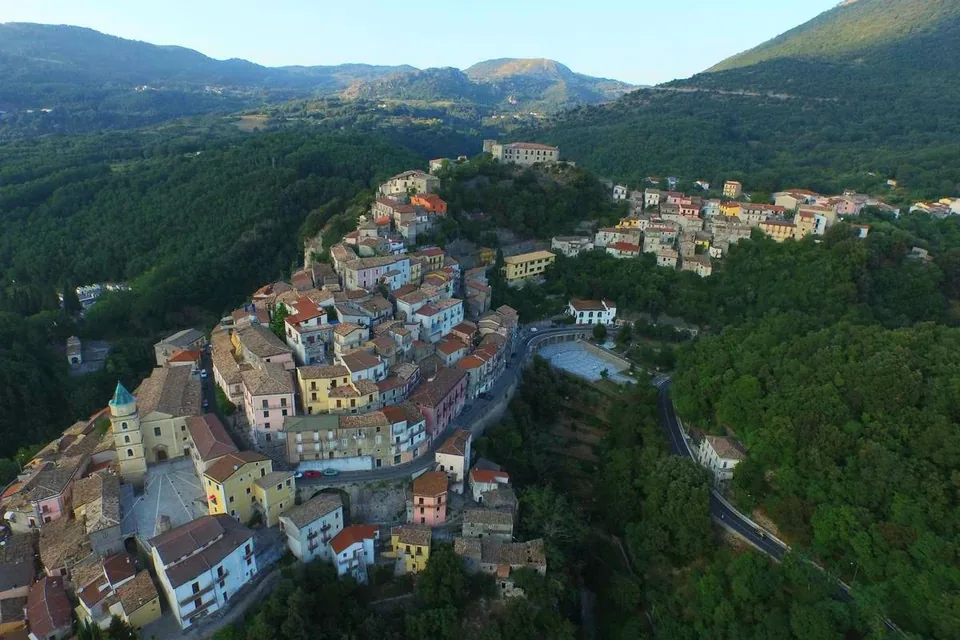
Viggianello
Viggianello: above the Mercure valley.
Read the guide →Photo: Millucci0 / Wikimedia Commons — CC BY-SA 4.0 · Resized and converted to WebP.


Pollino
A mountain landscape shared by Calabria and Basilicata, explored through walks, villages and a considered pace.
Read the guide →Photo: Gianni Lupindo / Wikimedia Commons — CC BY-SA 3.0 · Resized and converted to WebP.

Read more
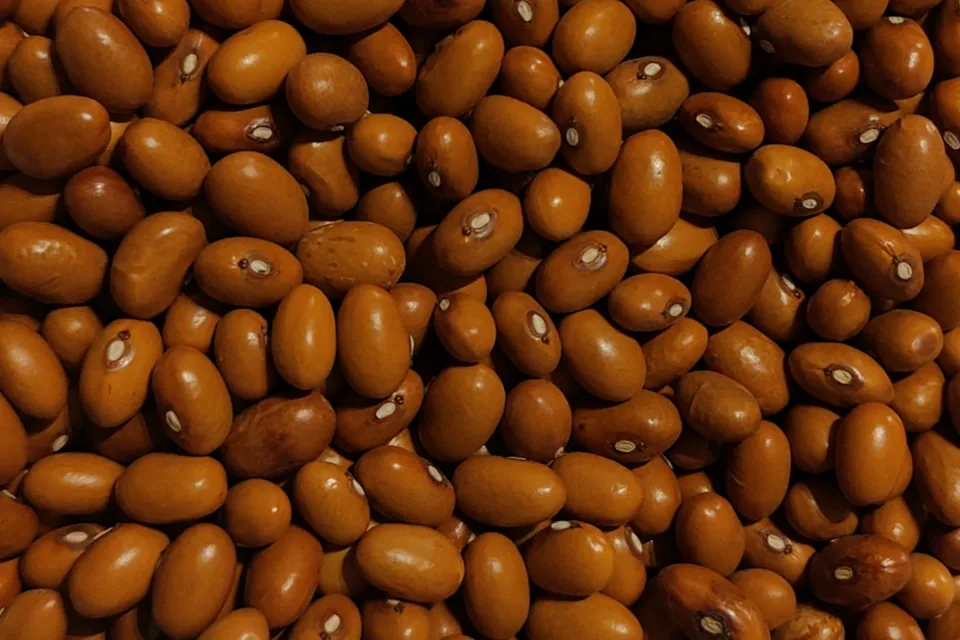
Beans and cooking of the Pollino
From Rotonda white beans to the Calabrian poverello bianco, from Terranova beans to paddaccio and mischiglio: the cooking of Italy's largest national park, across its Lucanian and Calabrian sides.
Read the guide →Photo: Generale Lee / Wikimedia Commons — CC BY-SA 4.0 · Resized and converted to WebP.

Rotonda red aubergine and white bean
Two Lucanian kitchen-garden PDOs in the Pollino park: origins, growing on chestnut stakes, harvest, Garibaldi and the beans, recipes, preserving and a day between Rotonda and Viggianello.
Read the guide →