

Nicastro pink garlic
Slow Food Presidium · Fruit, vegetables and pulses
Open the product page →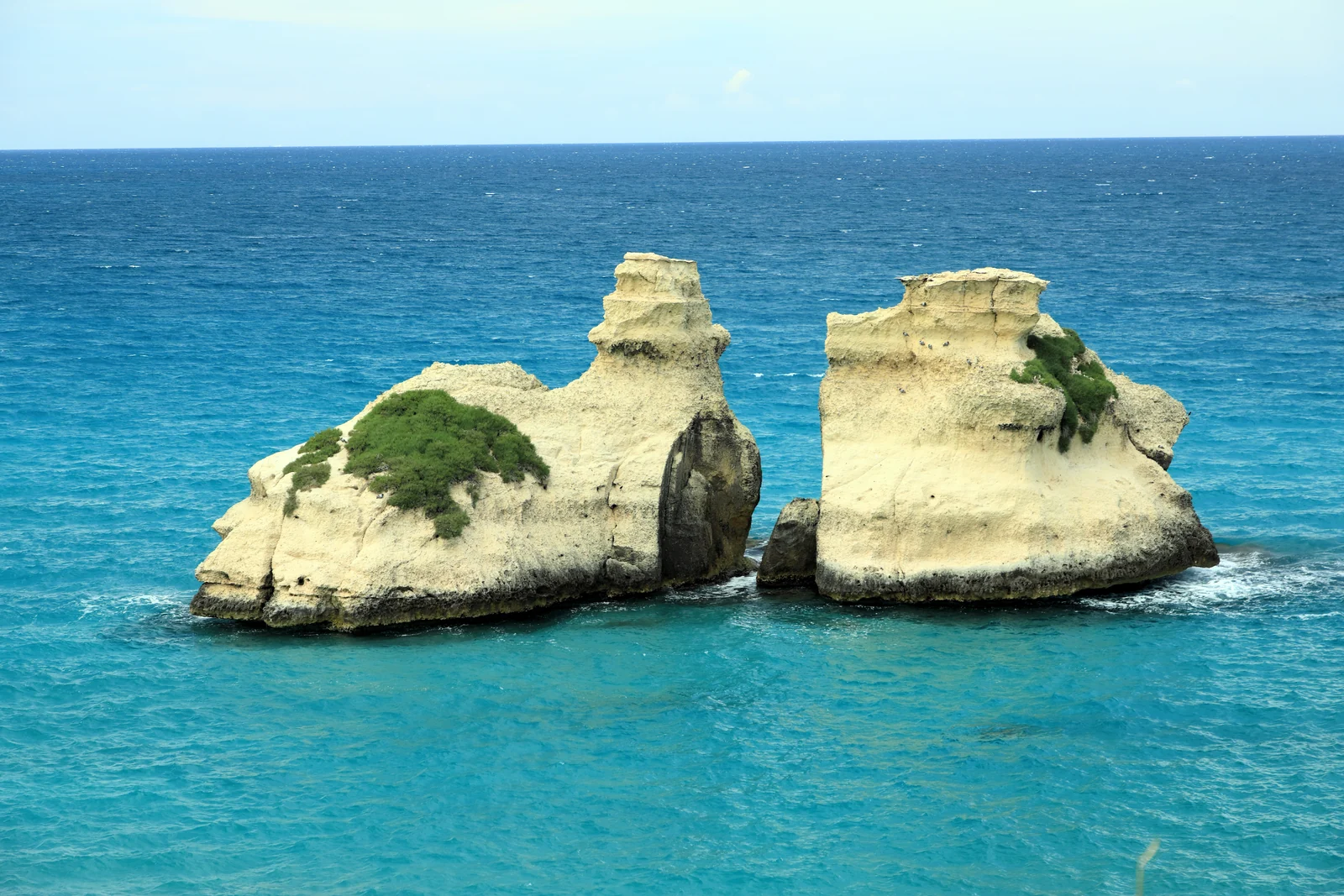
APULICA / WHEN
Summer in the Apulica regions: 69 products in their months, with the guides and places of the season.
The Two Sisters, the two sea stacks closing the bay of Torre dell’Orso at the opposite end from the tower · Photo: Falk2 / Wikimedia Commons — CC BY-SA 4.0 · Resized and converted to WebP.
Slow Food Presidium · Fruit, vegetables and pulses
Open the product page →PAT · Fruit, vegetables and pulses
Open the product page →Slow Food Presidium · PAT · Fruit, vegetables and pulses
Open the product page →Slow Food Presidium · PAT · Fish and seafood
Open the product page →PAT · Fish and seafood
Open the product page →PAT · Fish and seafood
Open the product page →PAT · Fish and seafood
Open the product page →Slow Food Presidium · PAT · Fruit, vegetables and pulses
Open the product page →Slow Food Presidium · PAT · Fruit, vegetables and pulses
Open the product page →Slow Food Presidium · PAT · Fruit, vegetables and pulses
Open the product page →PGI · Slow Food Presidium · Fruit, vegetables and pulses
Open the product page →PAT · Fish and seafood
Open the product page →PAT · Cheeses
Open the product page →PGI · Fruit, vegetables and pulses
Open the product page →Slow Food Presidium · Cheeses
Open the product page →Slow Food Presidium · PAT · Fruit, vegetables and pulses
Open the product page →Slow Food Presidium · Fruit, vegetables and pulses
Open the product page →Slow Food Presidium · Fruit, vegetables and pulses
Open the product page →PAT · Slow Food Presidium · Fruit, vegetables and pulses
Open the product page →Slow Food Presidium · Fruit, vegetables and pulses
Open the product page →Slow Food Presidium · Fruit, vegetables and pulses
Open the product page →PGI · Fruit, vegetables and pulses
Open the product page →PGI · Fruit, vegetables and pulses
Open the product page →Slow Food Presidium · Fruit, vegetables and pulses
Open the product page →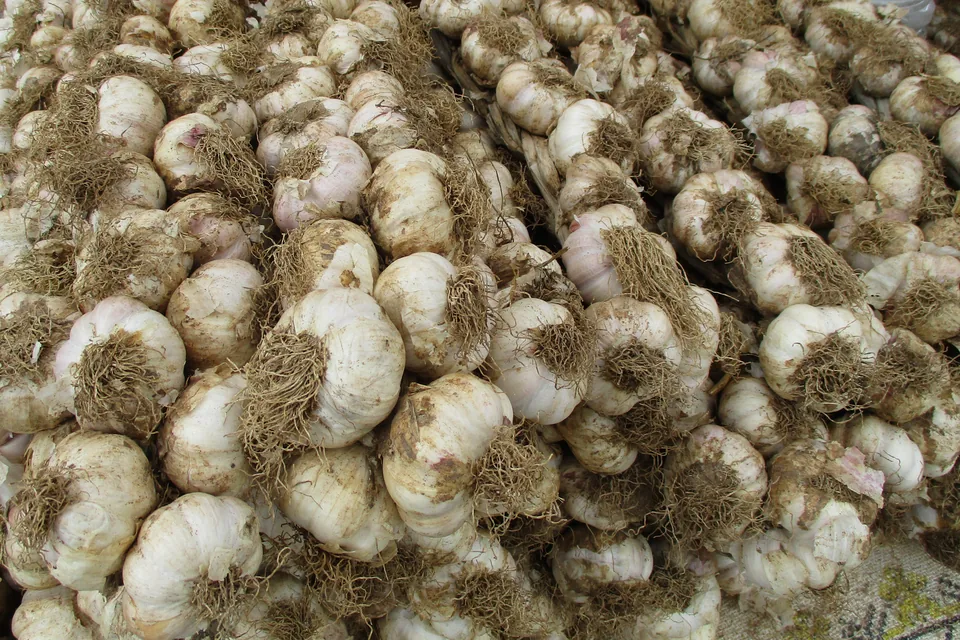
Neither PDO nor PGI: it is a traditional Abruzzo product, confirmed in the 2026 national list, and an Ark of Taste entry. A Valle Peligna ecotype that flowers every year, is harvested in early summer and keeps for a long time; the July festival at Campo di Fano and Sulmona's Giostra.
Read the guide →Photo: Marica Massaro / Wikimedia Commons — CC BY-SA 4.0 · Cropped, resized and converted to WebP.
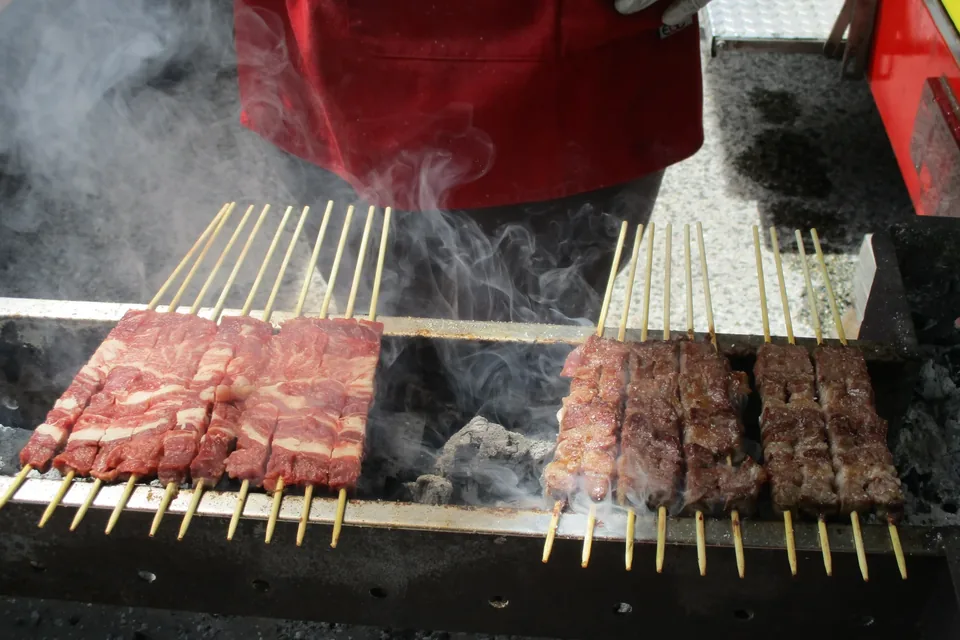
Mutton skewers cooked on the canala, a story tied to transhumance, recognition as a traditional product and the road towards EU protection: how and where to understand them.
Read the guide →Photo: Marica Massaro / Wikimedia Commons — CC BY-SA 4.0 · Resized and converted to WebP.
Podolica cattle, the Pescasseroli-Candela drove road, Byzantine tuff caves and a village between Irpinia and Daunia: how it is made, how to recognise it and how to visit.
Read the guide →A sweet, long-keeping onion: traditional growing, genovese sauce and the Sunday parmigiana, the path towards PGI status, Montoro and its September festival.
Read the guide →Spring onion, fresh onion and storage onion: the PGI of Calabria's Tyrrhenian coast explained with its calendar, history, kitchen uses, Tropea's July festival and a day between Capo Vaticano and the old town.
Read the guide →The mussel of the Mar Piccolo: freshwater springs, pole and long-line farming, Slow Food Presidium, crisis and revival, and two days in Taranto between the old town island, the MArTA and the lagoon.
Read the guide →A PGI since 1996 in eleven towns of the upper Agri Valley: cannellini and borlotti in twenty ecotypes, hand-picked and quick to cook, Grumentum and the August festival.
Read the guide →Passuluni wilting on the tree, cane racks in the sun, crocette and plaits: the PDO of Cosenza dried figs explained through its specification, history, traditional preparations and a day between Cosenza and the Crati valley.
Read the guide →The dried Dottato fig: history from Greek colonists to 1486, sun drying, spatole and mustaccioli, fillings, PDO rules and a journey through the hills of the Cilento.
Read the guide →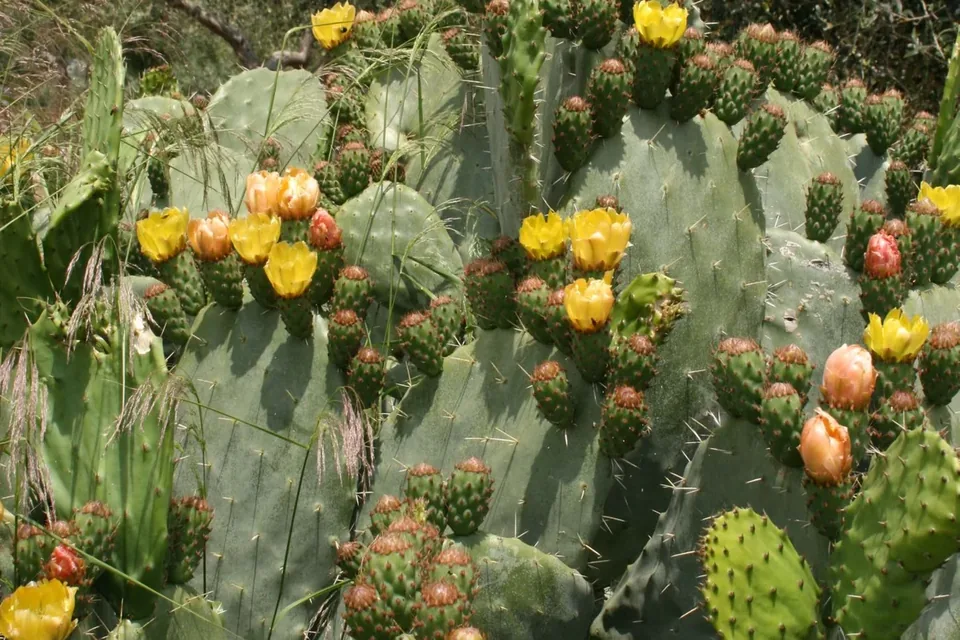
From fresh fruit to preserves, an ingredient linking countryside and table.
Read the guide →Photo: Franz Xaver / Wikimedia Commons — CC BY-SA 3.0 · Resized and converted to WebP.
A tiny, mottled lentil recovered from family plots and the shortcrust-and-jam bocconotto: Mormanno in the Pollino Park, its Votive Lighthouse and nearby villages.
Read the guide →The Slow Food Presidium from fields above a thousand metres: sowing, hand harvesting, the soup that needs no soaking, the Medici village and a route through the Baronia, Campo Imperatore and Castel del Monte.
Read the guide →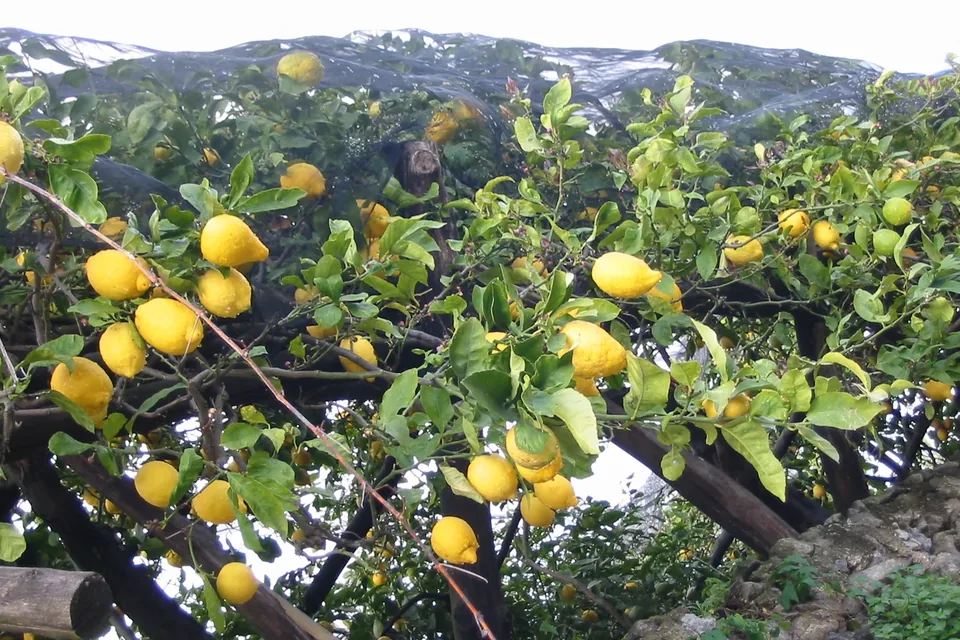
The Amalfi Coast PGI lemon: shape and scent, seafaring history, terraces and straw covers, twelve towns, the Lemon Path and its uses in the kitchen.
Read the guide →Photo: donarreiskoffer / Wikimedia Commons — CC BY-SA 3.0 · Resized and converted to WebP.
Two Lucanian kitchen-garden PDOs in the Pollino park: origins, growing on chestnut stakes, harvest, Garibaldi and the beans, recipes, preserving and a day between Rotonda and Viggianello.
Read the guide →A Slow Food Presidium on the Cosenza Tyrrhenian coast: a long, glossy aubergine grown upright, its preserve in oil and a day around Longobardi, Belmonte and Fiumefreddo.
Read the guide →Twelve towns near Salerno, one cultivar, the Tonda di Giffoni: the long history of the Campanian hazelnut, PGI rules, the late-August harvest, uses in pastry and cooking.
Read the guide →A PGI since 2016, grown in the bed of the former Lake Fucino: nine Marsica towns, harvest from July to November, flavour measured by tasting panels and Avezzano's festival.
Read the guide →Six varieties, spring planting and autumn harvest on Europe's widest plateau: the Sila PGI with mushrooms, chestnuts, mpanata, the steam train and the Camigliatello festivals.
Read the guide →A raw-milk pecorino from upper Irpinia, shaped by the pastures of the Ansanto valley: how it is made, the Slow Food Presidium, the Mefite, Rocca San Felice and Guardia Lombardi.
Read the guide →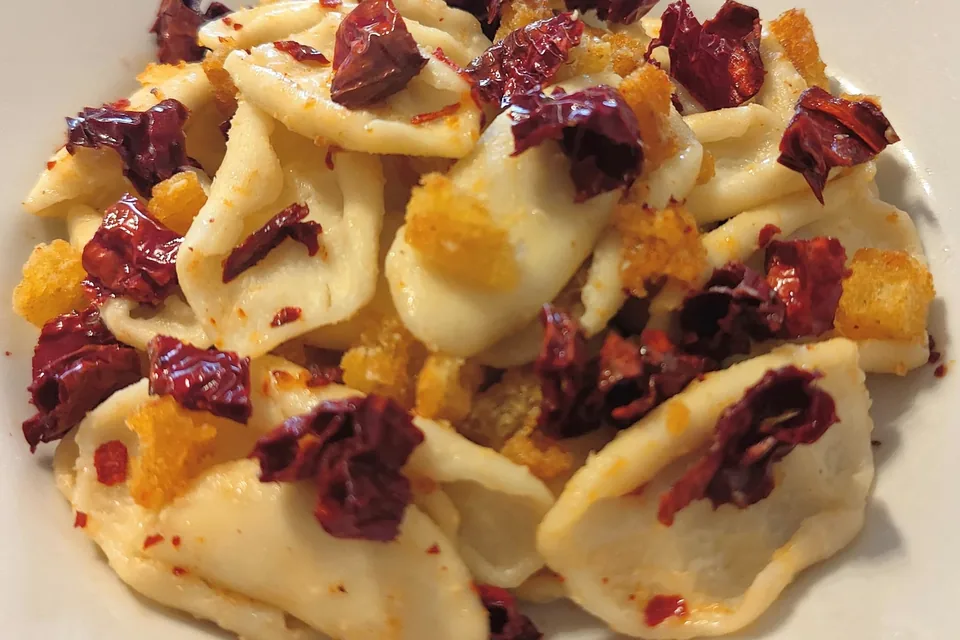
The PGI pepper of the Sinni valley: origins, growing, drying in strings, the powder called zafaran, fried crusco, European protection and the August festival in Senise.
Read the guide →Photo: Generale Lee / Wikimedia Commons — CC BY-SA 4.0 · Resized and converted to WebP.
Old ecotypes from the slopes of Somma-Vesuvius, hand-picked and woven into large hanging clusters: PDO rules, history, the pacchetelle preserve and how to cook with them.
Read the guide →A pink tomato that can weigh over a kilo, brought back by an emigrant in the early 1900s, Belmonte's gammune, the ship-shaped village and the sea around the Isca rocks: a summer guide to the Cosenza Tyrrhenian coast.
Read the guide →History, forty towns, vertical growing, the rules of the PDO peeled tomato and the Slow Food Presidium for Naples' heritage tomatoes.
Read the guide →The red between Taranto and Brindisi: grape and land, DOC rules, the Primitivo di Manduria Dolce Naturale DOCG, fifty years of protection, summer in the villages and a day in Manduria.
Read the guide →Wine, truffle, chestnut, cheese and pasta festivals documented by provinces, municipalities and official bodies, with recent editions and tips for enjoying them without rushing.
Read the guide →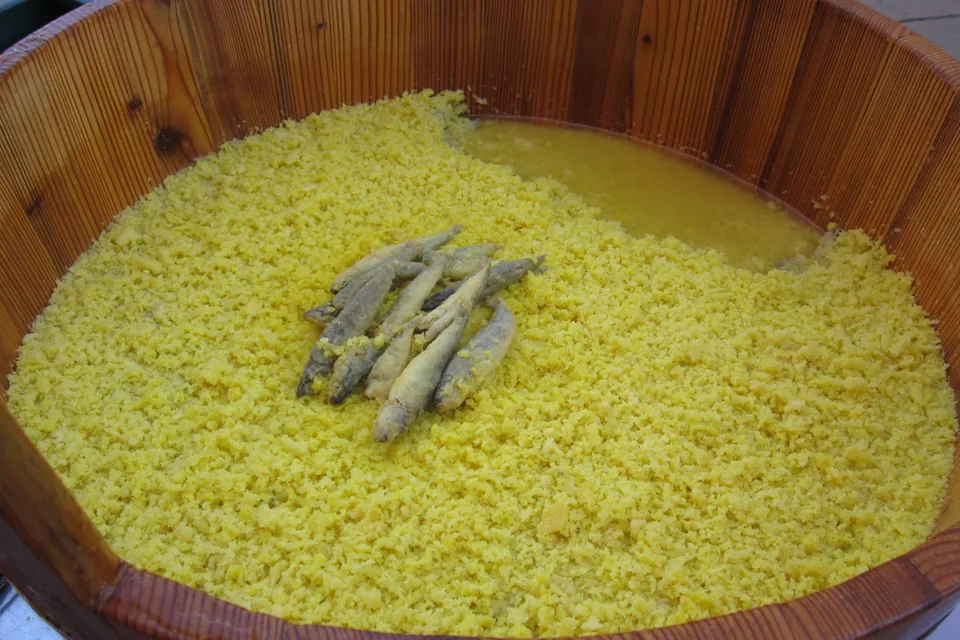
Gallipoli's fish preserve: small fish, chestnut tubs, saffron and scapece makers; the feast of Santa Cristina, Salento fish soups and the other Apulian scapece, made with eel at Lesina on the Gargano.
Read the guide →Photo: Scapece.bianco / Wikimedia Commons — CC BY-SA 3.0 · Resized and converted to WebP.
Irpinia's great red: grape, history and land, DOCG rules, the Castello Marchionale with the regional wine library, the village and the festival calendar.
Read the guide →The wooden fishing machines between Peschici and Vieste: how they work, who protects them, which ones you can see and how to enjoy the fish of the Gargano coast.
Read the guide →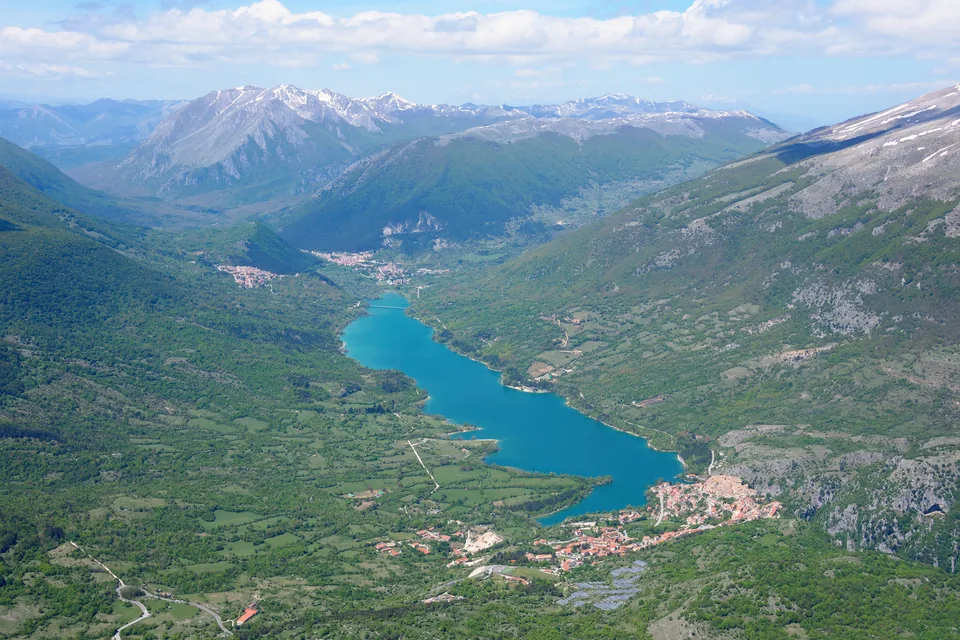
The historic Park of the central Apennines: valley villages, wildlife museums and the forests of the Marsican bear.
Read the guide →Photo: Carsten Steger / Wikimedia Commons — CC BY-SA 4.0 · Resized and converted to WebP.
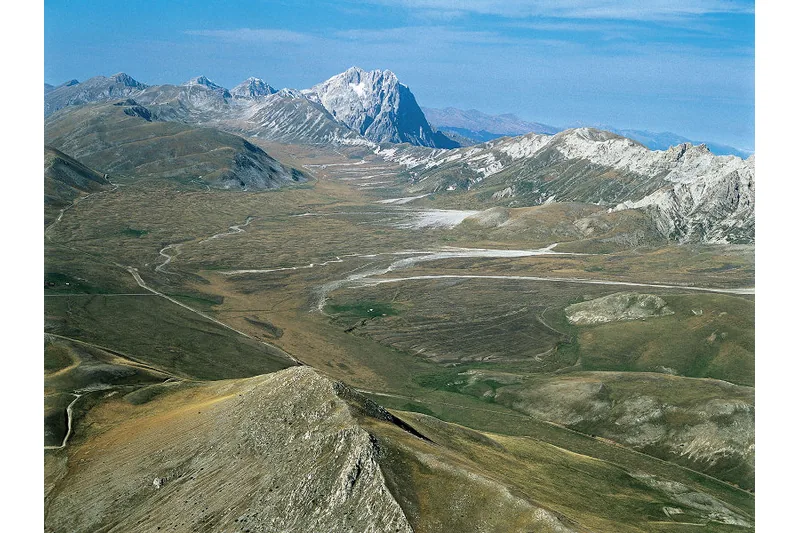
The park of Corno Grande and Campo Imperatore: three mountain groups, 44 municipalities, stone villages, Laga forests and the food of transhumance.
Read the guide →Photo: Ente Parco Nazionale del Gran Sasso e Monti della Laga · Resized and converted to WebP.
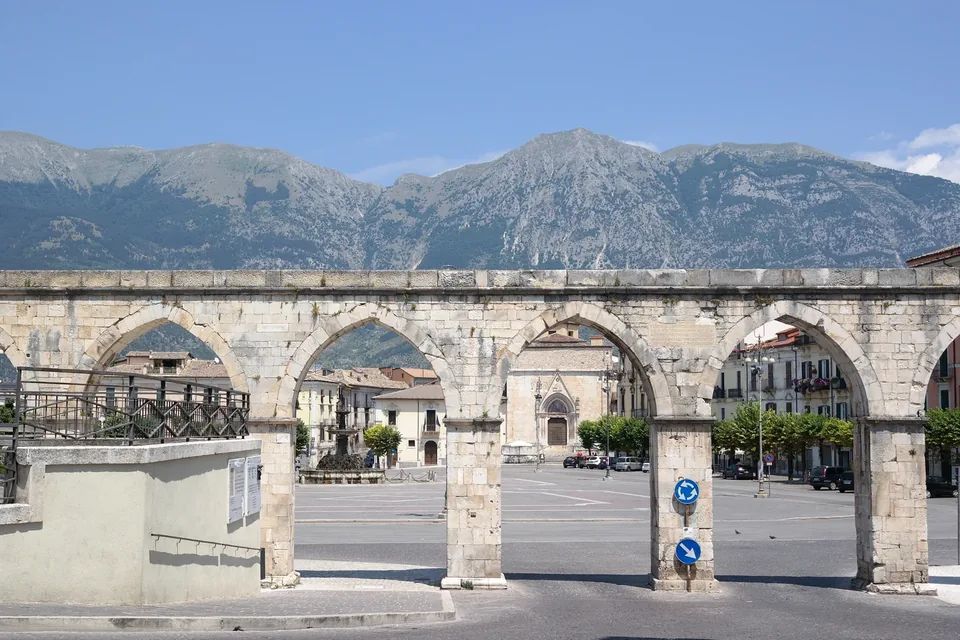
A historic centre in the Peligna basin, surrounded by the Majella park and the starting point of the Way of Celestine.
Read the guide →Photo: Luca Aless / Wikimedia Commons — CC BY-SA 4.0 · Resized and converted to WebP.
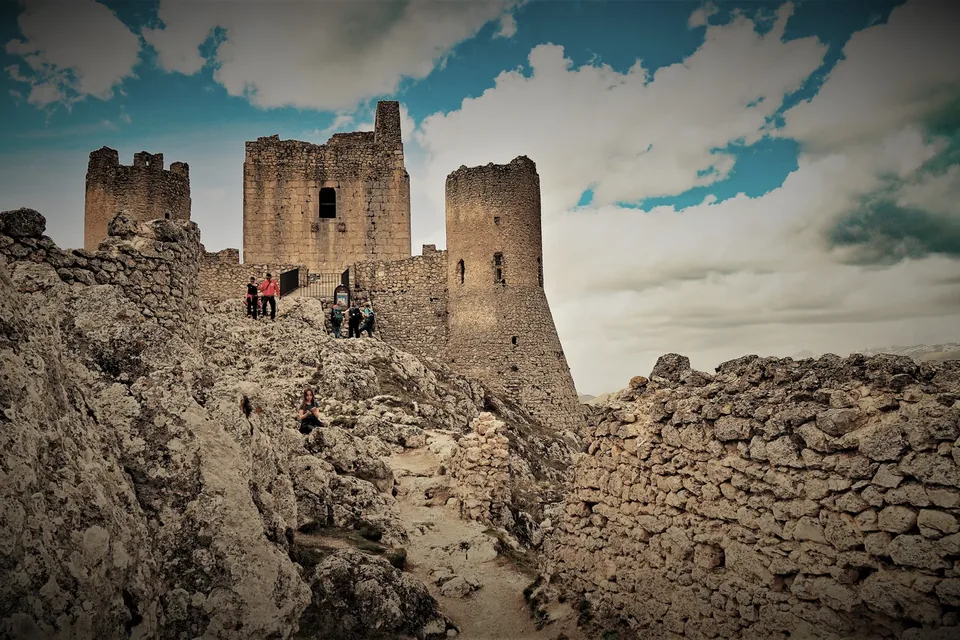
A stone village on the L’Aquila side of the Gran Sasso, with a Slow Food Presidium lentil and the transhumance fortress nearby.
Read the guide →Photo: Vincedelbenàco / Wikimedia Commons — CC BY-SA 4.0 · Resized and converted to WebP.
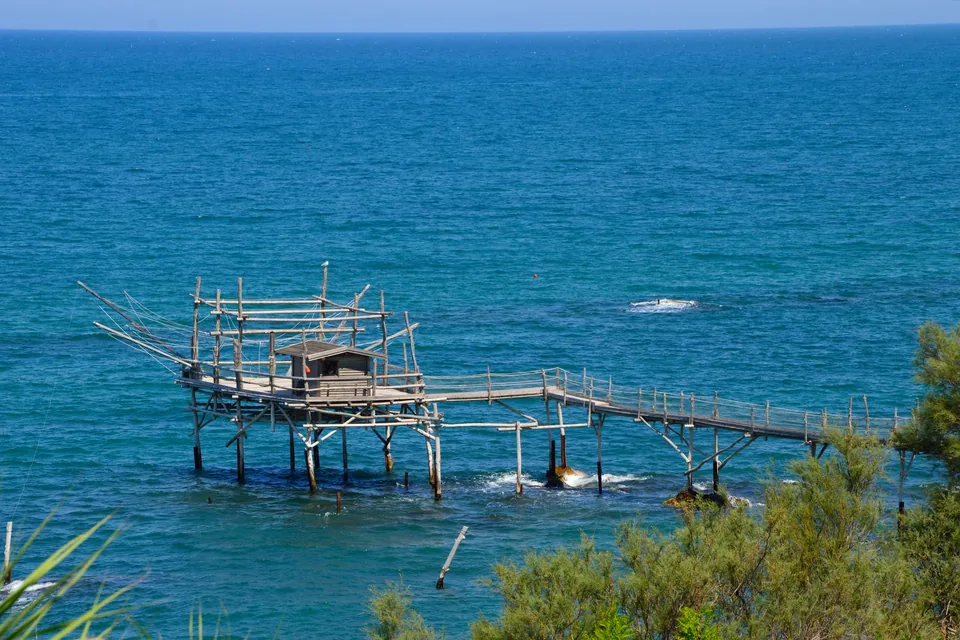
The Chieti coastline between Ortona and Vasto, with some thirty wooden trabocchi and the hermitage where D’Annunzio stayed.
Read the guide →Photo: Francesca Piersanti / Wikimedia Commons — CC BY-SA 4.0 · Resized and converted to WebP.
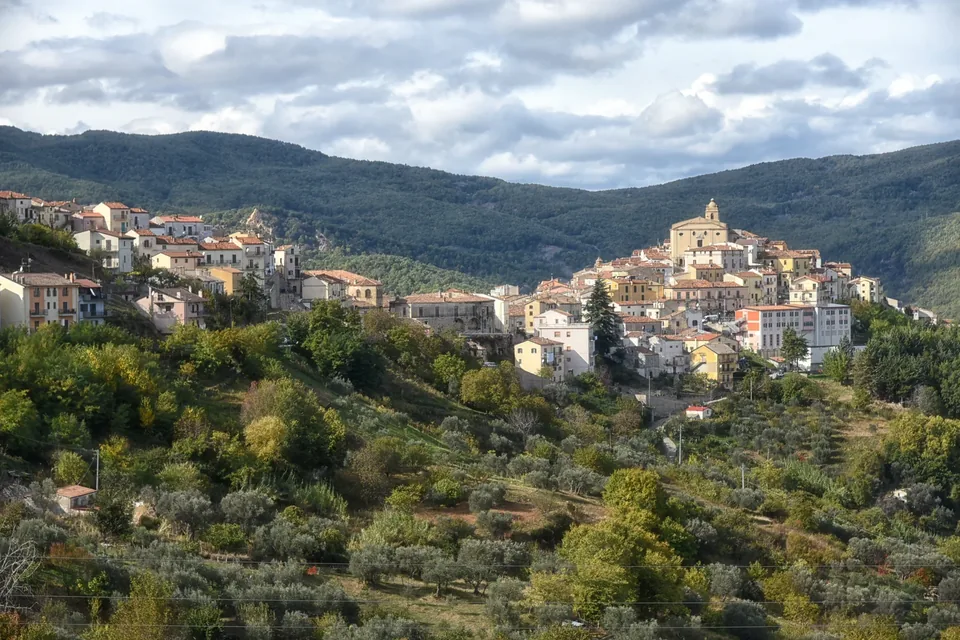
Accettura: town and tree rituals. The Maggio between forest and square, the Gallipoli Cognato Piccole Dolomiti Lucane park and pezzente sausage.
Read the guide →Photo: Anna Nicoletta Menzella / Wikimedia Commons — CC BY-SA 4.0 · Resized and converted to WebP.
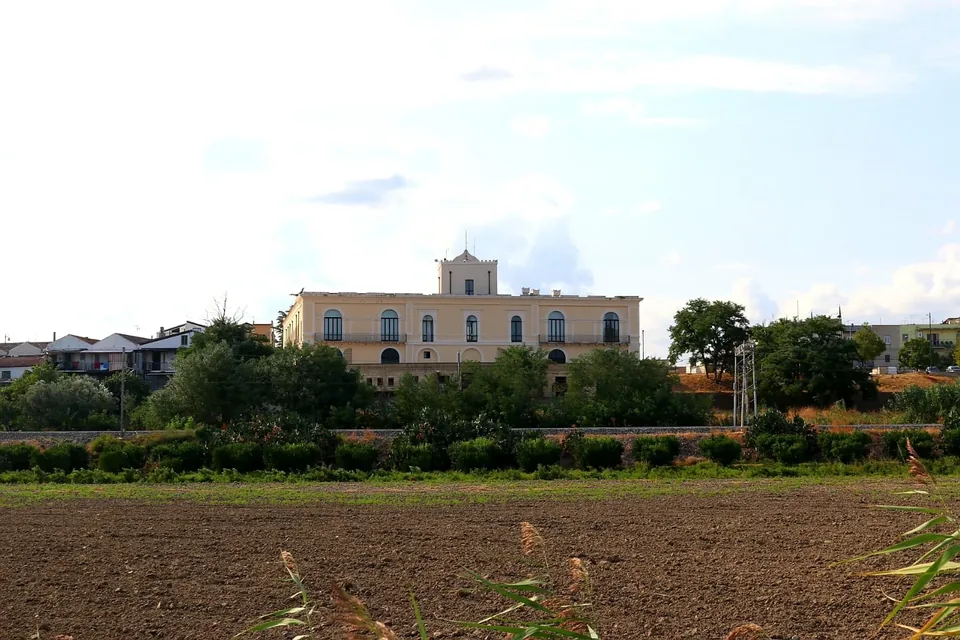
Scanzano Jonico: farmland and coast. Long Ionian beaches, Basilicata’s only lighthouse, the last scene of ‘Basilicata coast to coast’ and strawberries.
Read the guide →Photo: Mariagrazia Brunetti / Wikimedia Commons — CC BY-SA 4.0 · Resized and converted to WebP.
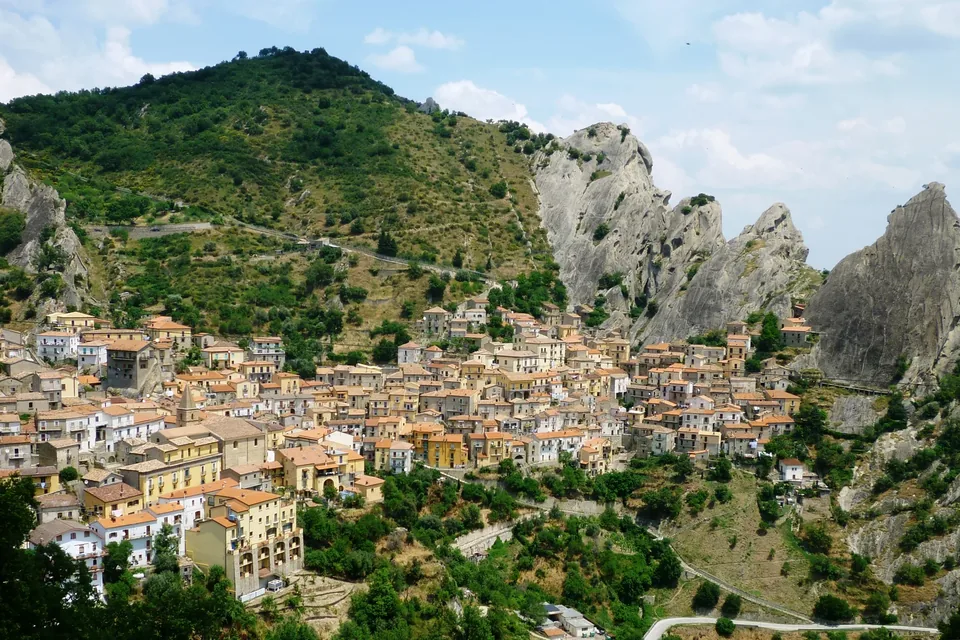
Castelmezzano: a town among the rocks. Sandstone roofs beneath the spires of the Piccole Dolomiti Lucane and the path to Pietrapertosa.
Read the guide →Photo: Jon Shave / Wikimedia Commons — CC BY 2.0 · Resized and converted to WebP.
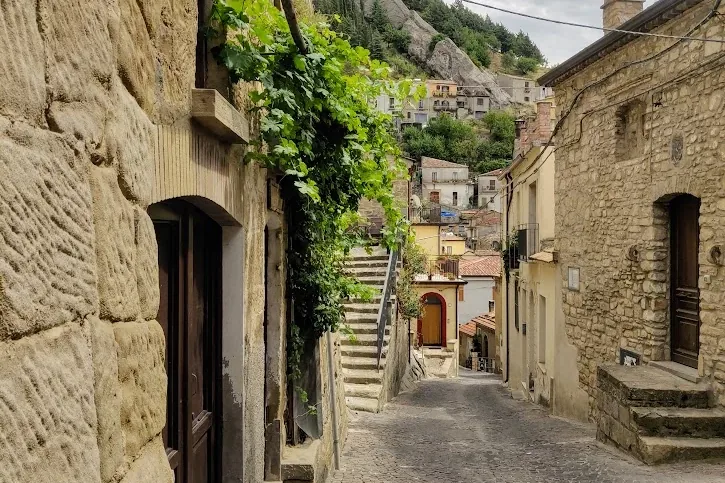
Pietrapertosa: the Arabata quarter. Basilicata’s highest town, at 1,020 metres among the sandstone spires of the Little Lucanian Dolomites.
Read the guide →Photo: Camelia.boban / Wikimedia Commons — CC BY-SA 4.0 · Resized and converted to WebP.
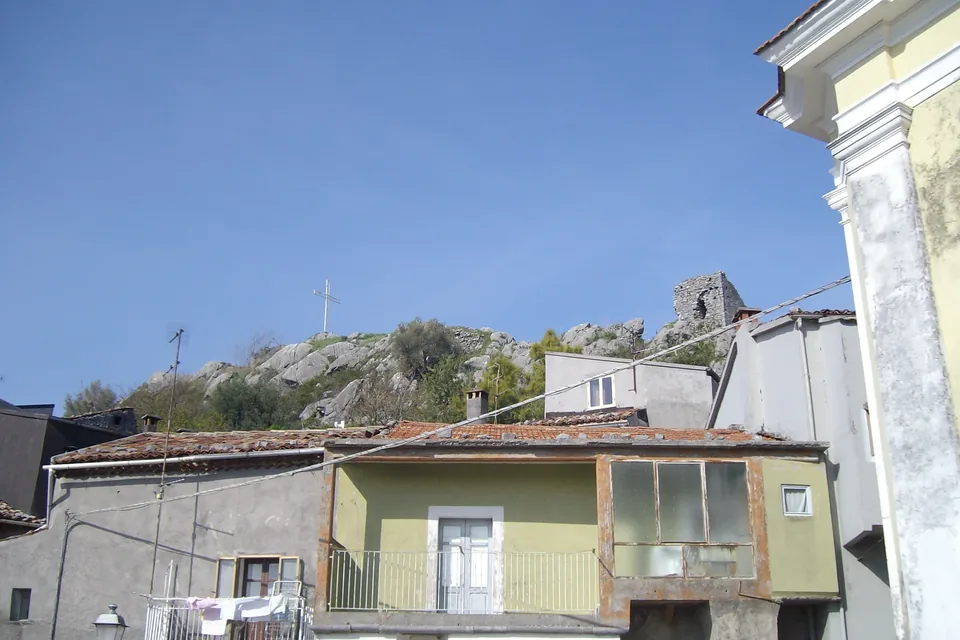
Rotonda: town and Pollino heritage. The Lucanian gateway to the national park, its Ecomuseum, an ancient elephant and red aubergines.
Read the guide →Photo: Luca Raimondi / Wikimedia Commons — CC BY-SA 3.0 · Resized and converted to WebP.
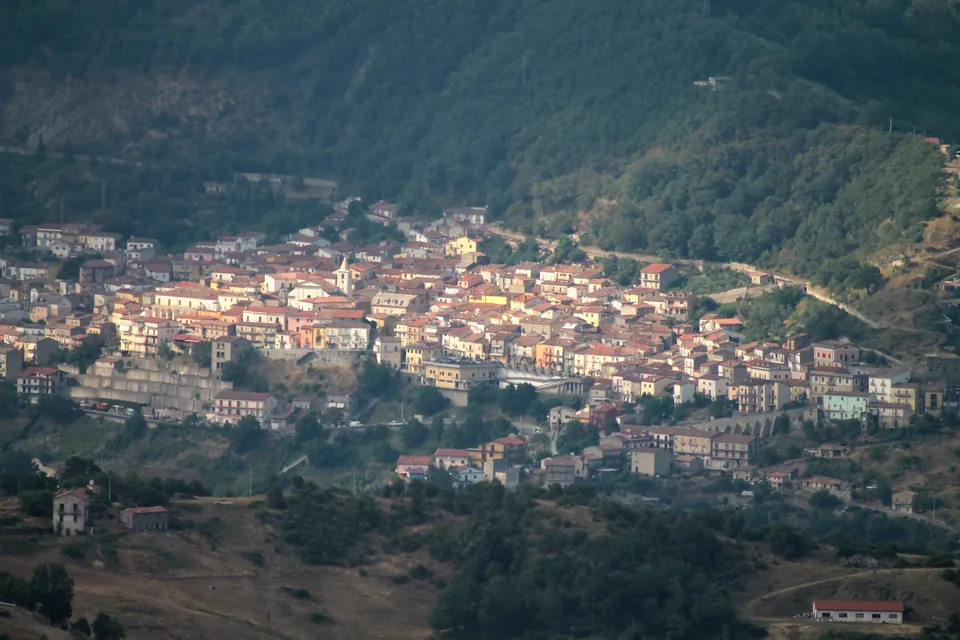
Terranova di Pollino: the Lucanian side. Gateway to the massif’s gorges, peaks and Bosnian pines, with a tradition of instruments and paddaccio cheese.
Read the guide →Photo: Alfredo D'Ambrosio / Wikimedia Commons — CC BY 3.0 · Resized and converted to WebP.
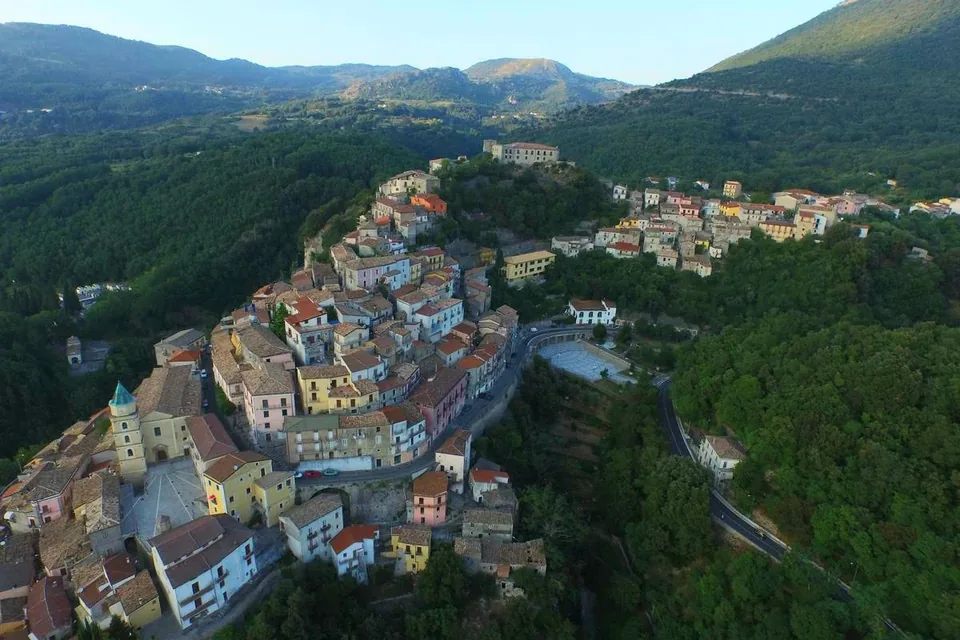
Viggianello: above the Mercure valley. A village with a medieval castle at the foot of the Pollino, communal rituals and Rotonda white beans.
Read the guide →Photo: Millucci0 / Wikimedia Commons — CC BY-SA 4.0 · Resized and converted to WebP.
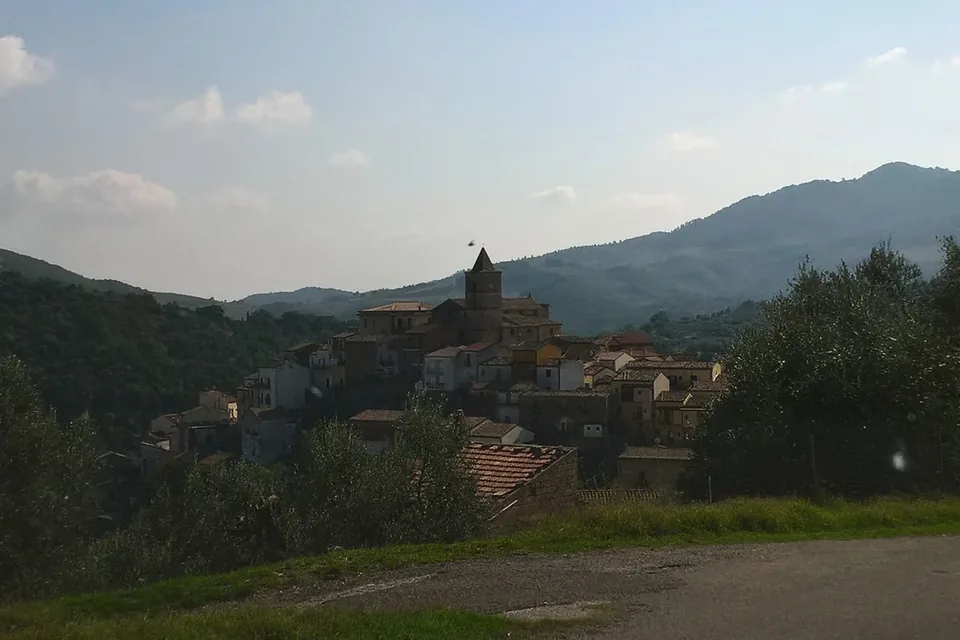
Oliveto Lucano: wood, stone and Monte Croccia. A clifftop village among centuries-old olive trees and a fortified Lucanian town on the Croccia.
Read the guide →Photo: Asia / Wikimedia Commons — CC BY-SA 4.0 · Resized and converted to WebP.
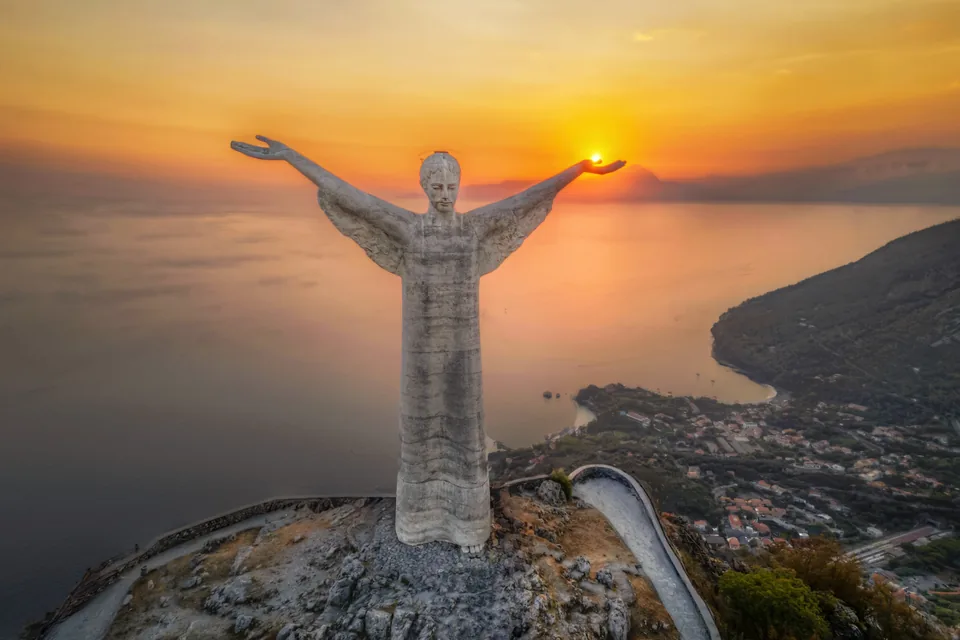
San Biagio, heritage and the landscape seen at the opening of the film Coast to Coast. Explore Basilicata’s only Tyrrhenian coast, with 32 kilometres of rock walls and coves, and the sausages made in Maratea. On the mountain, the basilica with its Royal Chapel of 1618; along the coast, the sixteenth-century watchtowers.
Read the guide →Photo: D.belfiore / Wikimedia Commons — CC BY-SA 4.0 · Resized and converted to WebP.
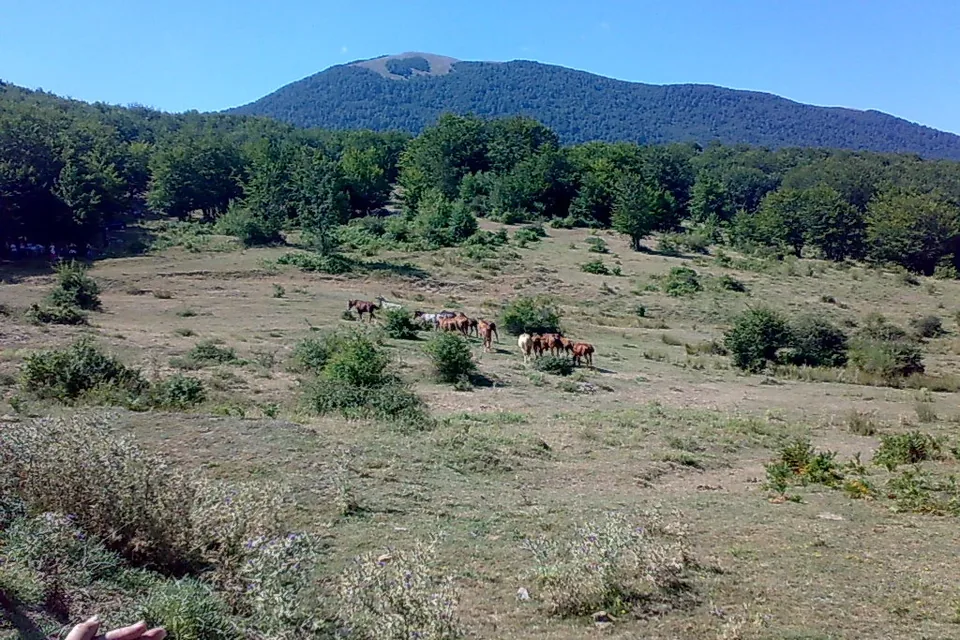
A mountain landscape shared by Calabria and Basilicata, explored through walks, villages and a considered pace.
Read the guide →Photo: Gianni Lupindo / Wikimedia Commons — CC BY-SA 3.0 · Resized and converted to WebP.
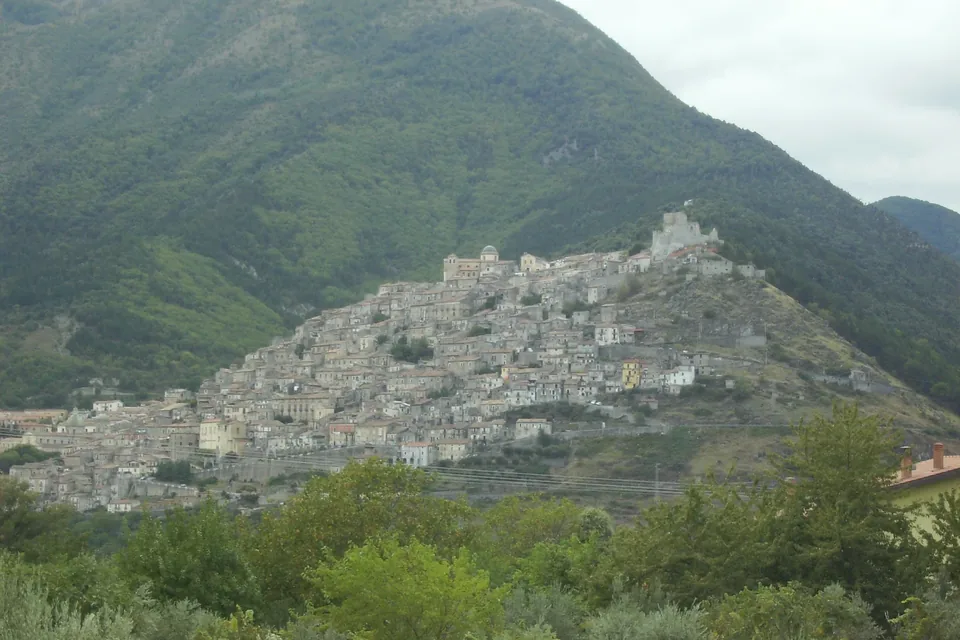
A historic hill town to explore on foot and connect with the Pollino landscape.
Read the guide →Photo: Pigr8 / Wikimedia Commons — Public domain · Resized and converted to WebP.
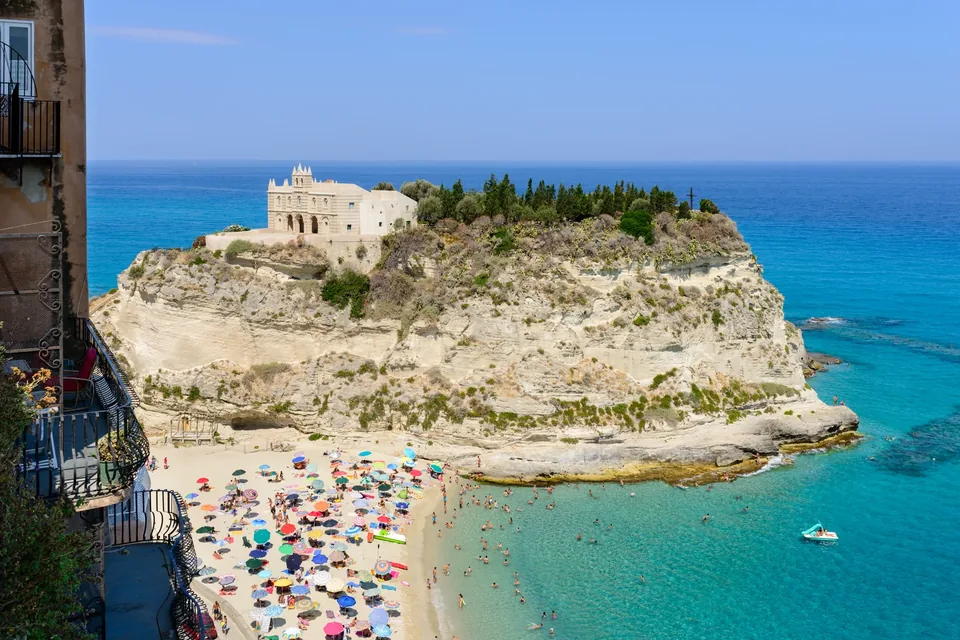
The clifftop town, the Tropea onion and the Capo Vaticano headland along the Costa degli Dei, on Calabria’s Tyrrhenian coast.
Read the guide →Photo: Norbert Nagel / Wikimedia Commons — CC BY-SA 3.0 · Resized and converted to WebP.
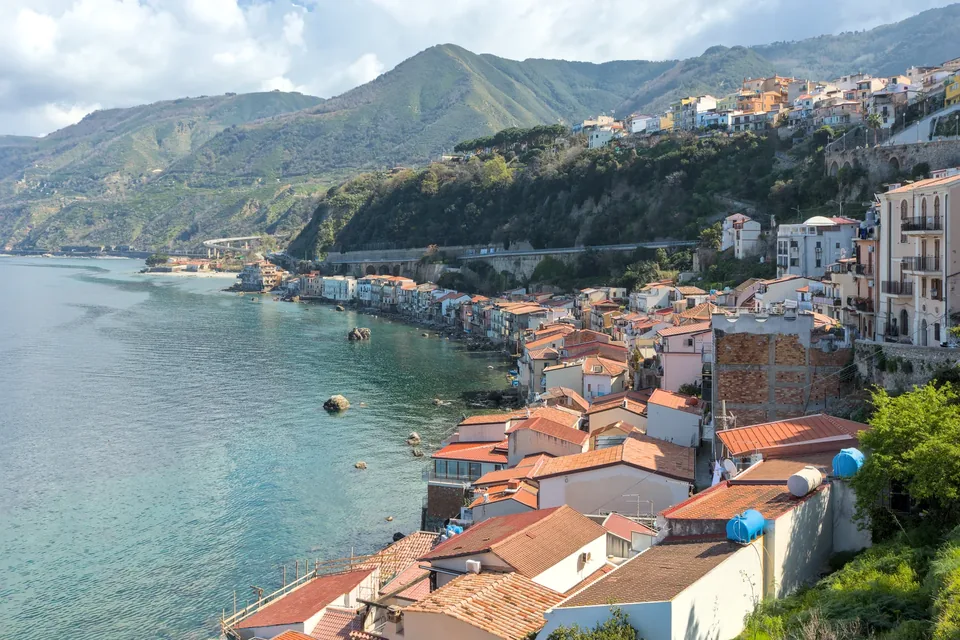
The town of the Homeric myth, the seafaring quarter of Chianalea and the stretch of Costa Viola facing the Strait of Messina.
Read the guide →Photo: Benjamin Smith / Wikimedia Commons — CC BY-SA 4.0 · Resized and converted to WebP.
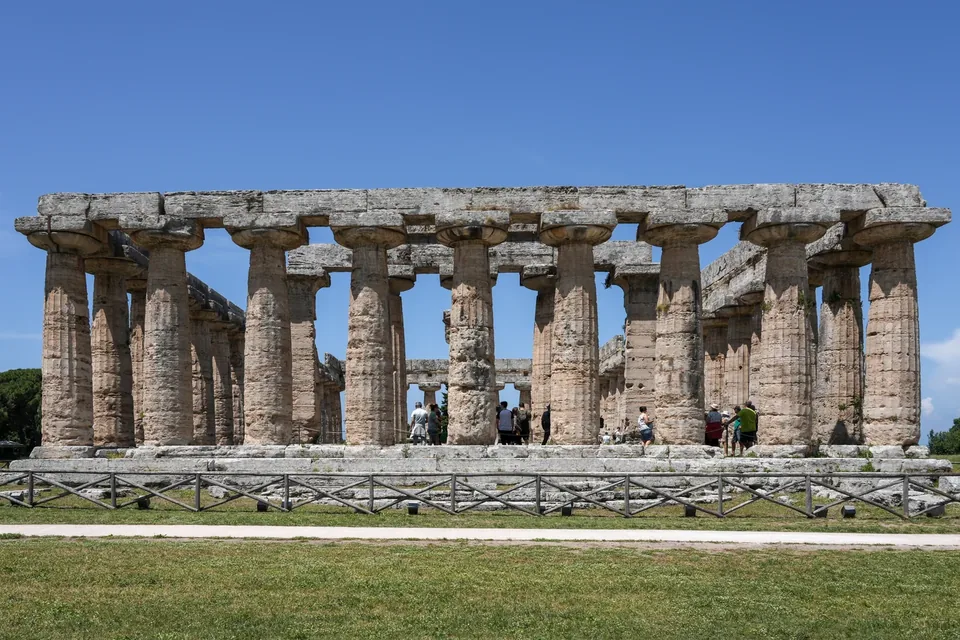
The Cilento, Vallo di Diano and Alburni National Park: coastline, karst mountains, Paestum, Velia and the Padula Charterhouse.
Read the guide →Photo: PaestumPaestum / Wikimedia Commons — CC BY-SA 4.0 · Resized and converted to WebP.
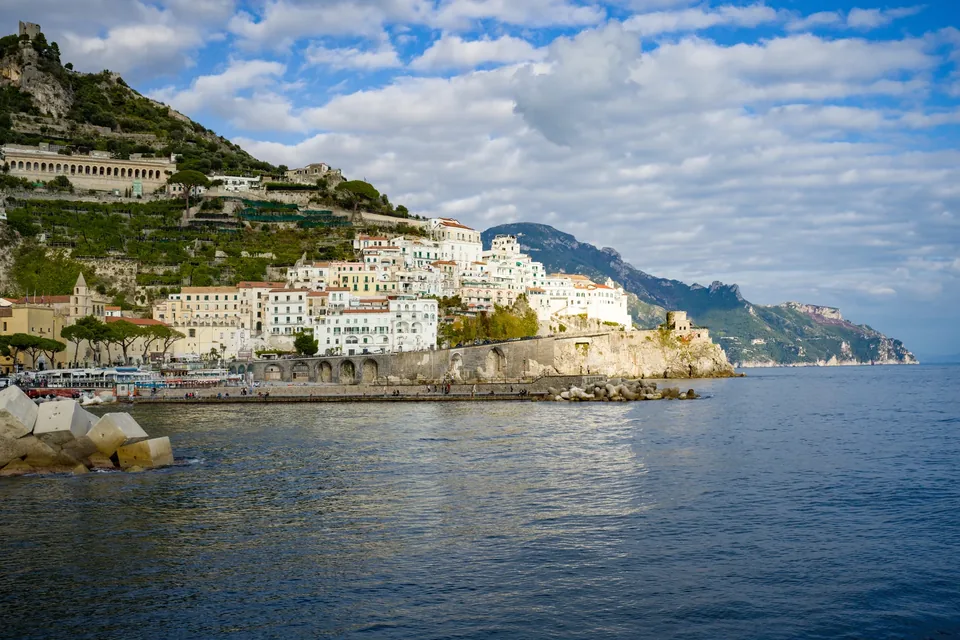
The UNESCO cultural landscape between Positano and Vietri sul Mare: citrus terraces, footpaths, inland valleys and the history of a maritime republic.
Read the guide →Photo: Wolfgang Moroder / Wikimedia Commons — CC BY-SA 3.0 · Resized and converted to WebP.
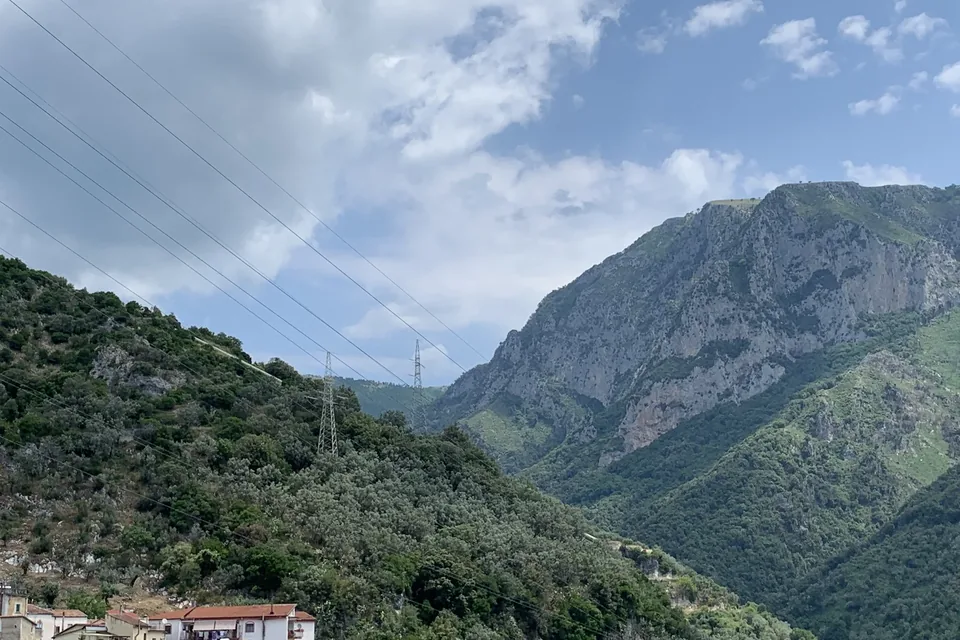
A regional park of beech woods, springs and hill villages, with Giffoni Valle Piana and its film festival for young people.
Read the guide →Photo: Csal1933 / Wikimedia Commons — CC BY-SA 4.0 · Resized and converted to WebP.
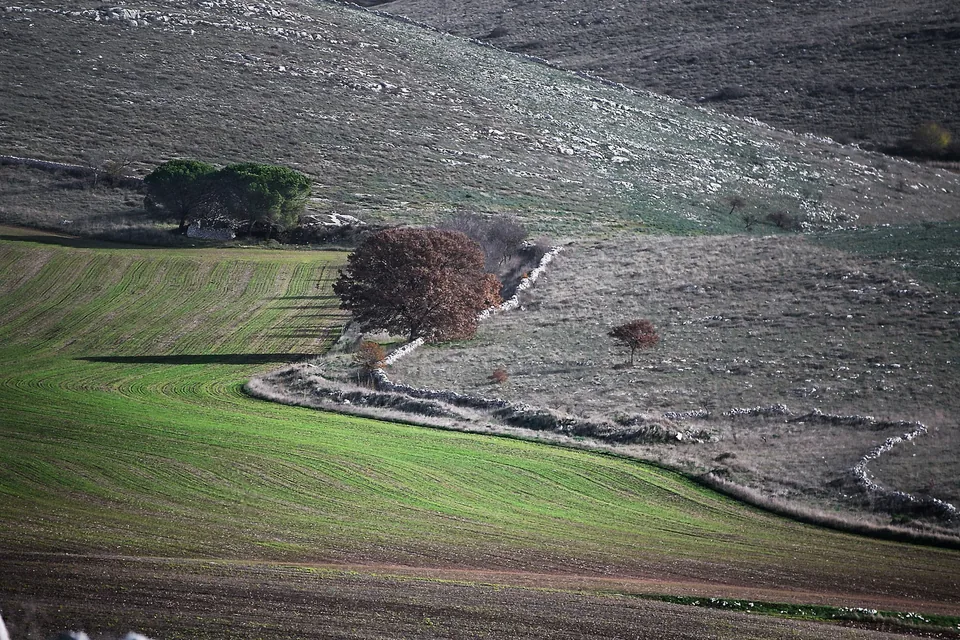
Stone, pasture and farming to explore the landscape beyond the towns. A national park of Mediterranean steppe, durum-wheat bread and cardoncello mushrooms.
Read the guide →Photo: Acquario51 / Wikimedia Commons — CC BY-SA 4.0 · Resized and converted to WebP.
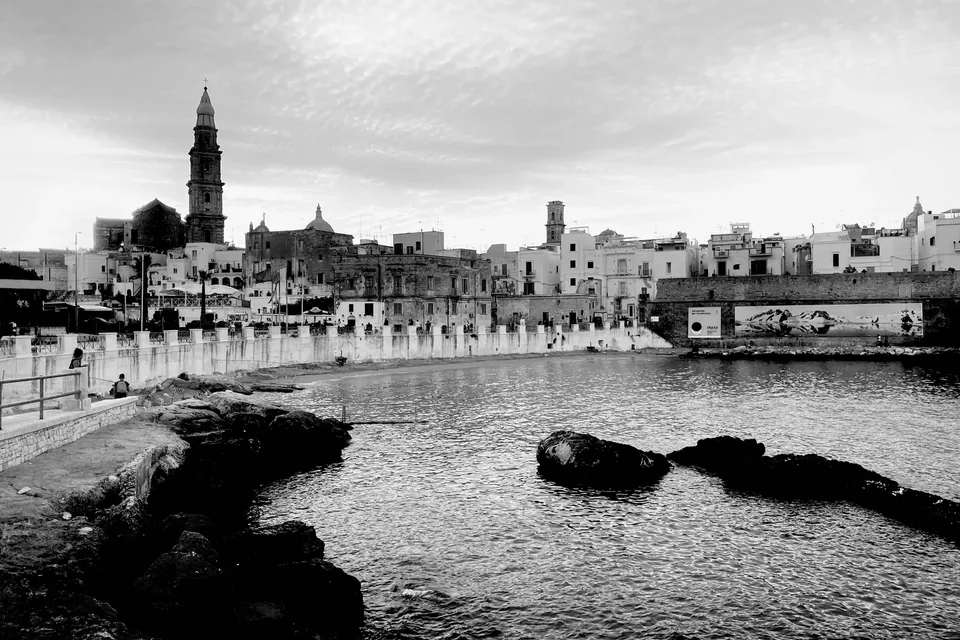
An Adriatic conclusion connected to the rural landscape. A harbour reaching into the old town, the cathedral, rural contrade and ‘mareterra’ cooking.
Read the guide →Photo: RaTio65 / Wikimedia Commons — CC BY-SA 4.0 · Resized and converted to WebP.
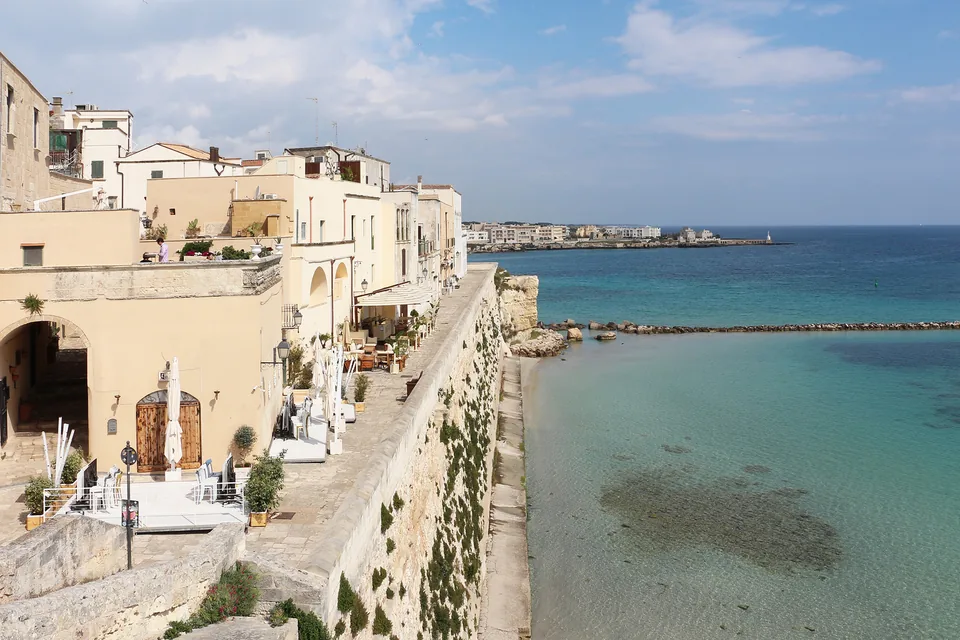
The cathedral, Adriatic landscape and time to explore the historic centre. Inside and around the walls: Pantaleone’s mosaic of 1163-1165, the crypt with its forty-two columns, the Byzantine church of San Pietro, the Aragonese castle of Walpole’s novel, the Punta Palascìa lighthouse and the Grotta dei Cervi at Porto Badisco.
Read the guide →Photo: Bernard Gagnon / Wikimedia Commons — CC0 · Resized and converted to WebP.
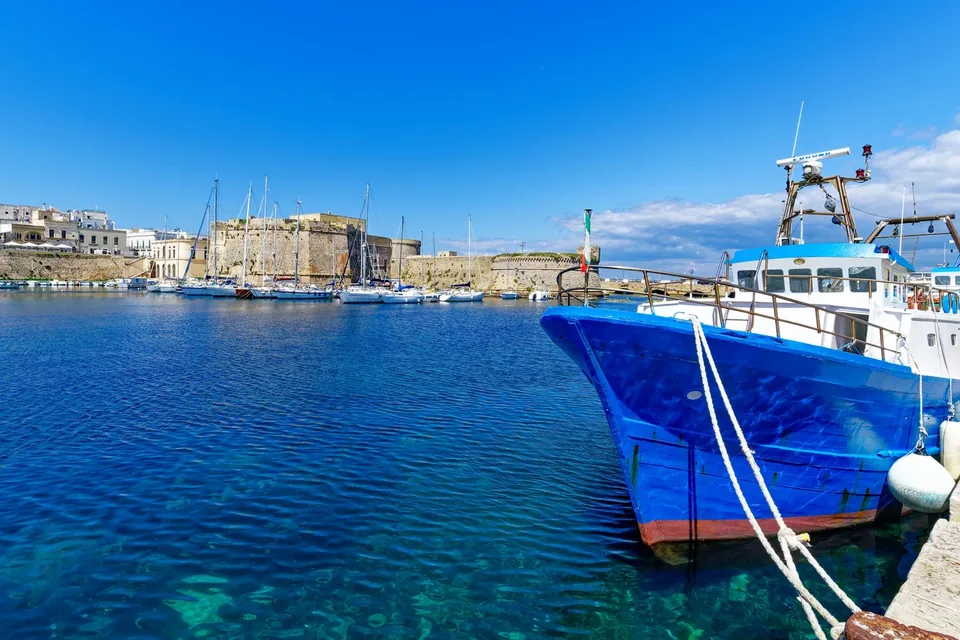
The bridge, churches and Ionian townscape beyond a beach holiday. An old town on a fortified island, linked by a masonry bridge, and the local scapece.
Read the guide →Photo: Holger Uwe Schmitt / Wikimedia Commons — CC BY-SA 4.0 · Resized and converted to WebP.
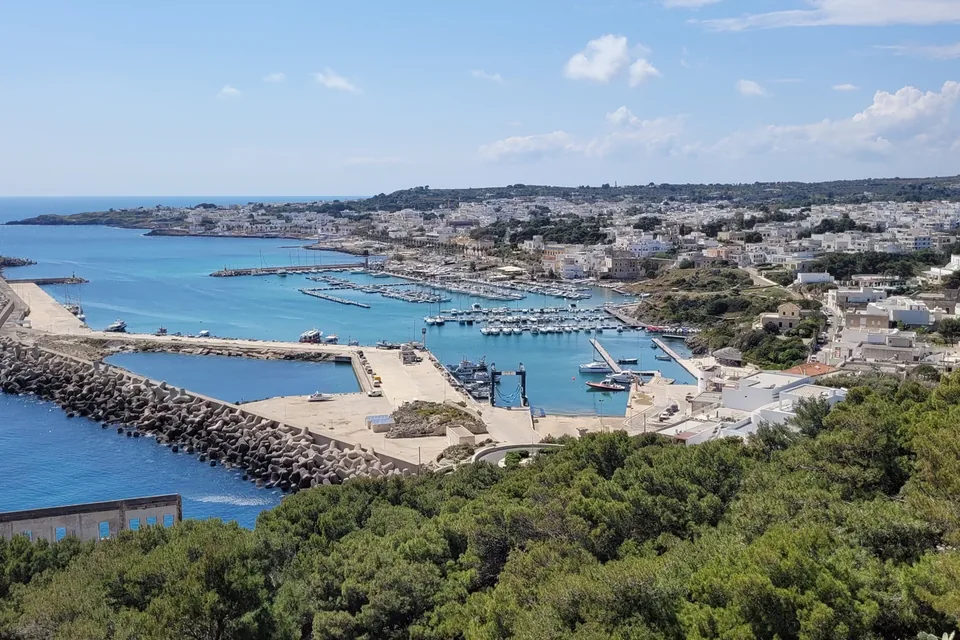
The sanctuary, seafront architecture and the outline of the coast. The cape where the Adriatic embraces the Ionian, the de finibus terrae basilica and frise.
Read the guide →Photo: Bernard Gagnon / Wikimedia Commons — CC0 · Resized and converted to WebP.
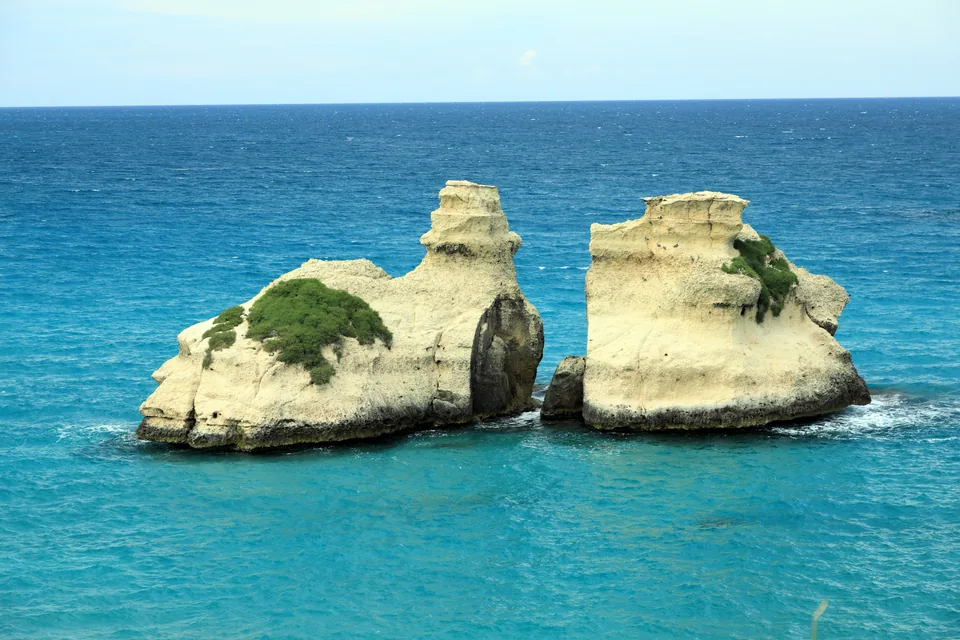
Sea stacks, pine woodland and a contrast with Melendugno’s inland villages. The bay holds the 2026 Blue Flag: to the north stands the 1568 coastal tower that gave it its name, at the other end the cave of San Cristoforo, a seaside sanctuary from the fourth century BC, and the Two Sisters sea stacks.
Read the guide →Photo: Falk2 / Wikimedia Commons — CC BY-SA 4.0 · Resized and converted to WebP.
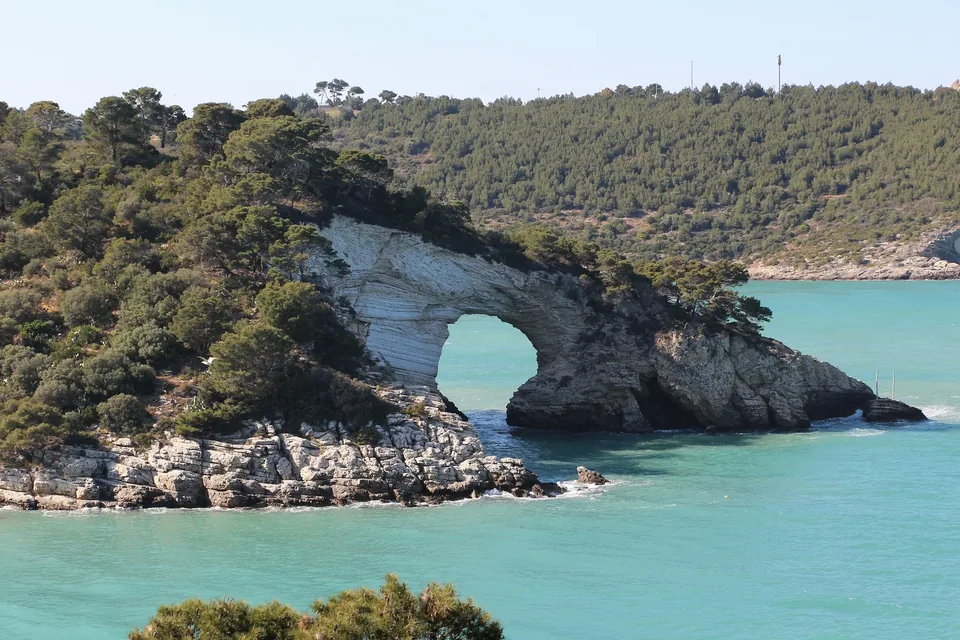
Gargano: villages, woodland and coast. Beech woods, lagoons and white villages in the national park, the Archangel’s mountain and Ogliarola olives.
Read the guide →Photo: Bernard Gagnon / Wikimedia Commons — CC0 · Resized and converted to WebP.
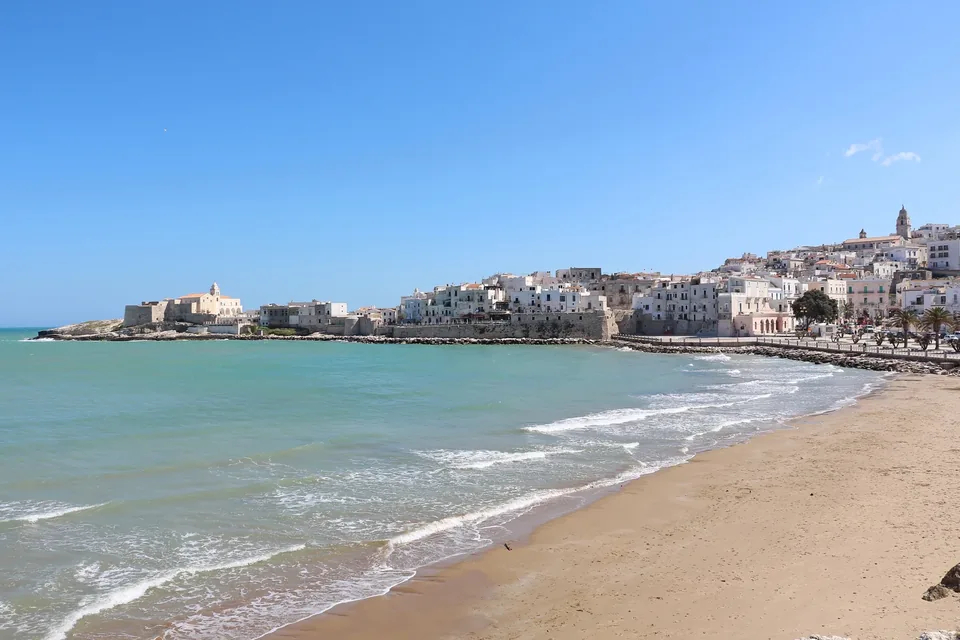
Vieste: old lanes and fishing structures. An old town on a rocky spur above the sea, its castle and cathedral, the Petrone viewpoint and trabucchi. The guide also covers the La Salata necropolis, the Sant’Eufemia lighthouse, the Petrone Museum with finds from the Defensola flint mine and the Pilgrims’ Way to Monte Sant’Angelo.
Read the guide →Photo: Bernard Gagnon / Wikimedia Commons — CC0 · Resized and converted to WebP.
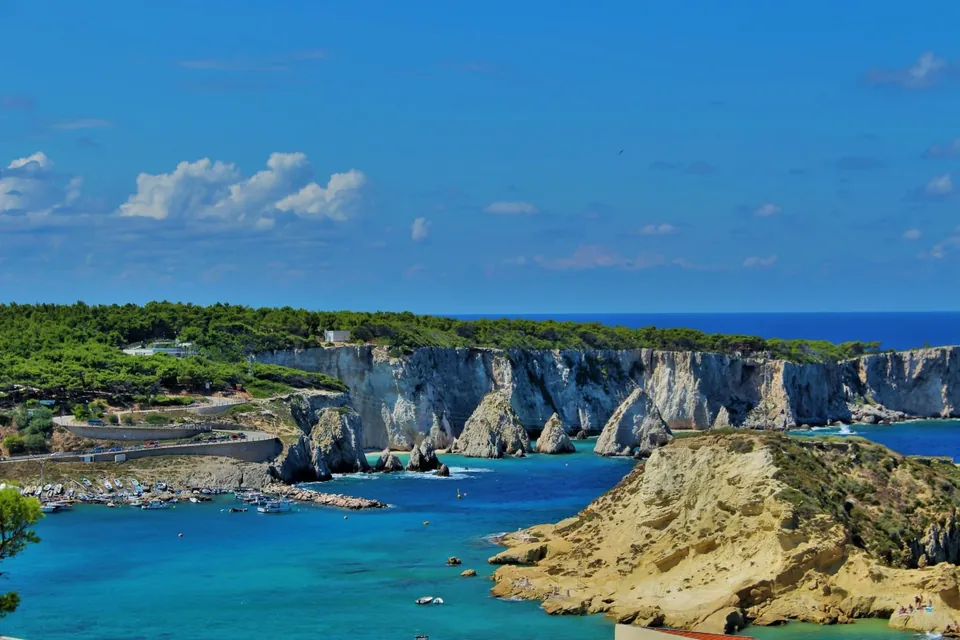
Tremiti: San Nicola and the island landscape. Puglia’s only archipelago, 12 nautical miles off the Gargano, with pine woods, white cliffs and an abbey fortress. In the marine protected area, 34 dive sites and wrecks from Roman times to the Lombardo, the steamer of Garibaldi’s Thousand; on San Nicola the church of Santa Maria a Mare with its eleventh-century mosaics, the cloisters and the memory of the political exiles.
Read the guide →Photo: Sara Caputo / Wikimedia Commons — CC BY-SA 4.0 · Resized and converted to WebP.
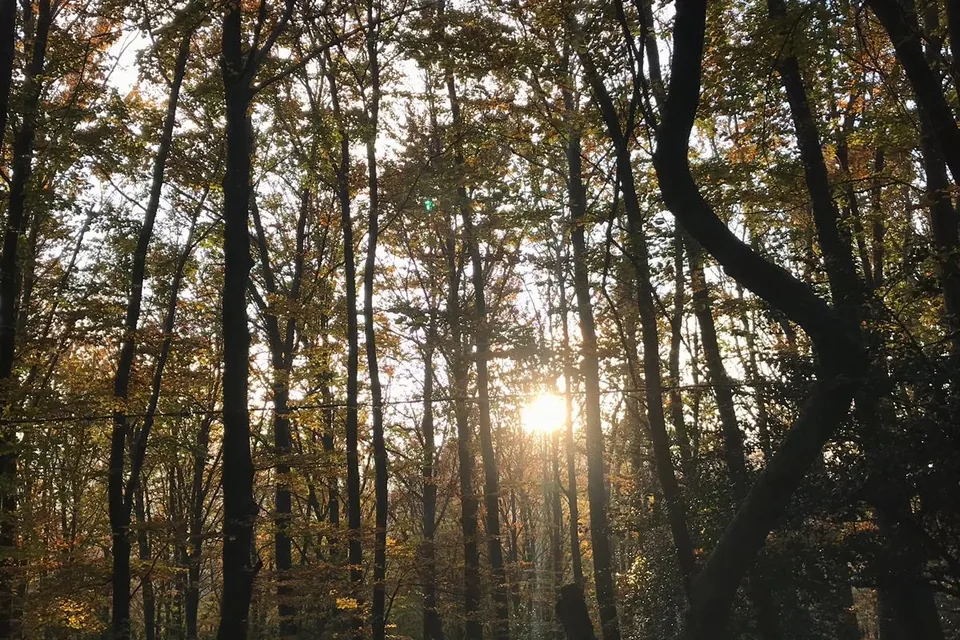
Foresta Umbra: Gargano beneath the beech trees. About 10,500 hectares of forest in the national park, with ancient beech woods on the UNESCO list since 2017.
Read the guide →Photo: Francesca Lenoci / Wikimedia Commons — CC BY-SA 4.0 · Resized and converted to WebP.
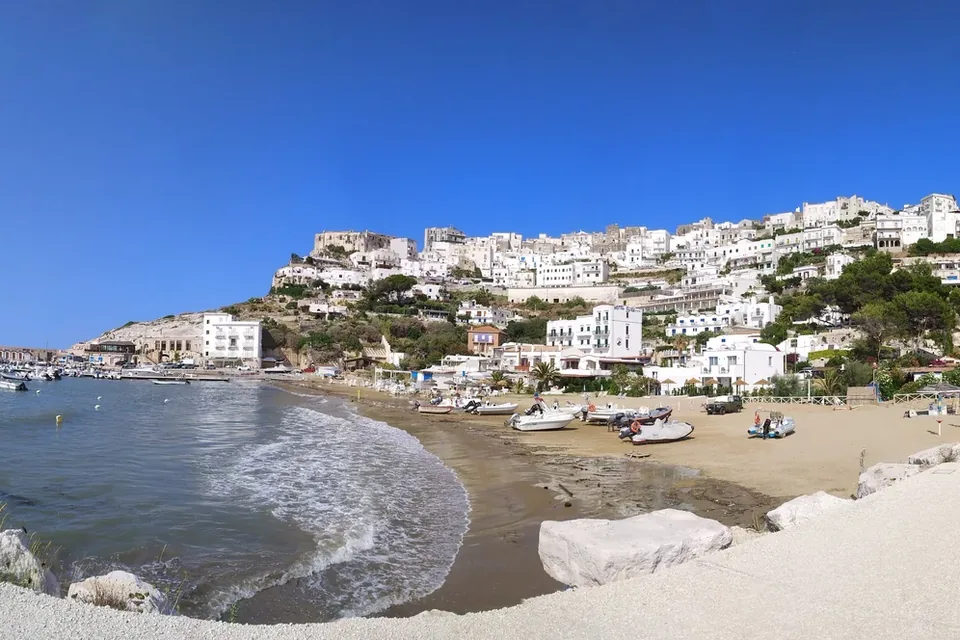
Peschici: the town above the cliff. White houses, arches and steps at Puglia’s northernmost point, a castle on the rock and food from both sea and hills.
Read the guide →Photo: Giacomo Alessandroni / Wikimedia Commons — CC BY-SA 4.0 · Resized and converted to WebP.
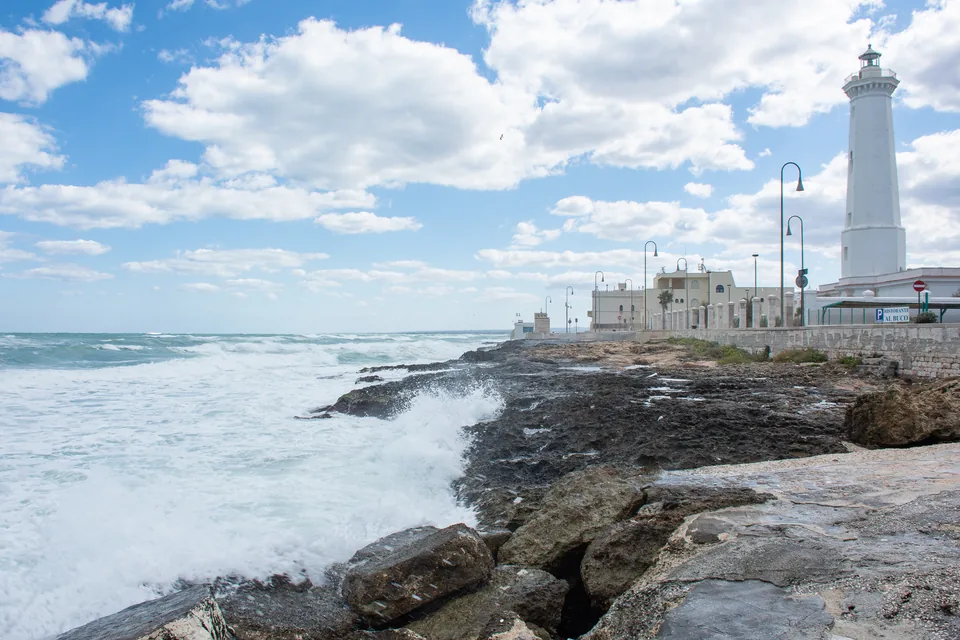
The seaside village of Fasano with the Punta Torre Canne lighthouse, a long sandy beach with shallow water, the Coastal Dunes Park, the thermal waters, the fiorone fig and the regina tomato.
Read the guide →Photo: Okidoki1982 / Wikimedia Commons — CC BY-SA 4.0 · Resized and converted to WebP.
Basilica · Santa Maria di Leuca (Castrignano del Capo) · Madonna de Finibus Terrae, San Pietro
Basilica · Manfredonia (Siponto) · Madonna di Siponto, San Lorenzo Maiorano
Basilica · L'Aquila · San Pietro Celestino (Celestino V), Madonna Assunta
Cathedral · Trani · San Nicola il Pellegrino
Charterhouse · Padula · San Lorenzo, San Brunone di Colonia
Basilica · Ortona (Chieti) · San Tommaso Apostolo
Cathedral · Otranto · Santi Martiri di Otranto, Antonio Primaldo
Sanctuary · Tropea · Madonna
Sanctuary · San Severino Lucano · Madonna del Pollino
Sanctuary · San Luca (Polsi) · Madonna della Montagna


