
APULICA / Stories, people and traditions
Our roots: the family bakery in Giovinazzo
Apulica’s roots also lead back to a family bakery. This is my story: Giovinazzo, Molfetta, and the work of my grandparents and my father.
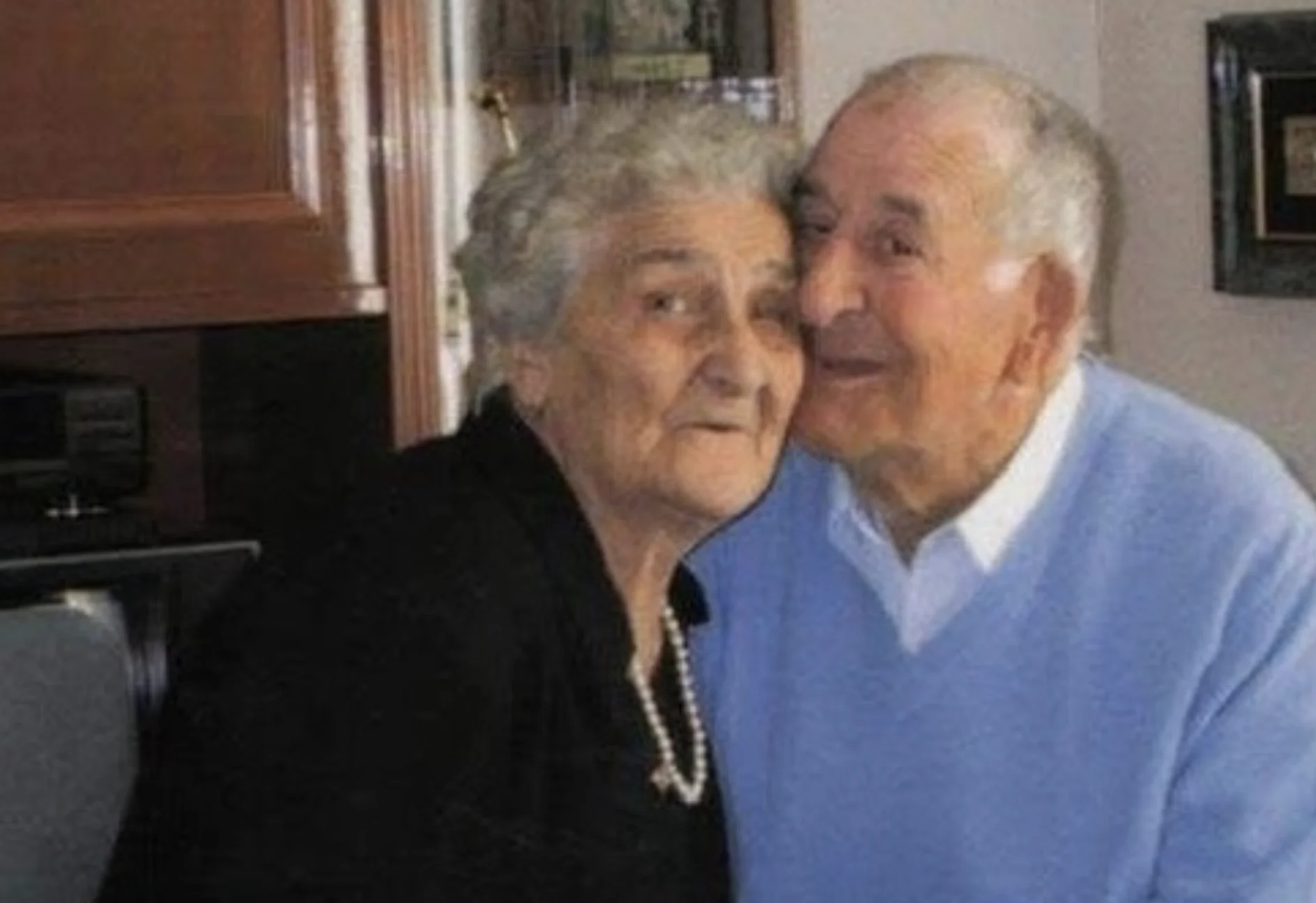
Two towns, different family ties
Giovinazzo is my father’s hometown; Molfetta is my grandmother’s. These are two specific family ties that give the places a personal meaning for me. Before destinations and itineraries, there are the people in my family.
Family memories shared by Fabio.
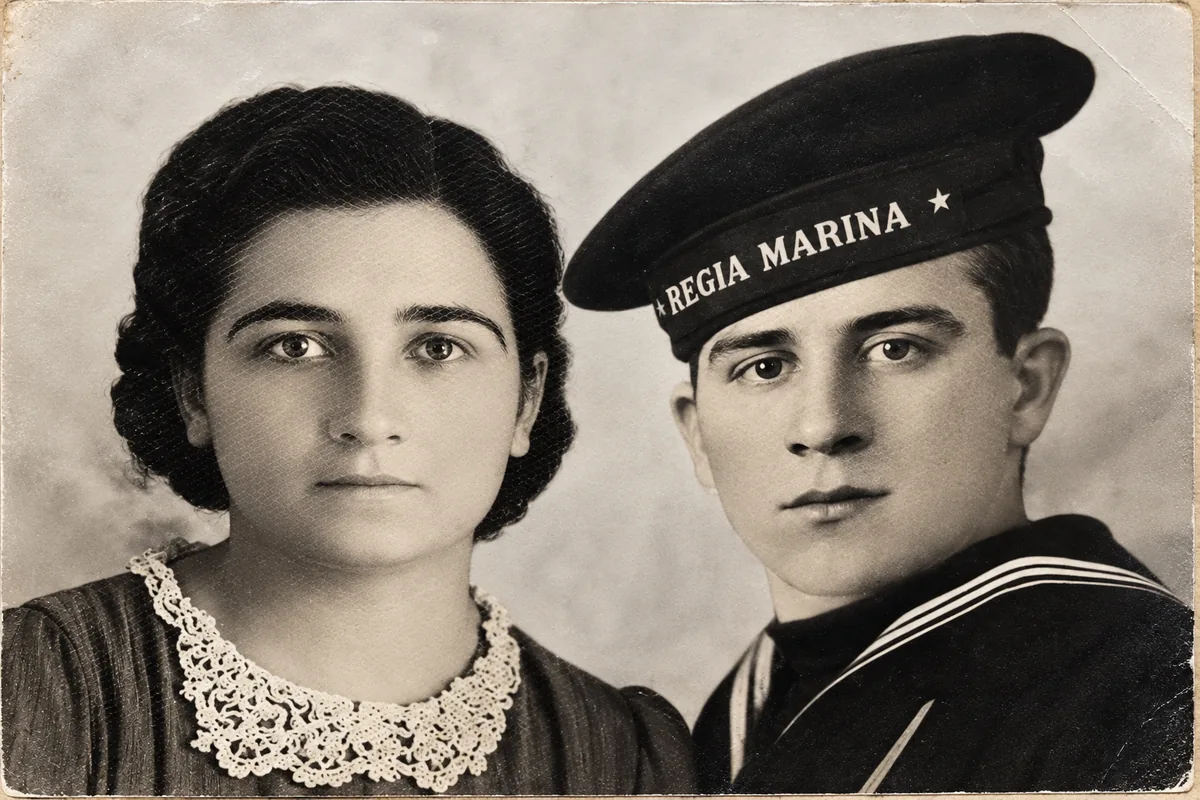
Large families, a connection that continues
Both my grandfather and my grandmother had many brothers and sisters. The connection with bakeries continues in my grandmother’s family: a younger relative of hers still owns a bakery in Molfetta today. It is another thread in our family story, alongside my grandparents’ bakery in Giovinazzo.
Family memories shared by Fabio.
My grandparents’ bakery
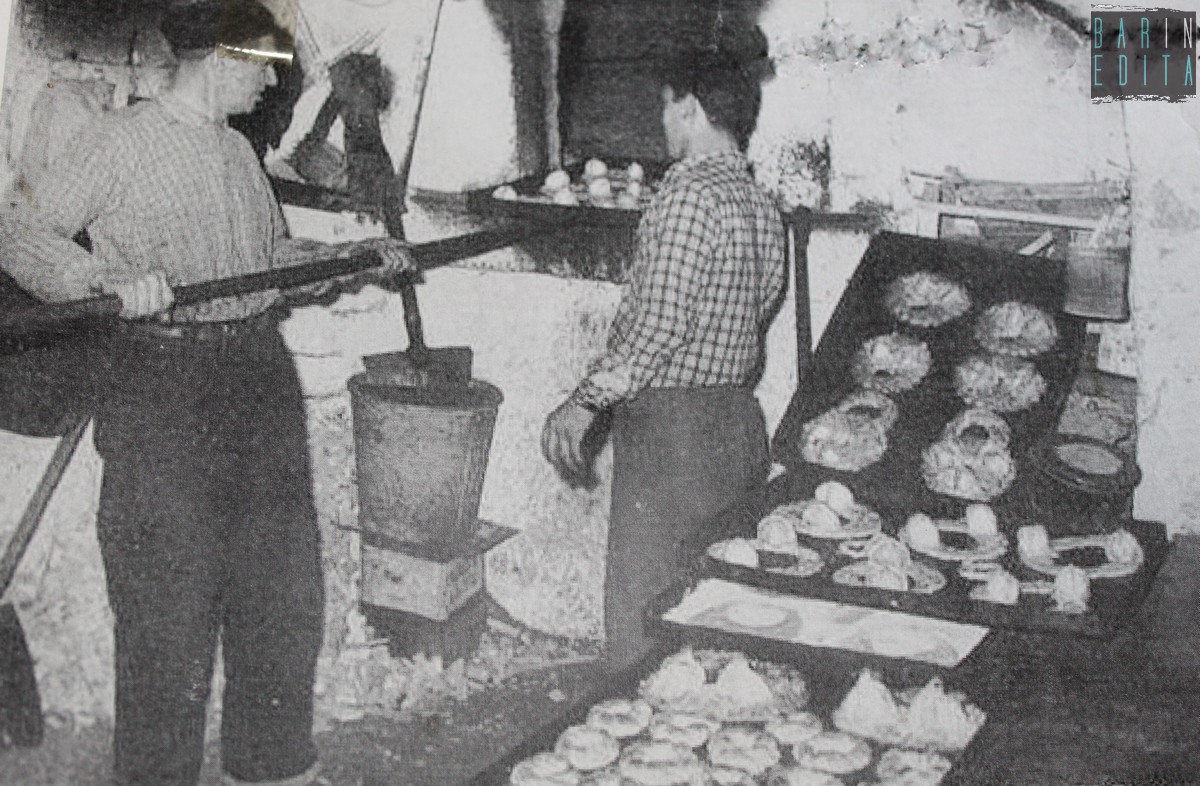
My grandfather Sebastiano and my grandmother Marianna had a bakery in Giovinazzo. People brought their dishes there to be baked; my grandparents also made focaccia and other food. The bakery therefore played a part in preparing families’ meals, alongside the food my grandparents made themselves. That connection between their work and people’s tables is something I want to preserve in Apulica’s story.
Family memories shared by Fabio.
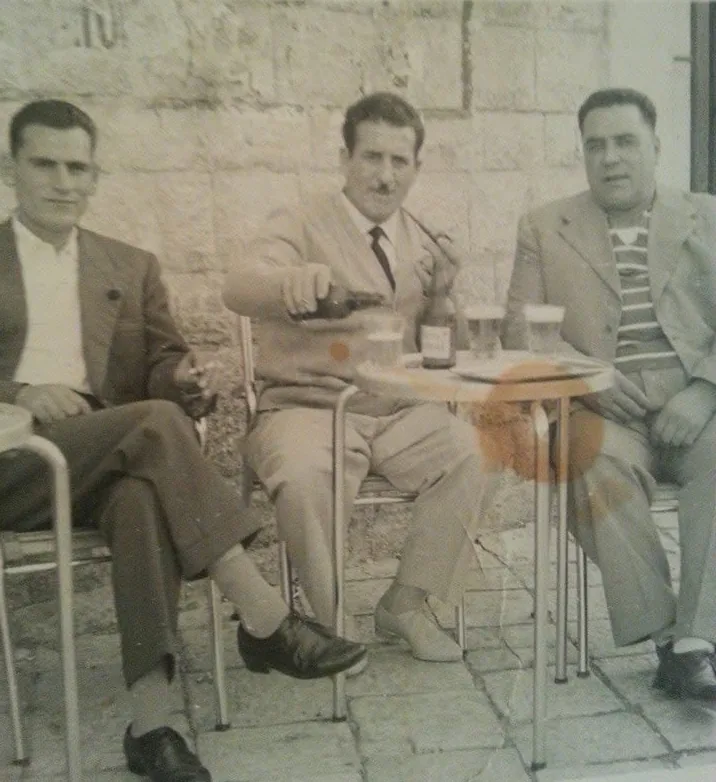
Deliveries by bicycle
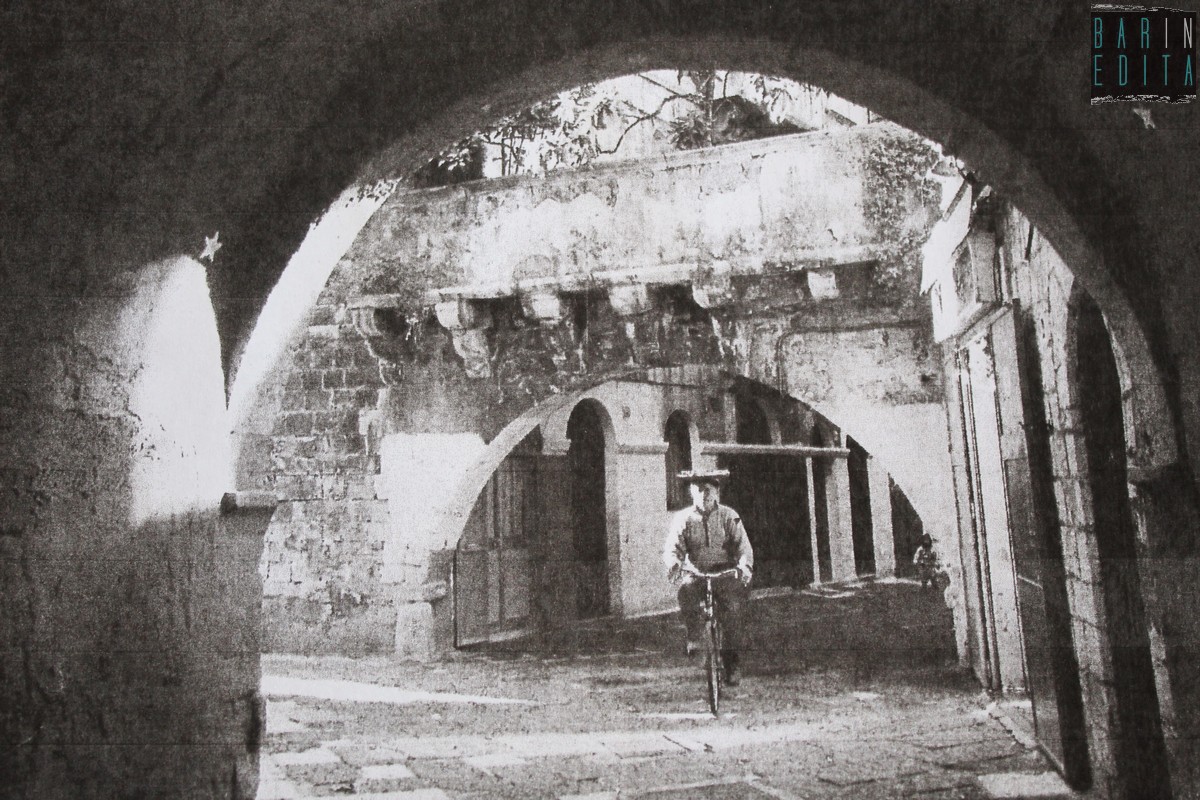
My father made deliveries by bicycle, with the families’ baking trays on a wooden board balanced on his head. It was how bakers worked around here: in old Bari, Giuseppe Prudente, known as «Peppino uè op», delivered this way from the post-war years until 2002, sometimes with two boards stacked on top of each other. When I saw his photographs, published by Barinedita, I recognised my father’s method. The bicycle and the trays remain the most tangible image of the bond between the bakery and the families.
Family memories shared by Fabio. Sources: Barinedita — Bari, la storia di «Peppino uè op», il fornaio equilibrista (2020)
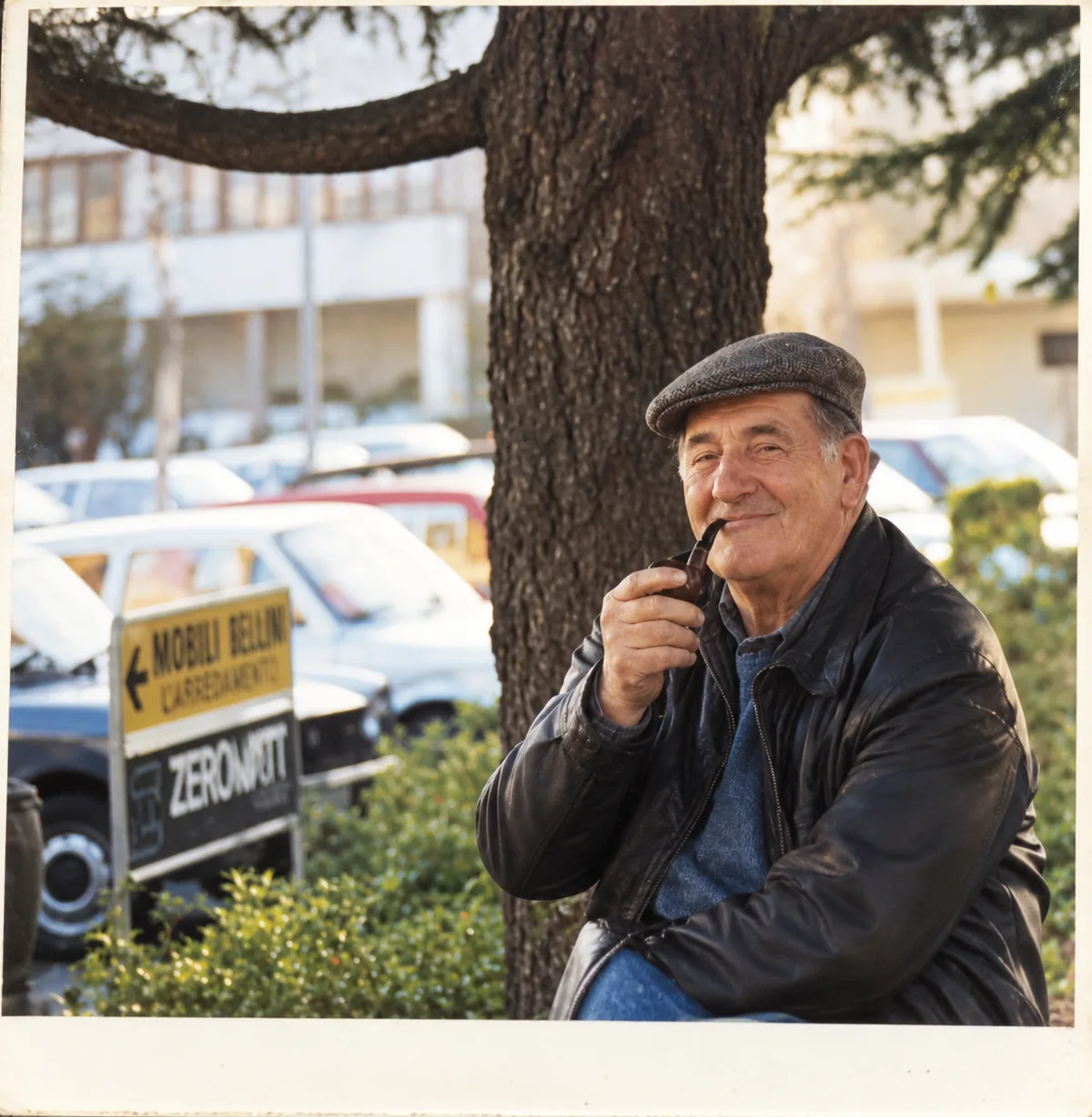
Who I am, and who we are today
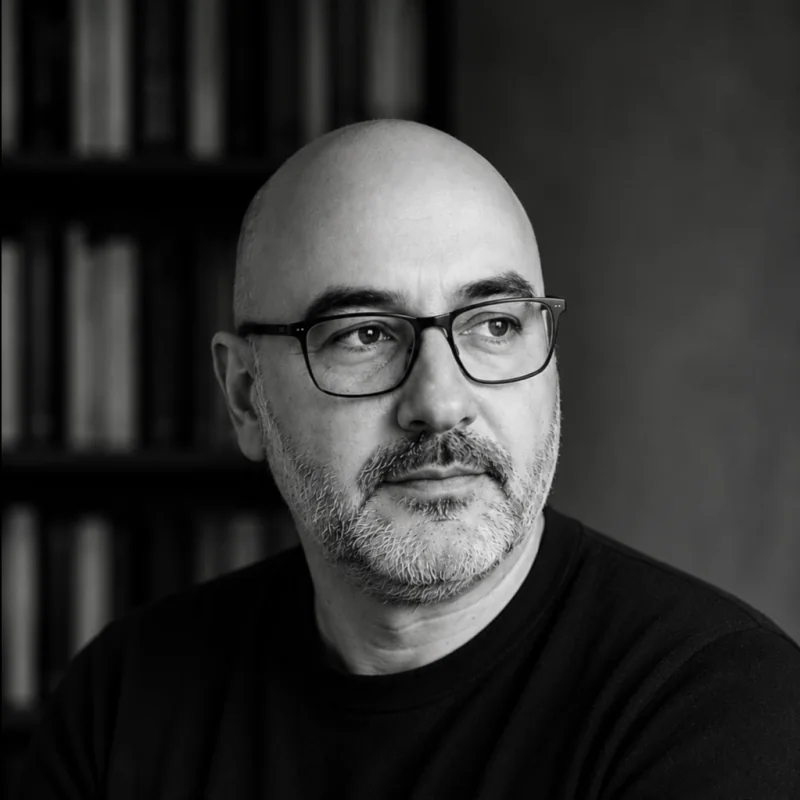
My name is Fabio and I am 54. I was born on Lake Maggiore, but my family comes from Giovinazzo and Molfetta. I have lived in Germany, England and France. I have spent most of my working life in tourism, as a tour operator, and in information technology, as a manager. I have run restaurants in Italy, some of them large, seating two hundred people, and pizzerias abroad: that is why I can tell a place where people work well, from the way they treat their ingredients even before the dish arrives. Apulica is how I bring together the two halves of my story: making known the people who work well in my family's lands, and taking there those who want to meet them.
Today Apulica is a magazine about a land and its people. I tell the story of Puglia, Basilicata, Campania, Calabria, Molise and Abruzzo through their places, products, stories, walking routes, places of faith and, above all, the people who work the produce of their own land well: bakeries, pizzerias, trattorias, pastry shops, dairies, olive mills and food shops. Every guide cites its sources, and every award I mention links to whoever gave it, so that readers can check for themselves.
Two ways of going beyond reading grow out of these stories. With Apulica Travel I build your journey with you on request, around the places and encounters that struck you, with a single point of contact from start to finish. With Bottega, at apulica.eu, I am arranging for the products of these lands to be shipped straight to your home, from the people who make them.
I write about what deserves it even when there is no commercial relationship: selection comes before sales. When a business works with Apulica I say so openly, and its page carries the «Apulica partner» mark. It is the same way of being together that I learned in my grandparents' bakery: food as a reason to meet, and trust built one person at a time.
— Fabio
Why Apulica
Apulica is a Latin word: it means "of Apulia". It does not say who the places we write about belong to; it says where I come from.
My father's family is from Giovinazzo, in the Terra di Bari. The family bakery was already there in the nineteenth century, and my grandparents Sebastiano and Marianna kept it going too; my grandmother was from Molfetta. My father, the only son among six children, moved north; and my grandmother, who could not bear to be far from her only son, followed him with the whole family. I was born on Lake Maggiore, and on my mother's side the roots lie between Lombardy and the Dolomites of the Veneto: that is one more reason why I cannot think of a land as an enclosure.
These lands have met many times in history. Under Augustus, the region of Apulia et Calabria also included Benevento, much of Irpinia and Larino. In 1043 Melfi became the capital of the Norman county of Apulia, and from 1076 Robert Guiscard made Salerno his main city. In Dante's time the whole mainland part of the kingdom was called Puglia, "from Bari to Catona".
That is why, in our magazine, every place goes by its own name: Campania is Campania, Naples is Naples, Matera is Matera. The name says where I start from; the places belong to the people who live there.
— Fabio
Family memories shared by Fabio. Sources: Lewis & Short, A Latin Dictionary — Appulia, Apulicus (Perseus Digital Library) · Treccani — Apulia · Treccani, Enciclopedia Italiana — Irpini · Treccani, Enciclopedia Italiana — Larino · Treccani, Enciclopedia Italiana — Puglia (1935) · Treccani, Dizionario Biografico degli Italiani — Roberto d'Altavilla detto il Guiscardo · Treccani, Dizionario Biografico degli Italiani — Gisulfo · Treccani, Enciclopedia Dantesca — Puglia
A thread for your journey
This connection shapes our wish to discover places through the people who live there: a bakery, a kitchen, a producer, a story told first-hand. Giovinazzo and Molfetta are a personal starting point for this way of travelling.
Plan your tripRelated places
Giovinazzo
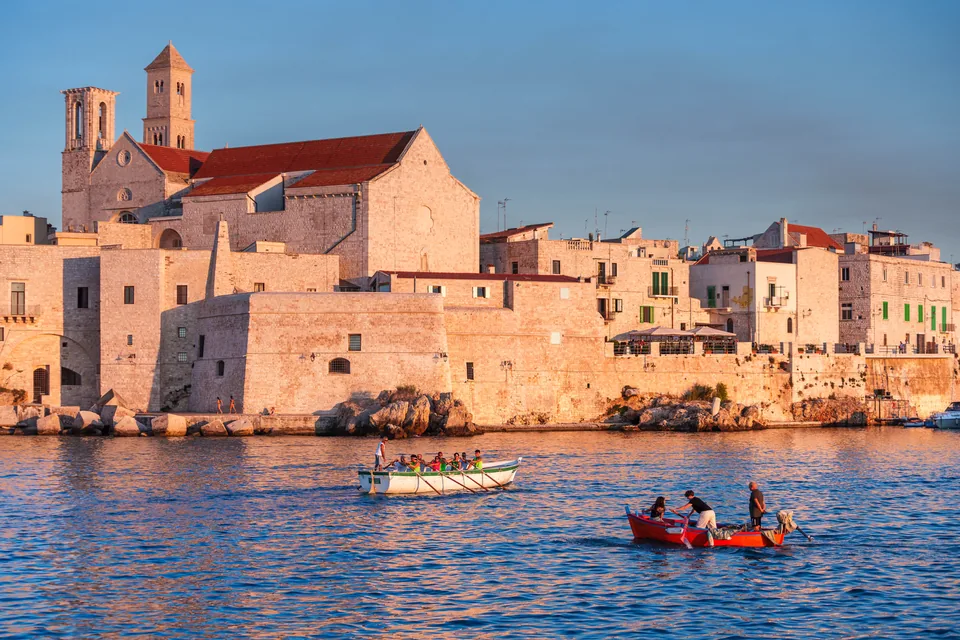
The old town, harbour and cooking shaped by farming and fishing traditions. A centre on a rocky promontory, the cathedral and a rice, potato and mussel tiella.
Read the guide →Photo: Pakycassano / Wikimedia Commons — CC BY-SA 4.0 · Resized and converted to WebP.

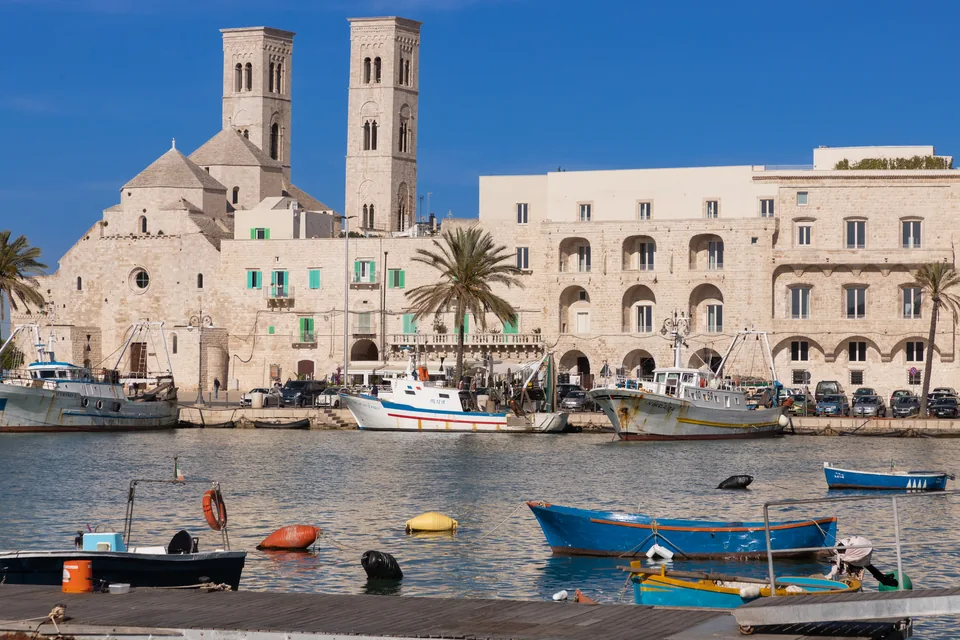
Molfetta
Romanesque architecture and karst landscape beyond the coast. The cathedral on the harbour, a fishing fleet among the lower Adriatic’s largest and the Pulo. In town the cathedral born from the Jesuit church, the Diocesan Museum and the Apulian Regional Seminary; outside the old town the basilica of the Madonna dei Martiri, a pilgrims’ stop since 1162, and the oil of the Terra di Bari PDO.
Read the guide →Photo: Genesis5663 / Wikimedia Commons — CC BY-SA 4.0 · Resized and converted to WebP.
