
APULICA / Food guides
Greco di Tufo: the white of sulphur and the Sabato hills
Greco di Tufo is Irpinia's most 'vertical' white: savoury, mineral, with an acidity producers call both its burden and its delight. It comes from eight municipalities clustered around Tufo, a village on the Sabato river whose history was bound for over a century to sulphur mines. This guide brings wine and landscape together: the grape, the soils, the appellation rules, the village with its castle and the cave of San Michele, the early-September festival and some advice for enjoying it at the table.
A grape that found its place
The Irpinia Wine Protection Consortium presents Greco as a white grape of very ancient origin, which historical ampelography links to pre-Roman and Roman times. In Irpinia, and especially in the towns around Tufo, it found its ideal terroir: it prefers soils rich in limestone, clay and minerals, with a strong presence of sulphur near the old mines. The Province of Avellino's Sistema Irpinia portal describes it as a grape of Greek origin brought to Campania, grown at very low yields per hectare on steep clay-limestone hills. According to the same source, the Greco area is the smallest of the Irpinian appellations relative to the territory's size, and its wines can also evolve well over time.
Sources: Consorzio tutela vini d'Irpinia — Vitigni autoctoni dell'Irpinia · Provincia di Avellino, Sistema Irpinia — Tufo
Eight towns and sulphur in the soil
The production area covers eight municipalities in the province of Avellino: Tufo, Altavilla Irpina, Chianche, Montefusco, Prata di Principato Ultra, Petruro Irpino, Santa Paolina and Torrioni. The Consortium explains that part of the area lies within the Partenio Regional Park. The landscape is made of low, mid and high hills, respectively 22, 56 and 21% of the surface. The subsoil consists mainly of terrigenous and volcanic deposits: at lower altitudes sandstones and sands mixed with sulphur mineralisation, in the southern sector pyroclastic rocks and the Campanian Ignimbrite, while the Sabato valley floor is alluvial gravel. Vineyard slopes are mostly steep or very steep. The climate is Mediterranean but with harsh winters, dry summers and wide temperature swings, decisive for grape quality.
Sources: Consorzio tutela vini d'Irpinia — Greco di Tufo DOCG · Regione Campania, Assessorato Agricoltura — Greco di Tufo DOCG
October harvest and the cellar
The Greco harvest, the Consortium explains, usually takes place between the first and third ten-day periods of October. The berry is rich in phenolic compounds, giving the wine a fairly deep yellow colour and some density on the palate; the skin is delicate and readily releases its content into the must. High acidity also makes the grape interesting for sparkling wine. Winemaking is considered demanding and takes place in stainless steel, to preserve structure and aromatic integrity. The Consortium describes it as a wine of great structure, sometimes with a slight astringency, and with ageing potential that brings out mineral notes and lasting freshness over time. That is why a bottle a few years old can surprise more than a newly released one.
Sources: Consorzio tutela vini d'Irpinia — Greco di Tufo DOCG
The DOCG rules
The Campania Region summarises the milestones: DOC by presidential decree of 26 March 1970, DOCG by ministerial decree of 18 July 2003, and amendments up to the decree of 13 October 2020. The specification, as reported by Qualigeo, requires at least 85% Greco and at most 15% Coda di Volpe bianca, with a minimum natural alcohol of 11.5%. The Riserva ages at least 12 months from 1 November of the harvest year. The Spumante is made by bottle refermentation, the classic method, and stays on the lees at least 18 months, rising to 36 for the Spumante Riserva. The label may carry the mention 'Vigna' with the vineyard name. Since 2017 protection has been entrusted to the Irpinia Wine Protection Consortium, recognised by decree of 27 September published in the Official Gazette.
Sources: Regione Campania, Assessorato Agricoltura — Greco di Tufo DOCG · Qualigeo (Fondazione Qualivita) — Greco di Tufo DOP · Gazzetta Ufficiale — Decreto 27 settembre 2017, riconoscimento del Consorzio tutela vini d'Irpinia
In the glass
Qualigeo describes a more or less intense straw-yellow colour, aromas of white-fleshed fruit such as melon and peach, fresher notes of apple over a herbal background; on the palate it is dry, fresh and savoury, finishing with mineral and citrus sensations. The Consortium adds that the colour can reach golden yellow and that the nose shows yellow fruit, sometimes exotic, citrus and balsamic touches; among typical notes it lists peach, apricot, almond and a mineral trait recalling flint. The sip is vibrant and vertical, with an almost saline savouriness and a long bitter-almond finish. The Spumante, Qualigeo writes, has a fine, persistent mousse and a delicate yeasty note, in styles from extra brut to extra dry.
Sources: Qualigeo (Fondazione Qualivita) — Greco di Tufo DOP · Consorzio tutela vini d'Irpinia — Greco di Tufo DOCG
Tufo: castle, cave and mines
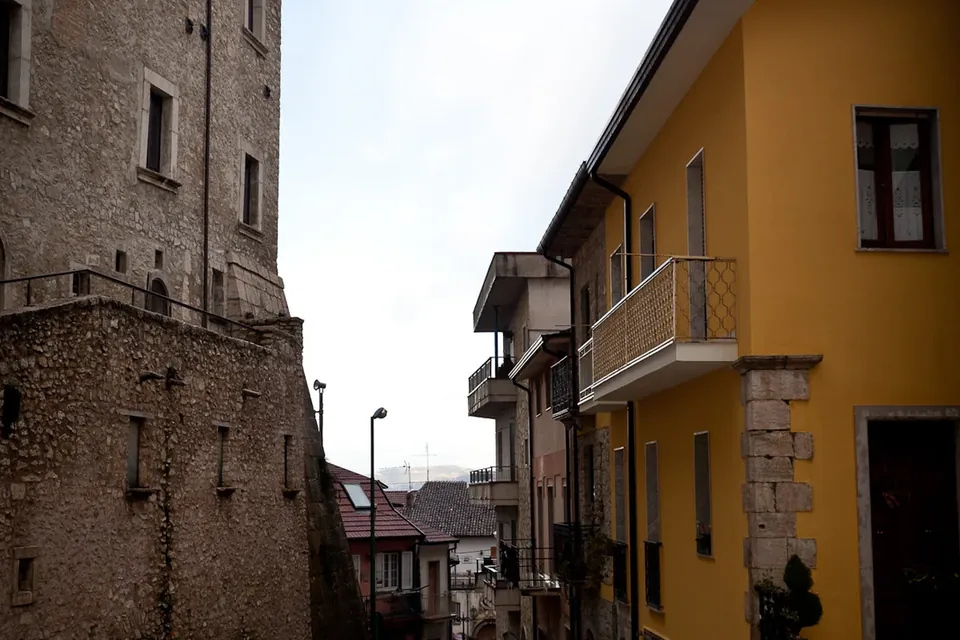
Sistema Irpinia describes Tufo as a village of about 950 people on a hill on the right bank of the Sabato river, at the foot of Monte Gloria, 250 metres up and 16 kilometres from Avellino. At the top stands the castle, called Lombard but probably strengthened by the Normans and turned into a residence in the 17th century; at the entrance to the old centre, the 19th-century Palazzo Di Marzo. The Municipality points to Piazza Umberto I with the mother church of Santa Maria Assunta, the San Vito steps alongside the 17th-century Di Marzo cellars, and the Grotta di San Michele, over 50 metres deep and a place of devotion. The sulphur mines, according to the Municipality, opened right after Italian unification thanks to the Di Marzo family and shaped the community for over a century; the Province dates the exploitation of the deposits back to the 10th century and names sulphur as the main resource until the 1960s.
Sources: Provincia di Avellino, Sistema Irpinia — Tufo · Comune di Tufo — Il centro storico · Comune di Tufo — Le miniere di zolfo
September in Tufo and the Greco festivals
The Tufo Greco Festival, according to Sistema Irpinia, is usually held in the first week of September. In 2026 it reached its fortieth edition, from 4 to 6 September in Tufo, with a project called 'L'Oro d'Irpinia': Greco as the gold of the land, in a village where vines, sulphur and labour have been intertwined for centuries. The portal also documents other events in the appellation's towns: in Torrioni the 34th Fusillo, Porchetta and Greco di Tufo Festival ran from 17 to 19 July 2026; in Petruro Irpino the latest edition we could verify of 'Calici di Stelle' and the Fusillo and Greco festival is that of 12-14 August 2024, and in Chianche that of 'Planca's Wines', the fourth, organised by the Pro Loco on 15 and 16 June 2024. For these two we found no more recent dates. On 8 May, the feast of the patron Saint Michael, Tufo stages the sacred drama of the rebel angels cast out of Paradise.
Sources: Provincia di Avellino, Sistema Irpinia — Tufo · Provincia di Avellino, Sistema Irpinia — Tufo Greco Festival 2026, 40ª edizione · Provincia di Avellino, Sistema Irpinia — Greco di Tufo DOCG, eventi · Provincia di Avellino, Sistema Irpinia — Torrioni, 34ª Sagra del Fusillo, della Porchetta e del Greco di Tufo (2026) · Provincia di Avellino, Sistema Irpinia — Petruro Irpino, Calici di Stelle e 36ª Sagra del fusillo e del Greco (2024) · Provincia di Avellino, Sistema Irpinia — Chianche, Planca's Wines (2024)
At the table: seafood, salt cod and even meat
The Campania Region recommends it as a fine wine for fish and shellfish, served between 8 and 10 degrees, and suggests the Spumante as an aperitif with cold starters. The Consortium widens the field: Greco enhances seafood stewed, grilled or gratinated, and works very well with salt cod dishes, including those with tomato. Its real trump card, again according to the Consortium, is pairing with meat, for which it recommends a Riserva, more mature and full of personality. Sparkling versions suit both raw seafood and raw meat. The Tufo festival, with its cheese masterclasses, suggests another path: matching Greco with Irpinian cheeses of different ages to hear how the wine's savouriness talks to that of the cheese.
Sources: Regione Campania, Assessorato Agricoltura — Greco di Tufo DOCG · Consorzio tutela vini d'Irpinia — Greco di Tufo DOCG · Provincia di Avellino, Sistema Irpinia — Tufo Greco Festival 2025
How to plan the visit
The eight Greco towns lie in a compact area, which is an advantage: you can build a day with a single significant drive and do the rest on foot. I would start in Tufo, climbing to the castle and walking down to the Grotta di San Michele, then a tasting arranged with a producer, asking to taste a recent vintage alongside an older one or a Riserva: the most direct way to understand why people talk about longevity. The afternoon can continue towards Montefusco or Santa Paolina to see the hills from above. In September the harvest is close and the festival livens up the village; outside those dates Tufo is quiet and visits should be booked ahead. Carry bottles lying down and away from the heat of the car.
A thread for your journey
Journey idea: a day in Tufo between the castle, the San Vito steps and the Grotta di San Michele, with the story of the sulphur mines; then a tasting arranged with a producer of the appellation, comparing a young vintage with a Riserva. If you travel in early September, you can match the visit with the Tufo Greco Festival, checking the dates on the Province's portal first.
Talk to us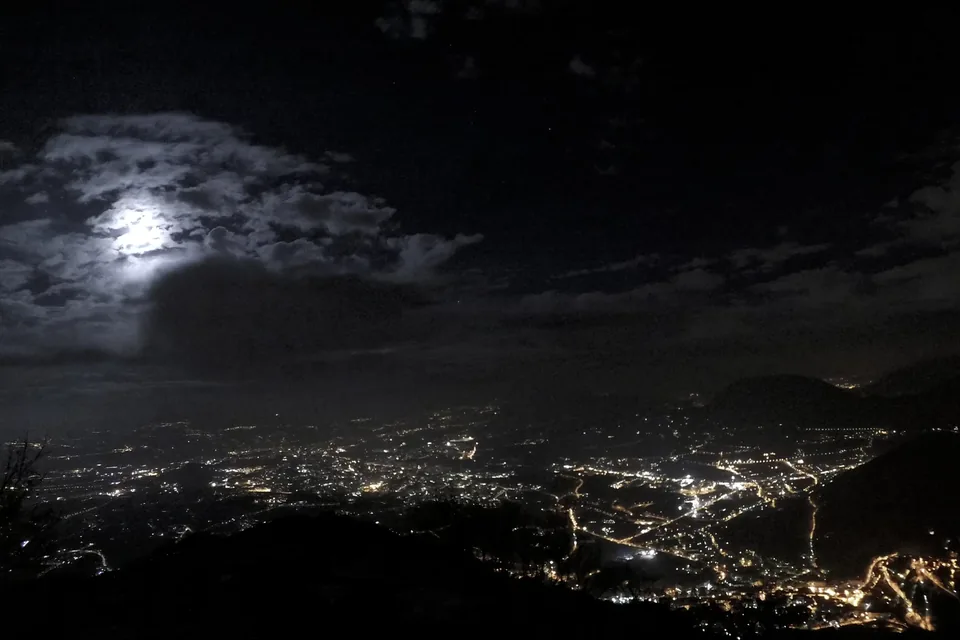

.jpg)