
APULICA / Food guides
Fiano di Avellino: the hill white that improves with time
Fiano di Avellino is one of Irpinia's three great wines, alongside Greco di Tufo and Taurasi, and perhaps the most surprising for anyone who thinks the South mainly makes whites to drink young. It grows on hills between 300 and 600 metres, with cold winters and dry summers, and over time develops notes of hazelnut, honey and spice. This guide covers the grape and its name, the production area, the appellation rules, Lapio as its emblematic village and the events documented by the Province of Avellino.
An ancient grape and a debated name
The Irpinia Wine Protection Consortium describes Fiano as a white grape of ancient tradition, which historical ampelography traces back to Roman times. Its bunches are medium-sized and elliptical, with yellow berries that turn amber on the sunny side. On the name, the Lapio page on the Province's Sistema Irpinia portal reports two hypotheses: one links the place name to the Latin 'lapideum', rocky; the other to a farming area called 'Apia', from which 'Apiano' would derive. The same page recalls that in 181 BC Roman consuls deported the Ligurian Apuani to Samnium and parts of Irpinia, and some credit them with spreading the 'Apuano' vine. The specification, Qualigeo notes, still allows the traditional classical mention 'Apianum' on the label.
Sources: Consorzio tutela vini d'Irpinia — Vitigni autoctoni dell'Irpinia · Provincia di Avellino, Sistema Irpinia — Lapio · Qualigeo (Fondazione Qualivita) — Fiano di Avellino DOP
Twenty-six towns between Partenio and Terminio
According to the Consortium, the DOCG area covers about 245 square kilometres in 26 municipalities of the province of Avellino, including Avellino, Lapio, Atripalda, Montefredane, Manocalzati, Candida, Parolise, Summonte, Mercogliano and Ospedaletto d'Alpinolo. Part of it lies within the Partenio Regional Park. It consists of the Serino plain and a band of hills between 300 and 600 metres, bounded to the west by the Partenio and to the east by the Terminio-Tuoro massif. The climate is Mediterranean but shaped by hills and woods: harsh winters with snow, dry summers and wide temperature swings, which the Consortium sees as decisive for grape quality. Mid and high hills make up 51% and 23% of the area. Soils are limestone and marly limestone, partly covered by volcanic ash and pumice.
Sources: Consorzio tutela vini d'Irpinia — Fiano di Avellino DOCG
Harvest and cellar
The harvest, the Consortium explains, usually takes place between the last ten days of September and mid-October. Fiano has crunchy flesh and thick skins, releases few phenolic compounds and lends itself to different styles: from sparkling wine to traditional vinification, which brings out its longevity. The wine is made mainly in stainless steel at controlled temperature to preserve floral, fresh aromas; sometimes wood is used for more structure. Qualigeo notes that the appellation also includes a Spumante Metodo Classico, with at least 18 months of bottle refermentation and ageing, and 36 months for the Riserva, counted from bottling for the second fermentation. These two souls, still and sparkling, let you read the same grape in very different ways.
Sources: Consorzio tutela vini d'Irpinia — Fiano di Avellino DOCG · Qualigeo (Fondazione Qualivita) — Fiano di Avellino DOP
The appellation rules
The Campania Region's profile summarises the legal history: DOC by presidential decree of 27 April 1978, DOCG by ministerial decree of 18 July 2003, and later amendments up to the decree of 13 October 2020. Fiano must make up at least 85%; the rest may come from Greco, Coda di Volpe bianca and Trebbiano toscano grown in the vineyards, up to 15%. Qualigeo adds the minimum alcohol, 11.5% for Fiano di Avellino and 12% for the Riserva, which ages at least 12 months from 1 November of the harvest year. Labels may use the mention 'Vigna' with the vineyard name, and the vintage is compulsory except for non-vintage sparkling wines. Since 2017, by decree of 27 September published in the Official Gazette, the Irpinia Wine Protection Consortium has been in charge of the three Irpinian DOCGs and the Irpinia DOC.
Sources: Regione Campania, Assessorato Agricoltura — Fiano di Avellino DOCG · Qualigeo (Fondazione Qualivita) — Fiano di Avellino DOP · Gazzetta Ufficiale — Decreto 27 settembre 2017, riconoscimento del Consorzio tutela vini d'Irpinia
In the glass, and a few years later
Qualigeo describes a more or less intense straw-yellow colour and aromas of hazelnut, almond, rosemary, medlar and herbs, with a dry, fresh, balanced taste. The Consortium stresses its evolution: when young Fiano is herbaceous with greenish glints; with time it gains savouriness, body and softness, and the colour turns golden. Floral and fruity aromas are joined by mineral touches and, later, spicy notes recalling saffron or petrol. According to the Consortium the basic version evolves well for 5 to 8 years, while the Riserva can age in bottle for 10 to 15 years or more, developing hints of honey, beeswax and hazelnut. This ability to last is why it is considered one of Italy's longest-lived whites.
Sources: Qualigeo (Fondazione Qualivita) — Fiano di Avellino DOP · Consorzio tutela vini d'Irpinia — Fiano di Avellino DOCG
Lapio, the Fiano village
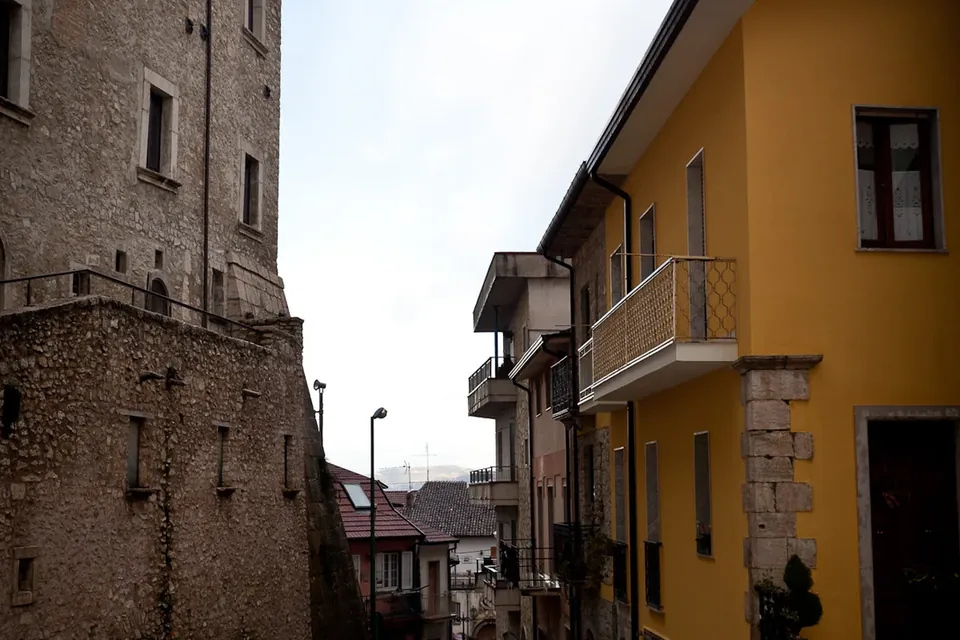
The Sistema Irpinia portal presents Lapio as a village of about 1,700 people in the Calore Valley, 480 metres up and 20 kilometres from Avellino. In the old centre stand Palazzo Filangieri, linked to a family of Norman origin, and the castle, transformed after Joseph Bonaparte abolished feudalism in 1806. Outside the village, on the Calore river, is the Ponte Principe of the Avellino-Rocchetta Sant'Antonio railway, built in 1893 with the same technique as the Eiffel Tower. The portal also lists the church of the Madonna della Neve, from 1598 and rebuilt in 1903, and an archaeological area at the former convent of Santa Maria degli Angeli. Among local products, besides Fiano, it mentions honey, Irpinia Colline dell'Ufita PDO olive oil and 'mogliatielli', made with suckling lamb offal.
August and harvest: the events
Lapio's page on Sistema Irpinia lists the Fiano Love Fest as a wine festival in the village, with stands from local wineries, on the first weekend of August. In 2026 it ran from 7 to 9 August, promoted by the Municipality of Lapio and curated by the Irpinia wine consortium; Qualigeo reported it as the fifteenth edition. The Province's portal also mentions 'Trekking in vigna', a walk through the vineyards during the harvest: the latest edition we found documented is that of 8 October 2023, and we do not know whether it has been repeated. Local traditions also include the Misteri di Lapio, an Easter procession, and the Lumanerie di Santa Caterina, with bonfires lit in the streets as the saint passes, folk music, grilled food, local dishes and white wines. Dates change every year: check the updated calendar on the portal before travelling.
Sources: Provincia di Avellino, Sistema Irpinia — Lapio · Provincia di Avellino, Sistema Irpinia — Fiano Love Fest 2026 · Qualigeo (Fondazione Qualivita) — Fiano di Avellino DOP · Provincia di Avellino, Sistema Irpinia — Trekking in vigna a Lapio (2023)
Fiano at the table
The Campania Region recommends it as an aperitif and with refined fish dishes, served between 8 and 10 degrees. The Consortium goes into detail. Young, thanks to its freshness, it suits dishes with a slightly sweet side such as spaghetti with anchovies or baked fish on potatoes; at higher alcohol it stands up to fish soups. Its acidity matches buffalo mozzarella, ideally not too salty, and therefore pizzas and calzoni. The Riserva or older vintages, more savoury, go well with fried fish, fried pizza and mozzarella in carrozza. The Consortium also mentions Irpinian dishes such as paccheri with ricotta and lemon, and fresh or medium-aged cheeses; versions aged in wood can handle richer pairings.
Sources: Regione Campania, Assessorato Agricoltura — Fiano di Avellino DOCG · Consorzio tutela vini d'Irpinia — Fiano di Avellino DOCG
A vertical tasting, even a small one
The best way to understand Fiano is to taste at least two vintages from the same area, one recent and one a few years old: the difference between the herbaceous character and the note of hazelnut or honey says more than any description. If the winery visit allows it, I would also ask for a sparkling wine from the appellation, to see how much the grape changes with bubbles. Lapio and the nearby towns suit a slow day, without long drives between tastings; with wine involved, plan for a driver or a guide. To take home, bottles with a few years of ageing are the most interesting, but keep them lying down, in the dark and cool. Visits should always be arranged with the operators.
A thread for your journey
Journey idea: a morning in Avellino, then on to Lapio in the Calore Valley for a walk between Palazzo Filangieri and the castle and a stop to see the Ponte Principe; in the afternoon, a tasting arranged with a producer, comparing a young Fiano with one aged a few years. In late September the same day can include a walk through the vineyards at harvest time.
Talk to us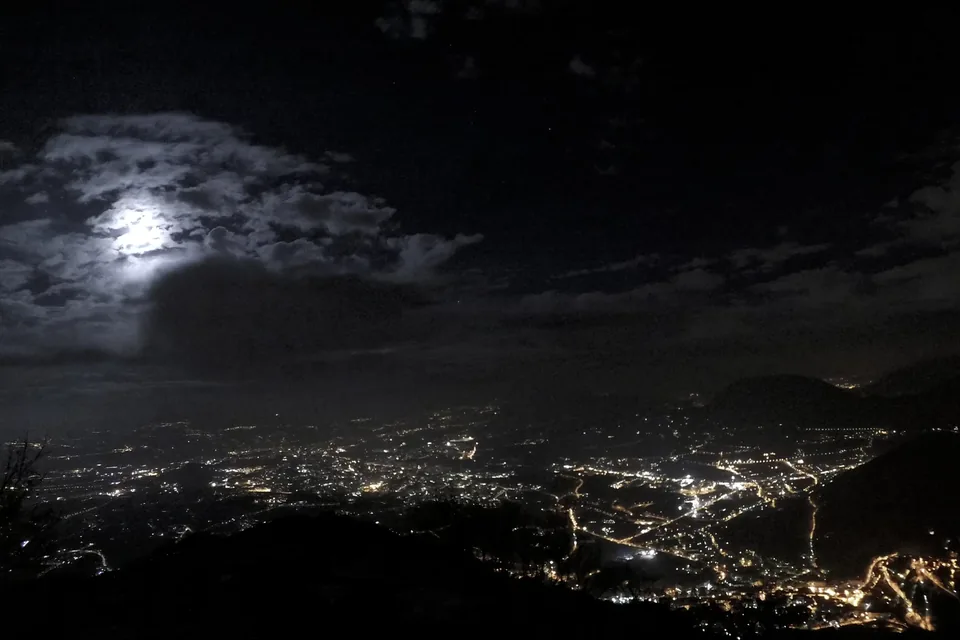

.jpg)