
APULICA / MEATS AND CURED MEATS
Capocollo di Martina Franca
PAT · Slow Food Presidium · Meats and cured meats · Puglia
In brief
- A raw cured meat made from the pork neck muscle between neck and loin, produced in Martina Franca, Locorotondo and Cisternino. (Fondazione Slow Food — Presidio Capocollo di Martina Franca · Atlante dei PAT di Puglia (Regione Puglia, Università di Bari) — Capocollo di Martina Franca)
- After salting, the meat is washed in vino cotto, then stuffed into natural casing and wrapped in cotton or linen cloth. (Fondazione Slow Food — Presidio Capocollo di Martina Franca · Atlante dei PAT di Puglia (Regione Puglia, Università di Bari) — Capocollo di Martina Franca)
- It is smoked over bark or wood of fragno, the local oak, burned together with almond hulls. (Fondazione Slow Food — Presidio Capocollo di Martina Franca · Atlante dei PAT di Puglia (Regione Puglia, Università di Bari) — Capocollo di Martina Franca)
- The Presidium's rules ban nitrites, nitrates and other additives; the meat is eaten after at least six months of ageing. (Fondazione Slow Food — Presidio Capocollo di Martina Franca)
History and origin
Martina Franca stands on the south-eastern spurs of the Murge, in the Itria Valley, at about 400 metres above sea level. The surrounding landscape is the result of long peasant labour that made a harsh land workable: the more than fifteen thousand trulli dotted across the valley and the dense web of dry-stone walls bear witness to it. Among hills and woods the climate is cool and breezy, freshened by winds from the Ionian and the Adriatic.
This is where the most typical cured meat of the Murgia dei Trulli was born, called chépecùedde in dialect. The name comes from the cut: in southern Italy capocollo or capicollo means the coppa, the part of the pig between neck and loin. By the eighteenth century the capocollo of Martina Franca was already known and appreciated in the Kingdom of Naples as the area's most representative cured meat.
Today it is a Slow Food Presidium, supported among others by the Municipality of Martina Franca, with production rules that keep the old method alive.
Sources: Fondazione Slow Food — Presidio Capocollo di Martina Franca · Atlante dei PAT di Puglia (Regione Puglia, Università di Bari) — Capocollo di Martina Franca
Area and method of production
The Presidium covers Martina Franca, in the province of Taranto, Locorotondo, in the province of Bari, and Cisternino, in the province of Brindisi. The meat comes from local farms that follow Slow Food guidelines: pigs raised semi-free-range, fed mainly on local cereals and pulses, with attention to animal welfare.
The whole coppa muscle, trimmed and shaped, is kept under salt for two to three weeks, with peppercorns and herbs of the Mediterranean scrub. It is then washed and bathed in vino cotto, made from cooked must, wine from local grapes and spices, where it may marinate for about a day. It is stuffed into natural pork casing, wrapped in linen or cotton cloths, tied and left to dry.
Smoking follows: for about two days wood or bark of fragno, the area's most common oak, is burned together with almond hulls. In the past branches of scrub were lit on the floor of the room and left to smoulder without flame; today purpose-built chimneys are used. The rules exclude nitrites, nitrates and any other additive, and production is concentrated between September and May.
Sources: Fondazione Slow Food — Presidio Capocollo di Martina Franca · Atlante dei PAT di Puglia (Regione Puglia, Università di Bari) — Capocollo di Martina Franca
How to recognise it
Capocollo di Martina Franca is an intense wine-red colour with a pronounced aroma combining spices with the light smoky note left by fragno oak and almond hulls. Its texture is soft and its flavour fragrant, with a slightly sour touch from the vino cotto.
The Presidium requires it to be eaten after at least six months of curing in cool, airy rooms: by then the taste is aromatic and long-lasting, and the sour-aromatic sensation of the wine returns at the finish.
It is sold as whole pieces of roughly one to two and a half kilos, or ready sliced and vacuum-packed. Being made from a single whole muscle rather than minced meat, it cuts into a compact slice.
Sources: Atlante dei PAT di Puglia (Regione Puglia, Università di Bari) — Capocollo di Martina Franca · Fondazione Slow Food — Presidio Capocollo di Martina Franca
In the kitchen
The classic way to enjoy it is thinly sliced as a table salume, perhaps with the other products of Martina's pork butchery: the regional guide to the Itria Valley suggests looking for rolled pancetta and sausage as well as capocollo.
Capocollo is also an ingredient in the valley's cooking. In the richest versions of the bombetta, the small roll cooked at the fornello, Capocollo di Martina Franca goes in together with Canestrato Pugliese and caciocavallo podolico, served with a slice of Altamura bread. It is a way of bringing several Puglia products together in a single bite.
Sources: Regione Puglia, ARET Pugliapromozione — Miniguida Valle d'Itria e Murgia dei Trulli · Atlante PAT Puglia (Università di Bari, Regione Puglia) — Bombetta
Where to taste it
To get to know it you need to head up into the Itria Valley. In Martina Franca, a baroque town already known for its capocollo in the Kingdom of Naples, the regional guide invites visitors to follow the trail of its many producers and discover the artisan firms where it can be tasted with other cured meats.
Locorotondo, with its circular town plan, and Cisternino, a whitewashed village among the most beautiful in Italy, are the Presidium's other two towns: together with Martina they form a small triangle among trulli and dry-stone walls, in the landscape that shaped this cured meat.
Besides direct sale at farms and traditional shops, capocollo can be found at the valley's food festivals and village feasts.
Sources: Regione Puglia, ARET Pugliapromozione — Miniguida Valle d'Itria e Murgia dei Trulli · Fondazione Slow Food — Presidio Capocollo di Martina Franca · Atlante dei PAT di Puglia (Regione Puglia, Università di Bari) — Capocollo di Martina Franca
Protection
- Traditional agri-food product (PAT) — Puglia, n. 18, 26th revision (Masaf — Elenco nazionale dei prodotti agroalimentari tradizionali, XXVI revisione (2026))
- Slow Food Presidium — capocollo-di-martina-franca (Fondazione Slow Food — Presidio Capocollo di Martina Franca)
When
- Production: January–May, September–December (Fondazione Slow Food — Presidio Capocollo di Martina Franca)
- Winter
- Spring
- Autumn
Where
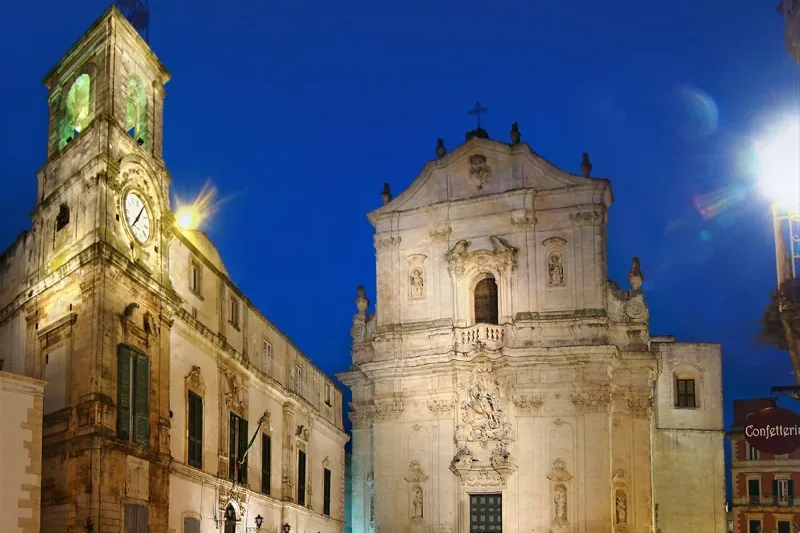
Martina Franca
The town and a food craft connected to its landscape.
Read the guide →Photo: Tango7174 / Wikimedia Commons — CC BY-SA 4.0 · Resized and converted to WebP.

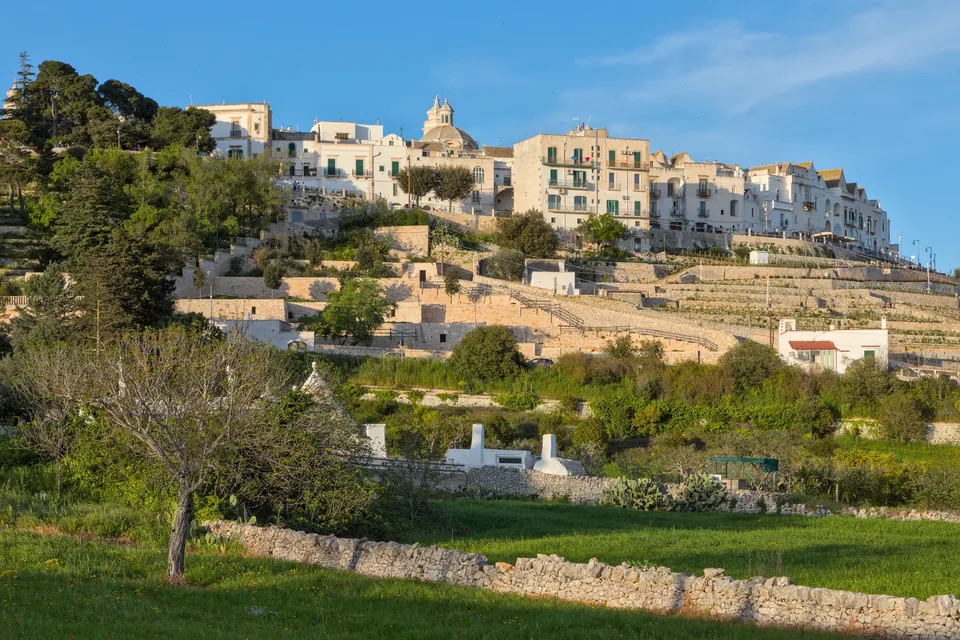
Locorotondo
Cummerse roofs as a way to distinguish the Itria Valley’s towns.
Read the guide →Photo: Benjamin Smith / Wikimedia Commons — CC BY-SA 4.0 · Resized and converted to WebP.

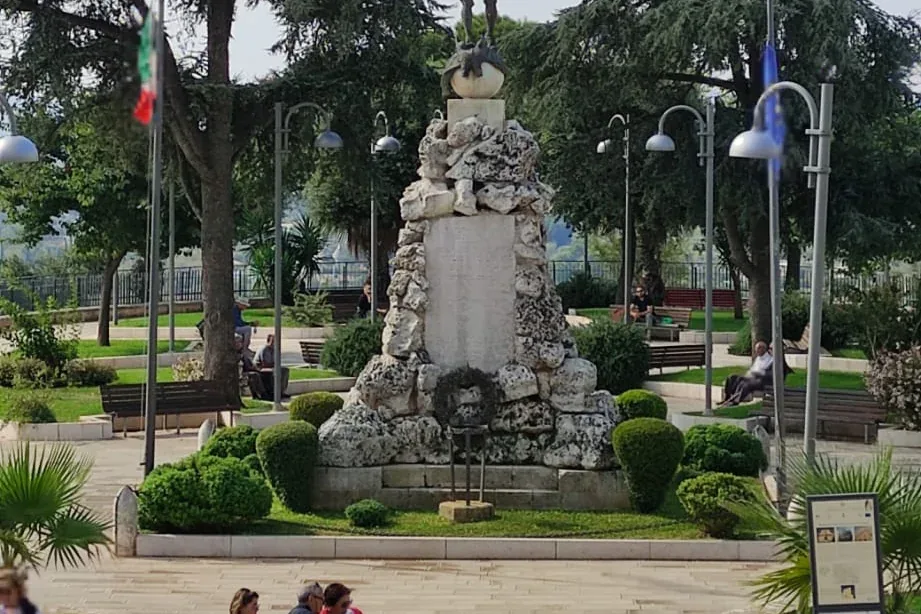
Cisternino
Fornello pronto, bombette and a walk through the town.
Read the guide →Photo: Kiuz / Wikimedia Commons — CC BY-SA 4.0 · Resized and converted to WebP.

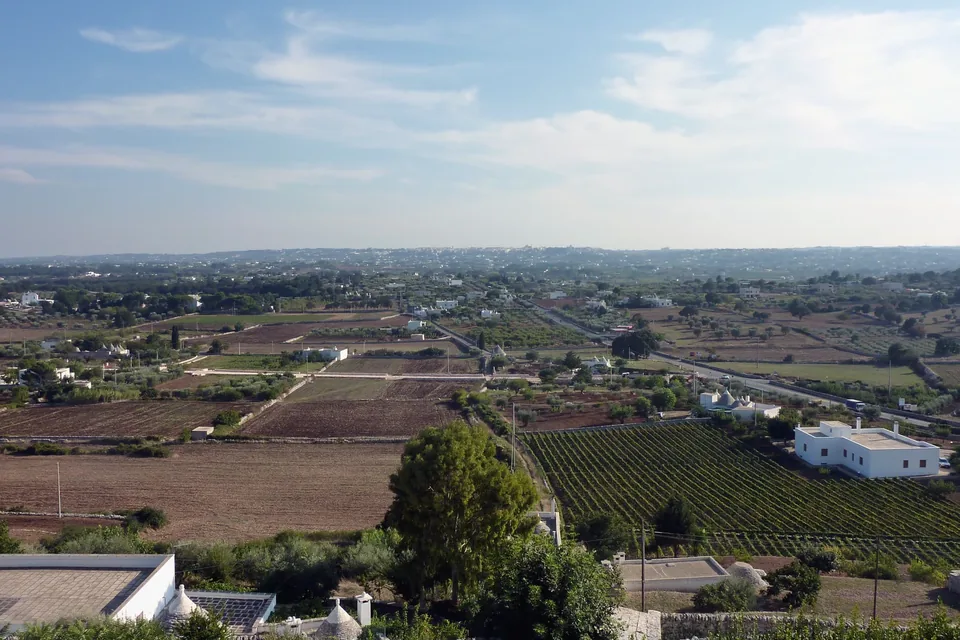
Itria Valley
Rural architecture, towns and food as parts of the same journey.
Read the guide →Photo: Adbar / Wikimedia Commons — CC BY-SA 3.0 · Resized and converted to WebP.

Read more
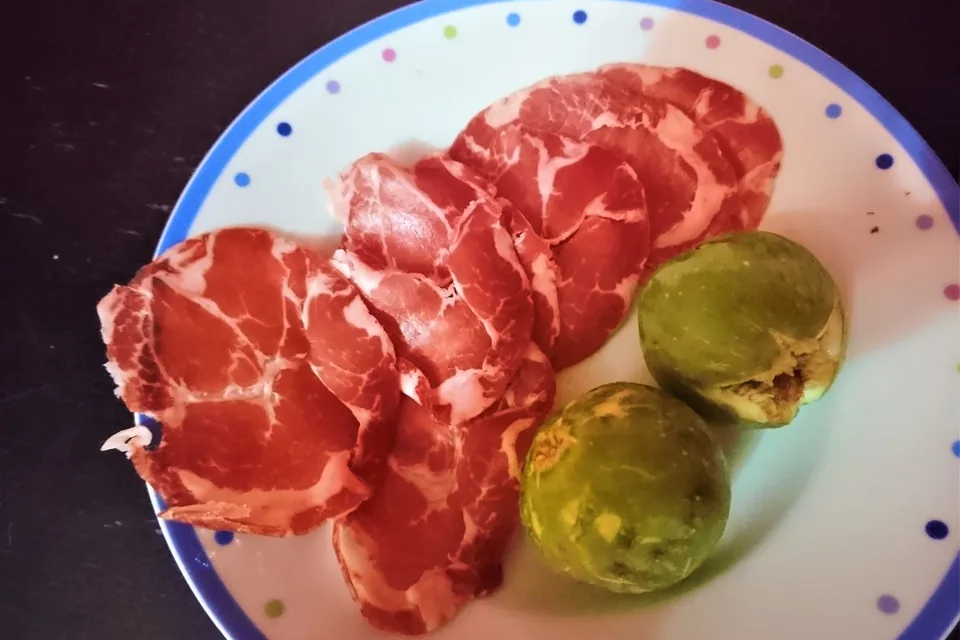
Martina Franca capocollo
The cured meat of the trulli country: the cut, the method, the Slow Food Presidium, the road to PGI status and a day between Martina Franca, Locorotondo and Cisternino.
Read the guide →Photo: AntonioCaso93 / Wikimedia Commons — CC BY-SA 4.0 · Resized and converted to WebP.
