
APULICA / Writers and photographers
Francesco A., editor at Apulica
Editor at Apulica: looks after the entries on places, products, guides and routes, under the responsibility of the editor-in-chief.
A closer look
Francesco A. is an editor at Apulica and looks after the entries on destinations, local products, places to stay, guides, walks and routes of faith, under the responsibility of the editor-in-chief.
Every entry signed by Francesco A. is based on verifiable sources, cited on the page, and is read and approved by another member of the editorial team before it is published.
Places curated
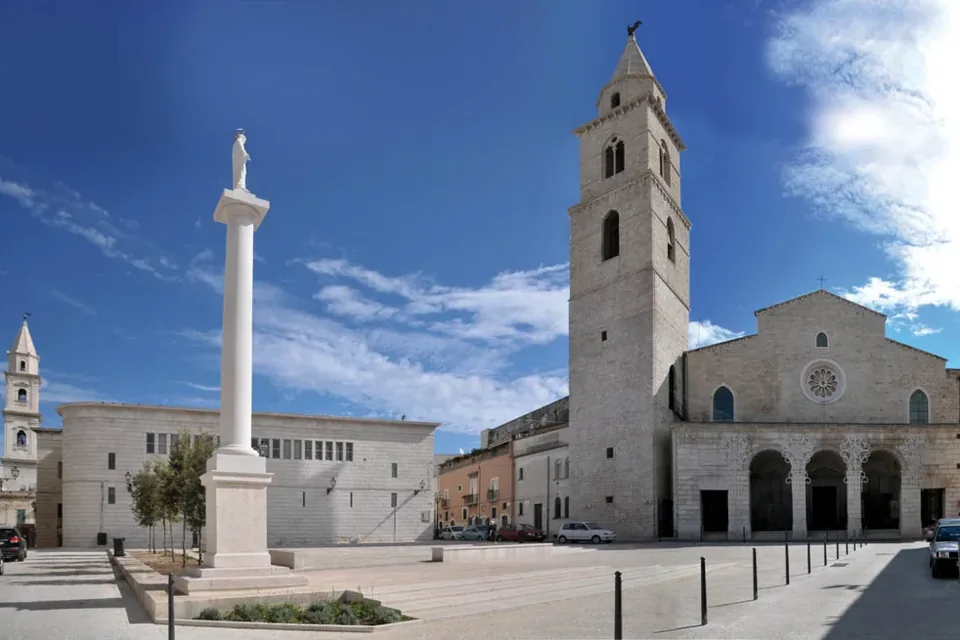
Andria
A town worth exploring beyond its famous castle. Imperial memory, the Cathedral of Santa Maria Assunta, burrata, which was born here, and confectionery.
Read the guide →Photo: Marcoleo11 / Wikimedia Commons — CC BY-SA 4.0 · Resized and converted to WebP.

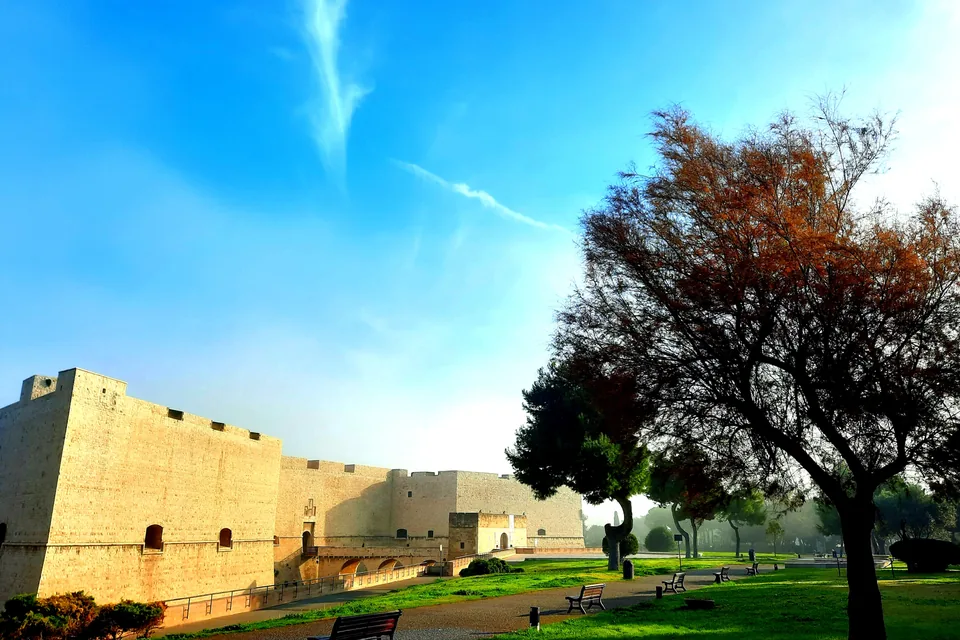
Barletta
On the Adriatic: the castle with Charles V’s bastions and the Museo civico, the Romanesque cathedral, the bronze Colossus, the De Nittis picture gallery in Palazzo della Marra, the story of the 1503 Disfida and, within the municipality, Canne della Battaglia.
Read the guide →Photo: Nick Borisenko / Wikimedia Commons — CC BY-SA 4.0 · Resized and converted to WebP.

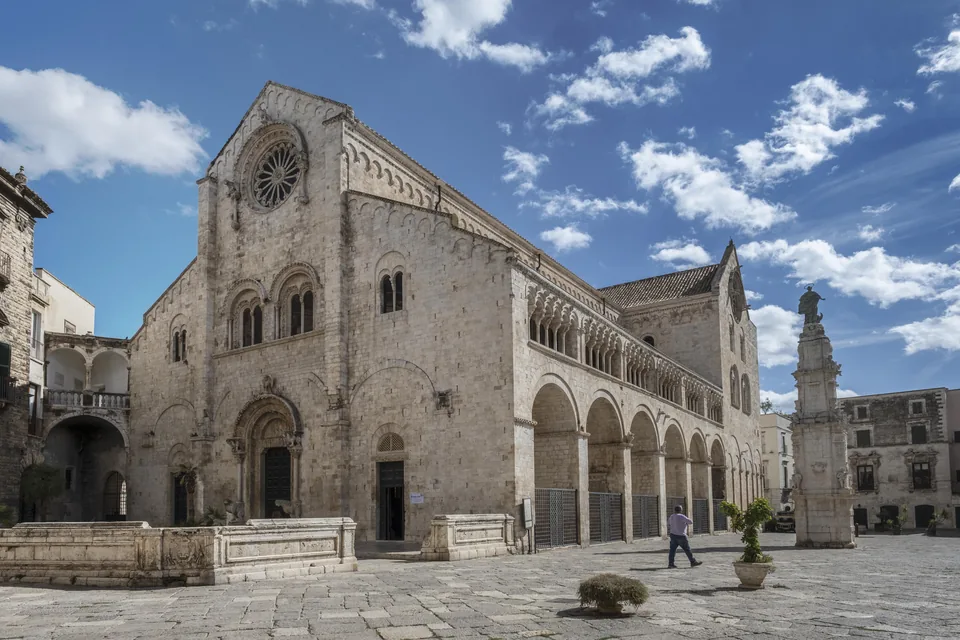
Bitonto
Bitonto (BA), Puglia: 52,958 residents, 174.34 km². The official facts of the municipality, its town council website and its registered accommodation. The Romanesque co-cathedral, the National Gallery of Puglia in Palazzo Sylos Calò, the Angevin round tower, the “Terra di Bari” PDO oil with the “Bitonto” mention, the feast of the Santi Medici and the Lama Balice.
Read the guide →Photo: Giugi30 / Wikimedia Commons — CC BY-SA 4.0 · Resized and converted to WebP.

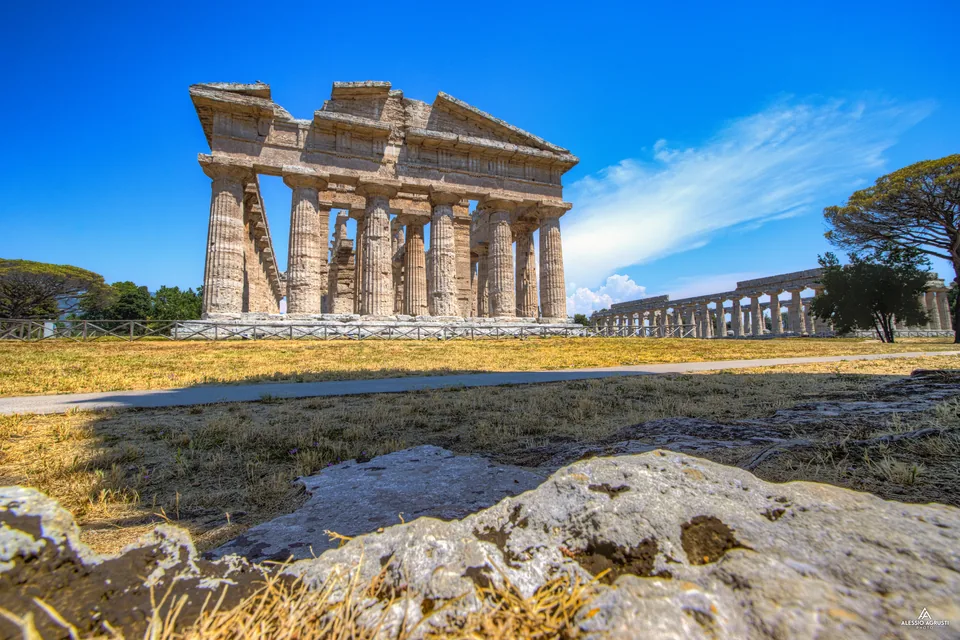
Capaccio Paestum
Capaccio Paestum (SA), Campania: 22,410 residents, 113.55 km². The official facts of the municipality, its town council website and its registered accommodation. The Doric temples of Paestum, the National Archaeological Museum with the Tomb of the Diver, the Greek and Lucanian walls, the old village of Capaccio, PDO buffalo mozzarella from Campania and the PGI Paestum artichoke.
Read the guide →Photo: AlessioAg89 / Wikimedia Commons — CC BY-SA 4.0 · Resized and converted to WebP.

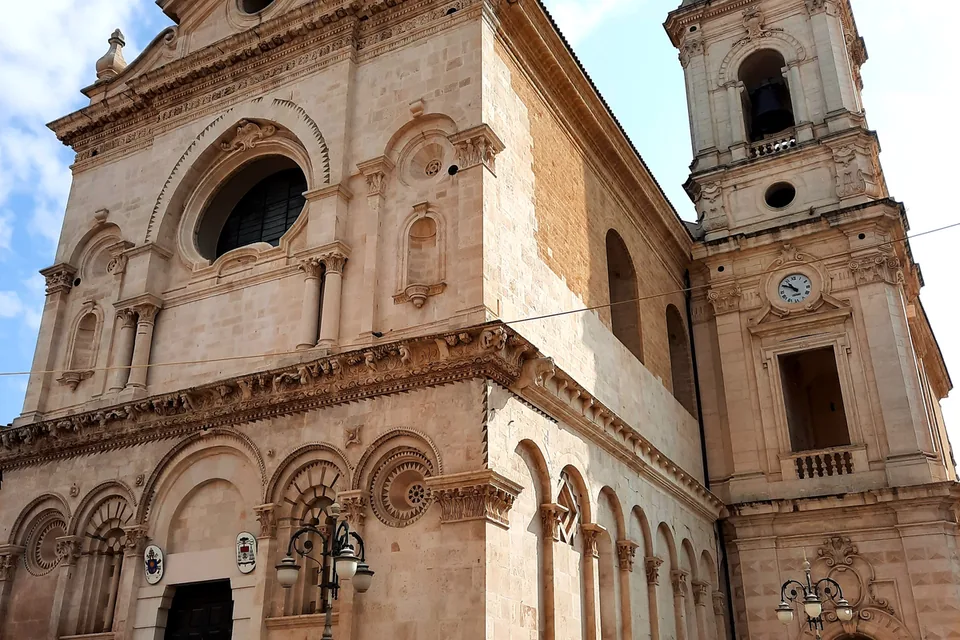
Foggia
The capital of the Capitanata: the Romanesque cathedral with the Iconavetere, the arch of Frederick II’s palace and the Museo civico with the tombs of Arpi, Piazza Cavour, the Teatro Giordano of 1828, pancotto and the Bosco dell’Incoronata.
Read the guide →Photo: Nick Borisenko / Wikimedia Commons — CC BY-SA 4.0 · Resized and converted to WebP.

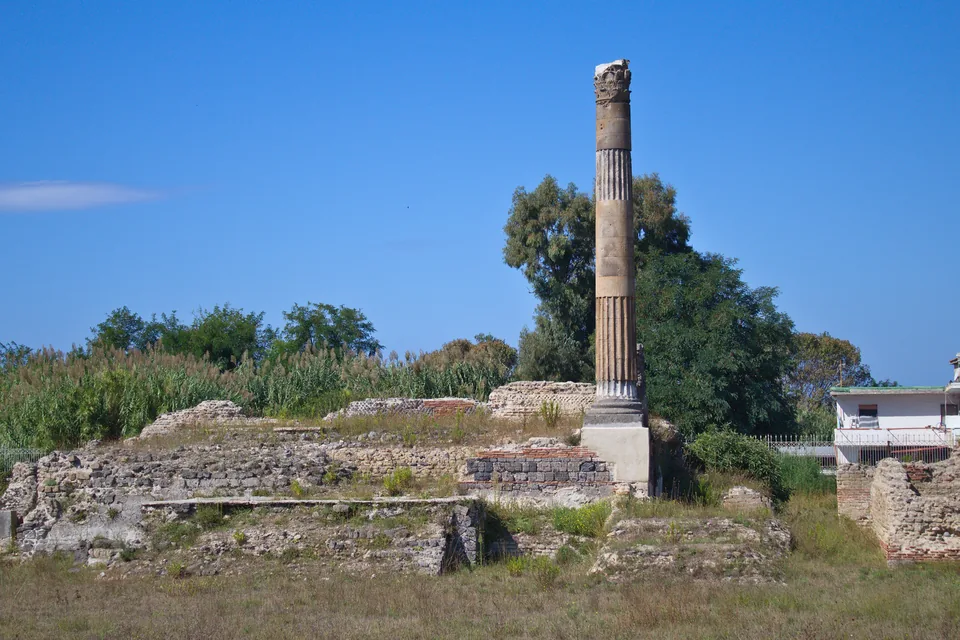
Giugliano in Campania
Giugliano in Campania (NA), Campania: 125,032 residents, 94.71 km². The official facts of the municipality, its town council website and its registered accommodation. Liternum and Scipio Africanus, Lake Patria, the coast of Licola and Varcaturo, the annurca apple, Giambattista Basile and the Flight of the Angel.
Read the guide →Photo: PhotoNp / Wikimedia Commons — CC BY-SA 4.0 · Resized and converted to WebP.

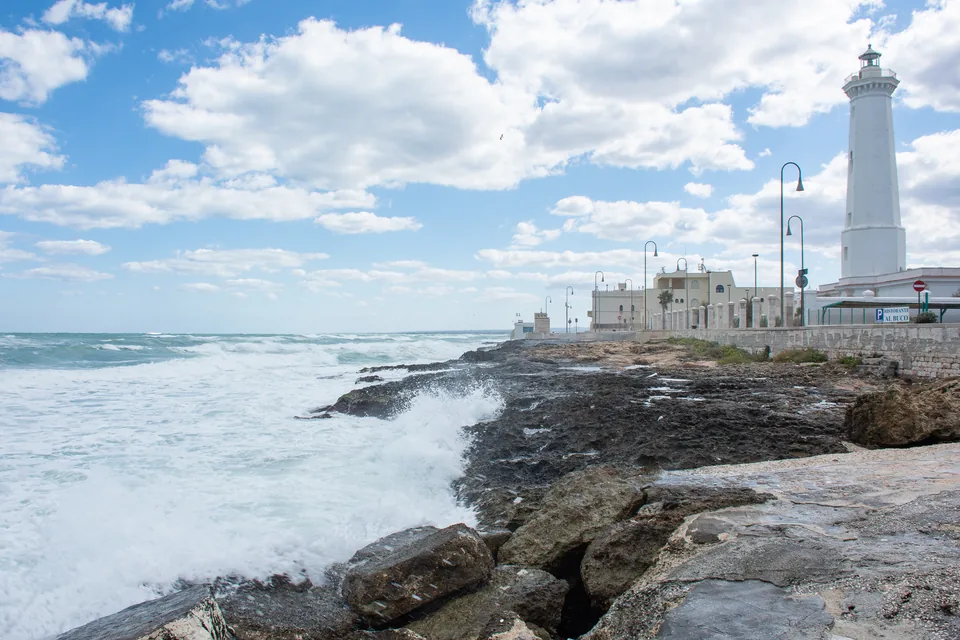
Torre Canne
The seaside village of Fasano with the Punta Torre Canne lighthouse, a long sandy beach with shallow water, the Coastal Dunes Park, the thermal waters, the fiorone fig and the regina tomato.
Read the guide →Photo: Okidoki1982 / Wikimedia Commons — CC BY-SA 4.0 · Resized and converted to WebP.

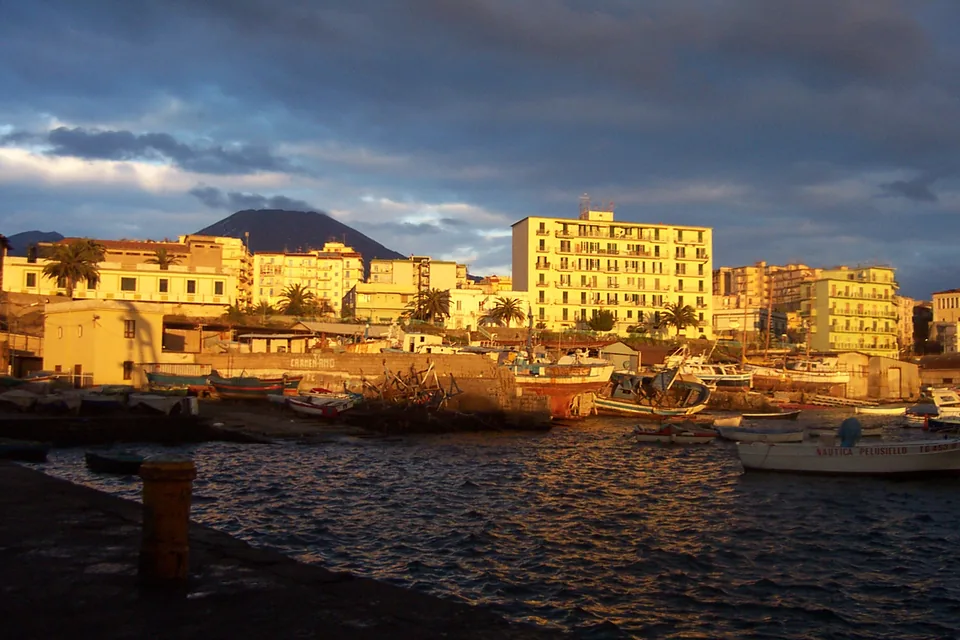
Torre del Greco
Torre del Greco (NA), Campania: 79,397 residents, 30.67 km². The official facts of the municipality, its town council website and its registered accommodation. Coral and cameos, Vesuvius and the eruptions of 1631 and 1794, Leopardi’s Villa delle Ginestre, the basilica of Santa Croce and the Feast of the Four Altars.
Read the guide →Photo: Simone Di Somma / Wikimedia Commons — CC BY-SA 3.0 · Resized and converted to WebP.

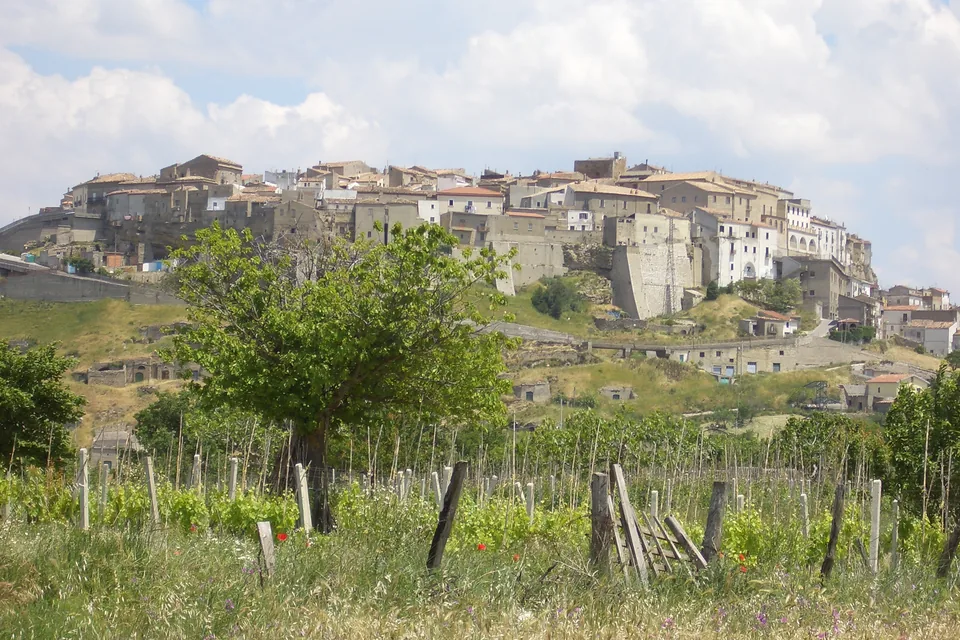
Acerenza
Acerenza (PZ), Basilicata: 2,045 residents, 77.64 km². The official facts of the municipality, its town council website and its registered accommodation. The Romanesque cathedral of Santa Maria Assunta and San Canio with the Ferrillo crypt, the diocesan museum in the old castle, the feasts of San Canio and the “Aglianico del Vulture” DOC wine.
Read the guide →Photo: Aquilachrysaetos / Wikimedia Commons — CC BY-SA 3.0 · Resized and converted to WebP.

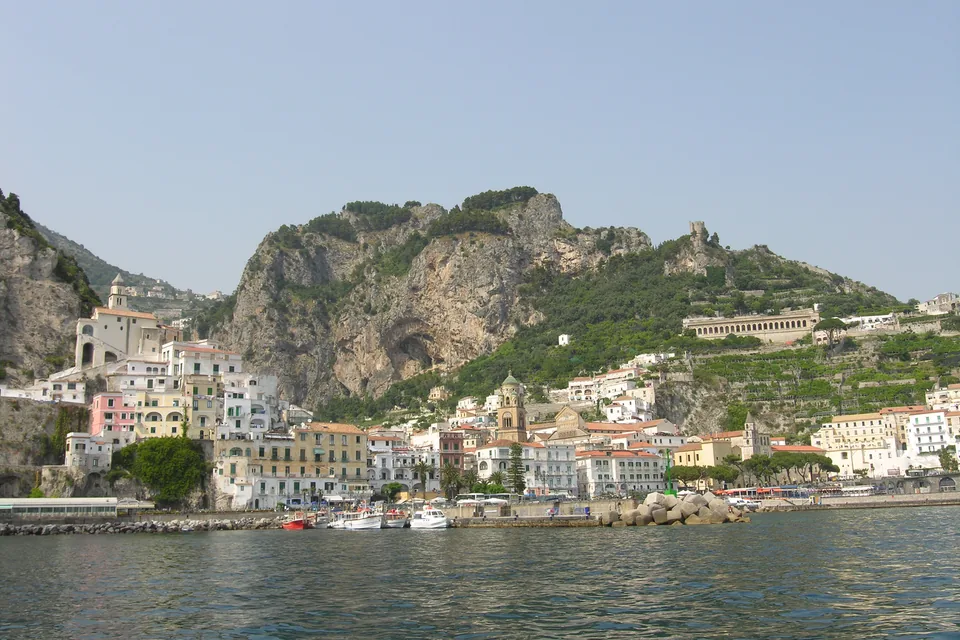
Amalfi
Amalfi (SA), Campania: 4,610 residents, 5.71 km². The official facts of the municipality, its town council website and its registered accommodation. The cathedral of Sant’Andrea and the Cloister of Paradise, the Arsenal of the maritime republic, the handmade paper of the Valle dei Mulini, the lemons of the terraces recognised by the FAO, the feast of the patron saint and the Regatta of the Ancient Maritime Republics.
Read the guide →Photo: Sudodana2048 / Wikimedia Commons — CC BY-SA 3.0 · Resized and converted to WebP.

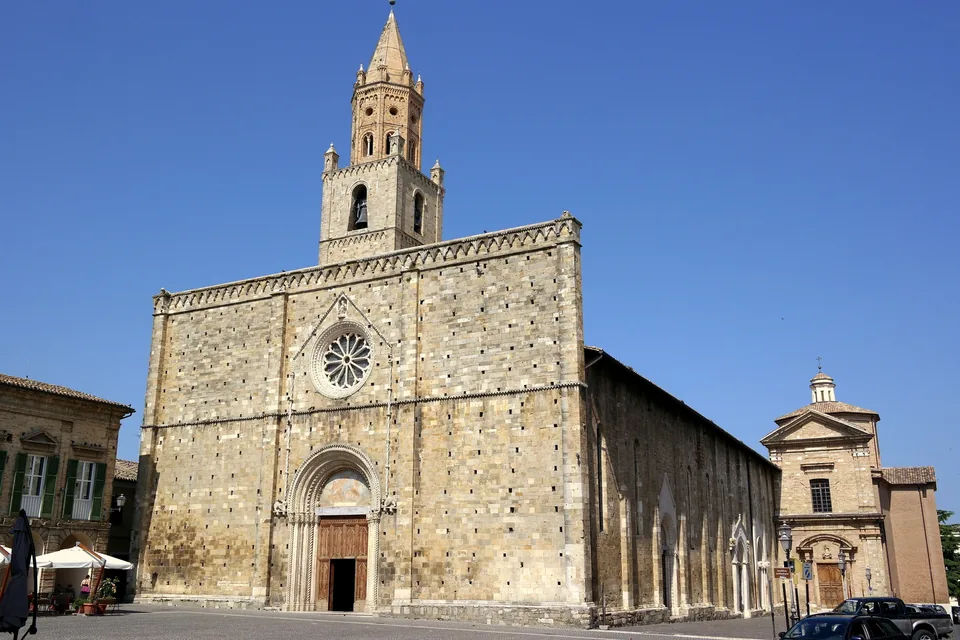
Atri
Atri (TE), Abruzzo: 9,846 residents, 92.18 km². The official facts of the municipality, its town council website and its registered accommodation. The cathedral of Santa Maria Assunta with Andrea De Litio’s frescoes and its Holy Door, the ducal palace of the Acquaviva, the Teatro Comunale, the Roman cisterns, the badlands of the WWF Oasis, liquorice and the night of the Faugni.
Read the guide →Photo: Luca Aless / Wikimedia Commons — CC BY-SA 4.0 · Resized and converted to WebP.

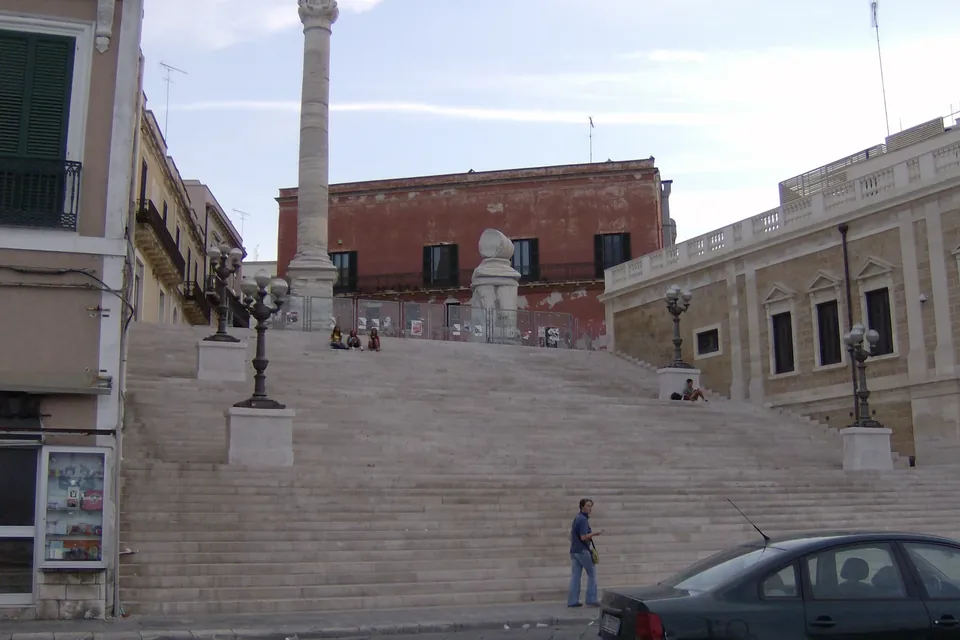
Brindisi
Brindisi: reading the city from its harbour. The Roman Columns above the Virgilian Steps, the castles built to defend the harbour and the Brindisi artichoke.
Read the guide →Photo: Zappuddu / Wikimedia Commons — Public domain · Resized and converted to WebP.

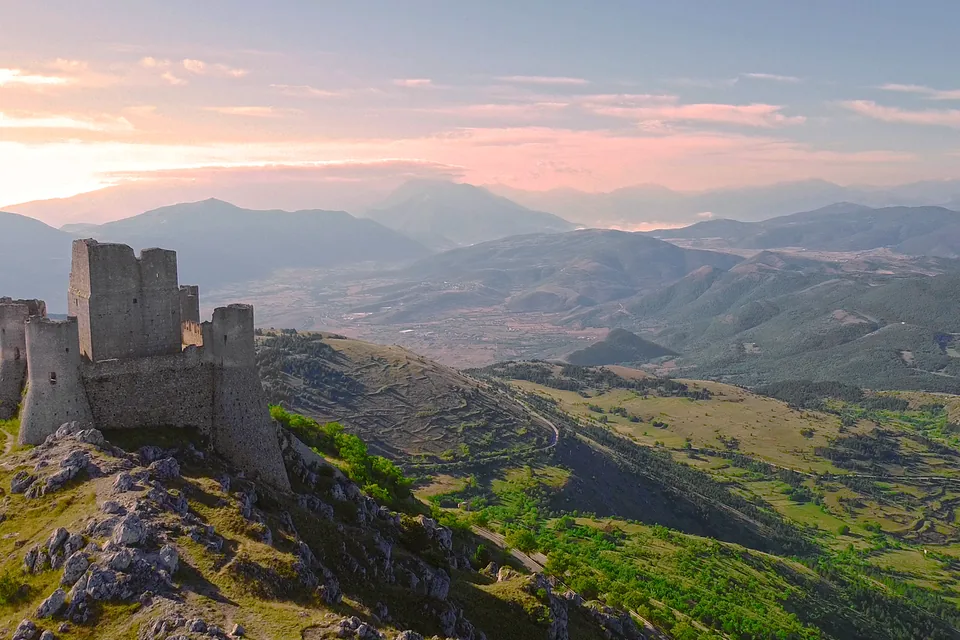
Calascio
Calascio (AQ), Abruzzo: 122 residents, 39.44 km². The official facts of the municipality, its town council website and its registered accommodation. Rocca Calascio, the highest castle in the Apennines, the octagonal church of Santa Maria della Pietà, the Gran Sasso and Monti della Laga National Park, Campo Imperatore and the culture of sheep farming.
Read the guide →Photo: Ipnotik / Wikimedia Commons — CC BY-SA 4.0 · Resized and converted to WebP.

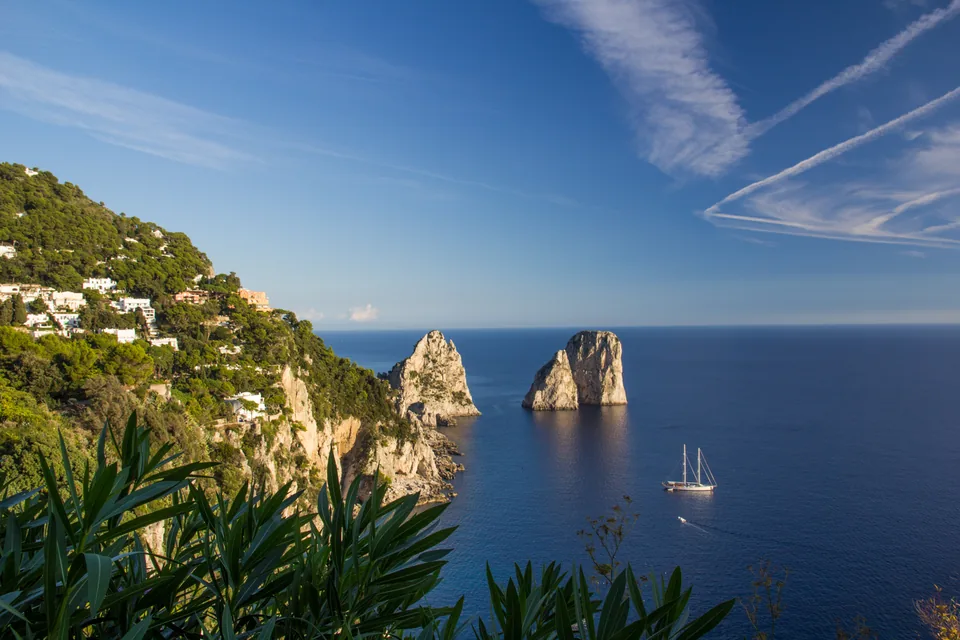
Capri
Capri (NA), Campania: 6,722 residents, 4.06 km². The official facts of the municipality, its town council website and its registered accommodation. The Faraglioni, the Piazzetta, the Gardens of Augustus and Via Krupp, the Certosa di San Giacomo with the Archaeological Museum, Tiberius’s Villa Jovis, Villa Lysis, and the island’s PGI lemon and DOC wine.
Read the guide →Photo: Marlis Börger / Wikimedia Commons — CC BY-SA 2.0 · Resized and converted to WebP.

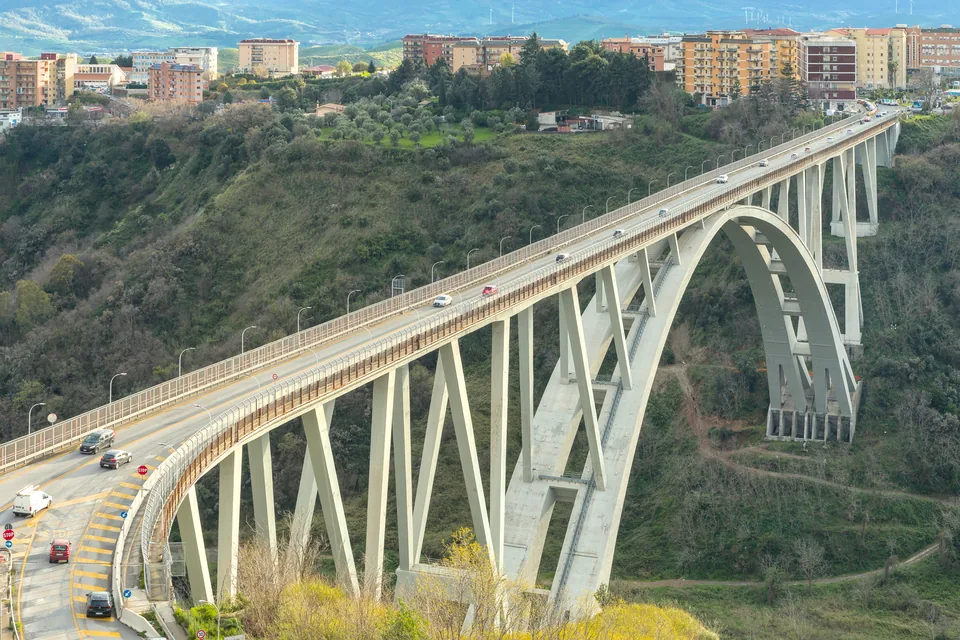
Catanzaro
Calabria's capital on the isthmus between the Tyrrhenian and the Ionian: the Byzantine old town and Corso Mazzini, San Giovanni and the museums, Mimmo Rotella, Morandi's bridge, morzello and the Lido.
Read the guide →Photo: Benjamin Smith / Wikimedia Commons — CC BY-SA 4.0 · Resized and converted to WebP.

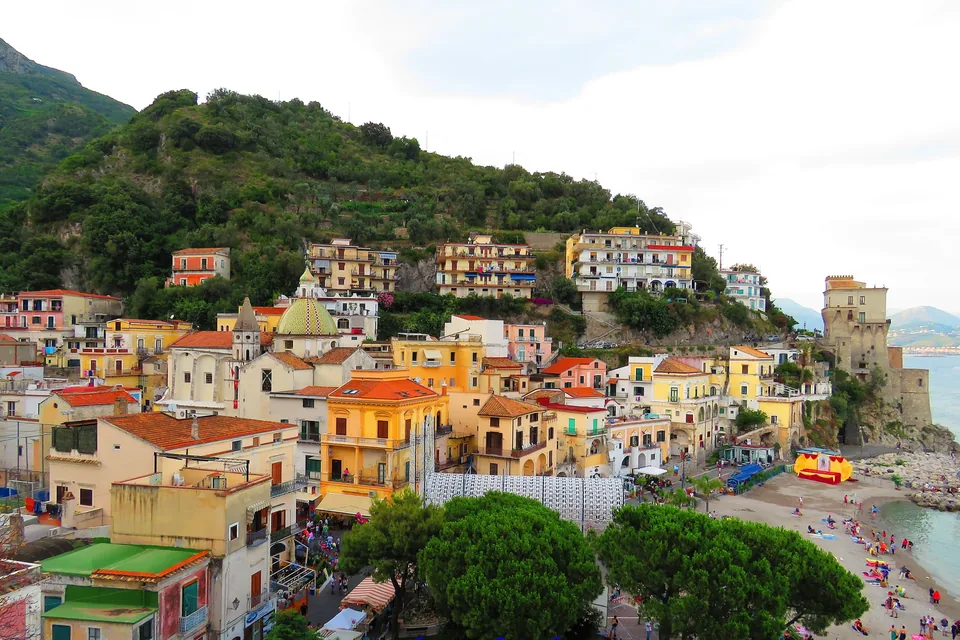
Cetara
Cetara (SA), Campania: 1,928 residents, 5.00 km². The official facts of the municipality, its town council website and its registered accommodation. The Viceregal tower on the Marina, the majolica dome of San Pietro, the Colatura di alici di Cetara PDO, tuna and anchovy fishing, the beaches and the footpaths of the Amalfi Coast.
Read the guide →Photo: Gianfranco Vitolo / Wikimedia Commons — CC BY 2.0 · Resized and converted to WebP.

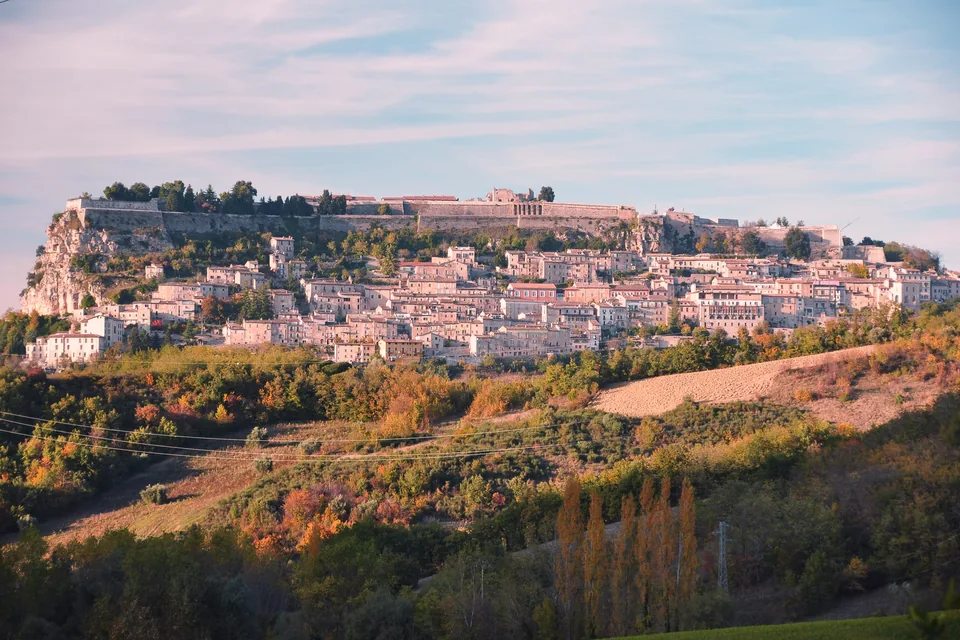
Civitella del Tronto
Civitella del Tronto (TE), Abruzzo: 4,539 residents, 77.74 km². The official facts of the municipality, its town council website and its registered accommodation. The fortress on its travertine crag, the last Bourbon stronghold to surrender in 1861, the Weapons Museum, the Ruetta, the churches of the old town, the Salinello gorges and the Montagna dei Fiori in the Gran Sasso and Monti della Laga National Park.
Read the guide →Photo: SHAWSHANK61 / Wikimedia Commons — CC0 · Resized and converted to WebP.

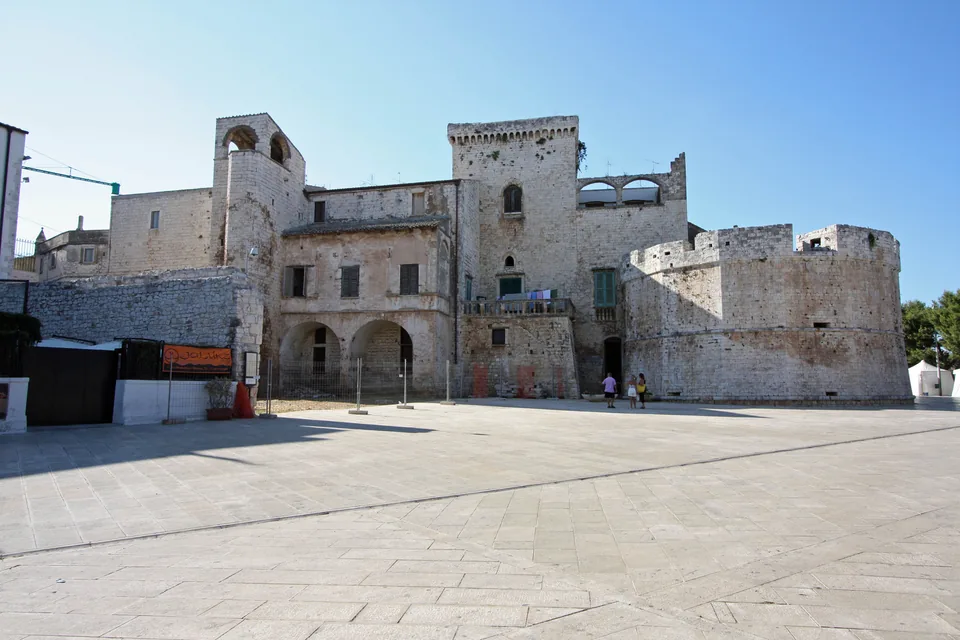
Conversano
Conversano (BA), Puglia: 25,938 residents, 128.42 km². The official facts of the municipality, its town council website and its registered accommodation. The castle of the Acquaviva d’Aragona with Paolo Finoglio’s canvases, the Romanesque cathedral, the monastery of the mitred abbesses, the karst lakes, the cherries and the “Terra di Bari” PDO olive oil.
Read the guide →Photo: Carlo Pelagalli / Wikimedia Commons — CC BY-SA 3.0 · Resized and converted to WebP.

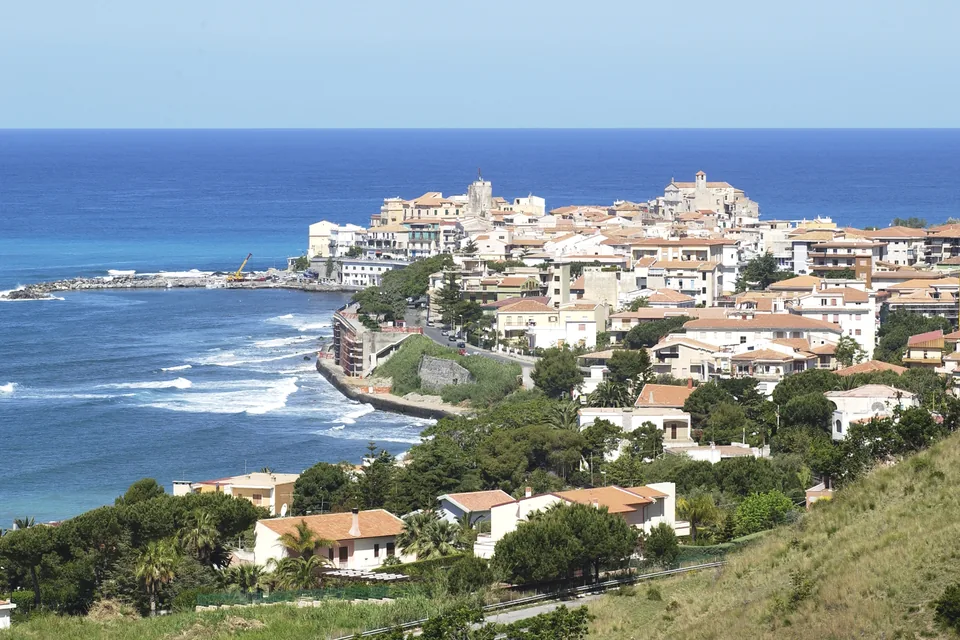
Diamante
Diamante (CS), Calabria: 4,984 residents, 12.19 km². The official facts of the municipality, its town council website and its registered accommodation. The murals of the old town, the Peperoncino Festival in September, the citron, Cirella with its ruins and its island, the Blue Flag sea.
Read the guide →Photo: Eugenio Magurno / Wikimedia Commons — CC BY-SA 3.0 · Resized and converted to WebP.

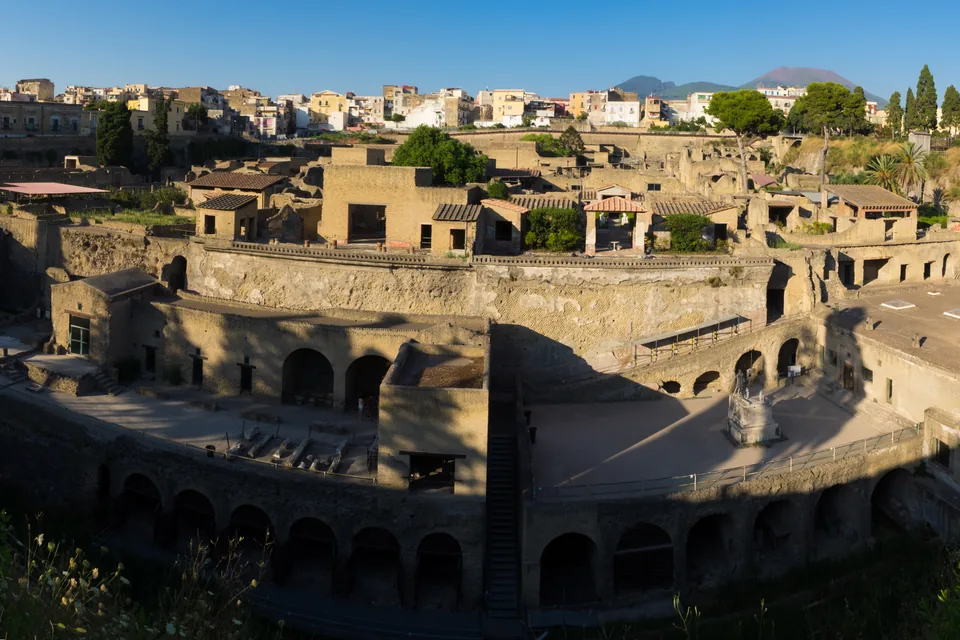
Ercolano
Ercolano (NA), Campania: 49,505 residents, 19.92 km². The official facts of the municipality, its town council website and its registered accommodation. The excavations of Herculaneum, a UNESCO World Heritage site, the Antiquarium and the boat from the ancient beach, the villas of the Miglio d’Oro, the Resina market, the piennolo cherry tomato PDO, Lacryma Christi wine and the Gran Cono trail up Vesuvius.
Read the guide →Photo: Sarahhoa / Wikimedia Commons — CC BY-SA 2.0 · Resized and converted to WebP.

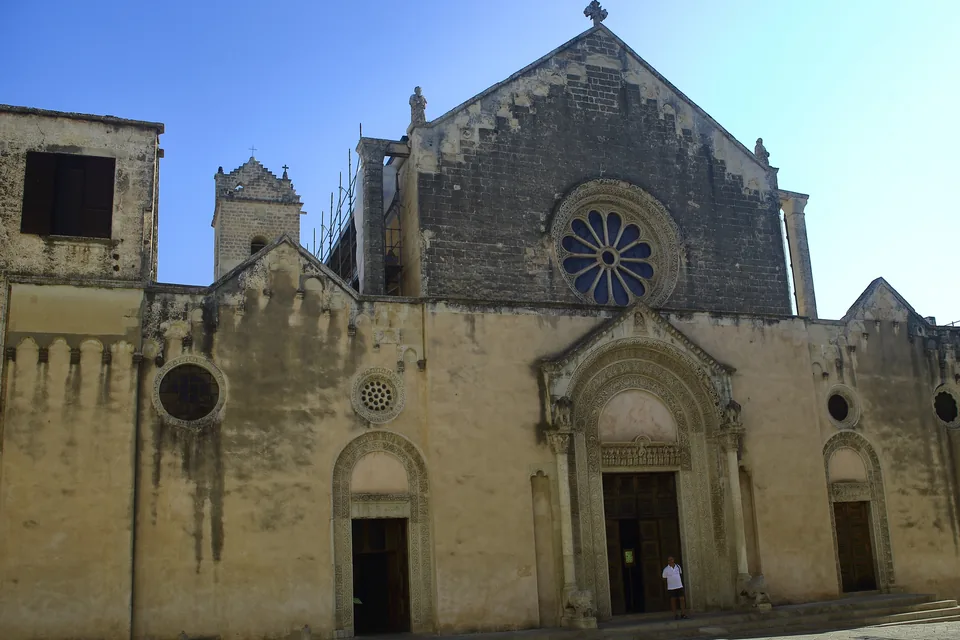
Galatina
Galatina (LE), Puglia: 25,319 residents, 82.65 km². The official facts of the municipality, its town council website and its registered accommodation. The basilica of Santa Caterina d’Alessandria and its frescoes, the Chiesa Madre of Saints Peter and Paul, the Chapel of Saint Paul and tarantism, the “Galatina” DOC wine and the “Patata novella di Galatina” PDO.
Read the guide →Photo: Eletto Luigi / Wikimedia Commons — CC BY-SA 4.0 · Resized and converted to WebP.

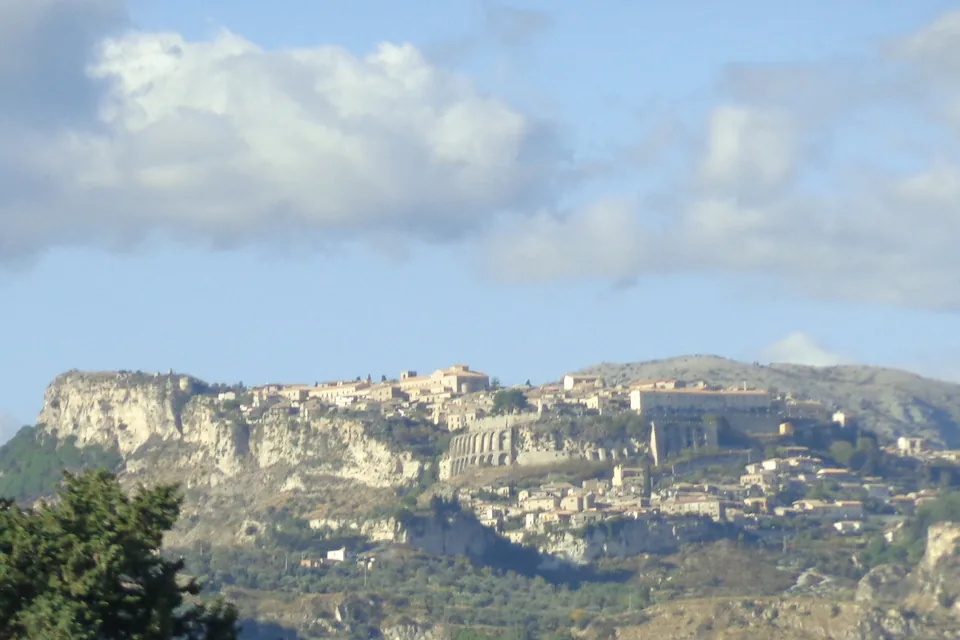
Gerace
Gerace (RC), Calabria: 2,309 residents, 28.99 km². The official facts of the municipality, its town council website and its registered accommodation. The Norman cathedral and its crypt, the castle on the crag, San Francesco and the Byzantine churches, the town gates and the Bombarde terraces, Gerace’s cooking and sweets.
Read the guide →Photo: Effems / Wikimedia Commons — CC0 · Resized and converted to WebP.

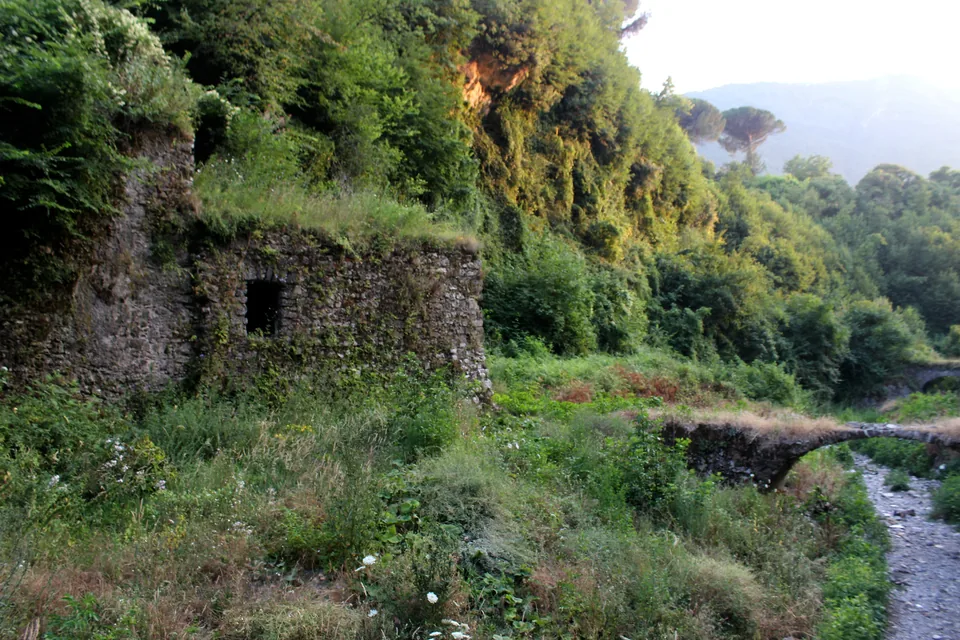
Gragnano
Gragnano (NA), Campania: 27,694 residents, 14.64 km². The official facts of the municipality, its town council website and its registered accommodation. The City of Pasta: Pasta di Gragnano PGI, the Valley of the Mills, Via Roma laid out for the wind, the Corpus Domini church and Santa Maria Assunta at Castello, the Roman villa of Carmiano and the September pasta festival.
Read the guide →Photo: Miguel Hermoso Cuesta / Wikimedia Commons — CC BY-SA 4.0 · Resized and converted to WebP.

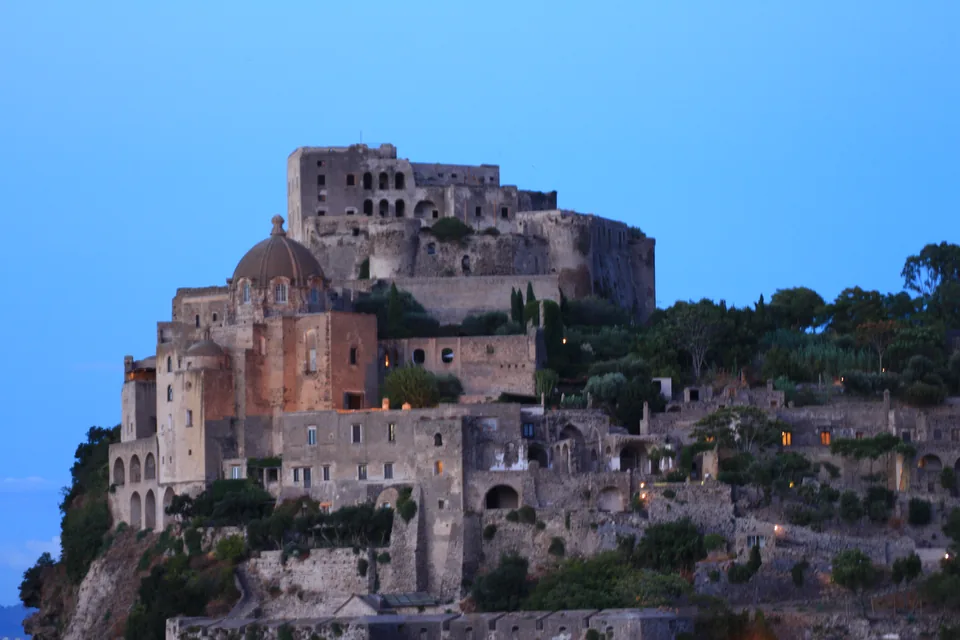
Ischia
Ischia (NA), Campania: 19,492 residents, 8.14 km². The official facts of the municipality, its town council website and its registered accommodation. The Aragonese Castle and the old village of Ischia Ponte, the Guevara Tower and the bay of Cartaromana, the Bourbon harbour, the cathedral of the Assunta, DOC “Ischia” wine and the Sea Festival at the rocks of Sant’Anna.
Read the guide →Photo: Pask928 / Wikimedia Commons — CC BY-SA 4.0 · Resized and converted to WebP.

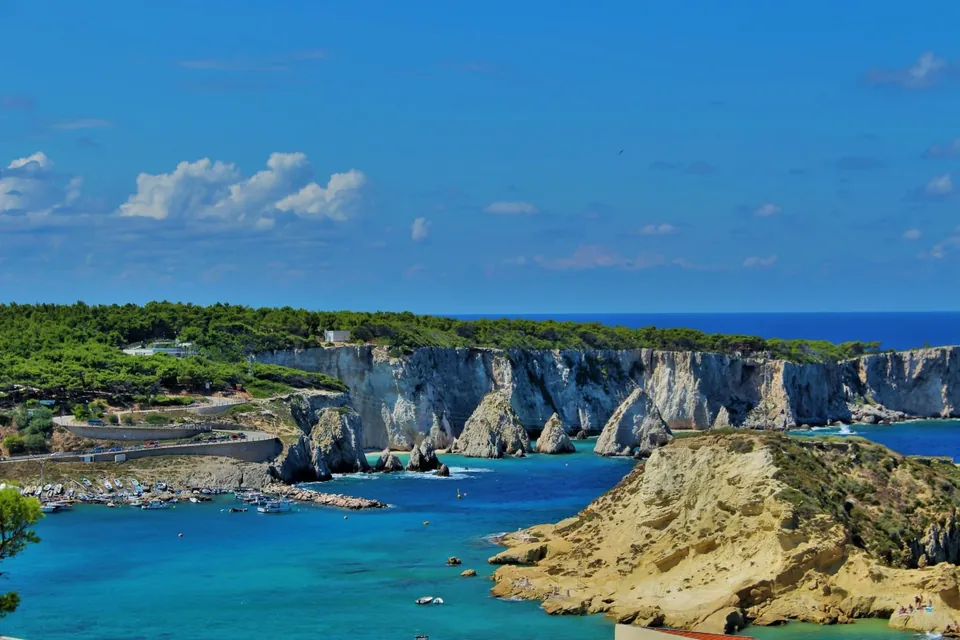
Isole Tremiti
Tremiti: San Nicola and the island landscape. Puglia’s only archipelago, 12 nautical miles off the Gargano, with pine woods, white cliffs and an abbey fortress. In the marine protected area, 34 dive sites and wrecks from Roman times to the Lombardo, the steamer of Garibaldi’s Thousand; on San Nicola the church of Santa Maria a Mare with its eleventh-century mosaics, the cloisters and the memory of the political exiles.
Read the guide →Photo: Sara Caputo / Wikimedia Commons — CC BY-SA 4.0 · Resized and converted to WebP.

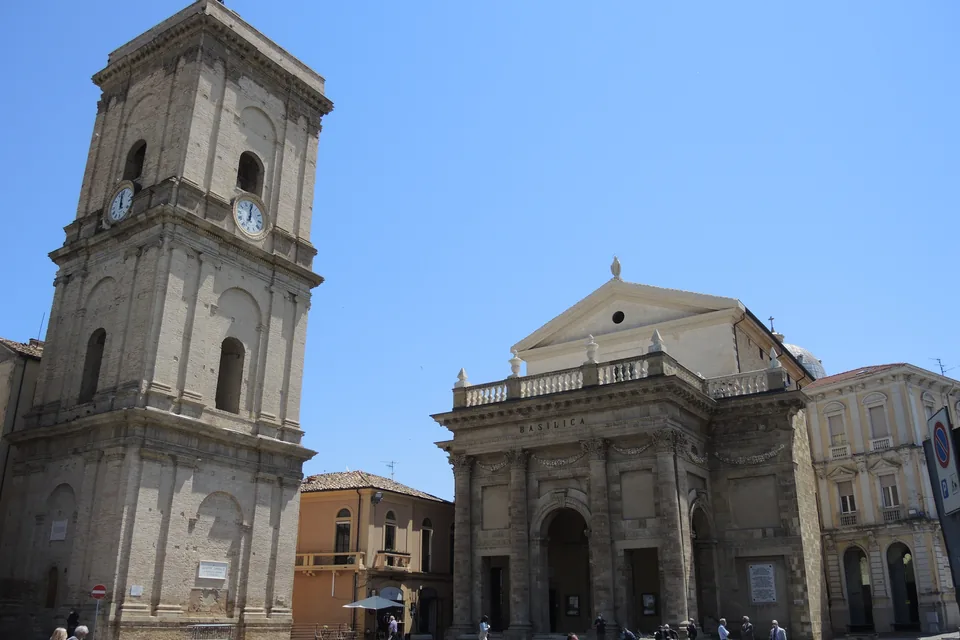
Lanciano
Lanciano (CH), Abruzzo: 33,917 residents, 66.96 km². The official facts of the municipality, its town council website and its registered accommodation. The sanctuary of the Eucharistic Miracle, the cathedral of the Madonna del Ponte above the Diocletian bridge, underground Lanciano, the Torri Montanare, the four historic quarters, the Mastrogiurato and the September feasts.
Read the guide →Photo: Pietro / Wikimedia Commons — CC BY-SA 4.0 · Resized and converted to WebP.

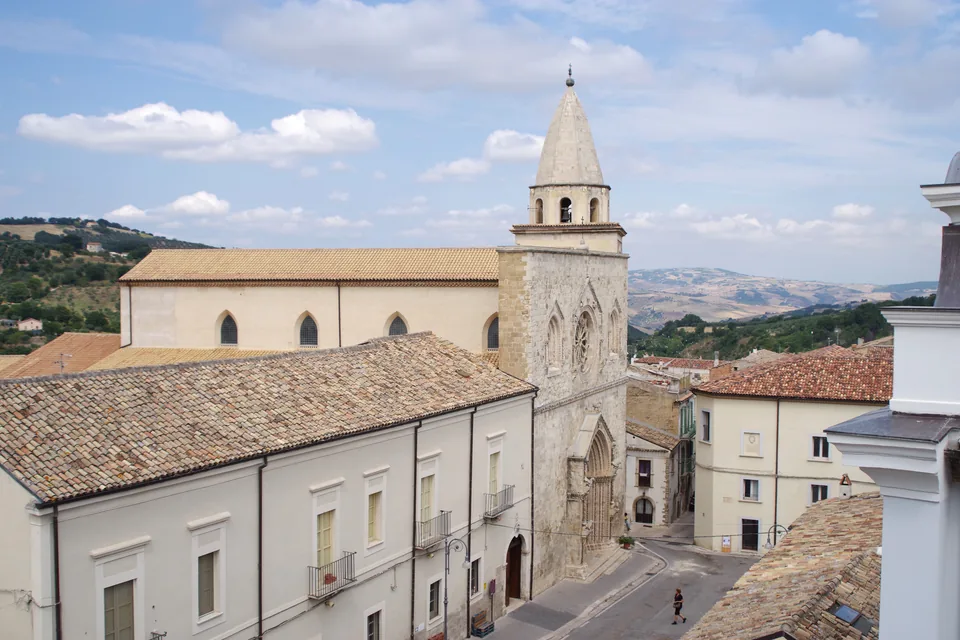
Larino
Larino (CB), Molise: 6,281 residents, 88.77 km². The official facts of the municipality, its town council website and its registered accommodation. The cathedral of 1319 with its rose window, the Roman amphitheatre of Larinum, the Diocesan Museum, the feast of San Pardo with its flower-covered carts drawn by oxen and the “Molise” PDO oil from the Gentile di Larino olive.
Read the guide →Photo: Termauri / Wikimedia Commons — CC BY-SA 4.0 · Resized and converted to WebP.

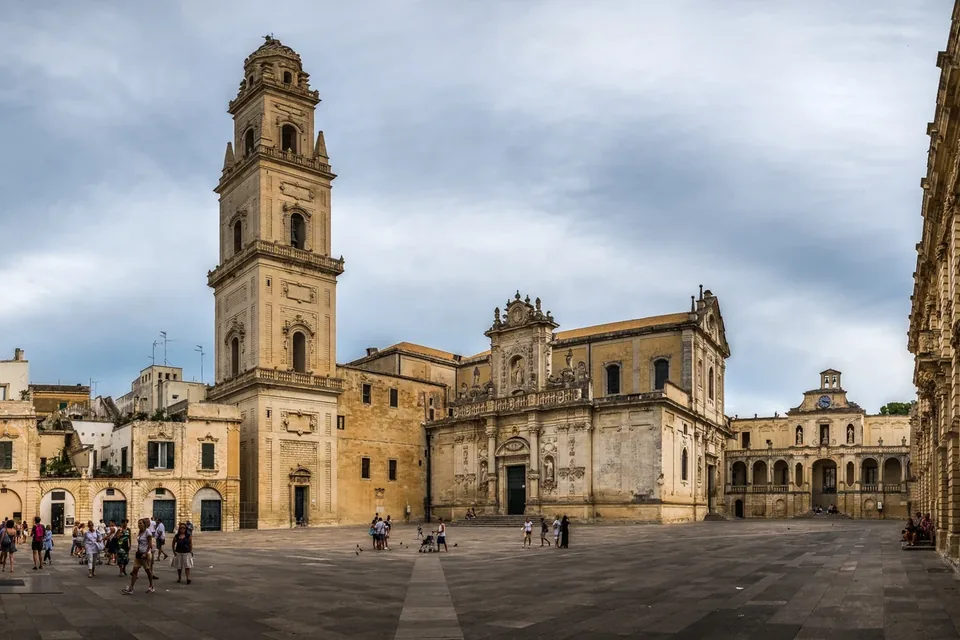
Lecce
Baroque architecture, papier-mâché and Salento food: a city of telling details.
Read the guide →Photo: Giuseppe Milo / Wikimedia Commons — CC BY 3.0 · Resized and converted to WebP.

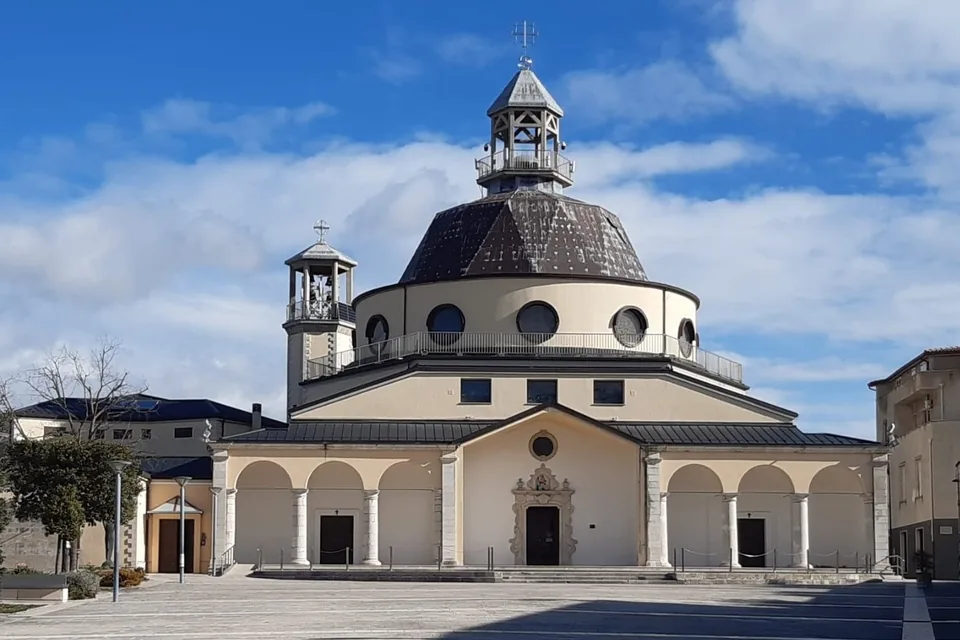
Lioni
Lioni (AV), Campania: 5,915 residents, 46.51 km². The official facts of the municipality, its town council website and its registered accommodation. The town of the two lions on the upper Ofanto: the Roman funerary lion outside the town hall, the medieval bell tower of the mother church, the rebuilding after the earthquake of 23 November 1980 and the Irpinia railway.
Read the guide →Photo: Fire90 / Wikimedia Commons — CC BY-SA 4.0 · Resized and converted to WebP.

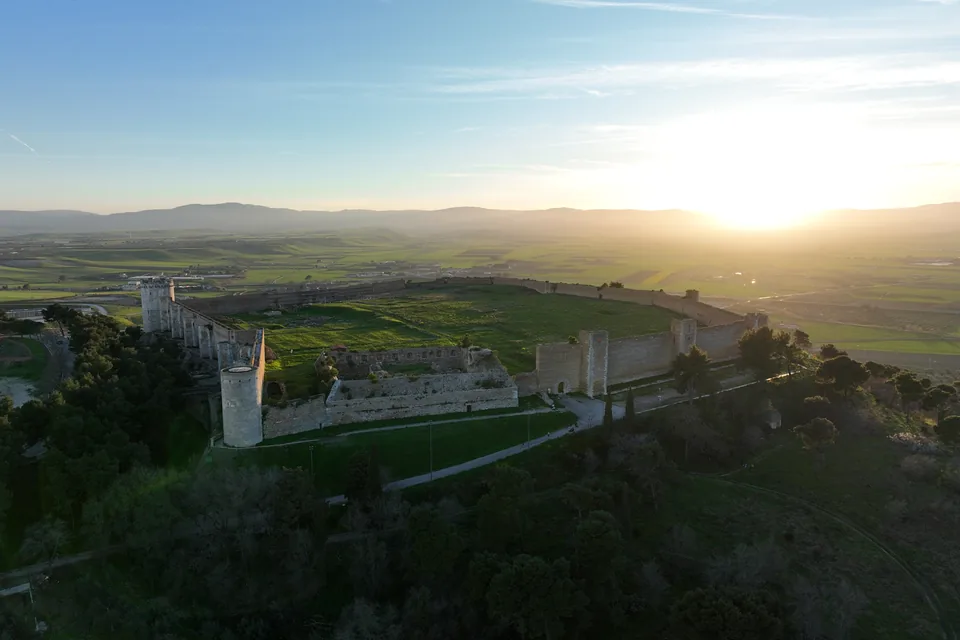
Lucera
Lucera (FG), Puglia: 30,591 residents, 339.79 km². The official facts of the municipality, its town council website and its registered accommodation. The Swabian-Angevin fortress of Frederick II and Charles of Anjou, the Augustan amphitheatre, the Angevin Gothic cathedral, the sanctuary of Saint Francesco Antonio Fasani, the “Cacc’e mmitte di Lucera” DOC wine and the “Dauno” PDO olive oil.
Read the guide →Photo: Paolocibelli / Wikimedia Commons — CC BY-SA 4.0 · Resized and converted to WebP.

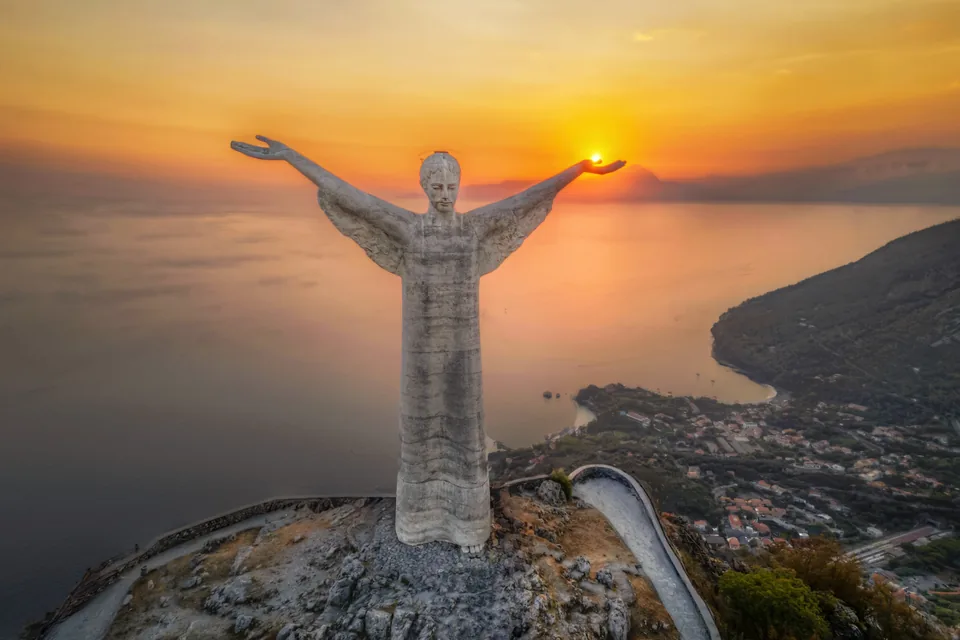
Maratea
San Biagio, heritage and the landscape seen at the opening of the film Coast to Coast. Explore Basilicata’s only Tyrrhenian coast, with 32 kilometres of rock walls and coves, and the sausages made in Maratea. On the mountain, the basilica with its Royal Chapel of 1618; along the coast, the sixteenth-century watchtowers.
Read the guide →Photo: D.belfiore / Wikimedia Commons — CC BY-SA 4.0 · Resized and converted to WebP.

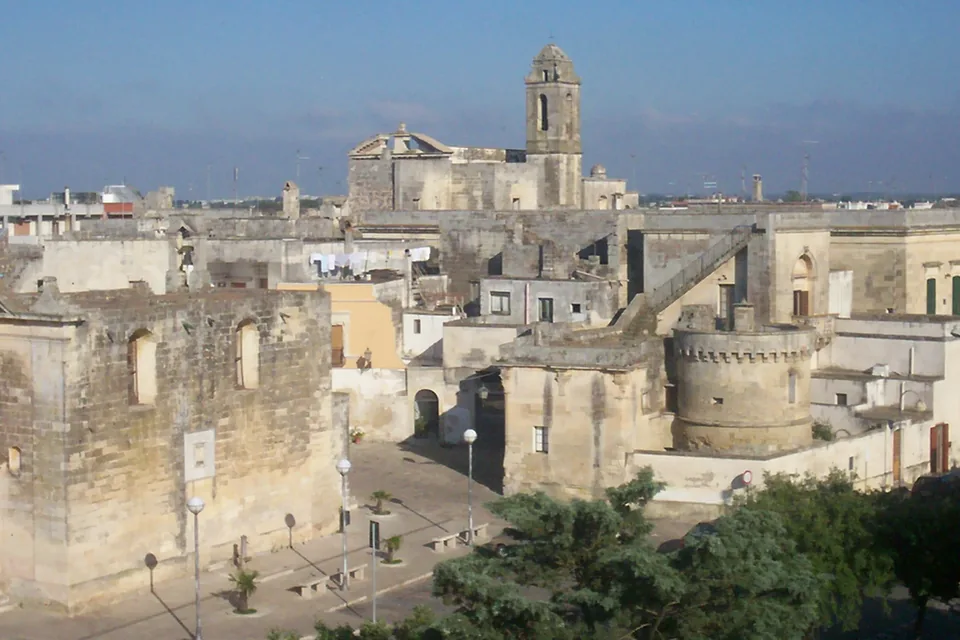
Martano
Courtyards, megalithic heritage and Cistercian culture in Grecìa Salentina. In the Terra, the old centre with its regular blocks, the Aragonese castle, the mother church of 1596 and the early eighteenth-century palaces; in the countryside the Teofilo menhir, 4.70 metres tall, the Specchia dei Mori and the medieval village of Apigliano.
Read the guide →Photo: Freddyballo / Wikimedia Commons — CC BY-SA 3.0 · Resized and converted to WebP.

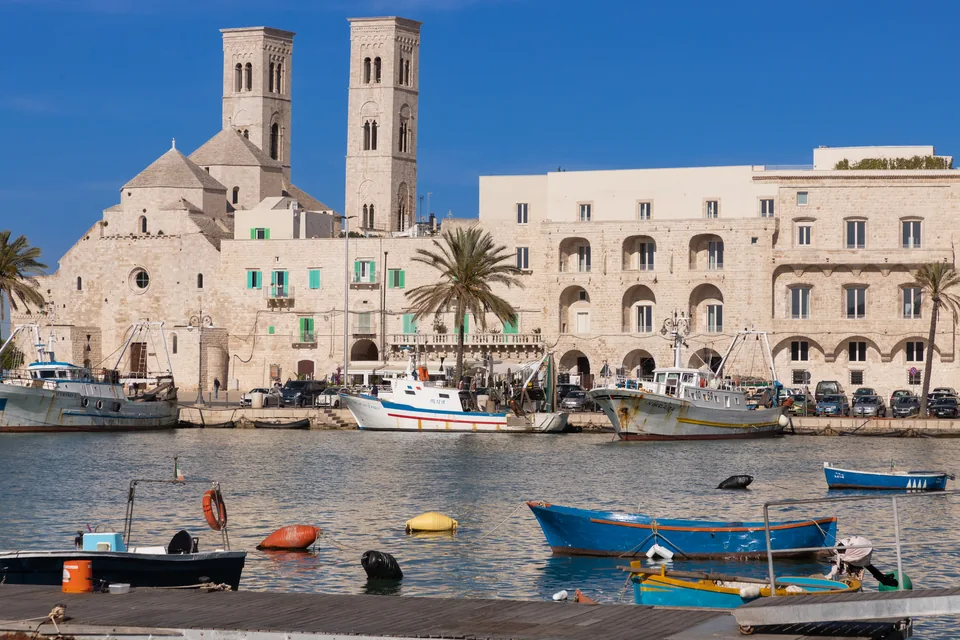
Molfetta
Romanesque architecture and karst landscape beyond the coast. The cathedral on the harbour, a fishing fleet among the lower Adriatic’s largest and the Pulo. In town the cathedral born from the Jesuit church, the Diocesan Museum and the Apulian Regional Seminary; outside the old town the basilica of the Madonna dei Martiri, a pilgrims’ stop since 1162, and the oil of the Terra di Bari PDO.
Read the guide →Photo: Genesis5663 / Wikimedia Commons — CC BY-SA 4.0 · Resized and converted to WebP.

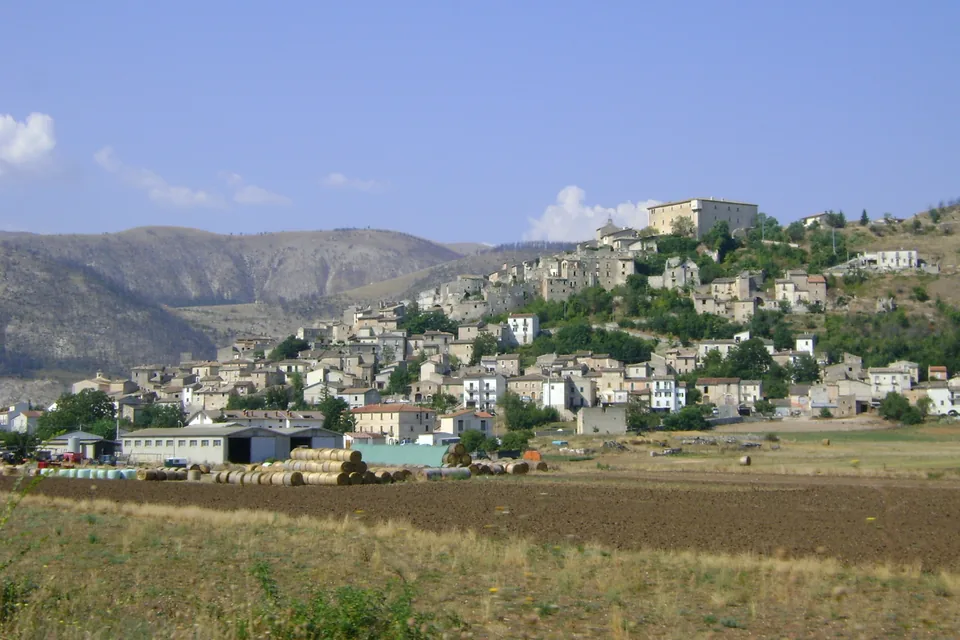
Navelli
Navelli (AQ), Abruzzo: 567 residents, 42.00 km². The official facts of the municipality, its town council website and its registered accommodation. The hilltop village above the plain, L’Aquila saffron PDO, the church of Santa Maria in Cerulis with its fourteenth-century frescoes and the village of Civitaretenga with its Via Giudea.
Read the guide →Photo: Zitumassin / Wikimedia Commons — Public domain · Resized and converted to WebP.

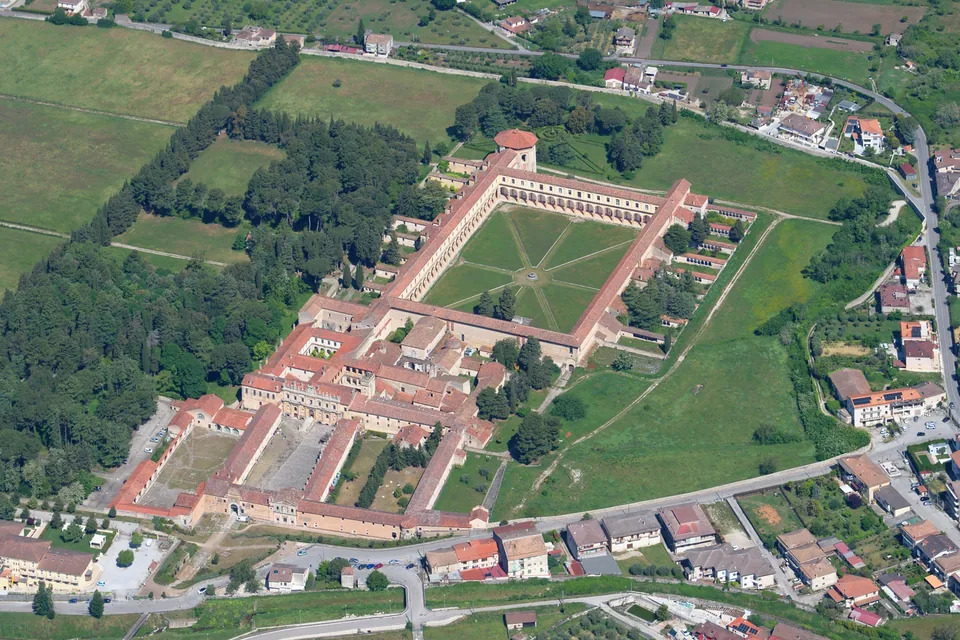
Padula
Padula (SA), Campania: 4,819 residents, 67.11 km². The official facts of the municipality, its town council website and its registered accommodation. The Certosa di San Lorenzo, a UNESCO World Heritage site since 1998, the baptistery of San Giovanni in Fonte, the Joe Petrosino house museum and the re-enactment of Charles V with the thousand-egg omelette.
Read the guide →Photo: Carsten Steger / Wikimedia Commons — CC BY-SA 4.0 · Resized and converted to WebP.

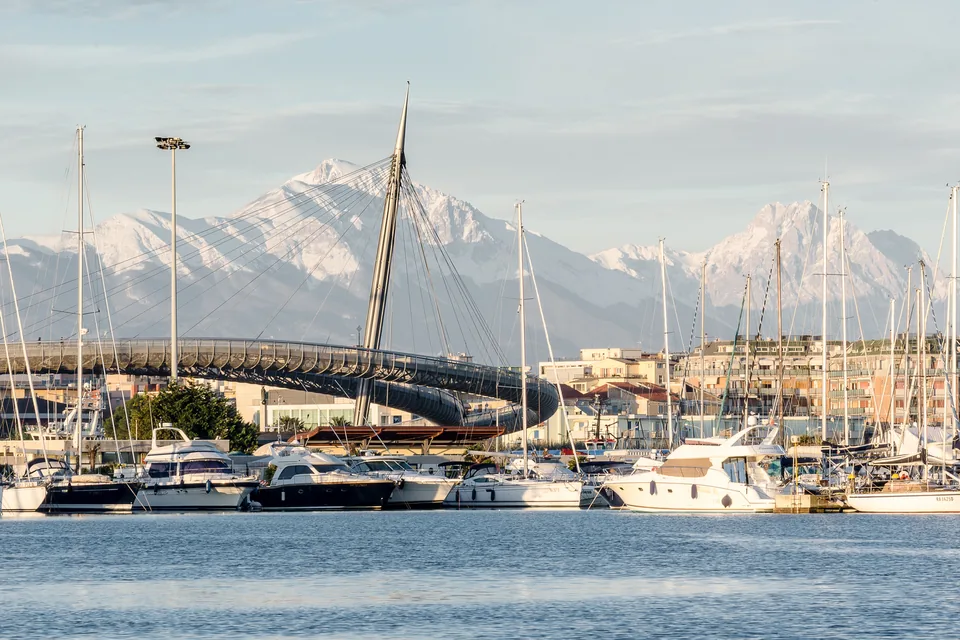
Pescara
The city on the sea and the river: Cascella's Nave, the Ponte del Mare, d'Annunzio's birthplace, the Museo delle Genti d'Abruzzo, the pine forest, summer jazz, arrosticini and brodetto.
Read the guide →Photo: Giulio Gigante from Pescara, Italy / Wikimedia Commons — CC BY-SA 2.0 · Resized and converted to WebP.

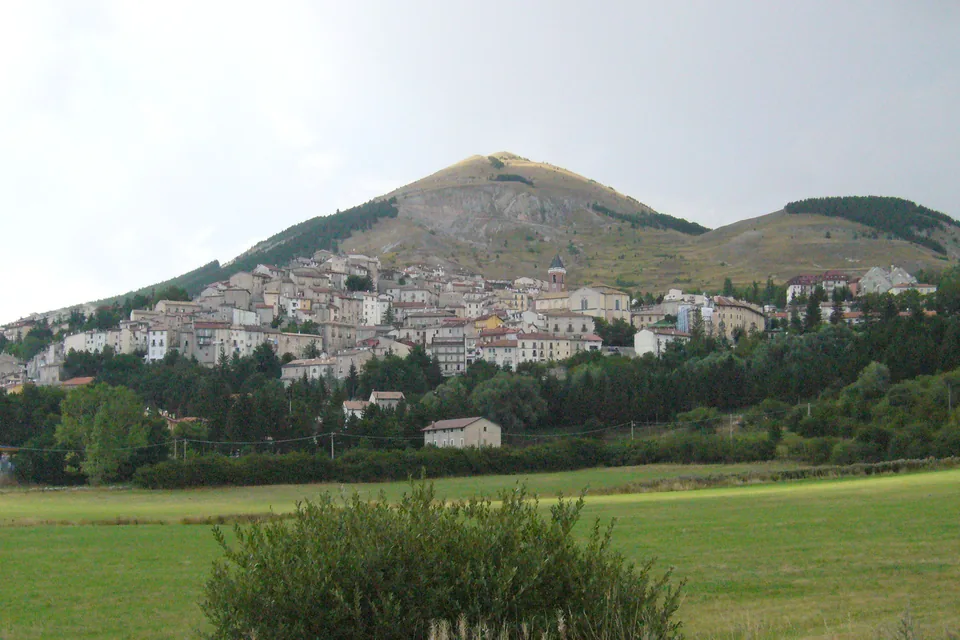
Pescocostanzo
Pescocostanzo (AQ), Abruzzo: 1,085 residents, 55.06 km². The official facts of the municipality, its town council website and its registered accommodation. The Renaissance village on the high plateaus, the basilica of Santa Maria del Colle, bobbin lace, filigree, wrought iron and the Sant’Antonio beech wood in the Maiella National Park.
Read the guide →Photo: maury3001 / Wikimedia Commons — CC BY 3.0 · Resized and converted to WebP.

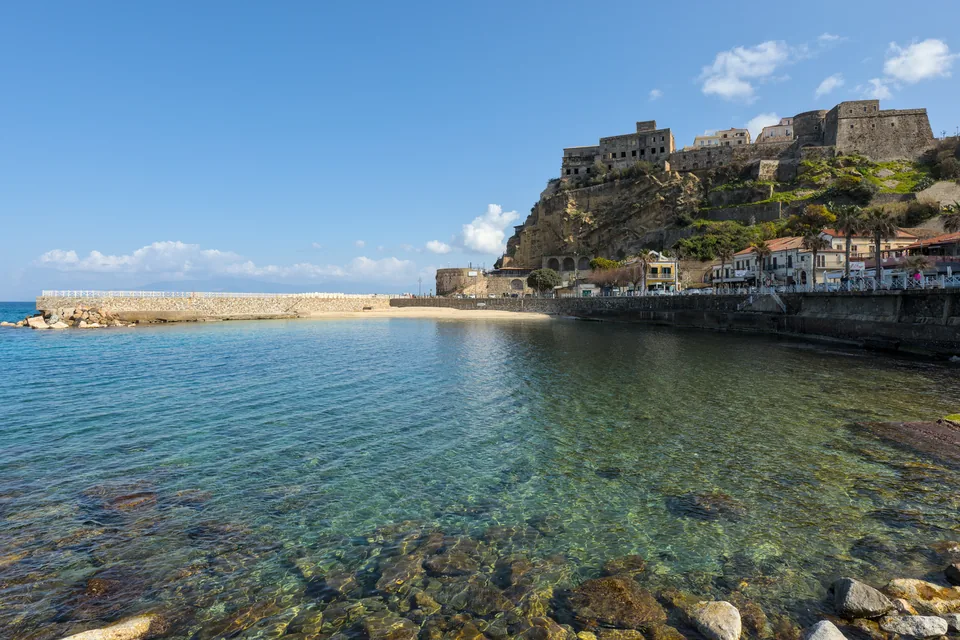
Pizzo
Pizzo (VV), Calabria: 8,744 residents, 22.76 km². The official facts of the municipality, its town council website and its registered accommodation. The Aragonese castle where Joachim Murat was shot, the little church of Piedigrotta carved out of the tuff by the sea, the Tartufo di Pizzo ice cream and the beaches of the Costa degli Dei.
Read the guide →Photo: Benjamin Smith / Wikimedia Commons — CC BY-SA 4.0 · Resized and converted to WebP.

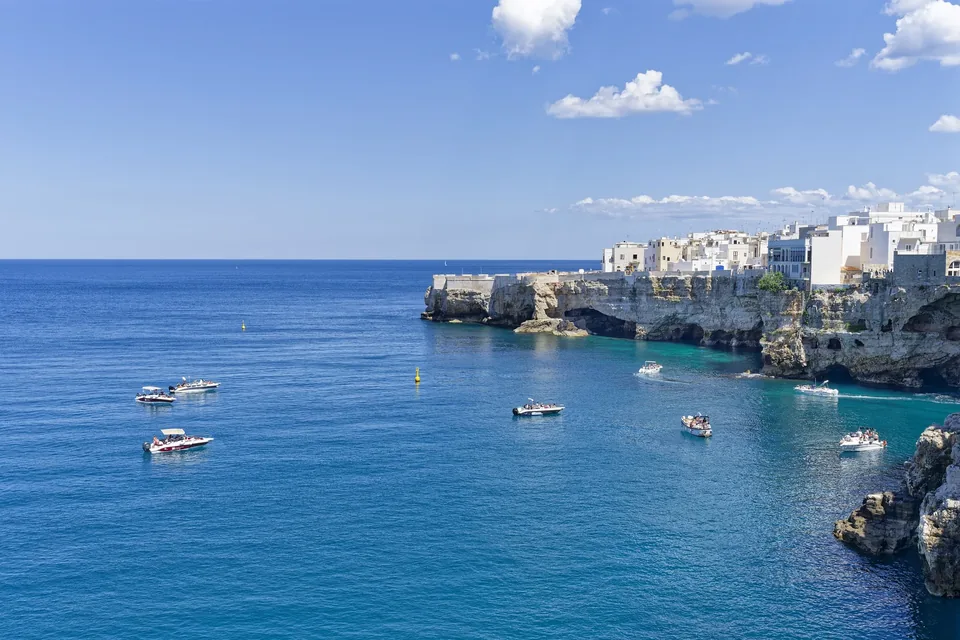
Polignano a Mare
Old town, viewpoints and a coffee as a travel pause. A white town on a cliff, the Arco Marchesale, contemporary art and the multicoloured Polignano carrot. And then the history of the mother church, the Pino Pascali museum, the dives from the houses of the old town, the feast of Saint Vitus and the Costa Ripagnola nature park.
Read the guide →Photo: Maksimsokolov / Wikimedia Commons — CC BY-SA 4.0 · Resized and converted to WebP.

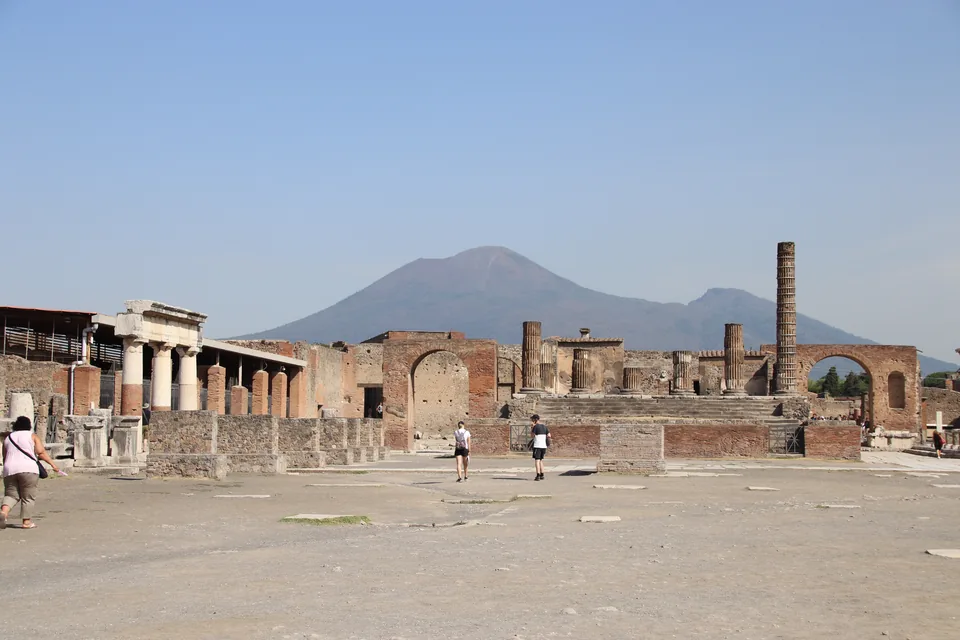
Pompei
Pompei (NA), Campania: 23,647 residents, 12.43 km². The official facts of the municipality, its town council website and its registered accommodation. The ancient city buried by Vesuvius in AD 79, a UNESCO World Heritage site since 1997, with the Forum, the Amphitheatre, the Villa of the Mysteries and the Antiquarium; the Shrine of the Blessed Virgin of the Rosary founded by Saint Bartolo Longo, and the Supplication of 8 May and October.
Read the guide →Photo: Gary Todd from Xinzheng, China / Wikimedia Commons — Public domain · Resized and converted to WebP.

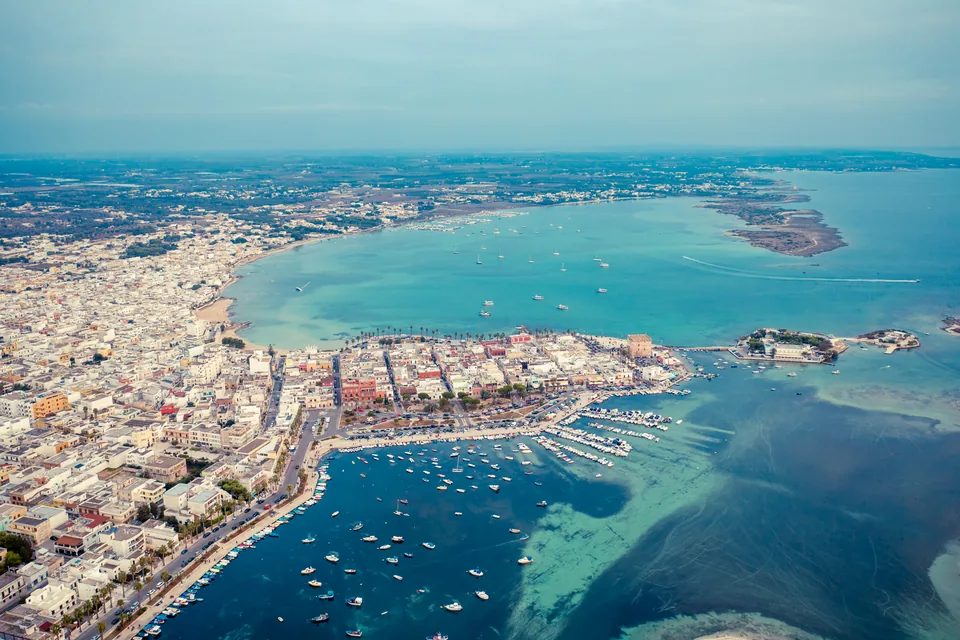
Porto Cesareo
Porto Cesareo (LE), Puglia: 6,486 residents, 35.16 km². The official facts of the municipality, its town council website and its registered accommodation. On the sea of the Porto Cesareo Marine Protected Area, a state marine reserve since 1997 with 16,654 protected hectares: the Cesarea tower rebuilt in 1622, the coastal towers, the Isola Grande known as the rabbits’ island and the “Pietro Parenzan” Marine Biology Museum.
Read the guide →Photo: Paolo Damiano Dolce / Wikimedia Commons — CC BY-SA 4.0 · Resized and converted to WebP.

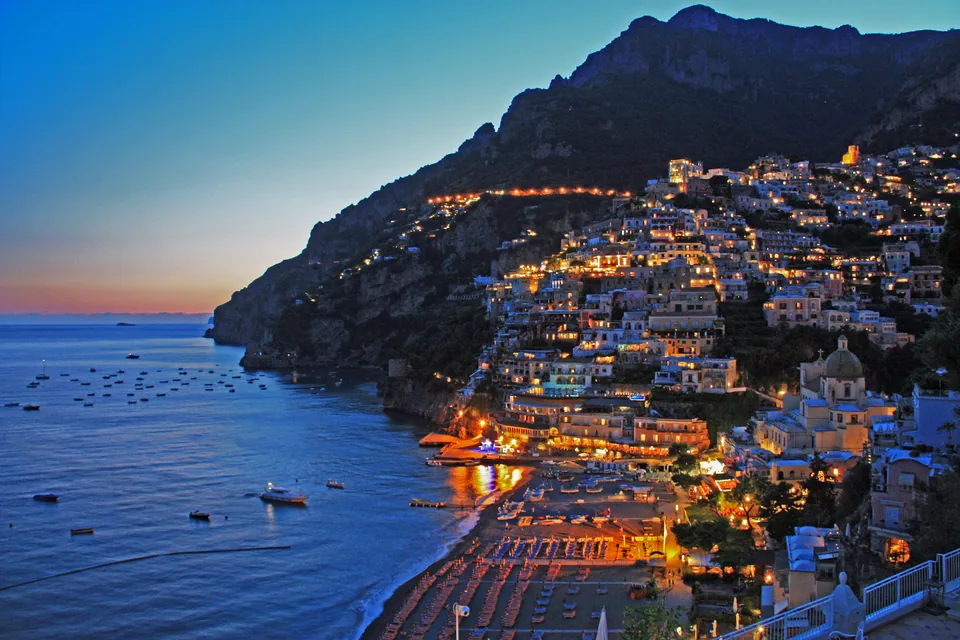
Positano
Positano (SA), Campania: 3,677 residents, 8.70 km². The official facts of the municipality, its town council website and its registered accommodation. The church of Santa Maria Assunta with its majolica dome, the Roman villa of the MAR, Spiaggia Grande and Fornillo, Montepertuso, Nocelle and the Path of the Gods, the PGI lemon and Moda Positano.
Read the guide →Photo: JeCCo / Wikimedia Commons — CC BY 4.0 · Resized and converted to WebP.

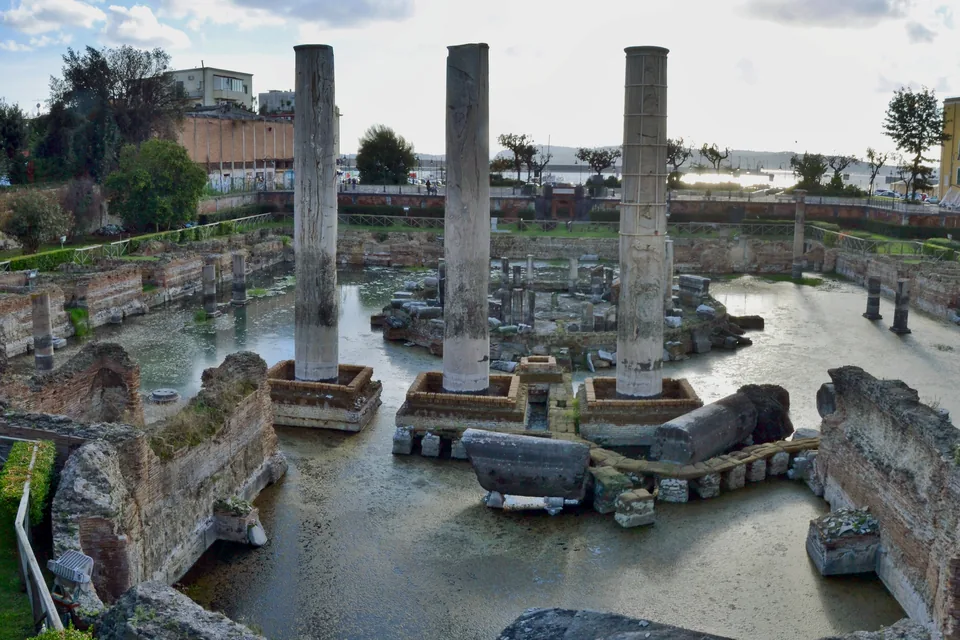
Pozzuoli
Pozzuoli (NA), Campania: 75,375 residents, 43.84 km². The official facts of the municipality, its town council website and its registered accommodation. The Flavian Amphitheatre, the Macellum, the Rione Terra, the Phlegraean Fields and bradyseism, the port for Ischia and Procida.
Read the guide →Photo: Rolf Cosar / Wikimedia Commons — CC BY-SA 4.0 · Cropped, resized and converted to WebP.

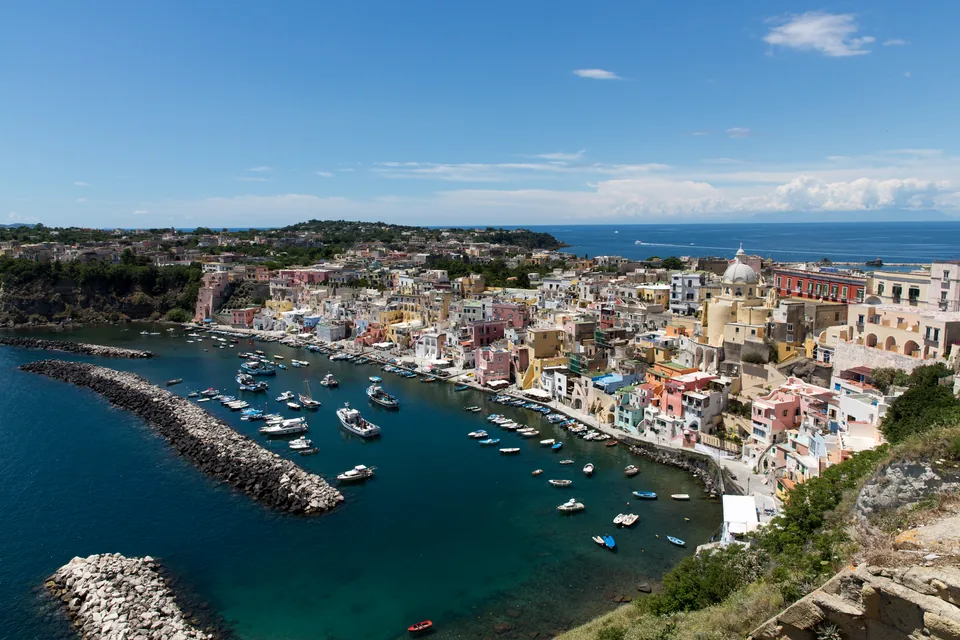
Procida
Procida (NA), Campania: 10,004 residents, 4.26 km². The official facts of the municipality, its town council website and its registered accommodation. Marina Corricella, the walled quarter of Terra Murata with the Abbey of San Michele and Palazzo d’Avalos, the Vivara nature reserve, the Misteri of Good Friday, the Procida lemon and the ferries from Naples and Pozzuoli.
Read the guide →Photo: Ekrem Canli / Wikimedia Commons — CC BY-SA 4.0 · Resized and converted to WebP.

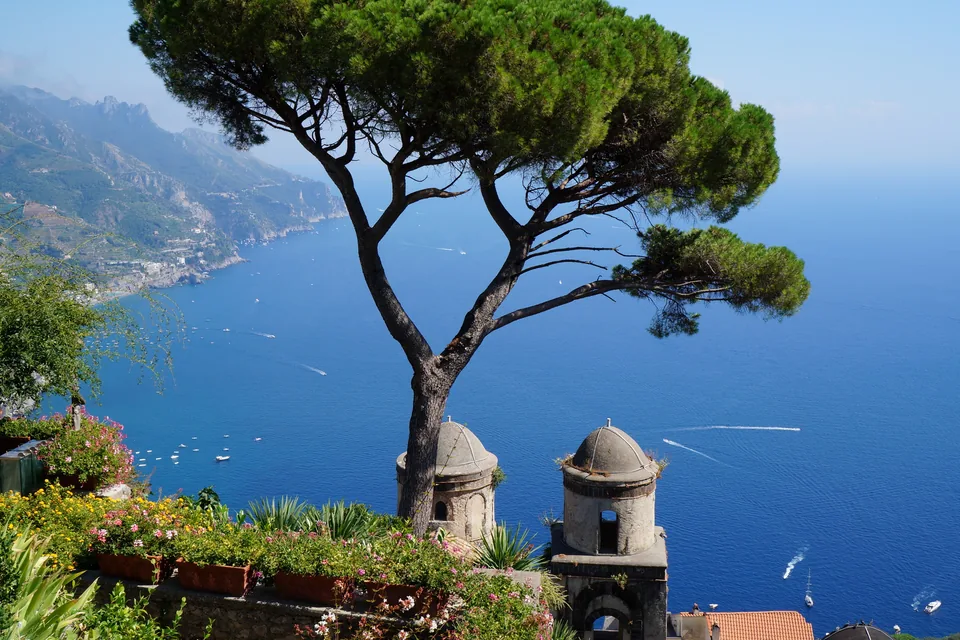
Ravello
Ravello (SA), Campania: 2,338 residents, 7.93 km². The official facts of the municipality, its town council website and its registered accommodation. Villa Rufolo and the garden that inspired Wagner, Villa Cimbrone and the Belvedere of Infinity, the Duomo with its bronze doors and pulpits, the Ravello Festival, Oscar Niemeyer’s Auditorium, the PGI lemon and the wine of the Ravello sub-zone.
Read the guide →Photo: Leandro Neumann Ciuffo / Wikimedia Commons — CC BY 2.0 · Resized and converted to WebP.

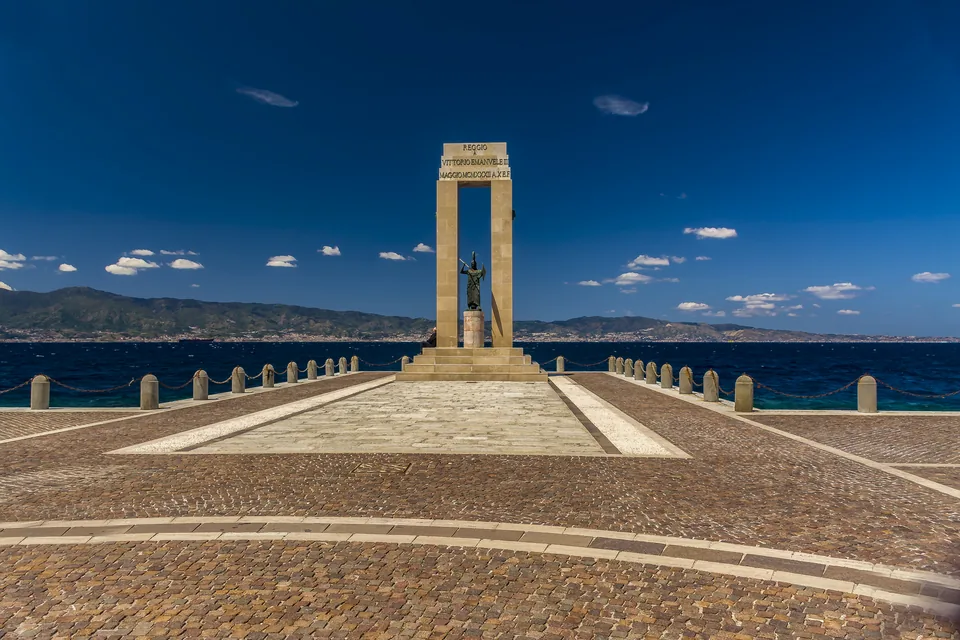
Reggio di Calabria
The city on the Strait of Messina: the Riace Bronzes at the Archaeological Museum, the Lungomare Falcomatà with the Greek walls and the Roman baths, the Aragonese Castle, Liberty Reggio reborn after 1908, the bergamot and the feast of the Madonna della Consolazione.
Read the guide →Photo: Tarta46 / Wikimedia Commons — CC BY-SA 4.0 · Resized and converted to WebP.

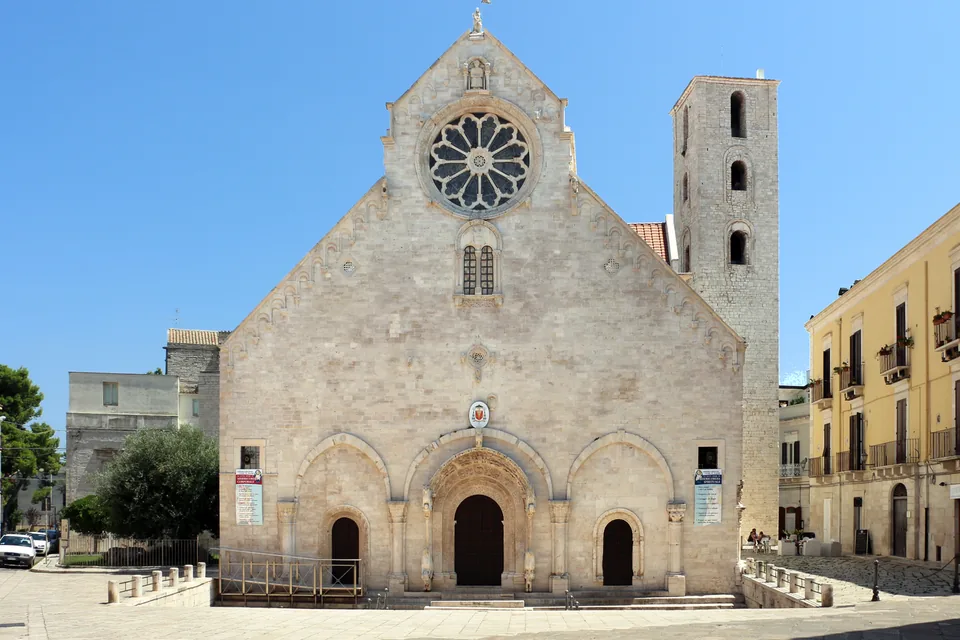
Ruvo di Puglia
Ruvo di Puglia (BA), Puglia: 24,254 residents, 223.83 km². The official facts of the municipality, its town council website and its registered accommodation. The Romanesque co-cathedral, the Museo nazionale Jatta with the Talos vase, the old town, the Alta Murgia, the Holy Week rites and the cardoncello mushroom festival.
Read the guide →Photo: Sailko / Wikimedia Commons — CC BY 3.0 · Resized and converted to WebP.

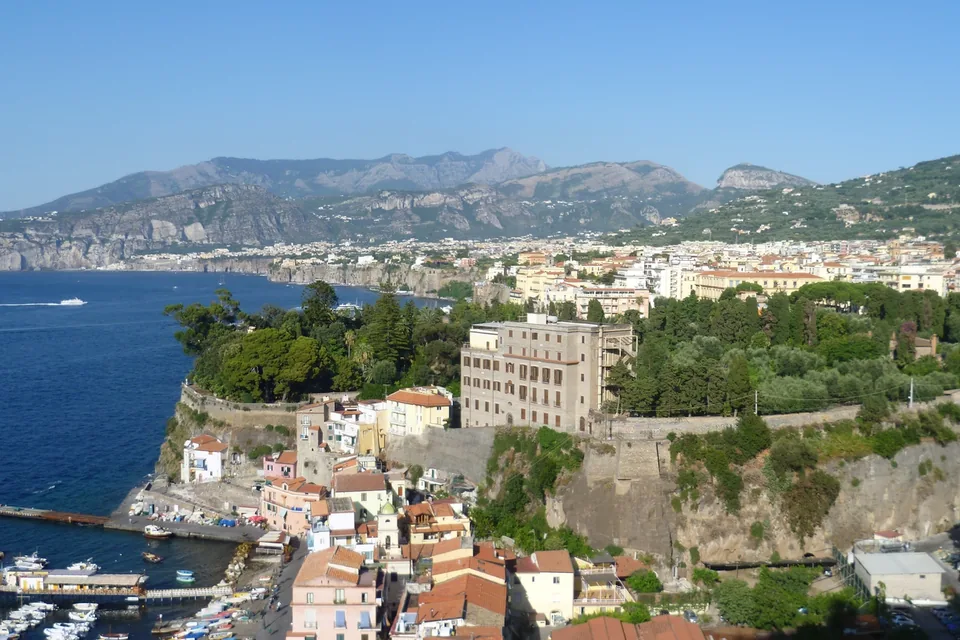
Sorrento
Sorrento (NA), Campania: 15,152 residents, 10.00 km². The official facts of the municipality, its town council website and its registered accommodation. The town on its tuff cliff, the old centre with the basilica of Sant’Antonino and the cloister of San Francesco, the Museo Correale, the Sorrento Lemon PGI, the marinas and the train from Naples.
Read the guide →Photo: Kim Traynor / Wikimedia Commons — CC BY-SA 3.0 · Resized and converted to WebP.

Products curated
Montepulciano d'Abruzzo
DOC · DOCG · Wines
Open the product page →Places to stay curated
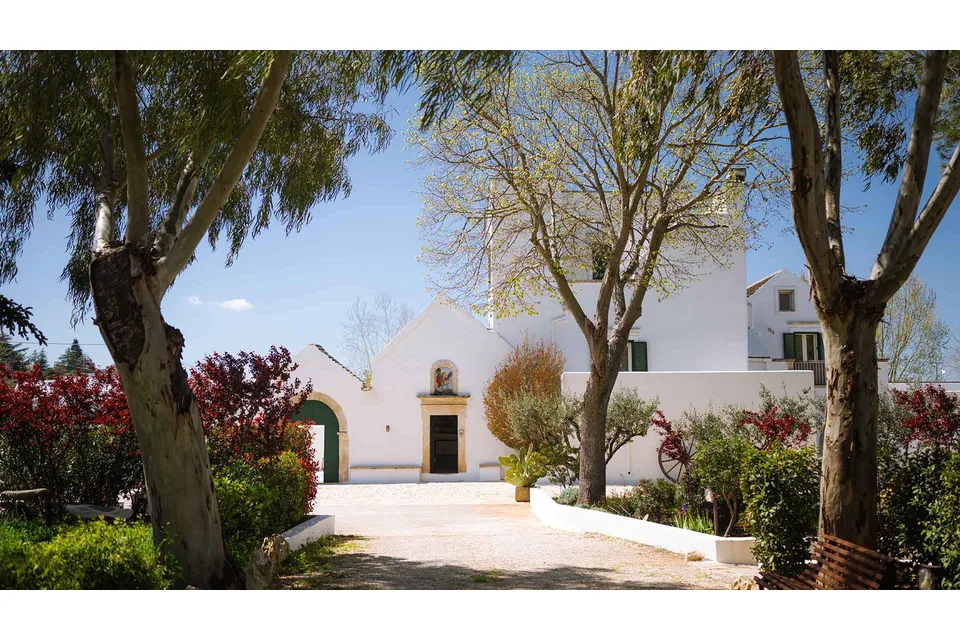
Masseria San Michele
B&B
An eighteenth-century masseria in the countryside of Martina Franca, in the heart of the Valle d'Itria. Lorenzo Antonacci, from Puglia, came back after years in fashion and turned his family's holiday home into a boutique hotel. It has seven rooms, an independent manor house, a garden with a pool and, among its buildings, a small eighteenth-century chapel.
CIN IT073013B400023963
Photo: Masseria San Michele · Resized and converted to WebP.