

Why go
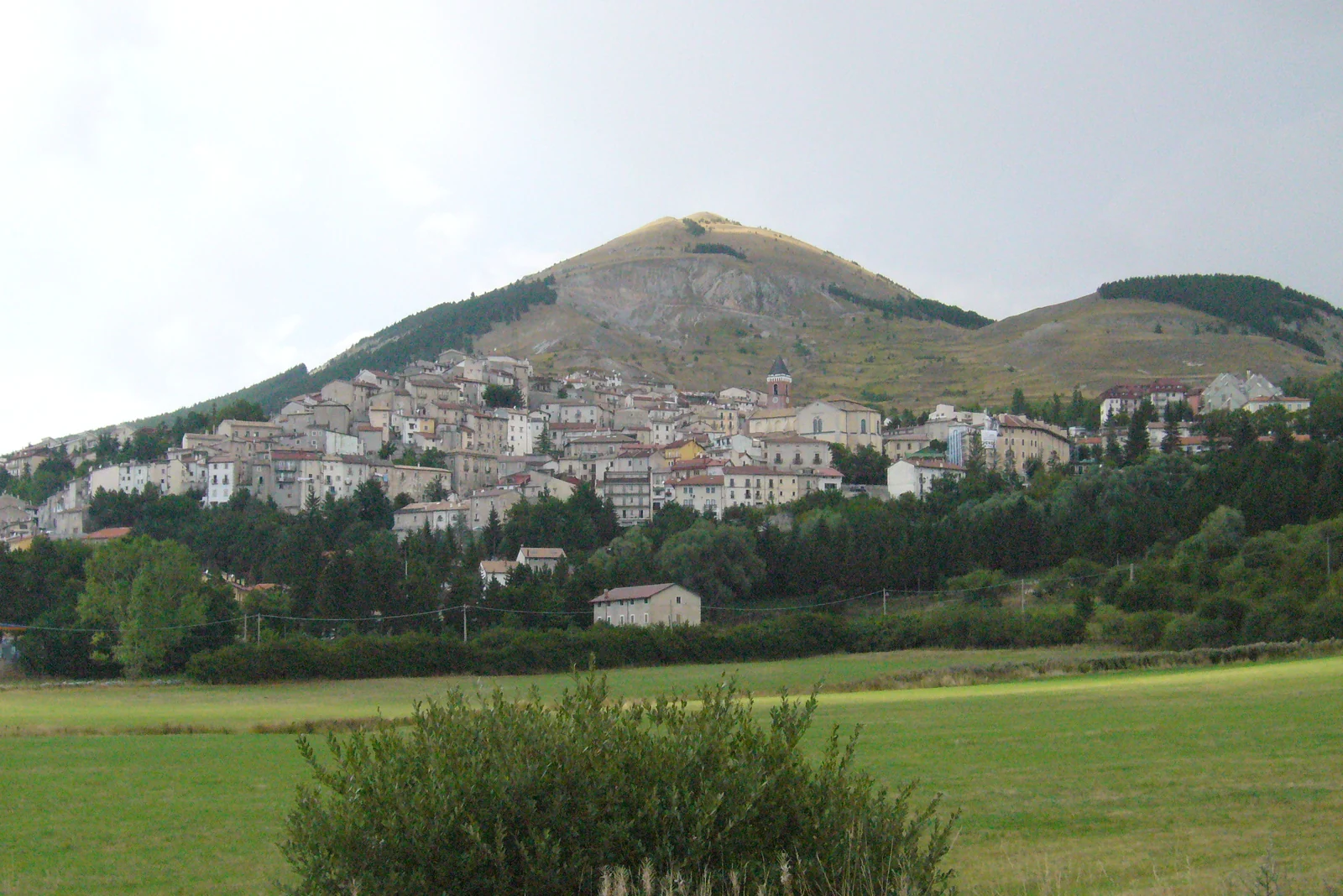
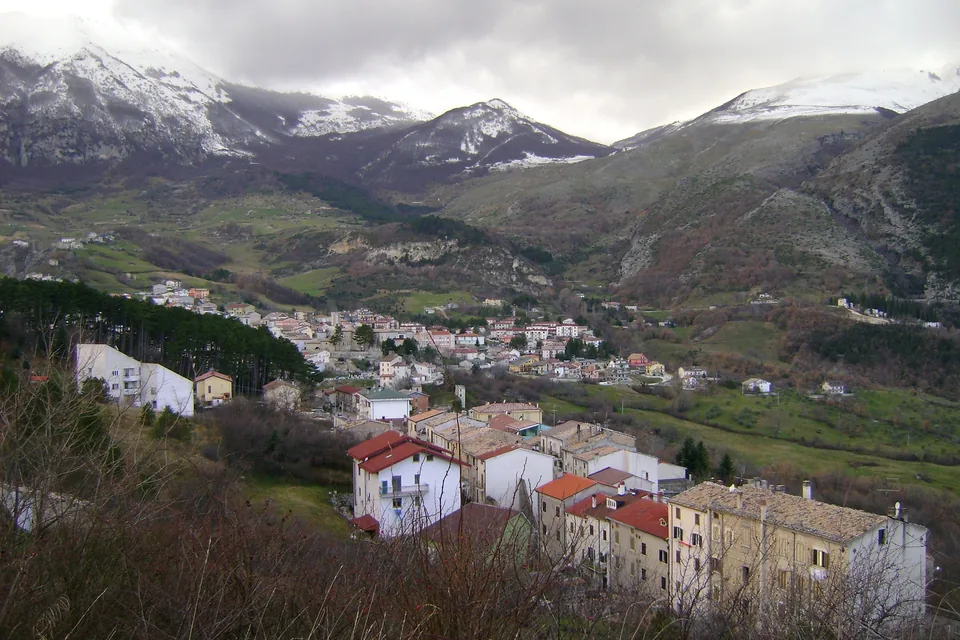
People come to Pescocostanzo for the village itself. After the earthquake of 1456, the town council explains, it grew beyond the walls of the “Peschio”, and over the following centuries it was rebuilt and enriched by the work of master builders from Lombardy; the Maiella National Park lists it among the most beautiful villages in Italy. At its heart are the basilica of Santa Maria del Colle, the town hall square and the seventeenth-century Palazzo Fanzago.
Then there are the crafts. The council lists gold filigree, stone, wrought iron and bobbin lace; according to the Park, bobbin lace is today found almost only in Pescocostanzo, where it was revived by the lace school, and the typical filigree earrings are still made to old designs.
And there is the Sant’Antonio wood, which the Park calls one of the finest beech woods in Italy: centuries-old beeches, trees pollarded into candelabra shapes and, inside it, the hermitage of Sant’Antonio di Padova.
Sources: Comune di Pescocostanzo — Municipio: la storia del paese (pagina aggiornata il 4 giugno 2025) · Ente Parco Nazionale della Maiella — I comuni nel Parco: Pescocostanzo · Comune di Pescocostanzo — Museo del merletto a tombolo (pagina aggiornata il 27 giugno 2025) · Ente Parco Nazionale della Maiella — L’artigianato nel Parco
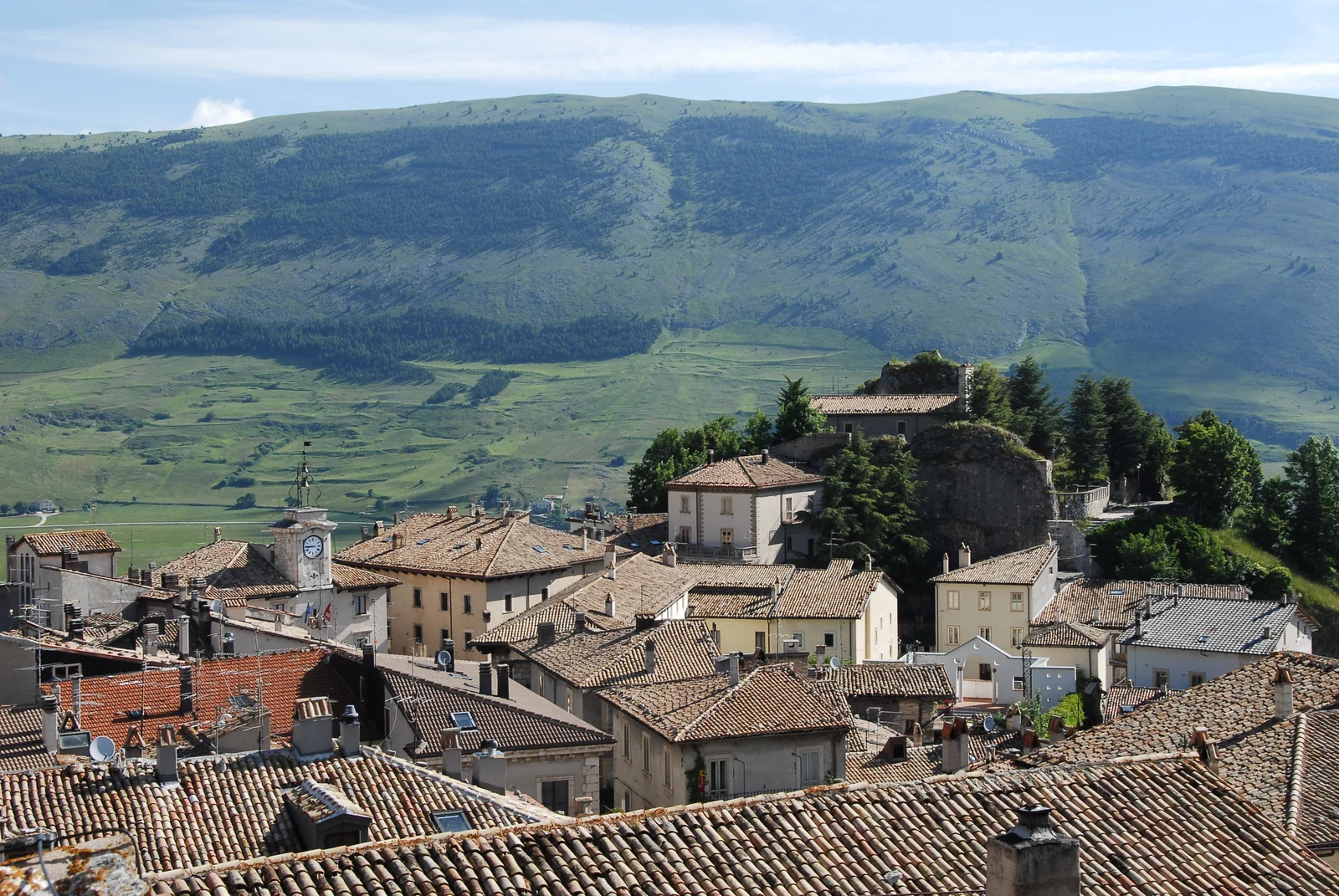
Photo: Pattiolivieri / Wikimedia Commons — CC BY-SA 4.0 · Resized and converted to WebP.
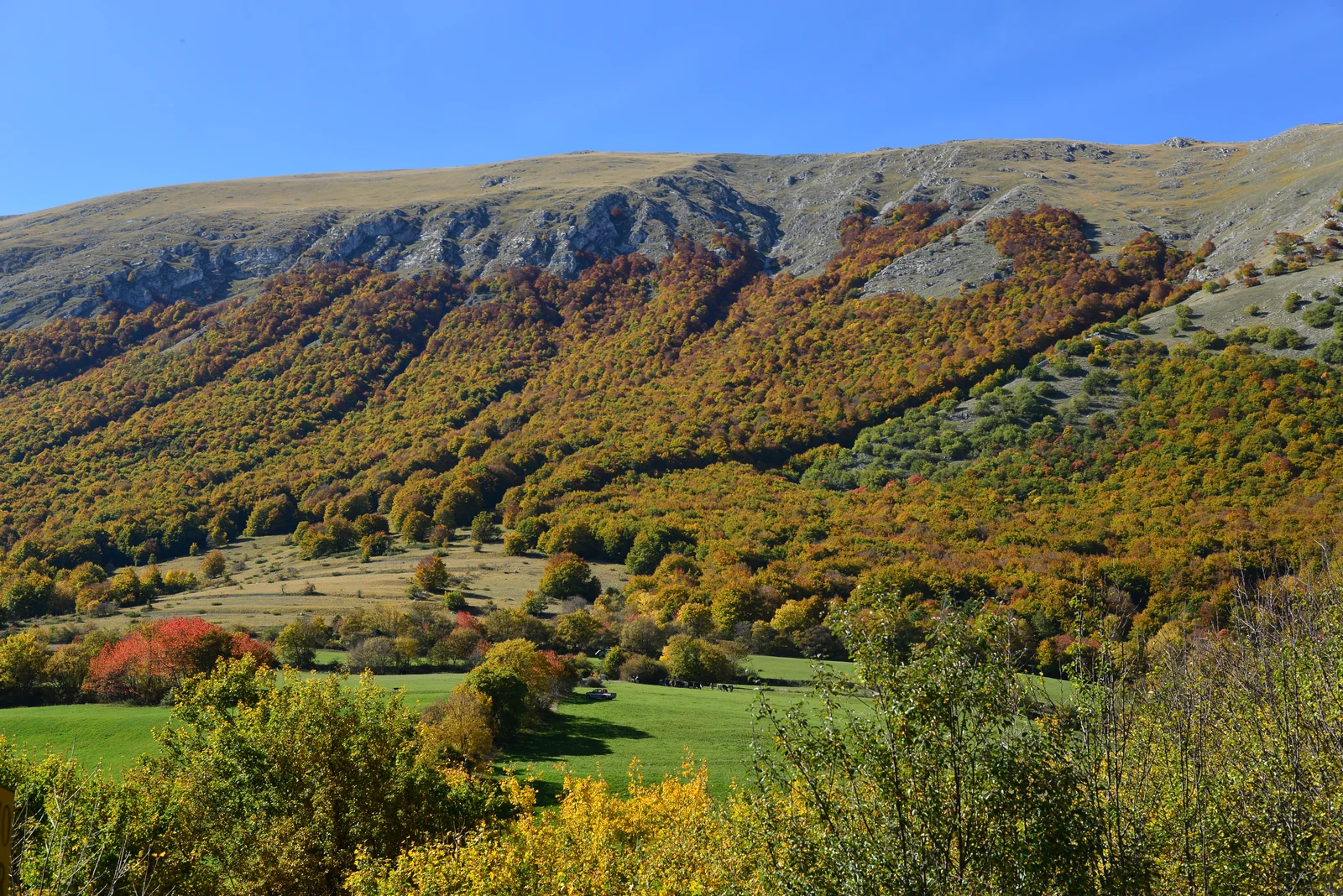
Photo: Pattiolivieri / Wikimedia Commons — CC BY-SA 4.0 · Resized and converted to WebP.
The municipality at a glance
Pescocostanzo is a municipality in the province of L'Aquila, in Abruzzo. Its ISTAT code is 066070. On 1 January 2025 it had 1,085 residents. The municipal territory covers 55.06 km² and ranges from 1,194 to 2,117 metres above sea level; the town hall stands at about 1,372 metres.
Pescocostanzo is one of the municipalities of the Maiella National Park; its people are called Pescolani.
Sources: ISTAT, Codici statistici delle unità amministrative territoriali: elenco dei comuni al 21 febbraio 2026 · ISTAT, Popolazione residente per età, sesso e stato civile al 1° gennaio 2025 (POSAS) · ISTAT, Principali statistiche geografiche sui comuni: superficie e altimetria al 31 dicembre 2021 · Ente Parco Nazionale della Maiella — I comuni nel Parco: Pescocostanzo
History
The name, according to the Park, comes from “Pescus Constantii”, first recorded in the second half of the eleventh century: “pesco”, later “peschio”, is the base of rock on which the village took shape. According to the town council, there was no permanent settlement here in Italic and Roman times, but the hermit churches of Sant’Antonio and San Michele, once pagan places of worship, would point to shepherds passing through with their flocks. In the early Middle Ages the Benedictine monks of San Vincenzo al Volturno and Montecassino brought these lands under cultivation and settled them.
The first record of the village is a document of 1108: the monastery of San Pietro Avellana, a dependency of Montecassino, ceded Pescocostanzo to Oddone, of the counts of Valva, who lived in Pettorano, but left the monks the church of Santa Maria del Colle. From 1325 to 1464 the lords of the village were the Cantelmo family. Under the Angevins the area grew along the “via degli Abruzzi”, the trade route across the Apennines that crossed the Cinquemiglia plateau.
The earthquake of 1456 drove people from the less accessible places into the larger towns, such as Pescocostanzo, Rivisondoli and Roccaraso, and the village spread beyond the walls of the Peschio. A group of Lombard craftsmen, master builders, arrived at that time: according to the council, traces of them survive in the builders’ jargon, in family names, in baptism by immersion of the Ambrosian rite, in the second patron saint, San Felice, and, through Lombard women, in bobbin lace.
In 1464 Ferrante of Aragon recognised Pescocostanzo as royal demesne, but in 1467 he granted it as a fief to Alfonso d’Avalos; after another period as demesne, between 1472 and 1507 Ferdinand of Spain enfeoffed it to Fabrizio Colonna. The Università, the commune of the time, shared in civil and criminal justice and provided schooling and relief. In 1774, by an act of redemption, the feudal lord gave up all his rights: for the Park, the village then became “Universitas sui domina”, a community that was its own master.
In the nineteenth century the decline of sheep farming, due in part to the laws abolishing feudalism in the Kingdom of Naples, brought down the crafts too: many well-off families moved to San Severo or Naples, and ordinary people took the road of emigration.
Sources: Ente Parco Nazionale della Maiella — I comuni nel Parco: Pescocostanzo · Comune di Pescocostanzo — Municipio: la storia del paese (pagina aggiornata il 4 giugno 2025)
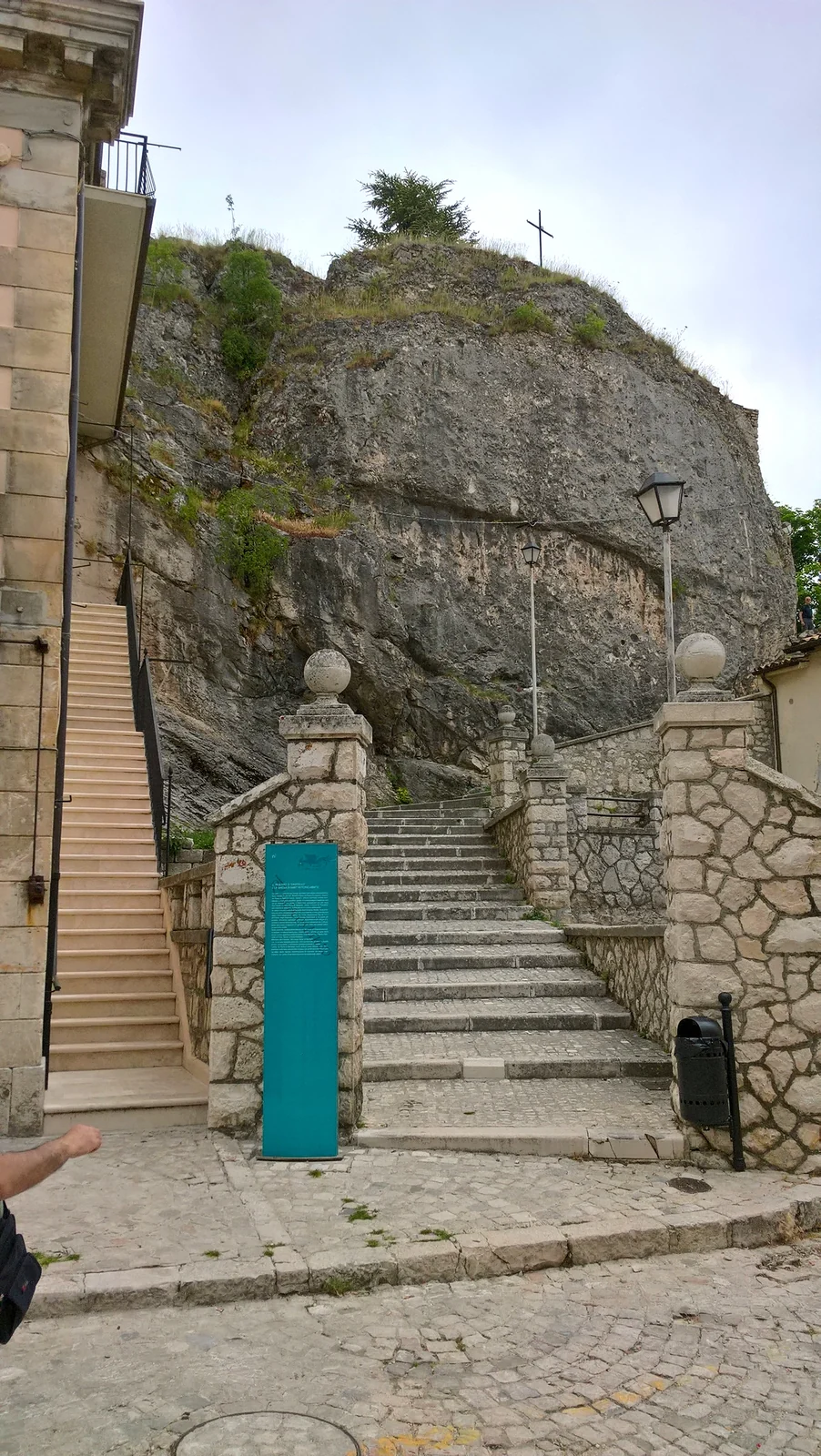
Photo: Asia / Wikimedia Commons — CC BY-SA 4.0 · Resized and converted to WebP.
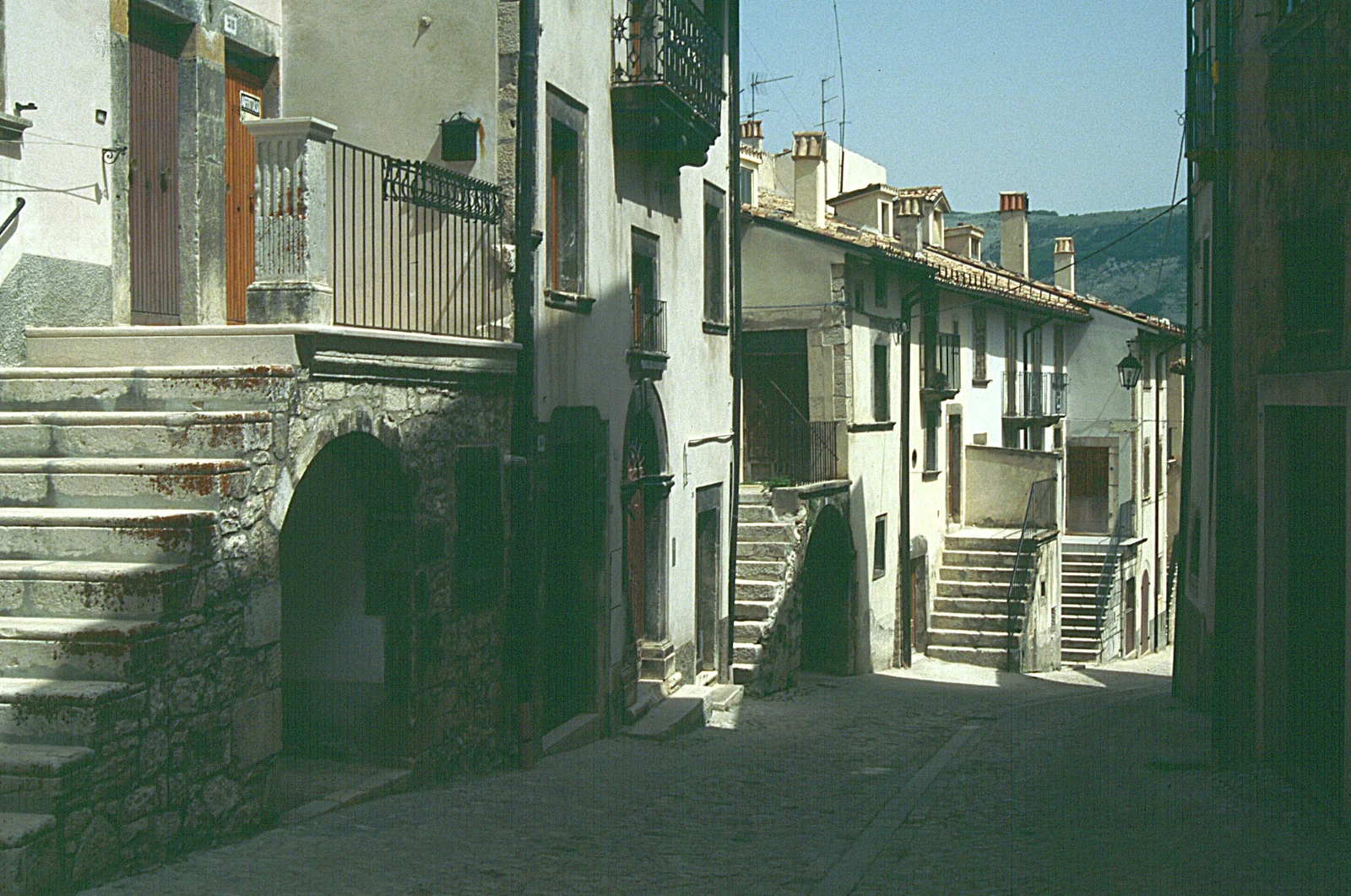
Photo: Ziegler175 / Wikimedia Commons — CC BY-SA 4.0 · Resized and converted to WebP.
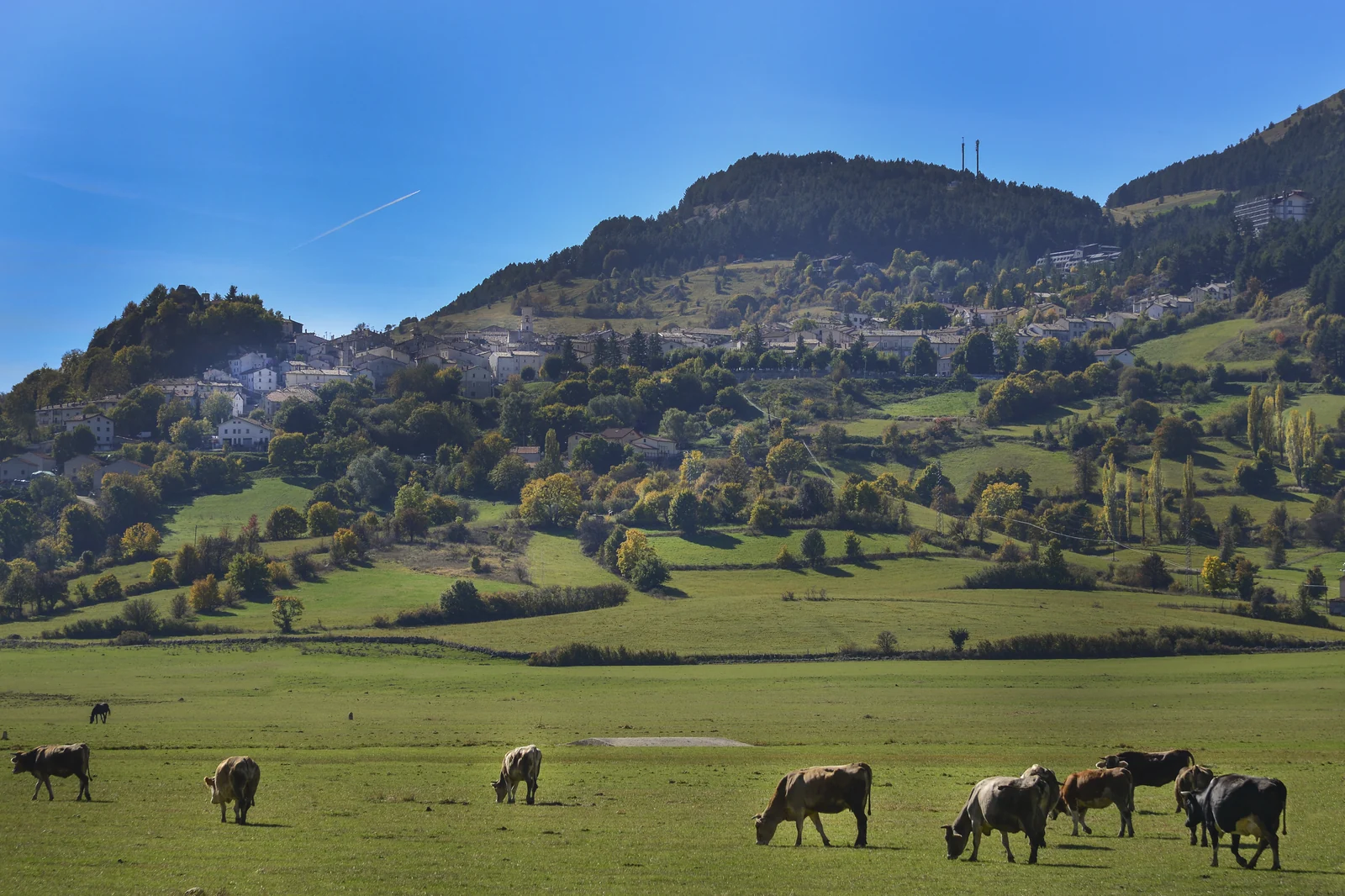
Photo: Pattiolivieri / Wikimedia Commons — CC BY-SA 4.0 · Resized and converted to WebP.
What to see
The basilica of Santa Maria del Colle is the church the monks kept for themselves in 1108; according to the town council, its rebuilding after the earthquake of 1456 bears witness to the village’s growth. On 8 August it receives the statue of the patron saint, San Felice martyr. The Ministry of Culture’s record describes the wooden statue of the Madonna del Colle: a Madonna and Child from an Abruzzo workshop, carved and painted in the early thirteenth century, 125 centimetres tall and hollow; a Latin inscription on a small door at the back records her restoration, celebrated on 30 November 1800. According to the Park, the Baroque railing of the Chapel of the Sacrament is among the finest wrought-iron work in the area.
In the church of the Suffragio, the Ministry says, there are two polychrome marble altars, dedicated to the Immaculate Conception and the Nativity, which master Donato Zappa of Pescocostanzo undertook to make by a notarial deed of 29 May 1749, in the same Baroque style as the altars of Santa Maria del Colle; a canvas of the Immaculate Virgin is already listed in an inventory of 1706. The Park also points to the churches of the Madonna delle Grazie and of Gesù e Maria, the Museum of Origins, the Basilica Museum and the historic palaces.
On the town hall square, in the seventeenth-century Palazzo Fanzago, the council set up the Crafts Exhibition, Museum and Market in the 1990s, next to the Bobbin Lace School. The museum shows the stages of the work and the tools, old lace from private collections and church linen, some of it eighteenth-century, and the “Prince’s Breakfast”, a table laid with a Pescocostanzo bobbin-lace cloth, Castelli ceramic cups and silver filigree holders. The palace has a lift; a full ticket costs 2 euros.
Sources: Comune di Pescocostanzo — Municipio: la storia del paese (pagina aggiornata il 4 giugno 2025) · Ente Parco Nazionale della Maiella — I comuni nel Parco: Pescocostanzo · Ministero della cultura, ICCD — Scheda della statua lignea «Madonna del Colle», Pescocostanzo · Ente Parco Nazionale della Maiella — L’artigianato nel Parco · Ministero della cultura, ICCD — Scheda dell’altare dell’Immacolata, chiesa del Suffragio, Pescocostanzo · Ministero della cultura, ICCD — Scheda del dipinto «Madonna Immacolata», chiesa del Suffragio, Pescocostanzo · Comune di Pescocostanzo — Museo del merletto a tombolo (pagina aggiornata il 27 giugno 2025)
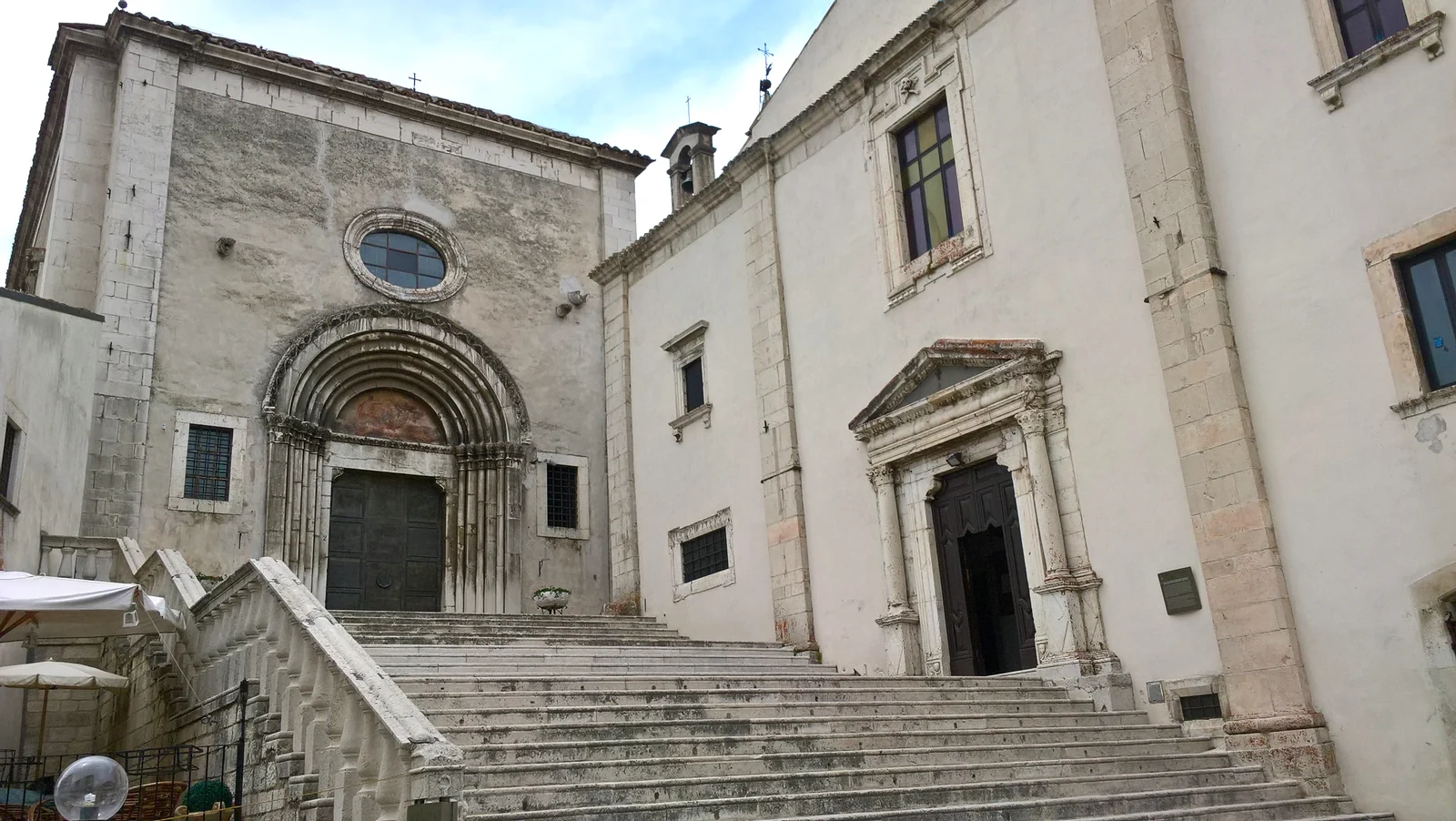
Photo: Asia / Wikimedia Commons — CC BY-SA 4.0 · Resized and converted to WebP.
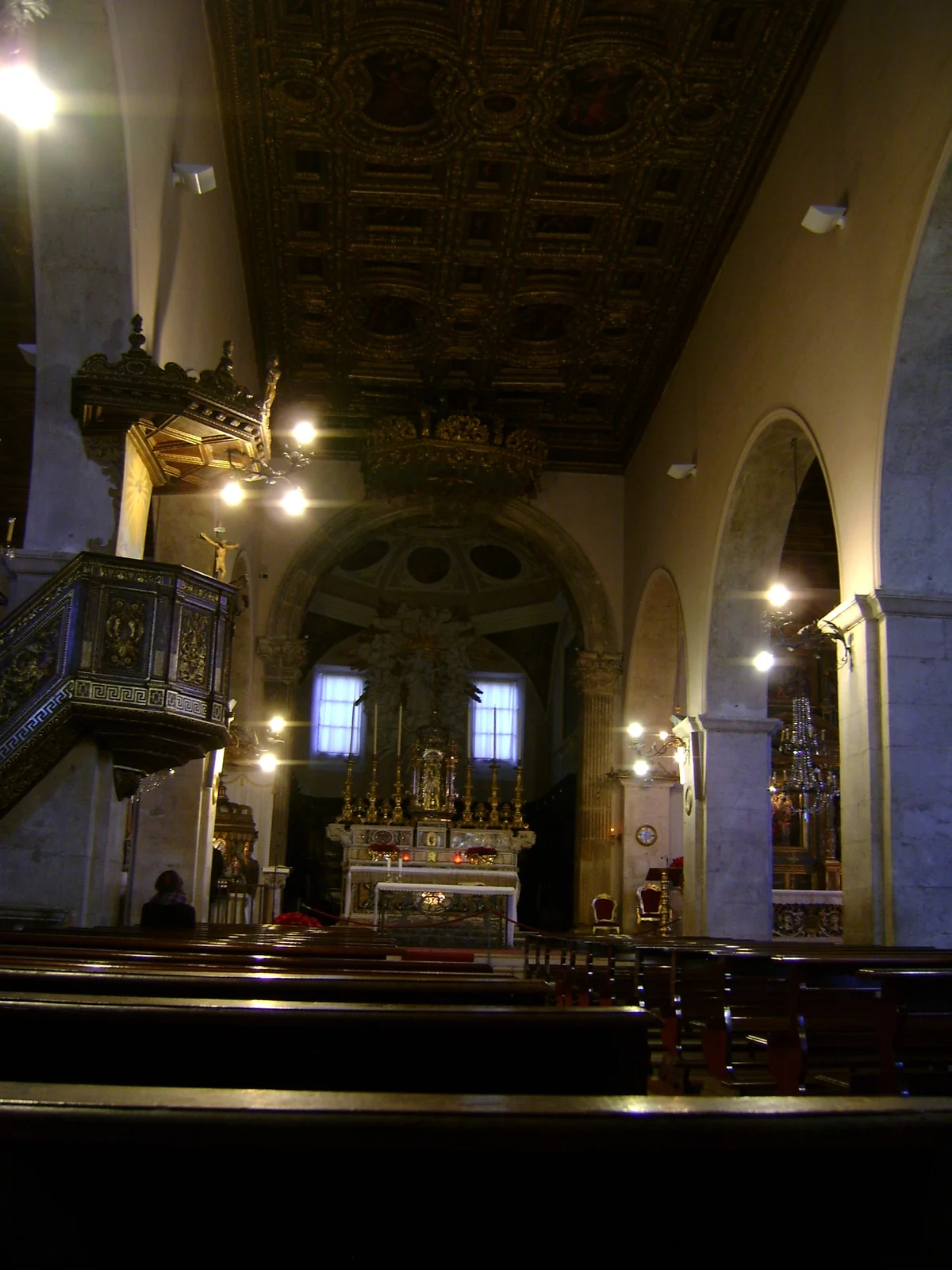
Photo: Zitumassin / Wikimedia Commons — Public domain · Resized and converted to WebP.
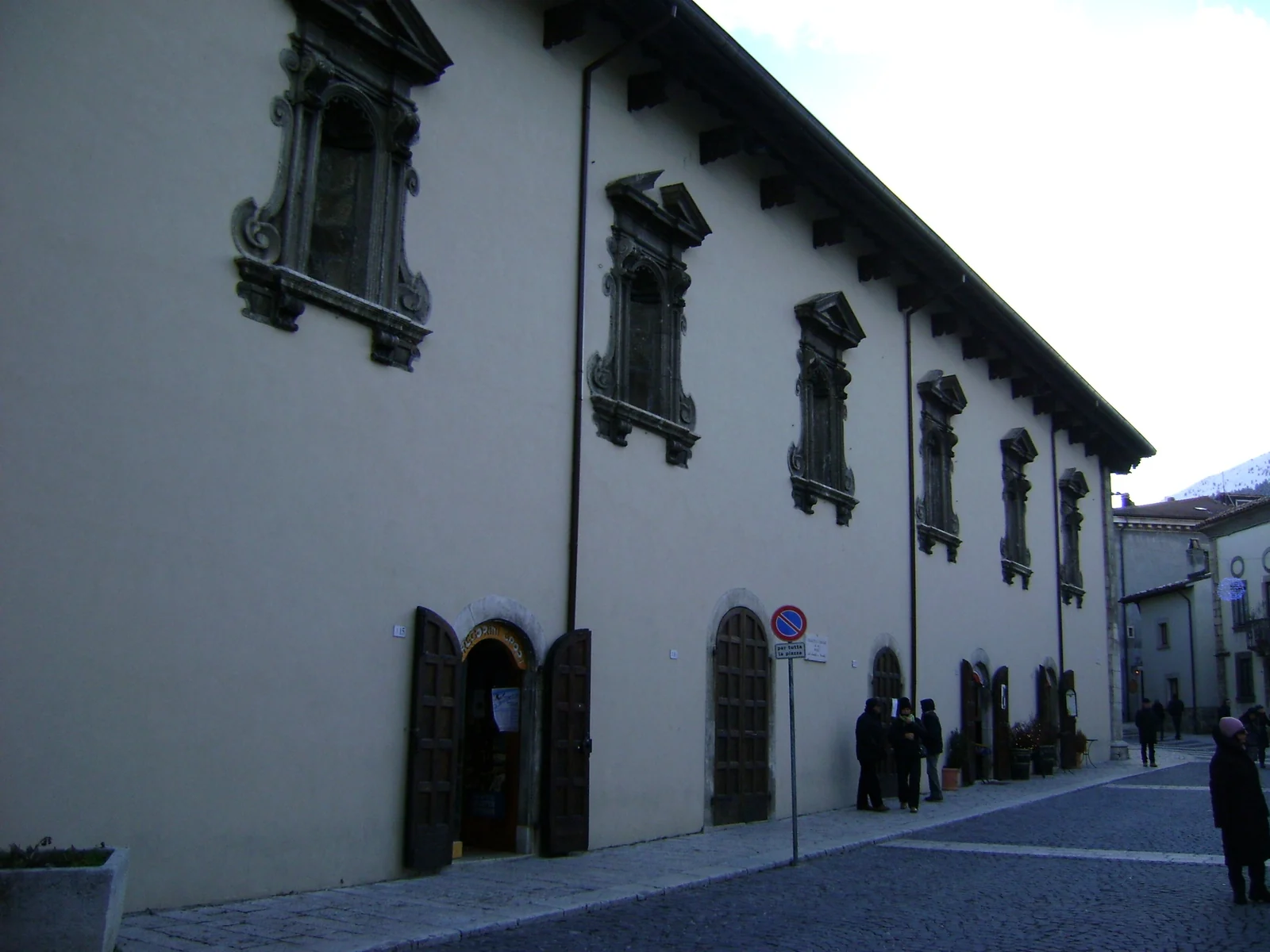
Photo: Zitumassin / Wikimedia Commons — Public domain · Resized and converted to WebP.
Flavours
The dish the Maiella National Park names for Pescocostanzo’s tradition is tacconi with orapi: pasta cut into irregular pieces and dressed with wild spinach. According to the town council, the village’s wealth in the fifteenth and sixteenth centuries also came from sheep farming, protected by the Aragonese.
Sources: Ente Parco Nazionale della Maiella — I comuni nel Parco: Pescocostanzo · Comune di Pescocostanzo — Municipio: la storia del paese (pagina aggiornata il 4 giugno 2025)
Things to do
The Sant’Antonio wood is explored on foot. The Park describes it as an ancient “locus”, a forest sacred to Jupiter: wild pear, maple, oak, yew, beech, holly and Turkey oak grow there, with candelabra-shaped trees produced by pollarding, and it is home to the white-backed woodpecker, the wolf, the bear and the wildcat. Its most famous beech, the “Grande Faggio”, measured over 5.70 metres round and fell on the night of 27 December 1999 in a storm of wind and snow. In the wood is the hermitage of Sant’Antonio di Padova; not far from the village is the hermitage of San Michele, used as a washing place and later as a shelter and military base in the Second World War.
Between October and November 2026 the Park offered guided family walks among the wood’s monumental beeches, about three hours long with 80 metres of climb, suitable from the age of five.
In the village the crafts are on show: the bobbin-lace museum in Palazzo Fanzago, the Bobbin Lace School, which teaches design, printing, the choice of thread and the work itself, and the workshops that, according to the Park, keep up filigree, wrought iron and Maiella stone.
Sources: Ente Parco Nazionale della Maiella — I comuni nel Parco: Pescocostanzo · Ente Parco Nazionale della Maiella — Foliage per famiglie tra i giganti del bosco di Sant’Antonio (proposta di visita, ottobre-novembre 2026) · Comune di Pescocostanzo — Museo del merletto a tombolo (pagina aggiornata il 27 giugno 2025) · Ente Parco Nazionale della Maiella — L’artigianato nel Parco
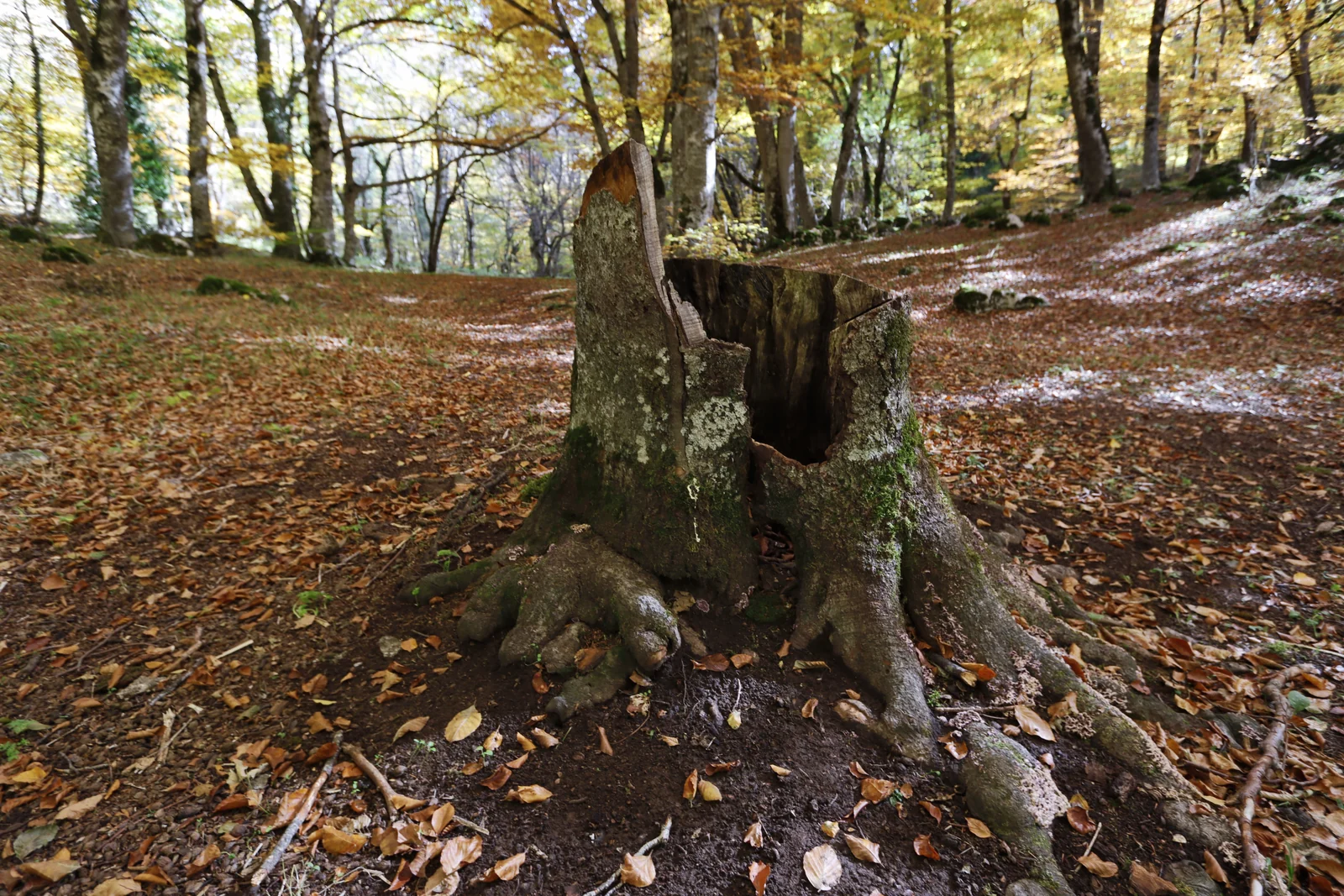
Photo: Laura Bertonazzi 12 / Wikimedia Commons — CC BY-SA 4.0 · Resized and converted to WebP.
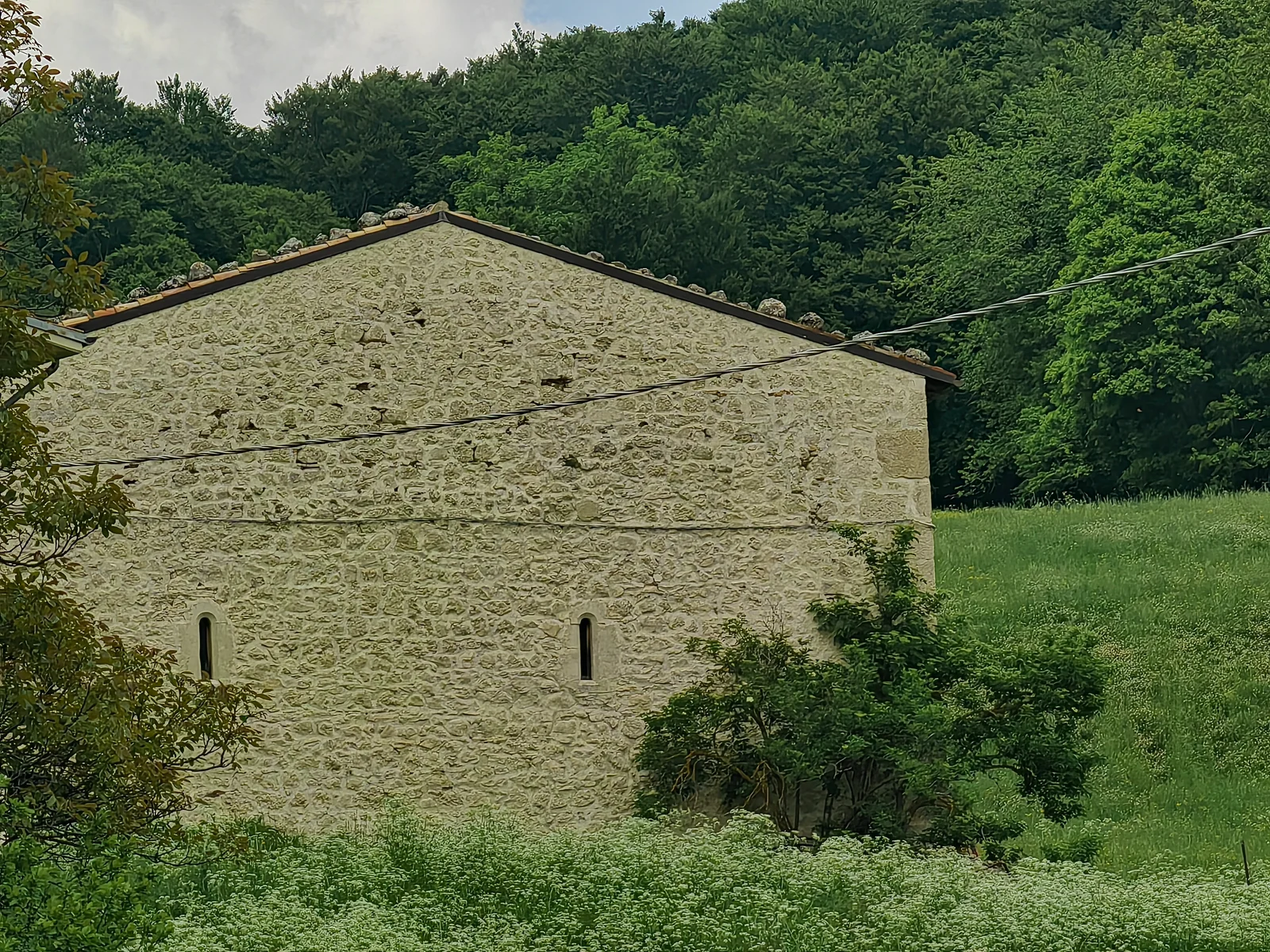
Photo: Kewerner / Wikimedia Commons — CC BY-SA 4.0 · Resized and converted to WebP.
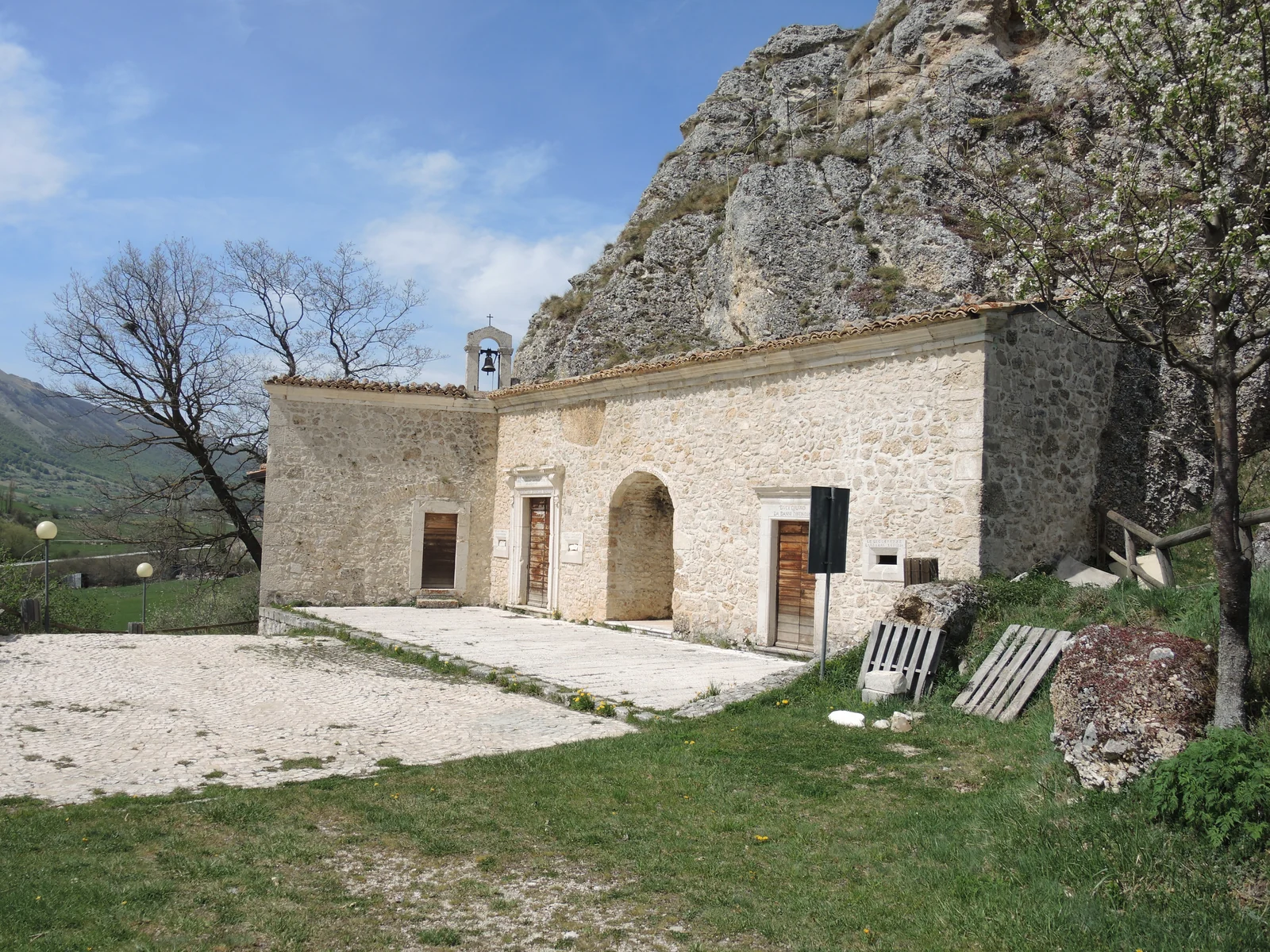
Photo: Pietro / Wikimedia Commons — CC BY-SA 4.0 · Resized and converted to WebP.
When to go
8 August is the feast of the patron saint, San Felice martyr, with a procession through the streets of the village: the town council notes that the cult arose after the plague of 1656 and that in 1667 the community obtained his relics from Rome. The lace museum opens on Saturdays, Sundays and holidays from 30 July to 7 September, from 24 December to 6 January and over Easter; on other days on request.
In autumn the Sant’Antonio wood changes colour: in 2026 the Park’s walks among the beeches ran from 24 October to 15 November.
Sources: Comune di Pescocostanzo — San Felice, festa patronale (pagina aggiornata l’11 febbraio 2026) · Comune di Pescocostanzo — Museo del merletto a tombolo (pagina aggiornata il 27 giugno 2025) · Ente Parco Nazionale della Maiella — Foliage per famiglie tra i giganti del bosco di Sant’Antonio (proposta di visita, ottobre-novembre 2026)
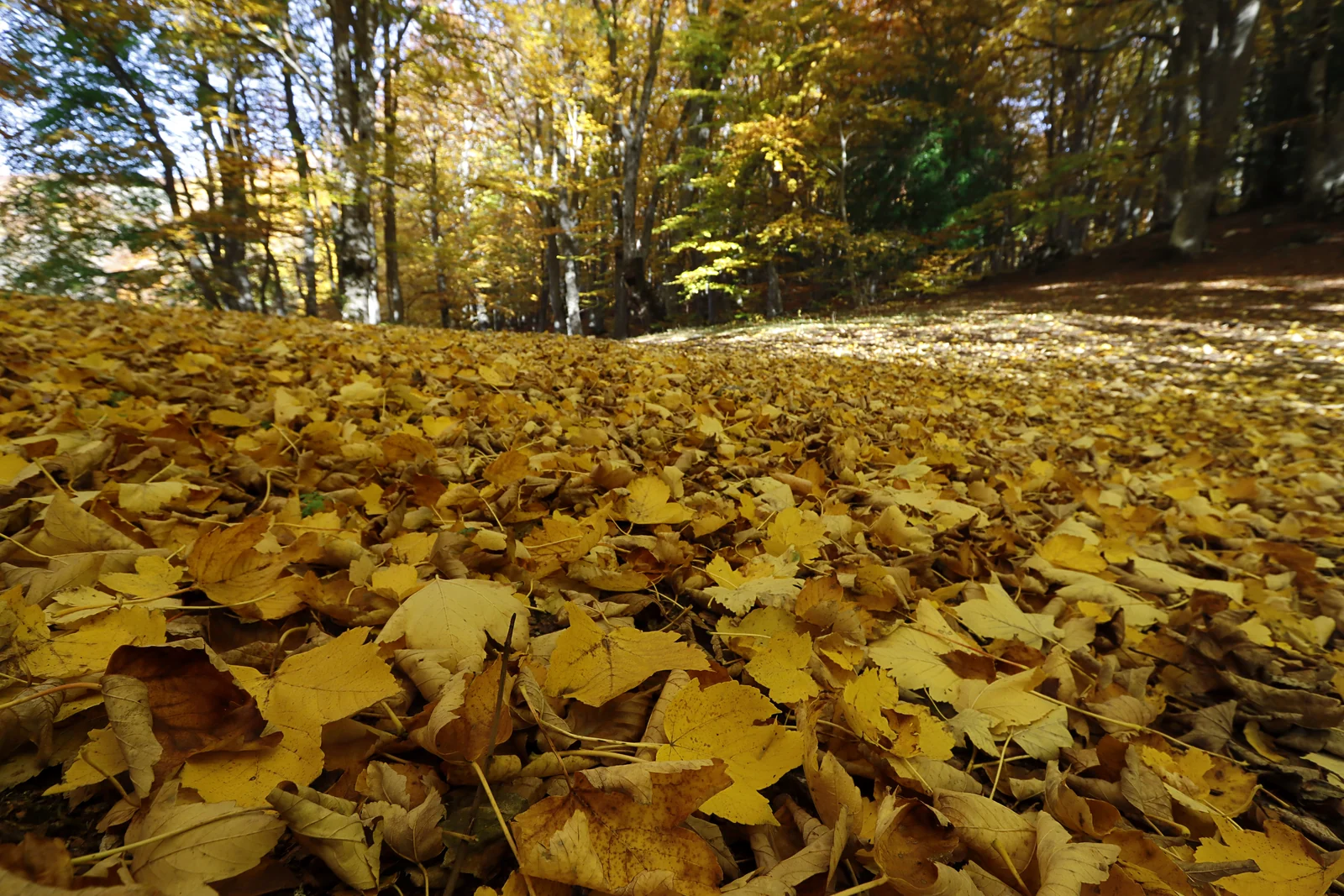
Photo: Laura Bertonazzi 12 / Wikimedia Commons — CC BY-SA 4.0 · Resized and converted to WebP.
Getting there and around
Rivisondoli-Pescocostanzo station, on the Sulmona-Carpinone-Isernia railway, stands at 1,268.82 metres above sea level. The line is used by Fondazione FS heritage trains, with carriages from the 1930s and 1950s, on set dates: on 7 September 2025, for example, the train that left Sulmona at 8.45 stopped at Rivisondoli-Pescocostanzo at 12.13 for passengers going on to the village by guided bus tour. Check dates and times on the Fondazione FS website.
In the village the town hall and the lace museum are on Piazza Umberto I; the town hall, the council says, has no architectural barriers.
Sources: Fondazione FS Italiane — Treni storici sulla Transiberiana d’Italia, ferrovia Sulmona-Carpinone-Isernia, 2 e 3 novembre 2019 · Fondazione FS Italiane — Estate sulla Ferrovia dei Parchi, treno storico da Sulmona a Roccaraso, 7 settembre 2025 · Fondazione FS Italiane — La Ferrovia dei Parchi: l’Alto Sangro, treno storico da Sulmona a Castel di Sangro, 15 settembre 2023 · Comune di Pescocostanzo — Museo del merletto a tombolo (pagina aggiornata il 27 giugno 2025) · Comune di Pescocostanzo — Municipio: la storia del paese (pagina aggiornata il 4 giugno 2025)
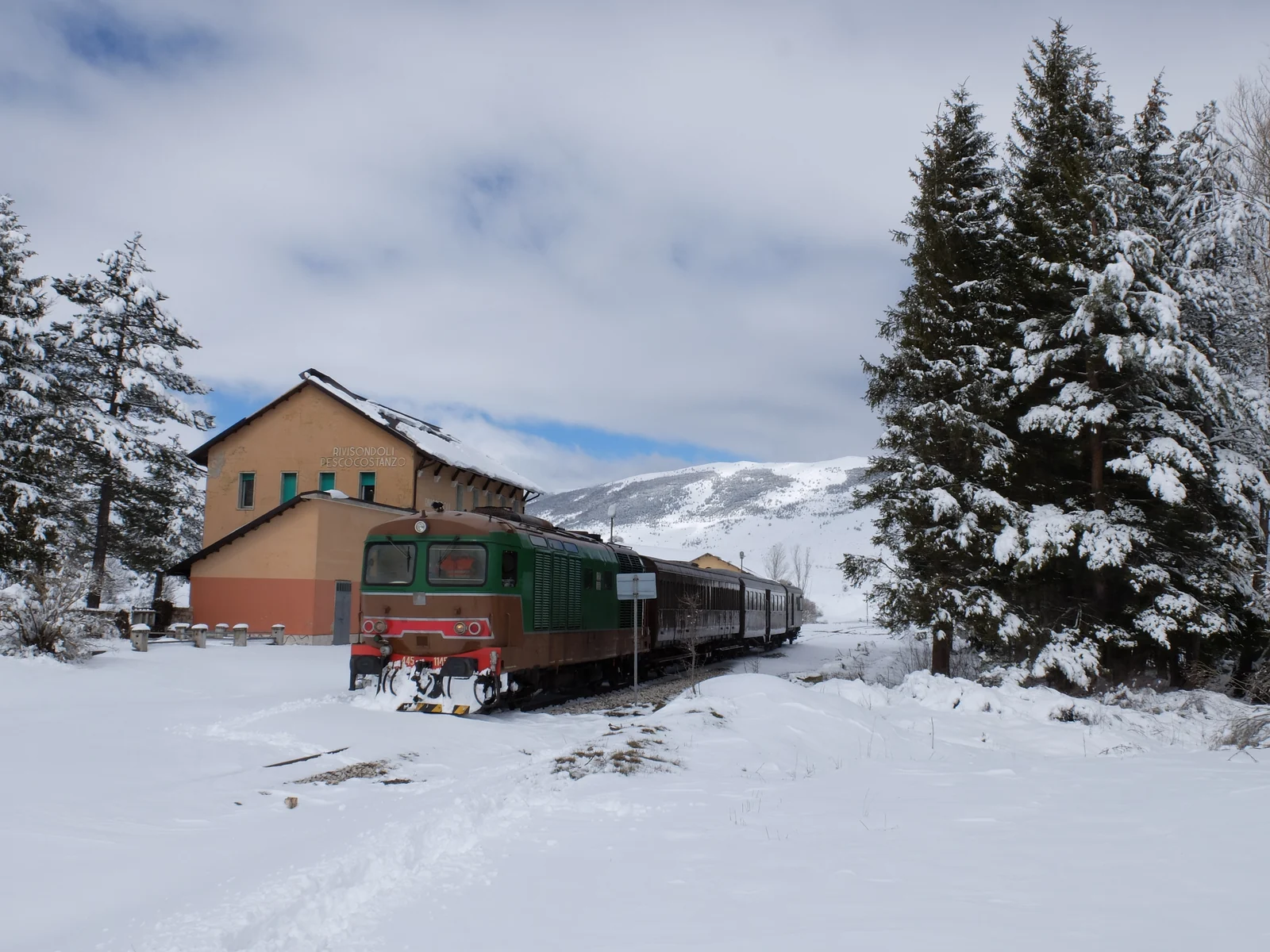
Photo: Manfred Kopka / Wikimedia Commons — CC BY-SA 4.0 · Resized and converted to WebP.
Tourism
Pescocostanzo lies within the Majella National Park, and those walking its paths follow some Park rules. Tents may be pitched only in equipped areas: camping and tent bivouacs are forbidden everywhere else in the Park, and only one-night emergency bivouacs are allowed, where there are no mountain huts or when the huts are full; organised groups can ask the Park management for authorisation for temporary camping in equipped areas in the valleys or near the villages. Dogs may not enter zone A of the Park, the strict nature reserve, where all domestic animals are forbidden, to protect wild animals, also from disease; the rest of the path network is open to walkers with dogs, and the Park publishes a list of suitable routes.
Sources: Ente Parco nazionale della Majella — È possibile bivaccare nel parco? (domande frequenti) · Ente Parco nazionale della Majella — È possibile andare in escursione con il cane? (domande frequenti)
“Come to Pescocostanzo as a guest, not as a tourist: that is how these places truly let you know them.”
Accommodation in figures
In the Ministry of Tourism’s national database of accommodation (BDSR), on 12 October 2026, Pescocostanzo had 106 establishments with a verified national identification code (CIN): 5 hotel-type establishments, 18 non-hotel establishments and 83 other establishments.
Sources: Ministero del Turismo – Banca Dati Strutture Ricettive (dashboard pubblica)
Nearby
Among the places Apulica already covers, the nearest are Scanno (about 14 km), Sulmona (about 19 km) and Agnone (about 28 km): straight-line distances between the centres of the municipal territories.
Sulmona, Campo di Giove, Palena, Roccaraso and Castel di Sangro are on the same heritage railway that stops at Rivisondoli-Pescocostanzo.
Sources: ISTAT/Openpolis, confini comunali della regione Abruzzo (CC BY 4.0, ISTAT/Openpolis) · Fondazione FS Italiane — La Ferrovia dei Parchi: l’Alto Sangro, treno storico da Sulmona a Castel di Sangro, 15 settembre 2023
The town council
The official website of the Comune di Pescocostanzo, registered in IndicePA, the index of the digital addresses of Italy’s public administrations, is the reference for the town council’s offices, opening hours and news. Its address is listed among the sources of this section.
The town hall is at Piazza Umberto I, 1. According to the Maiella National Park’s page, the switchboard answers on 0864 640003 and the certified email address is [email protected].
Sources: Comune di Pescocostanzo, sito istituzionale · IndicePA (AgID), Indice dei domicili digitali delle pubbliche amministrazioni: dataset Enti · Comune di Pescocostanzo — Municipio: la storia del paese (pagina aggiornata il 4 giugno 2025) · Ente Parco Nazionale della Maiella — I comuni nel Parco: Pescocostanzo
Where to stay
In the municipality of Pescocostanzo the national database of the Ministry of Tourism lists 106 accommodation businesses with a verified CIN code: 5 hotels, 18 other licensed accommodation and 83 other types such as B&Bs and private rentals.
Ask Apulica for a stay in Pescocostanzo We reply shortly, within a few hours at most, with a proposal for you to consider.
Sources: Ministero del Turismo – Banca Dati Strutture Ricettive (dashboard pubblica), 2026-10-12
YOUR JOURNEY
How to shape a journey here
To include Pescocostanzo in a trip, or to ask for a guide or a transfer, you can write to Apulica with the button below.
Plan your tripKeep exploring
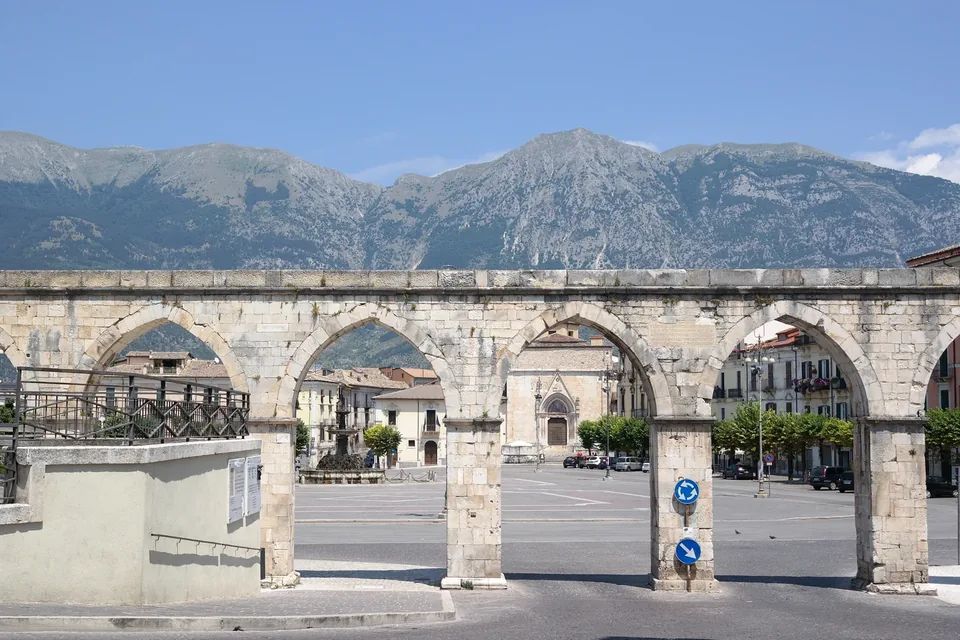
Sulmona and the Majella
A historic centre in the Peligna basin, surrounded by the Majella park and the starting point of the Way of Celestine.
Read the guide →Photo: Luca Aless / Wikimedia Commons — CC BY-SA 4.0 · Resized and converted to WebP.

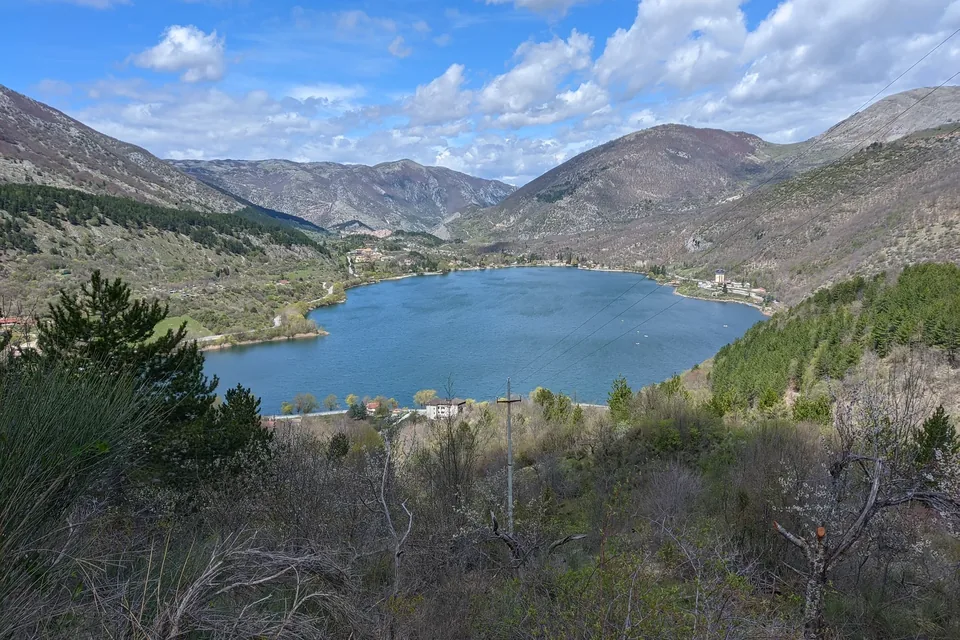
Scanno
A stone village in the Abruzzo National Park, with the region’s largest natural lake and a celebrated women’s costume.
Read the guide →Photo: Evvemoscia / Wikimedia Commons — CC0 · Resized and converted to WebP.

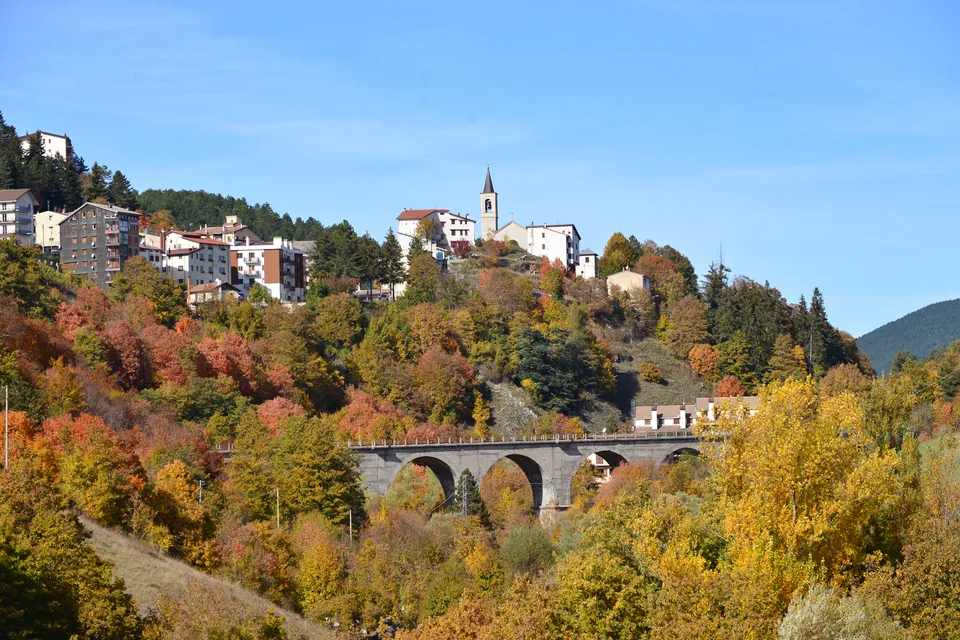
Roccaraso
Roccaraso (AQ), Abruzzo: 1,492 residents, 49.91 km². The official facts of the municipality, its town council website and its registered accommodation.
Read the guide →Photo: Pattiolivieri / Wikimedia Commons — CC BY-SA 4.0 · Resized and converted to WebP.

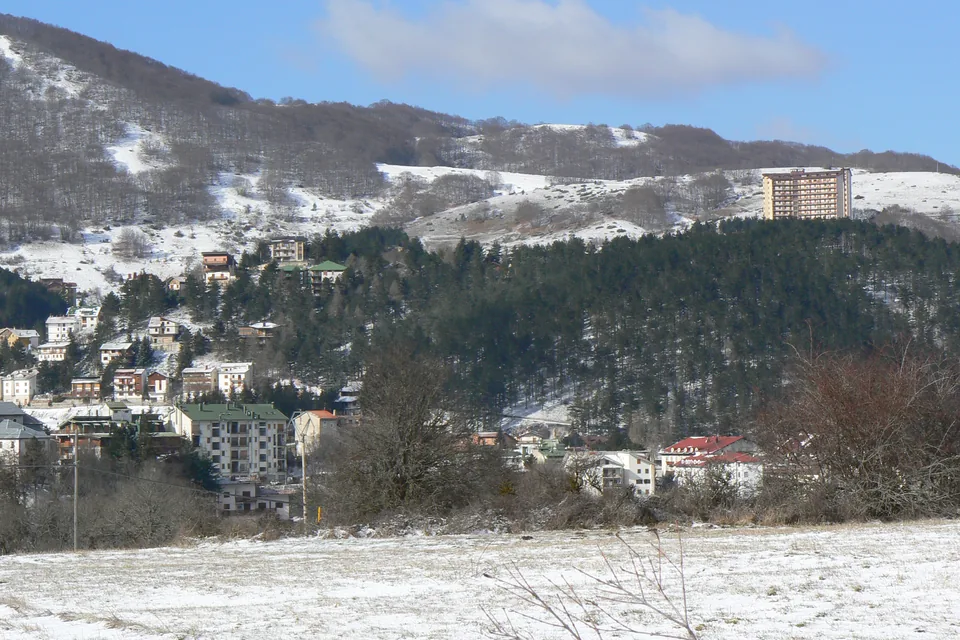
Rivisondoli
Rivisondoli (AQ), Abruzzo: 659 residents, 32.00 km². The official facts of the municipality, its town council website and its registered accommodation.
Read the guide →Photo: Luca Margheriti / Wikimedia Commons — CC BY-SA 3.0 · Resized and converted to WebP.

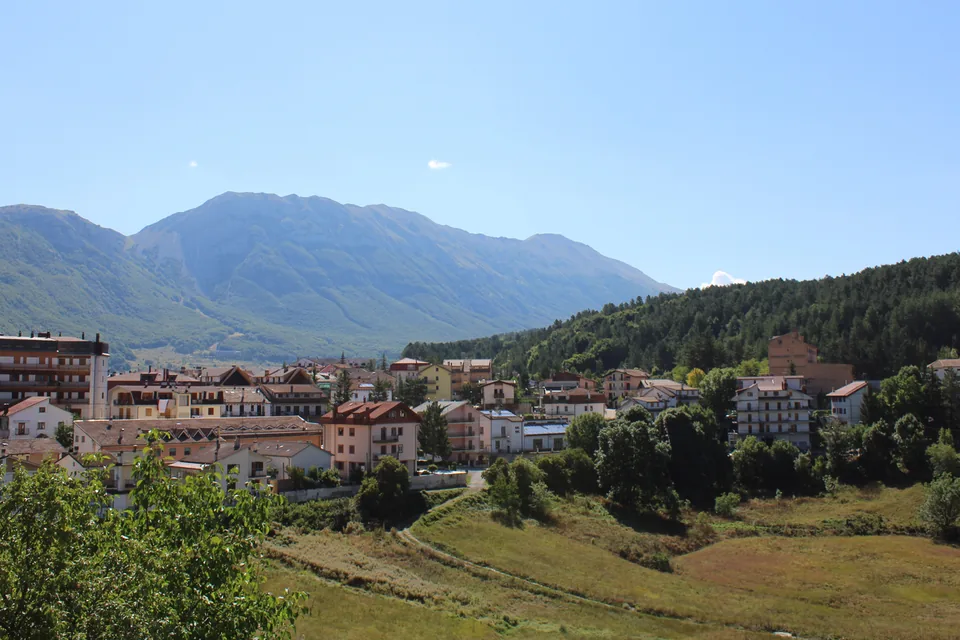
Campo di Giove
Campo di Giove (AQ), Abruzzo: 746 residents, 28.90 km². The official facts of the municipality, its town council website and its registered accommodation.
Read the guide →Photo: Davipar / Wikimedia Commons — Public domain · Resized and converted to WebP.

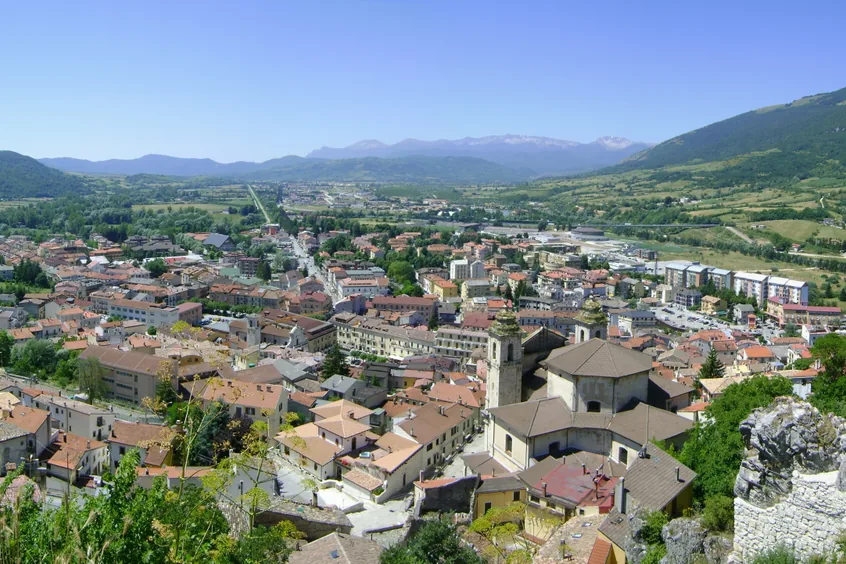
Castel di Sangro
Castel di Sangro (AQ), Abruzzo: 6,629 residents, 84.43 km². The official facts of the municipality, its town council website and its registered accommodation.
Read the guide →Photo: Zitumassin / Wikimedia Commons — CC BY 3.0 · Resized and converted to WebP.

Palena
Palena (CH), Abruzzo: 1,203 residents, 93.63 km². The official facts of the municipality, its town council website and its registered accommodation.
Read the guide →Photo: Zitumassin / Wikimedia Commons — Public domain · Resized and converted to WebP.
