Why go
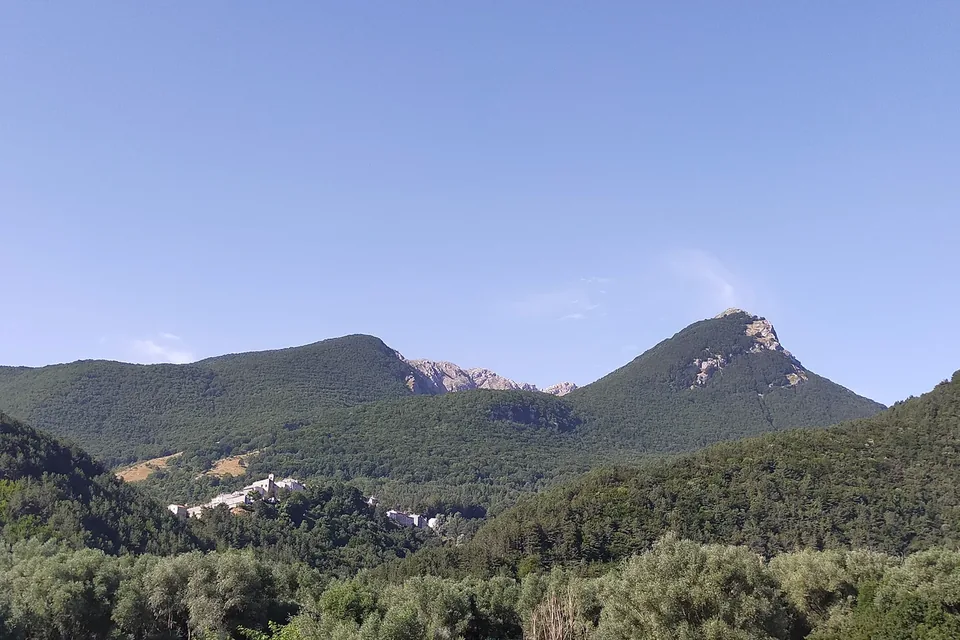
Scanno is one of the best-known villages of the Abruzzo mountains. It lies at about 1,050 metres in the Sagittario valley, among the Marsican Mountains, inside the Abruzzo, Lazio and Molise National Park, and has just under two thousand inhabitants. The old centre is compact and built upwards: terraced houses, stairways, arches, carved doorways and small courtyards, as in the villages of the park’s minor valleys that have kept their medieval layout.
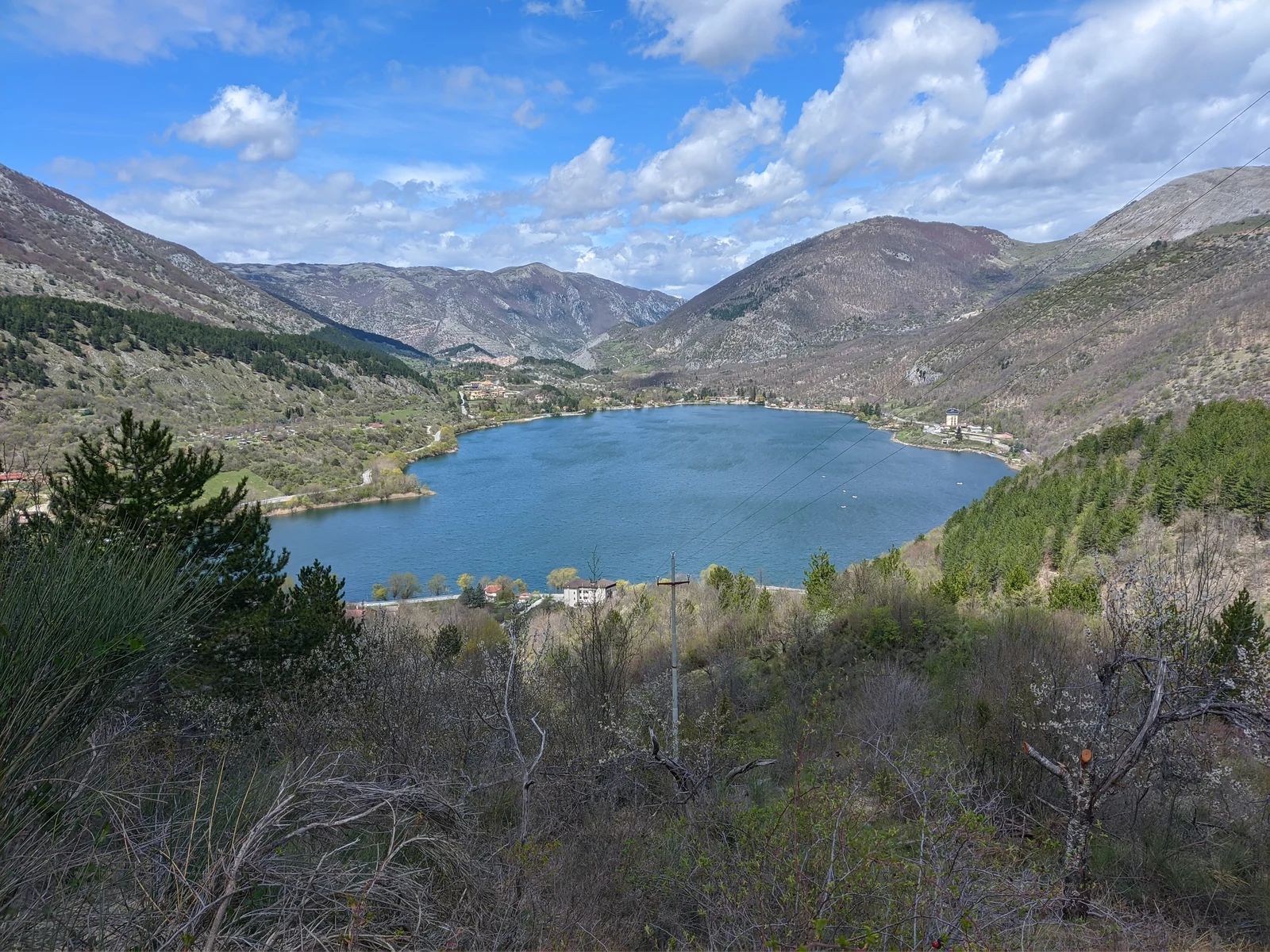
The village owes its image to three things. The first is the lake, the largest natural basin in Abruzzo, with its heart shape. The second is the women’s costume, the most famous in the region, which some local women still wear. The third is the photographs that Henri Cartier-Bresson, Mario Giacomelli and Gianni Berengo Gardin took in its lanes. The centre also holds the Touring Club Italiano’s Orange Flag.
It works in every season: in summer for the trails and the lake, in winter for the snow, and always for the pleasure of walking unhurried among stone, churches and craft workshops.
Sources: Italia.it — Scanno, borgo in Abruzzo · Italia.it — Visita Scanno in automobile · Parco Nazionale d’Abruzzo, Lazio e Molise — Scanno · Parco Nazionale d’Abruzzo, Lazio e Molise — Comuni abruzzesi del Parco
History
Scanno’s name is usually traced to the Latin scamnum, a stool, because the hill on which the old centre stands resembles a bench. The first document mentioning the settlement dates from 1067, but people lived here earlier: a Roman inscription kept in the Wool Museum attests to the Roman period, and the area marked the northern edge of Samnite territory.
Sheltered by the mountains, the village came through the barbarian invasions unharmed; the park notes that Saracen and later Ottoman raids brought eastern influences, still visible in the turban-like headdress and the colourful drapery of the traditional costume. Scanno’s wealth, however, came from wool, an industry already thriving in the fifteenth century, together with dyeing, goldsmithing and tombolo, hand-made bobbin lace.
That prosperity can still be read in the architecture: noble palaces, carved portals, Baroque balconies, Renaissance churches and rose windows. The spread of the women’s costume, today a source of pride, coincides with the golden age of wool.
Sources: Italia.it — Visita Scanno in automobile · Parco Nazionale d’Abruzzo, Lazio e Molise — Agritrek 4. Scanno e Valle del Sagittario
What to see
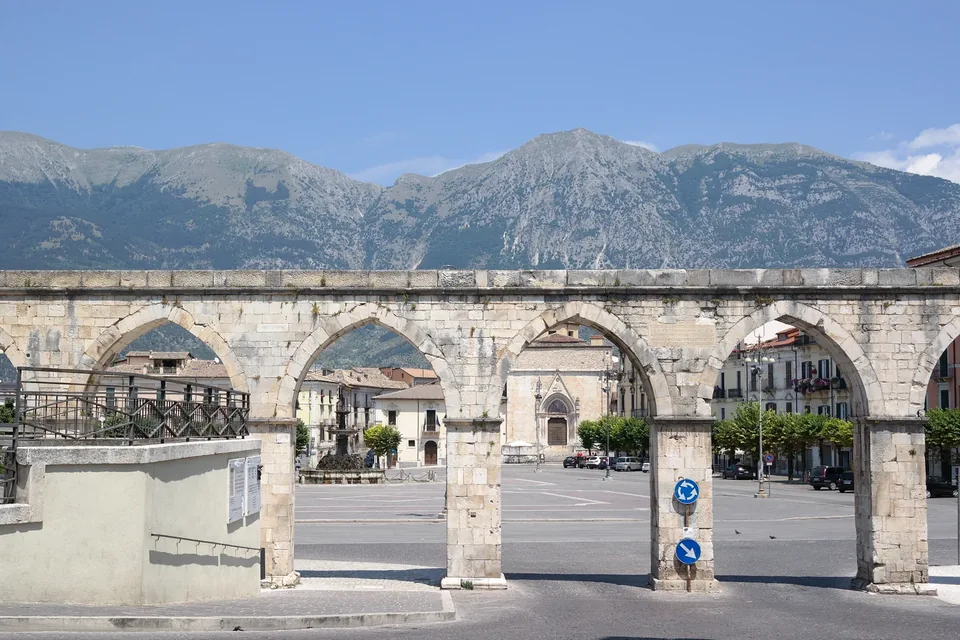
The heart of the village is the church of Santa Maria della Valle, also called the Madonna Assunta, which dominates the main square. Of medieval origin, it has a Romanesque bell tower about 35 metres high with a sixteenth-century spire and a three-aisled interior of white stone picked out in red; together with Sant’Eustachio, dedicated to the patron saint, it is the oldest church in Scanno. Nearby stands the Sarraco fountain, with four stone masks that locals call the King, the Queen, the Friar and the Capuchin.
Also worth seeing are Santa Maria delle Grazie, with stucco decoration by Pietro Piazzoli, Santa Maria di Costantinopoli with its fresco of the enthroned Madonna, and Sant’Antonio Abate with its portal of 1596. The lanes converge on piazza San Rocco, passing palaces such as Palazzo Mosca and Palazzo Tanturri, whose seventeenth-century courtyard is among the most striking.
On the lake shore stands the sanctuary of the Madonna del Lago, dating from 1697. More than any single monument, though, it is the whole view that counts: Scanno is discovered by wandering, looking into the goldsmiths’ workshops and the bobbin lace displayed in the lanes.
Sources: Italia.it — Scanno, borgo in Abruzzo · Italia.it — Visita Scanno in automobile · Parco Nazionale d’Abruzzo, Lazio e Molise — Scanno · Parco Nazionale d’Abruzzo, Lazio e Molise — Agritrek 4. Scanno e Valle del Sagittario · Italia.it — Lago di Scanno, una perla autentica per amatori e sportivi
Food and wine
In Scanno the table follows sheep farming. The specialities are mutton and lamb, pecorino cheeses and cured meats, cooked in the ways of peasant cuisine. The typical first course is chezzelliti e foglie, a simple pasta made with Solina wheat flour and dressed with orapi, wild mountain spinach; Solina wheat of the Abruzzo Apennines is one of the region’s local varieties.
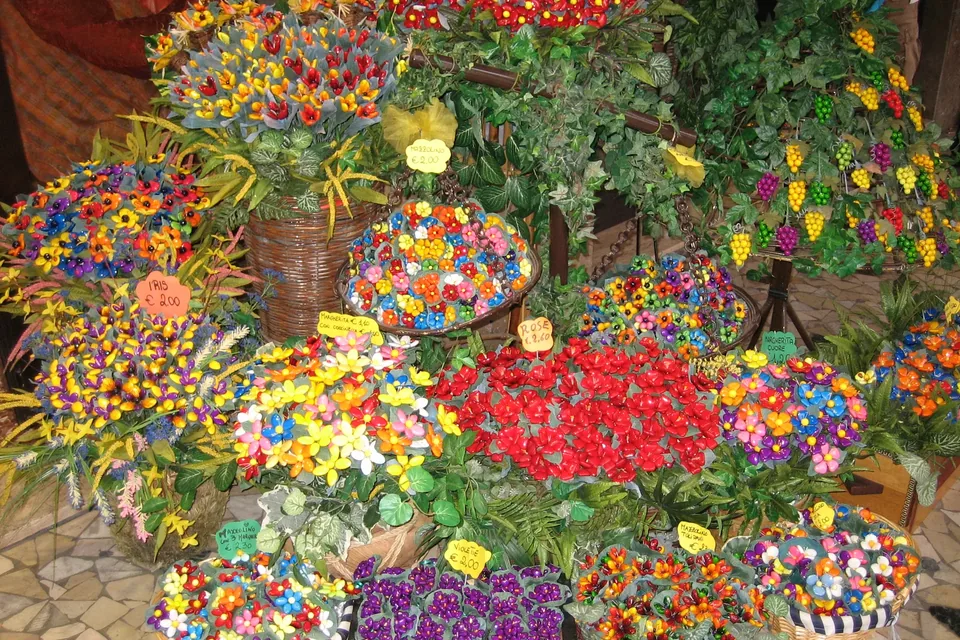
Among the sweets stand out mostaccioli, made with almonds and sponge cake and covered with sugar icing or dark chocolate, and pan dell’orso, made with durum wheat, potato and almond flours, butter, honey, sugar and citrus, and coated in chocolate.
The Sagittario valley is also a land of raw-milk cheeses. Describing the valley’s produce, the park mentions Apennine caciotte, soft pecorini and aged ricotta from free-range, pasture-fed herds: a good reason to look for upland cheeses and the meat of local shepherds, perhaps with wood-fired bread.
Sources: Italia.it — Scanno, borgo in Abruzzo · Italia.it — Visita Scanno in automobile · Parco Nazionale d’Abruzzo, Lazio e Molise — Agritrek 4. Scanno e Valle del Sagittario · Parco Nazionale d’Abruzzo, Lazio e Molise — Scanno
Things to do
The best-known experience is the Path of the Heart, an easy route through woods and viewpoints that climbs to the Heart Observatory, the spot from which the lake clearly takes the shape of a heart. In the park’s official network this stretch is marked Y3 from Scanno and graded as a hiking trail. On the lake, at about 900 metres, pedalos, canoes and bikes can be hired in the warm season and windsurfing is practised; the shores suit quiet walks.
For keener walkers, other park trails start from the village, such as those towards the Terraegna pass, from where you can descend to Pescasseroli, and towards Bocca di Pantano. The park also mentions the climbs into the Carapale valley, partly served by the Collerotondo chairlift, the routes from Passo Godi and the peaks of Montagna Grande above Villalago, among the most demanding hikes in the area.
Among the park’s wildlife areas is the Scanno red deer enclosure, where the animals live in semi-freedom. As everywhere in the park, walk quietly, keep to the trails and do not disturb the animals.
Sources: Italia.it — Lago di Scanno, una perla autentica per amatori e sportivi · Italia.it — Scanno, borgo in Abruzzo · Parco Nazionale d’Abruzzo, Lazio e Molise — Rete sentieristica · Parco Nazionale d’Abruzzo, Lazio e Molise — Agritrek 4. Scanno e Valle del Sagittario · Parco Nazionale d’Abruzzo, Lazio e Molise — Le aree faunistiche · Parco Nazionale d’Abruzzo, Lazio e Molise — Il decalogo del visitatore
When to go
Scanno is a destination for the whole year. In summer the climate stays cool even in the hottest months, the lake comes alive and the park’s trail network is explored on foot, on horseback or by mountain bike. In winter the ski area of Monte Rotondo and Passo Godi draws skiers and snow lovers, and nearby trails can be followed on cross-country skis.
The festival calendar follows tradition. On 14 August Ju Catenacce re-enacts the old Scanno wedding procession: men and women parade in traditional dress and the celebration ends in the square with the quadrille dance and sweets offered to spectators. On 13 June the feast of Saint Anthony includes the traditional procession of the beams, and on the evening of 10 November the Saint Martin bonfires are lit. Among religious rites the park also mentions the Good Friday procession.
Event dates may change from year to year, so it is worth confirming them with the village information office before setting out.
Sources: Italia.it — Scanno, borgo in Abruzzo · Italia.it — Visita Scanno in automobile · Parco Nazionale d’Abruzzo, Lazio e Molise — Scanno · Italia.it — Lago di Scanno, una perla autentica per amatori e sportivi
Getting there and around
Scanno is reached by a scenic hairpin road that climbs the Sagittario valley. The park describes this valley as a deep cleft which, after kilometres of narrows, opens towards the Sulmona basin, the nearest town among those met descending from the lake. On the other side, the trails and passes of Passo Godi and Terraegna link Scanno with the upper Sangro and Pescasseroli.
For those arriving by public transport, the park indicates the railway stations of Avezzano, on the Rome–Pescara line, and Castel di Sangro, from which the regional company TUA runs bus connections to the villages of the protected area. Routes and services change with the seasons and should be checked on the operators’ websites.
In the village you get around on foot. The parking areas on via Napoli and via degli Alpini let you leave the car and walk easily into the centre; the tourist information office is also on via Napoli.
Sources: Italia.it — Visita Scanno in automobile · Parco Nazionale d’Abruzzo, Lazio e Molise — Il Territorio · Parco Nazionale d’Abruzzo, Lazio e Molise — Come arrivare · Italia.it — Lago di Scanno, una perla autentica per amatori e sportivi · Parco Nazionale d’Abruzzo, Lazio e Molise — InfoPoint Ufficio Informazioni Scanno
Where to stay
The park lists hotels, bed and breakfasts, guest rooms, agriturismi, campsites and mountain huts within its territory, and among the places it highlights are bed and breakfasts in the centre of Scanno. Staying in the village lets you enjoy the lanes in the evening and early morning, when the place is at its quietest, and walk to the lake and the first trails.
Outside the centre, along the valley and towards Villetta Barrea, the park describes agriturismi tied to livestock farming, where you can taste the farm’s own produce and see sheep, cows and goats up close. It suits families or travellers who want to combine the village with a few days in the heart of the park.
The Touring Club Italiano’s Orange Flag recognises the care taken over hospitality in the old centre. For advice on trails, events and services, the village information office, part of the park’s InfoPoint network, is the first point of reference.
Sources: Parco Nazionale d’Abruzzo, Lazio e Molise — Dove dormire · Italia.it — Scanno, borgo in Abruzzo · Parco Nazionale d’Abruzzo, Lazio e Molise — InfoPoint Ufficio Informazioni Scanno · Parco Nazionale d’Abruzzo, Lazio e Molise — Agritrek 4. Scanno e Valle del Sagittario
Nearby
A few kilometres down the valley lies Villalago, bound to the cult of Saint Dominic the Abbot. On Lake San Domenico, with its emerald-green water, an arched bridge leads to the saint’s hermitage and the cave where, according to tradition, he withdrew in prayer around the year 1000. The village celebrates him on 22 January with the fanoglie, great ritual bonfires lit on the eve and on the feast day, on Easter Monday, and on 22 August, when pilgrims from Fornelli in Molise arrive on foot.
Further down open the Sagittario Gorges, a nature reserve of canyons and springs, and the road continues towards Sulmona. On the other side, beyond Passo Godi, you descend into the upper Sangro: Pescasseroli, birthplace of Benedetto Croce, with the park visitor centre, and then Opi, Civitella Alfedena and Lake Barrea.
Between Scanno and Pescasseroli lie the Coppo del Principe and Coppo del Morto, two of the ancient beech-forest cores listed as UNESCO World Heritage and protected as strict nature reserves.
Sources: Italia.it — Lago di Scanno, una perla autentica per amatori e sportivi · Italia.it — Il culto di San Domenico in Abruzzo: le fanoglie di Villalago · Italia.it — Pescasseroli · Parco Nazionale d’Abruzzo, Lazio e Molise — Le faggete vetuste patrimonio mondiale UNESCO · Italia.it — Parco Nazionale d’Abruzzo, Lazio e Molise
Local tourist information
Local tourist offices help with opening times, events and transport on the day.
- InfoPoint Ufficio Informazioni Scanno · Via Napoli 13, 67038 Scanno (AQ) · +39 0864 74317 · iat@visitscanno.com · Official website
Source: Parco Nazionale d’Abruzzo, Lazio e Molise — InfoPoint Ufficio Informazioni Scanno · checked on
Where to stay
In the municipality of Scanno the national database of the Ministry of Tourism lists 73 accommodation businesses with a verified CIN code: 12 hotels, 8 other licensed accommodation and 53 other types such as B&Bs and private rentals.
Sources: Ministero del Turismo – Banca Dati Strutture Ricettive (dashboard pubblica), 2026-10-12
YOUR JOURNEY
How to shape a journey here
A day between the lake and the lanes, with a stop for the village sweets. Pair it with Pescasseroli and the park villages; experiences to be arranged with local operators.
Talk to us about it