

Why go
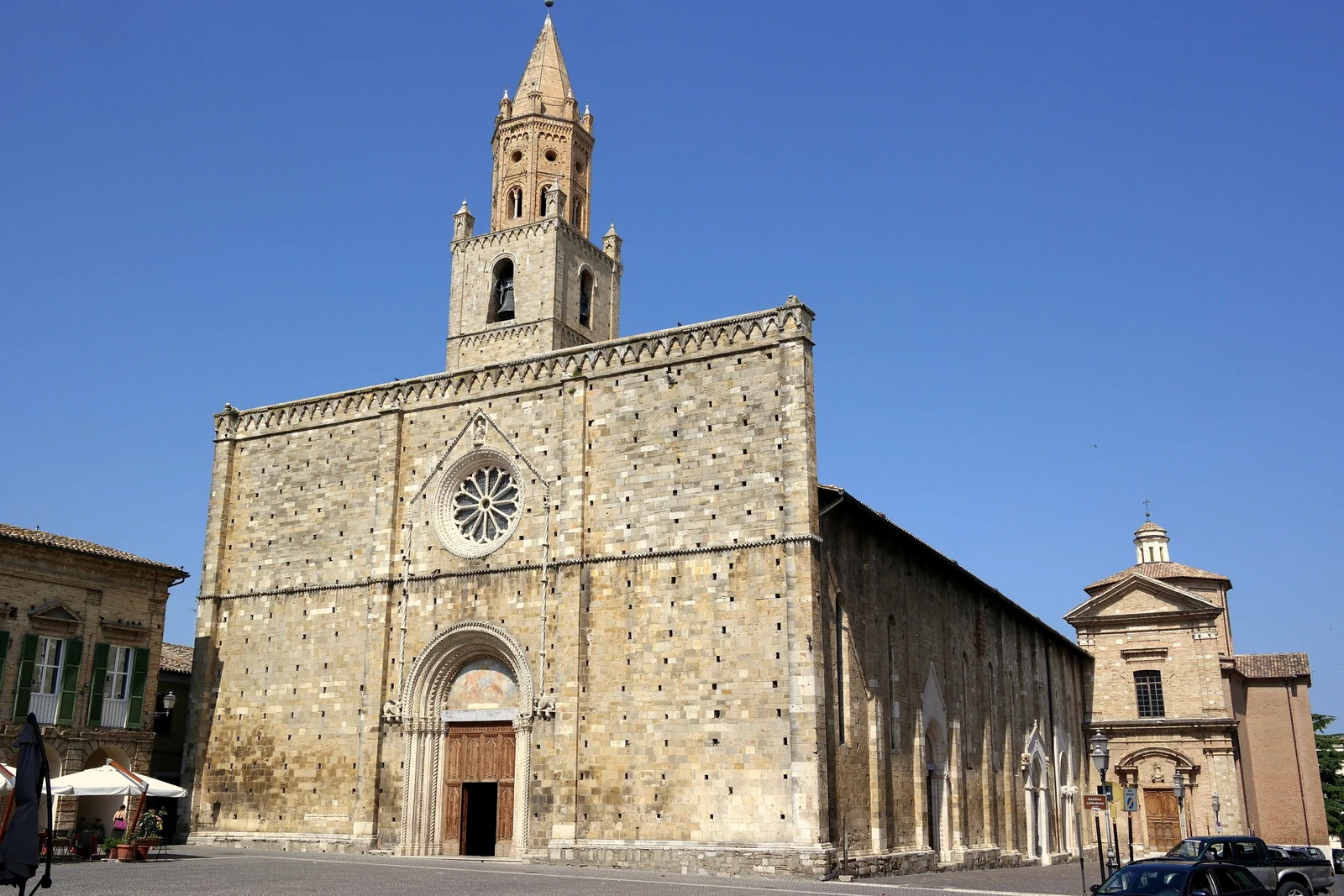
The town council presents Atri as “Civitas Vetusta”, a city of art: a settlement founded before Rome that grew as a Roman, medieval and Renaissance town. Its heart is the cathedral of Santa Maria Assunta, with the choir frescoed by Andrea De Litio in the fifteenth century, the largest painted work of the early Renaissance in Abruzzo, and with one of the very few Holy Doors outside Rome and L’Aquila, opened every year in mid-August.
Around the cathedral stand the ducal palace of the Acquaviva, now the town hall, the Teatro Comunale of 1881 and the church of San Nicola. Under the streets a hidden town can be visited: Roman cisterns, ducal stables and tunnels dug to carry water to the fountains outside the walls.
Just outside the centre begins the Calanchi di Atri regional nature reserve, a WWF Oasis of about 600 hectares where clay eroded by water forms the ridges known in dialect as “li Ripe”. The calendar peaks at dawn on 8 December, with the procession of the Faugni, bundles of burning reeds carried through the old town; and in the shops people buy liquorice, which has been worked in Atri for centuries.
Sources: Comune di Atri — Vivi Atri, sito turistico del Comune: Atri, Civitas Vetusta, città d’arte · Comune di Atri — Vivi Atri: Cattedrale di Santa Maria Assunta · Comune di Atri — Vivi Atri: Il Teatro Comunale · Comune di Atri — Vivi Atri: Atri sotterranea · Comune di Atri — Riserva naturale regionale Oasi WWF Calanchi di Atri: La Riserva · Comune di Atri — Vivi Atri: I Faugni · Comune di Atri — Vivi Atri: La liquirizia di Atri
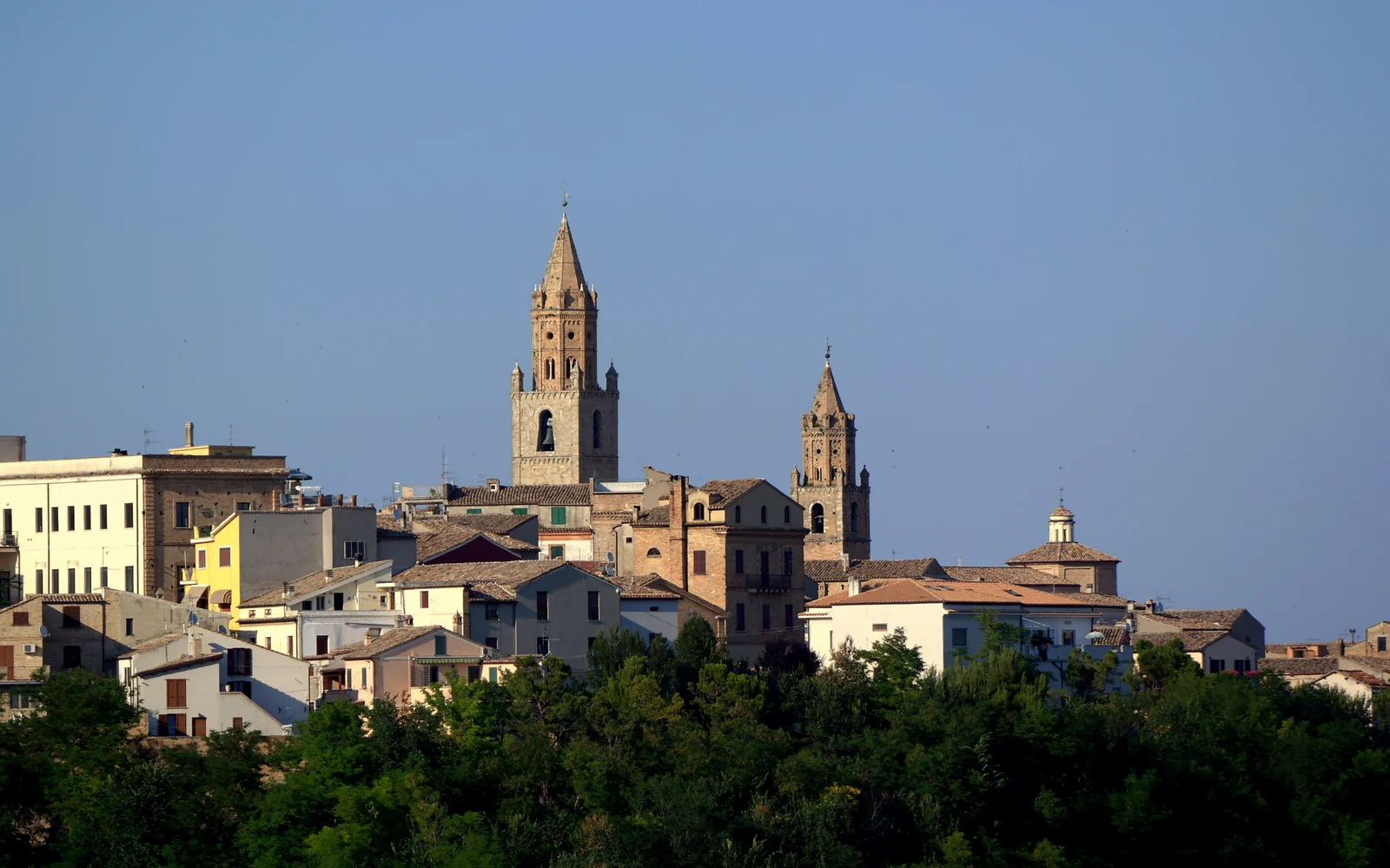
Photo: Luca Aless / Wikimedia Commons — CC BY-SA 4.0 · Resized and converted to WebP.
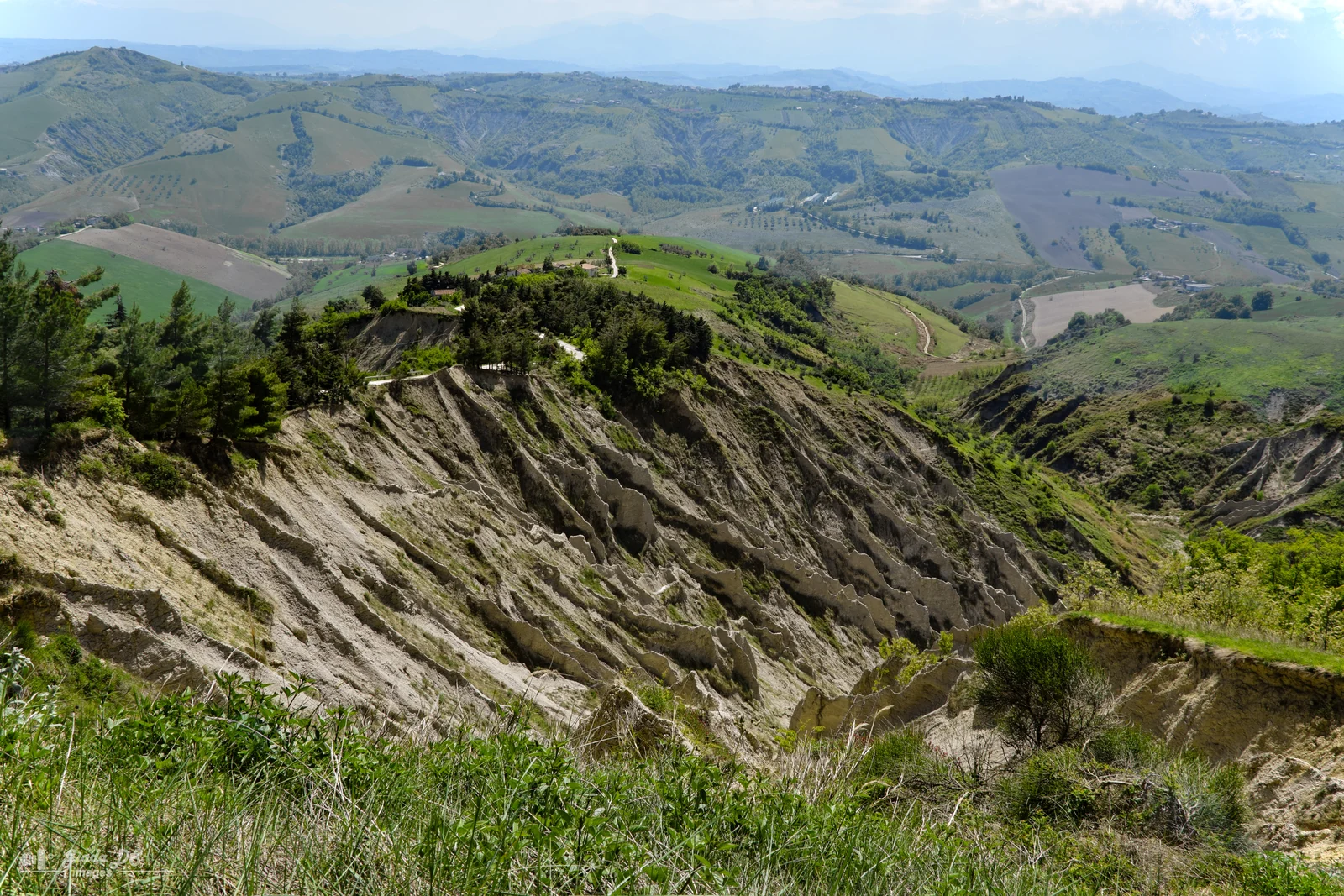
Photo: Delgiada / Wikimedia Commons — CC BY-SA 4.0 · Resized and converted to WebP.
The municipality at a glance
Atri is a municipality in the province of Teramo, in Abruzzo. Its ISTAT code is 067004. On 1 January 2025 it had 9,846 residents. The municipal territory covers 92.18 km² and ranges from 9 to 462 metres above sea level; the town hall stands at about 459 metres.
The municipal territory includes the Calanchi di Atri regional nature reserve, a WWF Oasis of about 600 hectares reaching from the valley floor of the Piomba stream, at 104 metres, to the Colle della Giustizia, at 468. The heart of the old town is Corso Elio Adriano, named after the emperor.
Sources: ISTAT, Codici statistici delle unità amministrative territoriali: elenco dei comuni al 21 febbraio 2026 · ISTAT, Popolazione residente per età, sesso e stato civile al 1° gennaio 2025 (POSAS) · ISTAT, Principali statistiche geografiche sui comuni: superficie e altimetria al 31 dicembre 2021 · Comune di Atri — Riserva naturale regionale Oasi WWF Calanchi di Atri: La Riserva · Comune di Atri — Vivi Atri: Le origini di Atri
History
Before Rome, Hatria was an important town of the Picene world, part of the trade networks of the Adriatic. The necropolises of Colle della Giustizia and Pretara have yielded weapons in the men’s graves and jewellery, household objects and amber from the Baltic in the women’s; the sixth-century BC grave goods are on show in the Archaeological Museum, in Palazzo Tascini-De Galitiis-De Albentiis. The town minted its own coins, marked “HAT”, and according to some scholars the name of the Adriatic Sea comes from Hatria itself.
In 289 BC Atri allied itself with Rome and became a Latin colony; its territory, the Ager Hatrianus, stretched from the Vomano to the Saline. The emperor Publius Aelius Hadrian regarded the town as his family’s place of origin. The Roman town survives in the cisterns under the cathedral and under the ducal palace, in mosaics and in the theatre, probably built in the first century AD, about 70 metres across and brought back to light by excavations in the 1990s beneath Palazzo Cicada.
In 1251 Pope Innocent IV granted Atri the status of a free commune and established its diocese. The church of San Nicola, already mentioned in 1181, was rebuilt in 1256 by Mastro Giovanni, as a plaque inside records; the cathedral was begun in 1264. The Holy Door is recorded as early as 1295 and tradition links it to Pope Celestine V.
In 1393 Antonio Acquaviva bought the town for 35,000 ducats and in 1395 Atri became the capital of a duchy of the Kingdom of Naples, reaching as far as Silvi, Canzano, Morro d’Oro and Giulianova. Between the fifteenth and sixteenth centuries, under Andrea Matteo III Acquaviva, patron of artists and men of letters, the town lived its Renaissance season. The duchy ended in 1760 with the death of the last duchess, Isabella Acquaviva; since 1917 the ducal palace has housed the town hall.
Sources: Comune di Atri — Vivi Atri: Le origini di Atri · Comune di Atri — Vivi Atri: Museo Archeologico · Comune di Atri — Vivi Atri: Teatro romano e Palazzo Cicada · Comune di Atri — Vivi Atri: Chiesa di San Nicola di Bari · Comune di Atri — Vivi Atri: Cattedrale di Santa Maria Assunta · Comune di Atri — Vivi Atri: La Porta Santa · Comune di Atri — Vivi Atri: La famiglia Acquaviva · Comune di Atri — Vivi Atri: Il Palazzo Ducale
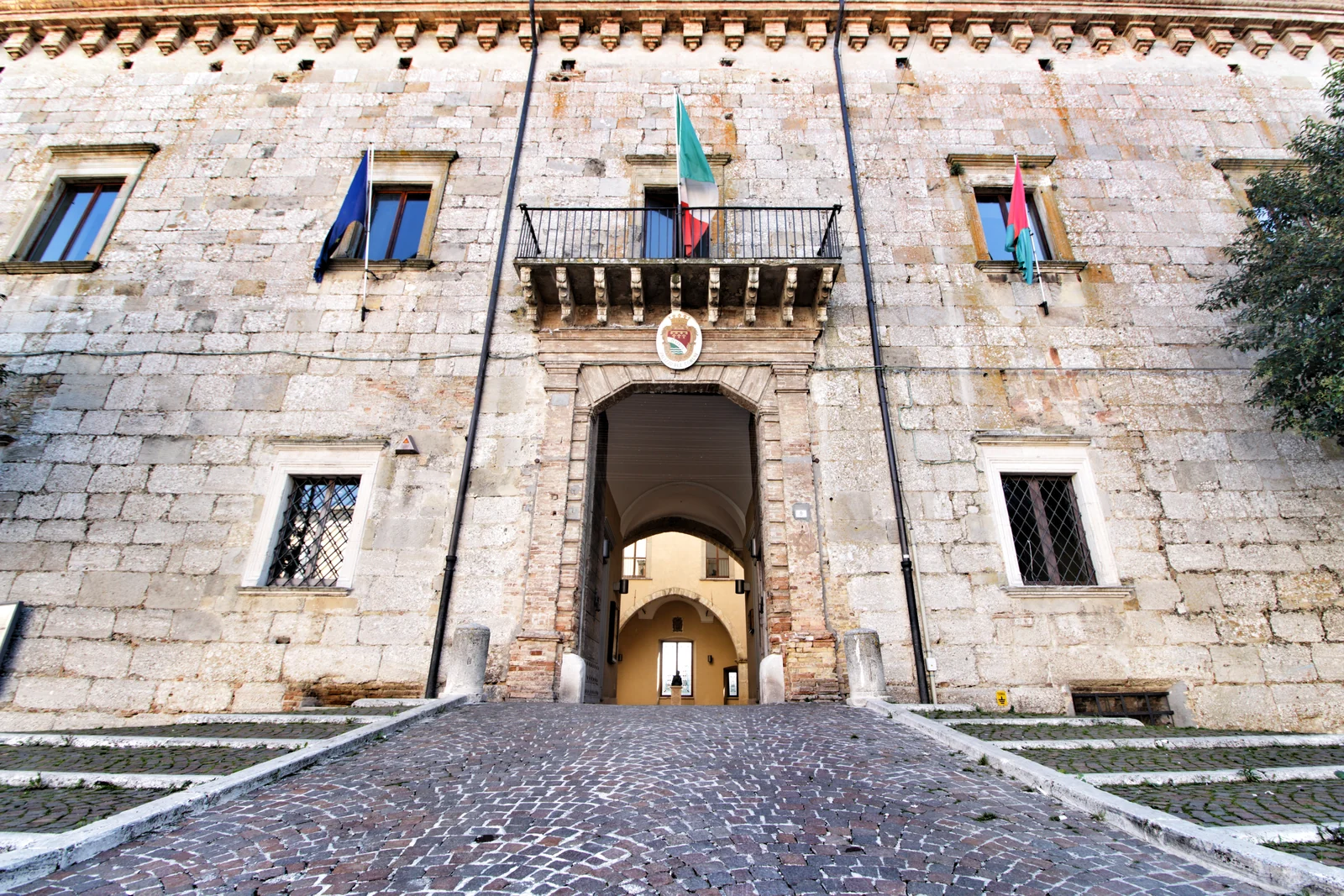
Photo: Alessia Vallese / Wikimedia Commons — CC BY-SA 4.0 · Resized and converted to WebP.
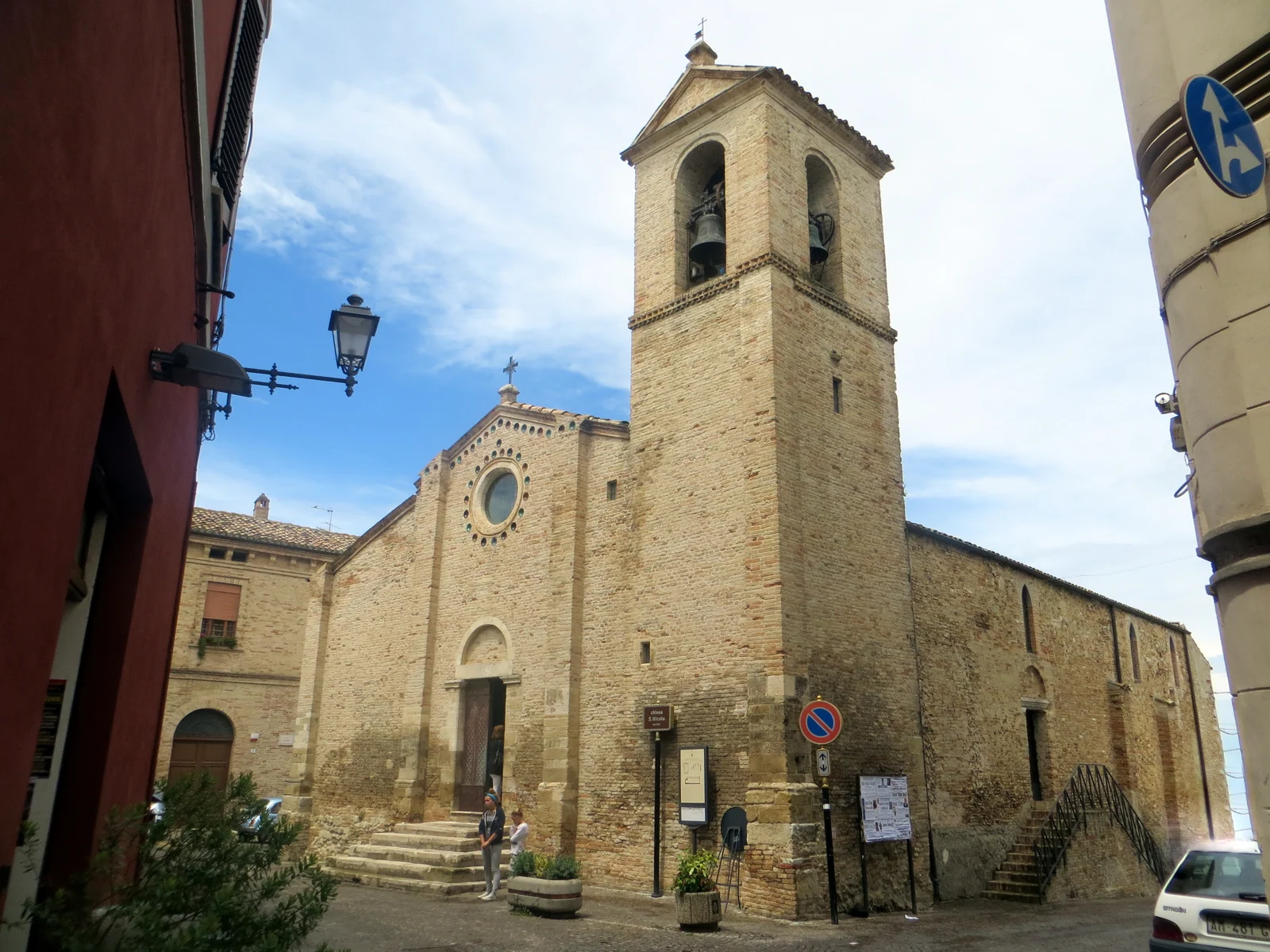
Photo: Luca Aless / Wikimedia Commons — CC BY-SA 4.0 · Resized and converted to WebP.
What to see
The cathedral of Santa Maria Assunta was begun in 1264 by the master builders Raimondo di Poggio and Rainaldo d’Atri in place of a five-aisled Romanesque church and finished in 1305; the octagon at the top of the bell tower was added in 1502 by Antonio da Lodi. The façade in Istrian stone has a wheel-shaped rose window above the portal; on the right flank three signed and dated portals (1288, 1302 and 1305) are the showcase of the “Atri School” of sculpture. The bell tower is 54.5 metres high: 147 steps lead to the top, with views over the old town, the Gran Sasso and, on clear days, the coast.
Inside, now with three aisles, the high point is the Canons’ choir, frescoed by Andrea De Litio between 1465 and 1471: 101 panels and 26 scenes with the stories of Joachim and Mary, with the Evangelists, the Doctors of the Church and the Virtues on the starry blue vault. Among the scenes are women spinning, shepherds, animals and household objects, and Saint Reparata holds a model of the town in her hands. The aisles have frescoes by the Master of Offida, the 1503 baptistery by Paolo De Garvis da Bissone and the fresco of the Meeting of the Living and the Dead; beneath the nave are remains of Roman baths with third-century AD mosaics.
From the left aisle you enter the Museo Capitolare, founded in 1912 in the cloister beside the cathedral. The visit includes the great Roman cistern of the first half of the third century BC, later turned into a place of worship and frescoed with a Majestas Domini, eight rooms with illuminated manuscripts, silverware, a picture gallery from the fourteenth to the nineteenth century and a room of Castelli ceramics, with about 100 pieces from the Vincenzo Bindi donation.
In Piazza Duchi d’Acquaviva the ducal palace has a four-sided courtyard with pointed arches and a well linked to the Roman cisterns; the council chamber holds the Challenge of Barletta painted by F. De Felici. Beneath the palace nine rooms of Roman cisterns, later the ducal stables, host exhibitions. In Piazza Duomo the Teatro Comunale, opened on 25 April 1881 with Verdi’s “Un ballo in maschera”, has a horseshoe auditorium of about 276 seats with 38 boxes on three tiers and, on the third tier, the Antonio Di Jorio Archive-Museum, opened in 1996.
The church of San Nicola, the oldest in Atri, has a brick façade with thirteenth-century ceramic bowls around the round window (copies today: the originals are in the Museo Capitolare) and, above the font, a fresco by Andrea De Litio of the Madonna of Loreto. Beside the cathedral, the church of Santa Reparata, dedicated to the patron saint, keeps the great wooden baldachin by Carlo Riccioni (1677-1690), moved here from the cathedral so as not to hide the choir frescoes.
Sources: Comune di Atri — Vivi Atri: Cattedrale di Santa Maria Assunta · Comune di Atri — Vivi Atri: Gli affreschi di Andrea De Litio · Comune di Atri — Vivi Atri: Museo Capitolare · Comune di Atri — Vivi Atri: Il Palazzo Ducale · Comune di Atri — Vivi Atri: Il Teatro Comunale · Comune di Atri — Vivi Atri: Chiesa di San Nicola di Bari · Comune di Atri — Vivi Atri: Chiesa di Santa Reparata
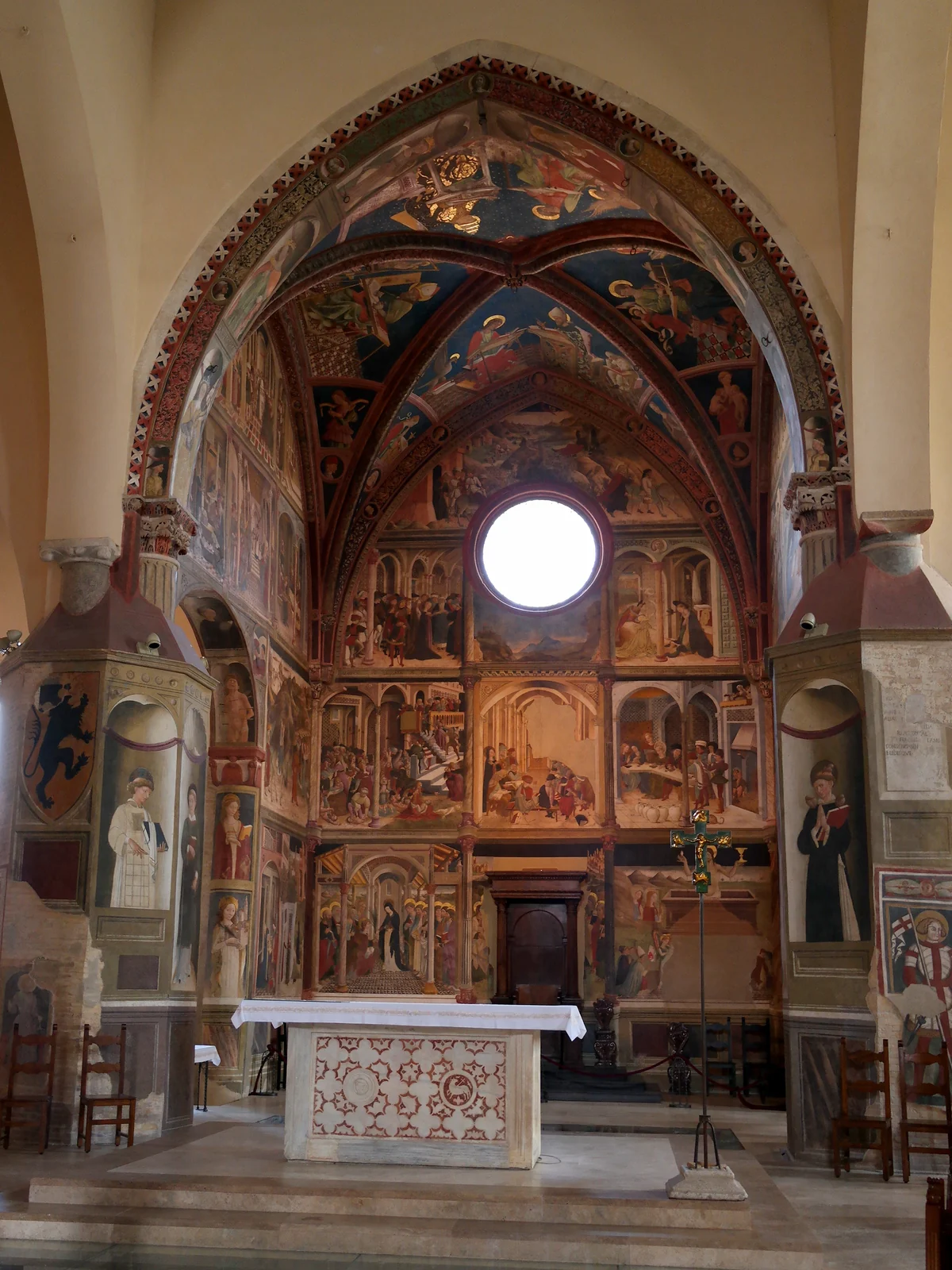
Photo: Luca Aless / Wikimedia Commons — CC BY-SA 4.0 · Resized and converted to WebP.
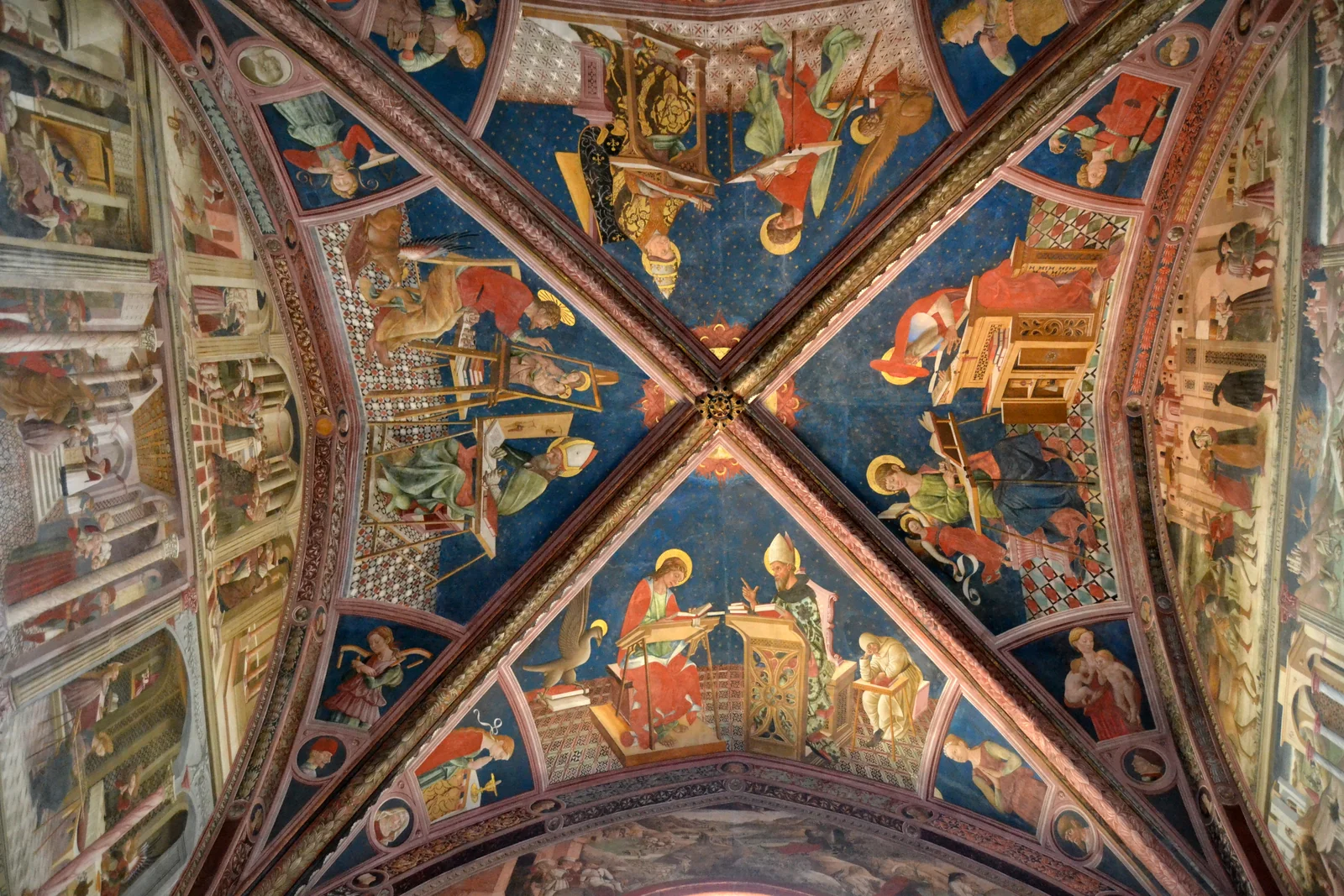
Photo: Luca Aless / Wikimedia Commons — CC BY-SA 4.0 · Resized and converted to WebP.
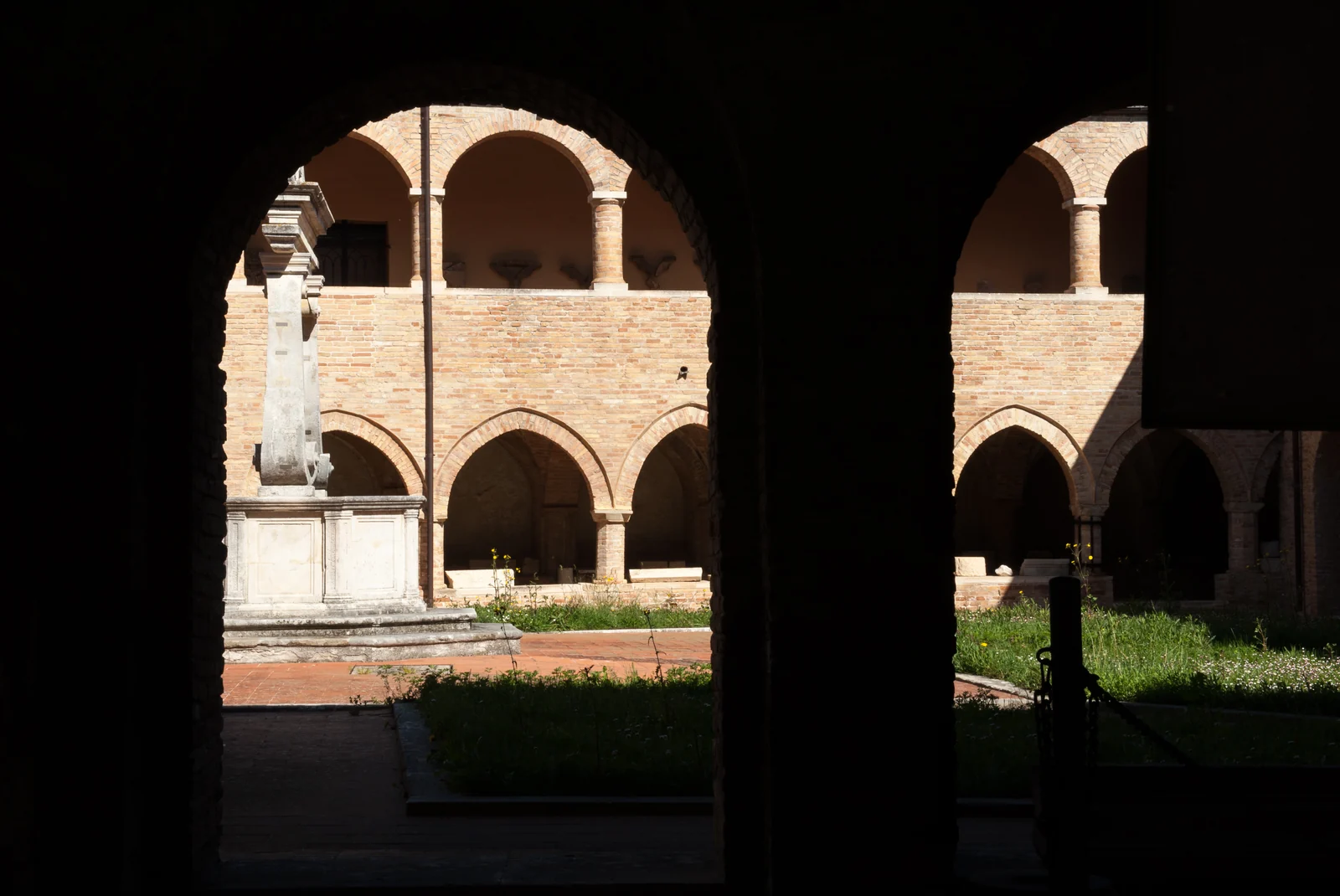
Photo: Marconeg / Wikimedia Commons — CC BY-SA 4.0 · Resized and converted to WebP.
Food and wine
The product most closely tied to Atri’s land is liquorice, which grows wild in the clay soils near the badlands. According to the town council, Dominican friars were among the first to work its root for medicinal use; in 1836 the Menozzi De Rosa company was founded in the town, and in the shops of the centre liquorice is sold as wheels, sticks, sugared sweets and candies. Liquorice and wild artichoke are also among the plants of the badlands reserve.
The whole municipal territory lies in the area of the PDO extra virgin olive oil “Pretuziano delle Colline Teramane”, made at least 75% from the Leccino, Frantoio and Dritta varieties, with local varieties such as Tortiglione, Carboncella and Castiglionese. Atri is also one of the municipalities of the DOCG “Montepulciano d’Abruzzo Colline Teramane”, a red wine made from at least 90% Montepulciano. Both designations are in the European eAmbrosia register.
The national list of traditional food products of Abruzzo includes “Pecorino di Atri”, a sheep’s cheese. The reserve also runs a project on the black Atri hen.
Sources: Comune di Atri — Vivi Atri: La liquirizia di Atri · Comune di Atri — Vivi Atri: Oasi WWF Calanchi di Atri · Ministero dell’agricoltura — Disciplinare della DOP «Pretuziano delle Colline Teramane» · Ministero dell’agricoltura, Registro nazionale delle varietà di vite — Disciplinare della DOCG «Montepulciano d’Abruzzo Colline Teramane» · Commissione europea — eAmbrosia, registro delle indicazioni geografiche (voci «Pretuziano delle Colline Teramane» e «Colline Teramane Montepulciano d’Abruzzo») · Ministero dell’agricoltura — XXV revisione dell’elenco nazionale dei prodotti agroalimentari tradizionali (Abruzzo) · Comune di Atri — Riserva naturale regionale Oasi WWF Calanchi di Atri: La Riserva
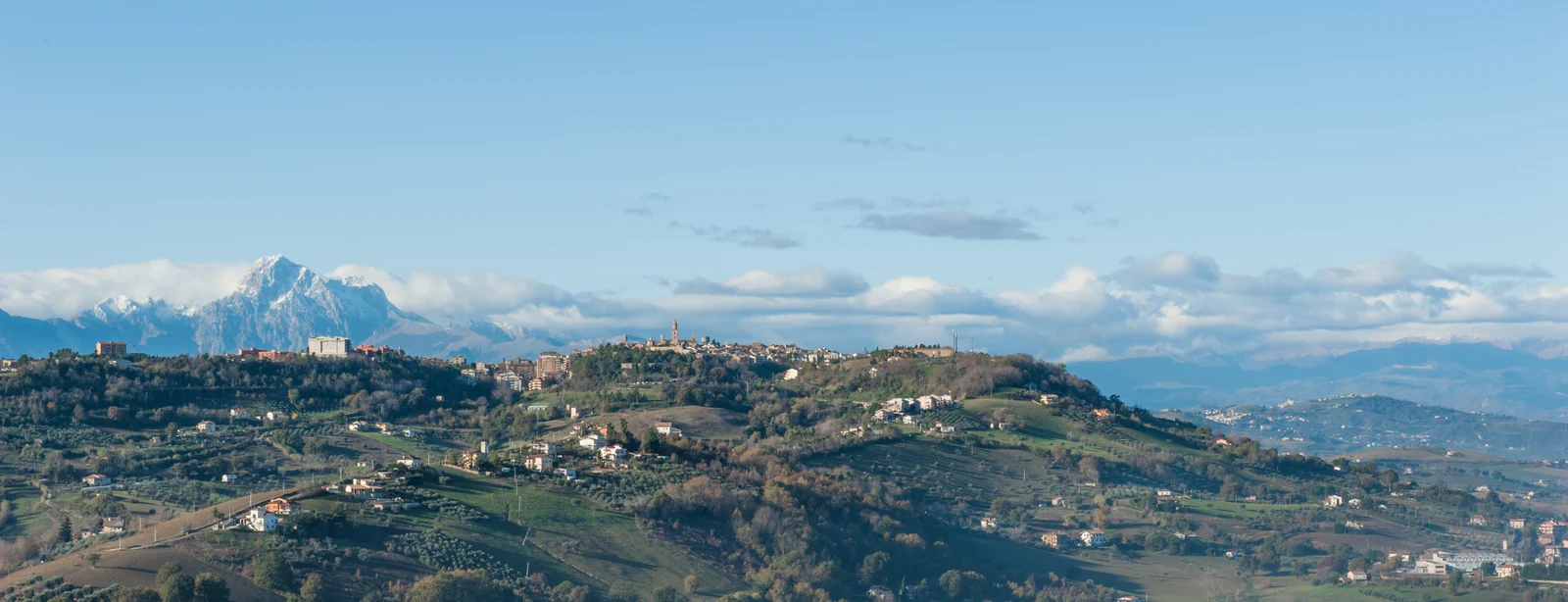
Photo: Marconeg / Wikimedia Commons — CC BY-SA 4.0 · Resized and converted to WebP.
Things to do
The Calanchi di Atri regional nature reserve, established in 1995 and a WWF Oasis since 1999, protects about 600 hectares between the valley floor of the Piomba stream, at 104 metres, and the Colle della Giustizia, at 468; it is also a Special Area of Conservation (IT7120083). The badlands, also called “Dantesque pits” or “devil’s scratches”, are formed by the erosion of clay; the badlands and the earth pyramids, about 10 metres high, are in ISPRA’s national inventory of geosites. The porcupine is the symbol of the Oasis.
There is no ticket and no gate. The ring trail of about 6 kilometres circles a valley of badlands, with gradients of up to 16%; for less practised walkers the reserve suggests going down the San Paolo path to the first viewpoints, after about 800 metres, or to the chapel of the Pietra di San Paolo, with a picnic area and a drinking fountain. In summer walk from 4 pm onwards; residents’ cars may use the ring. Guided walks are led only by guides on the regional register.
Atri sotterranea is a guided route of about 2 kilometres and two hours: the underground rooms of the ducal palace, the great cistern under the cathedral, which could hold up to 24,000 cubic metres of water, the Antica Filanda Fioranelli with its early twentieth-century wool machinery and the “li muri” caves, Roman tunnels over about 700 square metres. It suits children but not pushchairs; it is run by the Cul.Tur.A’ association for its members, and membership is free.
Outside the walls lie the archaeological fountains, fed by underground tunnels similar to Persian qanats: Fonte Canale has a gallery about 100 metres long, nine basins and medieval pointed arches. A route of about 7 kilometres starts from Porta San Domenico and takes in Fonte Pila, Fonte Strega and Fonte Sant’Ilario. In town, the Belvedere runs for about two kilometres along the edge of the old town, from the Rocca di Capo d’Atri to San Domenico, with the stone sculptures of the 1995 and 1996 symposia and views of the coast between Roseto degli Abruzzi and Pineto.
Sources: Comune di Atri — Riserva naturale regionale Oasi WWF Calanchi di Atri: La Riserva · Comune di Atri — Vivi Atri: Oasi WWF Calanchi di Atri · Comune di Atri — Riserva naturale regionale Oasi WWF Calanchi di Atri: Info visite · Comune di Atri — Riserva naturale regionale Oasi WWF Calanchi di Atri: Gestione · Comune di Atri — Vivi Atri: Atri sotterranea · Comune di Atri — Vivi Atri: I qanat, le fontane archeologiche · Comune di Atri — Vivi Atri: Fonte Canale · Comune di Atri — Vivi Atri: Il Belvedere
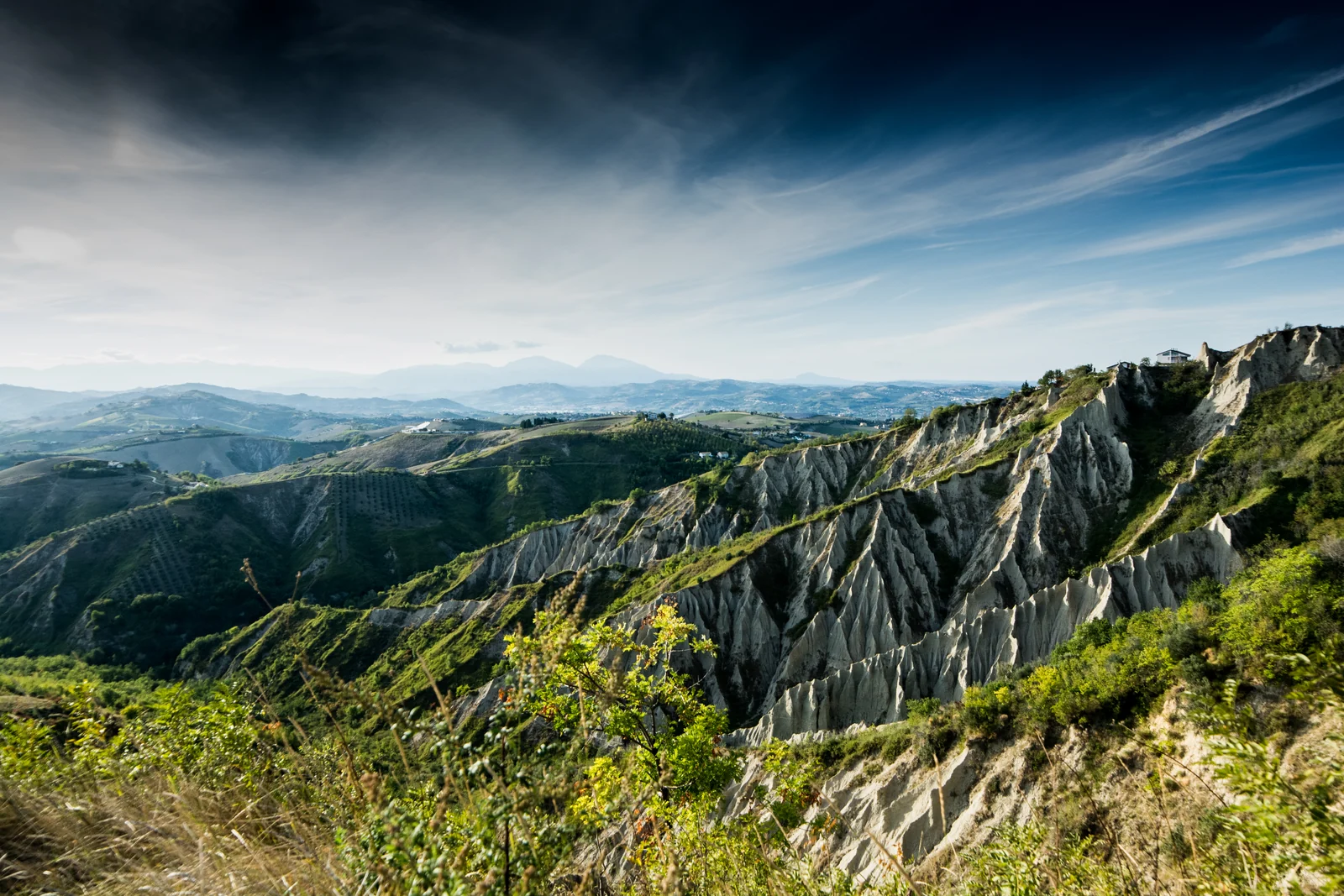
Photo: Guido Castelli / Wikimedia Commons — CC BY-SA 4.0 · Resized and converted to WebP.
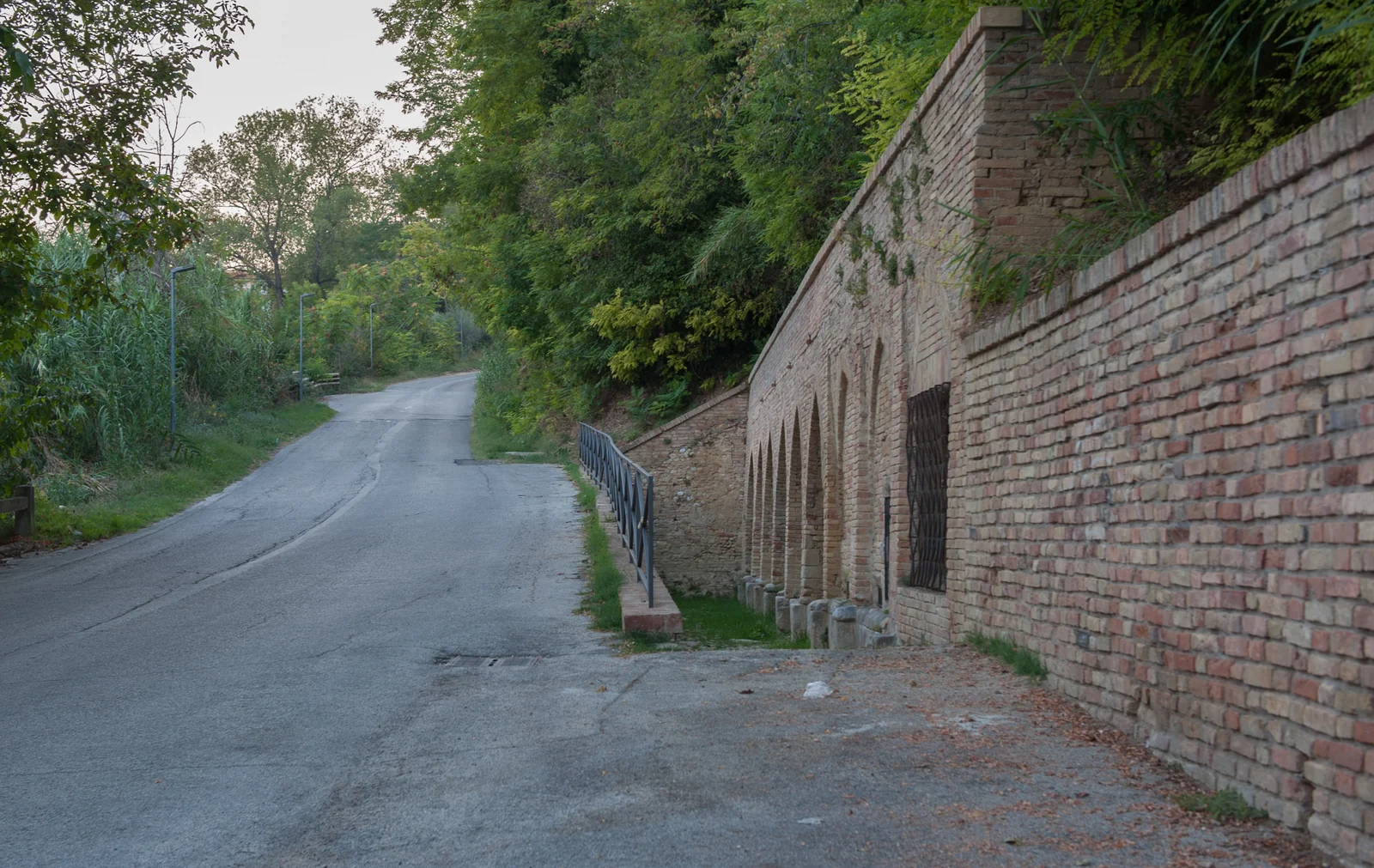
Photo: Marconeg / Wikimedia Commons — CC BY-SA 4.0 · Resized and converted to WebP.
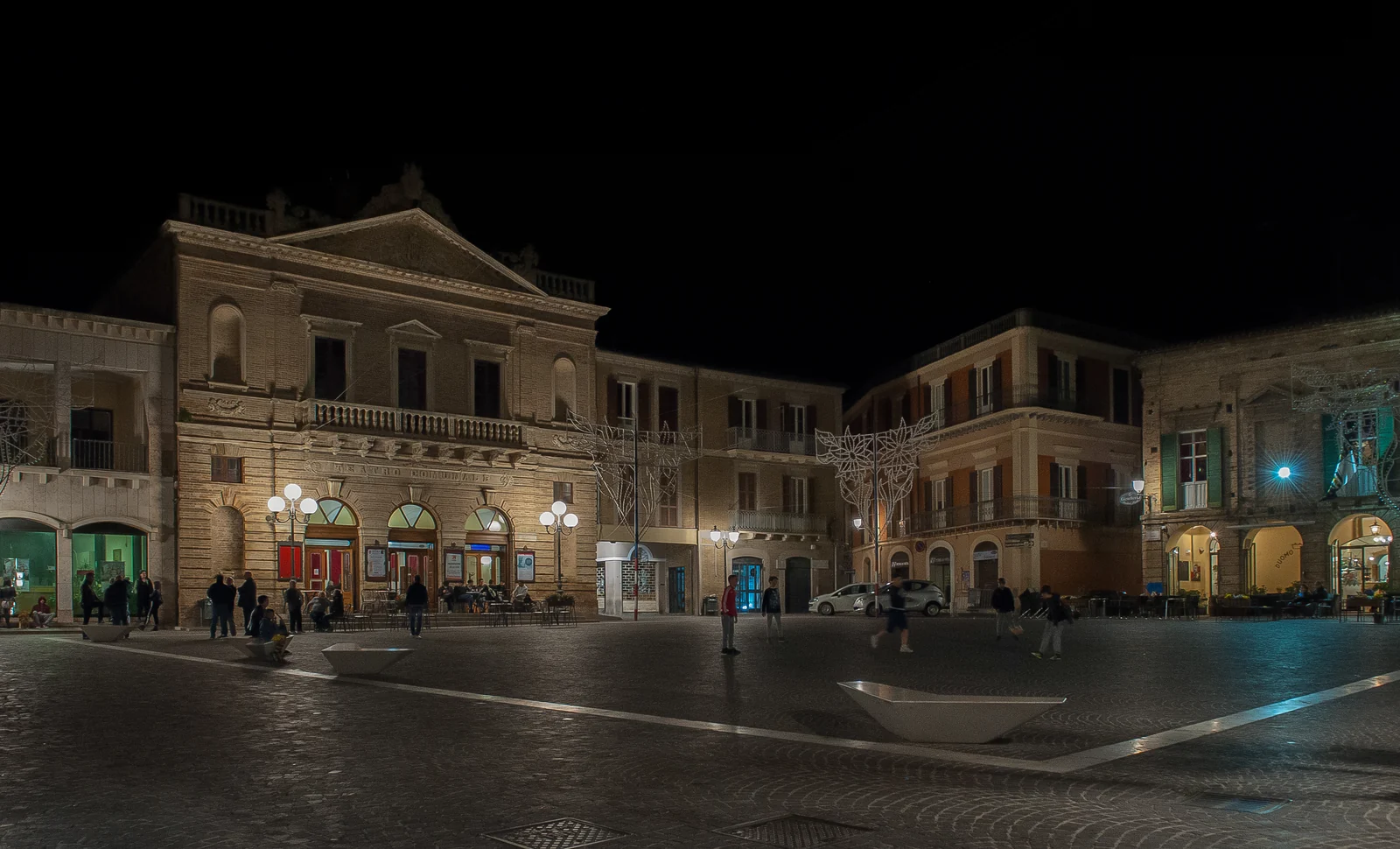
Photo: Marconeg / Wikimedia Commons — CC BY-SA 4.0 · Resized and converted to WebP.
When to go
Atri’s most important feast is that of the Faugni, “li Faegn”. On the evening of 7 December a great bonfire is lit in Piazza Duomo, in front of the cathedral, and the town stays up all night. At 5 am on 8 December, when the great bell tolls, hundreds of people light their faugni, bundles of dry reeds, at the bonfire and carry them in procession through the old town with the band and the “Marisa” march; after about an hour they return to the square, throw the faugni into the fire and the Mass of the Immaculate Conception begins.
On 14 August, the eve of the Assumption, the bishop comes in procession to the cathedral’s Holy Door, knocks and the door is opened: for the following eight days the plenary indulgence can be obtained by entering through the Holy Door and leaving by the main door. In the days before, a delegation lights the Perdonanza torch at Collemaggio, in L’Aquila, and carries it to Atri by way of Pineto. Saint Reparata, the town’s patron saint, has her own feast every year, organised by a local committee.
For the badlands the reserve offers guided visits in spring and autumn and a programme of walks in summer, some on full-moon evenings; in spring the Oasis is full of butterflies.
Sources: Comune di Atri — Vivi Atri: I Faugni · Comune di Atri — Vivi Atri: La Porta Santa · Comune di Atri — Vivi Atri: Chiesa di Santa Reparata · Comune di Atri — Vivi Atri: Oasi WWF Calanchi di Atri
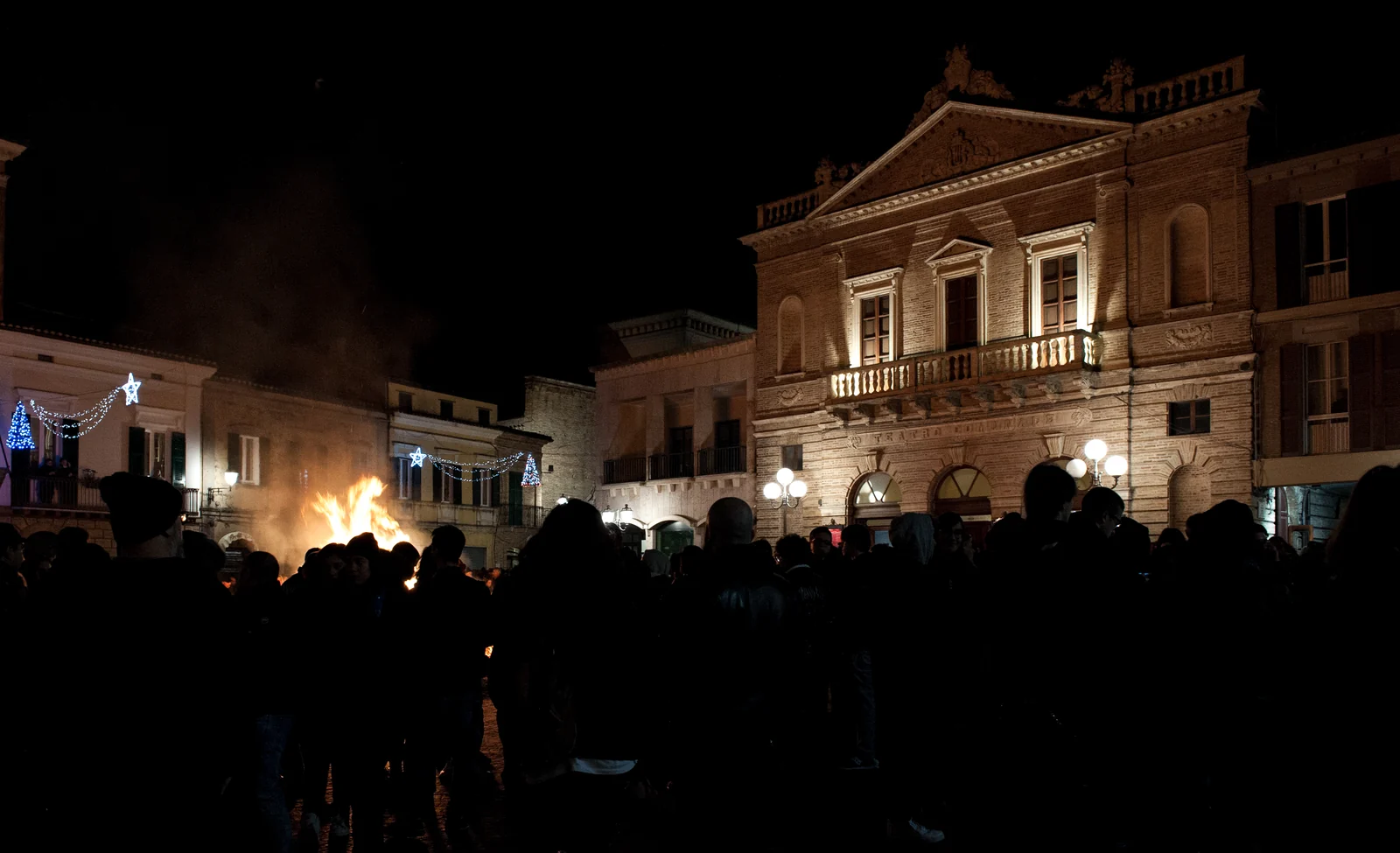
Photo: Marconeg / Wikimedia Commons — CC BY-SA 4.0 · Resized and converted to WebP.
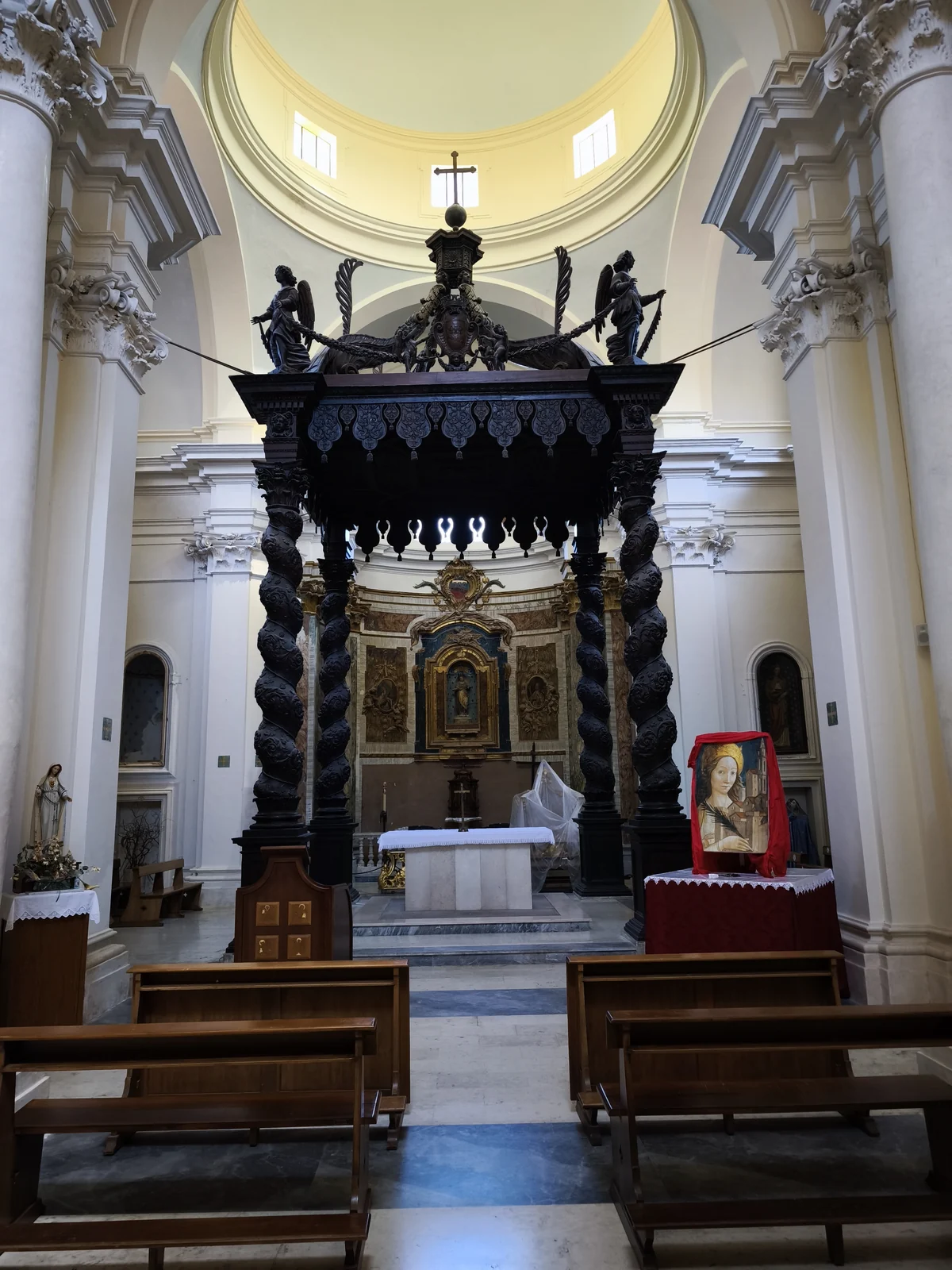
Photo: Viaggiamocela / Wikimedia Commons — CC BY-SA 4.0 · Resized and converted to WebP.
Getting there
The railway station that bears the town’s name is Pineto-Atri. According to RFI it has three passenger tracks: track 1 is reached on the level or by ramp, tracks 2 and 3 by lift; there is no assistance service for people with disabilities or reduced mobility, while there is a bus stop at the station.
Buses run by TUA, the regional transport company, include among the 2026/2027 school and winter services of the province of Teramo runs that call at Atri together with Giulianova, Pineto, Silvi, Teramo and Pescara, Monday to Friday and on Saturdays.
Sources: RFI — Stazione di Pineto-Atri · TUA, Società Unica Abruzzese di Trasporto — Orari scolastici e invernali 2026/2027, provincia di Teramo
Tourism
In summer 2026, from 1 July to 13 September, the council kept the information point and the Teatro Comunale, Palazzo Acquaviva with its Roman cisterns and the old Fioranelli silk mill open every day, from 10.30 am to 12.30 pm, from 5 to 8 pm and from 9 to 11 pm; the Basilica Co-cathedral was also open in the evening, from 7.30 to 11 pm. The civic museum of musical instruments and the archaeological museum opened in the afternoon, from 5 to 8 pm, closed on Saturdays and Sundays; the chapter museum with the cloister and the Roman cistern, entered from inside the Cathedral, opened every day except Monday, with evening hours in August. The visitor centre of the Calanchi reserve was open on Mondays from 8.30 am to 2.30 pm, from Tuesday to Friday also from 3 to 8 pm, and at weekends in the afternoon. Opening hours outside the summer should be checked with the information point.
Since 20 August 2025, in the historic centre, from Villa Comunale to piazza Duchi, including via Duca d’Atri, piazza Martella and piazzale Cherubini, parking in the blue bays is paid at the meters, and the notice also announced payment by app and by electronic means; until the works are completed and the new car park at Porta Macelli opens, parking remains free in other areas, among them Largo dei Faugni and the area by the post office and the covered market.
Sources: Comune di Atri — Nuovi orari estivi siti monumentali e punto informativo (25 giugno 2026) · Comune di Atri — Avviso alla cittadinanza: attivazione parcheggi a pagamento (20 agosto 2025)
“Come to Atri as a guest, not as a tourist: that is how these places truly let you know them.”
Accommodation in figures
In the Ministry of Tourism’s national database of accommodation (BDSR), on 12 October 2026, Atri had 47 establishments with a verified national identification code (CIN): 1 hotel-type establishment, 6 non-hotel establishments and 40 other establishments.
Sources: Ministero del Turismo – Banca Dati Strutture Ricettive (dashboard pubblica)
Nearby
The Acquaviva duchy included Silvi, Canzano, Morro d’Oro and Giulianova. Giulianova was founded in the fifteenth century by Giulio Antonio Acquaviva on the principles of the ideal Renaissance town. From the Belvedere you can see the coast between Roseto degli Abruzzi and Pineto; the Perdonanza torch passes through Pineto every year on its way to Atri.
In the Museo Capitolare the ceramics room gathers works by the maiolica families of Castelli; the thirteenth-century bowls on the façade of San Nicola are, according to the town council, a link between Atri and Castelli. In the choir frescoes some views recall the ancient port of Cerrano, on the coast.
Sources: Comune di Atri — Vivi Atri: La famiglia Acquaviva · Comune di Atri — Vivi Atri: Il Belvedere · Comune di Atri — Vivi Atri: La Porta Santa · Comune di Atri — Vivi Atri: Museo Capitolare · Comune di Atri — Vivi Atri: Chiesa di San Nicola di Bari · Comune di Atri — Vivi Atri: Gli affreschi di Andrea De Litio
The town council
The official website of the Comune di Atri, registered in IndicePA, the index of the digital addresses of Italy’s public administrations, is the reference for the town council’s offices, opening hours and news. Its address is listed among the sources of this section.
The town council sits in the ducal palace, in Piazza Duchi d’Acquaviva; the switchboard answers on 085 87911. The tourist information point is at the box office of the Teatro Comunale, in Piazza Duomo, and answers on 085 8797120. The council also runs the Vivi Atri tourism website and the website of the badlands reserve, whose legal representative is the mayor.
Sources: Comune di Atri, sito istituzionale · IndicePA (AgID), Indice dei domicili digitali delle pubbliche amministrazioni: dataset Enti · Comune di Atri — Vivi Atri, sito turistico del Comune: Atri, Civitas Vetusta, città d’arte · Comune di Atri — Riserva naturale regionale Oasi WWF Calanchi di Atri: Gestione
Where to stay
In the municipality of Atri the national database of the Ministry of Tourism lists 47 accommodation businesses with a verified CIN code: 1 hotels, 6 other licensed accommodation and 40 other types such as B&Bs and private rentals.
Ask Apulica for a stay in Atri We reply shortly, within a few hours at most, with a proposal for you to consider.
Sources: Ministero del Turismo – Banca Dati Strutture Ricettive (dashboard pubblica), 2026-10-12
YOUR JOURNEY
How to shape a journey here
To include Atri in a trip, or to ask for a guide or a transfer, you can write to Apulica with the button below.
Plan your tripKeep exploring
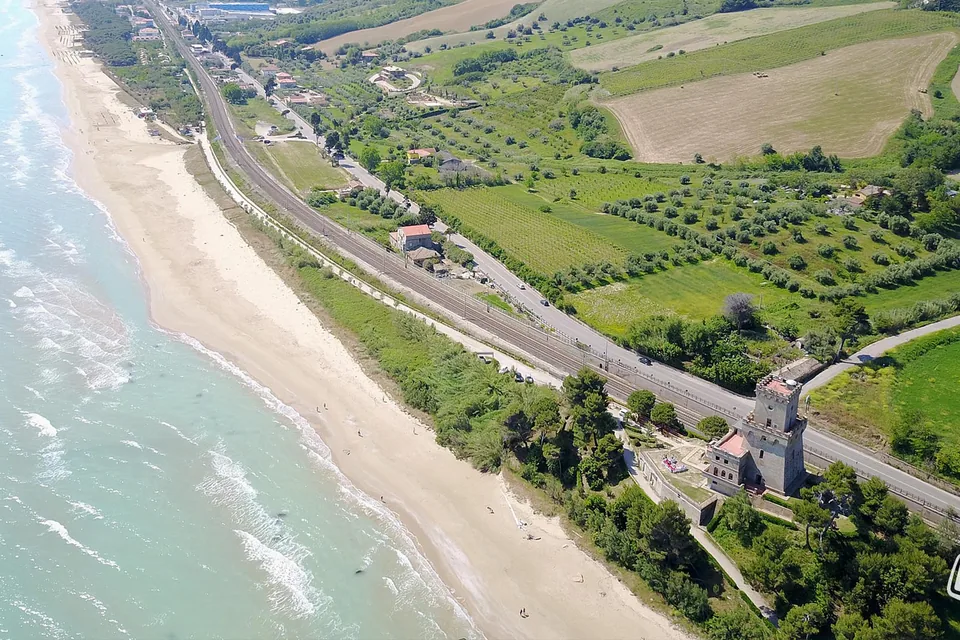
Pineto
Pineto (TE), Abruzzo: 14,803 residents, 38.11 km². The official facts of the municipality, its town council website and its registered accommodation.
Read the guide →Photo: Gigi L. Filice / Wikimedia Commons — CC0 · Resized and converted to WebP.

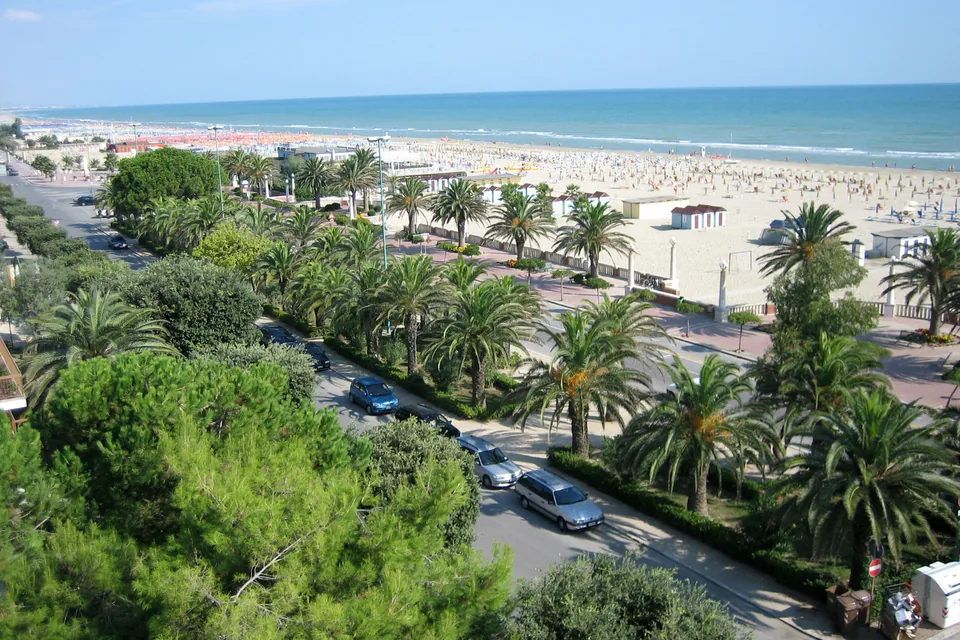
Giulianova
Giulianova (TE), Abruzzo: 23,584 residents, 28.08 km². The official facts of the municipality, its town council website and its registered accommodation.
Read the guide →Photo: Mimmonet / Wikimedia Commons — CC BY-SA 3.0 · Resized and converted to WebP.

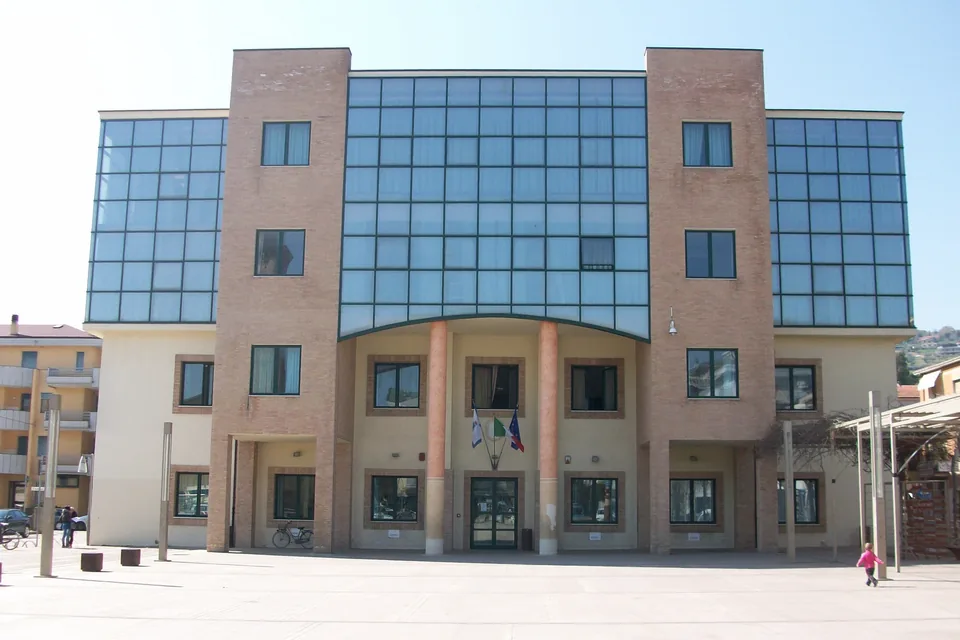
Roseto degli Abruzzi
Roseto degli Abruzzi (TE), Abruzzo: 25,882 residents, 53.26 km². The official facts of the municipality, its town council website and its registered accommodation.
Read the guide →Photo: Ermanon / Wikimedia Commons — CC BY-SA 3.0 · Resized and converted to WebP.

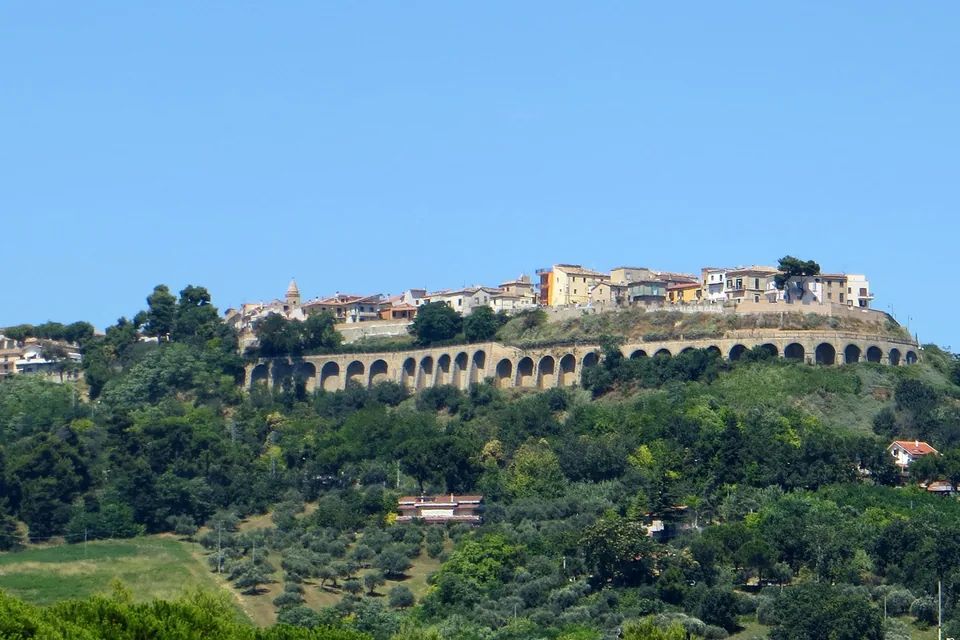
Silvi
Silvi (TE), Abruzzo: 15,482 residents, 20.60 km². The official facts of the municipality, its town council website and its registered accommodation.
Read the guide →Photo: Luca Aless / Wikimedia Commons — CC BY-SA 3.0 · Resized and converted to WebP.

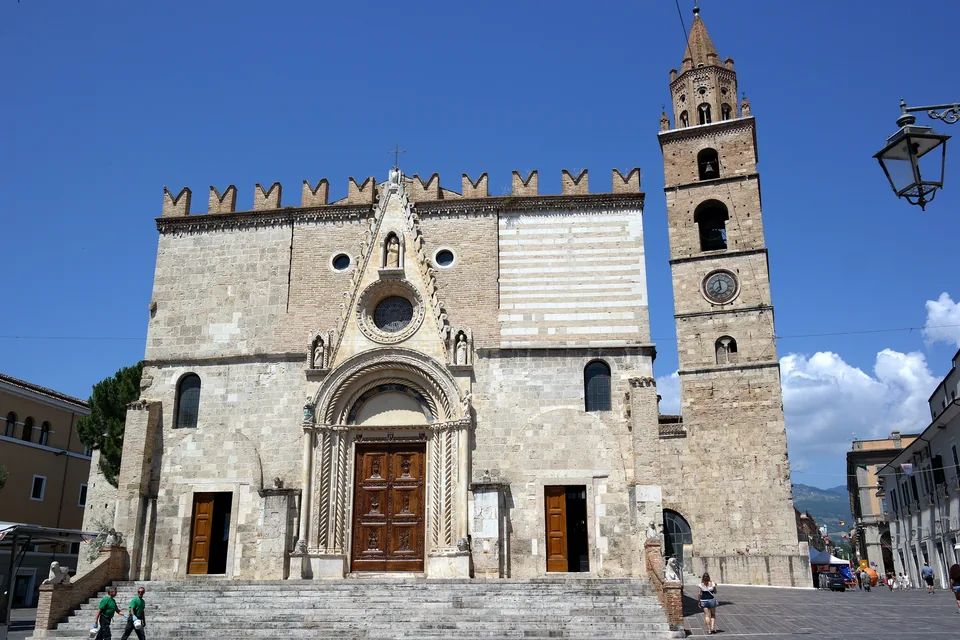
Teramo
The town between the Tordino and the Vezzola, halfway between the sea and the Gran Sasso: the cathedral with Nicola da Guardiagrele's altar frontal, the Roman theatre, the Domus del Leone, the Castello Della Monica.
Read the guide →Photo: Luca Aless / Wikimedia Commons — CC BY-SA 4.0 · Resized and converted to WebP.

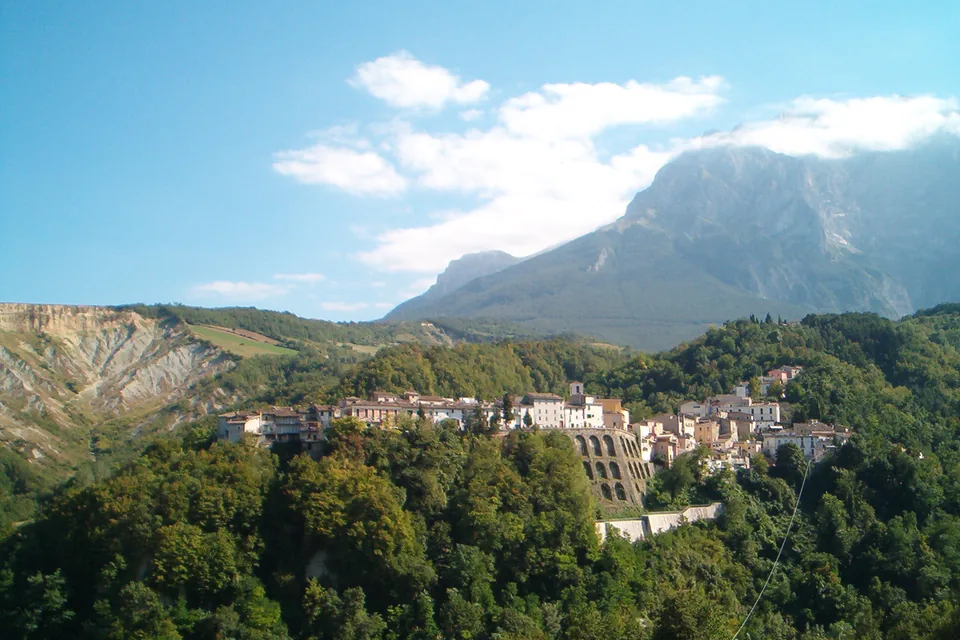
Castelli
Castelli (TE), Abruzzo: 933 residents, 49.68 km². The official facts of the municipality, its town council website and its registered accommodation.
Read the guide →Photo: Gaetanogambilonghi / Wikimedia Commons — CC BY-SA 3.0 · Resized and converted to WebP.

Pescara
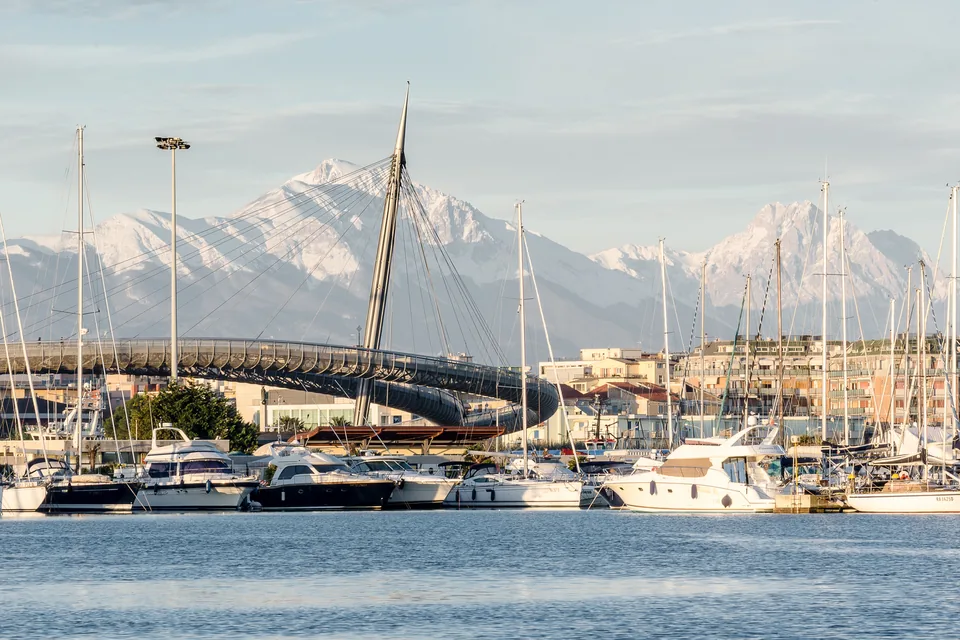
The city on the sea and the river: Cascella's Nave, the Ponte del Mare, d'Annunzio's birthplace, the Museo delle Genti d'Abruzzo, the pine forest, summer jazz, arrosticini and brodetto.
Read the guide →Photo: Giulio Gigante from Pescara, Italy / Wikimedia Commons — CC BY-SA 2.0 · Resized and converted to WebP.
