

Why go
The town council presents Lanciano as the town known around the world for the Eucharistic Miracle and home to long-standing traditions of fairs and music. In the church of San Francesco, in the Borgo quarter, are kept the relics of the miracle that took place in the eighth century, which the council calls the first Eucharistic Miracle of the Christian world. According to the Conventual Franciscan friars who look after the sanctuary, hundreds of thousands of pilgrims come every year; in the 2025 Jubilee there were about 500,000 visitors.
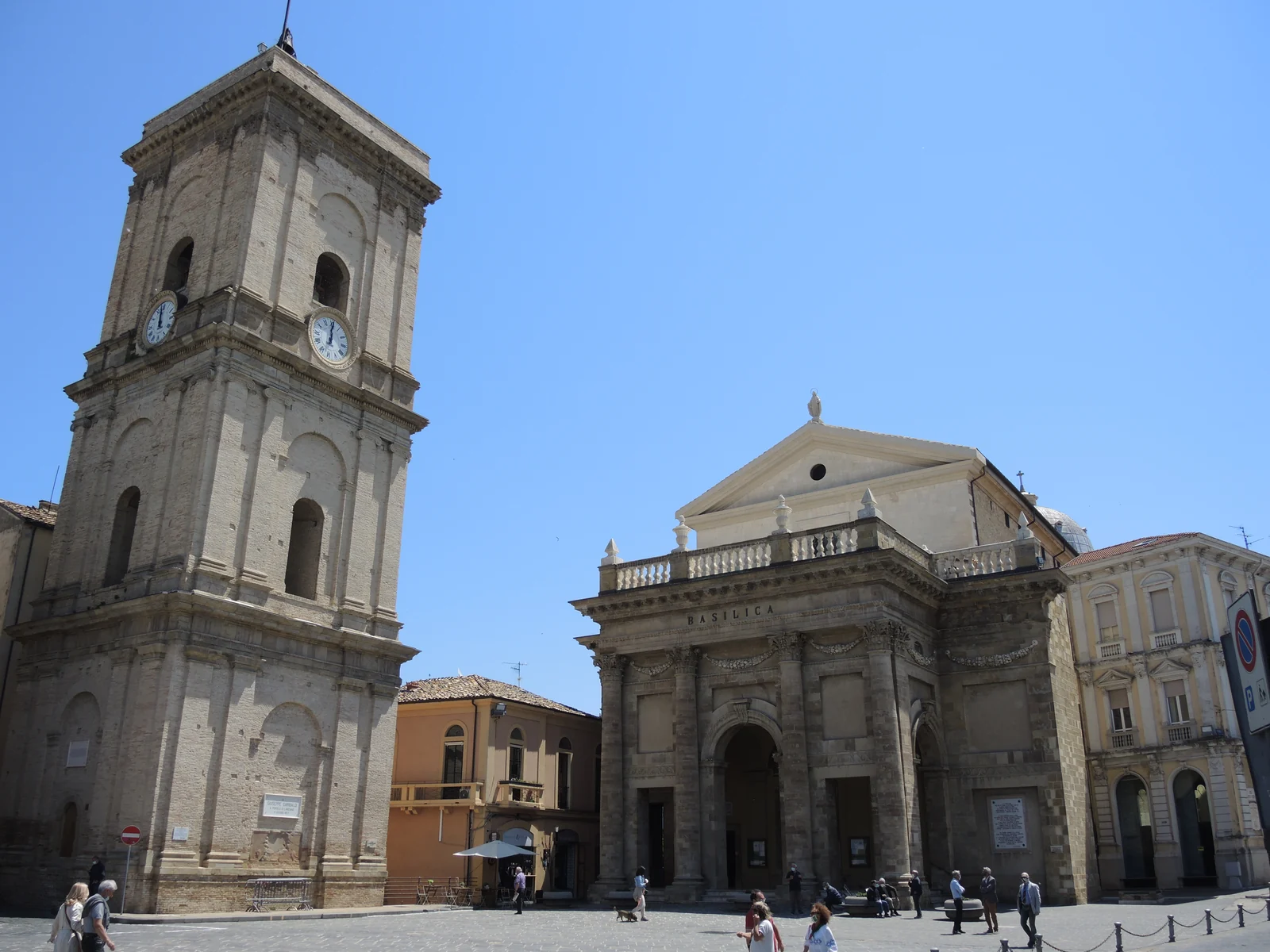
A few steps away, in Piazza Plebiscito, the cathedral of the Madonna del Ponte stands on a group of five bridges built side by side: beneath the square, about 7 metres down, the underground Lanciano route leads from the Roman remains of the head of the Diocletian bridge to the rooms below the sanctuary. Around it lie the four historic quarters, Borgo, Civitanova, Sacca and Lancianovecchia, with the Torri Montanare, the Gothic façade of Santa Maria Maggiore and the early medieval church of San Biagio.
Then there are the feasts. In September, for the patron saint, the Madonna del Ponte, the September feasts reached their 193rd edition in 2026, with the “nottata”, the night spent waiting for the opening at 4 in the morning; in the same season the re-enactment of the investiture of the Mastrogiurato brings the memory of the medieval fairs back to the streets.
Sources: Comune di Lanciano — Guida turistica di Lanciano: un viaggio millenario tra fede, storia e cultura (18 dicembre 2025) · Santuario del Miracolo Eucaristico di Lanciano (Frati Minori Conventuali) — Il Santuario · Comune di Lanciano, Ufficio Turismo — Guida di Lanciano / Guide of Lanciano, «Città della Musica, delle Fiere, del Miracolo» (PDF, 2025) · Comune di Lanciano — Lanciano sotterranea · Comune di Lanciano — Presentata la 193ª edizione delle Feste di Settembre (30 luglio 2026) · Comune di Lanciano — Lo spirito sacro della nottata lancianese (13 settembre 2026) · Comune di Lanciano — Rievocazione storica dell’Investitura del Mastrogiurato 2026
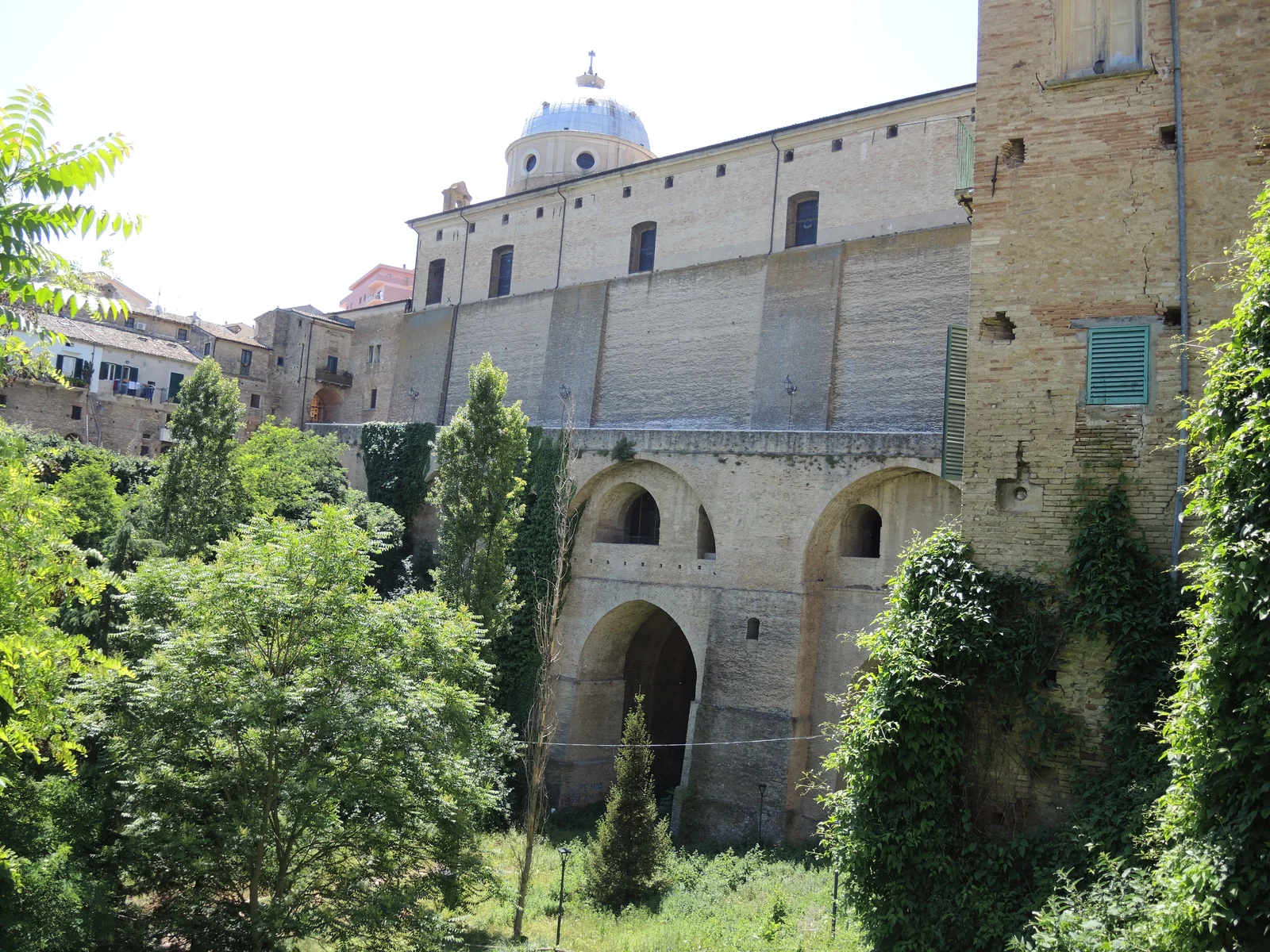
Photo: Pietro / Wikimedia Commons — CC BY-SA 4.0 · Resized and converted to WebP.
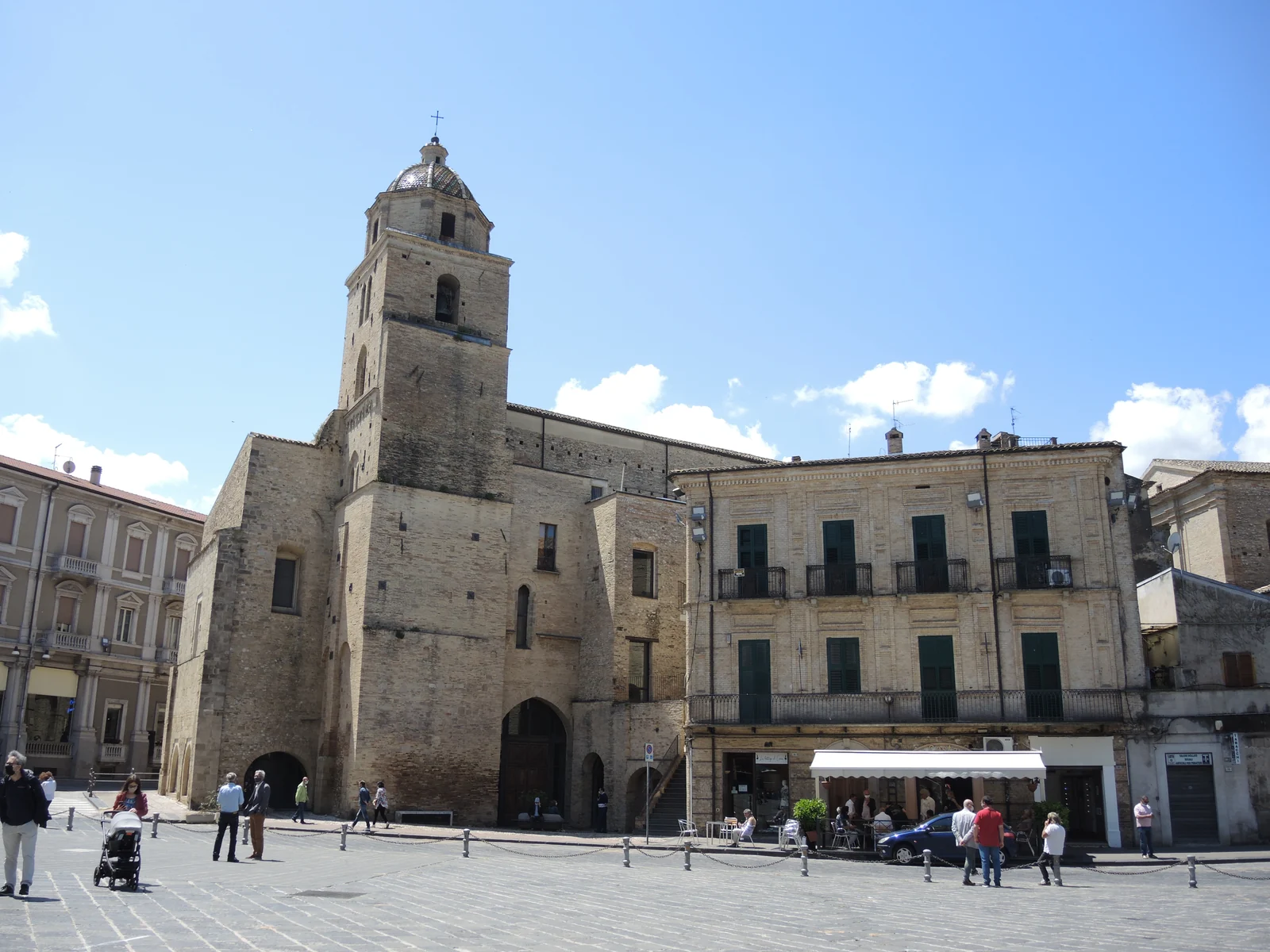
Photo: Pietro / Wikimedia Commons — CC BY-SA 4.0 · Resized and converted to WebP.
The municipality at a glance
Lanciano is a municipality in the province of Chieti, in Abruzzo. Its ISTAT code is 069046. On 1 January 2025 it had 33,917 residents. The municipal territory covers 66.96 km² and ranges from 35 to 408 metres above sea level; the town hall stands at about 274 metres.
The old town is divided into four quarters: Borgo, Civitanova, Sacca and Lancianovecchia. The council describes Lanciano as the administrative and commercial centre of reference for the Val di Sangro, with newer districts such as Santa Rita; the town holds the Gold Medal of Military Valour.
Sources: ISTAT, Codici statistici delle unità amministrative territoriali: elenco dei comuni al 21 febbraio 2026 · ISTAT, Popolazione residente per età, sesso e stato civile al 1° gennaio 2025 (POSAS) · ISTAT, Principali statistiche geografiche sui comuni: superficie e altimetria al 31 dicembre 2021 · Comune di Lanciano — Guida turistica di Lanciano: un viaggio millenario tra fede, storia e cultura (18 dicembre 2025) · Comune di Lanciano — Esplora Lanciano: mappa ufficiale della città (18 dicembre 2025) · Comune di Lanciano — 83° anniversario della Rivolta lancianese del 5 e 6 ottobre: il programma (4 ottobre 2026)
History
The history of the area begins long before the town. The Archaeological Museum of the Santo Spirito museum centre tells it from the Neolithic villages of the sixth and fifth millennia BC, such as the one at Marcianese, through to the Middle Ages. The ancient town, Anxanum, appears in Latin authors as an important centre of the Frentani lands: Pliny the Elder records that the Anxani lived inland, “bearing the name of Frentani”. Until 1991, the council writes, little was known of the Roman town; it was the excavations of the archaeological superintendency in the old town, from that year onwards, that made a scientific reconstruction possible.
According to tradition, in the Lancianovecchia quarter, the oldest inhabited core, the Lombards built a castle around which the “Castrum Lanzani” grew. The council’s guide describes the church of San Biagio as the only early medieval religious building preserved in full, as a bull of Pope Nicholas II of 1059 attests. In the eighth century, the same guide relates, during the Mass of a Basilian monk who doubted the presence of Christ in the Eucharist, the host turned into flesh and the wine into blood: this is the Eucharistic Miracle of Lanciano. In 1293 the Celestine monastery of Santo Spirito was founded, belonging to the order of Pope Celestine V; it was closed in 1654 by the suppressions ordered by Pope Innocent X.
Lanciano was a town of fairs. In 1304 King Charles II of Anjou created in many towns of the Kingdom the office of Mastrogiurato, an elected magistrate who stood beside the mayor and, during the fairs, oversaw markets, supplies, the town gates and the traffic in and out. A chronicle of 1891, quoted by the council, recalls the many September fairs held “with privileges granted by all the Neapolitan courts”. Beneath Piazza Plebiscito the 1456 earthquake left its marks on the stone blocks of the church of the Annunziata, or Santa Maria in Platea, the town’s first cathedral, first mentioned in 1348 and demolished in 1819; in 1520 a new bridge was built with one covered passage for carts and another for people on foot.
In 1833 two Lanciano priests, Don Luigi Jacobitti and Don Nicola Saverio Bucchianico, walked to Rome to collect the gold crowns that the Chapter of St Peter’s had assigned to the statues of the Madonna del Ponte and the Child; a crowd with torches walked them back to Lanciano, where they arrived at about 4 in the morning. This, the council writes, is the origin of the “nottata” of the feasts. On 5 and 6 October 1943 the town rose against the German troops: the revolt earned Lanciano the Gold Medal of Military Valour, awarded on 4 February 1952, and every year the town remembers its October heroes.
Sources: Comune di Lanciano — Polo Museale Santo Spirito · Comune di Lanciano, Ufficio Turismo — Guida di Lanciano / Guide of Lanciano, «Città della Musica, delle Fiere, del Miracolo» (PDF, 2025) · Comune di Lanciano — Rievocazione storica dell’Investitura del Mastrogiurato 2026 · Comune di Lanciano — Fiera di Sant’Egidio 2026 · Comune di Lanciano — Lanciano sotterranea · Comune di Lanciano — Lo spirito sacro della nottata lancianese (13 settembre 2026) · Comune di Lanciano — 83° anniversario della Rivolta lancianese del 5 e 6 ottobre: il programma (4 ottobre 2026) · Comune di Lanciano — 83° anniversario della rivolta lancianese (6 ottobre 2026)
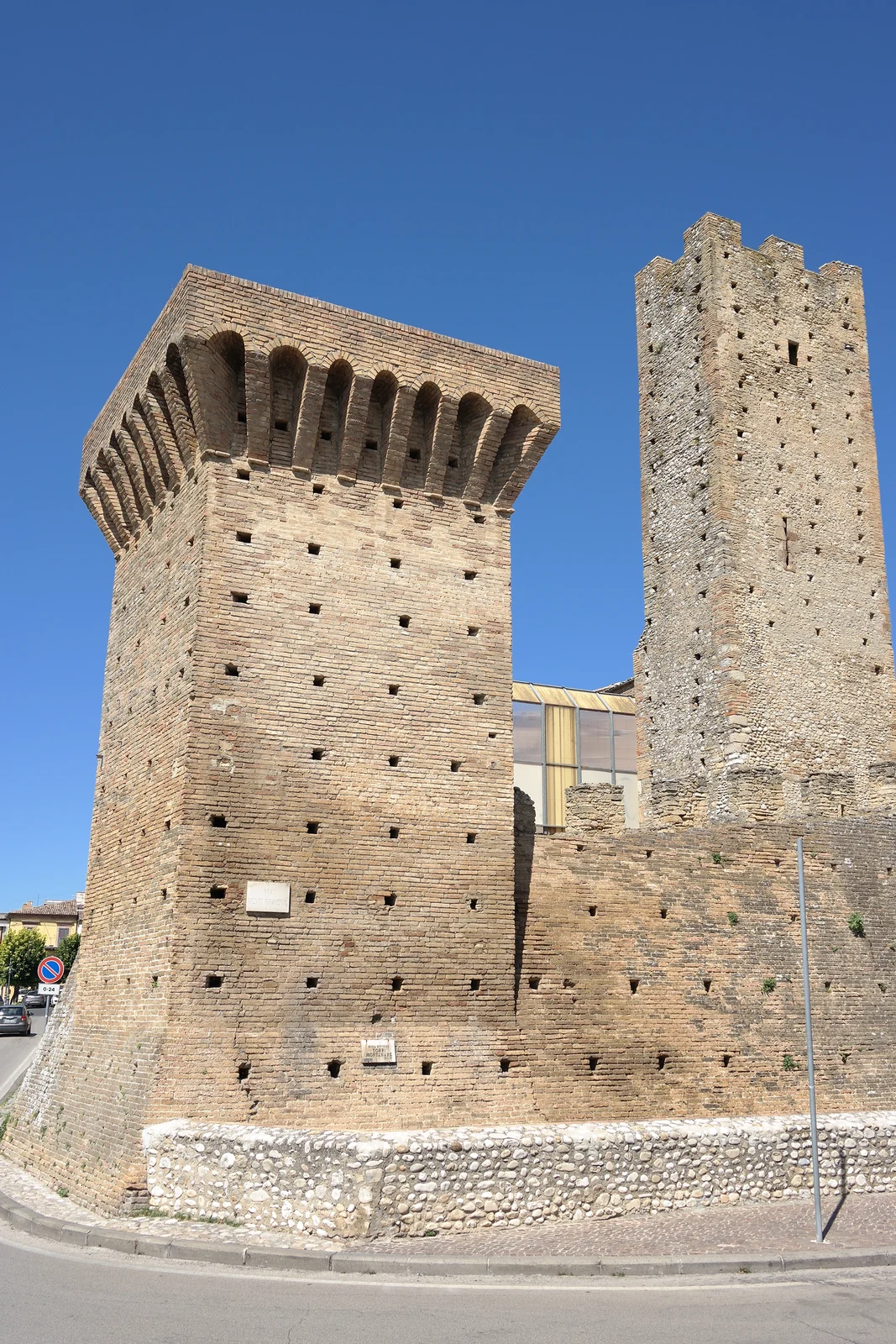
Photo: Luca Aless / Wikimedia Commons — CC BY-SA 4.0 · Resized and converted to WebP.
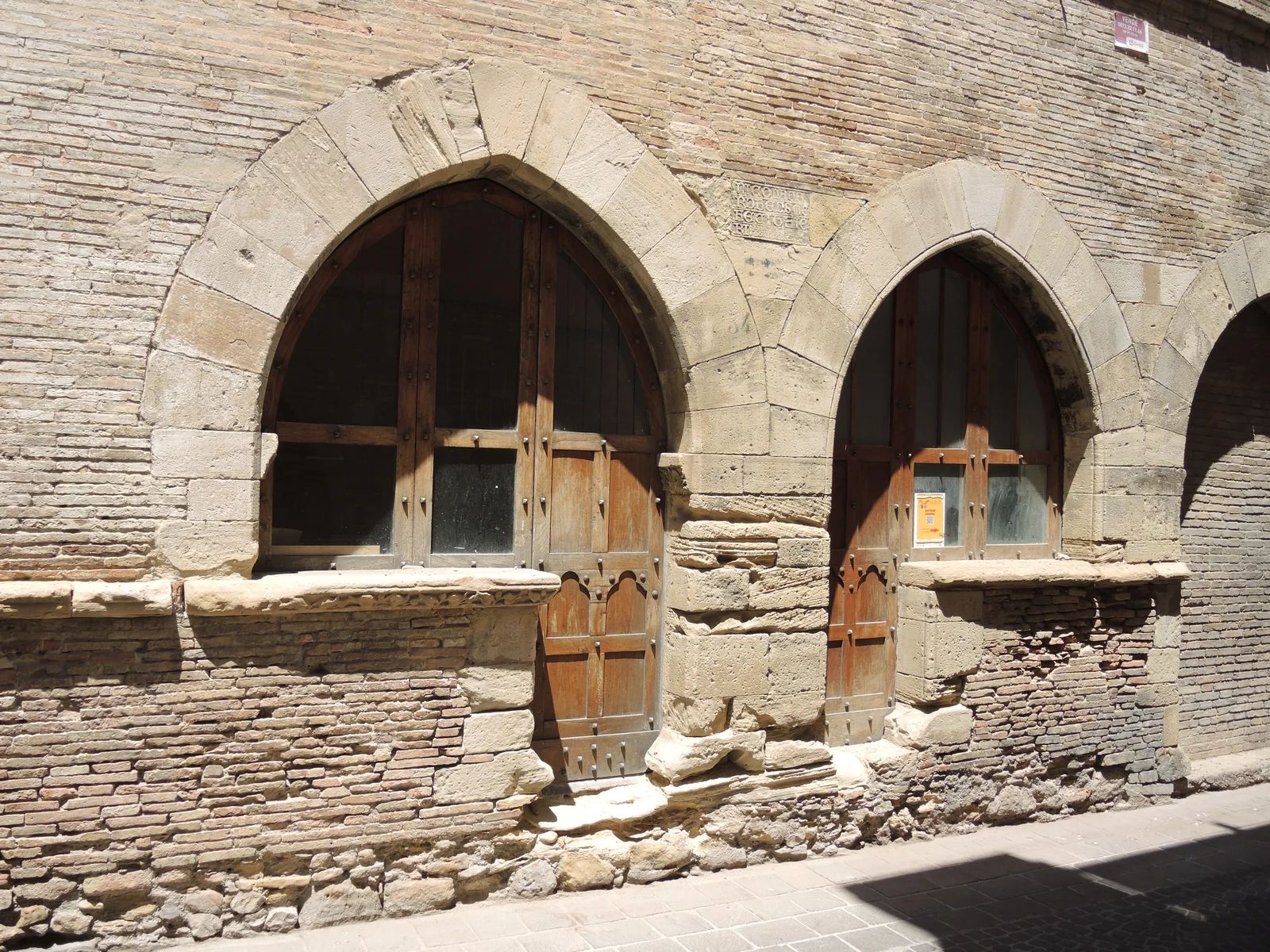
Photo: Pietro / Wikimedia Commons — CC BY-SA 4.0 · Resized and converted to WebP.
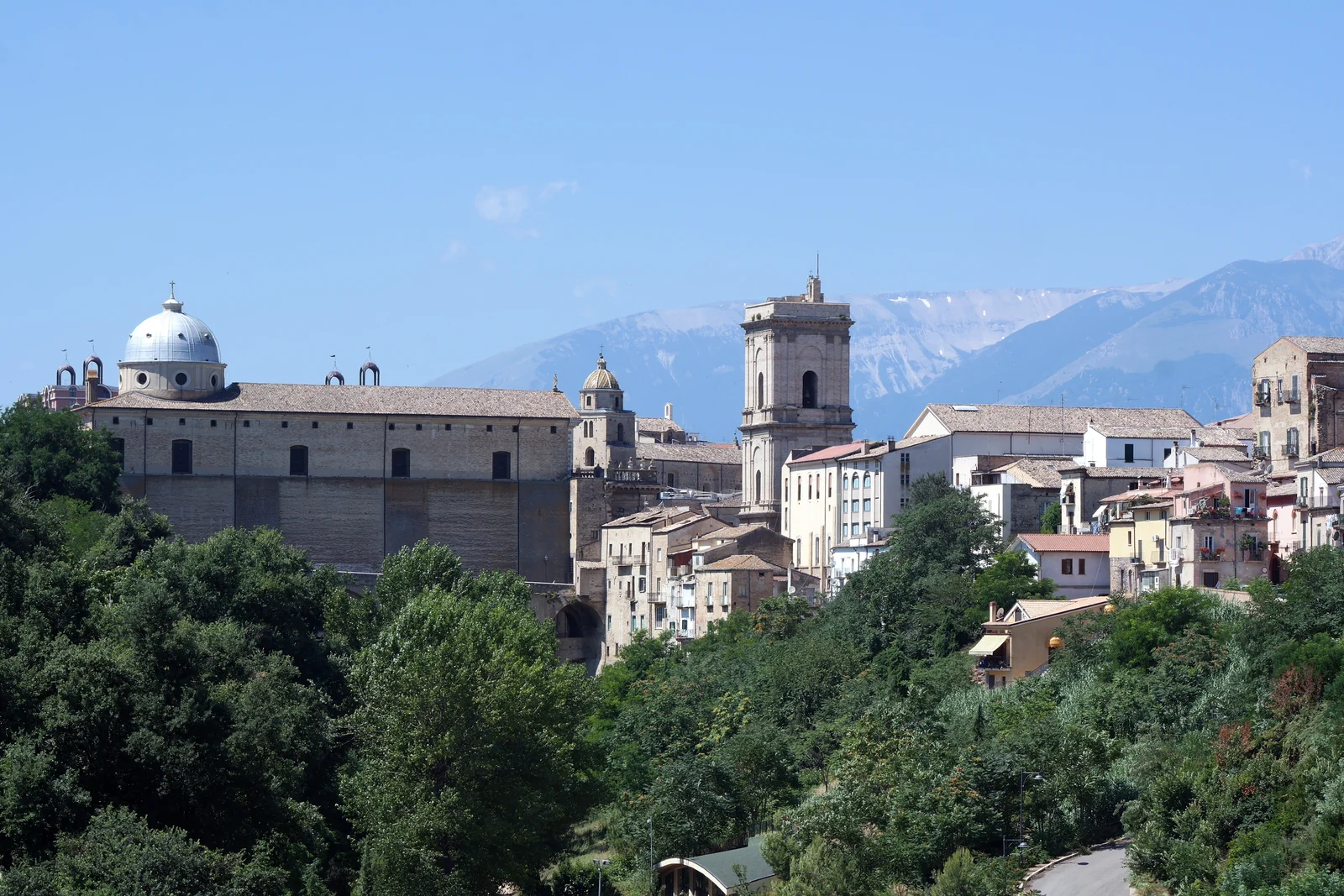
Photo: Luca Aless / Wikimedia Commons — CC BY-SA 4.0 · Resized and converted to WebP.
What to see
Piazza Plebiscito is the heart of the town: it is dominated by the civic tower, the cathedral of the Madonna del Ponte, the town hall and the war memorial altar. The cathedral, from the sixteenth century, has a neoclassical façade and a single nave frescoed by a painter of the Neapolitan school, Giacinto Diano. The statue of the Madonna del Ponte is a painted and gilded terracotta from the late fourteenth or early fifteenth century, set in the niche of the high altar.
Beneath the square lies underground Lanciano, opened after the excavations of the last decade of the twentieth century: from the Diocletian bridge the route passes under the portico that once joined cathedral and bell tower, beside one of the early medieval grain pits, and reaches the area below the sanctuary, with the traces of a Roman cistern, the site of the old Benedictine church and the hall of San Legonziano. On the hall’s vault fourteen panels tell the Apocalypse; on the end wall the “Baptism of the Jews” bears the date 16 May 1516; in a narrow gap there is a fourteenth-century Crucifixion. The covered passage of the 1520 bridge, thanks to its acoustics, is now the Diocletian Auditorium. The route ends in the thirteenth-century church and convent of San Francesco, sanctuary of the Eucharistic Miracle.
Walking up Corso Roma, in the Borgo, you pass the church of Santa Lucia, from 1250, and Santa Chiara, once a convent of the Poor Clares; in Via Silvio Spaventa rise the Torri Montanare, built between the eleventh and fifteenth centuries. The Torri Montanare complex, owned by the Province of Chieti and born in the fourteenth century as the convent of the Lateran Canons Regular beside the church now dedicated to Santa Giovina, was opened in 2011 as the Park of Musical Arts. In Largo dell’Appello, on the second floor of the archbishop’s palace, the Diocesan Museum, opened in 2002, shows more than five hundred works of the archdiocese across 1,000 square metres: the Madonna del Ponte room holds the patron saint’s treasure of jewels from the seventeenth to the twentieth century, the pontifical ewer of 1603 and a Madonna and Child from the second half of the fifteenth century signed by Jacopo da Lanciano.
In the Civitanova quarter, on Via Garibaldi, Santa Maria Maggiore was built in 1227 in the Cistercian style: it has a splayed portal and a fourteenth-century rose window, and inside a Venetian-school triptych, a thirteenth-century wooden crucifix and the silver processional cross by Nicola da Guardiagrele, dated 1422. Opposite stands the house-museum of the painter Federico Spoltore. Further on, in the Sacca, the church of San Nicola has a carved stone portal and, at the foot of its bell tower, frescoes from the late thirteenth century.
In Lancianovecchia, along Via dei Frentani, you pass the Teatro Fenaroli, Largo Tappia with the Palazzo del Capitano and Palazzo De Crecchio, the bell tower of San Giovanni Battista and Sant’Agostino, from the thirteenth century, with its rose window and the Madonna and Child in the lunette, eighteenth-century Baroque stuccoes and the chapel of Saints Simeon and Jude Thaddeus. Next door, the small church of Santa Croce, from 1583, keeps the other Eucharistic miracle of Lanciano’s tradition, whose relics are in Offida and were partly returned to Lanciano in 2003. After the medieval workshops of Piazza dei Frentani and the church of San Biagio you reach Porta San Biagio, the only one left of the town’s nine gates.
The Teatro Fenaroli, a symbol of the town since the early nineteenth century, has recently been restored with Italian recovery plan (PNRR) funds: it has 318 seats, 128 in the stalls and 190 in its 47 boxes, and a new chandelier of 8,000 Bohemian crystals. The Santo Spirito museum centre, in the restored Celestine monastery opened at the end of 2009, houses the Archaeological Museum, opened in 2012, with finds from the Neolithic to the Middle Ages. The “Raffaele Liberatore” municipal library, founded in 1868 with the books of the suppressed convents and housed in Villa Marciani since 2006, holds about 80,000 volumes, 116 parchments and 9 incunabula, among them the award of Saint John of Capestrano that made peace between Lanciano and Ortona.
Sources: Comune di Lanciano — Piazza del Plebiscito · Comune di Lanciano, Ufficio Turismo — Guida di Lanciano / Guide of Lanciano, «Città della Musica, delle Fiere, del Miracolo» (PDF, 2025) · Arcidiocesi di Lanciano-Ortona — Museo Diocesano di Lanciano, sala della Madonna del Ponte · Comune di Lanciano — Lanciano sotterranea · Comune di Lanciano — Chiostro del parco delle arti musicali (Torri Montanare) · Arcidiocesi di Lanciano-Ortona — Museo Diocesano di Lanciano · Comune di Lanciano — Teatro Comunale «Fedele Fenaroli» · Comune di Lanciano — Polo Museale Santo Spirito · Comune di Lanciano — Biblioteca comunale «Raffaele Liberatore»
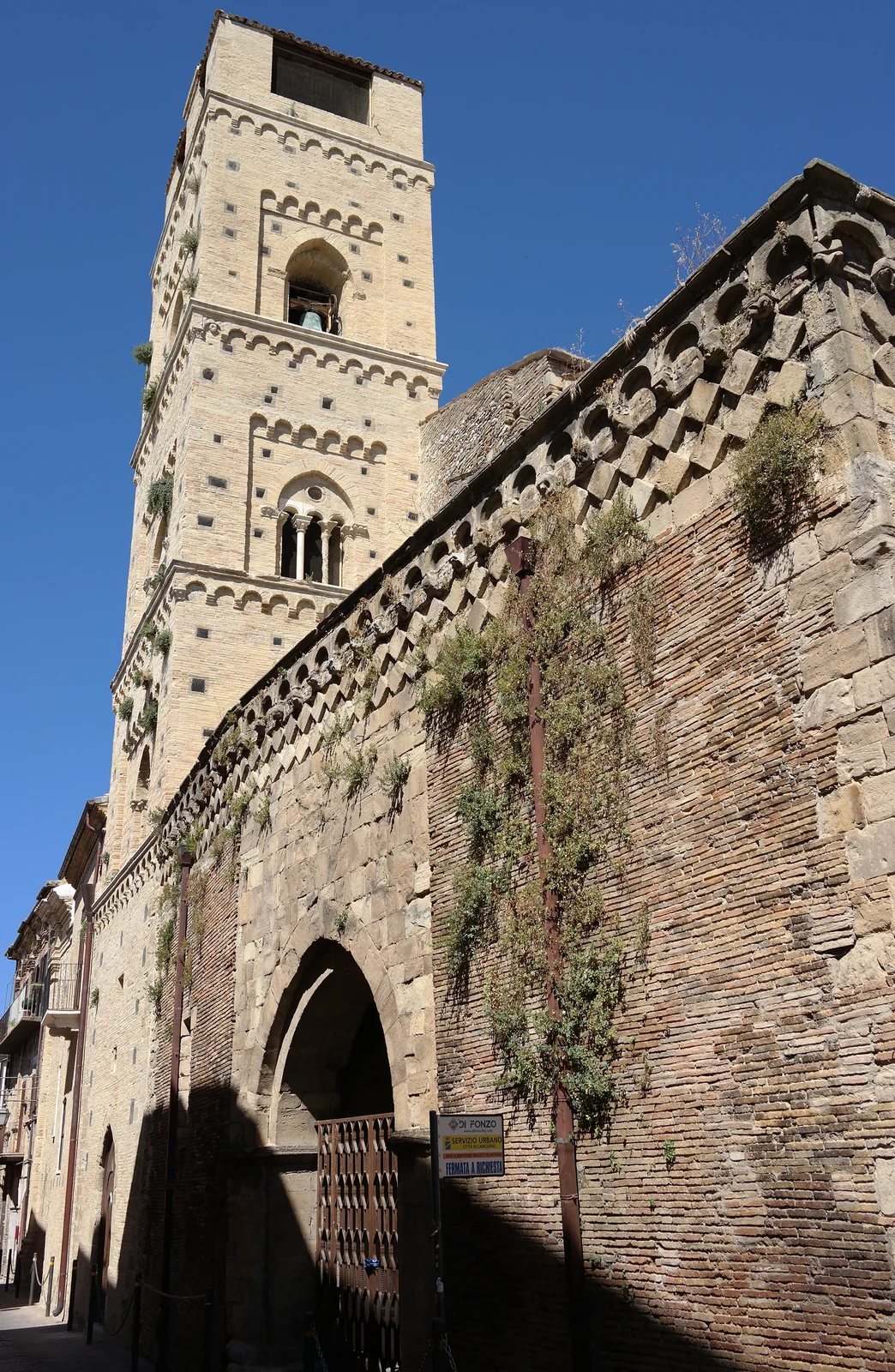
Photo: Luca Aless / Wikimedia Commons — CC BY-SA 4.0 · Resized and converted to WebP.
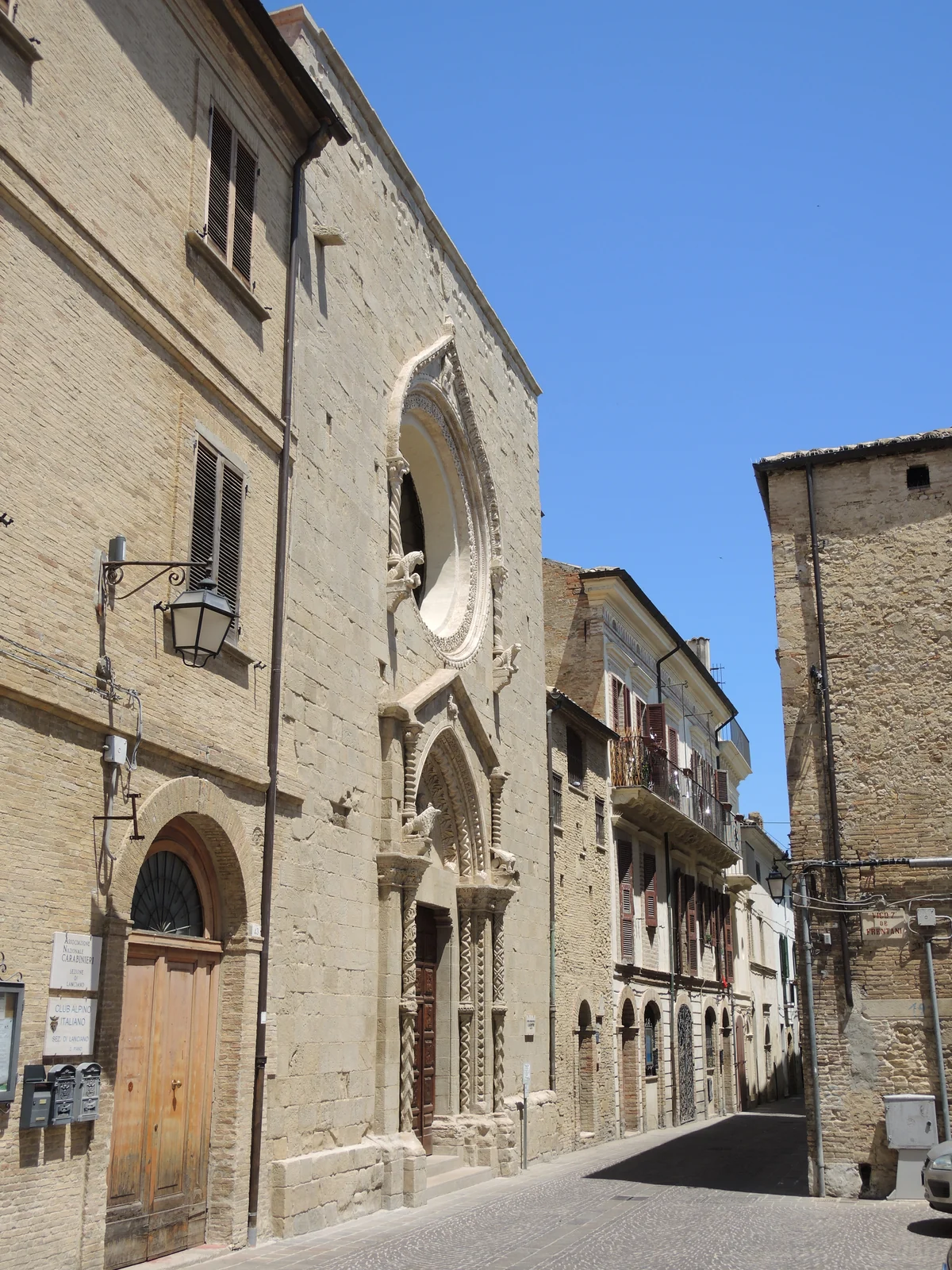
Photo: Pietro / Wikimedia Commons — CC BY-SA 4.0 · Resized and converted to WebP.
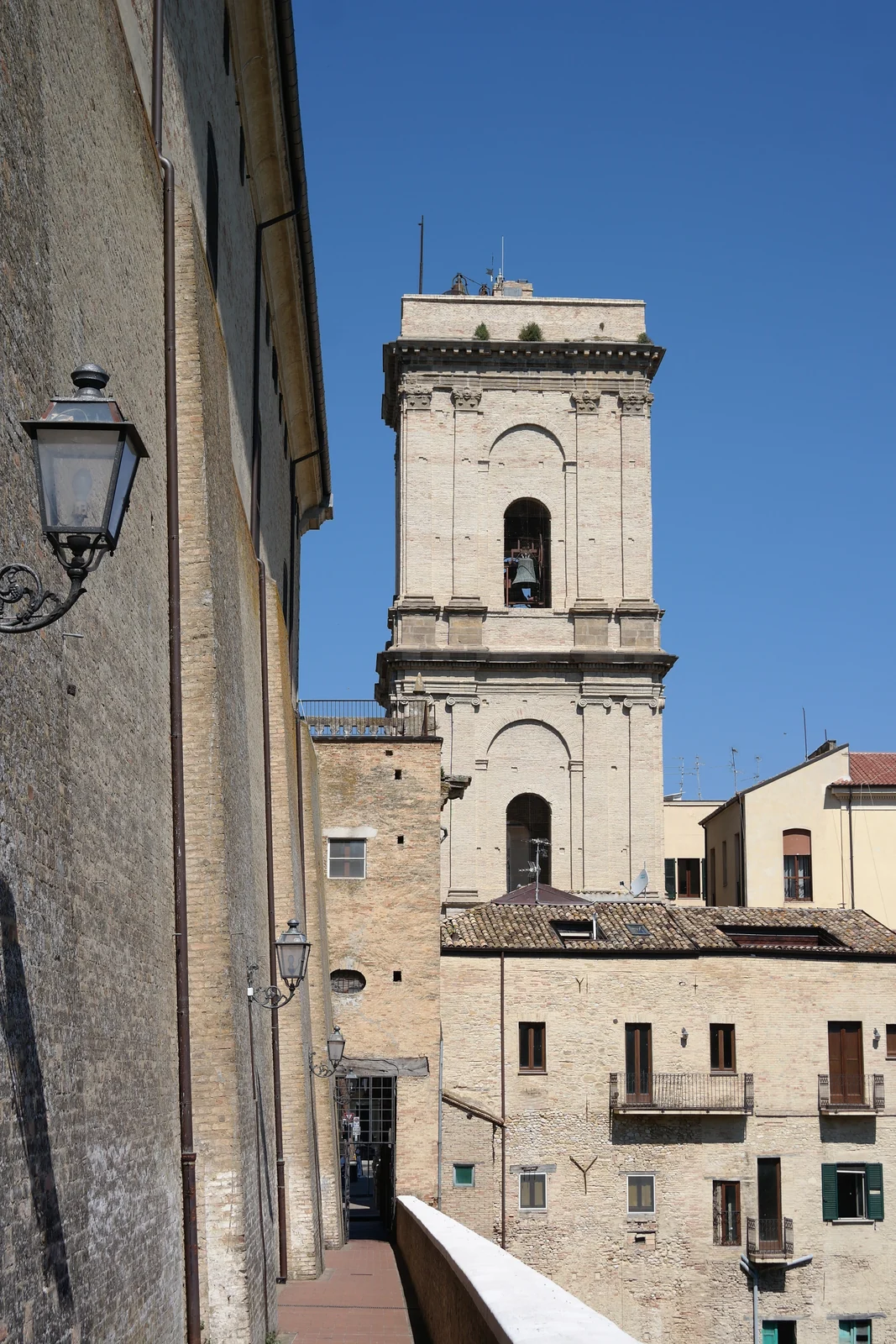
Photo: Luca Aless / Wikimedia Commons — CC BY-SA 4.0 · Resized and converted to WebP.
Flavours
Extra virgin olive oil from the province of Chieti has a protected designation of origin, “Colline Teatine”, registered in the European Union since 1997. According to the register’s summary sheet, the production area lies in the province of Chieti, the name comes from “Teatum”, the ancient name of Chieti, and the main variety is the Gentile di Chieti; the label may add the geographical mentions “Frentano” and “Vastese”. The same sheet notes that the notarial records kept in the State Archive in Lanciano document the central role of the fairs and of the local olive oil in trade with Naples and with the lands across the Adriatic. The specification sets the harvest between 20 October and 20 December; in 2025 a temporary amendment brought it forward.
The bond between the town and its countryside shows in the Dono, the “gift”, on 8 September: the 33 rural districts parade on decorated carts and bring produce of the land to the Madonna del Ponte, in devotion and thanksgiving. In the evening, in Piazza Plebiscito, the gifts are auctioned; in 2026 the auction also offered dishes already cooked by several restaurants, to be eaten in the square, and the Sant’Egidio district arrived in procession with its own dishes.
At the Sant’Egidio fair, on 31 August, tradition had the young man give his sweetheart a wicker basket full of fruit, returned with a little bell: a chronicle of 1891 calls the fair the only market of “baskets, little baskets and hampers”.
Sources: Commissione europea, eAmbrosia — «Colline Teatine» DOP (EUGI00000013325), registro delle indicazioni geografiche · Commissione europea, eAmbrosia — «Colline Teatine» DOP, scheda riepilogativa (summary sheet EN) · Commissione europea, eAmbrosia — «Colline Teatine» DOP, modifica temporanea del periodo di raccolta (Ares(2025)9520548, 5 novembre 2025) · Comune di Lanciano — Lanciano si prepara per il Dono (7 settembre 2026) · Comune di Lanciano — Fiera di Sant’Egidio 2026
Things to do
The council’s guide suggests a walk that starts from Piazza Plebiscito, climbs Corso Roma in the Borgo to the Torri Montanare and Largo dell’Appello, crosses Civitanova and the Sacca along Via Garibaldi and goes down towards the Ammazzo bridge and Piazza Garibaldi, from where a flight of steps leads back to Piazza Plebiscito. A second loop climbs Via dei Frentani, in Lancianovecchia, to Porta San Biagio and returns to the square along the walls in Via dei Bastioni. The council’s guide maps 33 points of interest.
Underground Lanciano can also be seen on guided group tours, such as those organised in September 2025 by the “Amici di Lancianovecchia” and “Italica” associations, on booking. Outside the centre, the Cammini lancianesi presented by the council in 2025 are nine circular routes from the centre to the rural districts, designed around the Frentani landscape and farmland and suitable on foot, by bicycle and on horseback.
For music and performances there are the Teatro Fenaroli, with drama and music, and the Cinema teatro Mazzini, built in 1901 and nicknamed “Pidocchietto”: 142 pink velvet seats for music, art-house cinema, theatre and events. In the old church of San Longino, below the bell tower of San Francesco, a concert in March 2026 told the story of the Roman soldier Longinus who, according to the legend recalled by the council, was beheaded on that very spot.
Sources: Comune di Lanciano, Ufficio Turismo — Guida di Lanciano / Guide of Lanciano, «Città della Musica, delle Fiere, del Miracolo» (PDF, 2025) · Comune di Lanciano — Guida turistica di Lanciano: un viaggio millenario tra fede, storia e cultura (18 dicembre 2025) · Comune di Lanciano — Tra storia, arte e sostenibilità: così il Comune di Lanciano abbraccia il turismo (27 settembre 2025) · Comune di Lanciano — Teatro Comunale «Fedele Fenaroli» · Comune di Lanciano — Cinema teatro Mazzini · Comune di Lanciano — Prima edizione de «La Sacra Lanza» (26 marzo 2026)
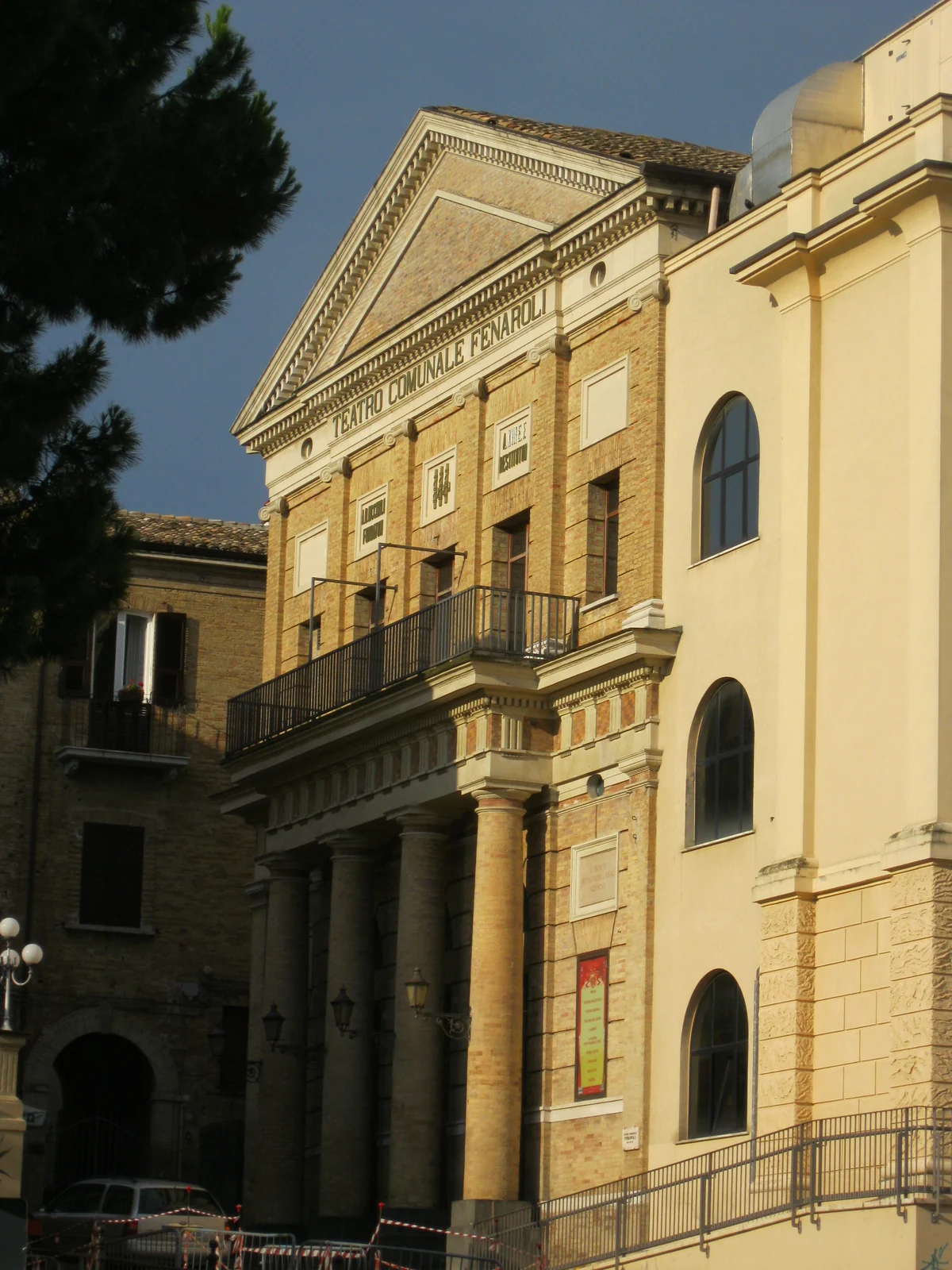
Photo: Georg Christoph Lichtenberg / Wikimedia Commons — CC BY-SA 4.0 · Resized and converted to WebP.
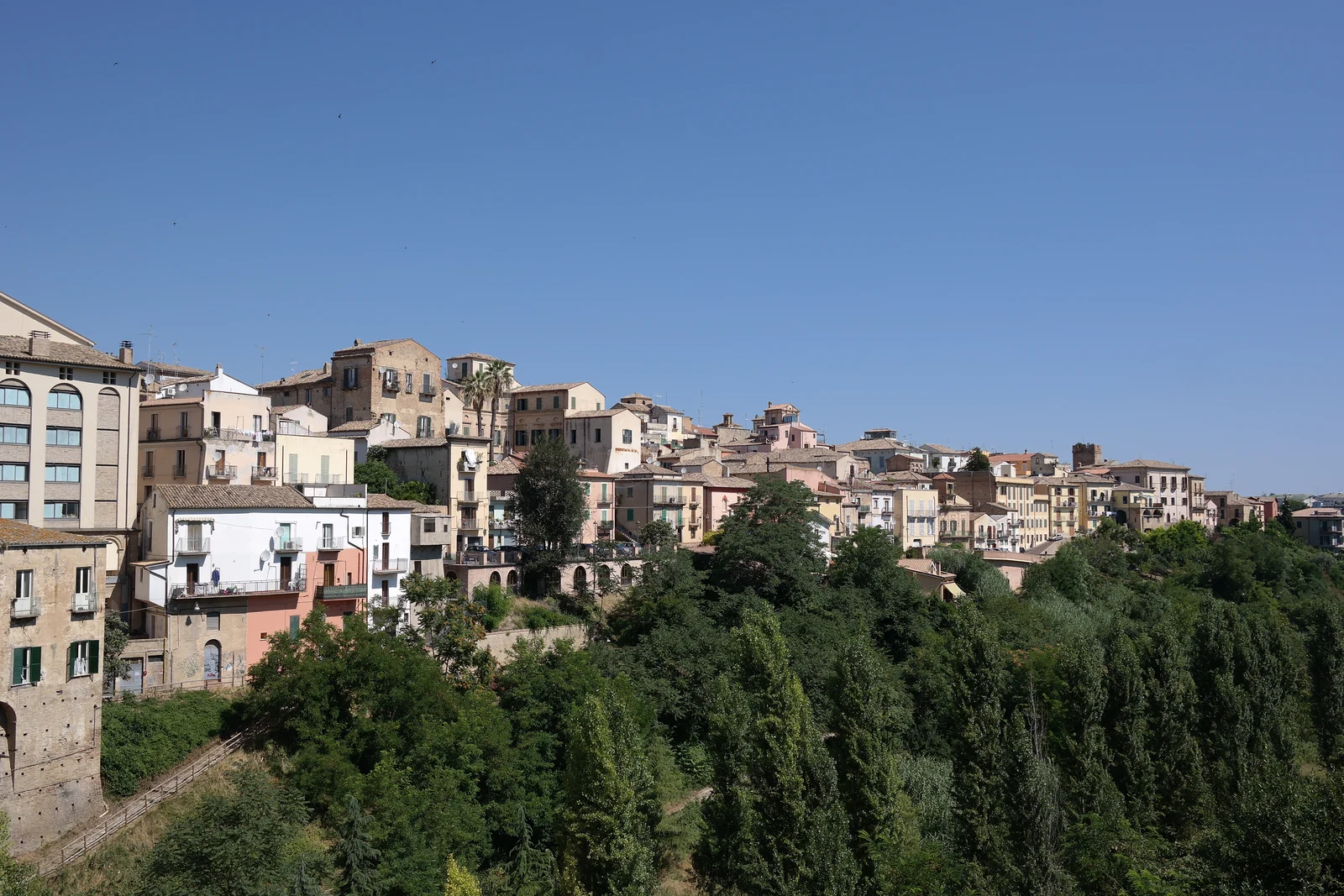
Photo: Luca Aless / Wikimedia Commons — CC BY-SA 4.0 · Resized and converted to WebP.
When to go
September is Lanciano’s month. The September feasts in honour of the Madonna del Ponte, at their 193rd edition in 2026, begin at the end of August with the firecrackers set off in Piazza Plebiscito to open the novena. On 31 August comes the Sant’Egidio fair, with stalls in Piazza Plebiscito and along Corso Trento e Trieste (120 in 2026) and the little bells given to loved ones: Saint Giles, hermit, abbot and protector of lepers, has a rural district and a church named after him in Lanciano.
In the first days of the month the medieval week leads to the Tenzone dei quartieri, the games between Borgo, Civitanova, Lancianovecchia and Sacca in the Parco delle Rose, and to the re-enactment of the investiture of the Mastrogiurato: in 2026, at its 44th edition, about four hundred people in costume took part and the council counted about ten thousand spectators. On 8 September, the Nativity of Mary, the rural districts bring the Dono; for 2026, 30 carts and 500 participants were announced.
The high point is the “nottata”: the town stays up until 4 in the morning, when the opening of the feasts is announced by fireworks in the Parco delle Rose and by the lighting of the illuminations along Corso Trento e Trieste; in 2026 it was the night between 13 and 14 September. On 5 and 6 October the town commemorates the 1943 revolt.
Sources: Comune di Lanciano — Presentata la 193ª edizione delle Feste di Settembre (30 luglio 2026) · Comune di Lanciano — Al via con lo sparo dei mortaretti la novena per la Madonna del Ponte (28 agosto 2026) · Comune di Lanciano — Fiera di Sant’Egidio 2026 · Comune di Lanciano — Al via da oggi la Settimana Medievale (1° settembre 2026) · Comune di Lanciano — In diecimila a Lanciano per il Mastrogiurato (7 settembre 2026) · Comune di Lanciano — Lanciano si prepara per il Dono (7 settembre 2026) · Comune di Lanciano — Feste di Settembre 2026, Lanciano in trepidazione per la Nottata (13 settembre 2026) · Comune di Lanciano — Lo spirito sacro della nottata lancianese (13 settembre 2026) · Comune di Lanciano — 83° anniversario della Rivolta lancianese del 5 e 6 ottobre: il programma (4 ottobre 2026)
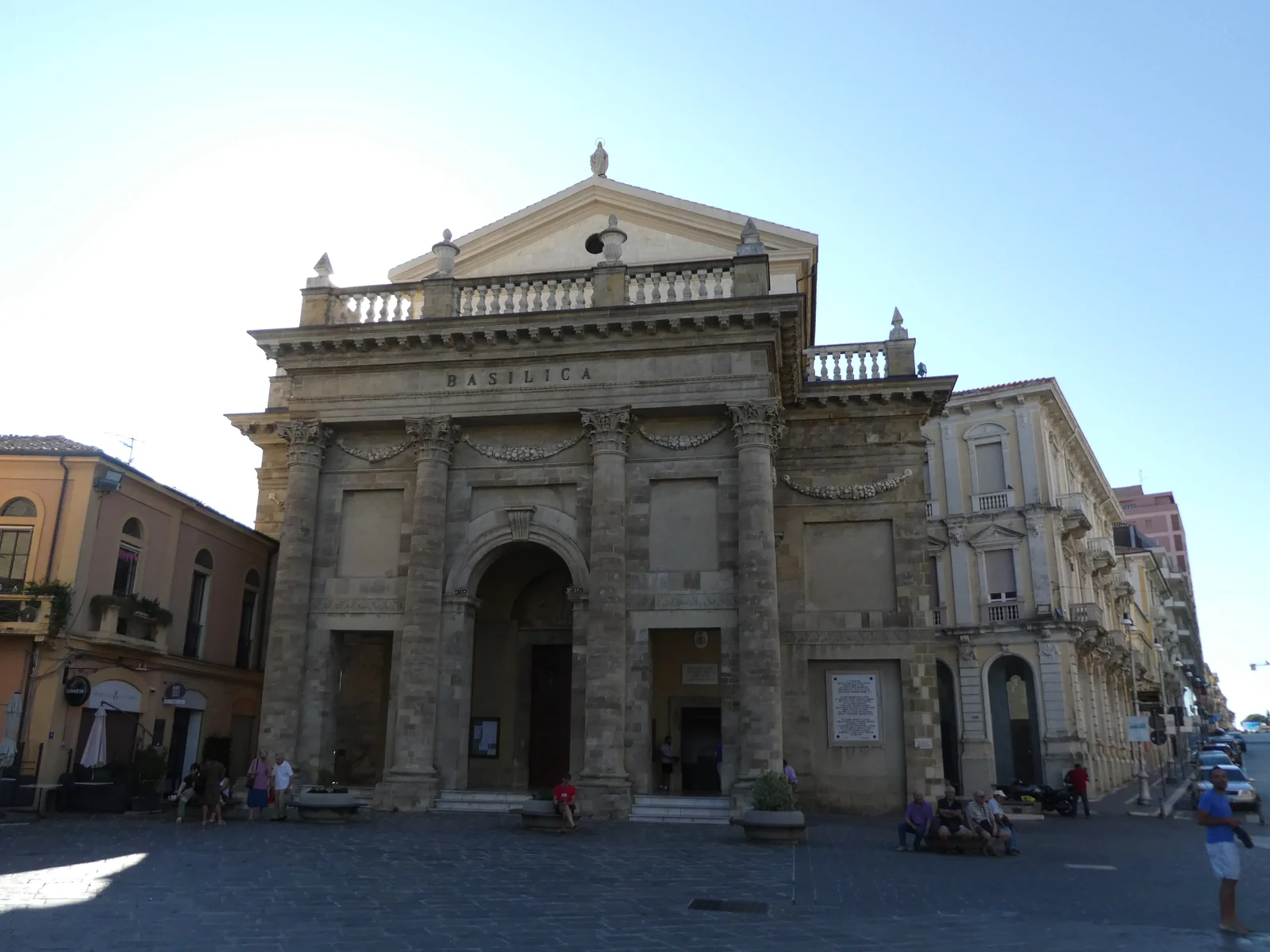
Photo: Syrio / Wikimedia Commons — CC BY-SA 4.0 · Resized and converted to WebP.
Getting there and around
Lanciano has a railway station of TUA, the Abruzzo regional transport company, in Via Bergamo. According to TUA, the Lanciano-Marina San Vito line takes passengers from the Frentani area to Pescara in just under 40 minutes; the company also publishes timetables for trains between Ancona and Lanciano. The council reports that the upgrade of the Lanciano-San Vito section should raise the service from 18 to 52 trains a day by 2027. Anyone needing assistance for a disability or reduced mobility must request it from TUA at least 48 hours before departure from Lanciano station.
Two public lifts connect car parks with the old town. The Via Sant’Egidio lift, opened on 13 August 2026, rises from a 72-space car park, 2 of them reserved for disabled people; the Via per Frisa lift leads to the Civitanova and Sacca quarter, and its car park has charging points for electric vehicles. The council’s guide also points to the large car park near Piazza Garibaldi, with the lift up to San Biagio and the medieval workshops of Lancianovecchia.
Sources: Comune di Lanciano — Presentati alla stazione di Lanciano quattro nuovi elettrotreni ETR 104 (10 aprile 2026) · TUA, Società Unica Abruzzese di Trasporto — Trasporto passeggeri, divisione ferroviaria · TUA, Società Unica Abruzzese di Trasporto — Orari dei treni · Comune di Lanciano — Ascensore di via Sant’Egidio · Comune di Lanciano — Ascensore di via per Frisa · Comune di Lanciano, Ufficio Turismo — Guida di Lanciano / Guide of Lanciano, «Città della Musica, delle Fiere, del Miracolo» (PDF, 2025)
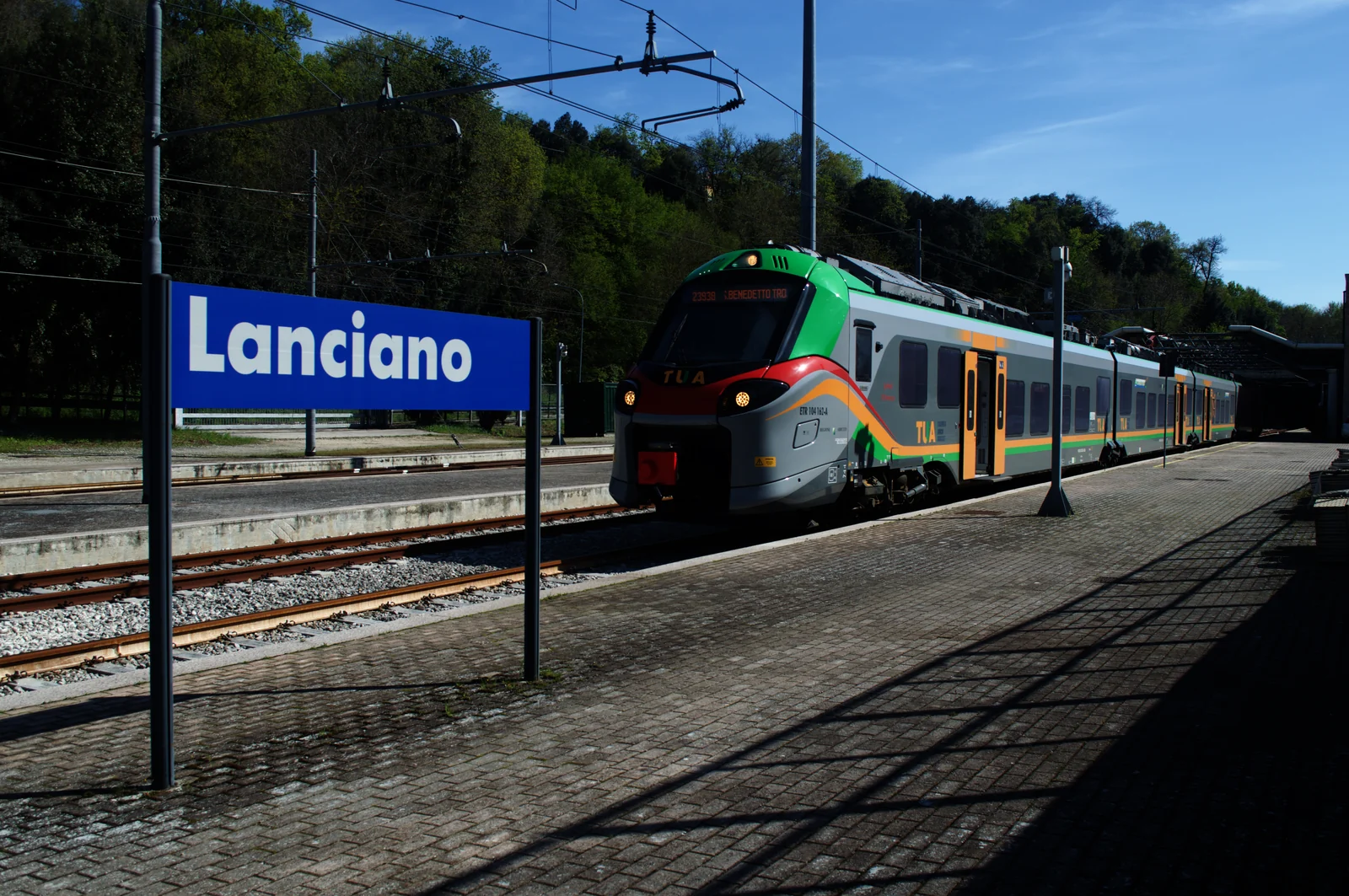
Photo: Phil Richards / Wikimedia Commons — CC BY-SA 2.0 · Resized and converted to WebP.
Tourism
Anyone staying overnight in Lanciano who is not a resident, in any kind of accommodation or in a short-term rental, pays the tourist tax: 1 euro per person per night, according to the council’s page updated in June 2026, and only for the first two consecutive nights. The council’s regulation, approved in 2018, exempts among others children who have not yet turned twelve, those who come to the town for medical treatment and those assisting a hospital patient, dependent people with disabilities with their companion, and school groups with their teachers, on showing the documents to the host; for families the tax is halved from the second child onwards. It is paid to the accommodation by departure, against a receipt.
The centre has two limited traffic zones, with the hours in force since 3 October 2022. In the Borgo quarter the zone is open from Monday to Saturday from 7 am to 9 pm and closed at night and from 9 pm on Saturday to 7 am on Monday; in Lancianovecchia it is open from Monday to Saturday from 9 am to 9 pm and closed at night and from 9 pm on Saturday to 9 am on Monday. Holders of the disabled parking badge may drive through even without a permit, but they notify the council of the passage within 72 hours, using the form, at the public relations office or by certified email.
Sources: Comune di Lanciano — Imposta di soggiorno (servizio; ultimo aggiornamento 4 giugno 2026) · Comune di Lanciano — Regolamento dell’imposta di soggiorno (Delibera di CC n. 10 del 28 marzo 2018) · Comune di Lanciano — ZTL di Lanciano (orari dell’Ordinanza n. 261 del 28 settembre 2022) · Comune di Lanciano — Comunicazione transito in ZTL con contrassegno invalidi
“Come to Lanciano as a guest, not as a tourist: that is how these places truly let you know them.”
Accommodation in figures
In the Ministry of Tourism’s national database of accommodation (BDSR), on 12 October 2026, Lanciano had 163 establishments with a verified national identification code (CIN): 1 hotel-type establishment, 9 non-hotel establishments and 153 other establishments.
Sources: Ministero del Turismo – Banca Dati Strutture Ricettive (dashboard pubblica)
Nearby
Lanciano’s Archaeological Museum also tells the story of the Frentani lands around the town: it shows finds from Mozzagrogna, from the coastal villa found in 1995 at San Vito Marina, and the grave goods of the cemeteries excavated between 1999 and 2007 around the monumental Benedictine abbey of San Giovanni in Venere, at Fossacesia. The TUA railway runs from Lanciano down to Marina San Vito, on the coast, and on to Pescara.
The 2026 Mastrogiurato procession included, alongside Lanciano, the municipalities of Castel Frentano, Frisa, Perano, Rocca San Giovanni, Fossacesia, Mozzagrogna and Santa Maria Imbaro. It was from Castel Frentano, the council relates, that in 1833 the torch-bearing crowd escorted the two priests back to town on their return from Rome.
Sources: Comune di Lanciano — Polo Museale Santo Spirito · TUA, Società Unica Abruzzese di Trasporto — Trasporto passeggeri, divisione ferroviaria · Comune di Lanciano — In diecimila a Lanciano per il Mastrogiurato (7 settembre 2026) · Comune di Lanciano — Lo spirito sacro della nottata lancianese (13 settembre 2026)
The town council
The official website of the Comune di Lanciano, registered in IndicePA, the index of the digital addresses of Italy’s public administrations, is the reference for the town council’s offices, opening hours and news. Its address is listed among the sources of this section.
The town hall is at Piazza Plebiscito 59/60 and the switchboard answers on 0872 7071. The tourist info point, opened on 18 September 2015, is at Piazza Senatore Errico D’Amico 1, step-free and with accessible toilets; it answers on 0872 45428.
Sources: Comune di Lanciano, sito istituzionale · IndicePA (AgID), Indice dei domicili digitali delle pubbliche amministrazioni: dataset Enti · Comune di Lanciano — Sede Infopoint · Comune di Lanciano — Nuovi orari di apertura del servizio Infopoint (9 ottobre 2026)
Where to stay
In the municipality of Lanciano the national database of the Ministry of Tourism lists 163 accommodation businesses with a verified CIN code: 1 hotels, 9 other licensed accommodation and 153 other types such as B&Bs and private rentals.
Ask Apulica for a stay in Lanciano We reply shortly, within a few hours at most, with a proposal for you to consider.
Sources: Ministero del Turismo – Banca Dati Strutture Ricettive (dashboard pubblica), 2026-10-12
YOUR JOURNEY
How to shape a journey here
To include Lanciano in a trip, or to ask for a guide or a transfer, you can write to Apulica with the button below.
Plan your tripKeep exploring
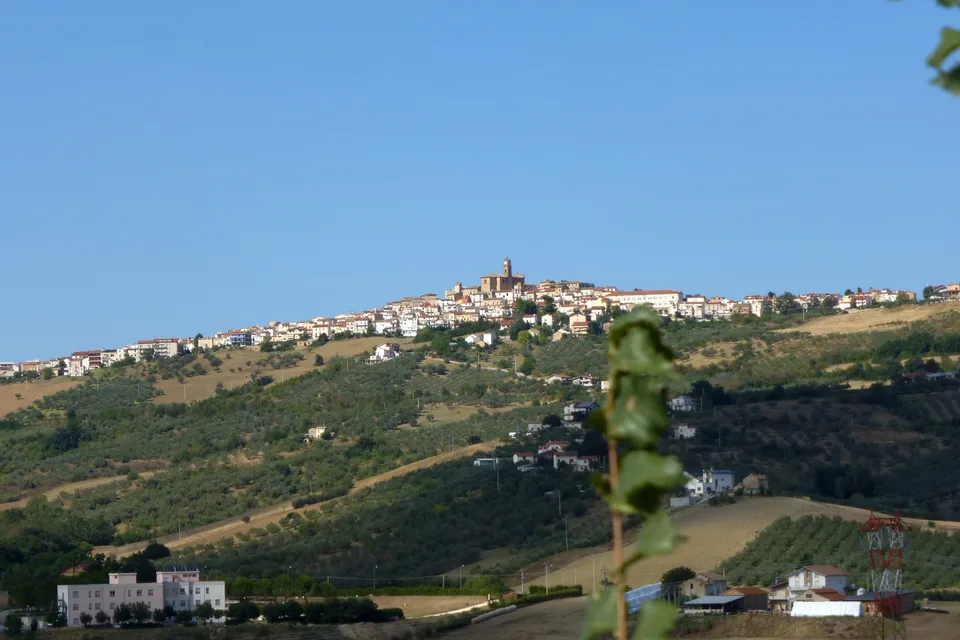
Castel Frentano
Castel Frentano (CH), Abruzzo: 4,198 residents, 21.89 km². The official facts of the municipality, its town council website and its registered accommodation.
Read the guide →Photo: Zitumassin / Wikimedia Commons — CC BY-SA 4.0 · Resized and converted to WebP.

Frisa
Frisa (CH), Abruzzo: 1,636 residents, 11.49 km². The official facts of the municipality, its town council website and its registered accommodation.
Read the guide →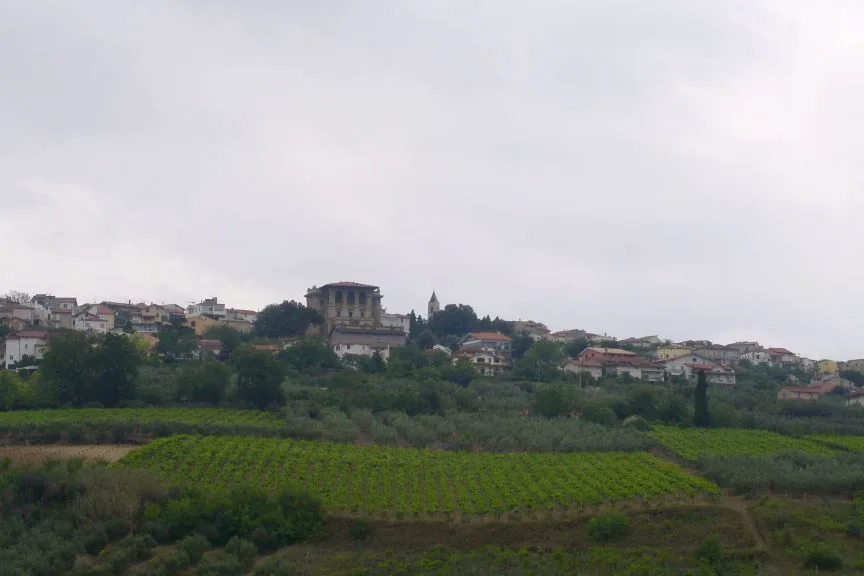
Mozzagrogna
Mozzagrogna (CH), Abruzzo: 2,439 residents, 14.10 km². The official facts of the municipality, its town council website and its registered accommodation.
Read the guide →Photo: Marcobuccione / Wikimedia Commons — CC BY-SA 3.0 · Resized and converted to WebP.

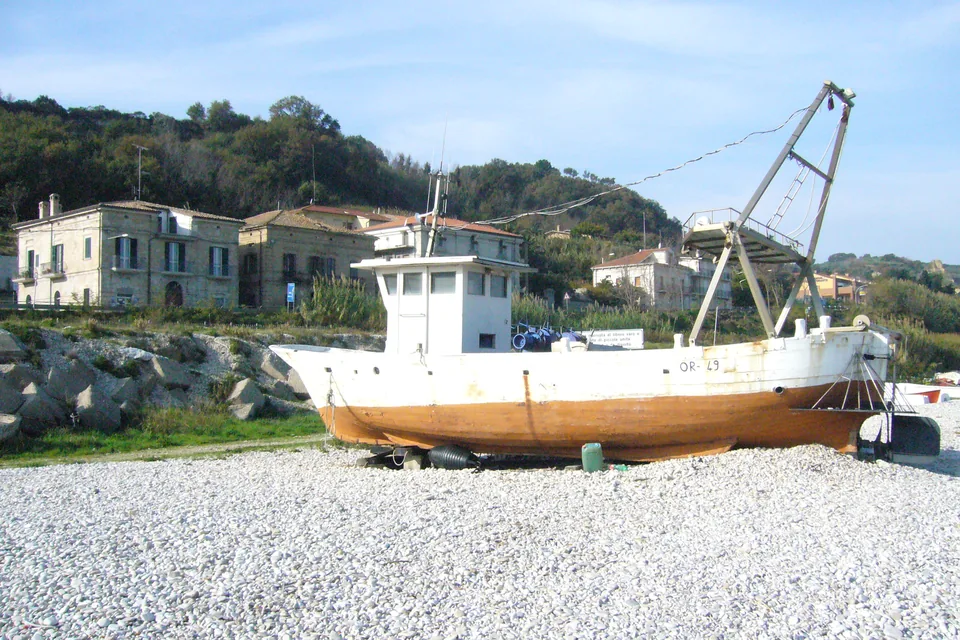
Fossacesia
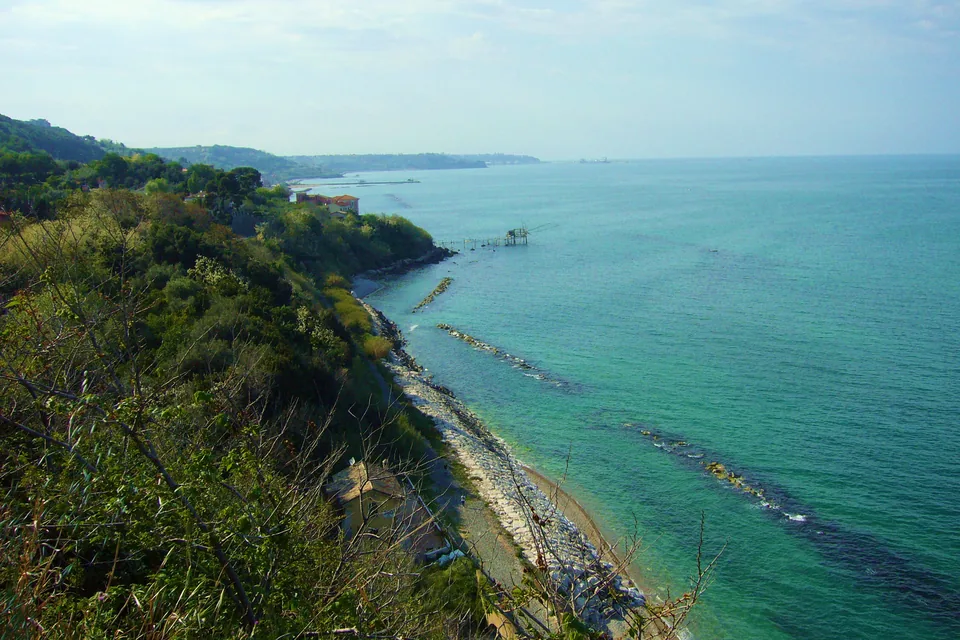
Fossacesia (CH), Abruzzo: 6,298 residents, 30.12 km². The official facts of the municipality, its town council website and its registered accommodation.
Read the guide →Photo: maury3001 / Wikimedia Commons — CC BY 3.0 · Resized and converted to WebP.

San Vito Chietino
San Vito Chietino (CH), Abruzzo: 5,142 residents, 17.00 km². The official facts of the municipality, its town council website and its registered accommodation.
Read the guide →Photo: maury3001 / Wikimedia Commons — CC BY 3.0 · Resized and converted to WebP.

Ortona
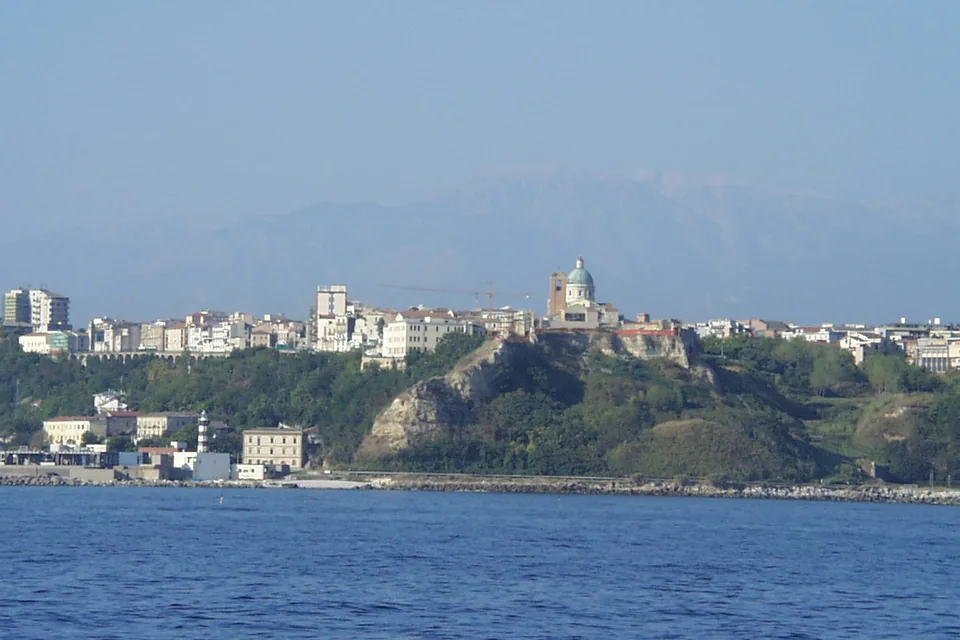
Ortona (CH), Abruzzo: 21,984 residents, 70.97 km². The official facts of the municipality, its town council website and its registered accommodation.
Read the guide →Photo: Raboe001 / Wikimedia Commons — CC BY-SA 2.5 · Resized and converted to WebP.

Chieti
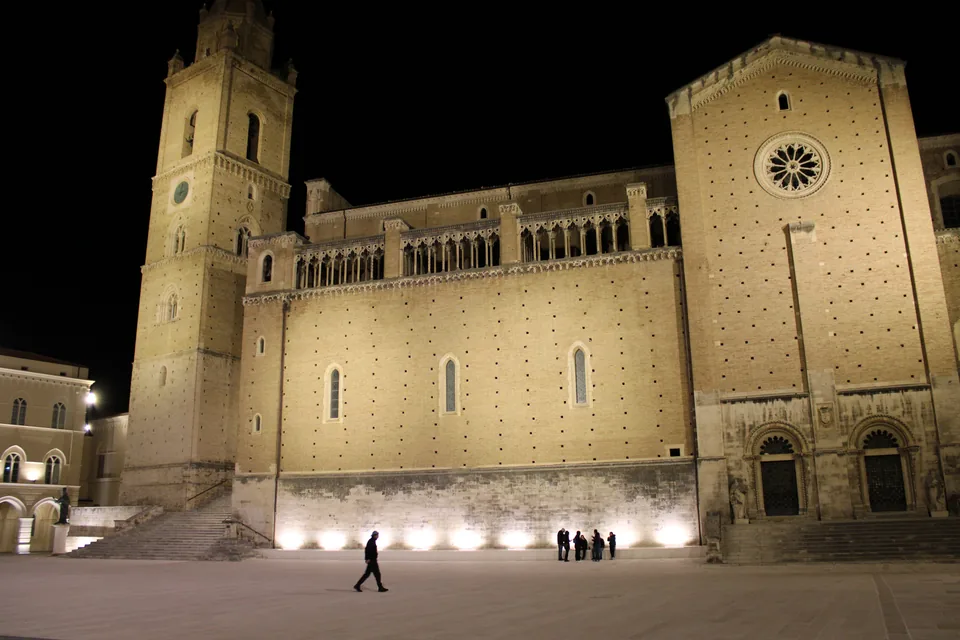
The hilltop town between the Majella and the sea: Villa Frigerj and the Capestrano Warrior, the Cathedral of San Giustino, the Teatro Marrucino, Roman temples and tunnels, the Good Friday procession.
Read the guide →Photo: Evvemoscia / Wikimedia Commons — CC BY 4.0 · Resized and converted to WebP.

Vasto
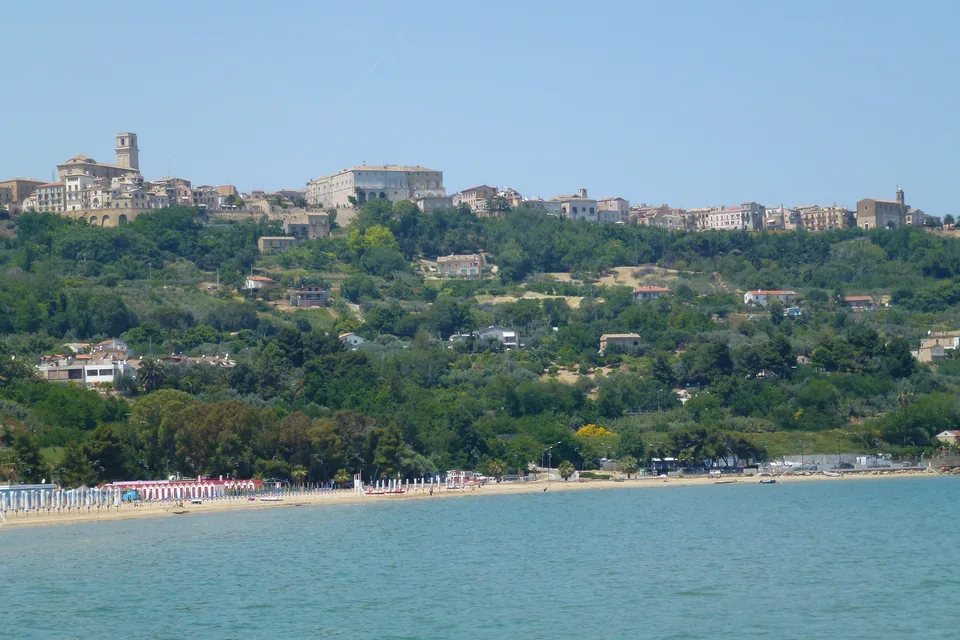
Vasto (CH), Abruzzo: 40,861 residents, 71.37 km². The official facts of the municipality, its town council website and its registered accommodation. Palazzo d’Avalos with the civic museums and the Neapolitan garden, the Caldoresco Castle, the Roman baths, Vasto Marina and the Punta Aderci nature reserve, the “Colline Teatine” PDO olive oil with the “Vastese” mention and the feast of San Michele.
Read the guide →Photo: maury3001 / Wikimedia Commons — CC BY 3.0 · Resized and converted to WebP.
