

Why go
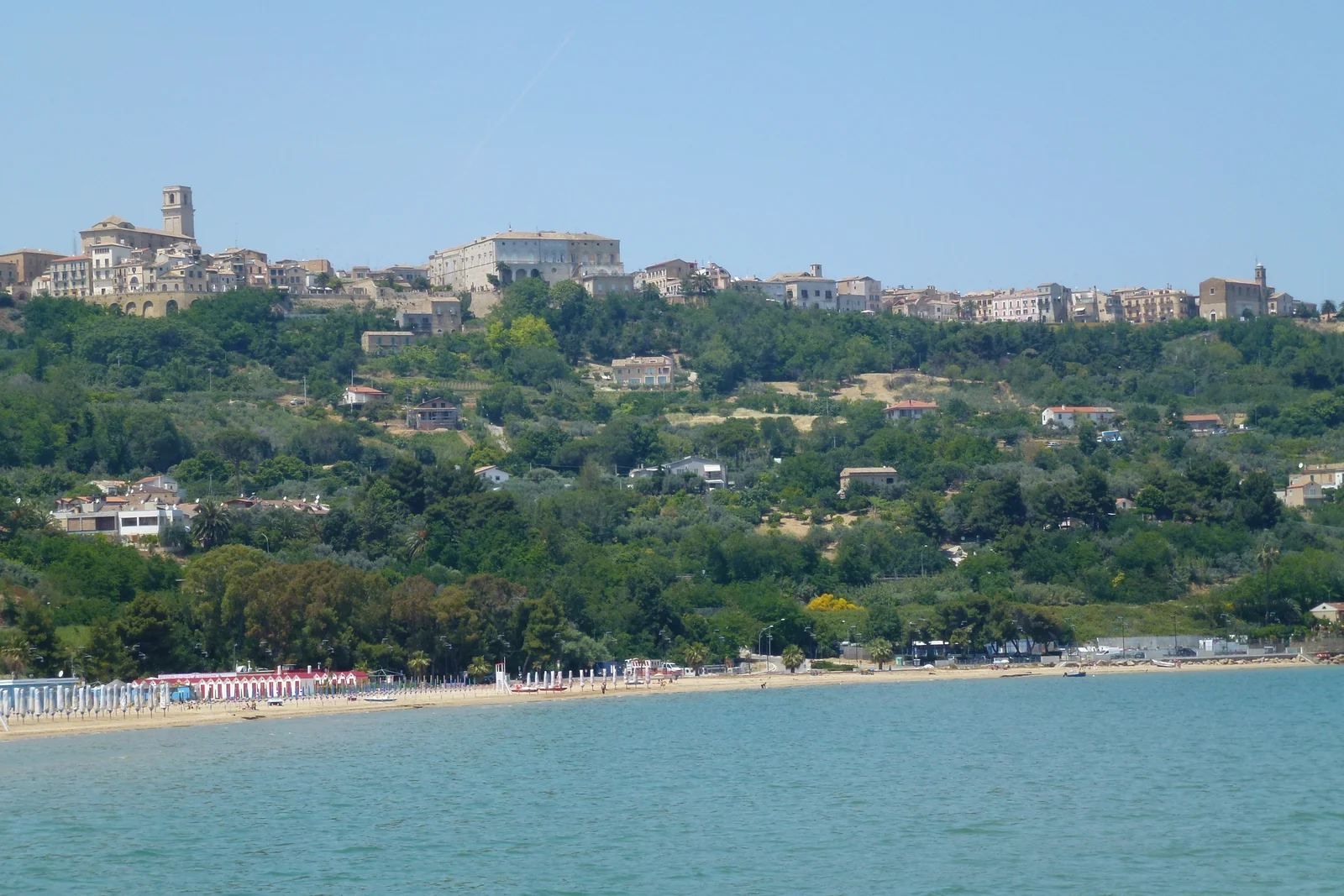
Vasto stands on a hill overlooking the sea, and the town council names Palazzo d’Avalos as the symbol of the town: the Renaissance residence of the d’Avalos marquises, with its Neapolitan garden facing the sea, which today houses the civic museums. A few steps away the Caldoresco Castle, the fortress of 1439 with its almond-shaped bastions, marks the outline of the old town, and the Torre di Bassano is the best-preserved piece of the old walls.
Below the town lies Vasto Marina, with the Lungomare Cordella, the pier over the sea and the bronze Bather on her rock. Further north the coast becomes the Punta Aderci nature reserve, the first reserve established on the Abruzzo coastline: sandy and pebble beaches and the headland over the sea. From the pier the view runs along the Costa dei Trabocchi.
Vasto is also the “little homeland” of the Rossetti family: Gabriele Rossetti was born here in 1783, went into exile in London and was the father of Dante Gabriel, founder of the Pre-Raphaelite movement. And at the end of September the town celebrates its patron saint, Michael the Archangel, for five days.
Sources: Comune di Vasto — Luoghi: Palazzo d’Avalos (aggiornato il 20 ottobre 2026) · Comune di Vasto — Luoghi: Castello Caldoresco (aggiornato l’11 novembre 2026) · Comune di Vasto — Luoghi: Torre di Bassano (aggiornato l’11 novembre 2026) · Comune di Vasto — Luoghi: Pontile di Vasto Marina (aggiornato l’11 novembre 2026) · Comune di Vasto — Luoghi: Monumento alla Bagnante (aggiornato l’11 novembre 2026) · Comune di Vasto — Luoghi: Riserva naturale di Punta Aderci (aggiornato il 14 maggio 2026) · Comune di Vasto — Luoghi: Centro europeo di studi rossettiani (aggiornato il 20 ottobre 2026) · Comune di Vasto — Festa di San Michele Arcangelo: cinque giorni di fede, musica e spettacolo (14 settembre 2026)
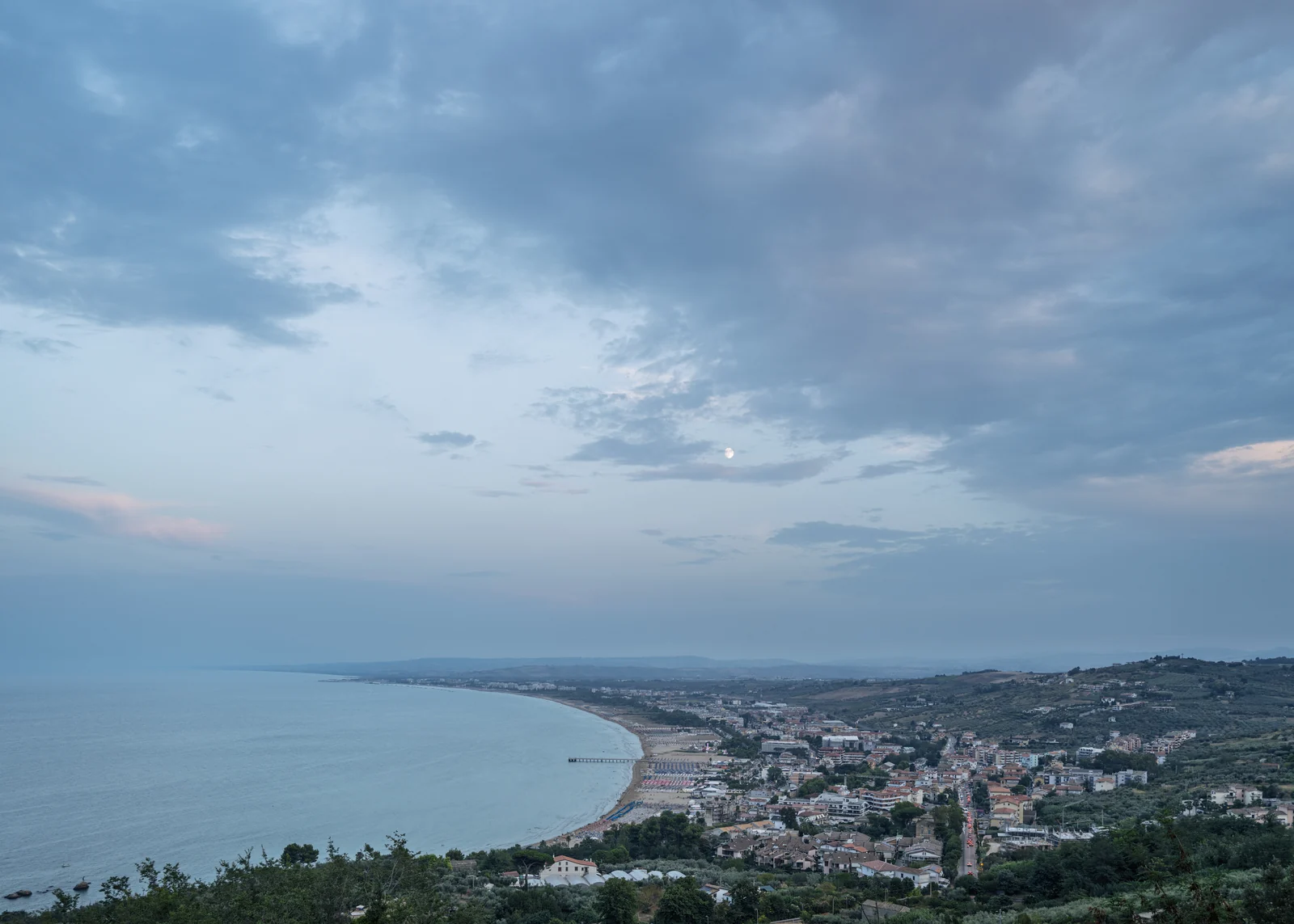
Photo: Giorgio Galeotti / Wikimedia Commons — CC BY-SA 4.0 · Resized and converted to WebP.
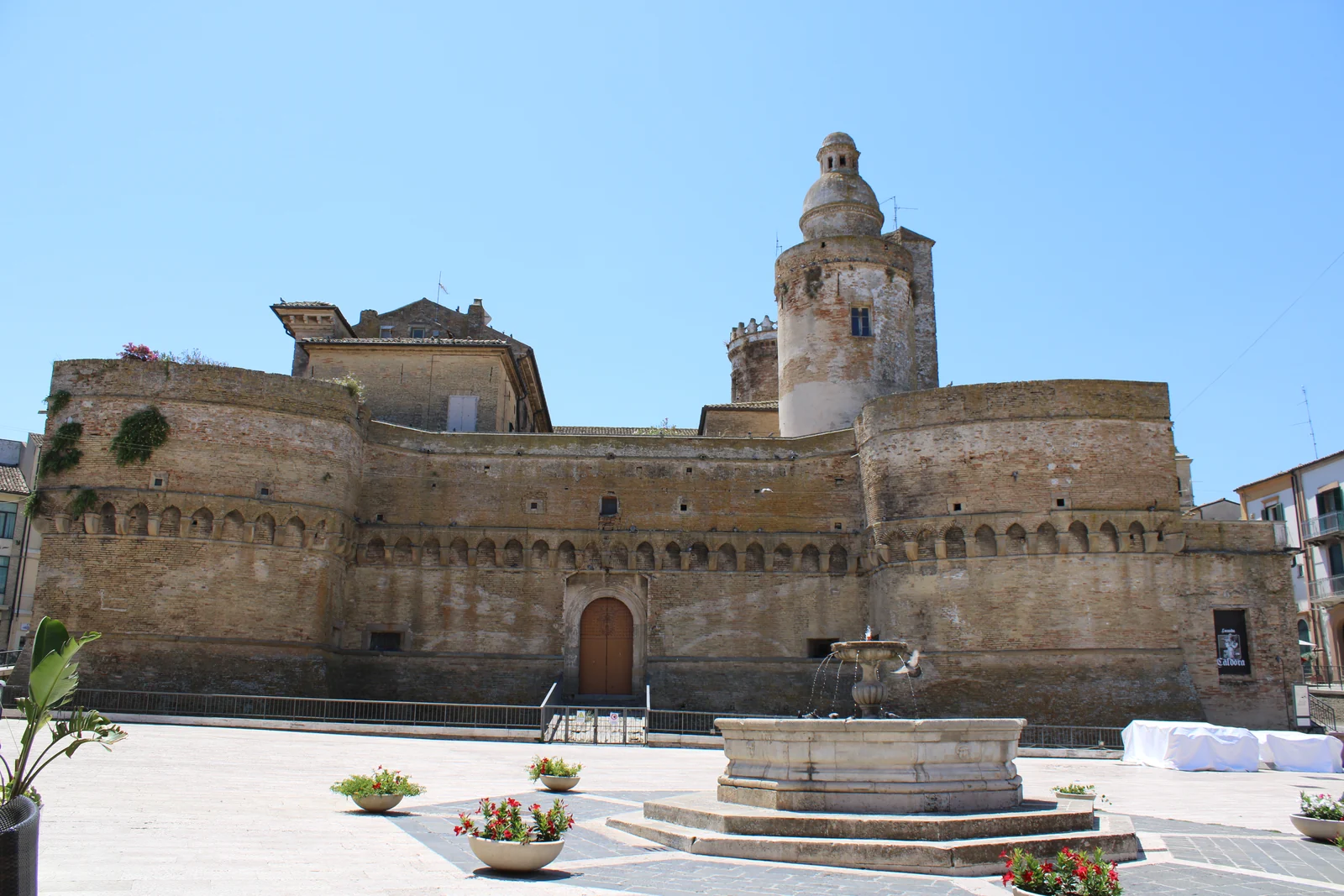
Photo: Davipar / Wikimedia Commons — CC BY-SA 3.0 · Resized and converted to WebP.
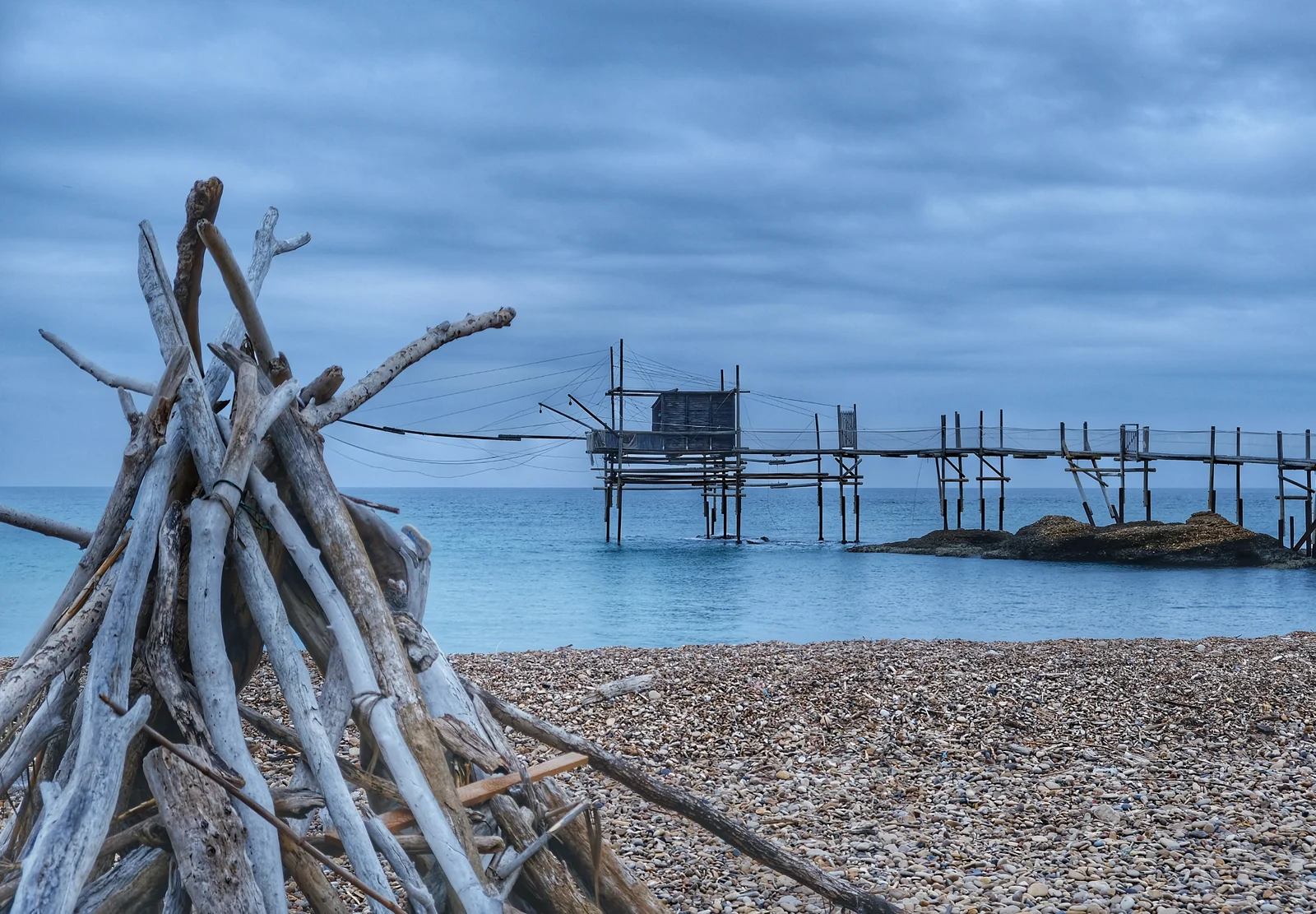
Photo: Christianmariniphoto / Wikimedia Commons — CC BY-SA 4.0 · Resized and converted to WebP.
The municipality at a glance
Vasto is a municipality in the province of Chieti, in Abruzzo. Its ISTAT code is 069099. On 1 January 2025 it had 40,861 residents. The municipal territory covers 71.37 km² and ranges from -3 to 256 metres above sea level; the town hall stands at about 143 metres.
Sources: ISTAT, Codici statistici delle unità amministrative territoriali: elenco dei comuni al 21 febbraio 2026 · ISTAT, Popolazione residente per età, sesso e stato civile al 1° gennaio 2025 (POSAS) · ISTAT, Principali statistiche geografiche sui comuni: superficie e altimetria al 31 dicembre 2021
History
The Archaeological Museum in Palazzo d’Avalos tells the oldest chapters: finds from the Iron Age to the Frentani period, between the ninth and third centuries BC, the grave goods of the Tratturo and Villalfonsina necropolises, the votive bronzes of local sanctuaries, and then the founding and growth of the Roman town of Histonium, up to the early Middle Ages. Of the Roman town there remain the second-century AD baths, which the town council describes as the largest Roman bath complex on this stretch of the Adriatic coast.
At the end of the eleventh century the medieval town took the name Castellum Aymonis: a royal charter of 1195 lists the church of “S. Maria in Guasto Aimone” among the possessions of the Benedictine monastery of San Giovanni in Venere. A Benedictine settlement is documented from 829 at the church of San Pietro, built, according to the town council, on the remains of a Roman temple of Ceres. In 1262 Count Rolando Palatino had the church of Santa Margherita built, today’s co-cathedral, whose façade bears the signature of master Ruggero de Fragenis and the date 1290.
In 1439 the condottiere and marquis Giacomo Caldora had the castle and the tower later called di Bassano built, to designs by the Sienese engineer Mariano di Jacopo, known as il Taccola. In 1464 the fortress withstood a three-month siege by the troops of Ferdinand I of Aragon against Antonio Caldora; from 1497 the d’Avalos family strengthened it with corner bastions. Their lordship lasted from the late fifteenth century to the French occupation of 1799. On 1 August 1566 the attack of the Ottoman forces of Piyale Pasha set fire to Santa Maria Maggiore and to the church that is now the co-cathedral, and ravaged the Caldora palace, on whose remains Palazzo d’Avalos was built.
In 1738, during a severe drought, a procession carried the statue of the Madonna Incoronata to a country chapel: the rain that fell at that moment gave its name to the Incoronata district, where the sanctuary was built. In 1808, after the Augustinian community was dissolved, its church was dedicated to Saint Joseph, a tribute to Joseph Bonaparte; it became a cathedral in 1853 and a co-cathedral in 1986. The theatre, today the Teatro Rossetti, was built in 1818-1819 and solemnly inaugurated on 15 September 1832 in the presence of King Ferdinand II. Vasto was the birthplace of Gabriele Rossetti (1783-1854) and of the four painter brothers Palizzi, who gave their works to the town in 1898.
The twentieth century left visible marks. The Punta Penna lighthouse, first lit on 22 October 1912, was mined by the retreating German army in 1944 and rebuilt to the same design: it reopened on 2 May 1948. The great landslide of 1956 struck the historic centre: of the church of San Pietro, demolished at the end of 1959, only the portal remains, while the ground movements brought the Roman baths to light, excavated in the 1970s. In 1974 the town council completed the purchase of Palazzo d’Avalos and began its restoration. When Vasto was chosen in 1985 for the Emigrant Monument, unveiled in 1986, the town had the highest emigration rate in Abruzzo; and the town is twinned with Perth, in Australia, where more than twelve thousand people from Vasto and their descendants live.
Sources: Musei civici di Palazzo d’Avalos — Museo archeologico (con biglietto e contatti) · Comune di Vasto — Luoghi: Parco archeologico delle Terme romane (aggiornato il 21 ottobre 2026) · Comune di Vasto — Luoghi: Chiesa di Santa Maria Maggiore · Comune di Vasto — Luoghi: il Portale di San Pietro (aggiornato il 22 ottobre 2026) · Comune di Vasto — Luoghi: Concattedrale di San Giuseppe · Comune di Vasto — Luoghi: Castello Caldoresco (aggiornato l’11 novembre 2026) · Comune di Vasto — Luoghi: Torre di Bassano (aggiornato l’11 novembre 2026) · Comune di Vasto — Luoghi: Palazzo d’Avalos (aggiornato il 20 ottobre 2026) · Comune di Vasto — Luoghi: Santuario di Maria Santissima Incoronata · Comune di Vasto — Luoghi: Teatro Rossetti (aggiornato il 7 ottobre 2026) · Comune di Vasto — Luoghi: Centro europeo di studi rossettiani (aggiornato il 20 ottobre 2026) · Musei civici di Palazzo d’Avalos — Pinacoteca · Comune di Vasto — Luoghi: il Faro di Punta Penna (aggiornato il 5 novembre 2026) · Comune di Vasto — Luoghi: Monumento all’Emigrante (aggiornato l’11 novembre 2026)
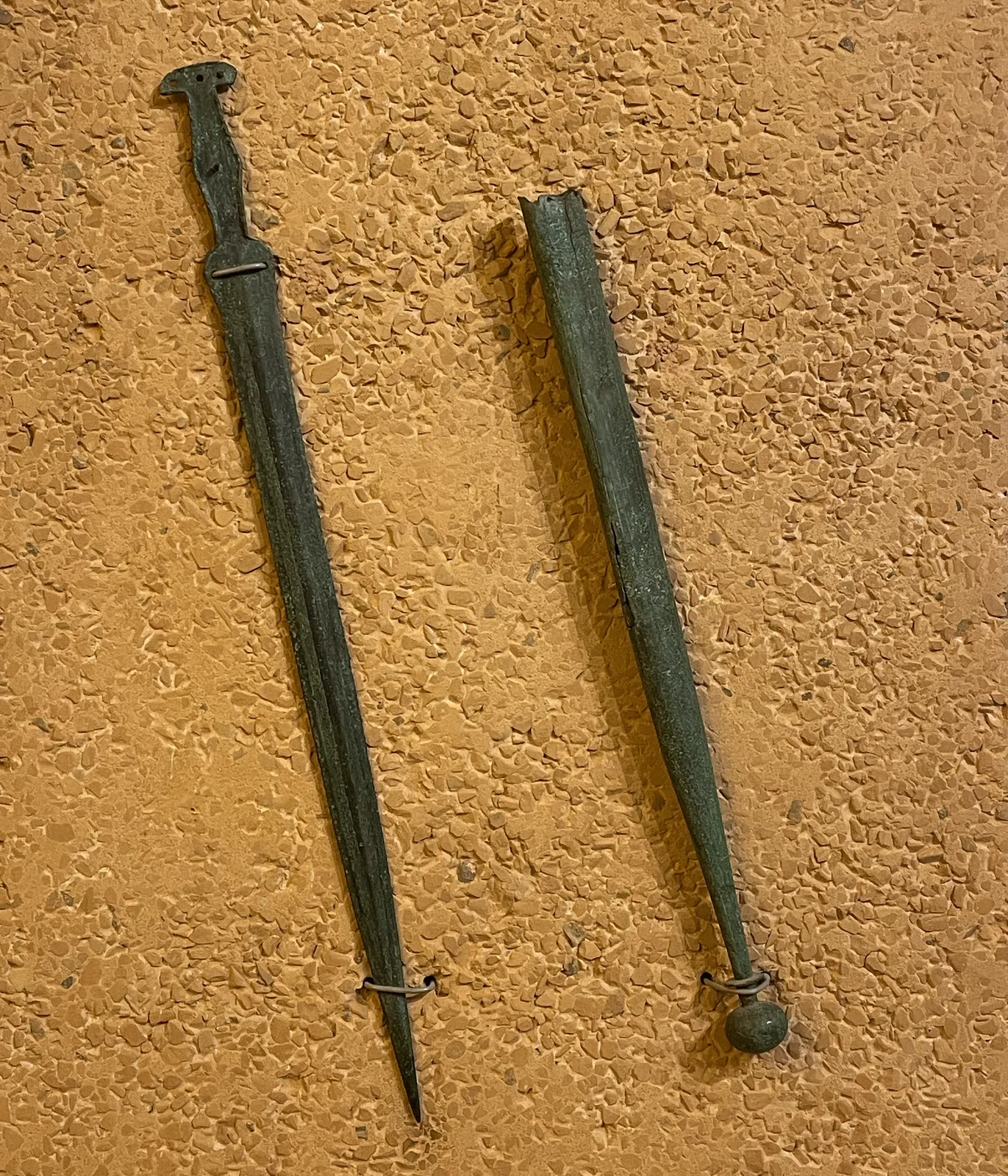
Photo: Jtorquy / Wikimedia Commons — CC BY-SA 4.0 · Resized and converted to WebP.
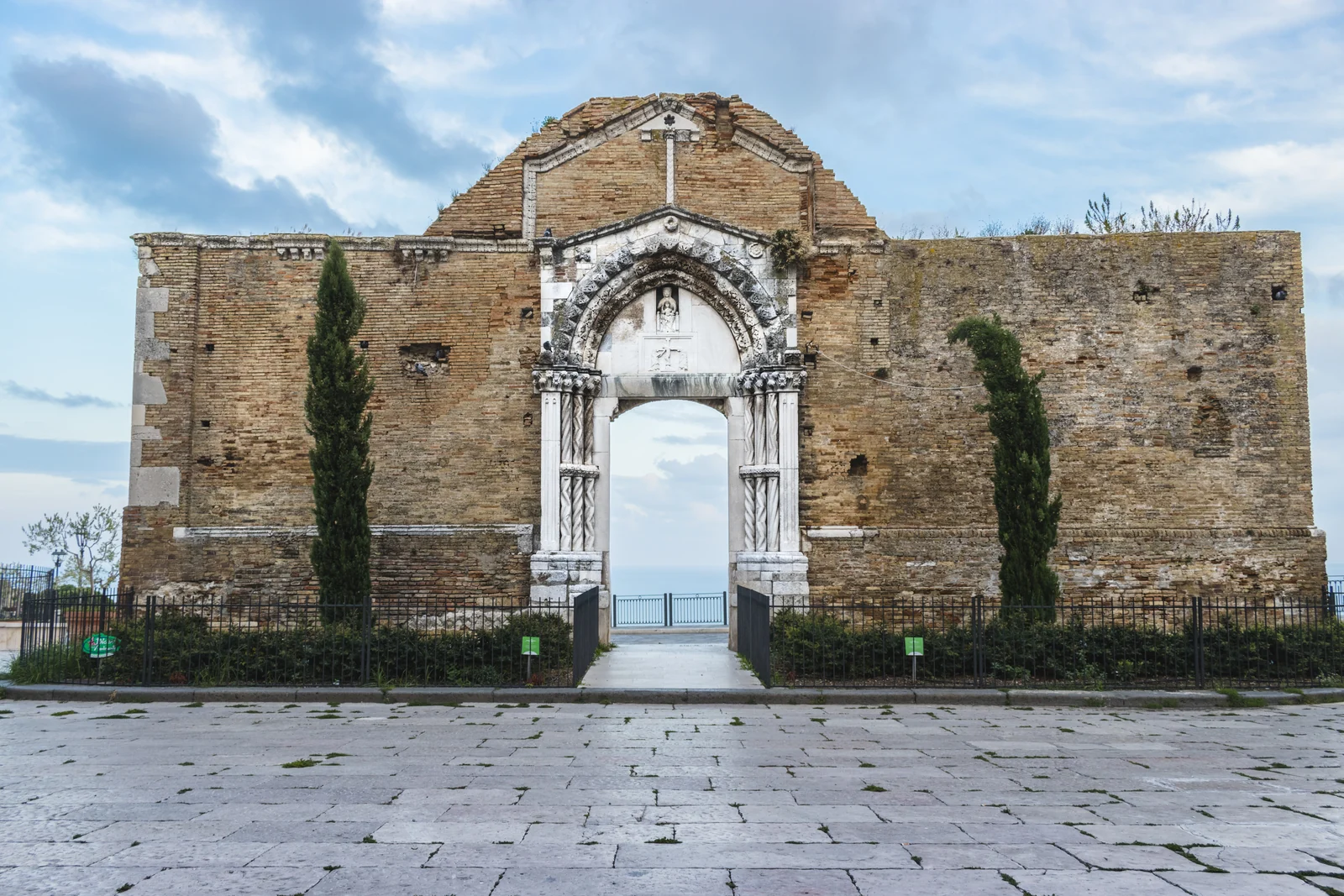
Photo: FabioYoung / Wikimedia Commons — CC BY-SA 4.0 · Resized and converted to WebP.
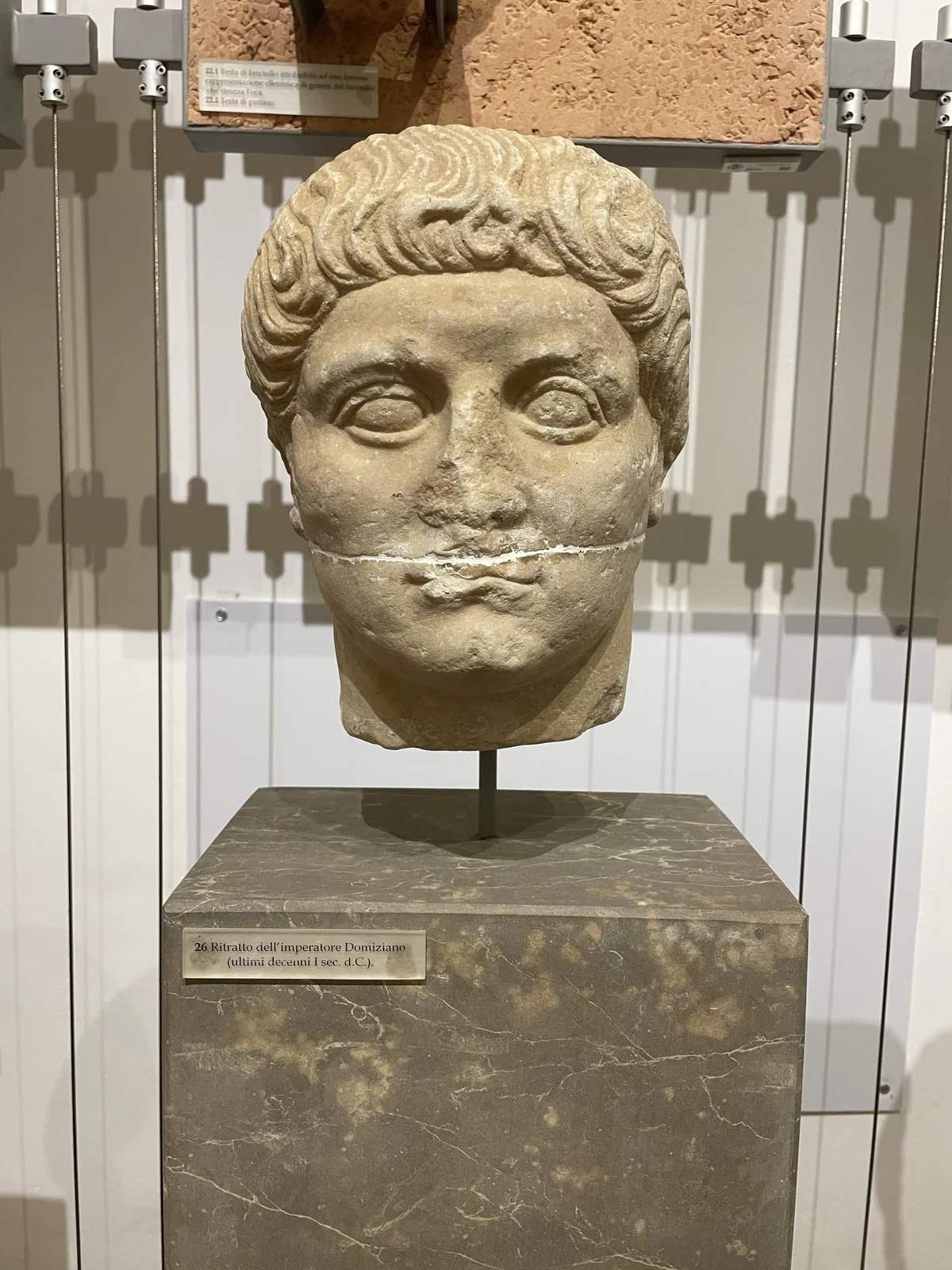
Photo: Jtorquy / Wikimedia Commons — CC BY-SA 4.0 · Resized and converted to WebP.
What to see
Palazzo d’Avalos, on Piazza Lucio Valerio Pudente, is for the town council one of the most significant examples of Abruzzo Renaissance architecture of the second half of the sixteenth century. It houses four museums: the Archaeological Museum, the Picture Gallery with the works of the Palizzi family, “Mediterranea”, the contemporary art collection with Italian and Spanish artists, and the Museum of Historic Costume, with Abruzzo dress from the early nineteenth to the early twentieth century. They are visited with a single ticket; temporary exhibitions are free and follow a separate route.
The Archaeological Museum is one of the oldest in Abruzzo: it began in 1849 as the municipal archaeological cabinet, with objects from local citizens and the finds collected by the historian Luigi Marchesani; its pieces include the offering warrior with an anatomical cuirass and the sarcophagus of Publius Paquius Scaeva. The Picture Gallery holds the works given in 1898 by Giuseppe, Filippo, Nicola and Francesco Paolo Palizzi, among them Filippo’s “Two Young Shepherds” and “Young Mule”, and paintings by Gabriele Smargiassi, Francesco Paolo Michetti and Giulio Aristide Sartorio. The Neapolitan garden, restored to its late eighteenth-century layout, has cross-shaped paths under a pergola, a well between four majolica-covered seats and a terrace over the sea.
The Caldoresco Castle, between Piazza Rossetti and Piazza Barbacani, is a private residence and cannot be visited inside: from Piazza Barbacani you can see the drawbridge and the façade, with three of the four almond-shaped bastions, whose point recalls the bow of a ship. On Piazza Rossetti stands the Torre di Bassano, a round brick tower of four storeys built over the remains of the Roman amphitheatre; in 1814 it held a telegraph station on its roof.
The co-cathedral of San Giuseppe keeps its thirteenth-century Romanesque façade in Majella stone, with the rose window and the portal signed in 1290; inside are the Cona a Mare triptych, painted in 1505 by Michele Greco da Valona, and Achille Carnevale’s frescoes of 1923. Santa Maria Maggiore, rebuilt in brick between 1783 and 1785, keeps in the chapel of the Holy Thorn one of the thorns of Christ’s crown, given to the town by the d’Avalos family, and a canvas of 1727 signed by Francesco Solimena. The octagonal church of San Michele, on Viale Rimembranza, has seven polychrome wooden statues of all the archangels of the ancient tradition and an organ given in 1907 by emigrants from Vasto living in New York.
On Via Adriatica the Portal of San Pietro, Gothic-Romanesque work of the late thirteenth century, is all that is left of the church after the landslide: today it frames the sky and the Adriatic. A little further on, the archaeological park of the Roman baths keeps the black-and-white mosaics of the pools: the Neptune mosaic, about 170 square metres in the frigidarium, and the marine mosaic of the caldarium, with sea horses, fish and octopuses. At the Silvio Petroro viewpoint, near Porta Nuova, Aldo D’Adamo’s Emigrant Monument, about six metres high, shows a family inside a globe.
Sources: Comune di Vasto — Luoghi: Palazzo d’Avalos (aggiornato il 20 ottobre 2026) · Musei civici di Palazzo d’Avalos — Il Palazzo · Musei civici di Palazzo d’Avalos — Museo archeologico (con biglietto e contatti) · Musei civici di Palazzo d’Avalos — Pinacoteca · Musei civici di Palazzo d’Avalos — Giardino napoletano · Comune di Vasto — Luoghi: Castello Caldoresco (aggiornato l’11 novembre 2026) · Comune di Vasto — Luoghi: Torre di Bassano (aggiornato l’11 novembre 2026) · Comune di Vasto — Luoghi: Concattedrale di San Giuseppe · Comune di Vasto — Luoghi: Chiesa di Santa Maria Maggiore · Comune di Vasto — Luoghi: Chiesa di San Michele Arcangelo · Comune di Vasto — Luoghi: il Portale di San Pietro (aggiornato il 22 ottobre 2026) · Comune di Vasto — Luoghi: Parco archeologico delle Terme romane (aggiornato il 21 ottobre 2026) · Comune di Vasto — Luoghi: Monumento all’Emigrante (aggiornato l’11 novembre 2026)
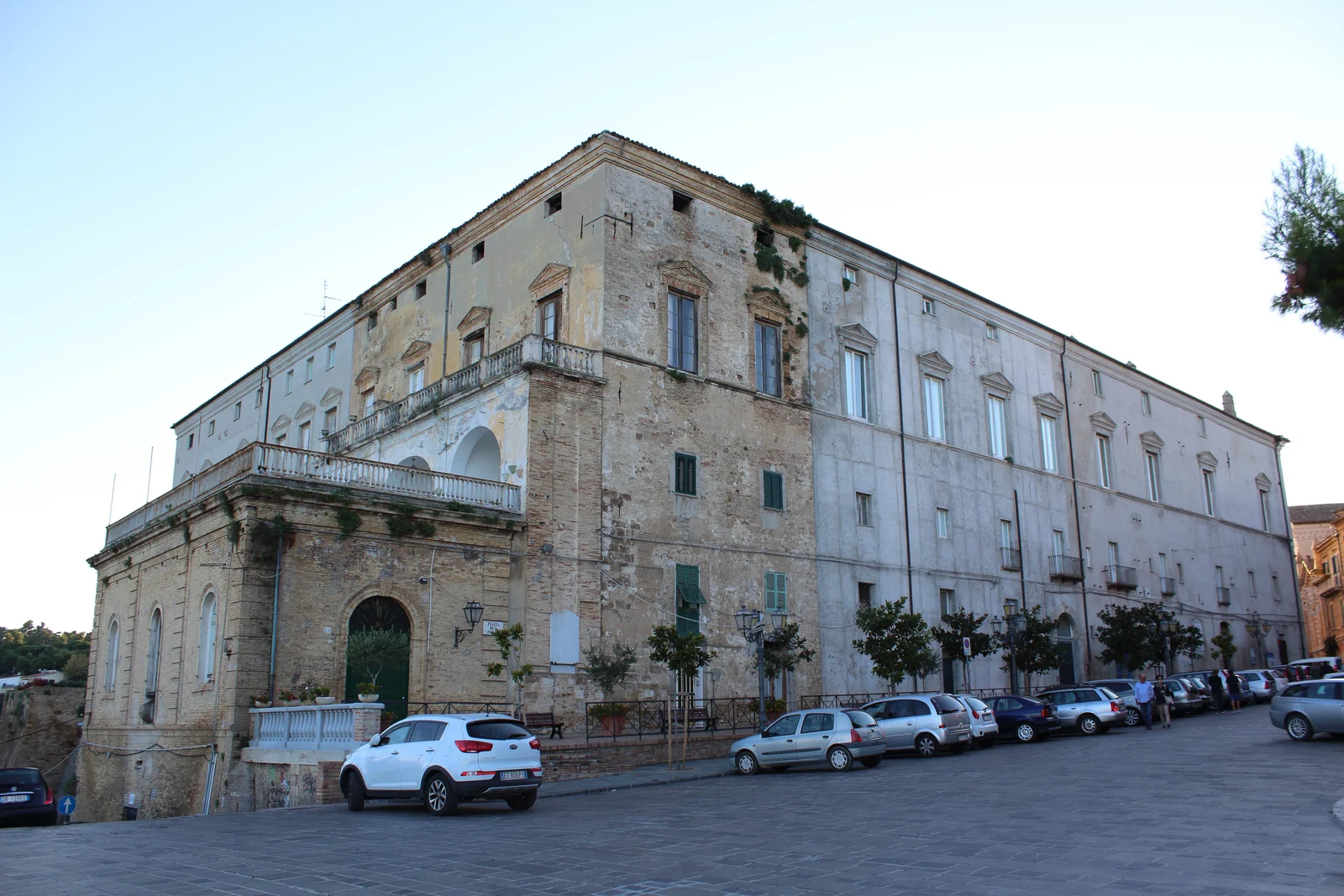
Photo: Piergiorgio Di Falco / Wikimedia Commons — CC BY-SA 4.0 · Resized and converted to WebP.
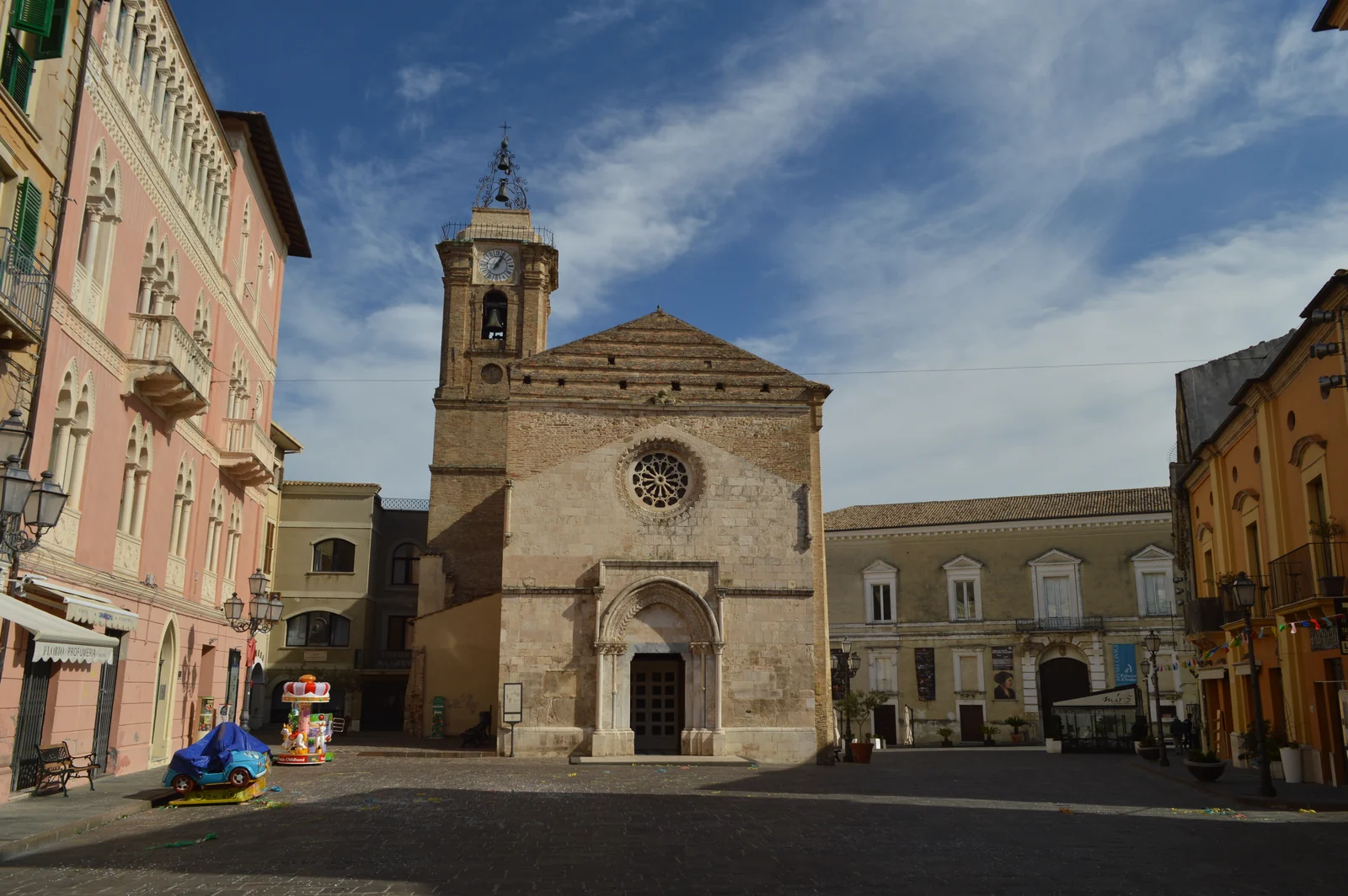
Photo: Alessiocav / Wikimedia Commons — CC BY-SA 4.0 · Resized and converted to WebP.
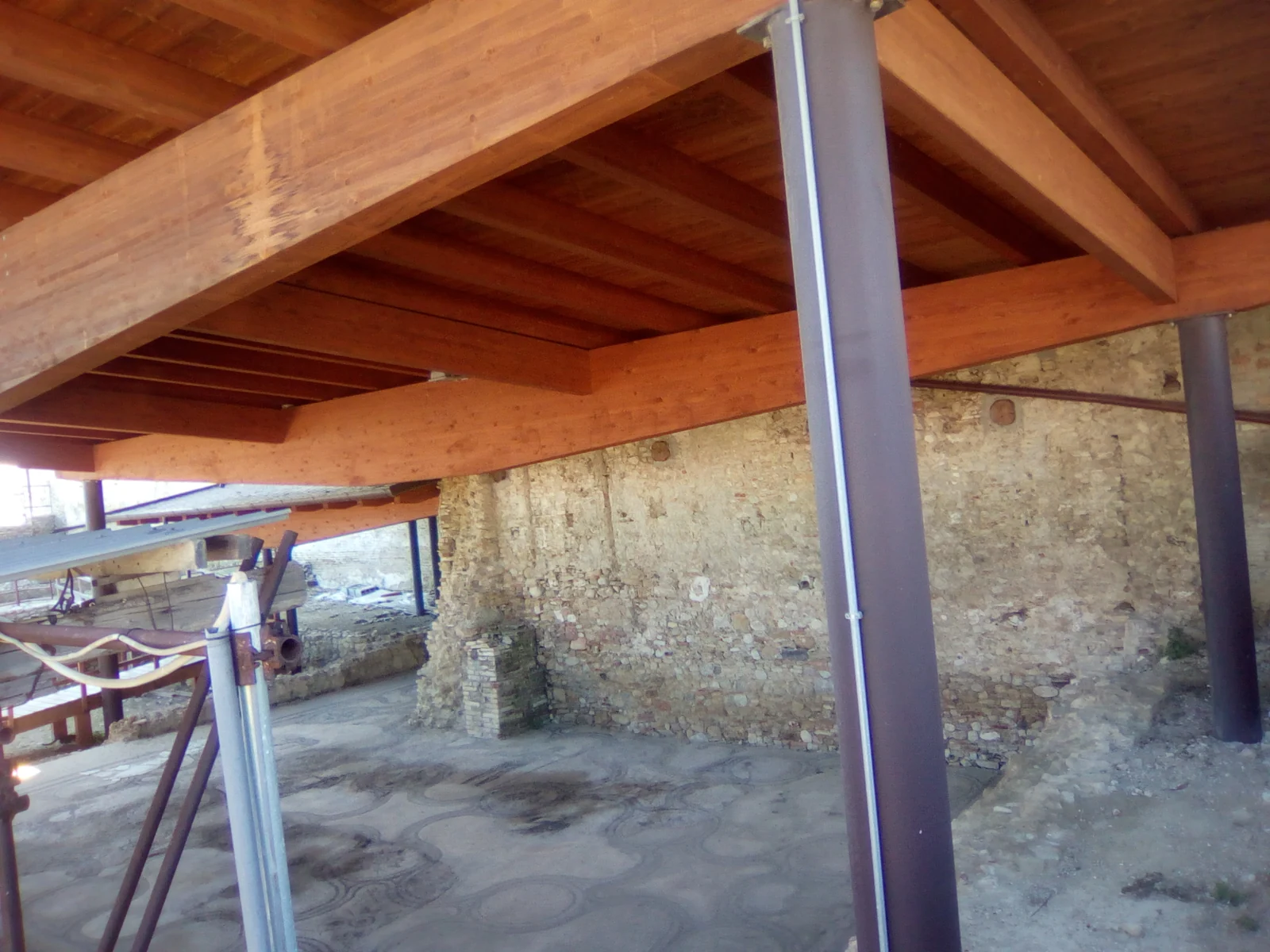
Photo: Ladylauralt / Wikimedia Commons — CC BY-SA 4.0 · Resized and converted to WebP.
The coast: Vasto Marina, Punta Penna and Punta Aderci
Vasto Marina is the seaside strip below the town. Its pier was built between 1948 and 1951 as a jetty for the paranze and trawlers unloading their catch for the fish market, before the port of Punta Penna existed; rebuilt between 1996 and 1998, it is now a pedestrian walkway ending in a viewing platform that looks out along the Costa dei Trabocchi. On one of the Scaramuzza rocks, in front of the Lungomare Cordella, Aldo D’Adamo’s Bather has stood since 1979, a bronze more than three and a half metres high: it is admired from the seafront.
The Punta Aderci regional nature reserve, established by regional law no. 9 of 20 February 1998, covers about 285 hectares, 400 with its outer buffer zone, from the Punta Penna beach, next to the port of Vasto, to the mouth of the river Sinello. It is always open and access is free. The long sandy beach of Punta Penna, a natural amphitheatre on the sea, ends in the pebble beach of the Libertini, below the cliff; a path of 80 steps links it to the dirt road climbing to the Punta Aderci headland, 26 metres above the sea.
From the headland the view takes in the whole reserve and reaches the Majella, Gran Sasso-Laga and Sibillini national parks; at sunset, in good visibility, the Conero regional park can be glimpsed. Halymenia floresia, a red seaweed, grows in some of the hollows of Punta Aderci. Beyond the headland come the small Punta Aderci beach and the pebble beach of Mottagrossa, above which a scenic path of about 3 kilometres follows the old railway line through pine woods and Mediterranean scrub, as far as the brick arches near the mouth of the Sinello.
On the Punta Penna headland rises the lighthouse, an octagonal masonry tower 70 metres high with its light 84 metres above the sea: for the town council it is the second tallest lighthouse in Italy, after the Lanterna of Genoa. It stands in a military zone and the interior opens only on special occasions or for organised guided visits. The headland also has the neo-Gothic church of Santa Maria di Pennaluce, rebuilt in brick in 1887, has a portico of five arches.
Sources: Comune di Vasto — Luoghi: Pontile di Vasto Marina (aggiornato l’11 novembre 2026) · Comune di Vasto — Luoghi: Monumento alla Bagnante (aggiornato l’11 novembre 2026) · Comune di Vasto — Luoghi: Riserva naturale di Punta Aderci (aggiornato il 14 maggio 2026) · Comune di Vasto — Luoghi: il Faro di Punta Penna (aggiornato il 5 novembre 2026) · Comune di Vasto — Luoghi: Chiesa di Santa Maria di Pennaluce
Food and drink
In the province of Chieti extra virgin olive oil has the protected designation of origin “Colline Teatine”, in the European register of geographical indications since 1997 (PDO-IT-1541); the main variety is the Gentile di Chieti. The designation’s summary sheet provides two additional geographical mentions, and one bears the town’s name: “Vastese”, alongside “Frentano”, because in these two areas the oil has more marked characteristics, owing to the minor varieties grown alongside the Gentile. The same sheet notes that the Abruzzo emigrants of New York, many of them from Vasto, find their traditions again in this very oil.
Under the specification the olives are harvested between 20 October and 20 December; for the 2025-2026 season, after the drought, a temporary amendment notified to the European Commission brought the start of the harvest forward to 5 October.
The national list of traditional food products of Abruzzo includes the ventricina vastese, also called del vastese, vescica or muletta, and the artichoke of the Vasto area. Fish has a long history in the town: the Vasto Marina pier was built precisely for the local fleet of paranze and trawlers, which unloaded their crates there for the wholesale fish market.
Sources: Commissione europea — eAmbrosia, registro delle indicazioni geografiche: «Colline Teatine» PDO-IT-1541 · Commissione europea — eAmbrosia: scheda riepilogativa della DOP «Colline Teatine» (allegato 71709) · Commissione europea — eAmbrosia: modifica temporanea della DOP «Colline Teatine», PDO-IT-1541-TEMP01 (5 novembre 2025) · Gazzetta Ufficiale, S.O. n. 11 del 9 marzo 2018 — Elenco nazionale dei prodotti agroalimentari tradizionali, Regione Abruzzo · Comune di Vasto — Luoghi: Pontile di Vasto Marina (aggiornato l’11 novembre 2026)
Things to do
The Teatro Rossetti, at Via Aimone 1, has 165 seats in the stalls and three tiers of boxes; since its reopening in 2007 it has offered drama and concert seasons, with tickets for single shows and season passes on sale on the theatre’s official website. In the hall, restored in 1909, you can see the ceiling painted by Federico Ballester and the gilded stucco by the Manetti firm of Florence.
At Palazzo d’Avalos the visit to the four museums ends in the Neapolitan garden and on its terrace over the sea; the building also hosts temporary exhibitions, free of charge. Anyone interested in the Rossetti family will find the European Centre for Rossetti Studies at Largo Piave 8, which works with the town council and with the collaboration of Italian, French, British and American universities. The “Raffaele Mattioli” library, in the stables of Palazzo Aragona at Via Aragona 26, has reading rooms, a newspaper library with dailies and periodicals from 1986 and a space for contemporary art.
In the Punta Aderci reserve, the information point on the Punta Penna beach, on the port side, hires out single, double and triple canoes and SUP boards; the one at the Punta Aderci entrance hires out mountain bikes for the old railway path, and in spring and autumn hire is by advance booking for groups of more than five. Guided visits for groups and schools can be arranged all year round; the path along the Sinello, in the inland part of the reserve, is best done by mountain bike.
The simplest walk is at sunset on the Vasto Marina pier, accessible to everyone, with the Bather to be seen from the Lungomare Cordella; in town, Via Adriatica links the Portal of San Pietro and the park of the Roman baths.
Sources: Comune di Vasto — Luoghi: Teatro Rossetti (aggiornato il 7 ottobre 2026) · Comune di Vasto — Luoghi: Palazzo d’Avalos (aggiornato il 20 ottobre 2026) · Musei civici di Palazzo d’Avalos — Giardino napoletano · Comune di Vasto — Luoghi: Centro europeo di studi rossettiani (aggiornato il 20 ottobre 2026) · Comune di Vasto — Luoghi: Polo bibliotecario comunale «Raffaele Mattioli» (aggiornato il 21 ottobre 2026) · Comune di Vasto — Luoghi: Riserva naturale di Punta Aderci (aggiornato il 14 maggio 2026) · Comune di Vasto — Luoghi: Pontile di Vasto Marina (aggiornato l’11 novembre 2026) · Comune di Vasto — Luoghi: Monumento alla Bagnante (aggiornato l’11 novembre 2026) · Comune di Vasto — Luoghi: il Portale di San Pietro (aggiornato il 22 ottobre 2026) · Comune di Vasto — Luoghi: Parco archeologico delle Terme romane (aggiornato il 21 ottobre 2026)
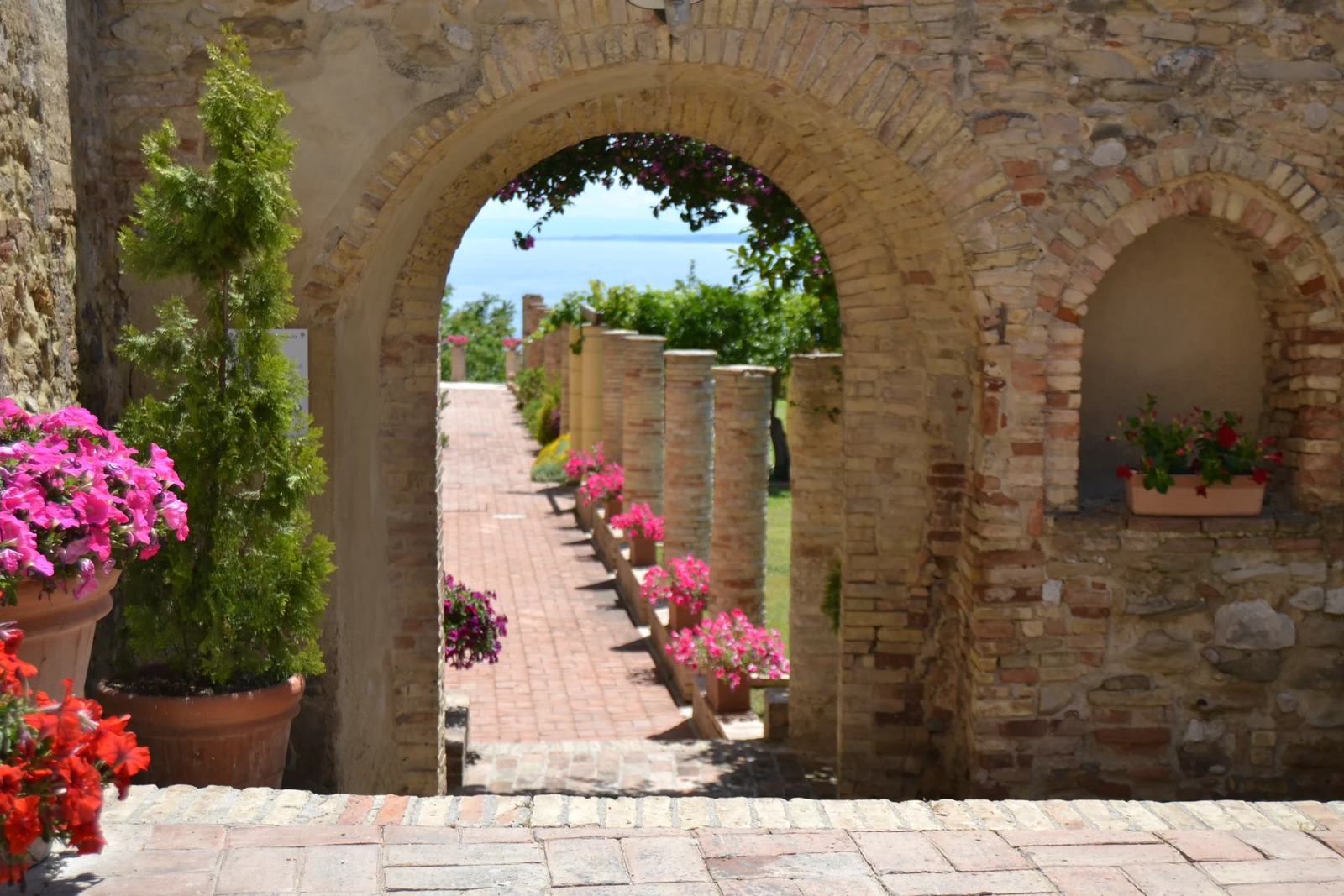
Photo: Effettì / Wikimedia Commons — CC BY-SA 4.0 · Resized and converted to WebP.
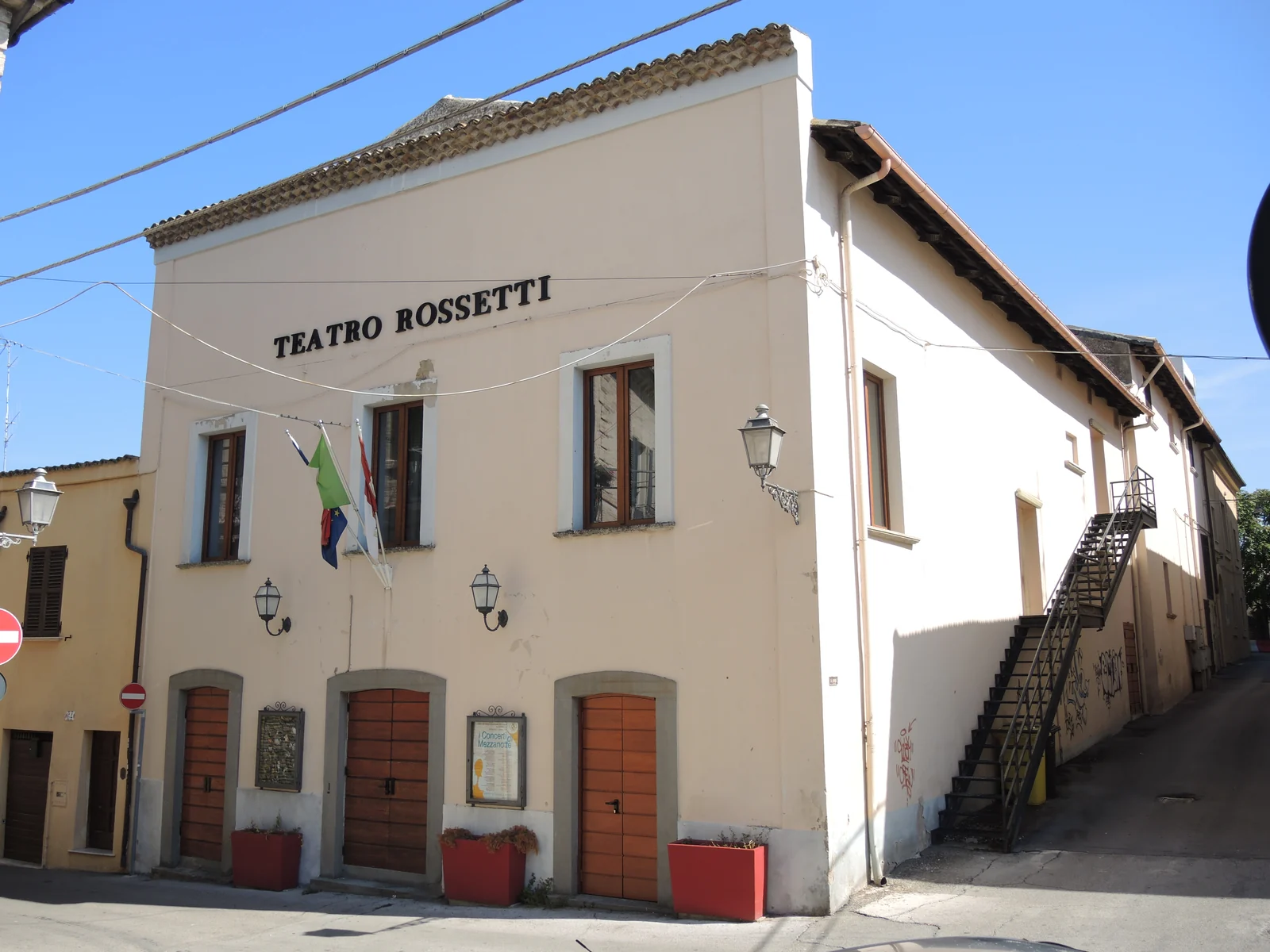
Photo: Pietro / Wikimedia Commons — CC BY-SA 4.0 · Resized and converted to WebP.
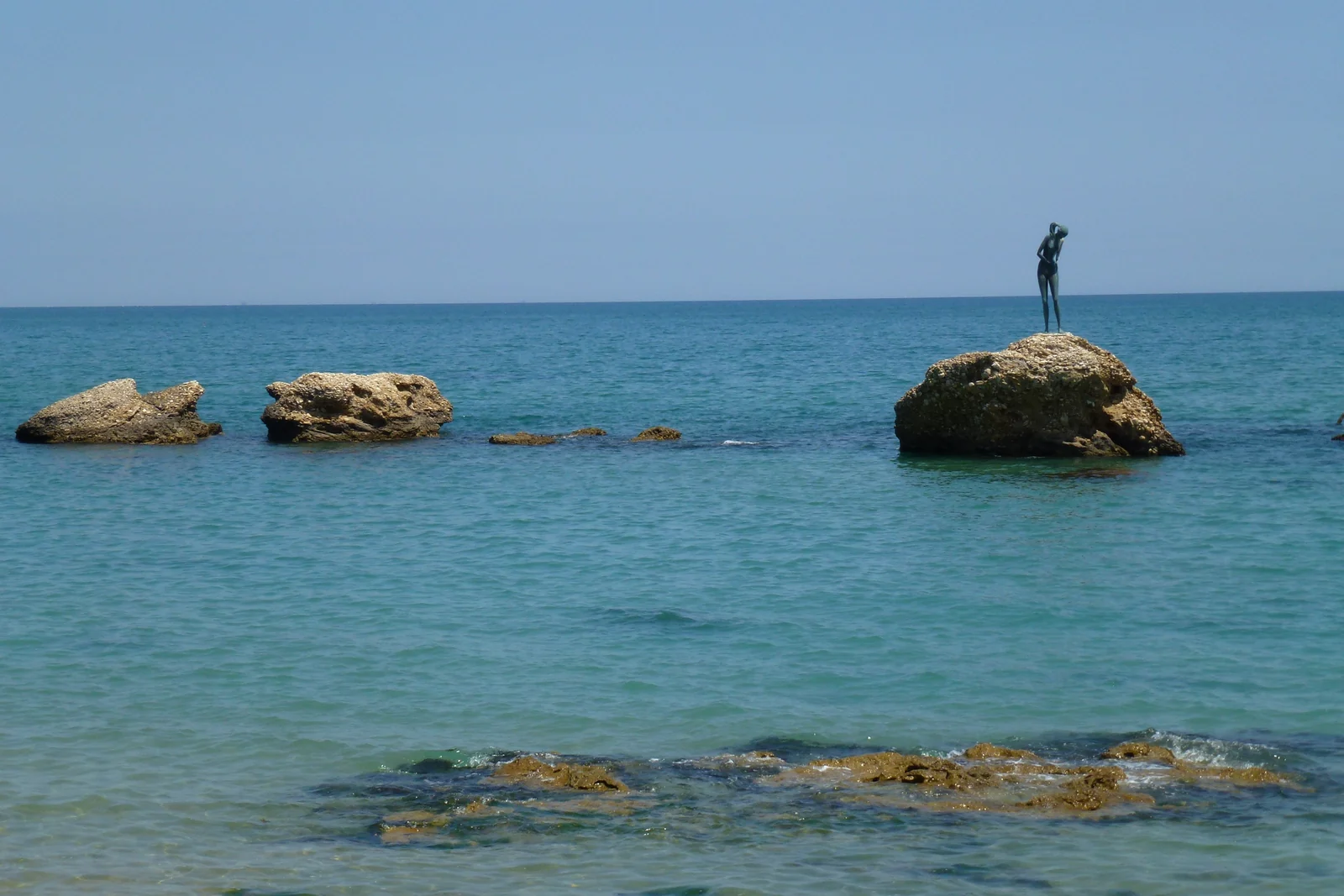
Photo: maury3001 / Wikimedia Commons — CC BY 3.0 · Resized and converted to WebP.
When to go
Vasto’s patron saint is Michael the Archangel, and his feast lasts five days at the end of September. In 2026 it ran from 26 to 30 September: on the 29th the Masses at Santa Maria Maggiore, one of them celebrated by the archbishop; on the 30th Mass followed by the procession, the concert in Piazza Rossetti and the traditional fireworks to close. The devotion goes back to 1656, when the people of Vasto walled a stone from the sanctuary of San Michele on the Gargano into Porta Santa Maria, to ask for protection from plague and earthquakes.
In spring the procession of the Holy Thorn leaves Santa Maria Maggiore in the evening and crosses the historic centre: in 2026 it was held on Friday 27 March, starting at 7 pm. On the second Sunday of May the feast of the Madonna di Pennaluce brings a procession at sea; the church at Punta Penna opens regularly in that month.
Summer is the season of the sea: the information points of the Punta Aderci reserve open on the second weekend of June and close on the third weekend of September, and in summer 2025 a shuttle ran every ten minutes between the Punta Aderci car park and the beach. The reserve stays open all year, and in spring and autumn bike hire is booked for groups.
Sources: Comune di Vasto — Festa di San Michele Arcangelo: cinque giorni di fede, musica e spettacolo (14 settembre 2026) · Comune di Vasto — Luoghi: Chiesa di San Michele Arcangelo · Comune di Vasto — Processione della Sacra Spina: modifiche alla viabilità il 27 marzo 2026 (25 marzo 2026) · Comune di Vasto — Luoghi: Chiesa di Santa Maria di Pennaluce · Comune di Vasto — Luoghi: Riserva naturale di Punta Aderci (aggiornato il 14 maggio 2026)
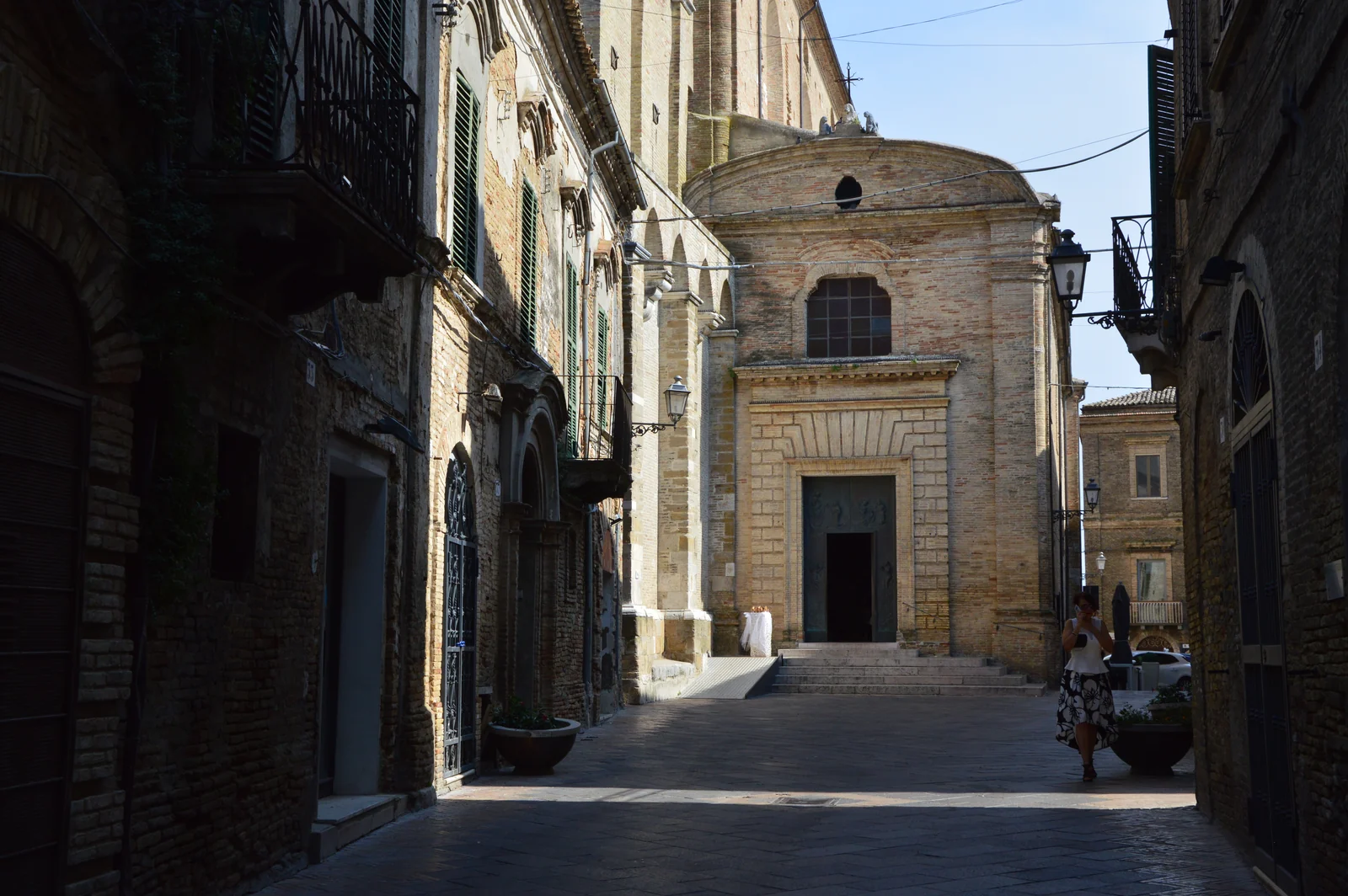
Photo: Alessiocav / Wikimedia Commons — CC BY-SA 4.0 · Resized and converted to WebP.
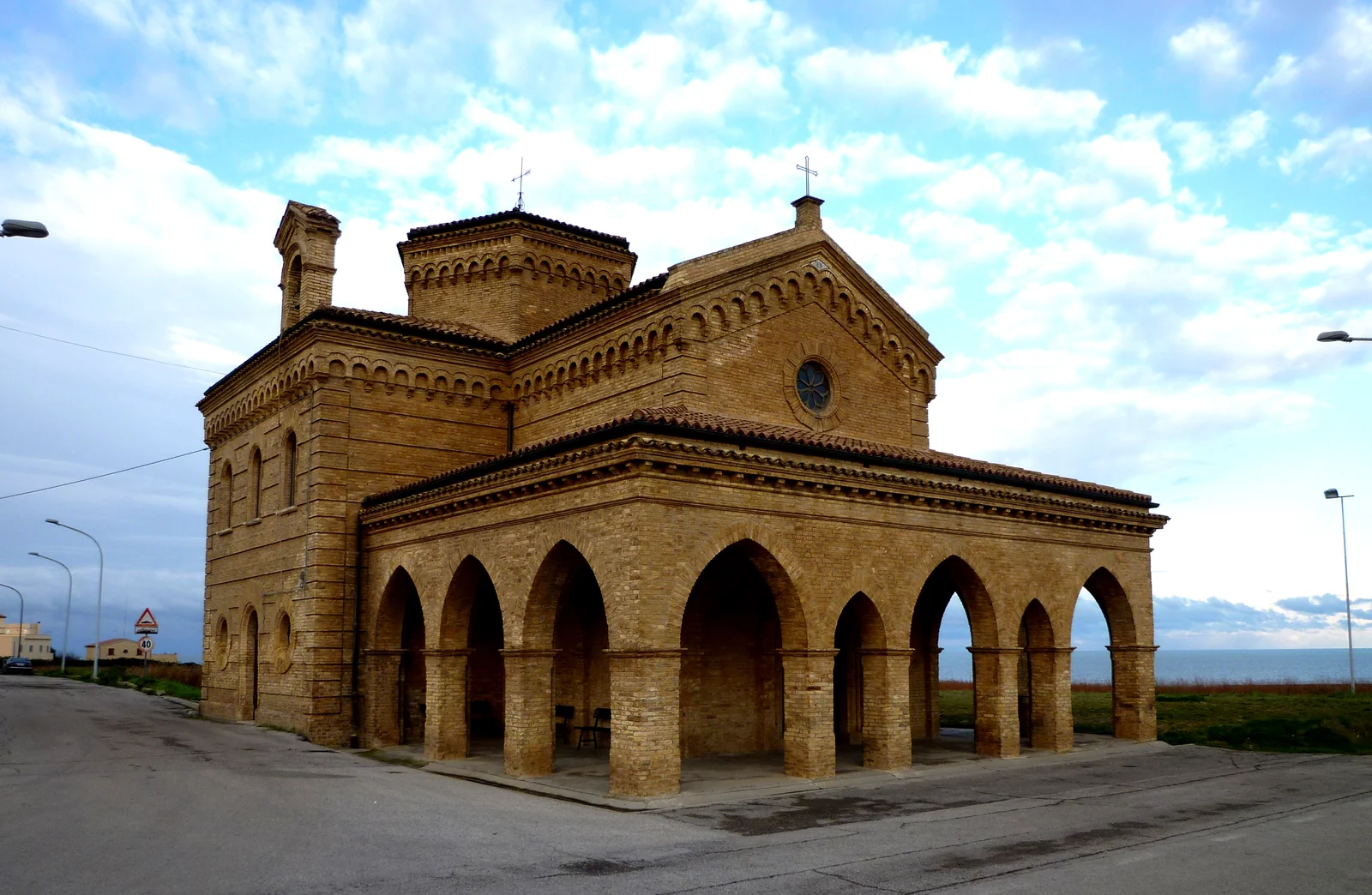
Photo: Zitumassin / Wikimedia Commons — CC BY-SA 3.0 · Resized and converted to WebP.
Getting there and around
The railway station is Vasto-San Salvo, facing the coast. RFI refurbished and reopened it in February 2025: seismic upgrading, better accessibility, renewed passenger areas and a new façade inspired by the shoreline. On the new forecourt the bays in front of the station are reserved for taxis, kiss-and-ride, shuttles and people with reduced mobility. For the Punta Aderci reserve, from town, the council points to urban bus line 3.
The historic centre is a limited traffic zone with pedestrian areas, monitored since August 2024 by electronic gates that read number plates; access is from Via De Amicis and from Via Mascagni-Corso Plebiscito. In February 2025 the council opened the gates from 8 am to 8 pm for a four-month trial: before driving in, check the hours in force with the local police. The council also issues temporary permits, for people with disabilities and for non-residents with a booking, on 0873 309497 and 0873 69090.
In Vasto Centro and Vasto Marina parking is paid in many streets. In 2026 the council opened weekly and monthly passes for non-residents too, seasonal passes in Vasto Marina from 15 June to 15 September and passes for hotel guests valid both in town and by the sea; they are requested from the parking office at Corso Nuova Italia 2.
Sources: RFI — Vasto-San Salvo: stazione rinnovata e più accessibile (20 febbraio 2025) · Comune di Vasto — Luoghi: Riserva naturale di Punta Aderci (aggiornato il 14 maggio 2026) · Comune di Vasto — Dal 6 agosto attivazione dei varchi elettronici nelle aree a traffico limitato (1 agosto 2024) · Comune di Vasto — Apertura dei varchi ZTL dalle 08:00 alle 20:00 (18 febbraio 2025) · Comune di Vasto — Parcheggi a pagamento, le tariffe vigenti a Vasto Marina e a Vasto Centro (29 maggio 2026)
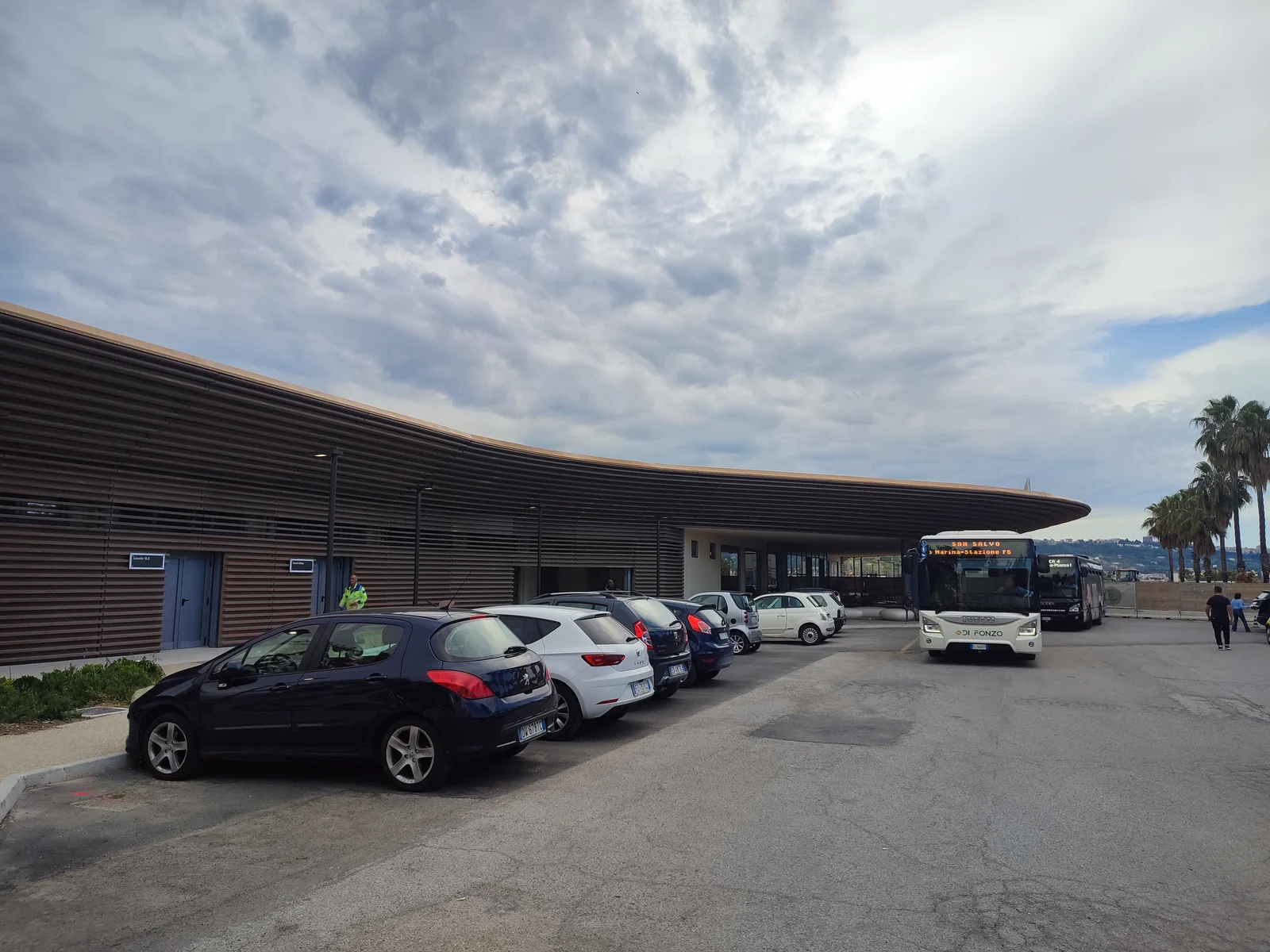
Photo: Jtorquy / Wikimedia Commons — CC BY-SA 4.0 · Resized and converted to WebP.
Tourism
Anyone staying overnight in Vasto who is not a resident pays the tourist tax, per person and per night, in the months from April to September; from October to March accommodation is exempt. With the rates the council’s executive confirmed for 2026, it is 1.50 euros a night in one- and two-star hotels, in campsites and holiday villages and in non-hotel accommodation such as B&Bs, guest rooms, holiday homes and flats, hostels and farm stays; 2 euros in three-star hotels and 2.50 in four- and five-star hotels.
On the beaches the Abruzzo Region’s 2026 beach ordinance applies, which set the bathing season from 23 May to 20 September. In the five-metre strip from the water’s edge you do not stop to sunbathe: it stays free for passage and rescue, and during the season no umbrellas, sunbeds or deckchairs go there and no one smokes. In those months dogs and other pets may be on the shoreline and the free beaches only before 8 am and after 7 pm, while beach establishments that have set up the service admit them. On the beaches there is no camping or sleeping overnight, no fires or stoves, and no litter; on the free beaches umbrellas, sunbeds and chairs are not left after sunset, because they are treated as abandoned waste. Through the beach establishments access to the shoreline is free of charge, but from 9 pm to 5 am the concession beaches may be used only with the operator’s consent.
Sources: Comune di Vasto — Delibera di Giunta comunale n. 367 del 22 ottobre 2025, «Imposta di soggiorno 2026: determinazione tariffe», pubblicata dal Dipartimento delle Finanze · Regione Abruzzo, Ufficio Demanio marittimo — Ordinanza balneare 2026 (D.D. DPC032/67 dell’11 marzo 2026, rettificata con D.D. DPC032/118 del 21 maggio 2026) · Regione Abruzzo — D.D. DPC032/168 del 14 luglio 2026, modifiche e integrazioni all’Ordinanza balneare 2026 (animali d’affezione in spiaggia)
“Come to Vasto as a guest, not as a tourist: that is how these places truly let you know them.”
Accommodation in figures
In the Ministry of Tourism’s national database of accommodation (BDSR), on 12 October 2026, Vasto had 862 establishments with a verified national identification code (CIN): 24 hotel-type establishments, 178 non-hotel establishments and 660 other establishments.
Sources: Ministero del Turismo – Banca Dati Strutture Ricettive (dashboard pubblica)
Nearby
Among the places Apulica already covers, the nearest is Termoli (about 27 km): straight-line distances between the centres of the municipal territories.
To the north the Punta Aderci reserve runs as far as the mouth of the river Sinello, on the border with Casalbordino, where that town’s seafront begins; the railway station bears the names of Vasto and of neighbouring San Salvo.
Sources: ISTAT/Openpolis, confini comunali della regione Abruzzo (CC BY 4.0, ISTAT/Openpolis) · Comune di Vasto — Luoghi: Riserva naturale di Punta Aderci (aggiornato il 14 maggio 2026) · RFI — Vasto-San Salvo: stazione rinnovata e più accessibile (20 febbraio 2025)
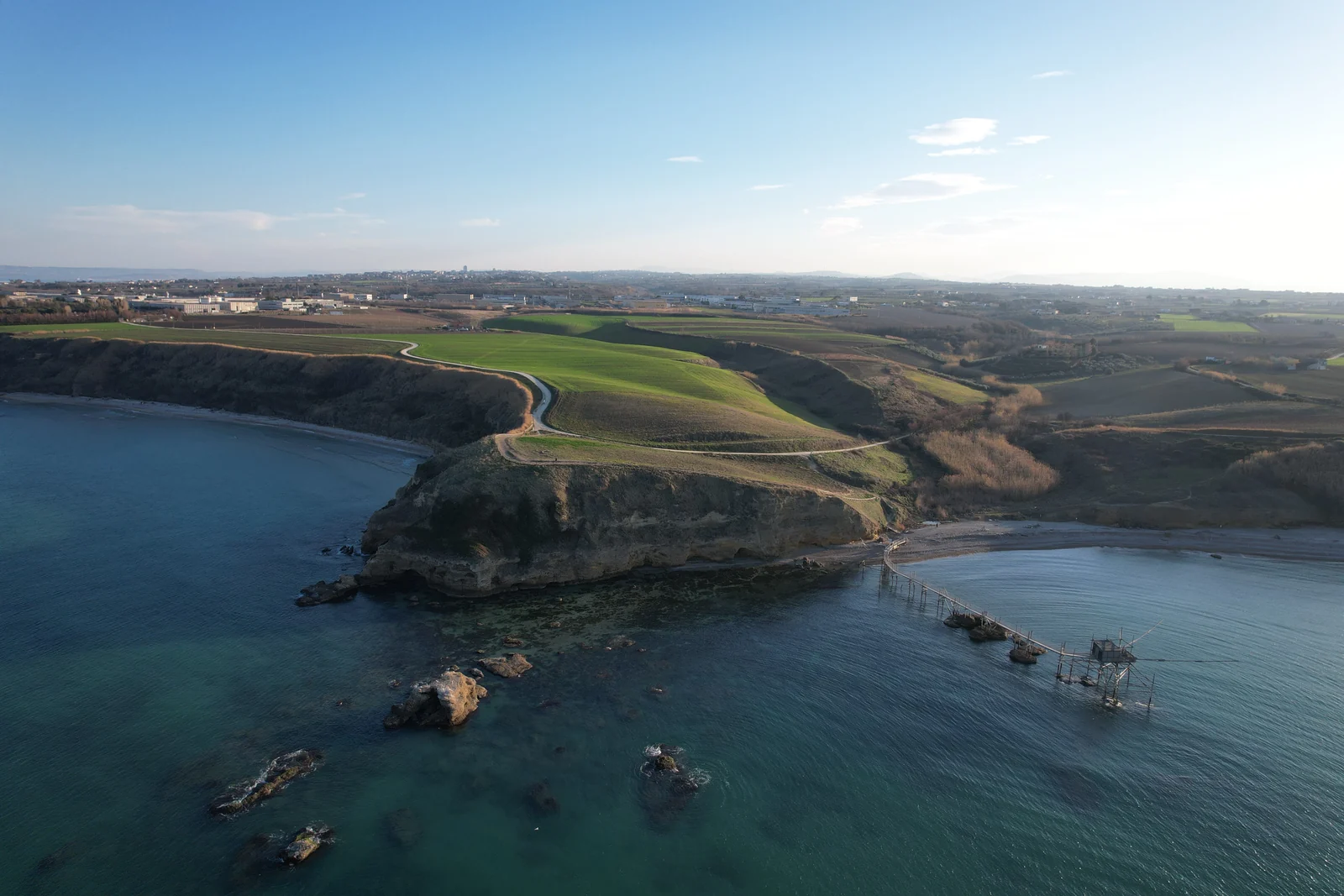
Photo: Enzosav / Wikimedia Commons — CC BY-SA 4.0 · Resized and converted to WebP.
The town council
The official website of the Comune di Vasto, registered in IndicePA, the index of the digital addresses of Italy’s public administrations, is the reference for the town council’s offices, opening hours and news. Its address is listed among the sources of this section.
The town council’s seat is at Piazza Barbacani 2 and the switchboard answers on 0873 3091. The IAT tourist information office is at Piazza del Popolo 18, on the ground floor, and answers on 0873 367312.
Sources: Comune di Vasto, sito istituzionale · IndicePA (AgID), Indice dei domicili digitali delle pubbliche amministrazioni: dataset Enti · Comune di Vasto — Luoghi: IAT, Informazioni e accoglienza turistica (aggiornato il 20 ottobre 2026)
Where to stay
In the municipality of Vasto the national database of the Ministry of Tourism lists 862 accommodation businesses with a verified CIN code: 24 hotels, 178 other licensed accommodation and 660 other types such as B&Bs and private rentals.
Ask Apulica for a stay in Vasto We reply shortly, within a few hours at most, with a proposal for you to consider.
Sources: Ministero del Turismo – Banca Dati Strutture Ricettive (dashboard pubblica), 2026-10-12
YOUR JOURNEY
How to shape a journey here
To include Vasto in a trip, or to ask for a guide or a transfer, you can write to Apulica with the button below.
Plan your tripKeep exploring
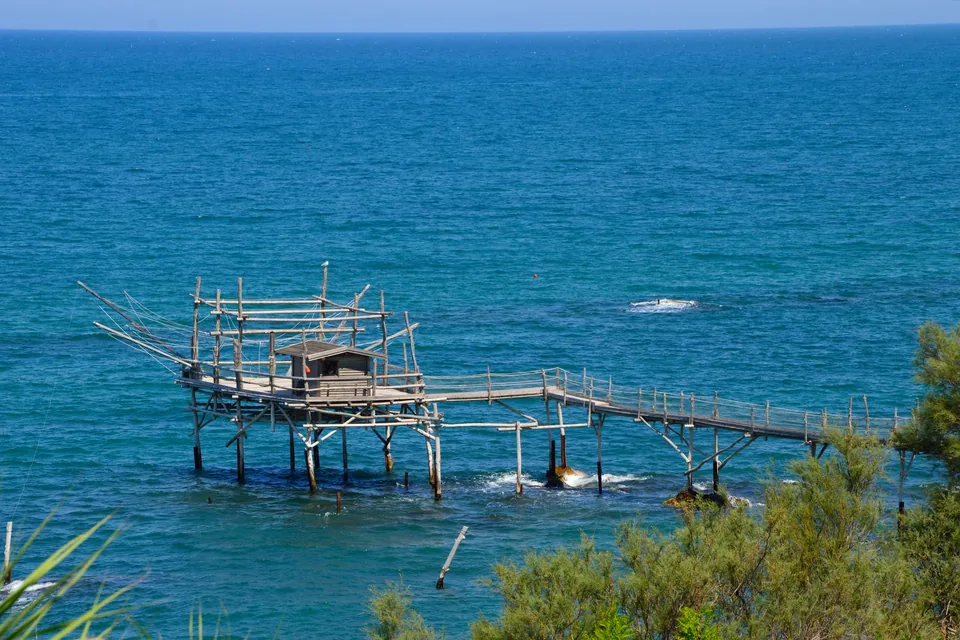
Trabocchi Coast
The Chieti coastline between Ortona and Vasto, with some thirty wooden trabocchi and the hermitage where D’Annunzio stayed.
Read the guide →Photo: Francesca Piersanti / Wikimedia Commons — CC BY-SA 4.0 · Resized and converted to WebP.

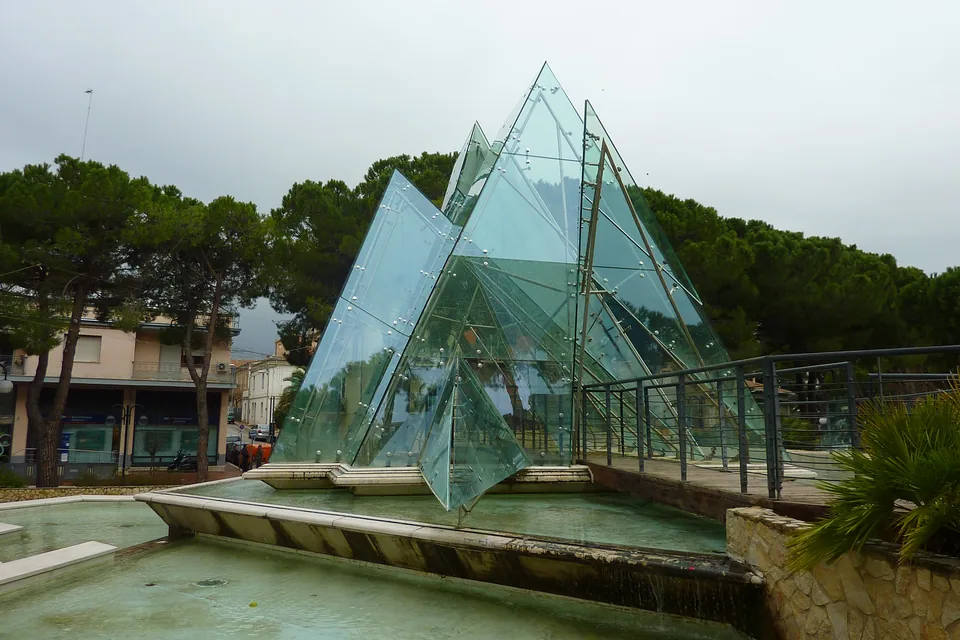
San Salvo
San Salvo (CH), Abruzzo: 19,890 residents, 19.69 km². The official facts of the municipality, its town council website and its registered accommodation.
Read the guide →Photo: Pietro / Wikimedia Commons — CC BY-SA 3.0 · Resized and converted to WebP.

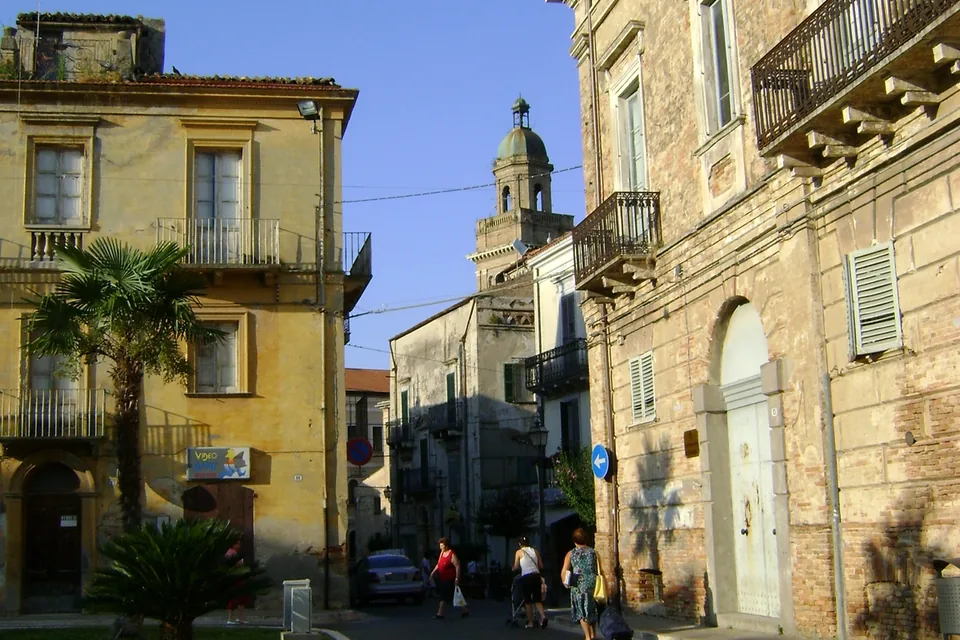
Casalbordino
Casalbordino (CH), Abruzzo: 5,661 residents, 46.00 km². The official facts of the municipality, its town council website and its registered accommodation.
Read the guide →Photo: Zitumassin / Wikimedia Commons — Public domain · Resized and converted to WebP.

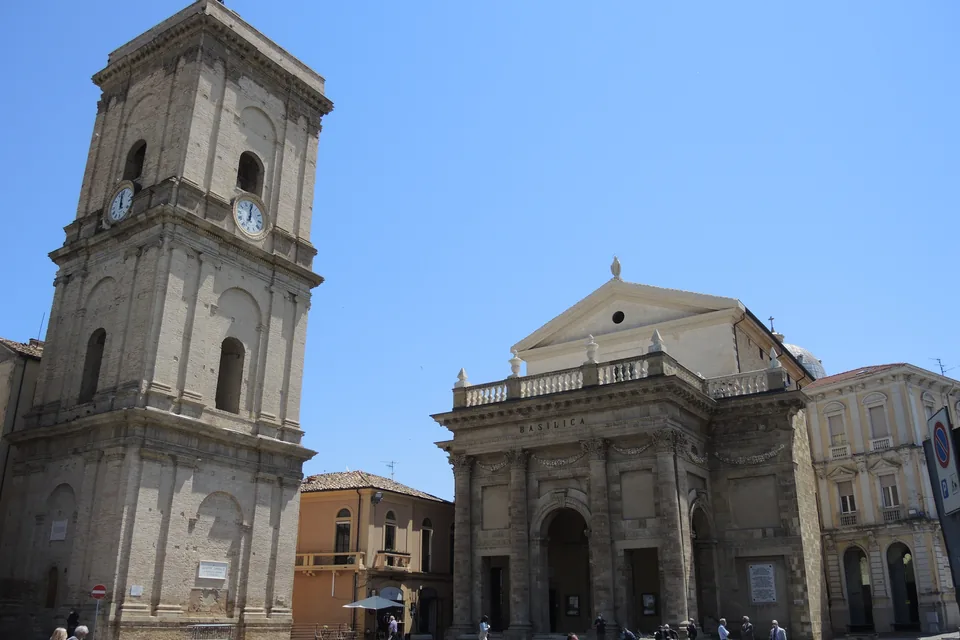
Lanciano
Lanciano (CH), Abruzzo: 33,917 residents, 66.96 km². The official facts of the municipality, its town council website and its registered accommodation. The sanctuary of the Eucharistic Miracle, the cathedral of the Madonna del Ponte above the Diocletian bridge, underground Lanciano, the Torri Montanare, the four historic quarters, the Mastrogiurato and the September feasts.
Read the guide →Photo: Pietro / Wikimedia Commons — CC BY-SA 4.0 · Resized and converted to WebP.

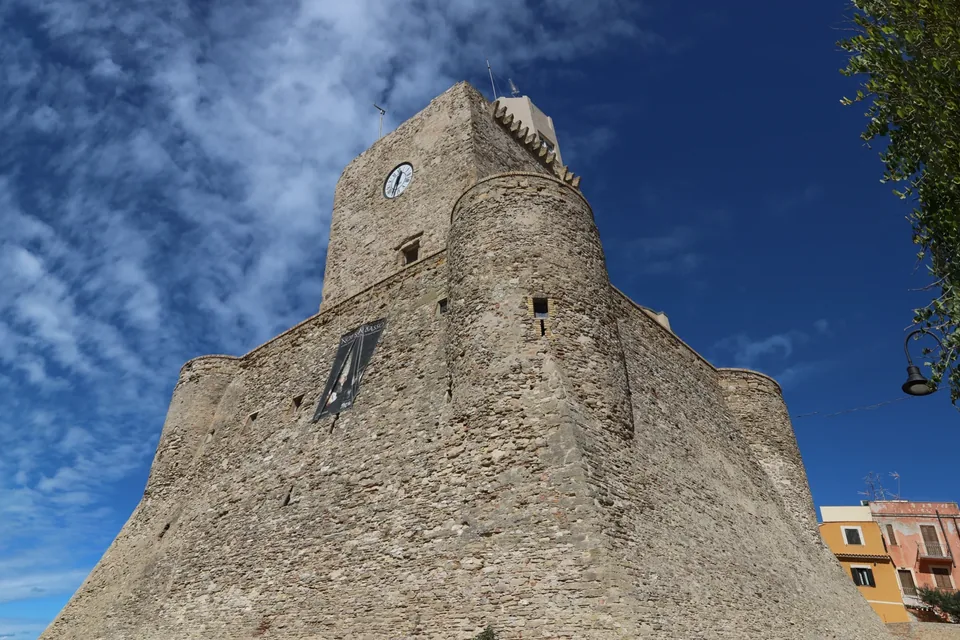
Termoli
An old town on a rocky spur over the sea, the Swabian castle, the cathedral of San Basso and the trabucchi of the Adriatic coast.
Read the guide →Photo: C.lapia / Wikimedia Commons — CC BY-SA 4.0 · Resized and converted to WebP.

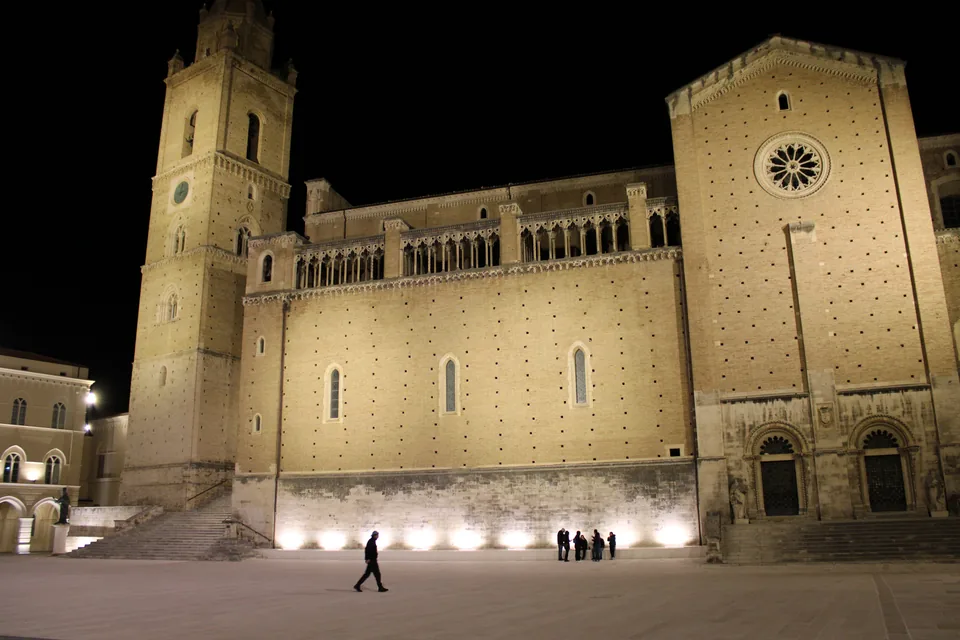
Chieti
The hilltop town between the Majella and the sea: Villa Frigerj and the Capestrano Warrior, the Cathedral of San Giustino, the Teatro Marrucino, Roman temples and tunnels, the Good Friday procession.
Read the guide →Photo: Evvemoscia / Wikimedia Commons — CC BY 4.0 · Resized and converted to WebP.

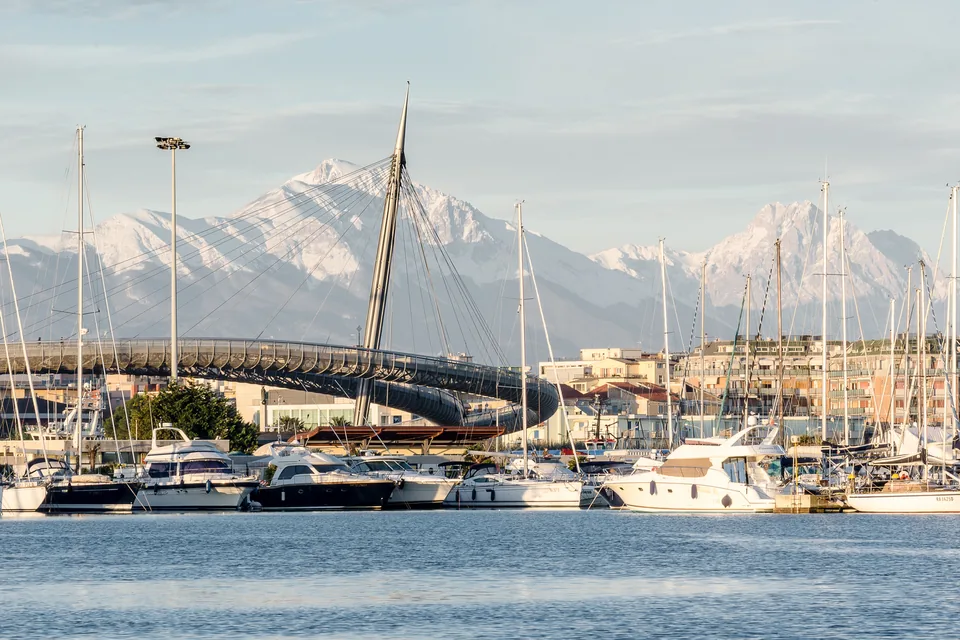
Pescara
The city on the sea and the river: Cascella's Nave, the Ponte del Mare, d'Annunzio's birthplace, the Museo delle Genti d'Abruzzo, the pine forest, summer jazz, arrosticini and brodetto.
Read the guide →Photo: Giulio Gigante from Pescara, Italy / Wikimedia Commons — CC BY-SA 2.0 · Resized and converted to WebP.
